
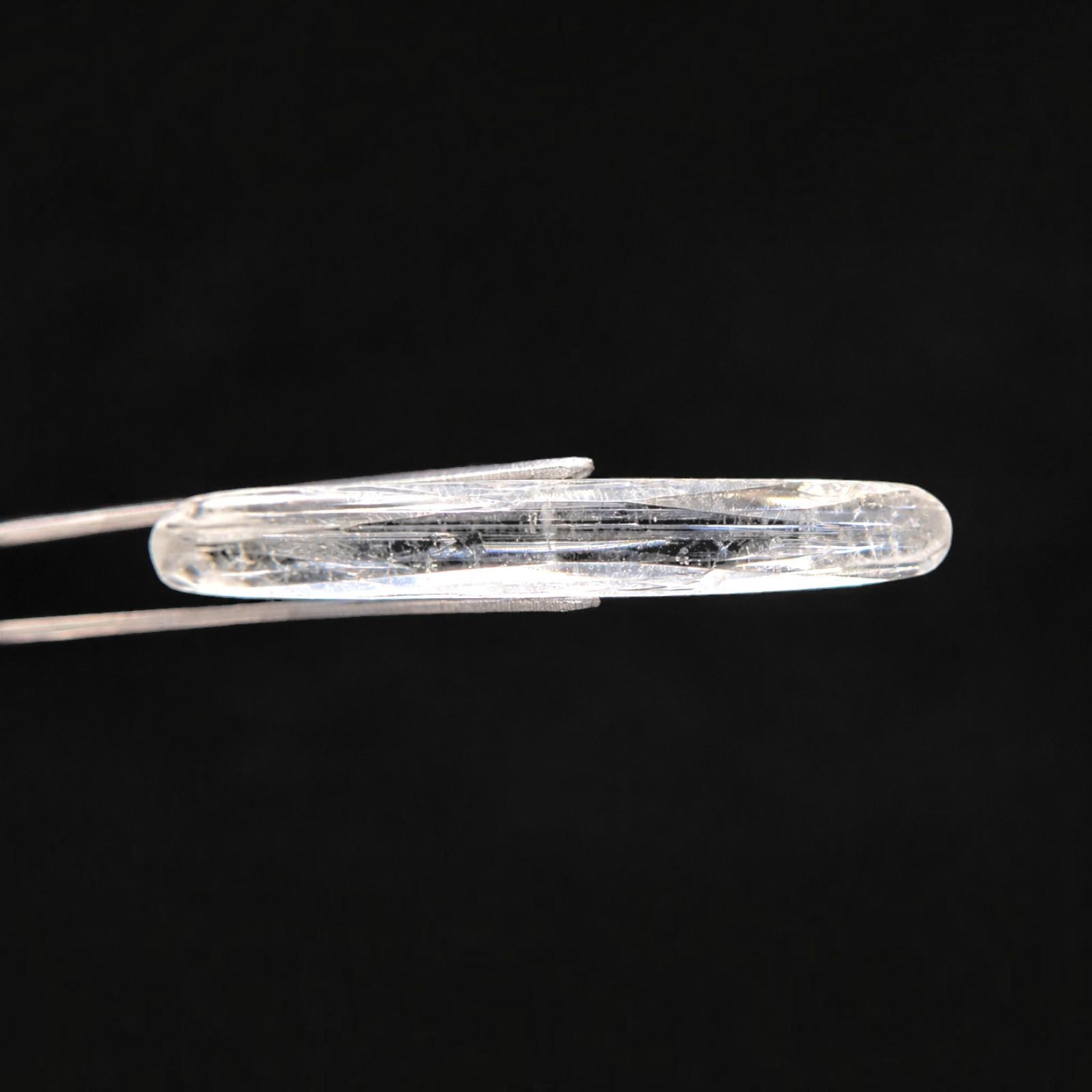
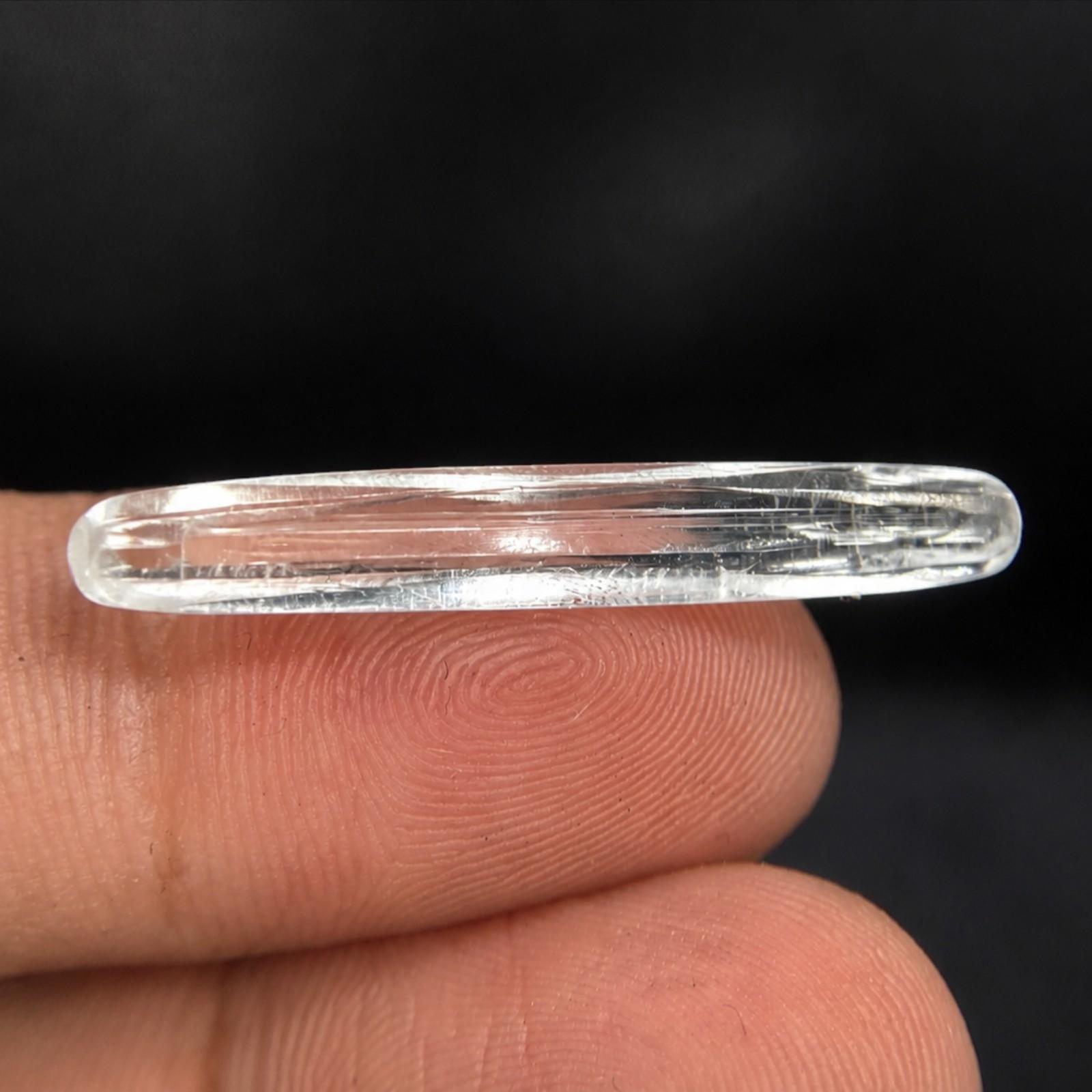
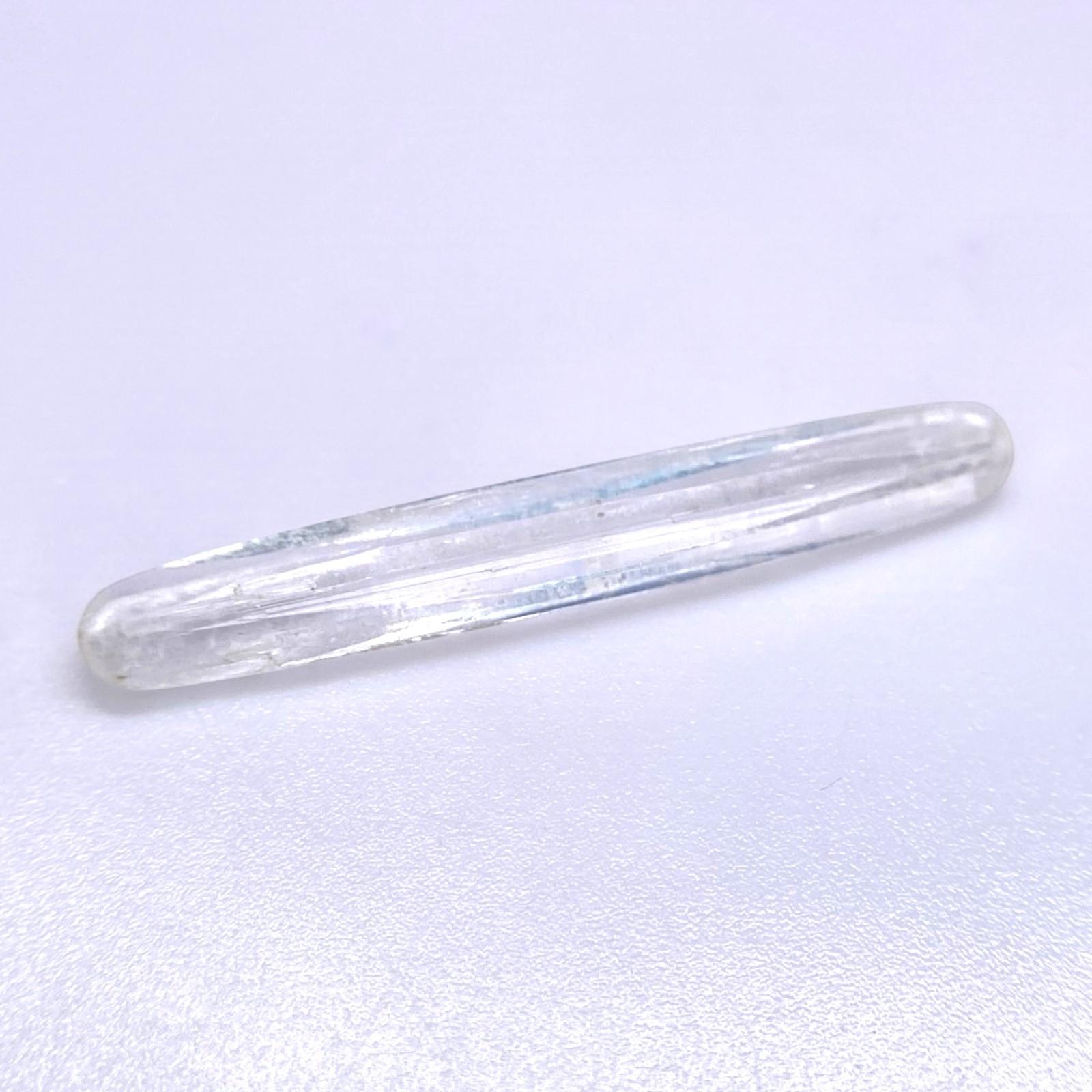
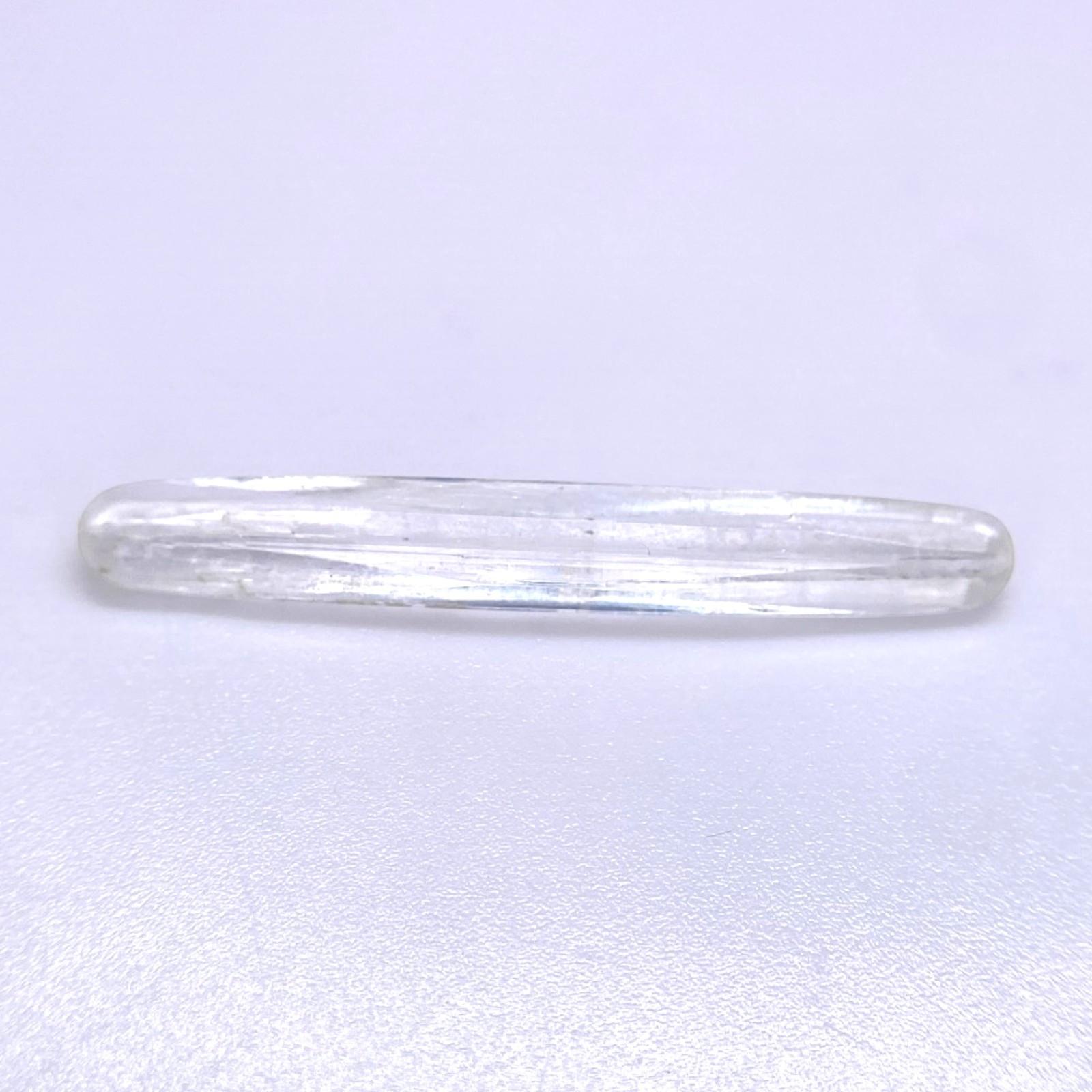
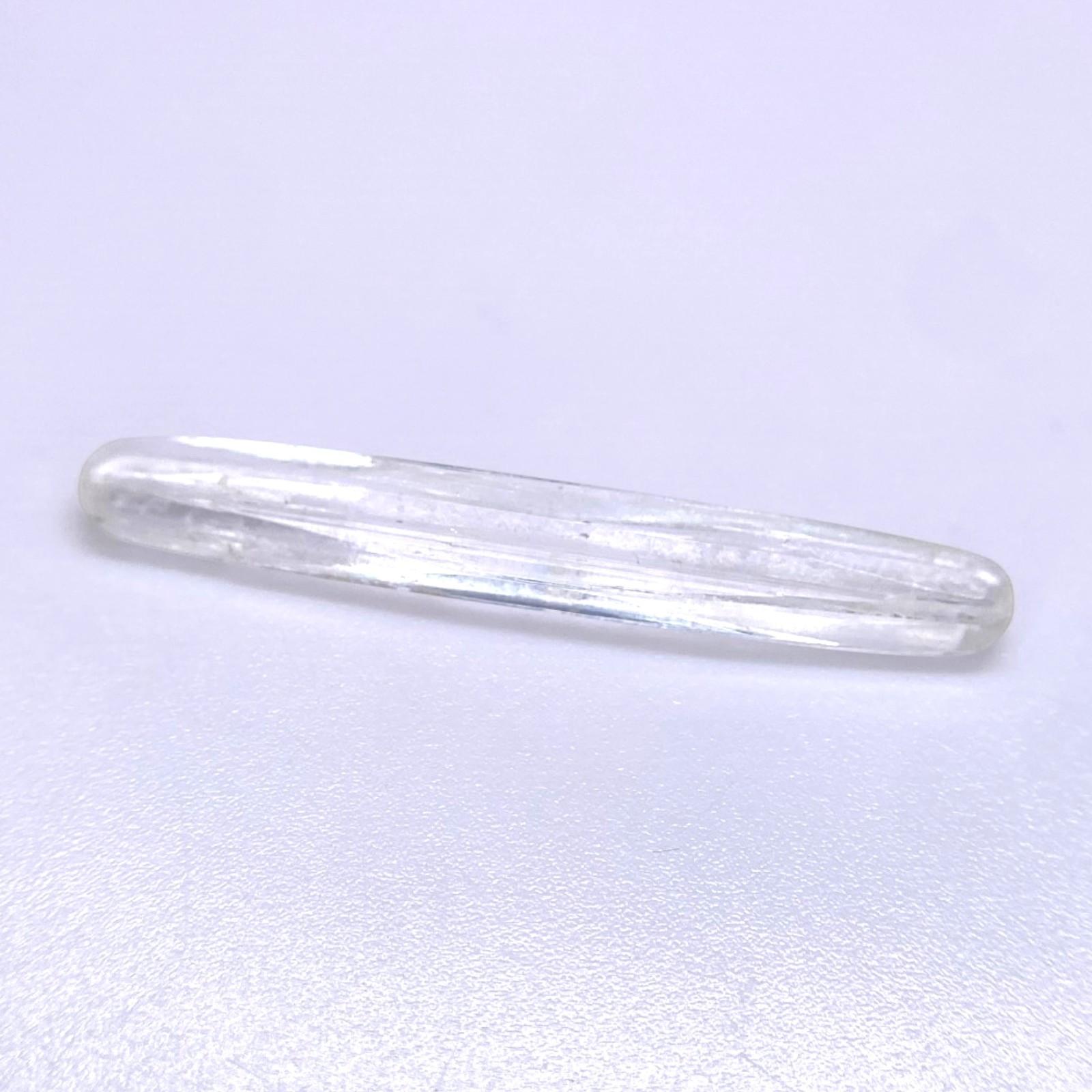
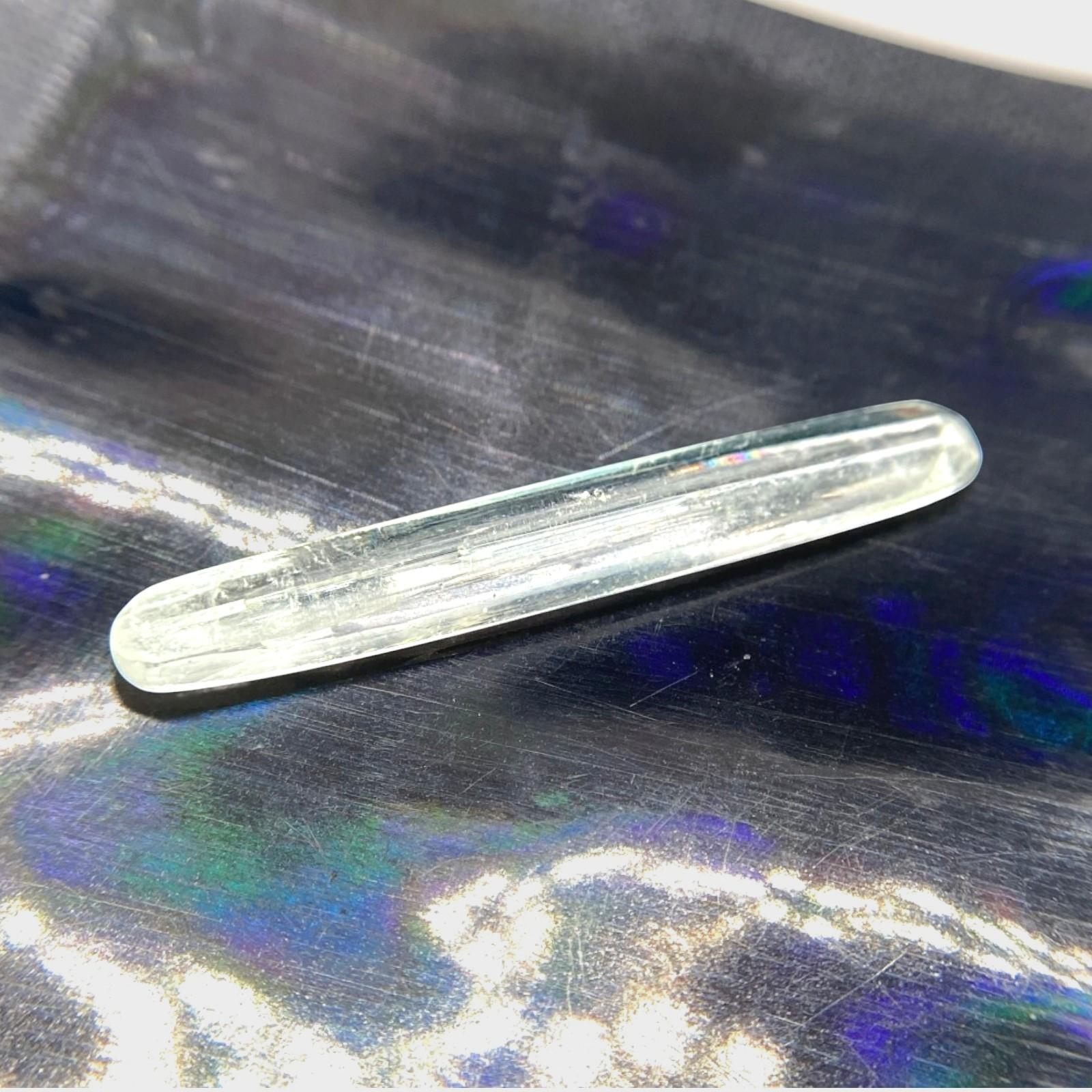
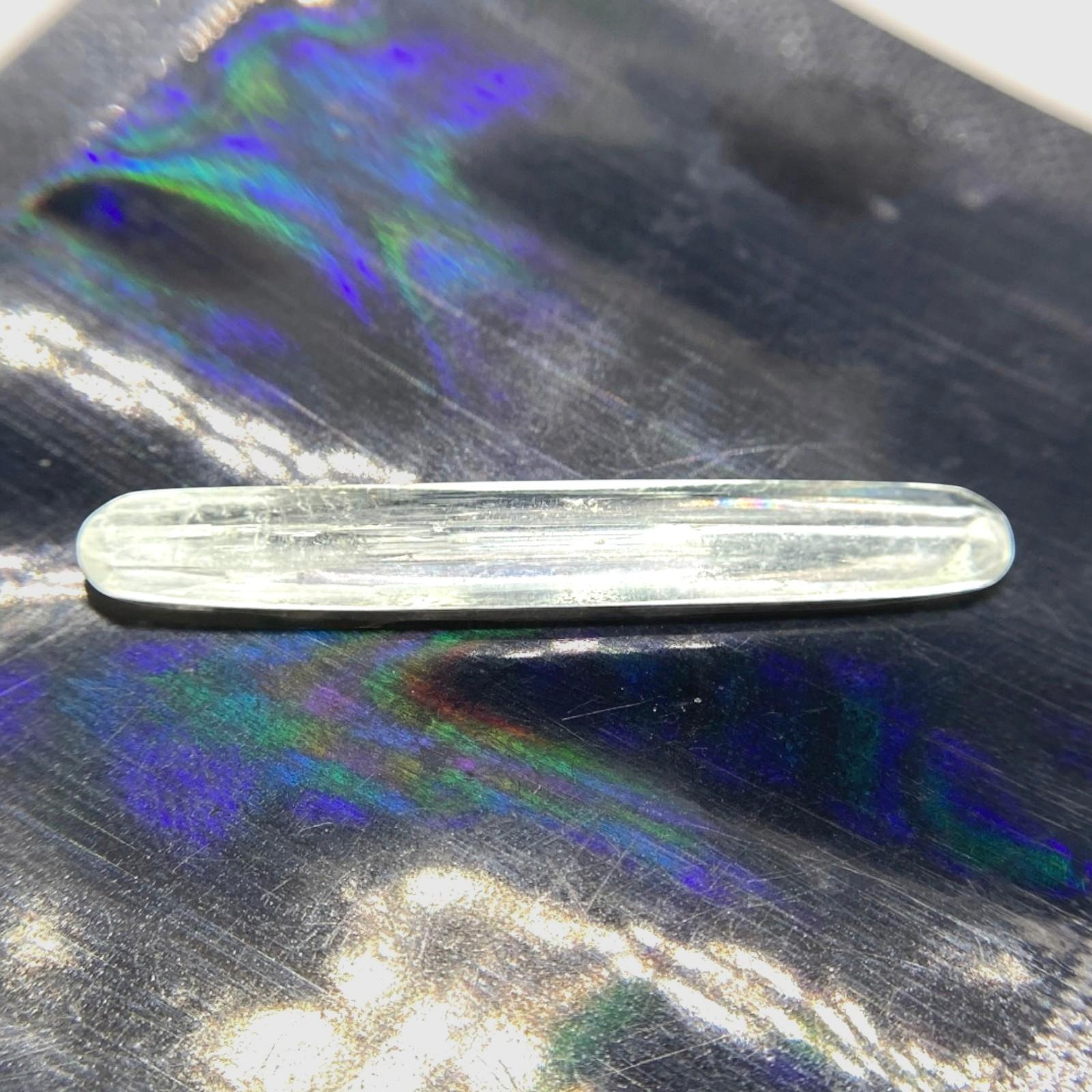
3.15 ct KERNITE – ARGENTINA
EXPERT VERIFIED
- Expert Verified Gemstone
- Fast Handling & Shipping
- Secure Vault Packaging
$ 150
Offer amount Feild


Smart Collector Choice


Pay with Crypto & Get 10% Automatic Discount

Availability: 1 in stock


- Freakingcats Gemstone Database
Kernite
Kernite is a mineral that truly captures the “frozen” elegance of the desert. A hydrated sodium borate, it is a close relative of the more common Borax, but it possesses a much more sophisticated and durable crystalline form. I have always been fascinated by its massive, glass-like crystals—some of which can reach staggering sizes in the earth. It is a stone of absolute clarity; when you find a clean section, it is as transparent as the finest optical glass, with a pearly luster that gives it a soft, inner glow. Faceting Kernite is a rare and delicate challenge, as its perfect cleavage means it can split with the slightest misstep. However, for the collector who prizes “water-clear” borates, a well-cut Kernite is a masterpiece of geometric purity and a testament to the strange, saline treasures of the arid basins.
The Heritage & Discovery
Historical Significance: Kernite is a vital industrial mineral and one of the most important sources of boron, used in everything from heat-resistant glass to detergents. Historically, it represented a massive leap in the efficiency of boron mining due to its high concentration. Geologically, it is a secondary mineral that forms through the recrystallization of Borax during the folding and heating of sedimentary beds. In the world of rare gems, it is a prized curiosity, standing as the “heavyweight” of the borate group—a mineral that carries a high industrial value but reveals a stunning, glass-like beauty when treated with the respect of a lapidary.
Discovery: The mineral was discovered in 1926 in Kern County, California, and was named in honor of the location of its birth. Its discovery was a sensation in the mineralogical world because of the sheer scale of the crystals found—some measuring over 30 feet long. It remains one of the few minerals named after a California county that is recognized globally for its economic and scientific importance.
Important Mines: The legendary and undisputed type-locality for Kernite is the U.S. Borax Mine (Kramer Borate deposit) in Boron, Kern County, California, USA. This is the only place on Earth where gem-quality, massive crystals have been produced in significant quantities. I also have an interest in the deposits in Argentina and Turkey, though they rarely match the Californian material for clarity. I prioritize the material from the Kramer deposit for the vault, as its historical pedigree and “ice-block” transparency are the absolute standards for the species.
Mineralogical Profile
Description: Kernite is a hydrated sodium borate that crystallizes in the monoclinic system. It sits at a 2.5 to 3 on the Mohs scale, making it a very soft and delicate stone that must be handled with extreme care and kept in a stable environment. It is characterized by its vitreous to pearly luster and its colorless to snowy-white appearance.
One of its most identifying features is its perfect cleavage in two directions, which causes it to break into long, splintery, needle-like fragments. It is typically found as large, cleavable masses or as stout, prismatic crystals. Despite its softness, it has a clean refractive index ($n \approx 1.45$ to $1.48$), giving it a soft, watery brilliance when faceted. Because it is a hydrated mineral, it is slowly soluble in water and can develop a white, powdery surface if exposed to very dry or very humid air for too long. Keeping it sealed is essential to preserving its “freshly-frozen” clarity. It is an intellectual mineral, representing the refined chemistry of the ancient, evaporated seas.
Chemical Formula: Na2B4O6(OH)2·3H2O


