
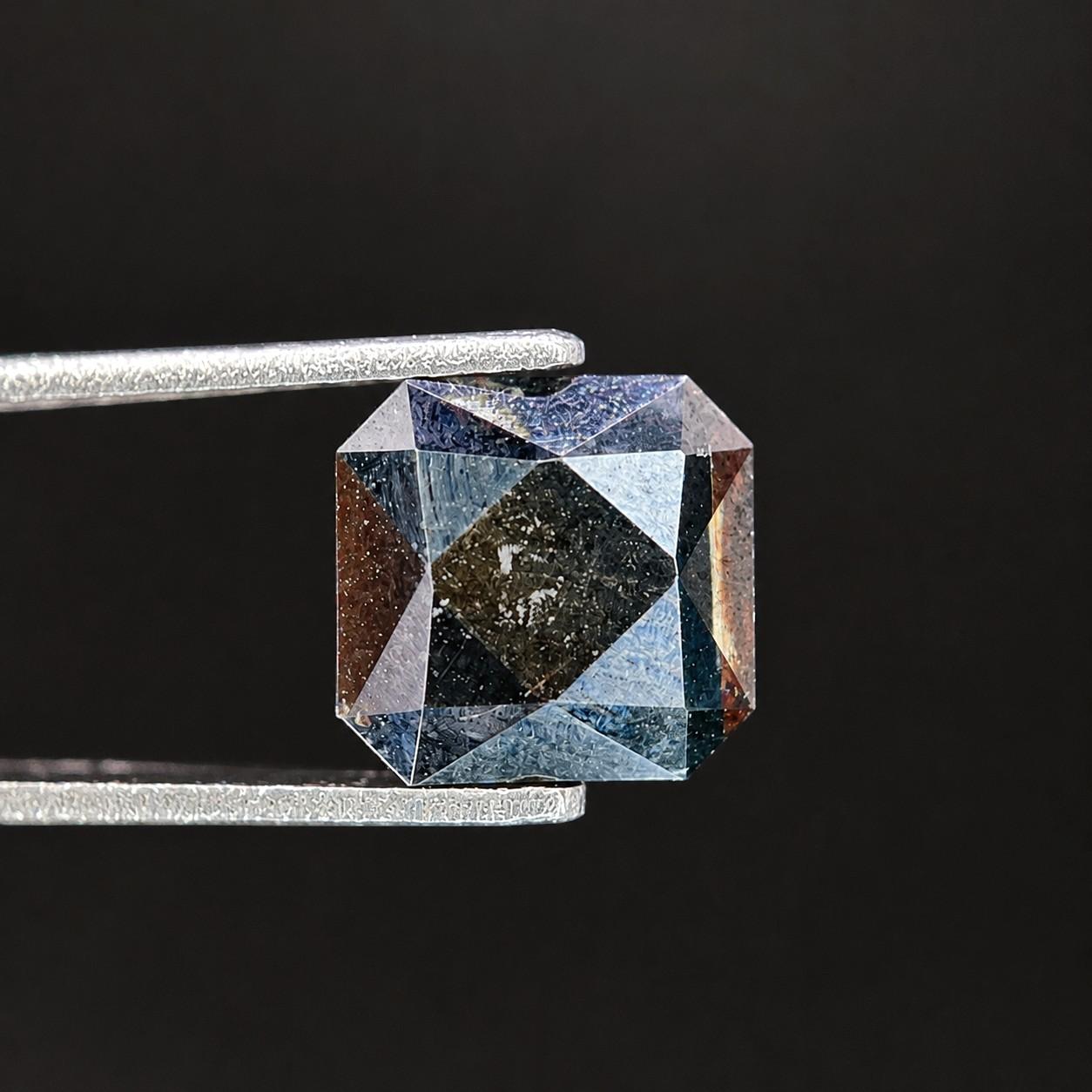
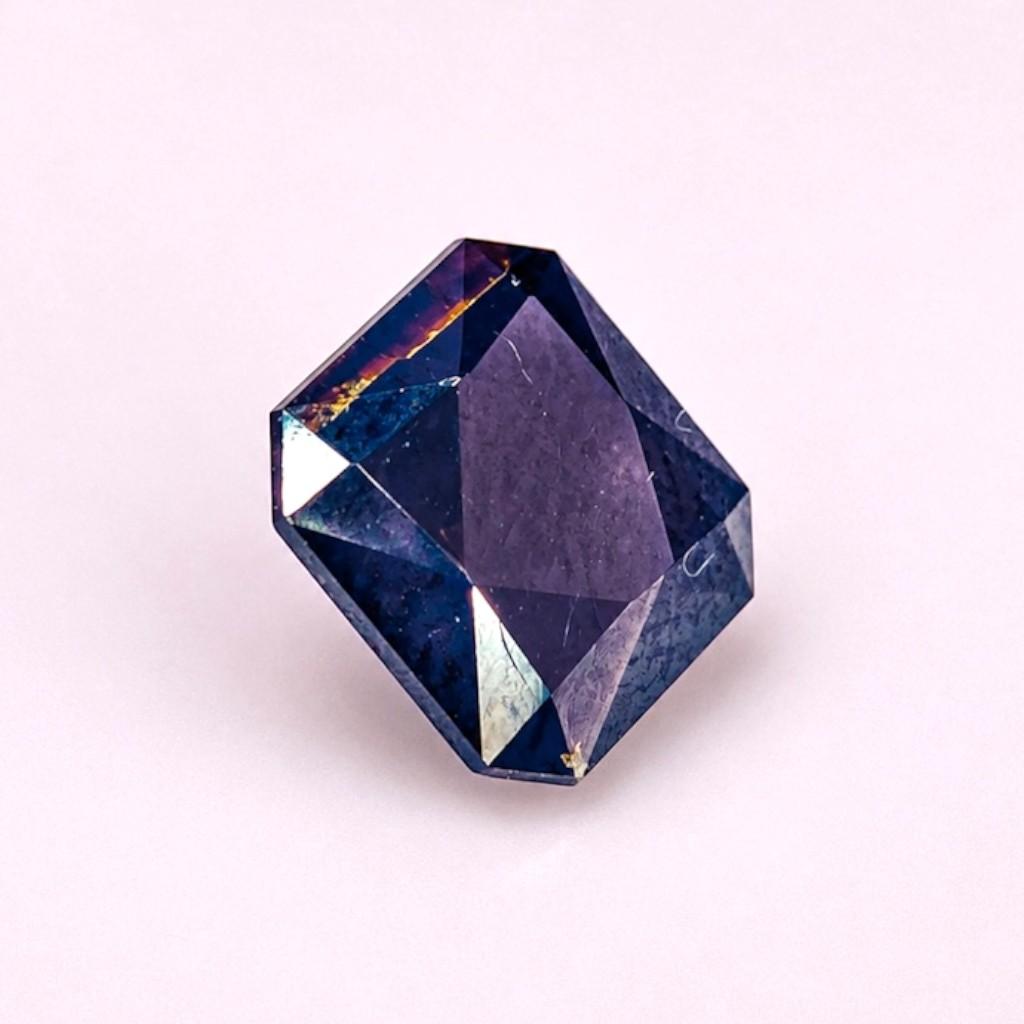
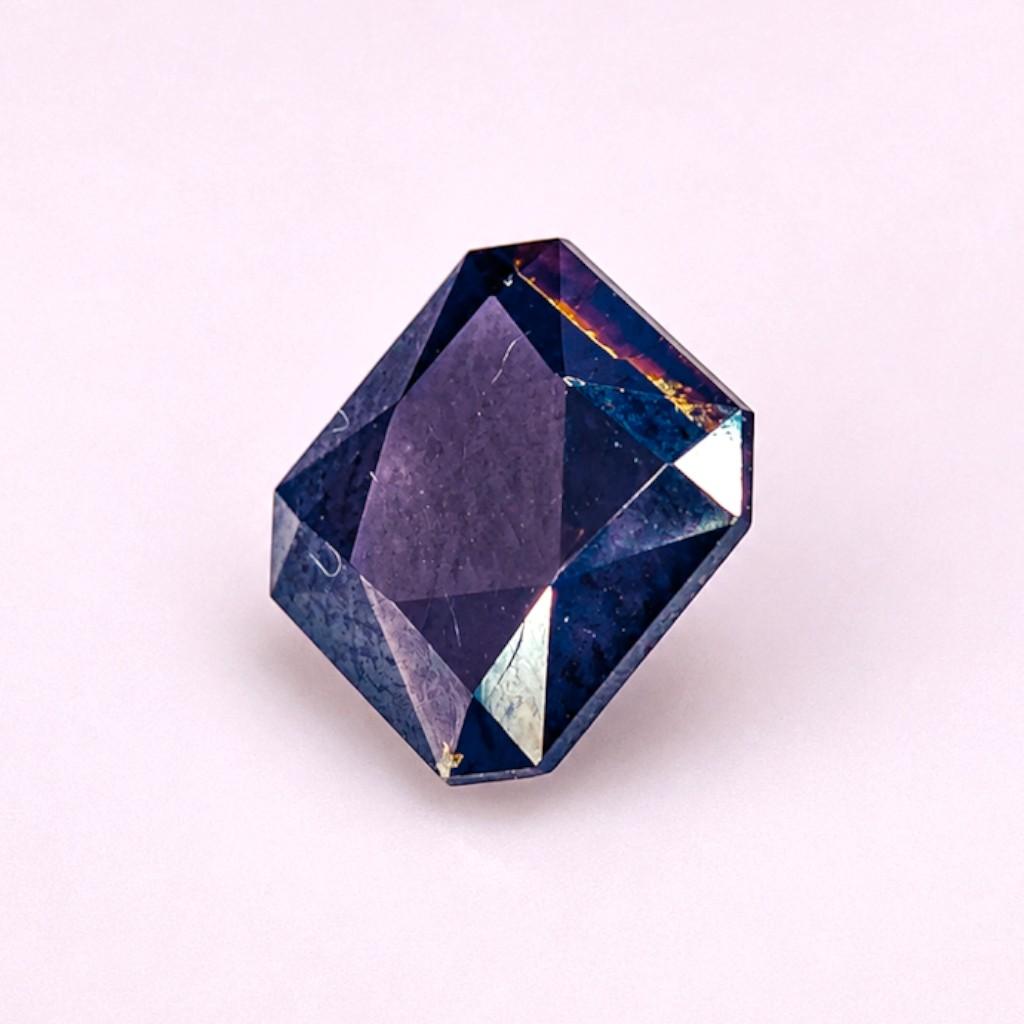
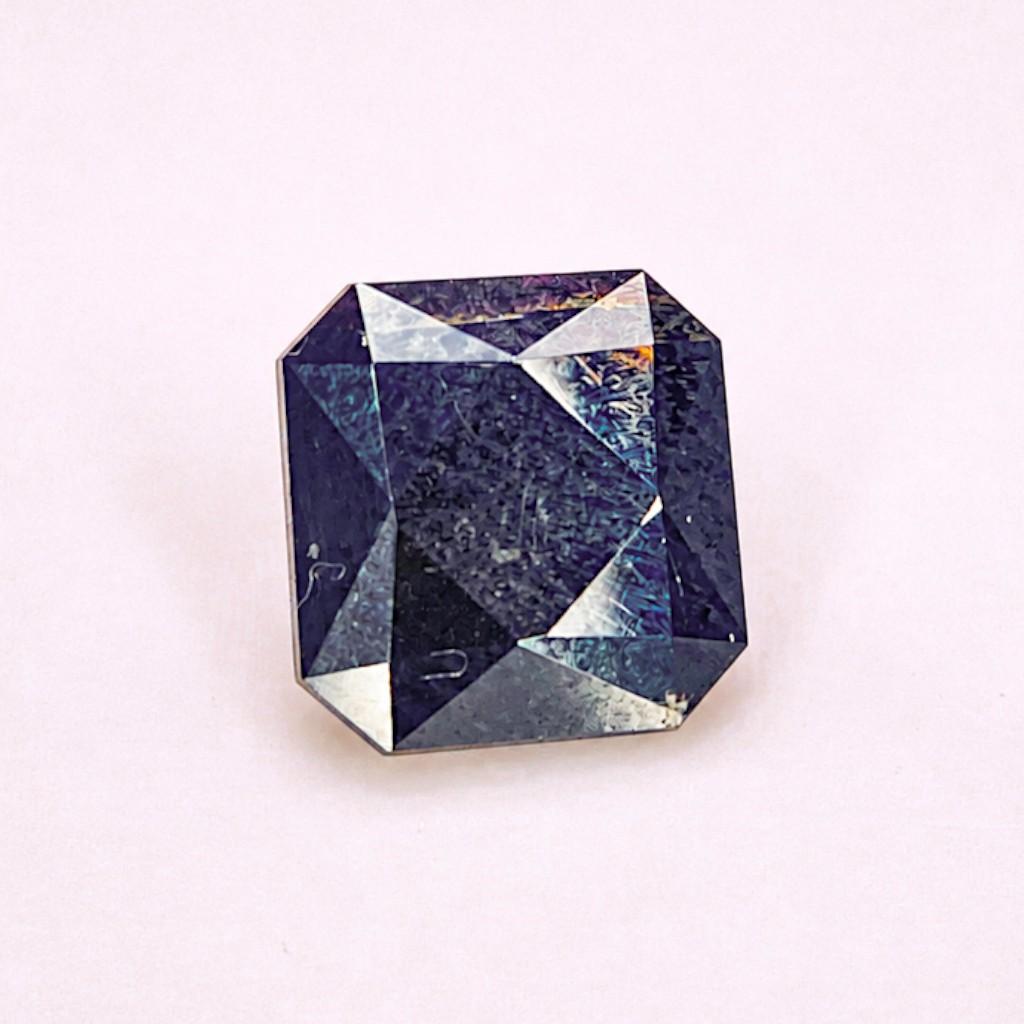
3.78 ct COLUMBITE – AFGHANISTAN
EXPERT VERIFIED
- Expert Verified Gemstone
- Fast Handling & Shipping
- Secure Vault Packaging
$ 150
Offer amount Feild


Smart Collector Choice


Pay with Crypto & Get 10% Automatic Discount

Availability: 1 in stock
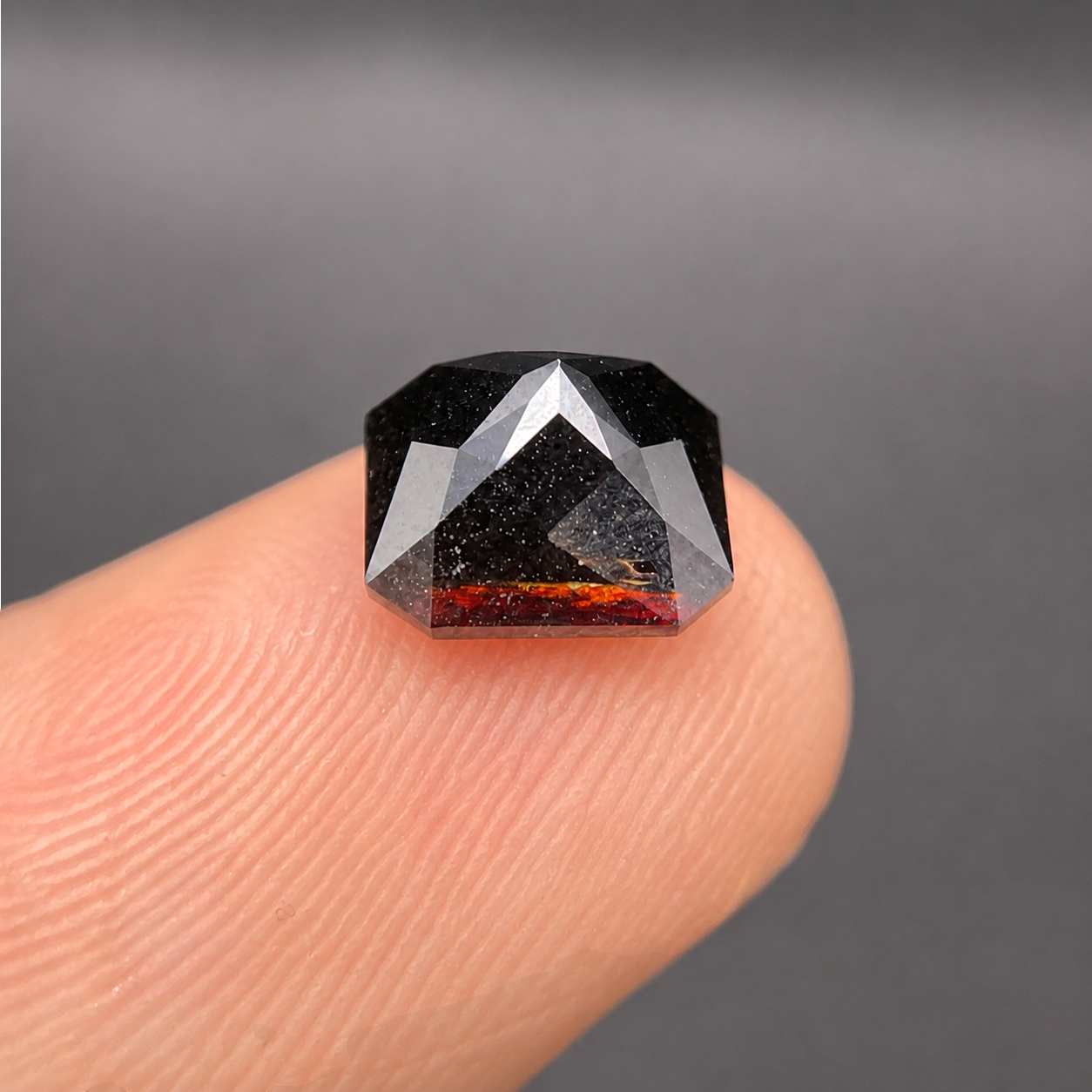
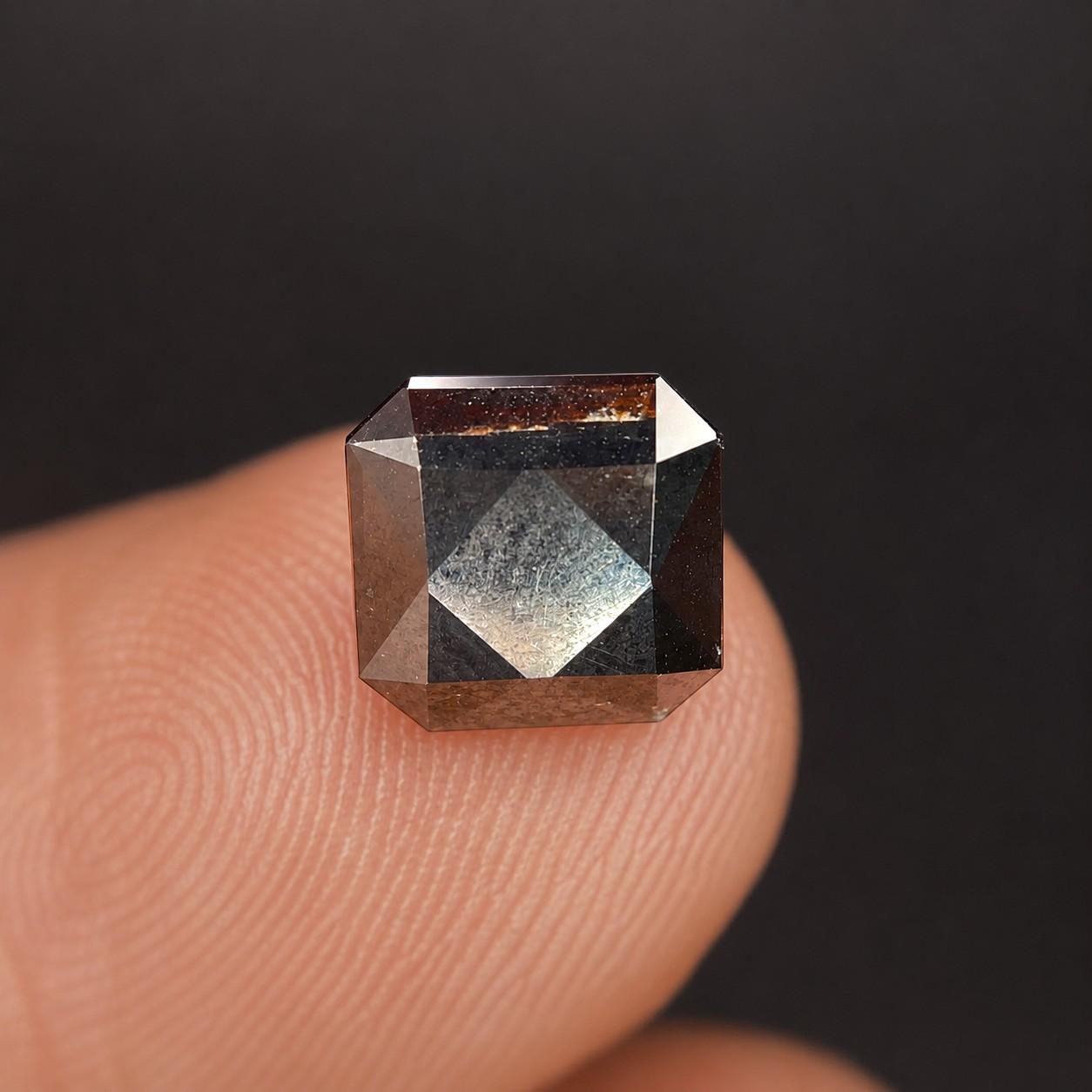
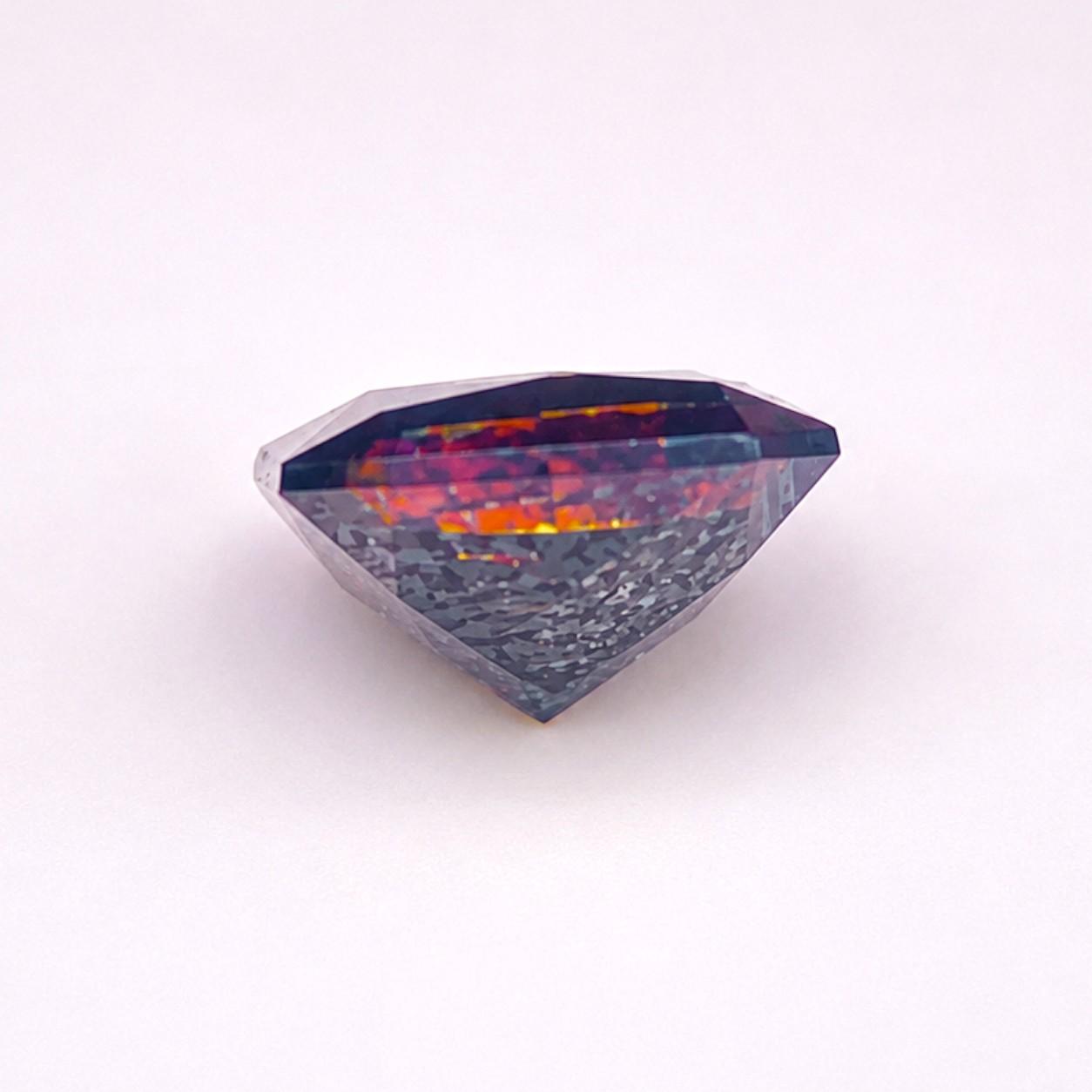
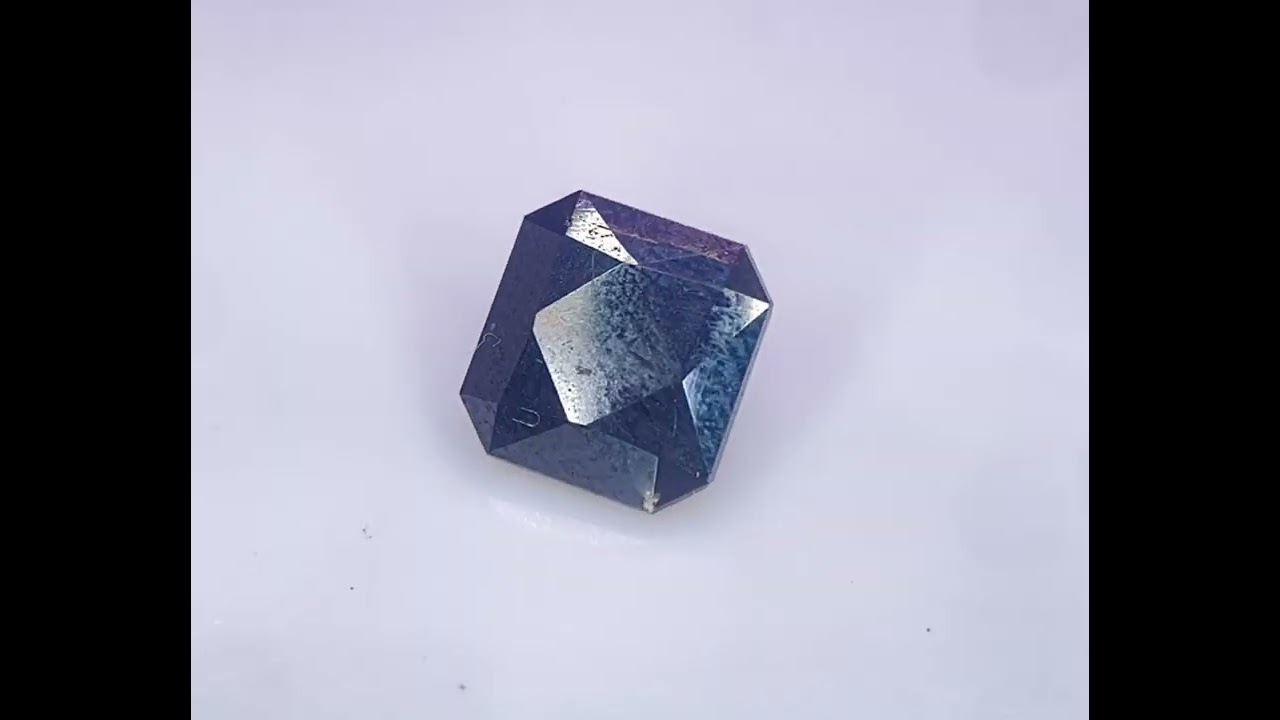


- Freakingcats Gemstone Database
Columbite (Afghanistan)
Columbite from the complex, high-altitude lithium pegmatite fields of Afghanistan represents the absolute peak of niobium-tantalum structural weight and oxide crystallization. An iron-manganese niobium-tantalum oxide mineral, it is a species I have always respected for its “gunmetal-velvet” to “pitch-black-metallic” density and its status as a masterpiece of “orthorhombic” structural discipline. For the specialist, a top-tier Afghan Columbite is a prized trophy of highly evolved magmatic differentiation; it offers a sub-metallic to brilliantly vitreous luster and a highly authoritative, grounded presence that makes it a true “high-vibration” asset for the systematic vault. As an artist, I find the stark, razor-sharp geometry of its blocky, black tabular crystals resting against the snow-white, crystalline fields of albite or contrasting beryl to be one of nature’s most sophisticated and geometrically focused palettes.
The Heritage & Discovery
Historical Significance
Columbite is a critical species for decoding the geochemical evolution, fluid dynamics, and rare-element enrichment within highly fractionalized granitic pegmatite environments. Historically, the columbite-tantalite series—collectively termed “coltan”—holds a prominent place in industrial history and advanced mineralogy due to its vital role as a source of niobium and tantalum. In the world of fine minerals, Afghan specimens are celebrated for their sharp, unweathered crystal faces and architectural complexity, standing as a permanent symbol of structural focus and elemental segregation. It serves as a stark reminder that the dying stages of deep granitic intrusions can organize heavy, diffuse metals into extraordinary, hyper-dense crystal lattices.
Discovery
While the species was first recognized in the United States during the early 19th century, the opening of the vast, high-altitude pegmatite belts within the Hindu Kush mountains completely redefined the global availability of macrocrystalline columbite group minerals in the late 20th century. Scientifically, Columbite forms a complex solid-solution series with tantalite, shifting in specific gravity and chemical dominance based on the localized availability of niobium versus tantalum, as well as iron versus manganese. The discovery of these remote, pristine pockets provided mineralogists with spectacular, well-terminated tabular plates that showcase its unique, structural beauty. My own respect for this material grew from observing its crisp, blocky development; specifically, the way its heavily striated, faces catch light—sometimes exhibiting a subtle, deep iridescent sheen—is a visual impact that is unmistakable to the trained eye.
Important Mines
The undisputed capital for fine collector-grade expressions of this species remains the prolific pegmatite fields of the Nuristan, Kunar, and Laghman provinces in northeastern Afghanistan. Famed for producing magnificent macrocrystalline groups, these deep mountain veins yield outstanding, freestanding crystals that are secured from historic gem mines like Mawi and Pech. For the vault, I prioritize specimens that exhibit high structural integrity, sharp unblemished edge definition, and stark contrast against a light cleavelandite or tourmaline-bearing matrix, as they represent a highly active, heavy masterpiece of primary magmatic geology.
Mineralogical Profile
Description
Columbite is a niobium-rich oxide mineral containing varying ratios of iron and manganese that crystallizes in the orthorhombic system. It sits at a robust 6 on the Mohs scale, meaning its tough, structurally rigid crystals are highly resistant to physical abrasion and require only standard archival handling to safeguard its sub-metallic, waxy-reflective surfaces. It is characterized by its deep iron-black, brownish-black, or dark gunmetal coloration and its heavy, substantial heft.
One of its most identifying traits is its distinct distinct cleavage along the basal plane, typically forming blocky, tabular, or thin bladed crystals with characteristic surface striations that trace the historical cooling layers of the host pegmatite. It possesses a remarkably high refractive index running from approximately 2.26 to 2.43, contributing to its extreme surface reflectivity and deep body opacity, and a massive average specific gravity ranging between 5.2 and 6.5 that increases directly with its tantalum content. Because it forms in the late-stage cavities of highly evolved granitic pegmatites, it is commonly found in close association with Quartz, Albite (variety Cleavelandite), Spodumene (Kunzite), Beryl, and Tourmaline. When I select a piece for the collection, I look for sharp, multi-terminated prisms or thick tabular habits perched cleanly on a clean matrix, as these emphasize the sophisticated, heavy-element chemistry of the mineral’s deep-seated magmatic birth.
Chemical Formula
(Fe,Mn)(Nb,Ta)2O6


