
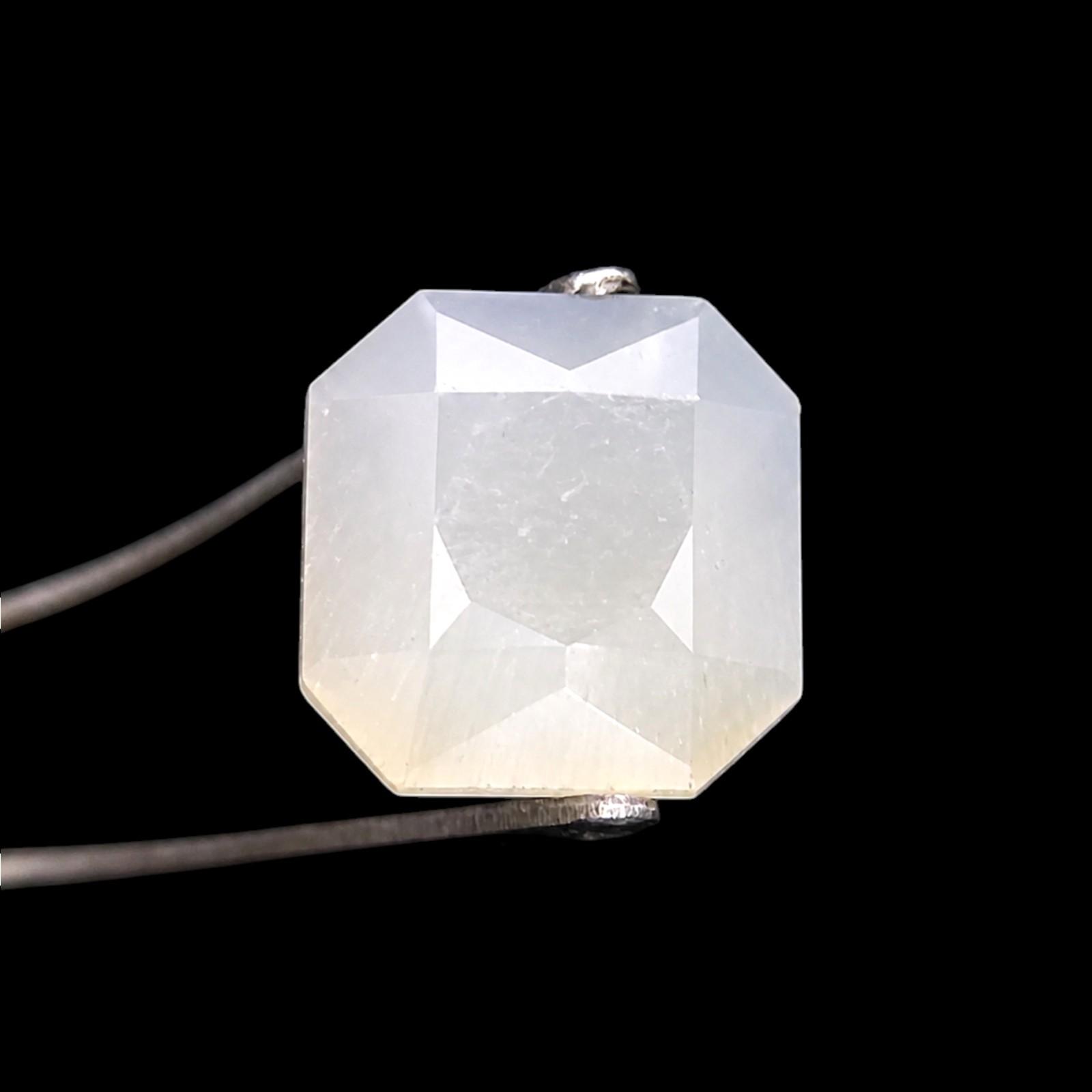
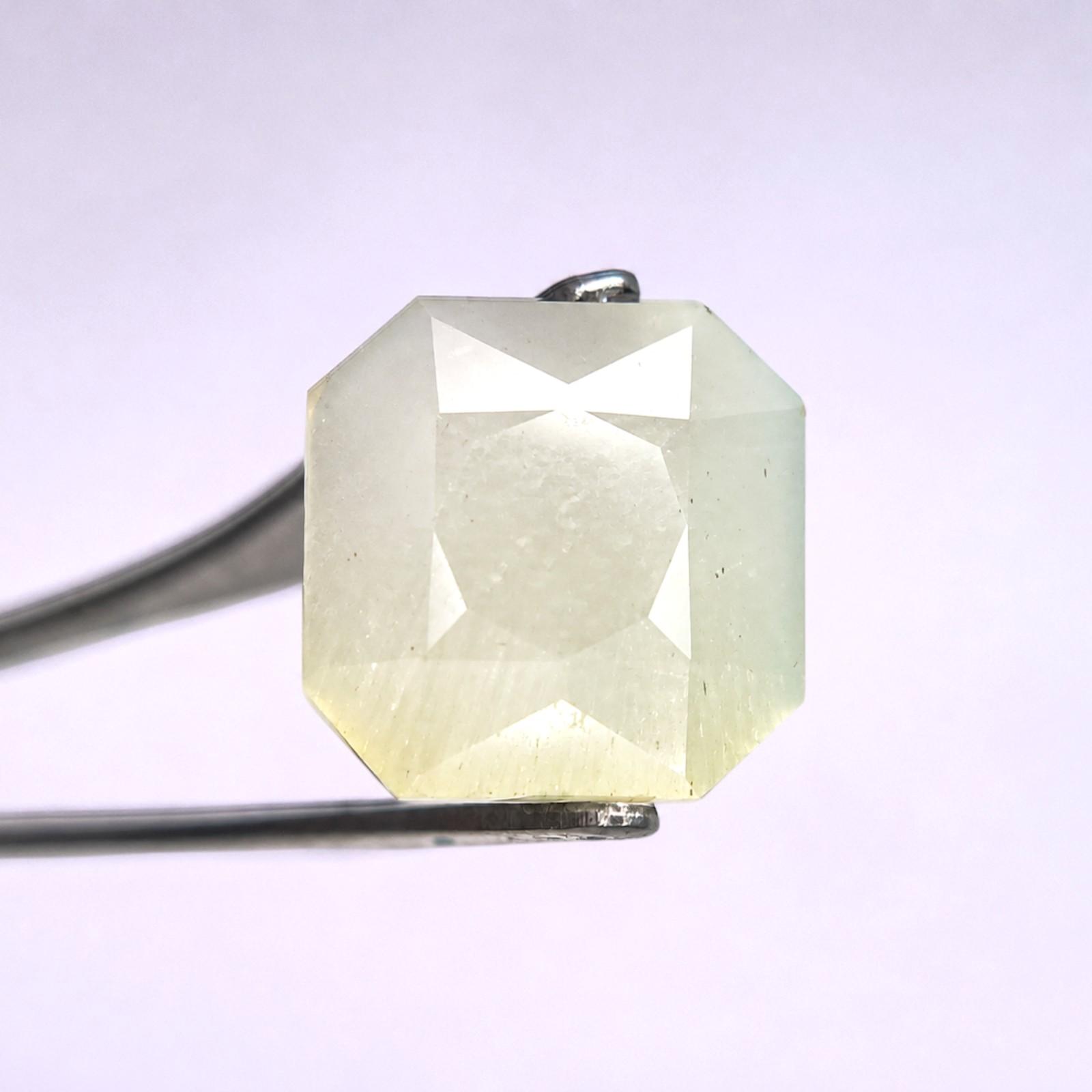
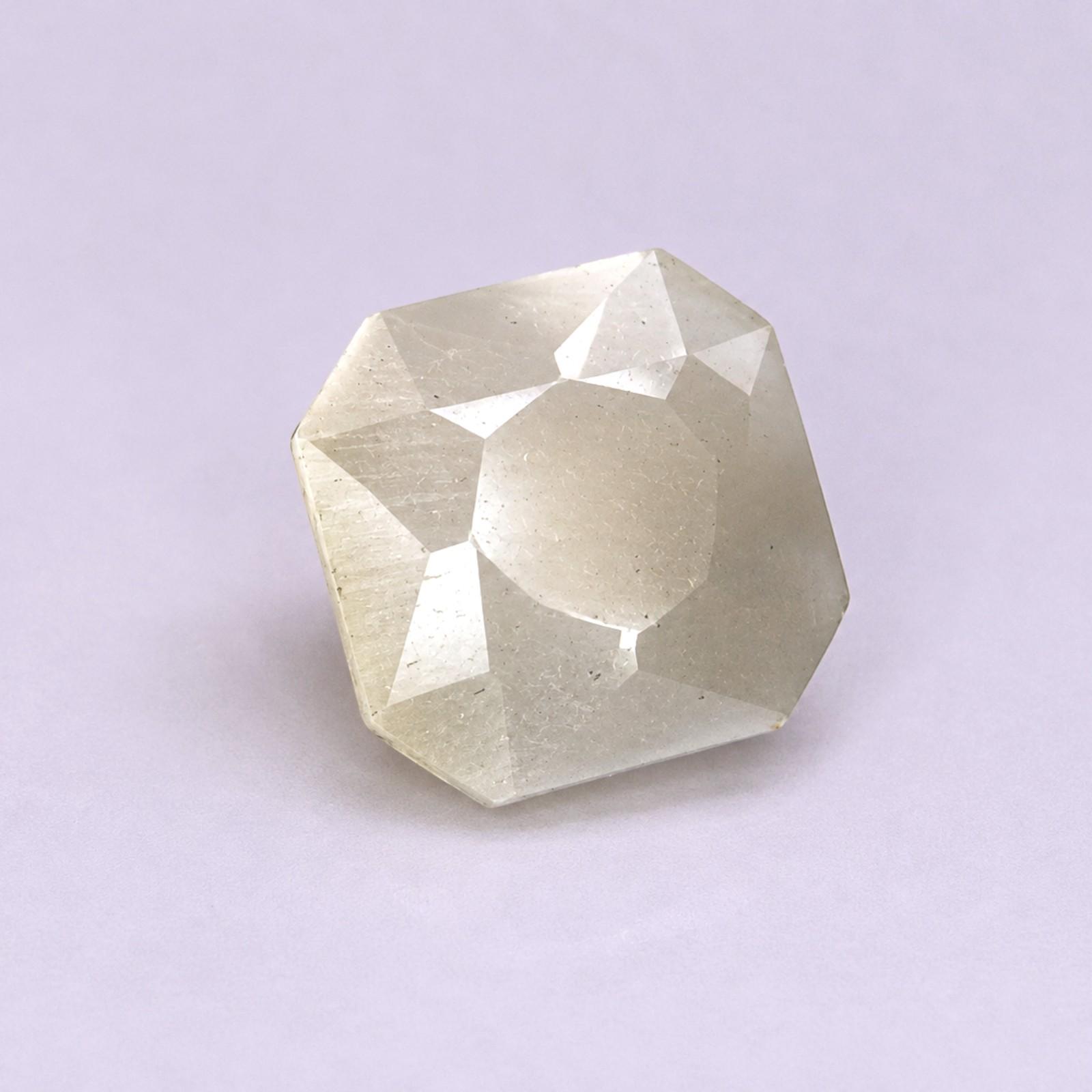
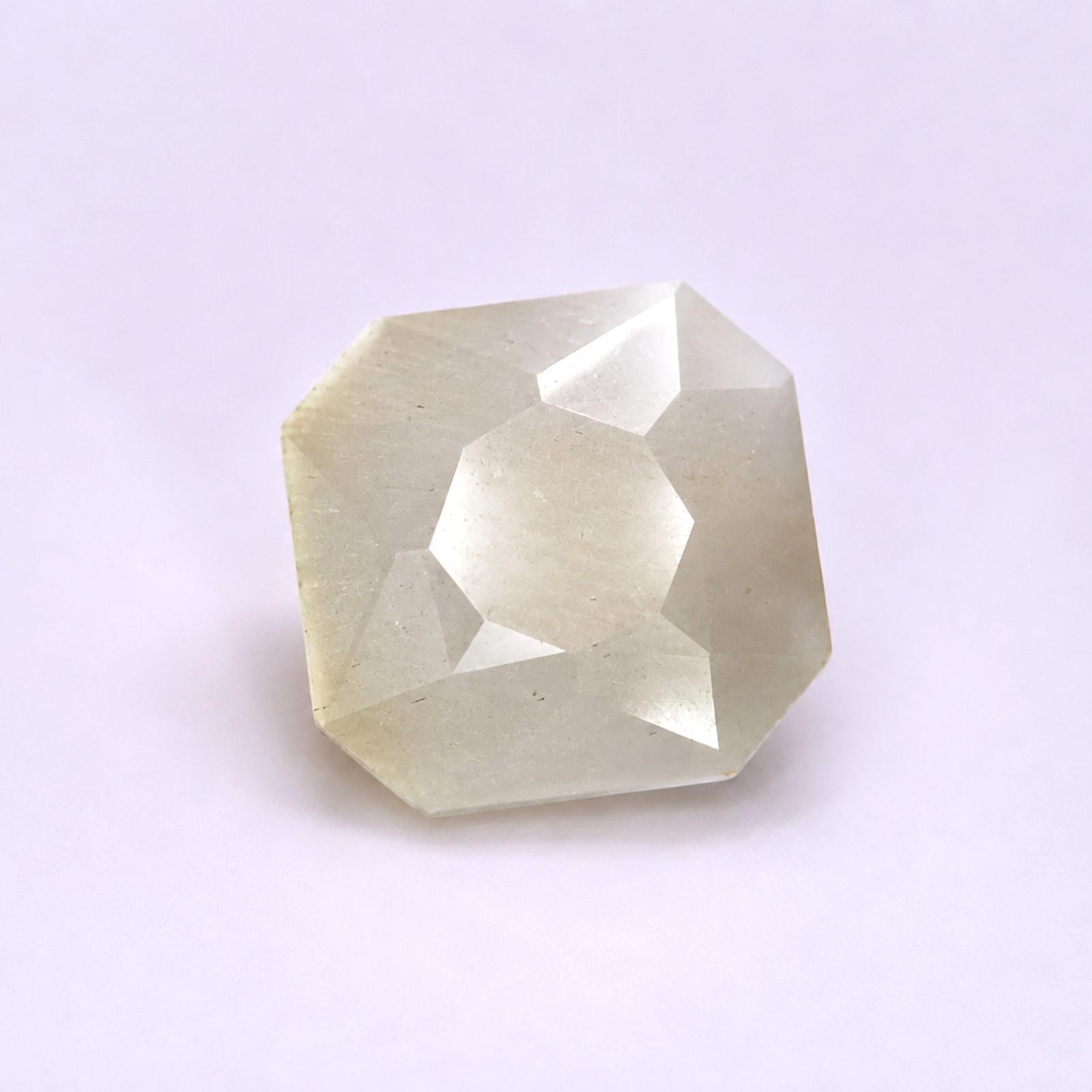
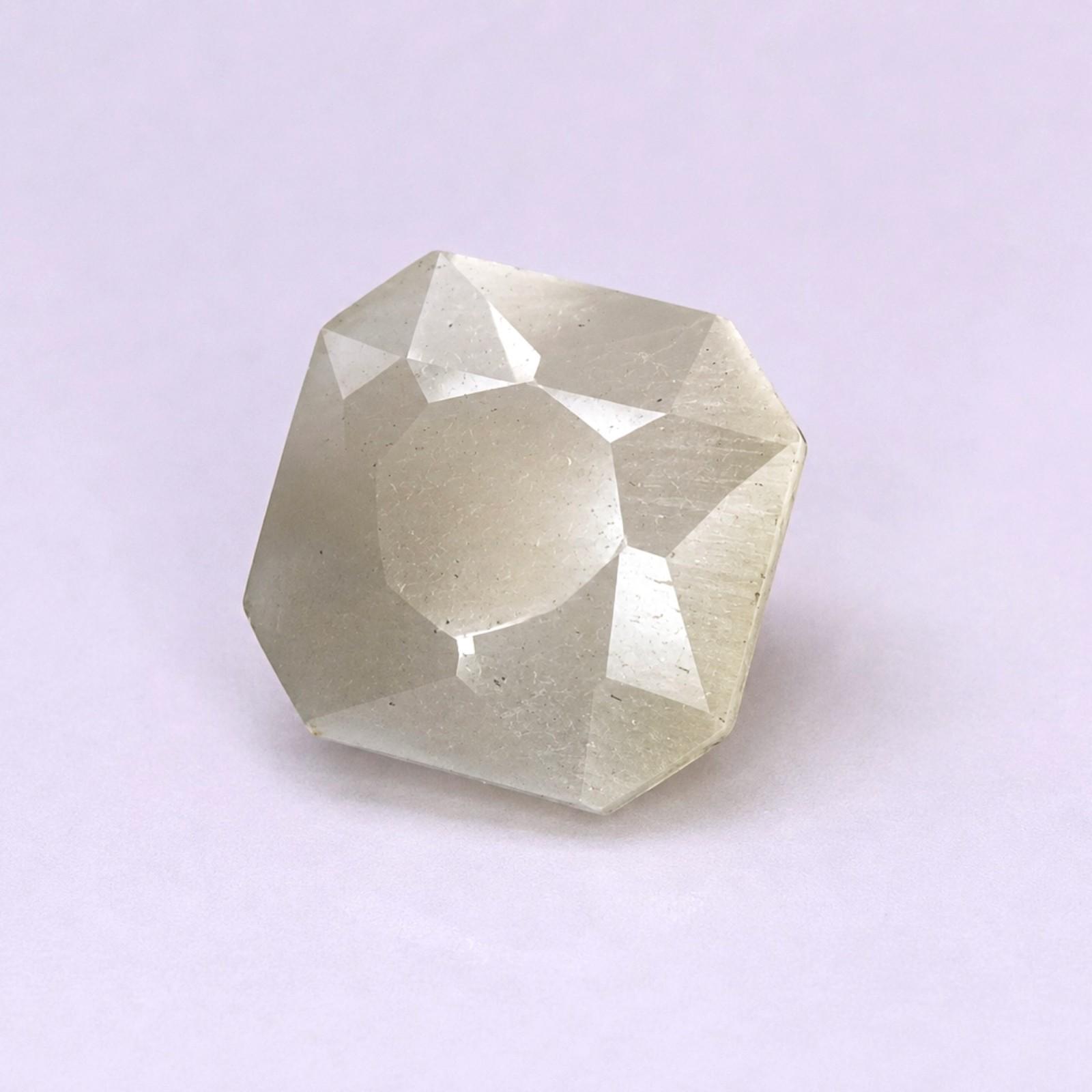
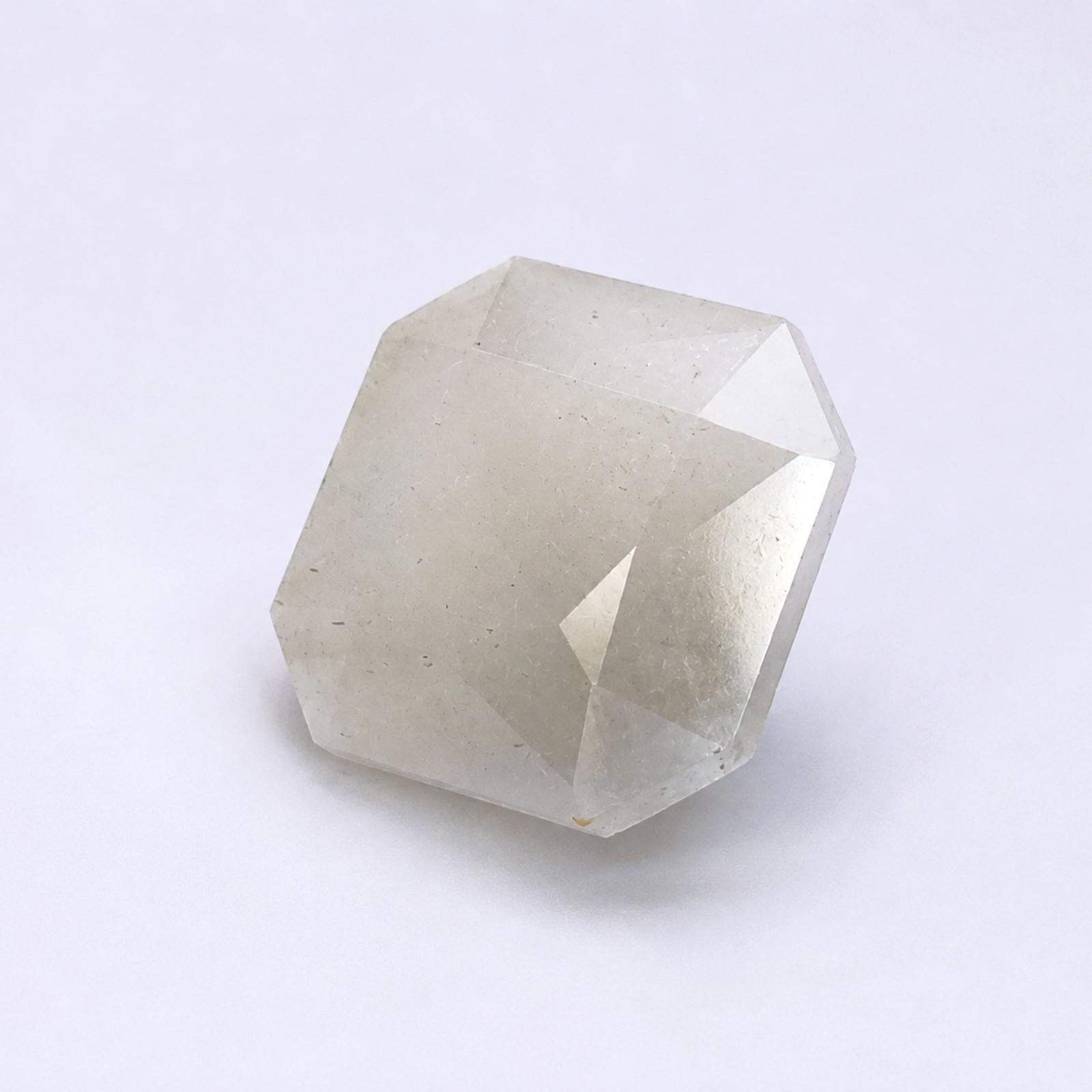
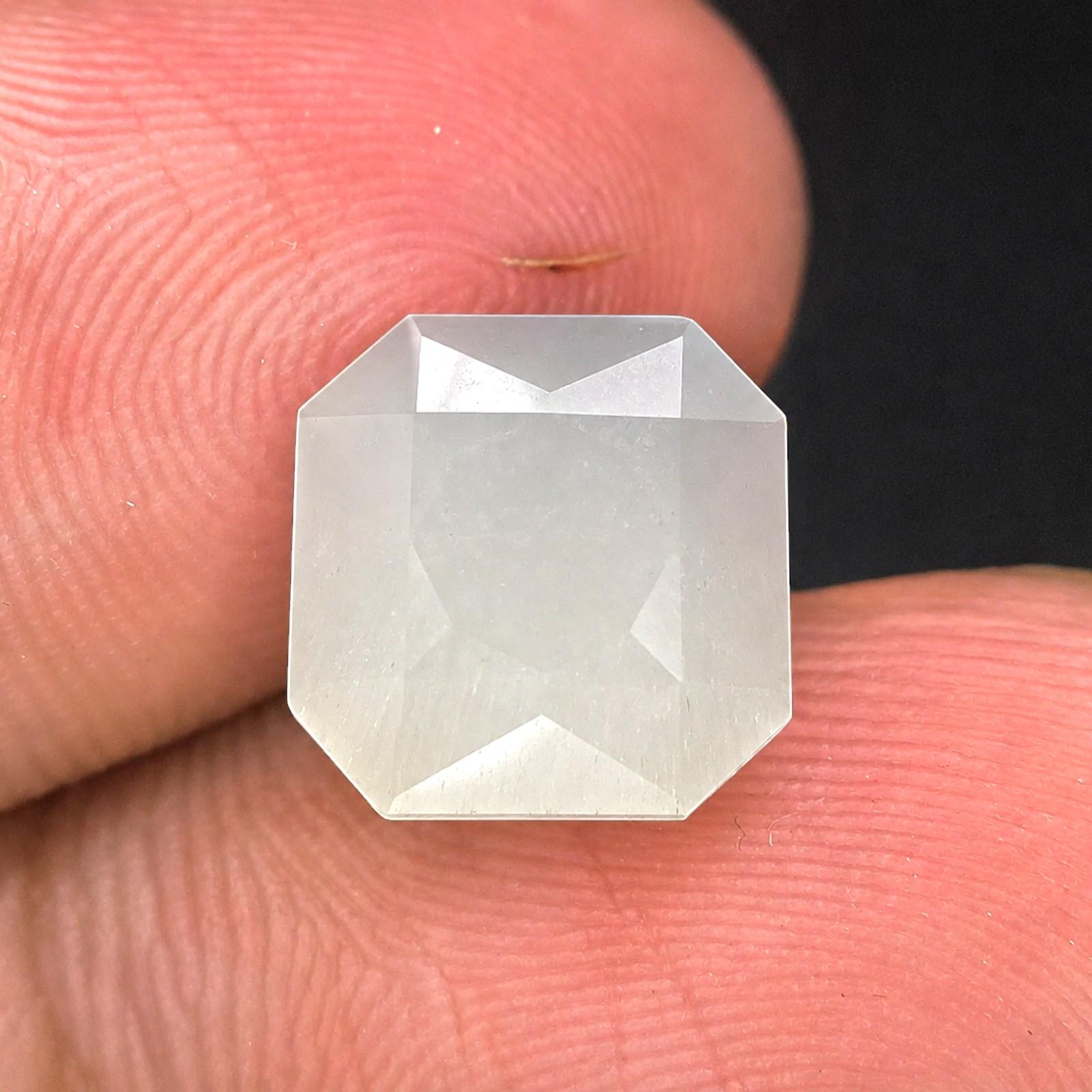
3.80 ct THOMPSONITE – USA
EXPERT VERIFIED
- Expert Verified Gemstone
- Fast Handling & Shipping
- Secure Vault Packaging
$ 150
Offer amount Feild


Smart Collector Choice


Pay with Crypto & Get 10% Automatic Discount

Availability: 1 in stock


- Freakingcats Gemstone Database
Thomsonite-Ca
Thomsonite is a gemstone that challenges the idea that zeolites are only for the specimen cabinet. While many zeolites are brittle and needle-like, Thomsonite—particularly the variety found in the Lake Superior region—forms dense, “nodular” masses that can be cut and polished into spectacular cabochons. I have always been fascinated by its “eye” patterns; it often features concentric rings of pink, white, green, and cream that look like a natural painting. It is a stone of incredible texture and contrast. When I hold a high-grade piece, I am struck by how a mineral formed in the gas bubbles of ancient lava can look so much like an organic, living treasure. For the collector, it is the most “gemmy” of the zeolites, offering a unique, porcelain-like beauty that is entirely its own.
The Heritage & Discovery
Historical Significance: Thomsonite has a long history as a popular regional gemstone, especially in North America. Historically, it was collected along the shorelines of the Great Lakes, where it was weathered out of the volcanic basalt by the relentless action of the waves. It represents a specific type of hydrothermal mineral deposition where silica-rich fluids filled the “amygdules” (gas bubbles) in cooling lava flows. In the world of fine gems, it is celebrated for its rare botryoidal and radiating habits, standing as a favorite for those who appreciate the “lakers”—stones that carry the rugged, water-worn spirit of the northern wilderness.
Discovery: The mineral was first identified in 1820 from material found in Scotland and was named in honor of the Scottish chemist Thomas Thomson (1773–1852). Thomson was a pioneer who wrote the first history of chemistry in England and played a key role in spreading Dalton’s atomic theory. Naming this complex, fibrous zeolite after him was a tribute to his dedication to systemic chemical classification.
Important Mines: The most legendary source for gem-quality “nodular” Thomsonite is the North Shore of Lake Superior, specifically in Cook County, Minnesota, USA. These “Thomsonite Harbor” stones are world-famous for their pink and green “eyes.” I also have a high regard for the spectacular, spray-like crystal specimens from Nasik, India. For the vault, I prioritize the Minnesota material for its lapidary value and the Indian specimens for their incredible, radiating “snowball” crystal formations.
Mineralogical Profile
Description: Thomsonite-Ca is a hydrated sodium calcium aluminum silicate and a member of the zeolite group, crystallizing in the orthorhombic system. It sits at a 5 to 5.5 on the Mohs scale, making it a relatively durable zeolite that takes a very fine, waxy-to-vitreous polish. It is characterized by its wide range of colors, including snowy white, pale pink, reddish-brown, and rare “chlorastrolite” green.
One of its most identifying traits is its habit—it typically forms as radiating, acicular (needle-like) crystals that grow outward from a central point, creating the dense nodules that we cut into gems. Because of this fibrous structure, it often exhibits a beautiful chatoyancy or a “silky” luster. It has a refractive index (n \approx 1.51 to 1.55). Like other zeolites, it is a “framework silicate” with large open channels in its structure that hold water molecules. When I select a piece, I look for “clean eyes”—nodules where the color bands are sharp and well-defined, ensuring that the stone’s volcanic history is visible in every polished curve.
Chemical Formula: NaCa2Al5Si5O20·6H2O


