
3.95 ct TREMOLITE – BRAZIL
EXPERT VERIFIED
- Expert Verified Gemstone
- Fast Handling & Shipping
- Secure Vault Packaging
$ 180
Offer amount Feild


Smart Collector Choice


Pay with Crypto & Get 10% Automatic Discount

Availability: 1 in stock


- Freakingcats Gemstone Database
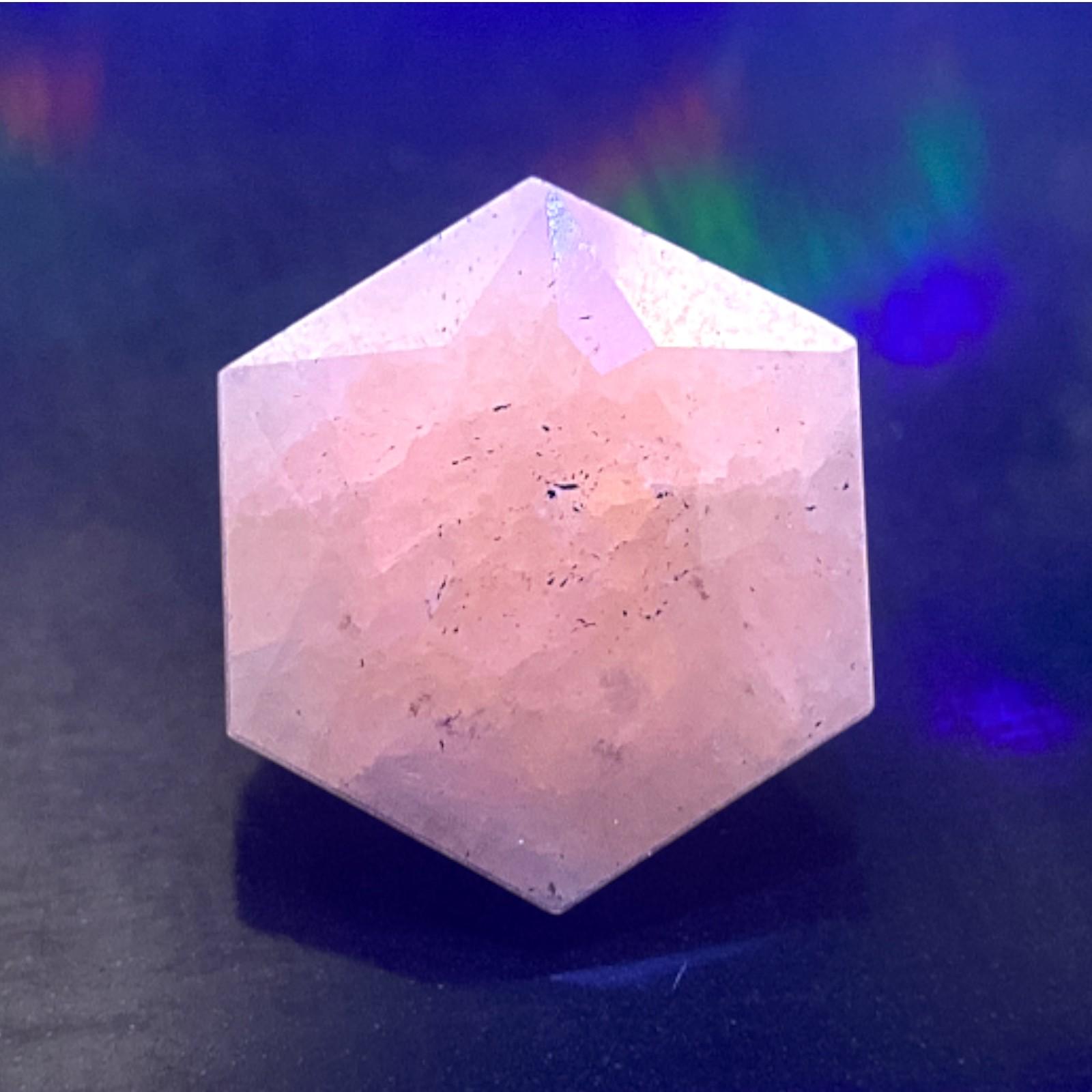
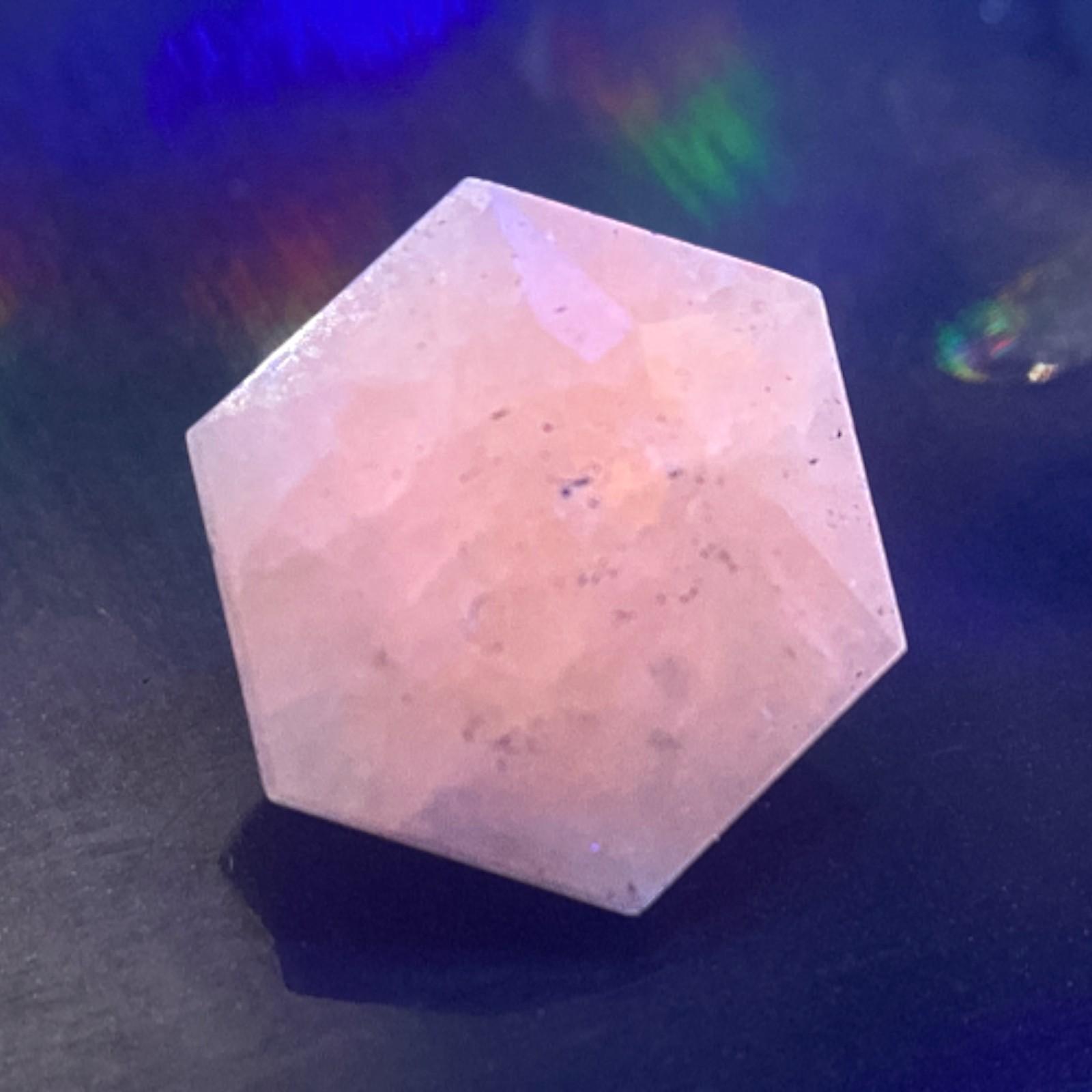
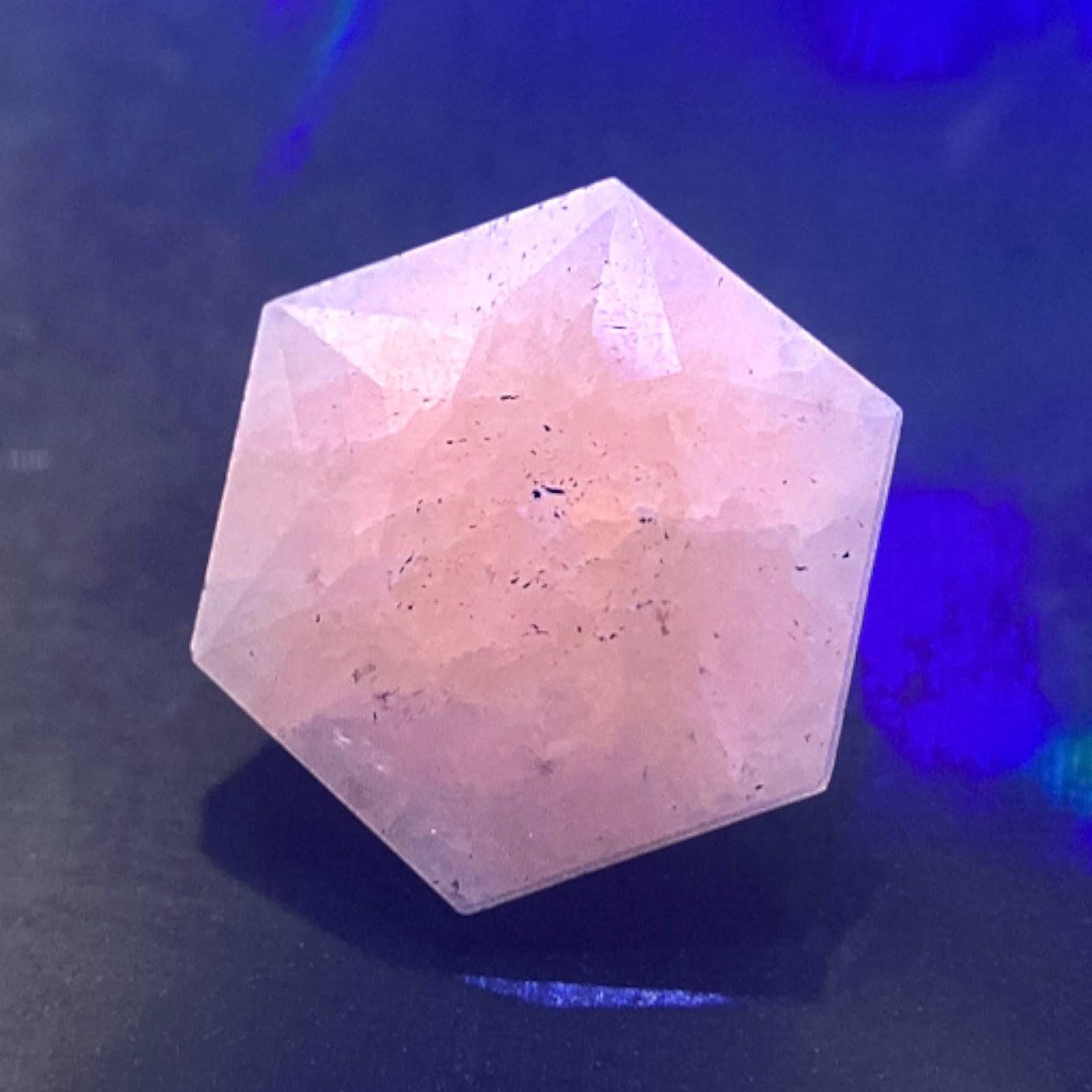
Tremolite UV (Brazil)
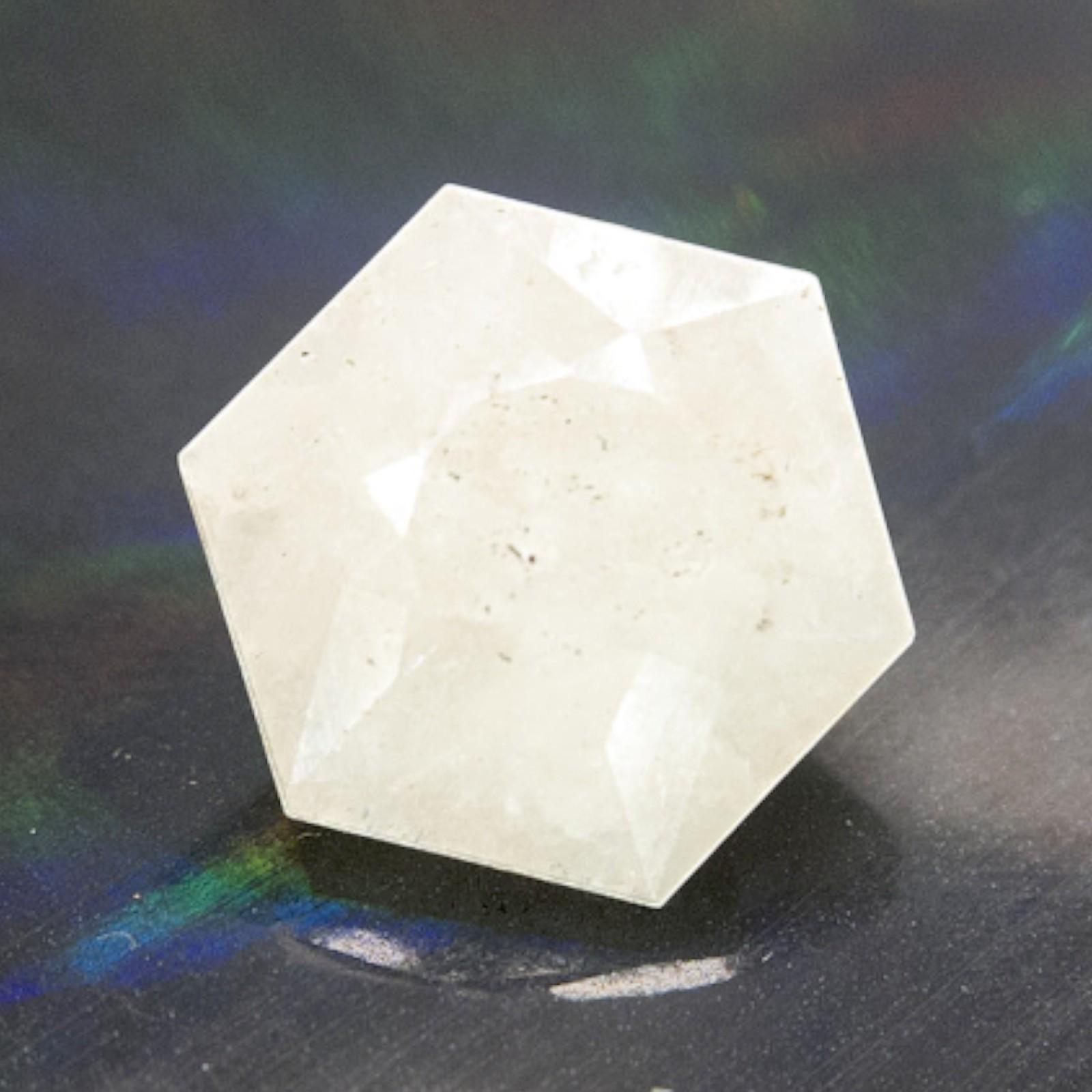
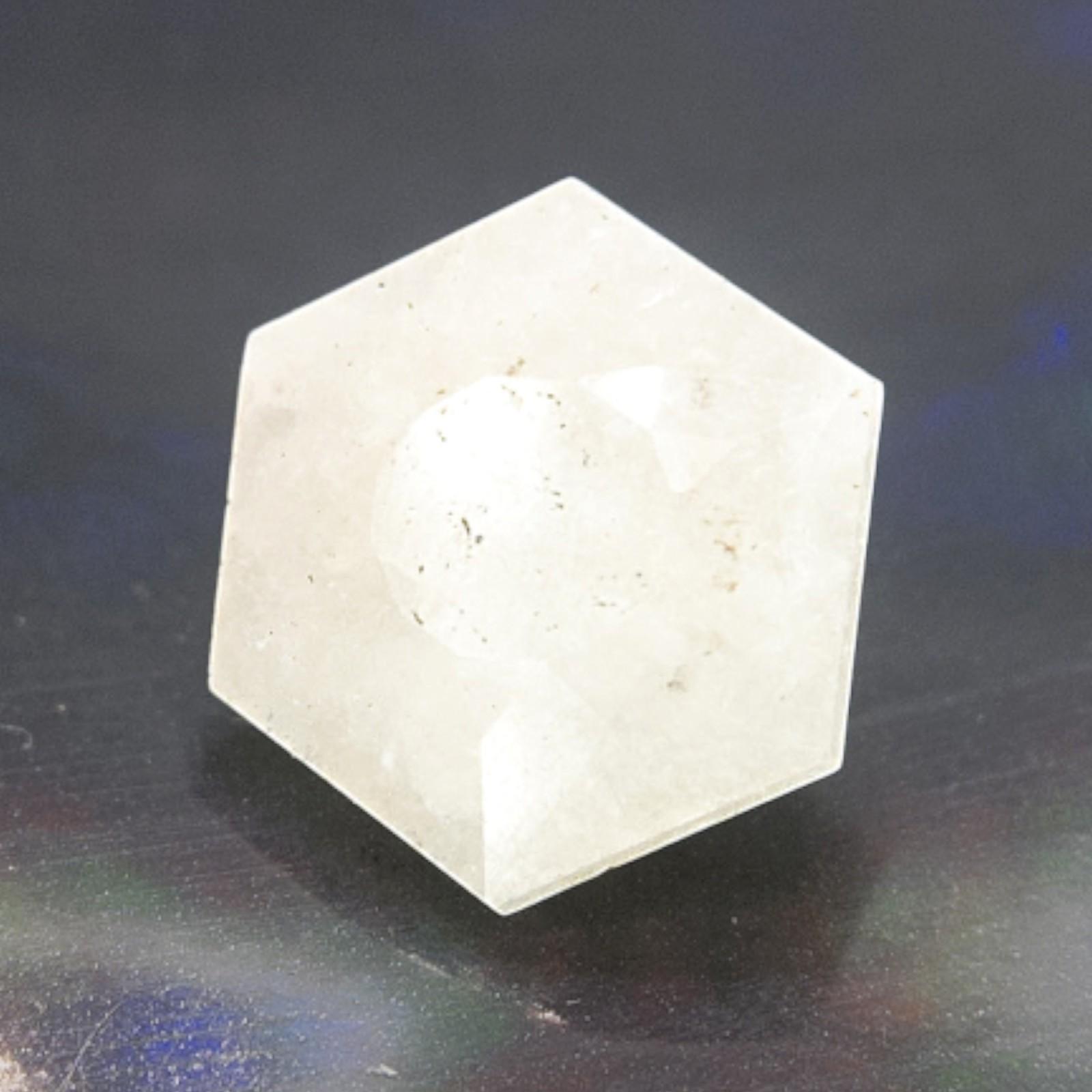
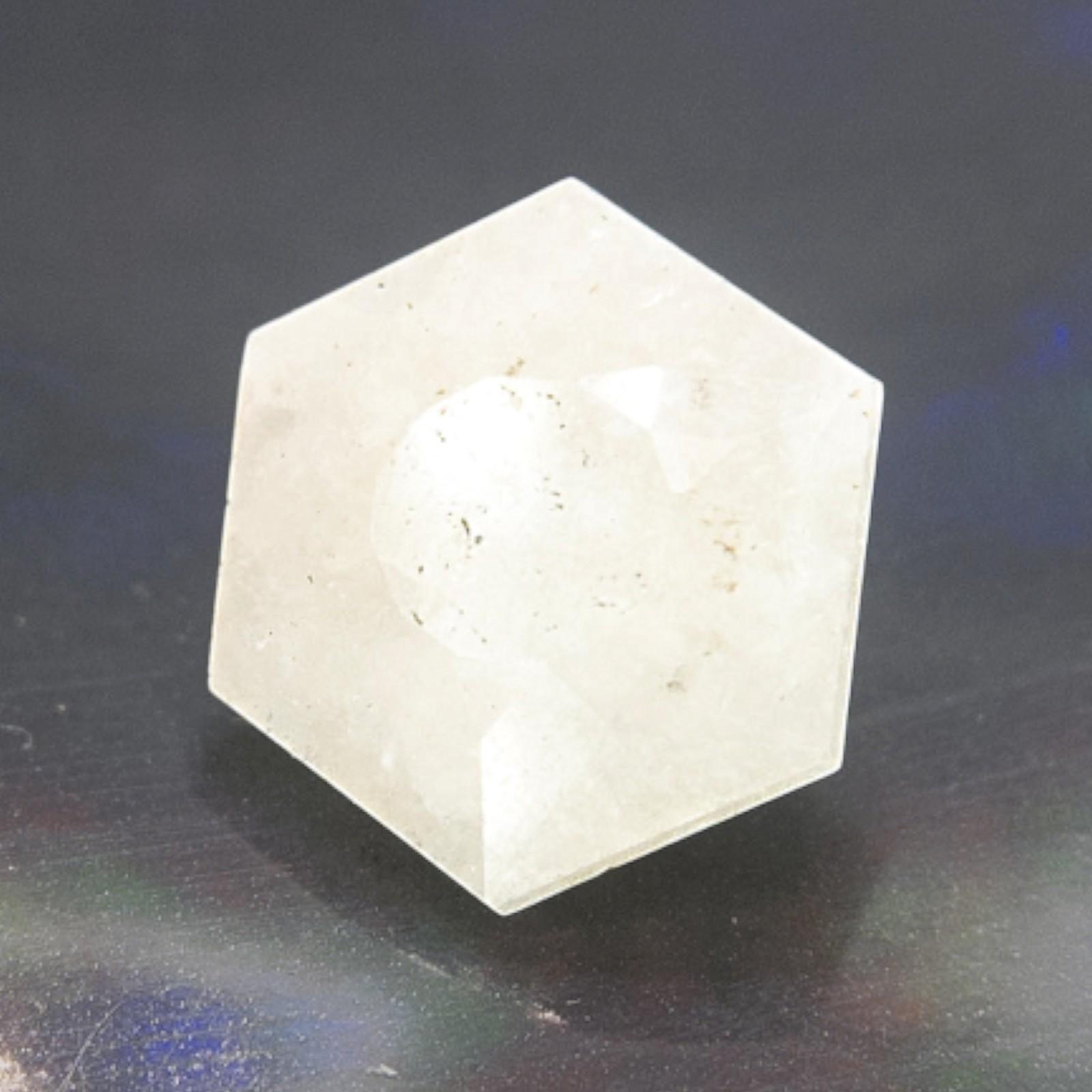
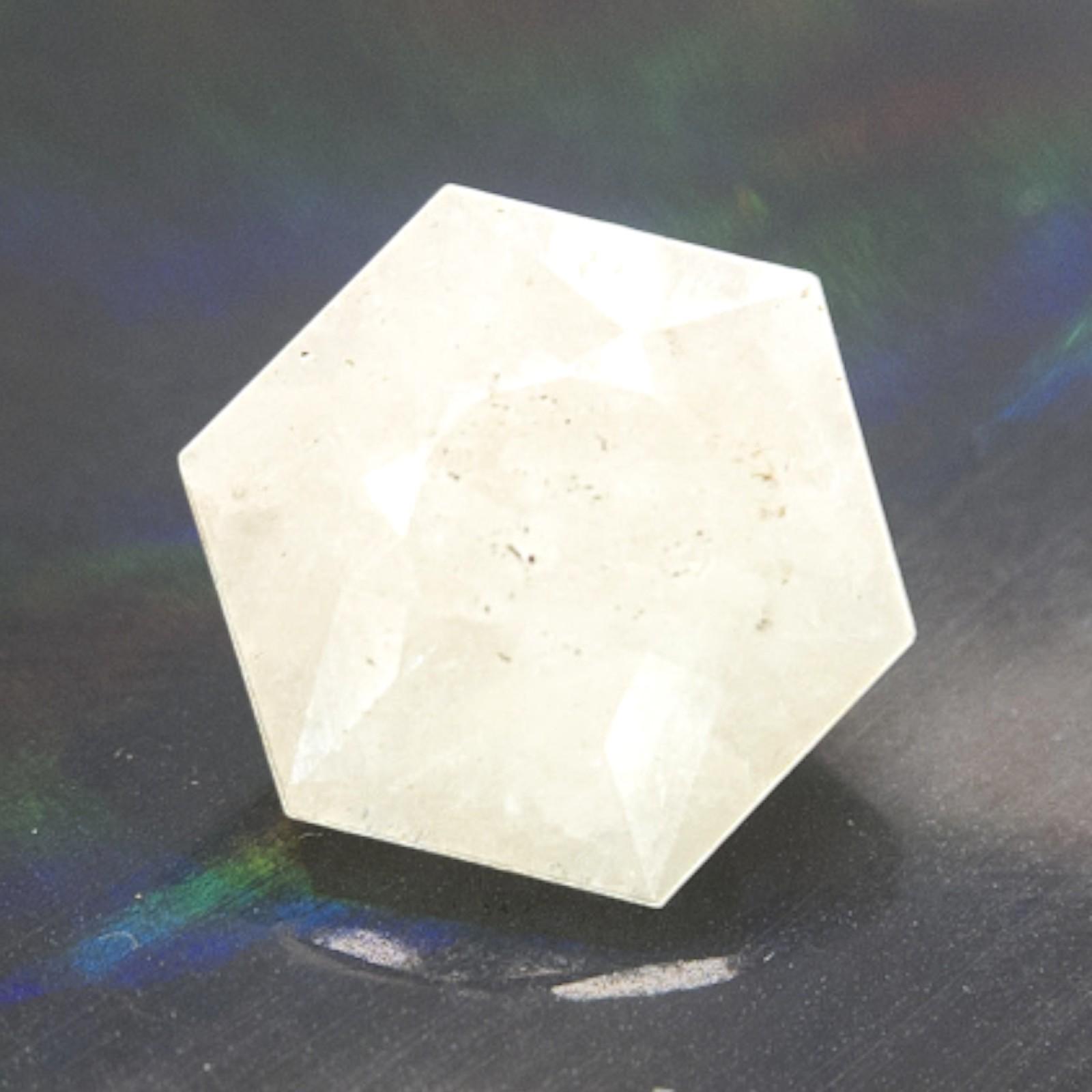
Tremolite from the metamorphic belts of Brazil represents the “amphibole-fluorescent” peak of the silicate world. A magnesium calcium silicate hydroxide, it is a species I have always respected for its “ice-white” to “glassy-clear” appearance in daylight and its status as a masterpiece of “photonic” structural discipline. For the specialist, a top-tier Brazilian UV-responsive Tremolite is a prize of metamorphic purity; it offers a vitreous to silky luster and a “luminous” presence that makes it a true “high-vibration” asset for the systematic vault. As an artist, I find the “hidden-spectrum” depth and the “sharp” transition from a colorless blade to a “saturated-yellow” or “neon-orange” glow under ultraviolet light to be one of nature’s most sophisticated and “electric” palettes.
The Heritage & Discovery
Historical Significance Tremolite is a vital species for understanding the mineralogy of magnesium-rich carbonate rocks and skarn deposits. Historically, it was named in 1789 after the Tremola Valley in Switzerland, but the “gem-grade” discoveries from Brazil have redefined the species for the modern collector. In the world of fine minerals, it is celebrated for its natural, “aqueous-neon” brilliance, which stands as a symbol of mental clarity and structural integrity. It serves as a reminder that the most “pure” geological environments can harbor extraordinary optical secrets that are only revealed when viewed through the correct spectral lens.
Discovery While Tremolite is found globally, the “water-clear” and “fluorescent” discoveries in Brazil set the global mineralogical standard for transparency and UV response. Scientifically, it is the magnesium-rich end-member of the actinolite-tremolite series. Its discovery in the Minas Gerais and Brumado regions provided mineralogists with the first clear look at the species’ potential for “sharp,” elongated prismatic crystals that exhibit a remarkable fluorescence, often attributed to trace inclusions or structural defects. My own respect for this material grew from observing its “optical” depth; specifically, the way its lattice converts UV radiation into a “sharp” neon glow is a visual impact that is unmistakable to the trained eye.
Important Mines The undisputed world capital for the finest, “water-clear” and UV-active Tremolite in South America is the Brumado area and various localities within the Minas Gerais metamorphic belts of Brazil. These specimens set the global benchmark for color purity and “sharp” crystal architecture. I also have a high regard for the spectacular “neon-yellow” fluorescent finds from the Lelatema Hills in Tanzania. For the vault, I prioritize the Brazilian material for its unmatched “crystalline-sharpness” and its status as a rare-location masterpiece of the amphibole group.
Mineralogical Profile
Description Tremolite is a magnesium calcium silicate hydroxide that crystallizes in the monoclinic system. It sits at a 5 to 6 on the Mohs scale, making it a durable mineral, though its “bladed” nature and perfect cleavage mean it must be handled with care to avoid “splintering” the delicate terminations. It is characterized by its vitreous to silky luster and its unmistakable, “colorless-to-snowy-white” color palette in daylight.
One of its most identifying traits is its strong yellow to orange fluorescence under short-wave or long-wave ultraviolet light. It has a moderate refractive index and a specific gravity (SG approx 2.9 to 3.0) that reflects its light silicate structure. Because it forms in magnesium-rich environments, it is often found in association with Calcite, Dolomite, and Talc. When I select a piece for the collection, I look for “pure” transparency and the most “intense” UV response, as these highlight the sophisticated, three-dimensional geometry of the mineral’s growth. It is a light, high-vibration mineral that offers a unique, “aqueous-neon” beauty unlike any other silicate variety.
Chemical Formula Ca2Mg5Si8O22(OH)2


