
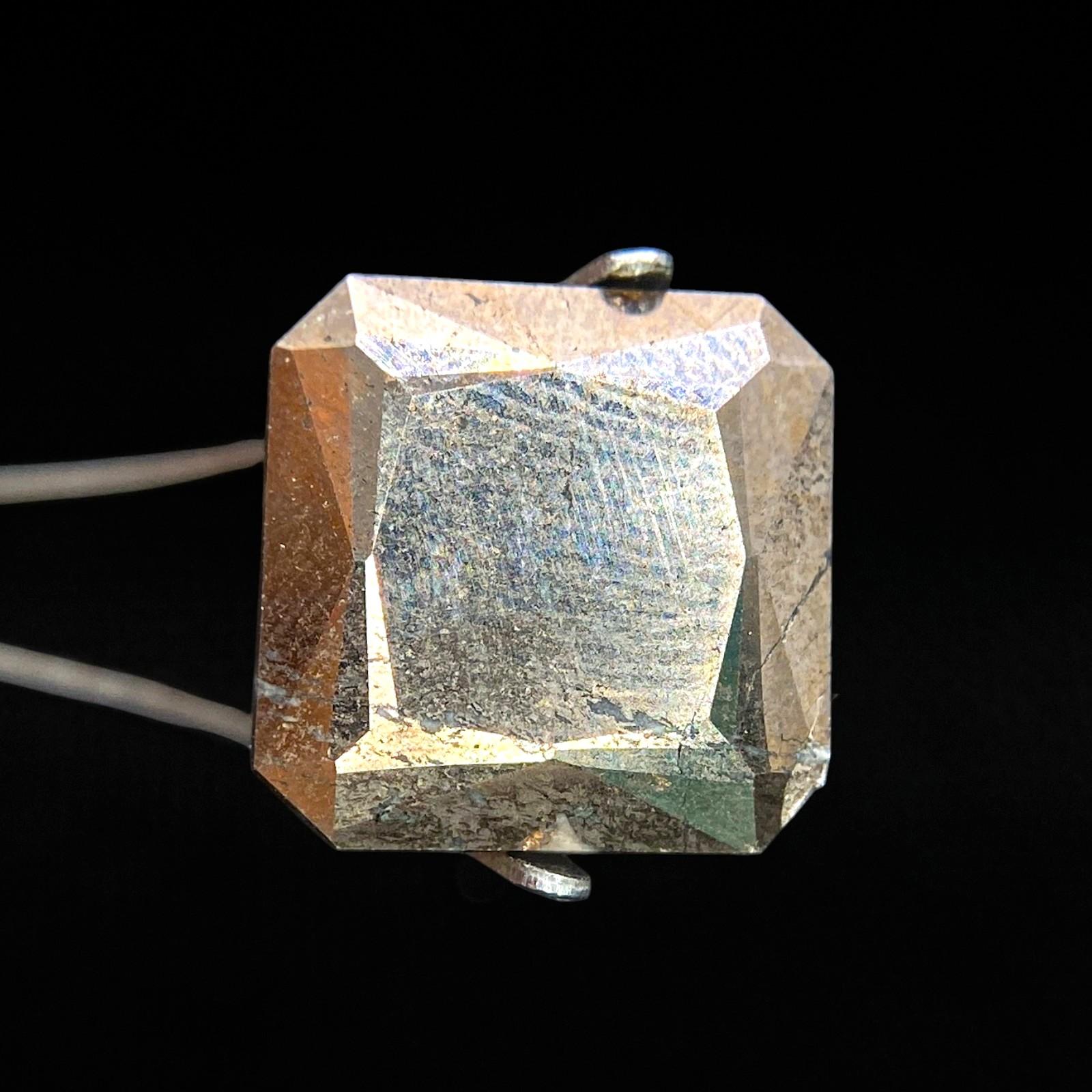
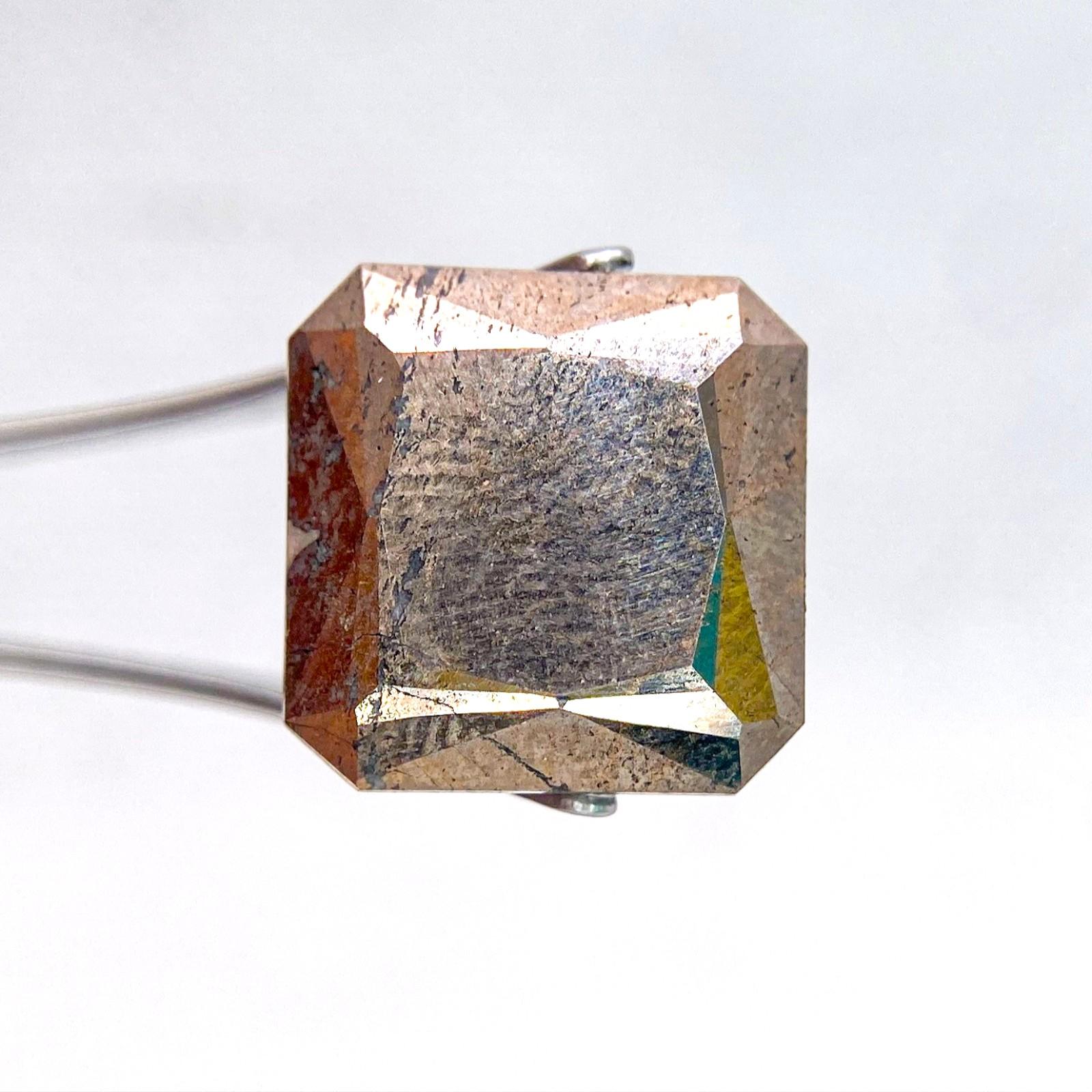
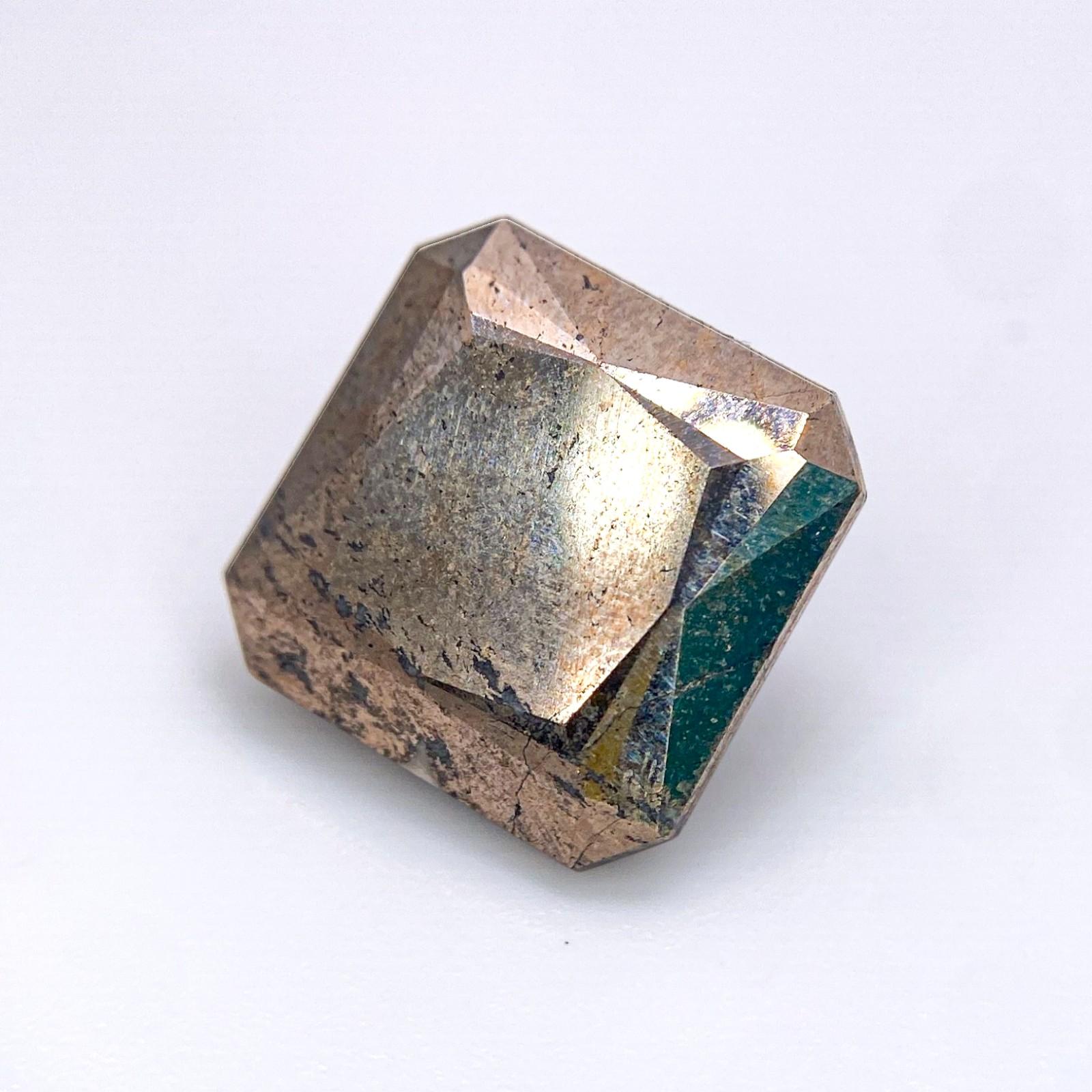
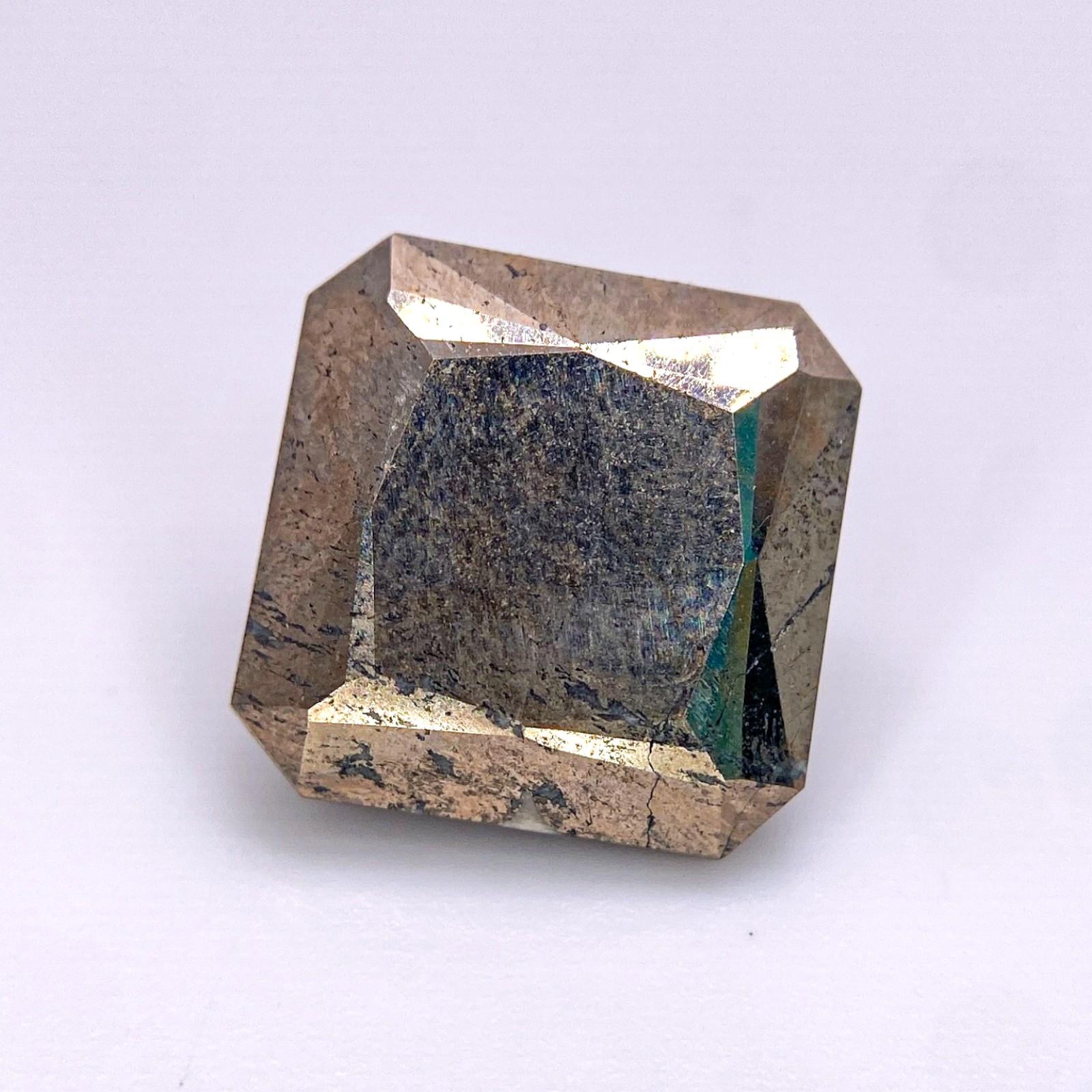
32.64 ct NICKELINE – CANADA
EXPERT VERIFIED
- Expert Verified Gemstone
- Fast Handling & Shipping
- Secure Vault Packaging
$ 200
Offer amount Feild


Smart Collector Choice


Pay with Crypto & Get 10% Automatic Discount

Availability: 1 in stock
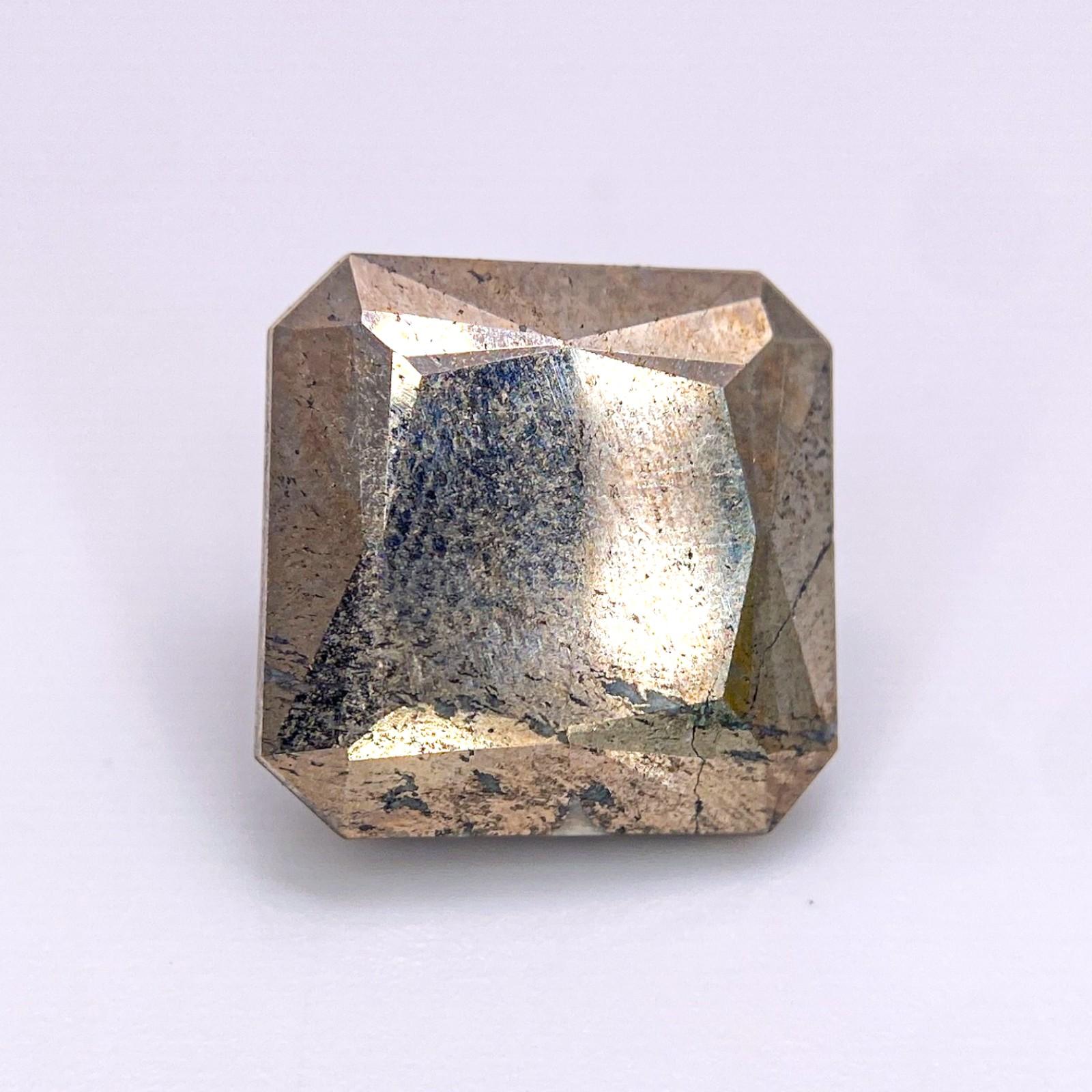
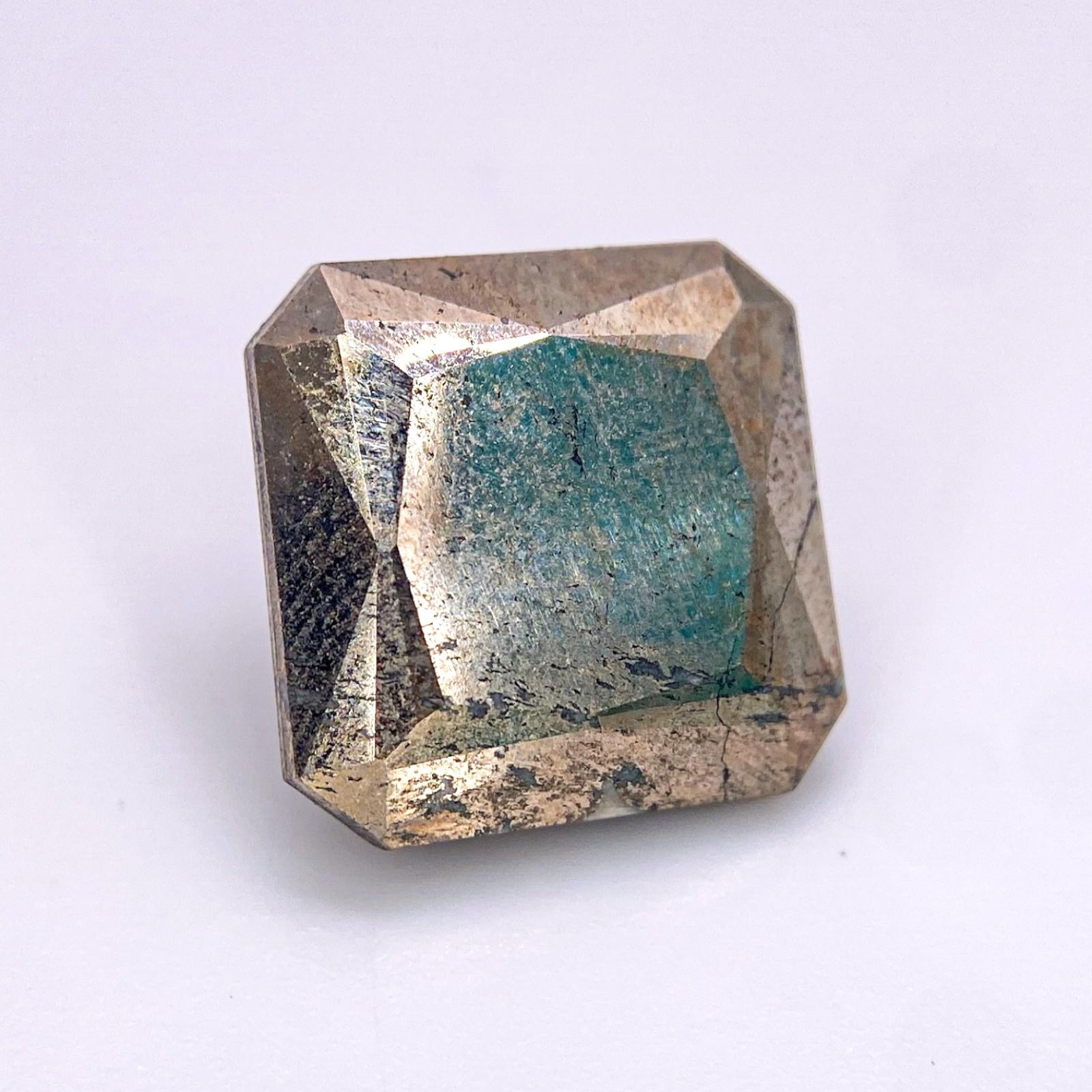
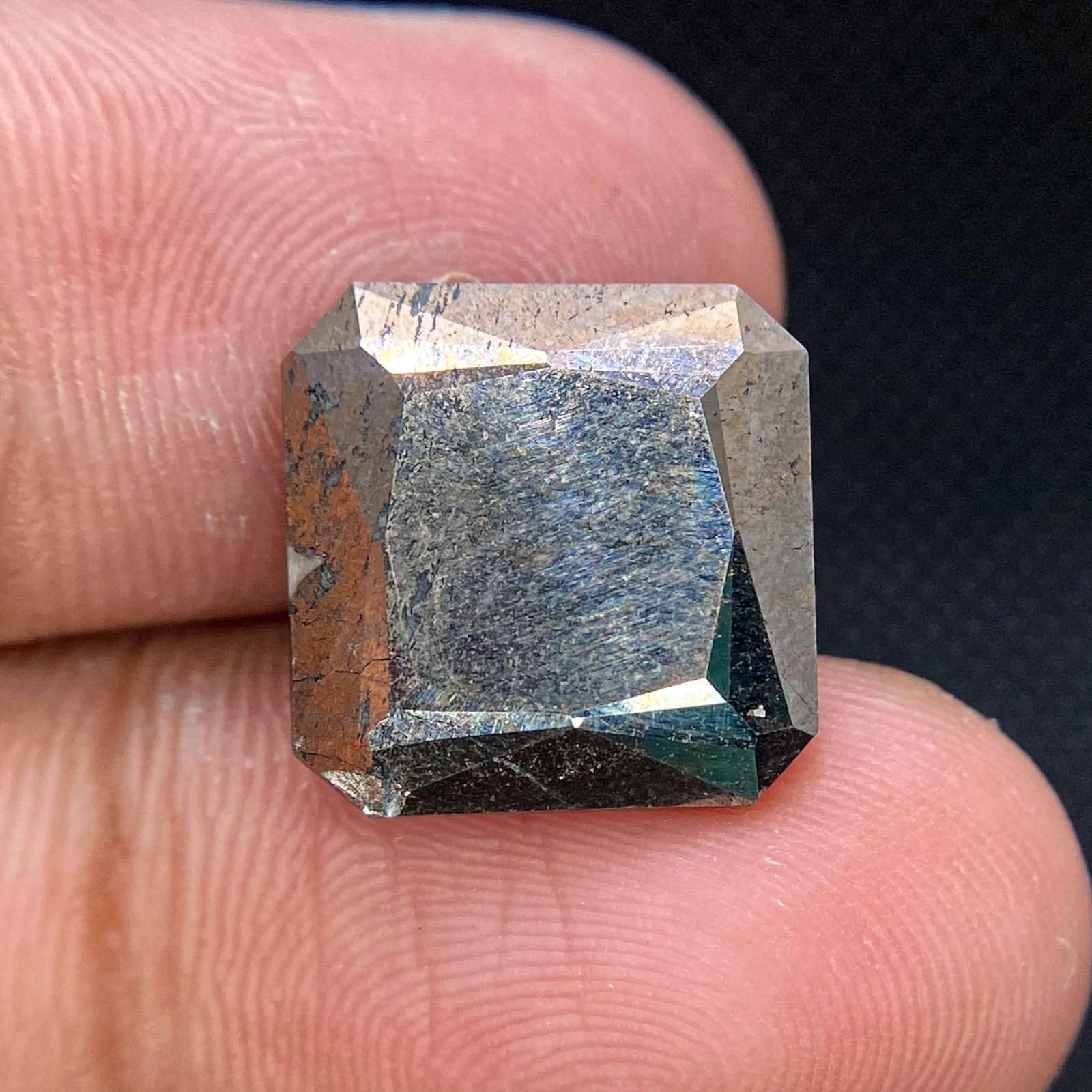


- Freakingcats Gemstone Database
Nickeline (Canada)
Nickeline from the historic, deep-seated silver-cobalt-nickel veins of Canada represents the absolute metallic pinnacle of arsenide mineral concentration. A nickel arsenide mineral, it is a species I have always respected for its striking, “pale-copper-neon” to “warm-bronze” metallic reflection and its status as a masterpiece of “hexagonal” structural discipline. For the specialist, a top-tier Canadian Nickeline—often intricately intergrown with native silver or shrouded in bright green annabergite oxidation—is a prized trophy of highly evolved, low-temperature hydrothermal fluid mobilization; it offers a bright metallic luster and an authoritative, dense presence that makes it a true powerhouse for the systematic vault. As an artist, I find the vivid, warm contrast between its coppery-pink metallic masses and the cold, stark whites of its calcite or dolomite matrix to be one of nature’s most sophisticated and industrial palettes.
The Heritage & Discovery
Historical Significance
Nickeline is a vital cornerstone species for understanding the complex deposition and fluid chemistry of polymetallic five-element (Ag-Bi-Co-Ni-As) veins within ancient cratonic shields. Historically, it holds a prominent place in mineralogical and economic history; it was frequently referred to by miners as “kupfernickel” (copper-nickel) because its deceptive copper-like hue led to failed attempts at extracting copper, accidentally introducing the element nickel to Western science in 1751. In the world of fine collectibles, Canadian specimens from the legendary Ontario mining booms are celebrated for their immense purity, standing as an enduring symbol of geological crystallization focus and structural density.
Discovery
While known across European medieval mining centers for centuries, the discovery of massive, hyper-dense veins across the Canadian Shield completely redefined our global appreciation of this arsenide group’s economic and mineralogical scale. Scientifically, it serves as the archetype for the hexagonal “nickeline structure type,” where tightly packed arsenic layers accommodate nickel atoms in regular octahedral spaces. The opening of these rich Canadian wilderness deposits provided mineralogists with spectacular, dendritic sheets and dense metallic blocks. My own respect for this material grew from observing its classic weathering profile; specifically, the way its gleaming, fresh coppery surfaces gradually alter into a brilliant, dayglo apple-green secondary crust of the hydrated nickel arsenate annabergite—traditionally called “nickel bloom”—is a visual impact that is unmistakable to the trained eye.
Important Mines
The undisputed capital for historical, museum-grade expressions of this species within Canada is the legendary Cobalt silver mining district in Timiskaming, Ontario. Prolific vein networks centered around the historic LaRose, Nipissing, and O’Brien mines have historically yielded magnificent, heavy masses. Globally renowned associations have also emerged from the massive nickel-copper-platinum group element deposits of the Sudbury Basin and the high-grade arsenide systems in the Northwest Territories. For the vault, I prioritize specimens that showcase rich, untarnished copper-pink cores sharply bordered by bright white calcite or a vibrant rind of light green nickel bloom, as they represent a highly active, heavy masterpiece of primary hydrothermal geology.
Mineralogical Profile
Description
Nickeline is a nickel arsenide mineral that crystallizes in the hexagonal system. It sits at a moderately hard 5 to 5.5 on the Mohs scale, meaning its structurally dense, rigid masses are highly resistant to simple scratching, yet its high metallic density requires careful handling to shield it from impacts that could fracture its waxy, microcrystalline boundaries. It is characterized by its brilliant, unblemished metallic luster and an unmistakable, “light copper-red to pale bronze-pink” color palette.
One of its most identifying traits is its imperfect cleavage combined with a distinct uneven or conchoidal fracture, routinely forming dense granular blocks, branching arborescent structures, or reniform masses that trace the old pathways of aggressive hydrothermal fluids through host rock faults. It is entirely opaque with an exceptionally strong metallic reflectivity, and it carries a massive average specific gravity ranging between 7.7 and 7.8 that reflects its compact, arsenic-heavy molecular architecture. Because it forms exclusively in highly specialized, late-stage hydrothermal veins, it is commonly found in close association with Skutterudite, Cobaltite, Safflorite, Native Silver, Calcite, Barite, and Annabergite. When I select an example for the collection, I look for heavy, robust hand specimens displaying sharp boundaries against a lighter host matrix, as these emphasize the sophisticated, heavy-element chemistry of the mineral’s ancient subterranean birth.
Chemical Formula
NiAs


