
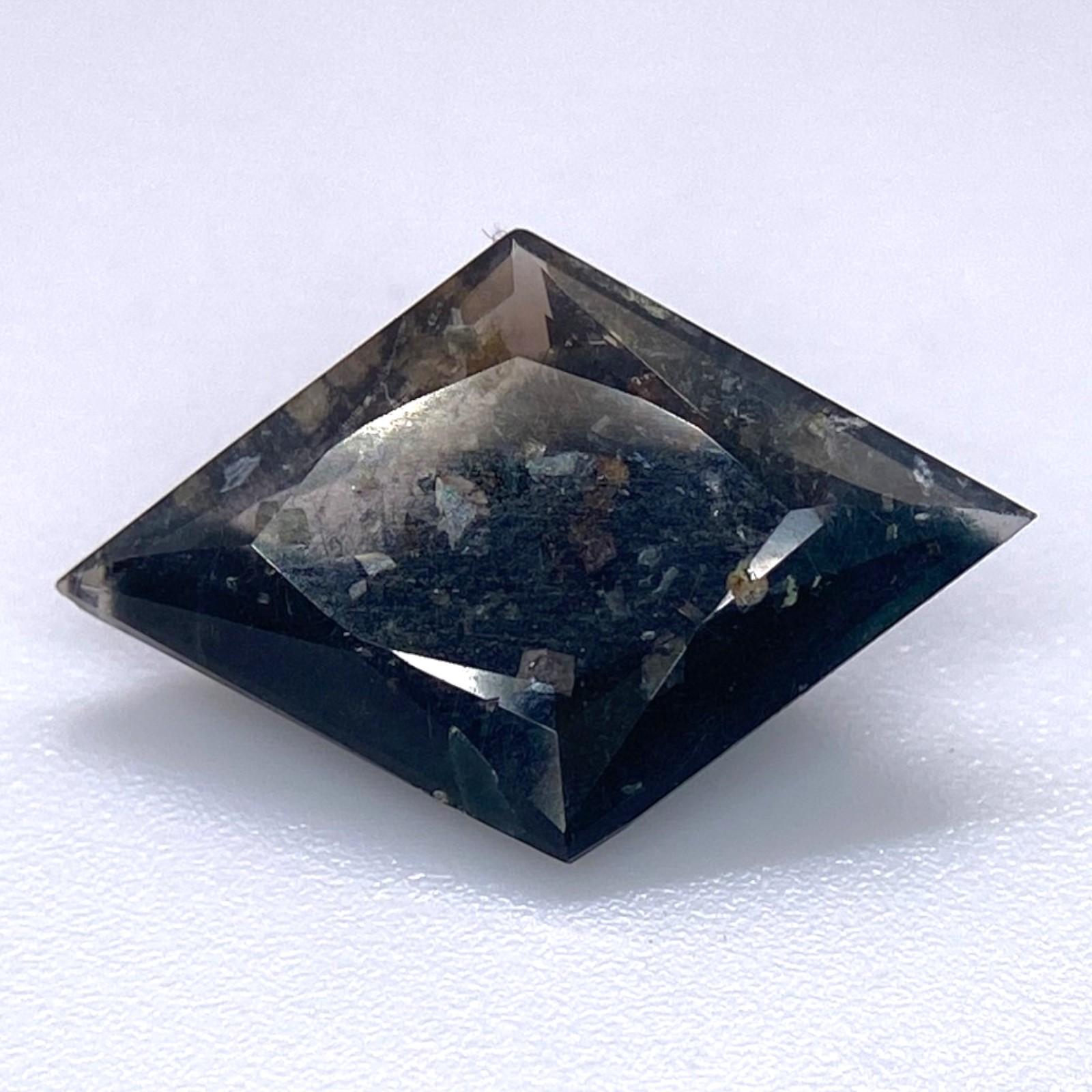
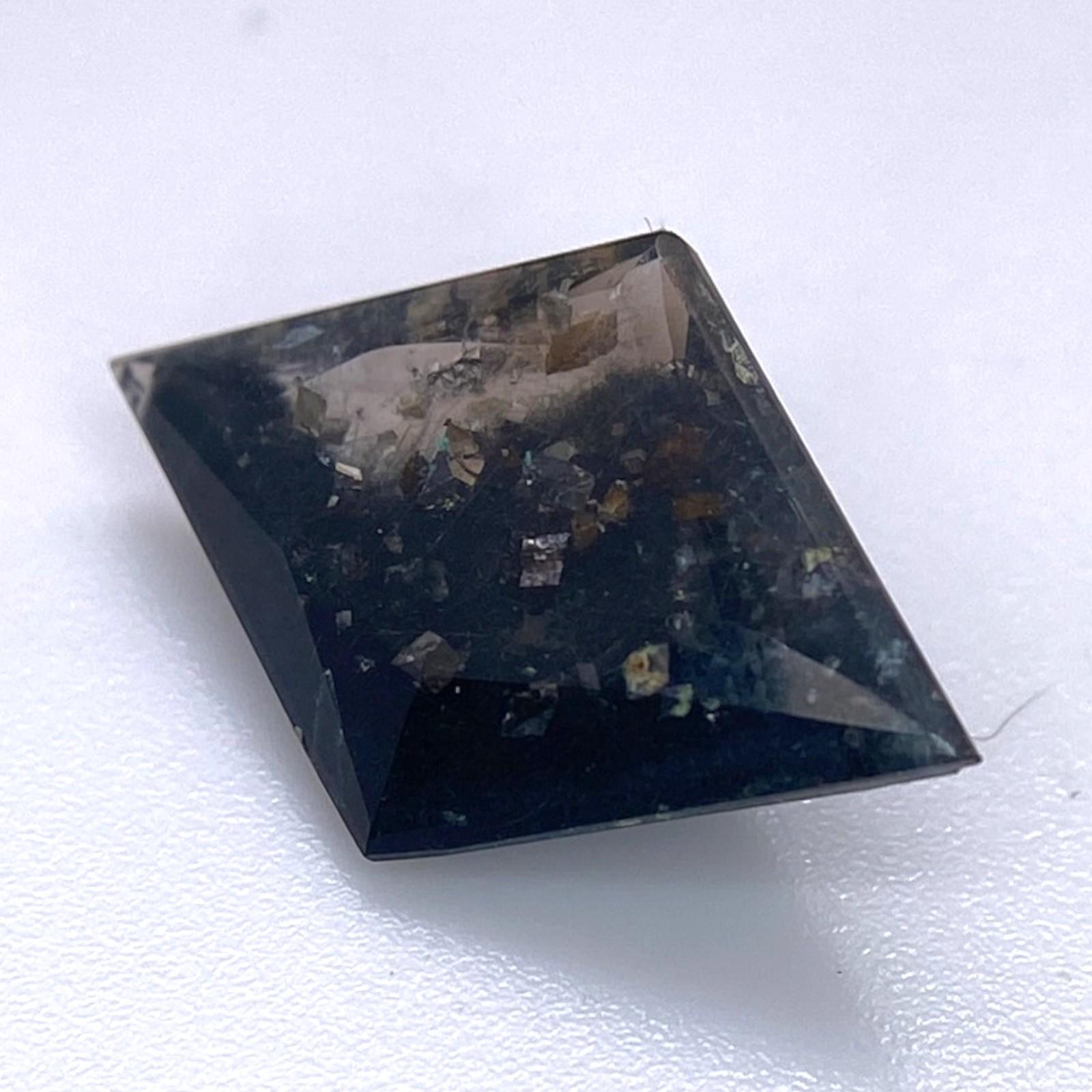
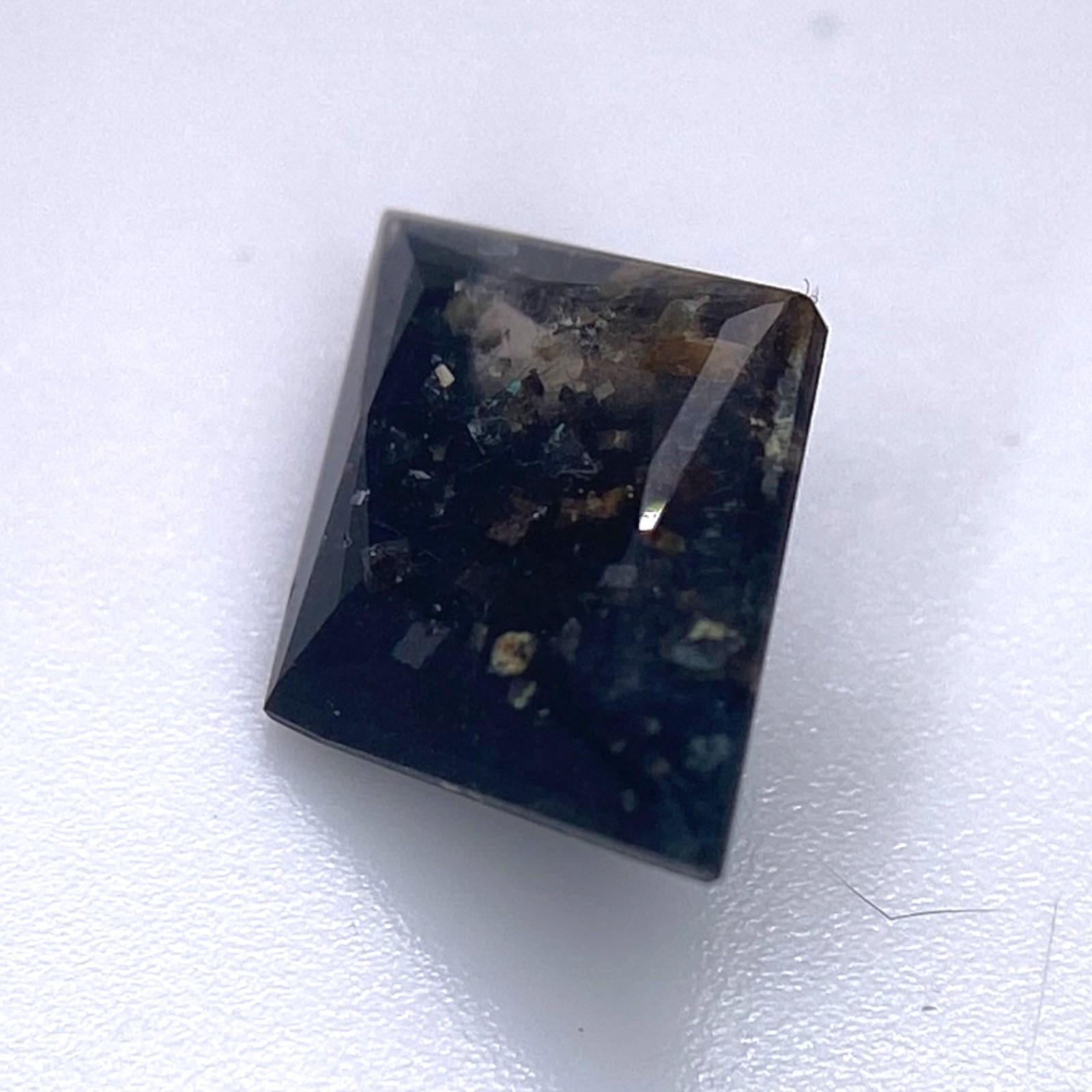
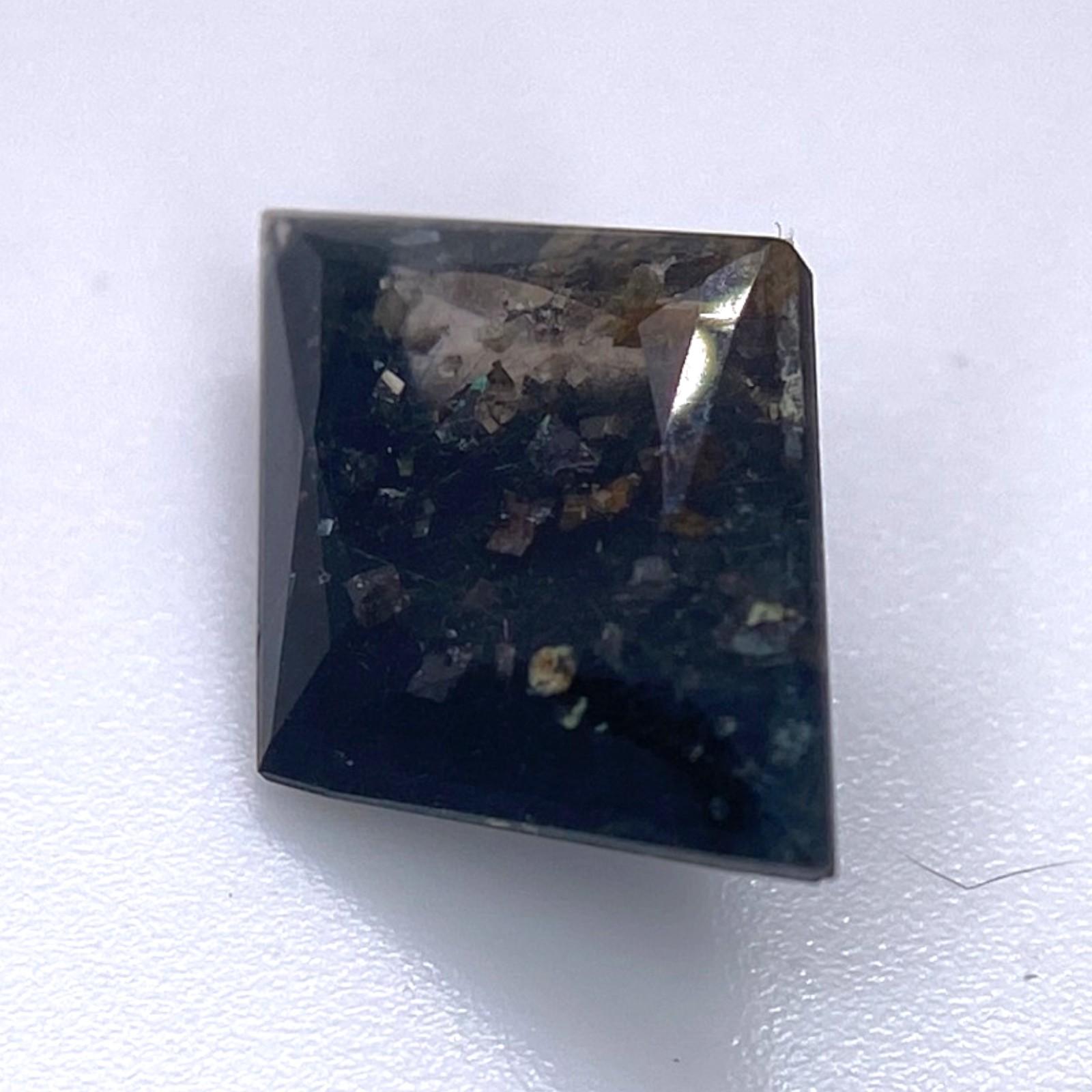
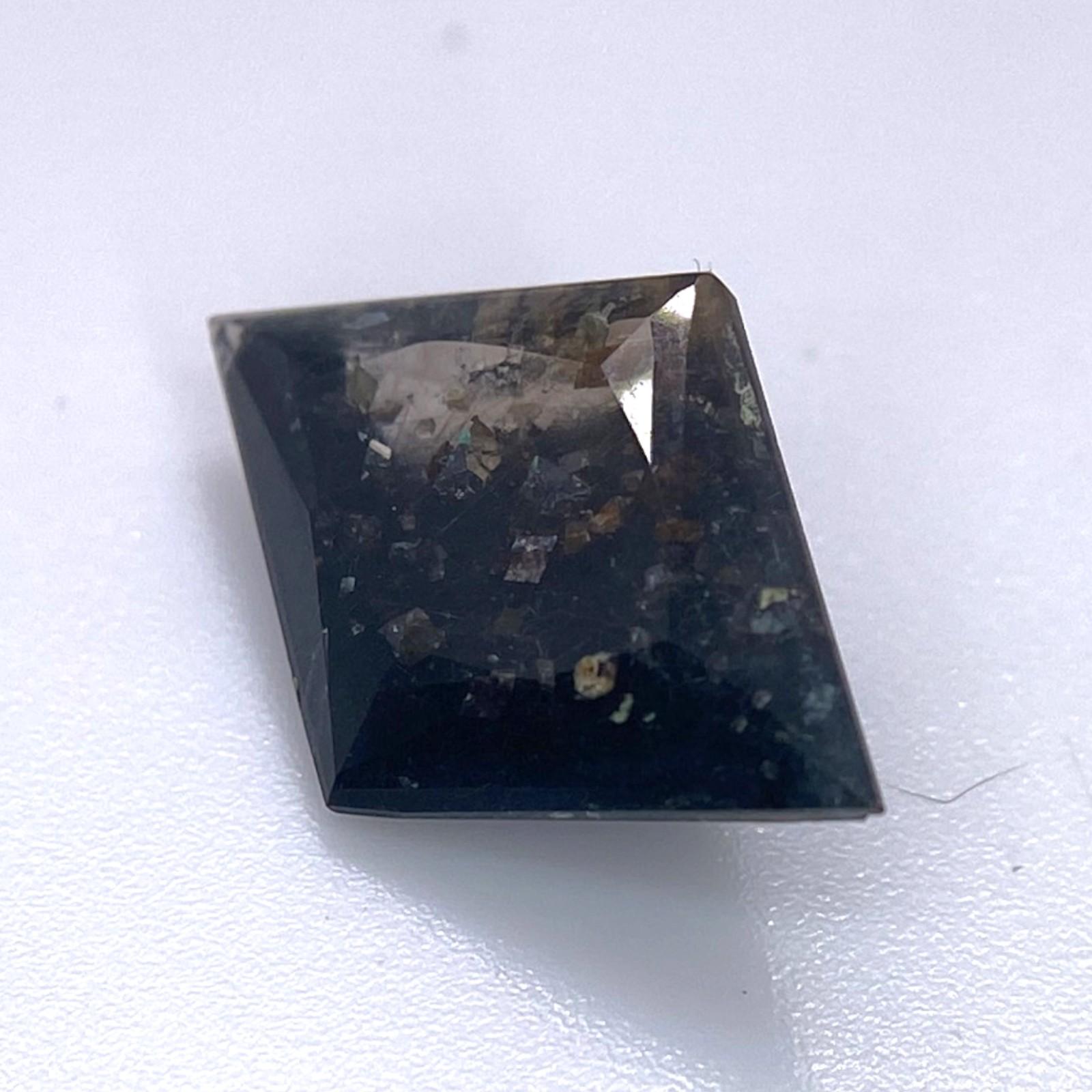
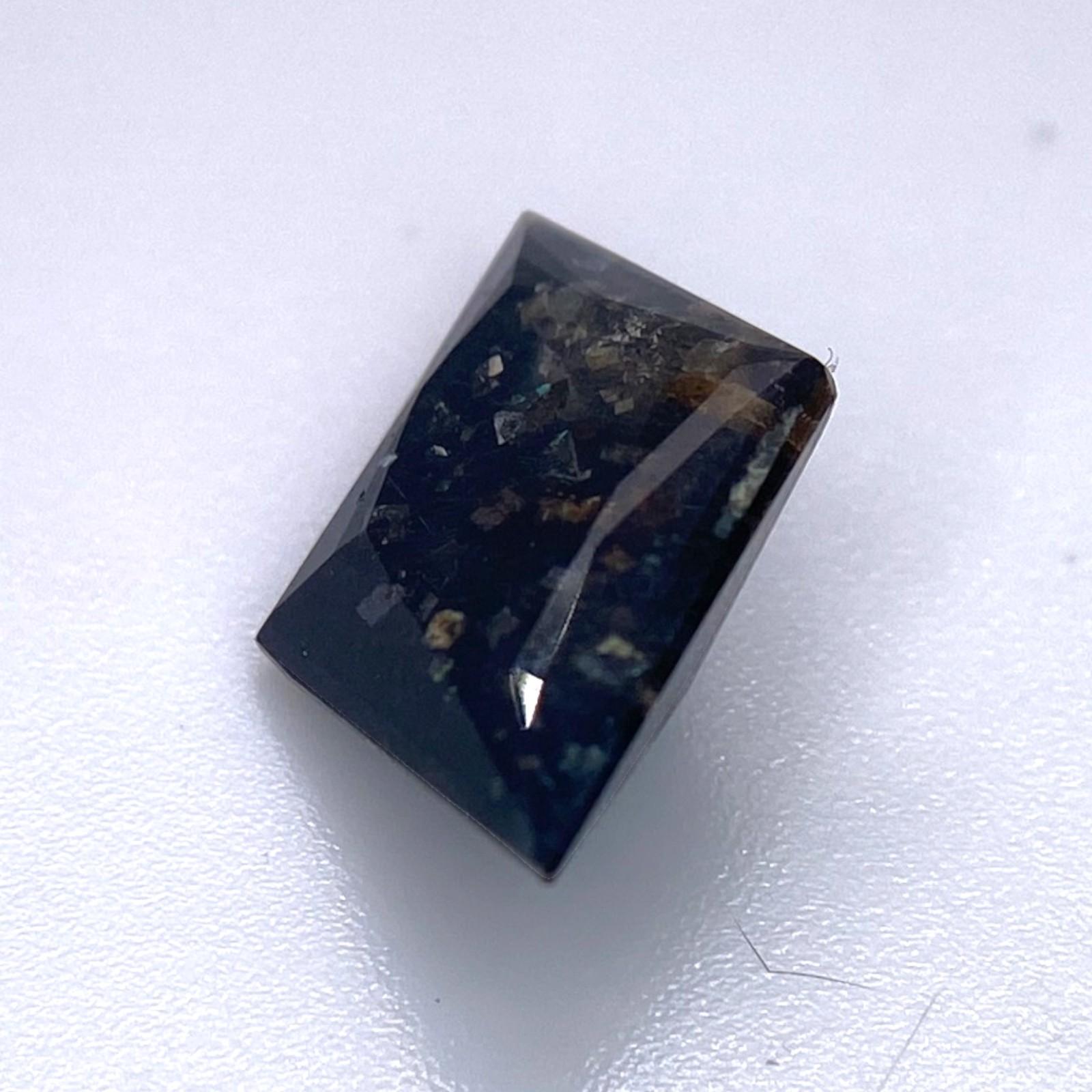
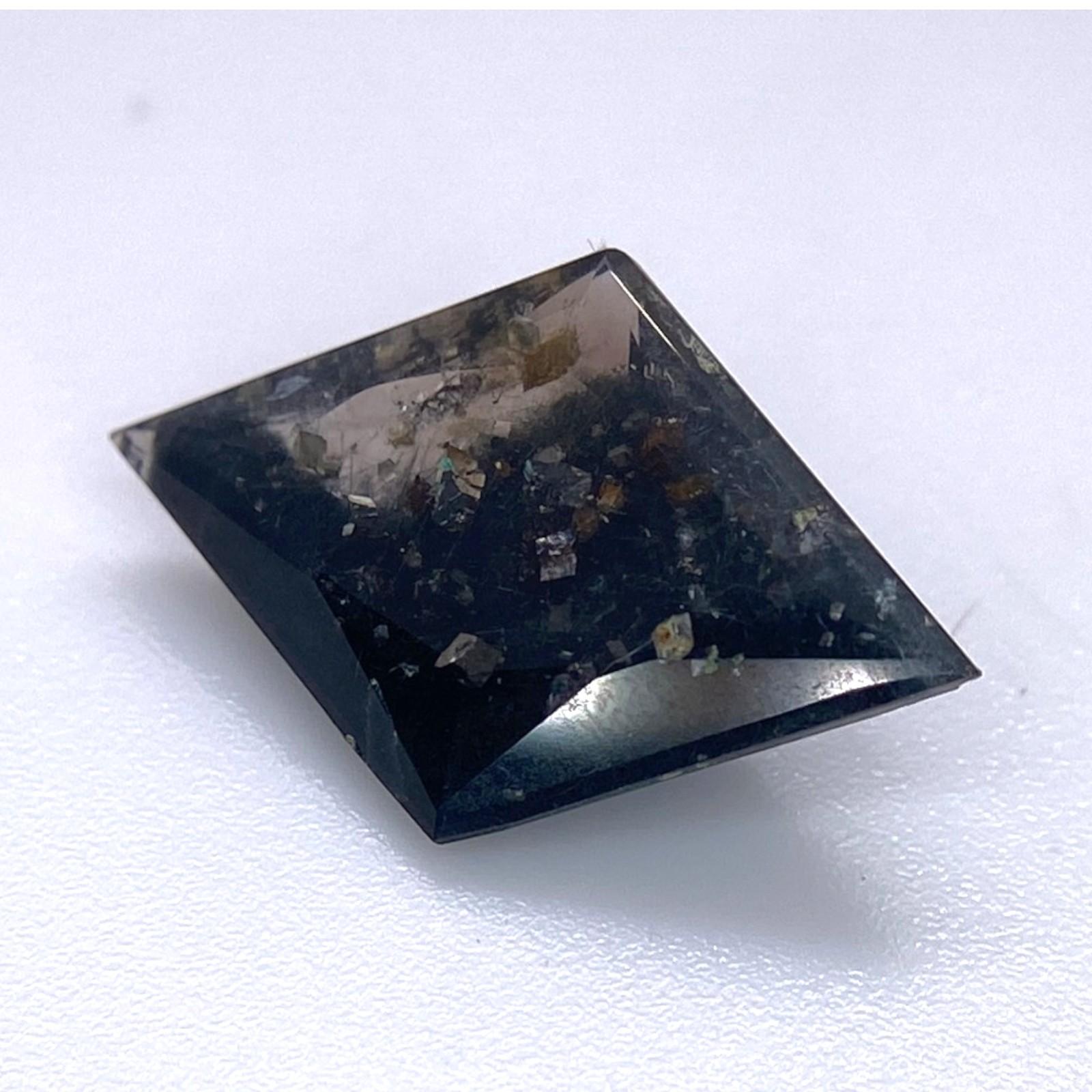
4.22 ct AEGIRINE – MALAWI
EXPERT VERIFIED
- Expert Verified Gemstone
- Fast Handling & Shipping
- Secure Vault Packaging
$ 240
Offer amount Feild


Smart Collector Choice


Pay with Crypto & Get 10% Automatic Discount

Out of stock


- Freakingcats Gemstone Database
Aegirine
Aegirine is a gemstone that embodies the dark, sharp elegance of the alkaline silicate world. A member of the Pyroxene group, it is a mineral I have always respected for its “steely” resolve and its dramatic, needle-like habit. While many pyroxenes are stocky, Aegirine often forms elongated, jet-black to deep forest-green prisms that terminate in sharp, sword-like points. It possesses a vitreous to sub-metallic luster that gives it a high-gloss, sophisticated finish. For the specialist, Aegirine is a stone of structural precision and grounding, representing the cooling of rare, sodium-rich magmas. It is a mineral of “black fire,” offering a silhouette that is as aggressive as it is beautiful.
The Heritage & Discovery
Historical Significance: Aegirine holds a significant place in the study of igneous petrology, specifically within nepheline syenites and carbonatites. Historically, it was a key indicator mineral for high-alkali environments. In the world of fine minerals, it is celebrated for its aesthetic “sprays”—where dozens of needle-like crystals radiate from a central point, often perched on a contrasting white matrix of Feldspar or Quartz. It stands as a symbol of protection and focus, bridging the gap between common rock-formers and the elite world of rare, dark-colored collector gems.
Discovery: The mineral was first described in 1835 and was named in honor of Ægir, the Norse god of the sea. This was a fitting tribute to its type-locality in Norway, where the dark, bladed crystals were found in the coastal rocks. Scientifically, it is a sodium iron silicate. Its discovery provided mineralogists with the first clear look at the sodic end-member of the pyroxene group, helping to map the chemical diversity of the Earth’s most complex volcanic systems.
Important Mines: The legendary and type-locality for world-class Aegirine is the Langesundsfjord region in Norway. However, some of the most spectacular, large, and sharp crystals for the modern collector come from Mount Malosa in Zomba, Malawi. I also have a high regard for the classic specimens from the Kola Peninsula in Russia and Mont Saint-Hilaire in Canada. For the vault, I prioritize the Malawi material for its incredible size and luster, and the Russian specimens for their unique, radiating “sun” habits.
Mineralogical Profile
Description: Aegirine is a sodium iron silicate that crystallizes in the monoclinic system. It sits at a 6 on the Mohs scale, making it a durable mineral, though its elongated habit makes the thin crystals prone to snapping if handled with too much pressure. It is characterized by its vitreous luster and its deep black, brownish-black, or dark green color.
One of its most identifying traits is its prismatic habit and cleavage—it often forms as very long, slender crystals with vertical striations and two directions of perfect cleavage at nearly 90°. It has a high refractive index approx 1.75 to 1.83), which provides a “sharp” brilliance when light catches the faces of the black prisms. Because it is an iron-rich mineral, it is quite heavy and opaque, though thin splinters may show a translucent green or brown hue. When I select a piece for the collection, I look for “terminated” crystals that are free of damage, as the sharp points are the hallmark of the species. It is a dense, high-vibration mineral that offers a unique, architectural depth unlike any other pyroxene.
Chemical Formula: NaFe3+Si2O6


