
4.83 ct LAZULITE – PAKISTAN
EXPERT VERIFIED
- Expert Verified Gemstone
- Fast Handling & Shipping
- Secure Vault Packaging
$ 150
Offer amount Feild


Smart Collector Choice


Pay with Crypto & Get 10% Automatic Discount

Availability: 1 in stock
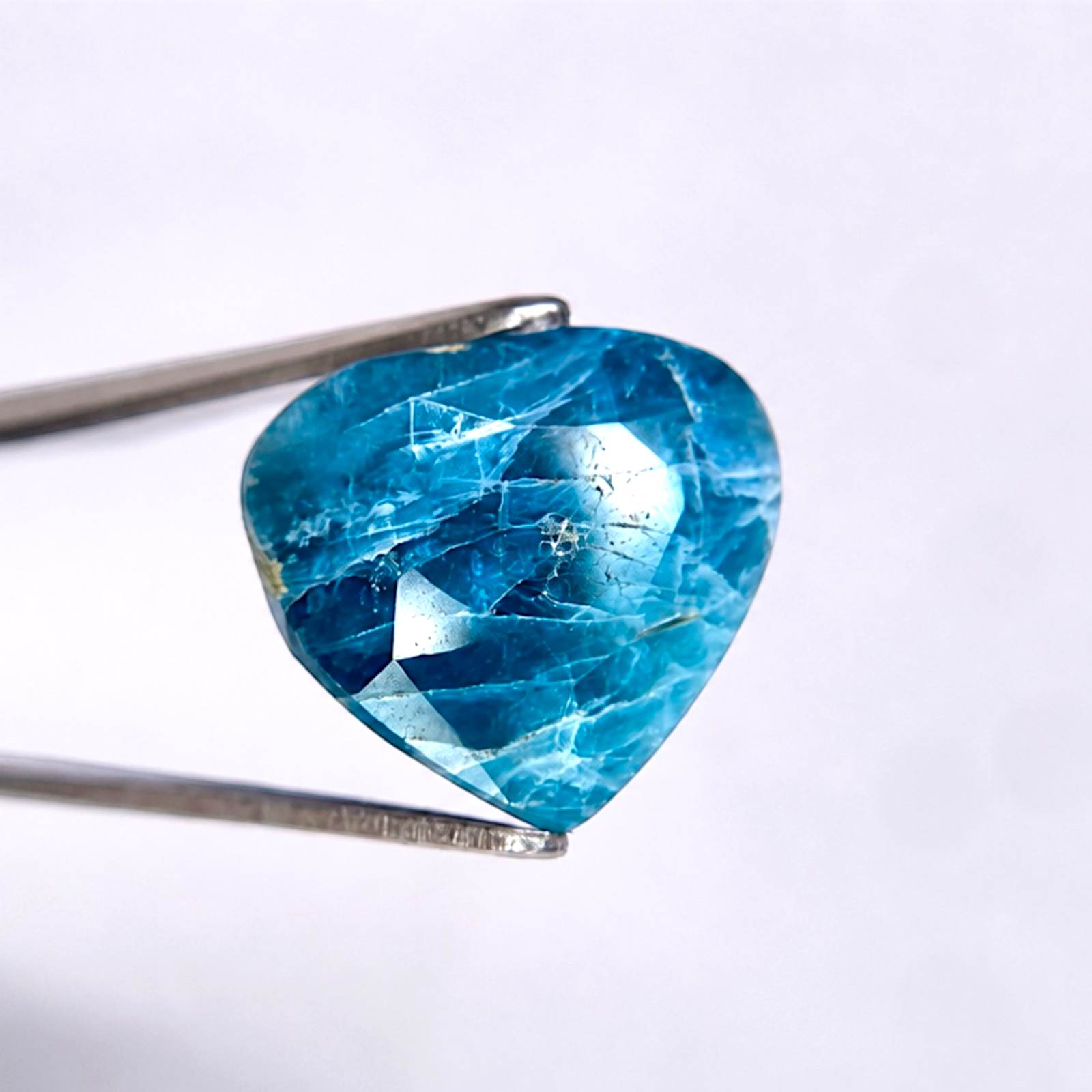
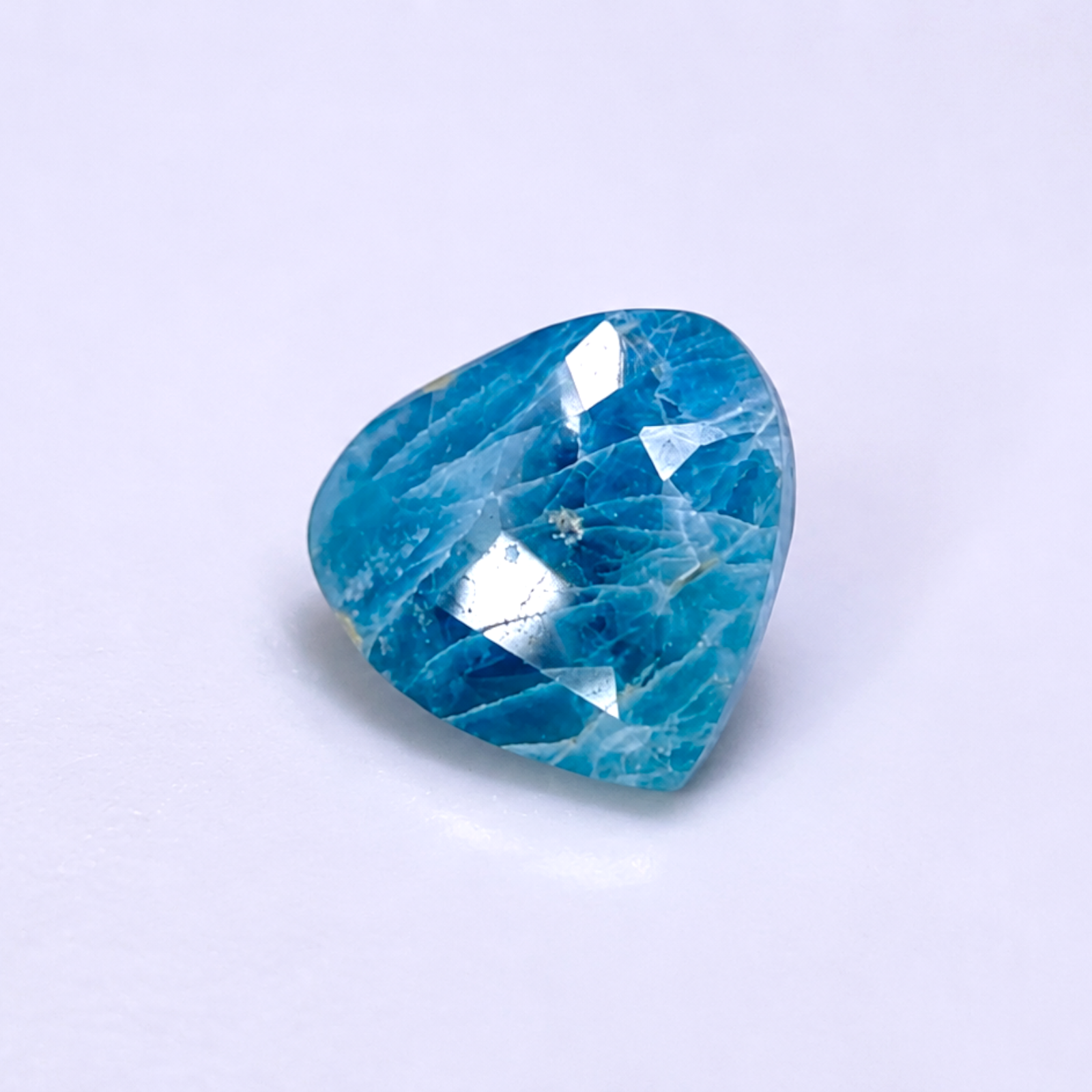
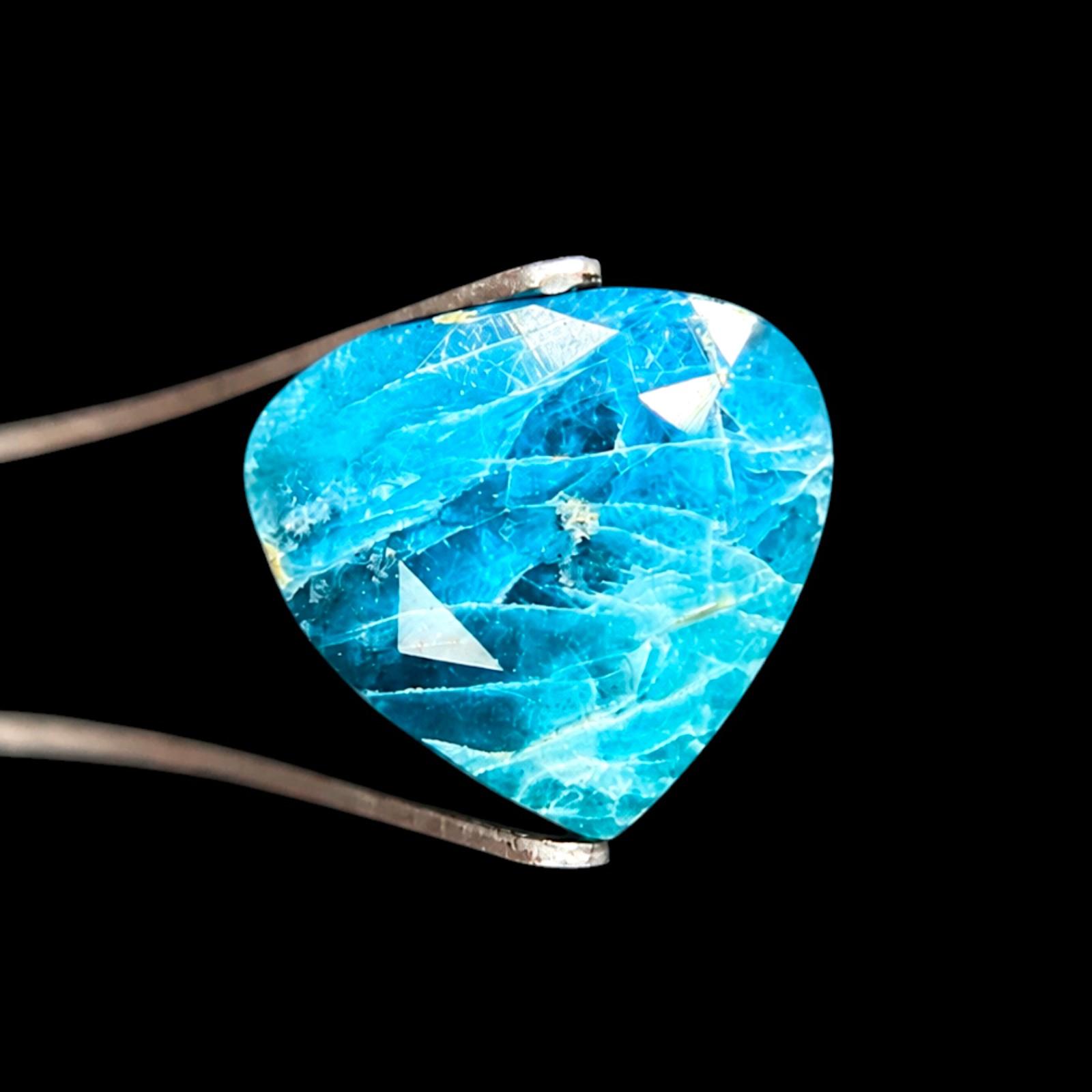


- Freakingcats Gemstone Database
Lazulite
Lazulite is a gemstone that often stops people in their tracks with its depth of color. It is a magnesium aluminum phosphate that produces a blue so profound and “azure” that it was named after the Arabic word for heaven. I have always found Lazulite to be a remarkably “solid” stone; it has a weight and a presence that feels grounded, even though its color reaches for the sky. It is not to be confused with Lazurite (the primary component of Lapis Lazuli); Lazulite is its own distinct species, often forming sharp, bipyramidal crystals that possess a vitreous, almost glass-like luster. When faceted, it offers a pleochroic dance, shifting from deep midnight blue to a lighter, almost sea-green hue, making it a favorite for those who appreciate stones with a hidden, shifting character.
The Heritage & Discovery
Historical Significance: Lazulite has been a prized mineral for collectors and researchers since the late 18th century. It represents a specific type of high-grade metamorphism, typically found in quartzites and alpine-type veins. Historically, it has been studied for its place in the Lazulite-Scorzalite solid solution series, where magnesium and iron swap places to create subtle shifts in color and density. It stands as a classic example of “mountain mineralogy,” often discovered in the most rugged, high-altitude environments where the Earth’s crust has been folded and squeezed into new, beautiful forms.
Discovery: The mineral was first described in 1795 by the German chemist Martin Heinrich Klaproth. He chose the name based on the Persian word lāzhward (blue), acknowledging the stone’s most striking feature. Since its classification, it has remained a relatively rare species, found only in specific pockets of the world where the chemistry of phosphate and aluminum is just right.
Important Mines: The world’s most legendary source for large, gem-quality Lazulite crystals is the Rapid Creek and Big Fish River area in the Yukon, Canada. These Arctic deposits produce sharp, indigo-blue crystals that are the gold standard for the species. Another historic and highly sought-after location is the Graves Mountain in Georgia, USA, known for its lustrous, deep blue crystals on a contrasting matrix. I always look for these Canadian and American specimens when seeking material for the vault, as they provide the best clarity for high-end faceting.
Mineralogical Profile
Description: Lazulite is a magnesium aluminum phosphate hydroxide that crystallizes in the monoclinic system. It sits at a 5.5 to 6 on the Mohs scale, making it suitable for specialized jewelry or high-end display pieces. It is characterized by its vitreous luster and intense blue color.
One of its most identifying traits is its strong pleochroism—when you rotate a faceted stone, it can change from blue to colorless or even a light green. The crystals are typically dipyramidal or “wedge-shaped,” and because of its distinct cleavage, it requires a very steady hand during the faceting process to avoid fracturing the stone. It is a dense, tough mineral that captures the essence of the high-pressure environments in which it was born.
Chemical Formula: MgAl2(PO4)2(OH)2


