
SKU: OPAL0127
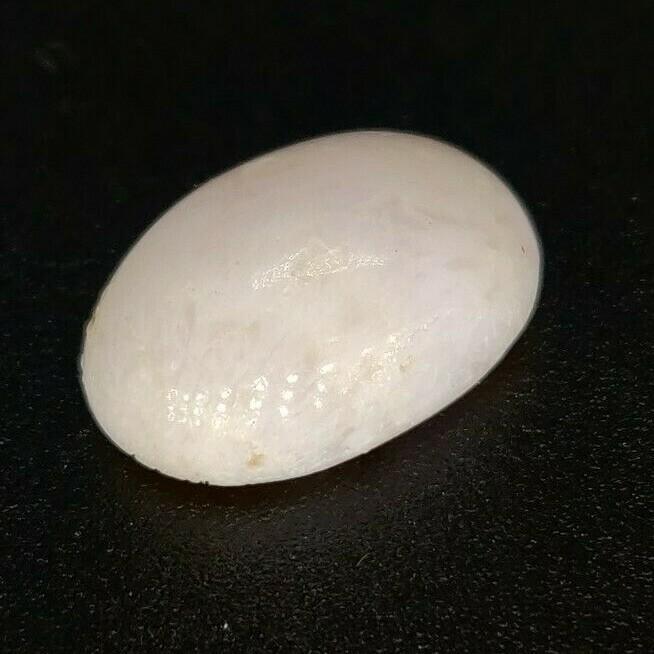
5.20 ct PINK OPAL – PERU
EXPERT VERIFIED
- Expert Verified Gemstone
- Fast Handling & Shipping
- Secure Vault Packaging
$ 150
Offer amount Feild


Smart Collector Choice


Pay with Crypto & Get 10% Automatic Discount

Availability: 1 in stock
Gemstone Details
Gem Variety:
Pink Opal
Origin:
Peru
Carat Weight:
5.20
Length (mm):
14
Width (mm):
9.7
Depth (mm):
5.7
Shape:
Cabochon
Color
Multicolor
Treatment:
No Treatment
Certificate:
On Request
- Freakingcats Gemstone Database
Pink Opal Pink Opal is a gemstone that captures a soft, romantic elegance quite unlike its "precious" siblings. While most people associate Opals with a rainbow-like play of color, Pink Opal is a common opal that trades flashes of light for deep, opaque, pastel-to-bubblegum pink hues. Often called the "peppermint candy stone," it has a milky, soothing presence that I find incredibly refreshing. Primarily sourced from the high altitudes of the Andes, it is a stone that feels grounded yet ethereal. I have always appreciated it for its smooth, waxy texture; when polished into a cabochon, it has a glow that seems to come from a heart of pure silk. It is a gem for the collector who finds beauty in subtle, solid color and the natural, "imperfect" streaks of white or black that tell the story of its mountain origin. The Heritage & Discovery Historical Significance: Pink Opal has been used for centuries by the indigenous peoples of the Andes, who considered it a gift from "Pachamama" (Mother Earth) and a stone of peace and stability. Historically, it was revered for its calming energy and its connection to the spirit of the mountains. In the world of crystal healing, it is a modern staple, widely used to foster emotional healing, love, and compassion, and is deeply linked to the heart chakra. It represents the "softer" side of the mineral kingdom—a stone that doesn't scream for attention with fire but instead invites a quiet, peaceful contemplation. Discovery: As a variety of common opal, it has been known for millennia, but its specific recognition as a distinct gemological variety occurred as mining expanded in South America. The Peruvian deposits are world-famous, providing the most vibrant and saturated pinks that have become the global benchmark for the species. Its scientific classification as a mineraloid—rather than a true mineral—highlights its unique, non-crystalline nature and its essential water content. Important Mines: The primary and most prestigious source for Pink Opal is the Andes Mountains near Ica, Peru. These high-altitude mines produce the signature "Andean Pink Opal" that collectors crave. Significant deposits have also been identified in the USA (Oregon and Idaho) and parts of Australia, though the Peruvian material remains the most sought-after for its vibrancy. I always look for pieces from the Peruvian Andes for the vault, as their density of color and characteristic inclusions are unmistakable and represent the true heart of this species. Mineralogical Profile Description: Pink Opal is a hydrated silica mineraloid that belongs to the opal family. It sits at a 5 to 6 on the Mohs scale, making it a relatively soft stone that should be treated with care. It is characterized by its opaque, milky appearance and a vitreous to waxy luster. Unlike precious opal, it is "common" because it lacks the internal structure required to diffract light into a play-of-color. One of its most important traits is its water content; because it is a hydrous mineraloid, it can contain up to 20% water. This means it is sensitive to heat and should be kept out of direct, prolonged sunlight to prevent drying, which can lead to "crazing" or cracking. It often contains dark dendrites or white Calcite streaks, which add a natural, organic character to each piece. When cut into beads or cabochons, it takes a beautiful, soft polish that feels remarkably comfortable against the skin. Chemical Formula: SiO2·nH2O


