
5.55 ct JADEITE – MYANMAR
EXPERT VERIFIED
- Expert Verified Gemstone
- Fast Handling & Shipping
- Secure Vault Packaging
$ 180
Offer amount Feild


Smart Collector Choice


Pay with Crypto & Get 10% Automatic Discount

Availability: 1 in stock
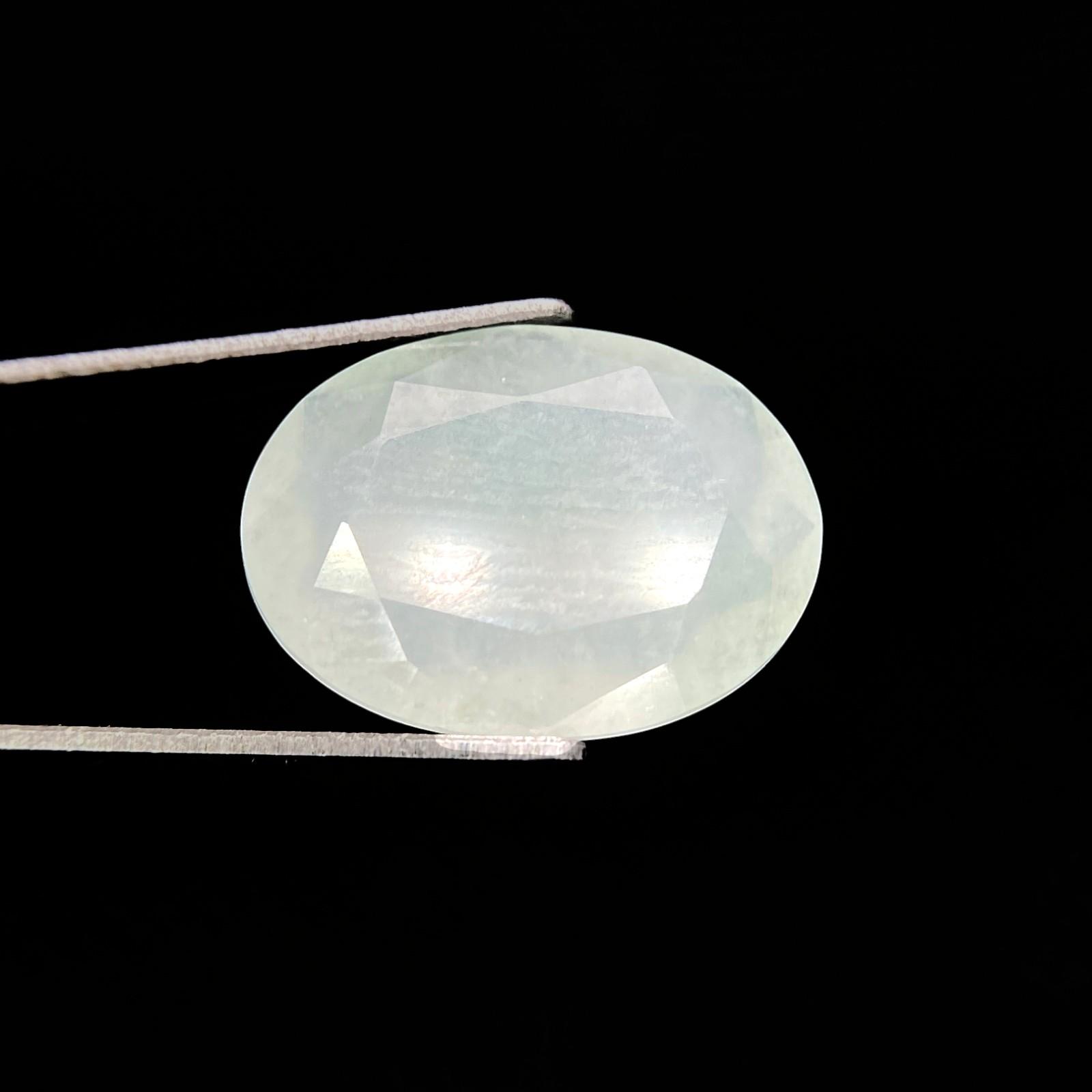
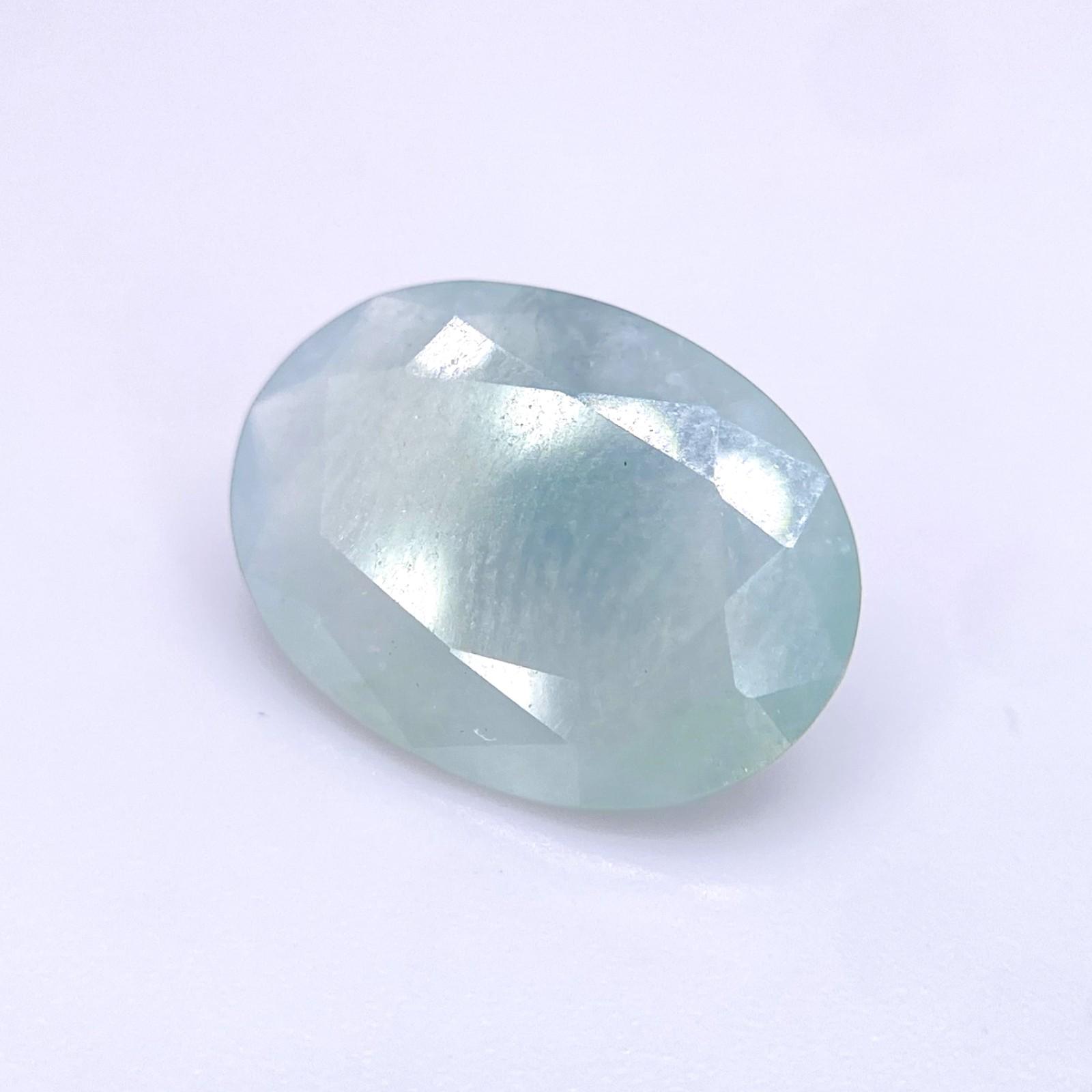
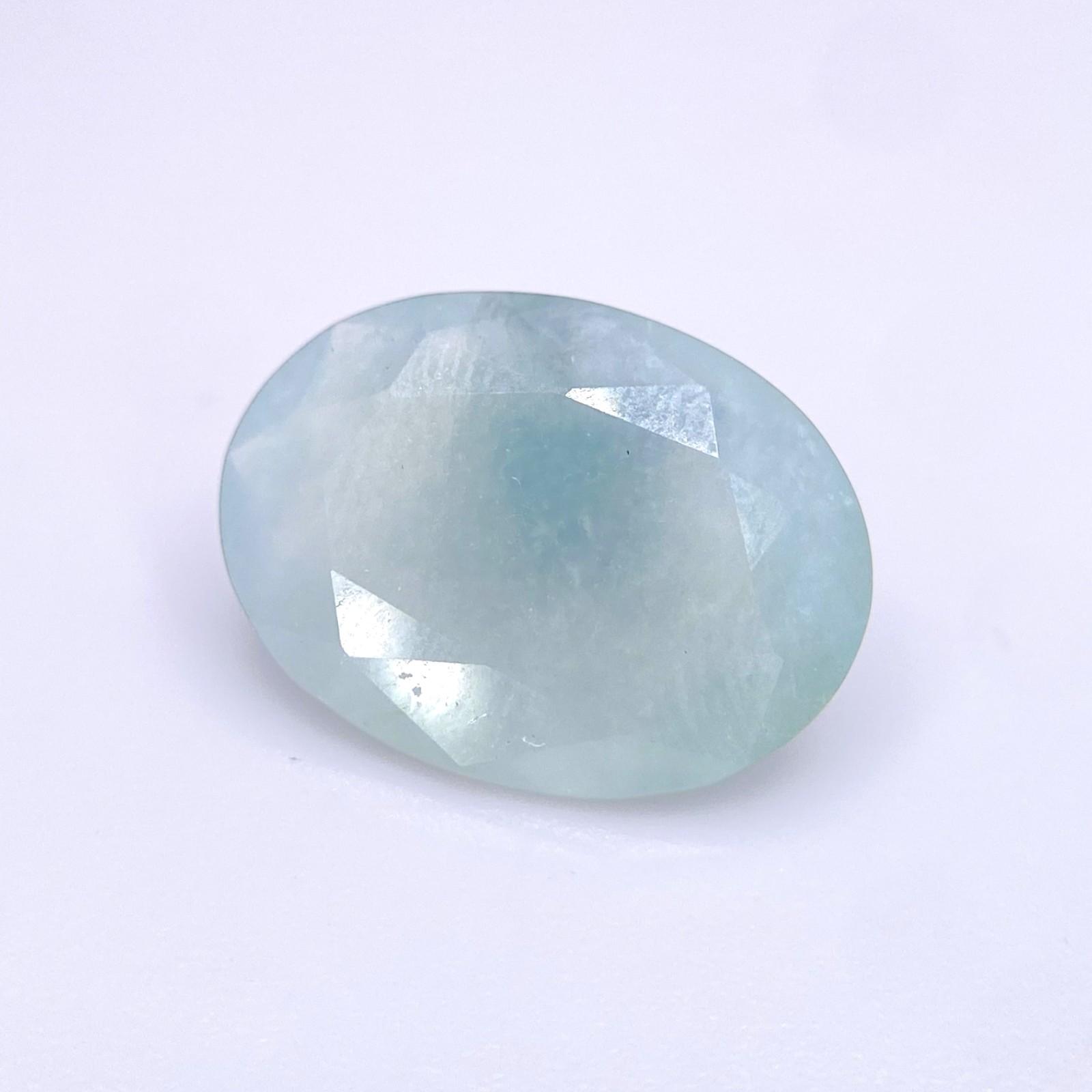
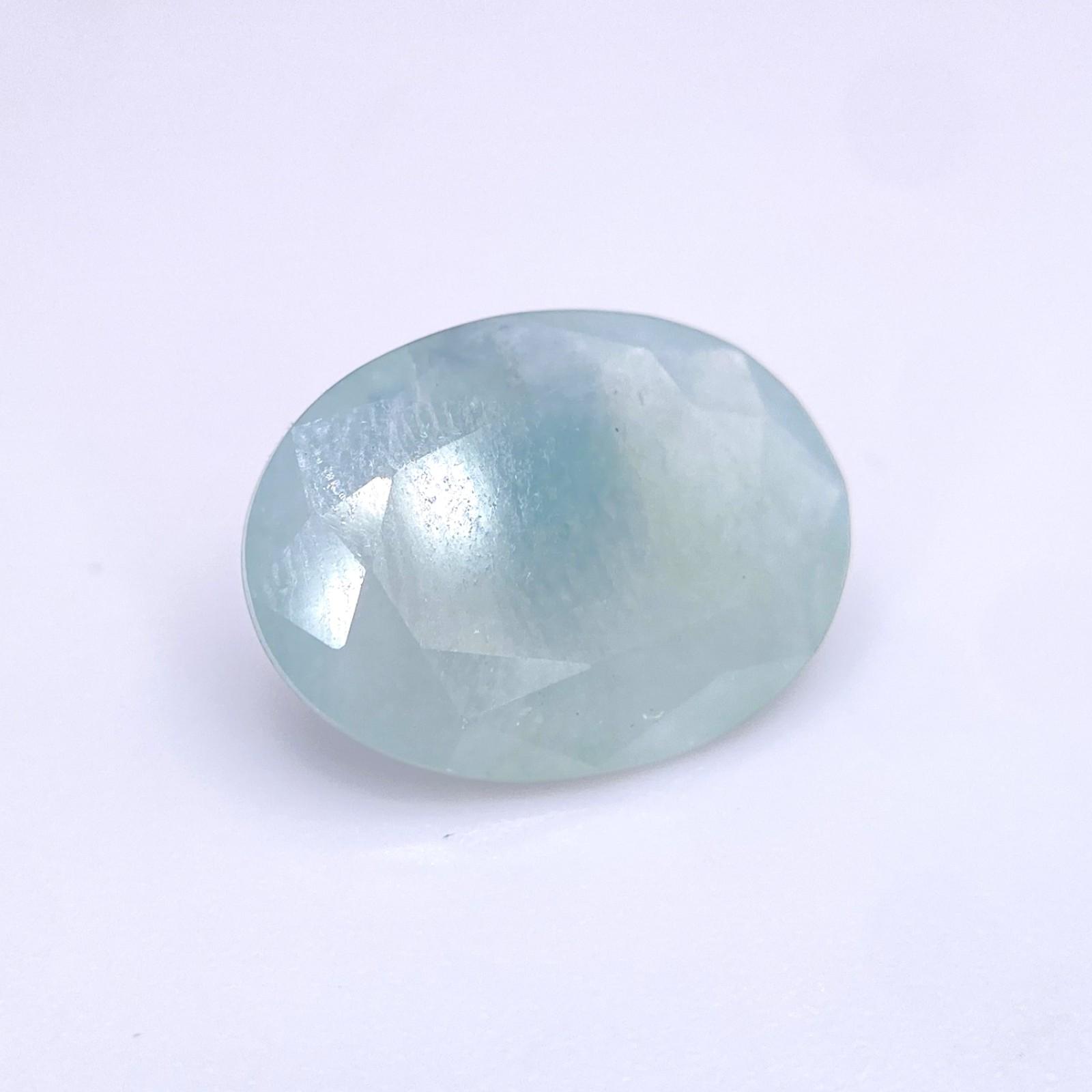
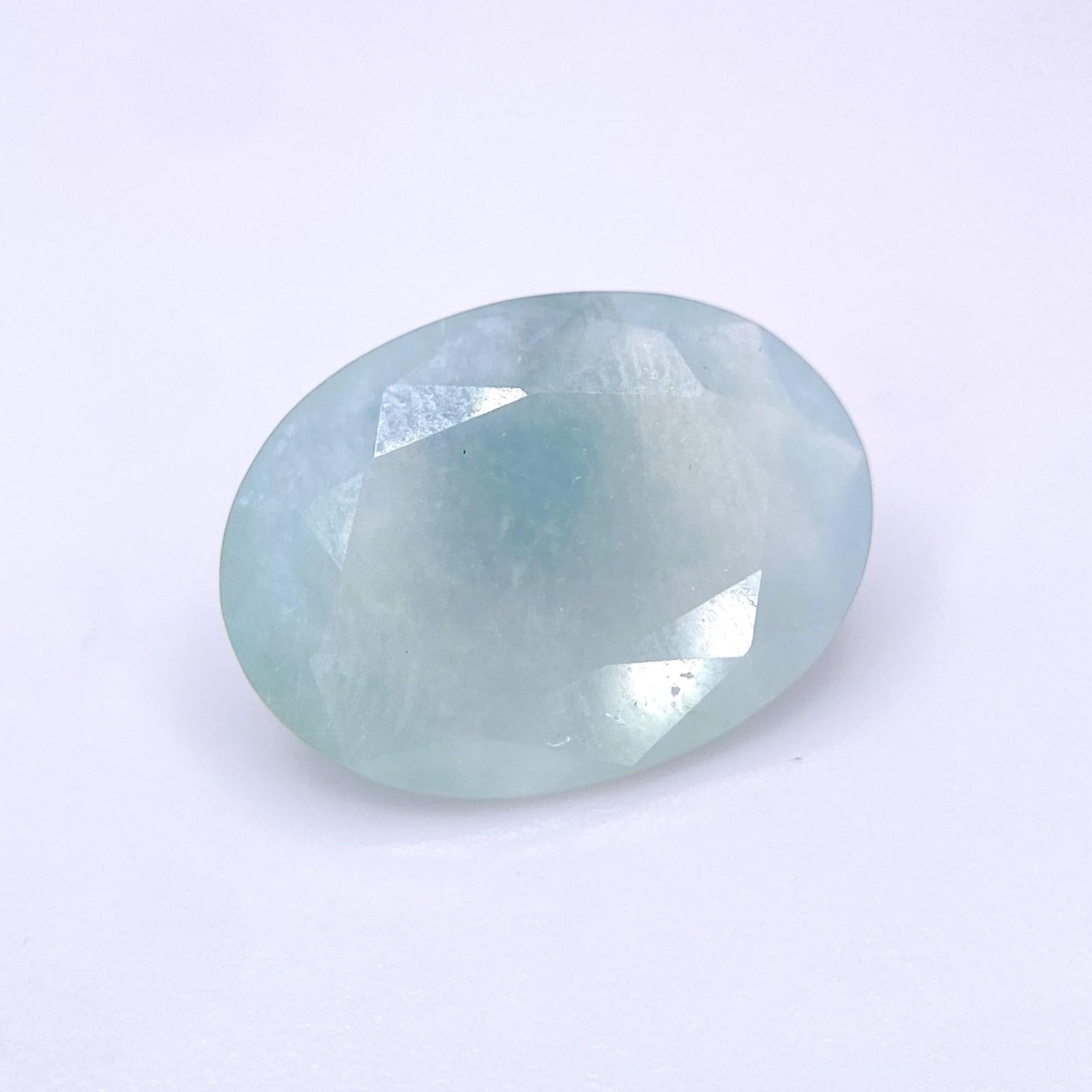
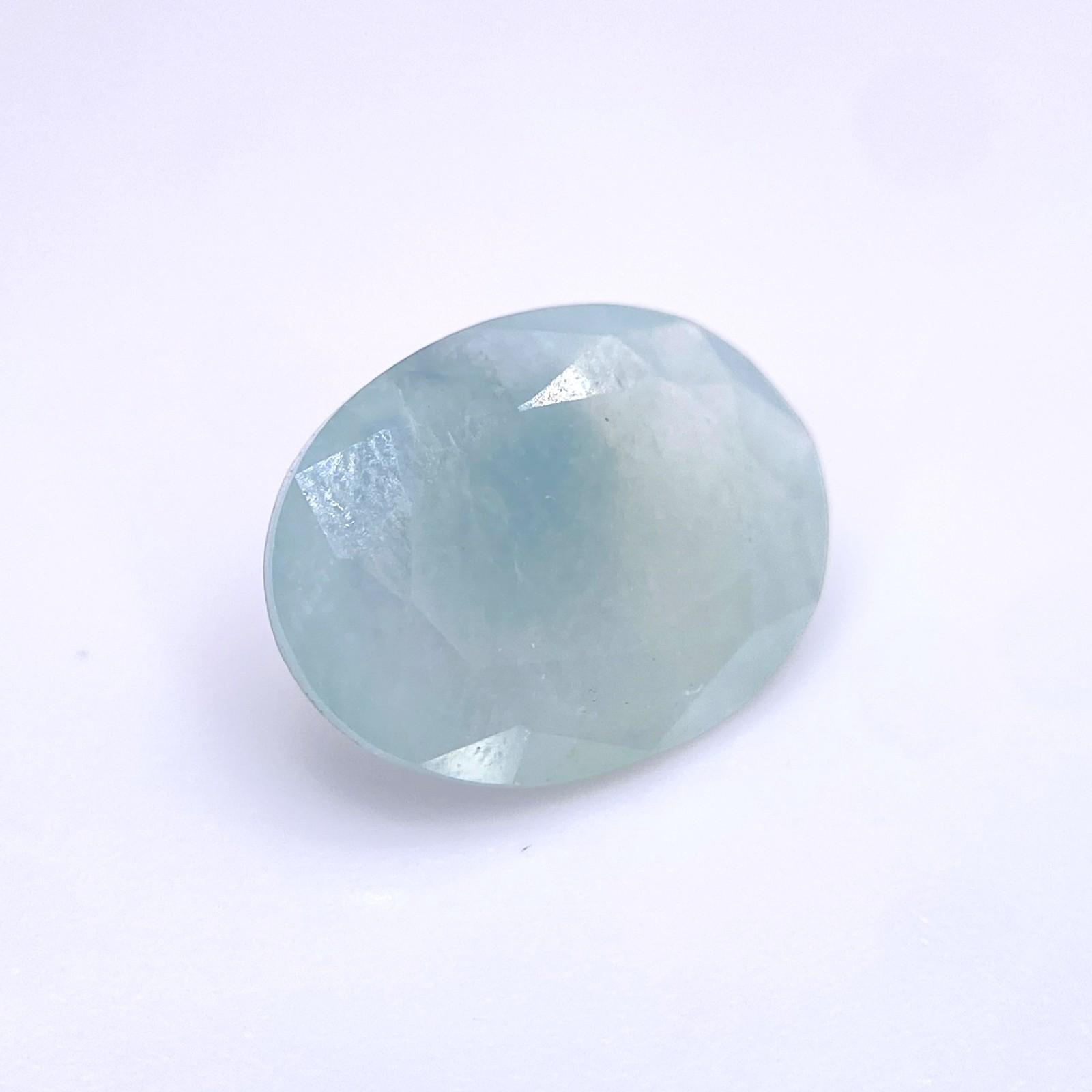
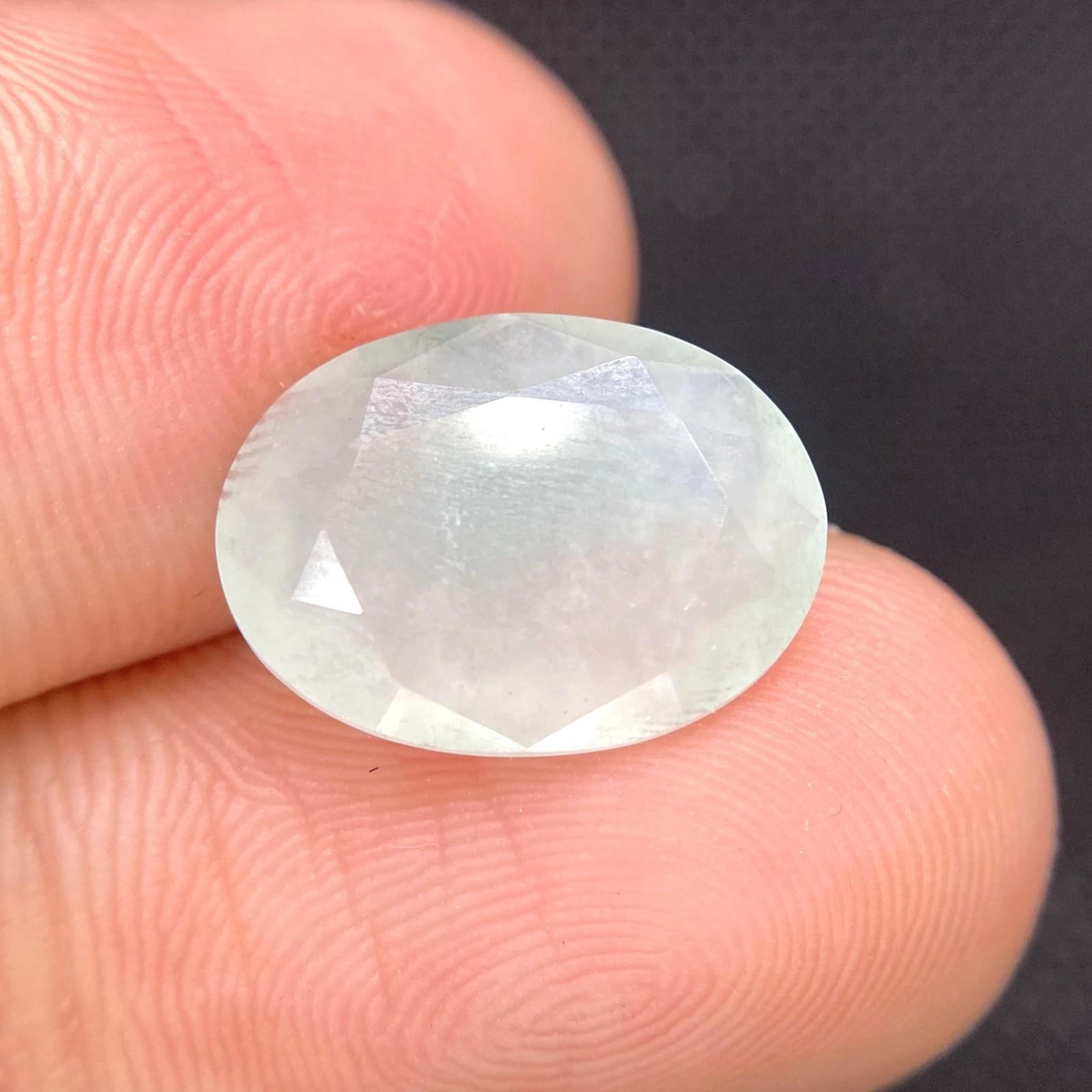


- Freakingcats Gemstone Database
Jadeite (Myanmar)
Jadeite from the ancient, serpentinized subduction complexes of northern Myanmar (Burma)—most famously the historic Hpakant-Tawmaw jade tract—represents the absolute global pinnacle of microcrystalline pyroxene toughness, ethereal translucent depth, and electrifying “imperial-emerald” saturation. A complex sodium aluminum inosilicate, it is a mineral I have always respected for its “vivid-neon-emerald” to “icy-glass-water” translucency and its status as a masterpiece of “monoclinic” structural discipline. For the specialist, a top-tier Burmese Jadeite—whether presenting as an oiled, glass-like cabochon, an intricately carved masterwork, or a raw river boulder showing a glowing translucent “window”—is a prized trophy of high-pressure, low-temperature (HP-LT) subduction zone metamorphism; it offers a bright greasy-to-sub-vitreous luster and an authoritative, deeply resonant presence that makes it an essential anchor for the systematic vault. As an artist, I find the breathtaking, liquid-light translucency of pure “Imperial Jade”—where light diffuses through interlocking micro-fibers like glowing green silk—to be one of nature’s most refined and timeless canvases.
The Heritage & Discovery
Historical Significance
Jadeite is an indispensable index species for decoding the extreme pressure regimes, fluid-rock interactions, and metasomatic fluid pathways that occur where oceanic crust is forced deep into subduction channels. Historically, while nephrite jade sustained ancient Chinese culture for millennia, the introduction of Burmese jadeite during the 18th-century Qing Dynasty revolutionized the lapidary world. Chinese emperors and connoisseurs recognized its superior hardness, vivid coloration, and glass-like translucency, elevating it to the legendary status of Fei Cui (Kingfisher Jade) and “Imperial Jade,” an enduring symbol of purity, sovereign power, and metaphysical harmony.
Discovery
The unearthing of jadeite boulders along the Uyu River in northern Myanmar dates back centuries, but the systematic mining of its primary dykes within serpentinized peridotites established Hpakant as the undisputed jade capital of the world. Scientifically, Jadeite belongs to the clinopyroxene group. Its legendary, incomparable toughness—resisting fracture far better than diamond—stems from a dense, felted mesh of microscopic, interlocking fibrous crystals. Pure jadeite is snow-white or water-clear; the coveted “Imperial Green” hue is activated by trace substitutions of trivalent chromium (Cr3+) and iron (Fe3+) into the aluminum lattice positions. My own respect for this material grew from analyzing its light-transmission mechanics under a penlight; specifically, the way light enters a fine Burmese jadeite and scatters through its crystalline fiber network without hitting opaque boundaries creates a soft, luminous inner glow that is unmistakable to the trained eye.
Important Mines
The primary capital for world-class, museum-grade jadeite is concentrated in the Kachin State of northern Myanmar, centered on the Hpakant-Tawmaw mining district along the Uyu River basin. Famous extraction zones such as Tawmaw (the primary hard-rock dyke), Maw-Sisa, Lonekin, and Phakant yield both deep underground lode material and water-worn alluvial boulders (river jade) coated in natural weathering rinds. For the vault, I prioritize specimens that exhibit high optical translucency (“water/glass species”), pure, vivid chromium-green saturation without dark iron mottling, fine microcrystalline texture, and complete freedom from structural fractures.
Mineralogical Profile
Description
Jadeite is a sodium aluminum pyroxene inosilicate mineral that crystallizes in the monoclinic system (microcrystalline interlocking fiber habit). It sits at a hard, highly durable 6.5 to 7 on the Mohs scale, but its structural toughness is near-legendary due to its dense, felted crystal mesh, making it exceptionally resistant to chipping, breaking, or surface abrasion and requiring only standard archival handling to protect its polished faces. It is characterized by its bright vitreous to greasy surface luster and a broad, iconic color palette dominated by imperial emerald-green, apple-green, lavender-lilac, icy water-clear, russet-red, and pure snow-white.
One of its most identifying traits is its granular to fibrous interlocking texture, often showing a slight surface “orange-peel” dimpling when polished, with two directions of prismatic cleavage visible only under high magnification. It possesses a moderate to high refractive index running from approximately 1.652 to 1.688 (spot reading near 1.66), giving it rich visual depth, and a substantial average specific gravity ranging between 3.25 and 3.38. Because it forms exclusively in high-pressure, low-temperature metamorphic serpentinite belts, it is commonly found in close association with Albite, Kosmochlor, Omphacite, Chromite, Serpentine, Natrolite, and Glaucophane. When I select an example for documentation, I look for high internal translucency, rich and uniform chromium-green color distribution, and a fine-grained crystalline texture, as these emphasize the sophisticated, deep-seated chemistry of the mineral’s tectonic birth.
Chemical Formula NaAlSi2O6 (with trace Cr3+ and Fe3+ chromophore substitutions)


