
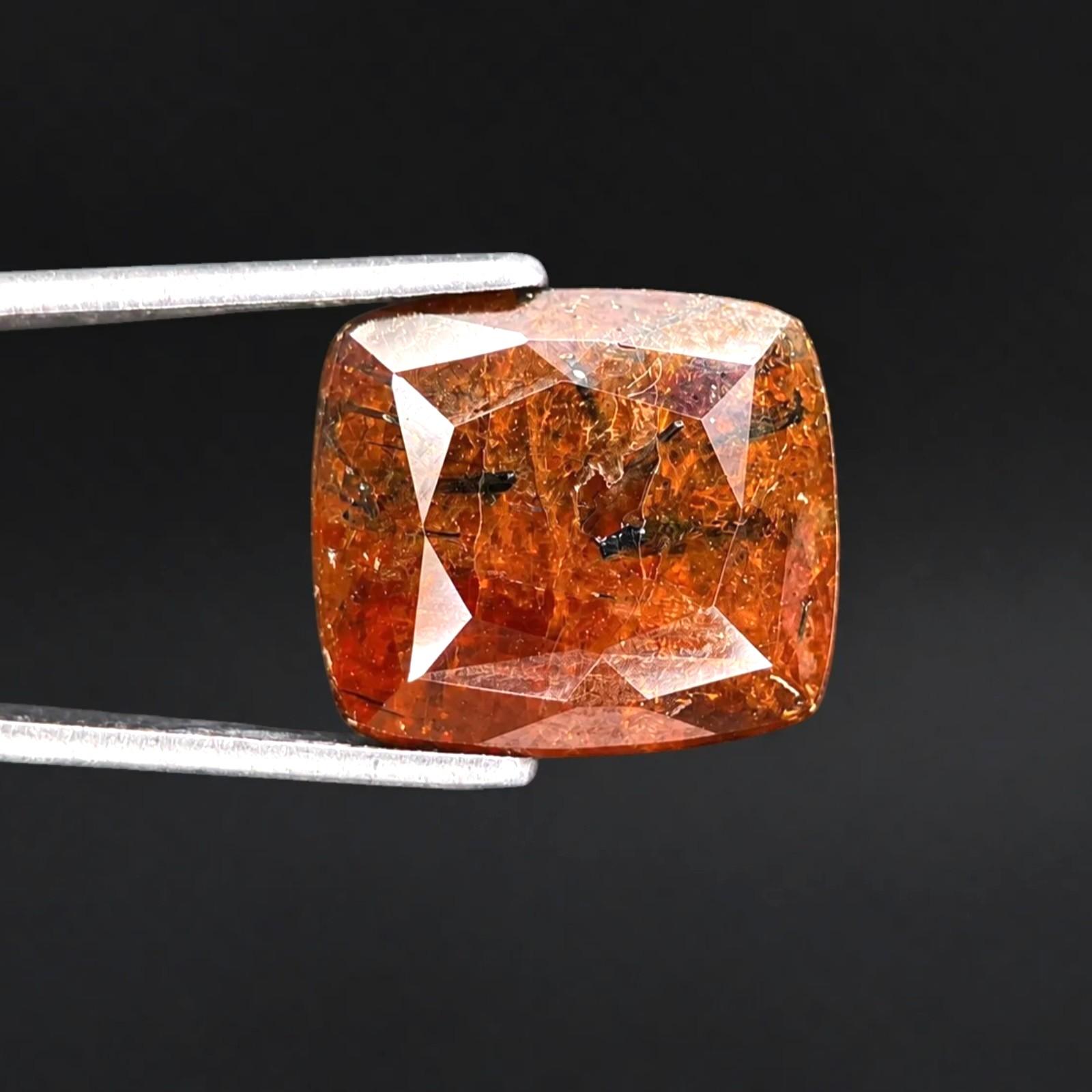
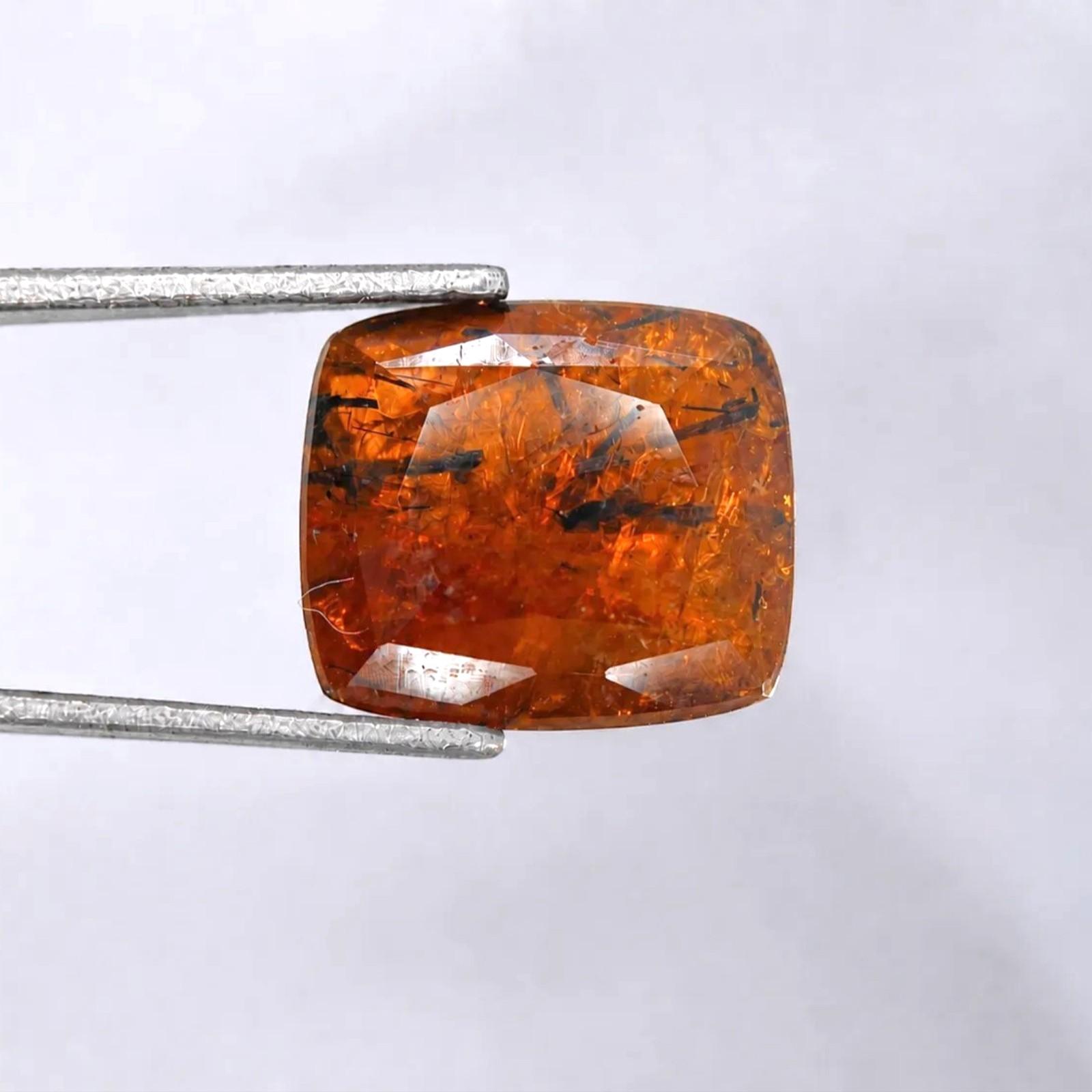
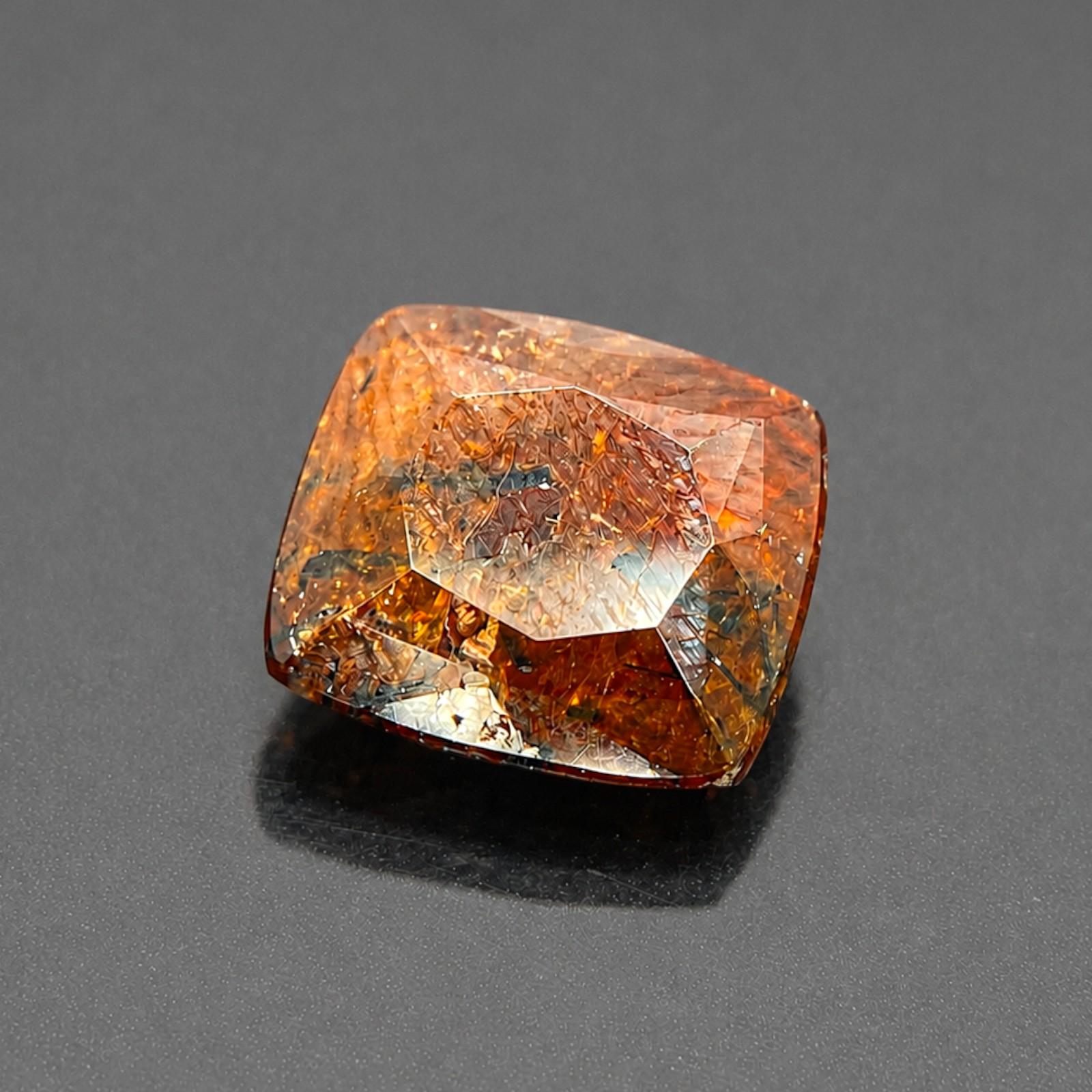
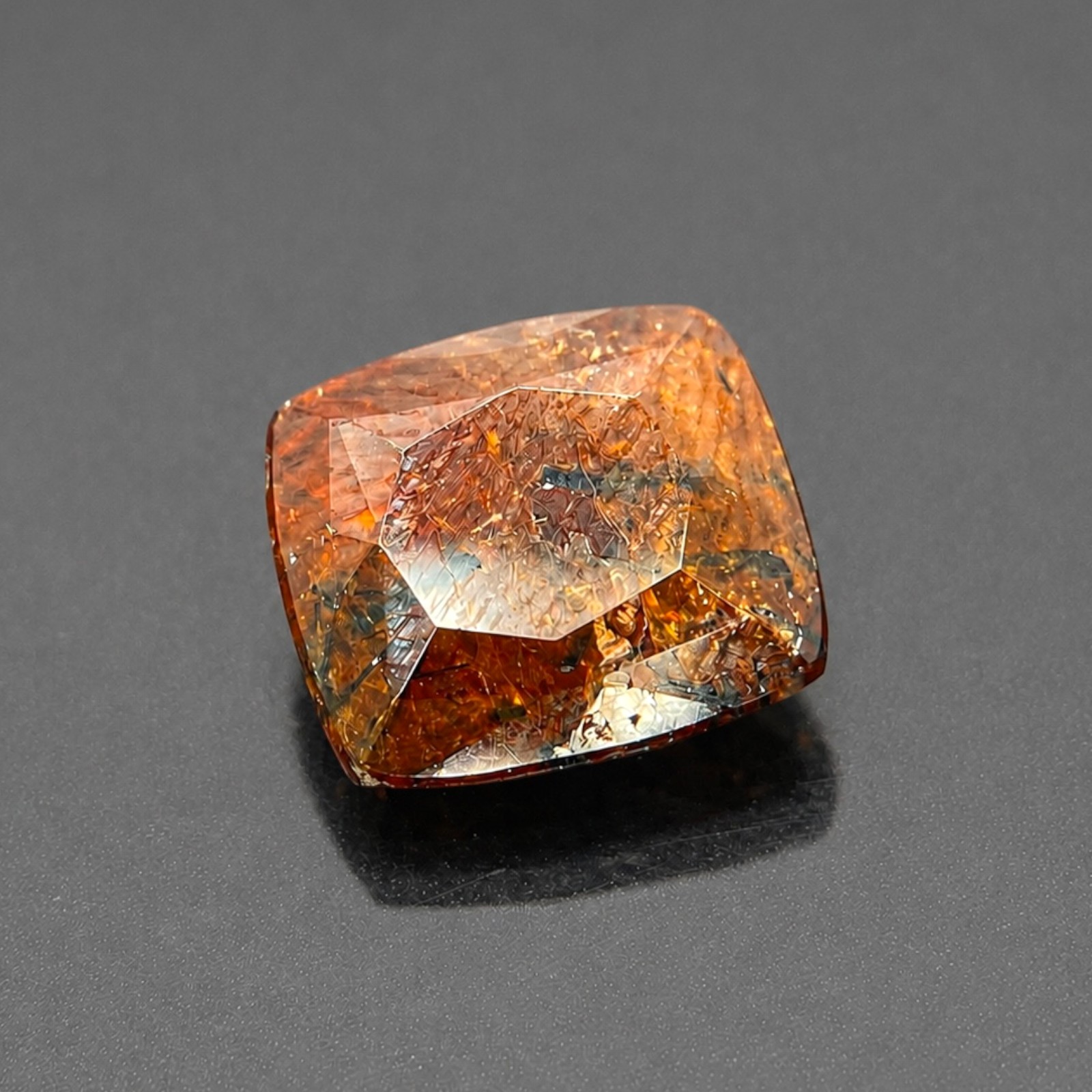
6.00 ct PARISITE – PAKISTAN – CERTIFIED
EXPERT VERIFIED
- Expert Verified Gemstone
- Fast Handling & Shipping
- Secure Vault Packaging
$ 1,595
Offer amount Feild


Smart Collector Choice


Pay with Crypto & Get 10% Automatic Discount

Availability: 1 in stock
Gemstone Details
Gem Variety:
Parisite
Origin:
Pakistan
Carat Weight:
6.00
Length (mm):
9.97
Width (mm):
8.86
Depth (mm):
5.36
Shape:
Cushion
Color
Red
Treatment:
No Treatment
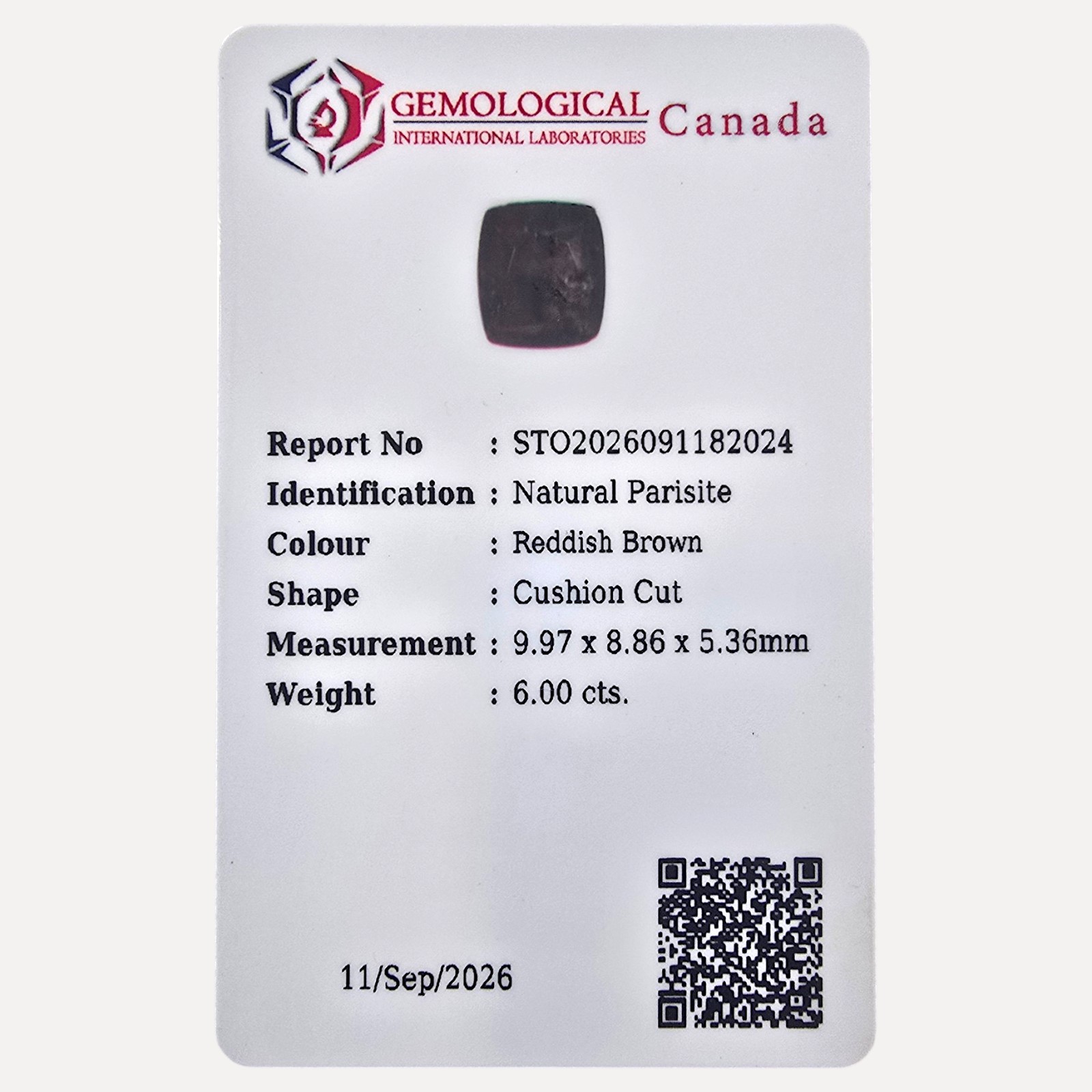
Certificate:
GIL Lab Bangkok
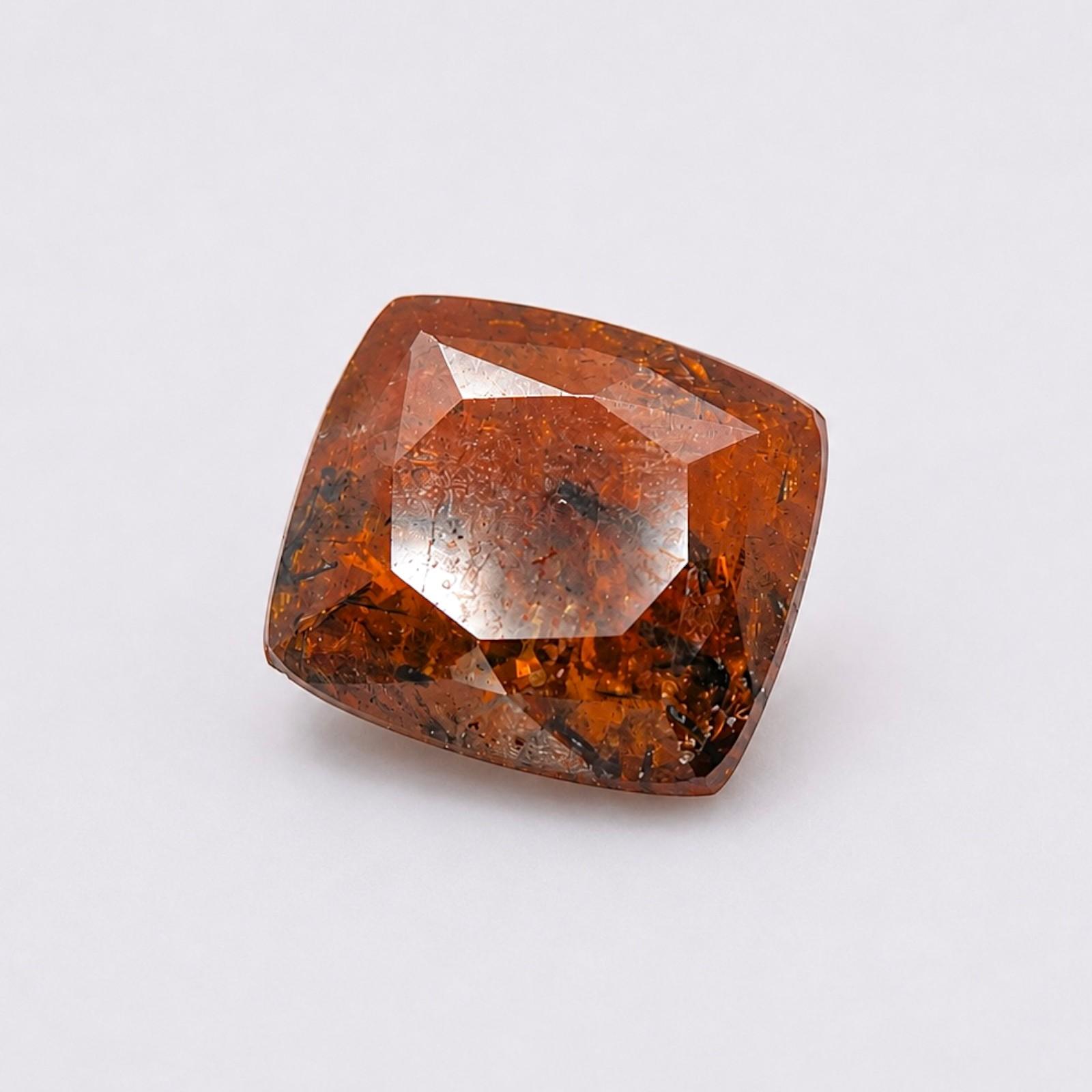
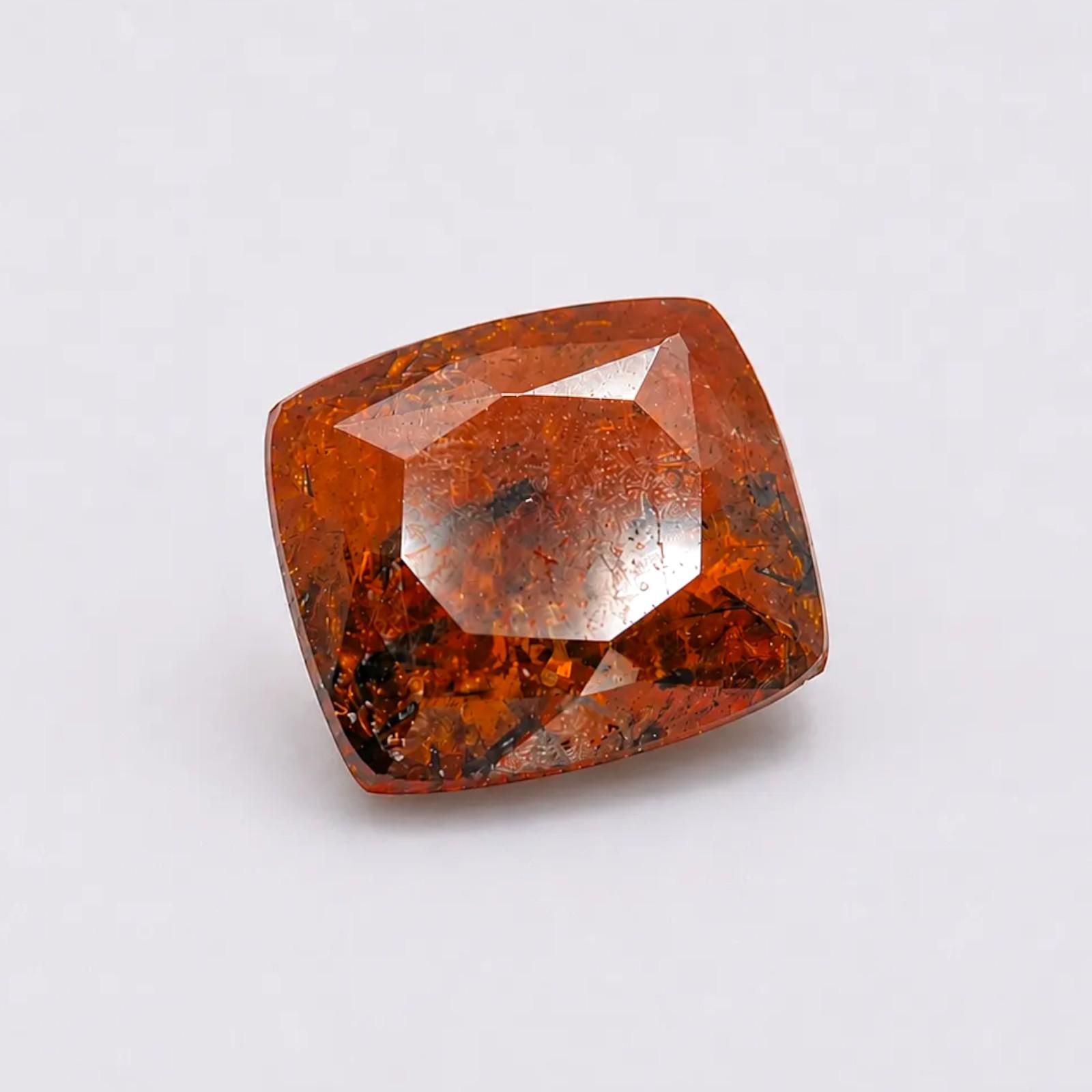
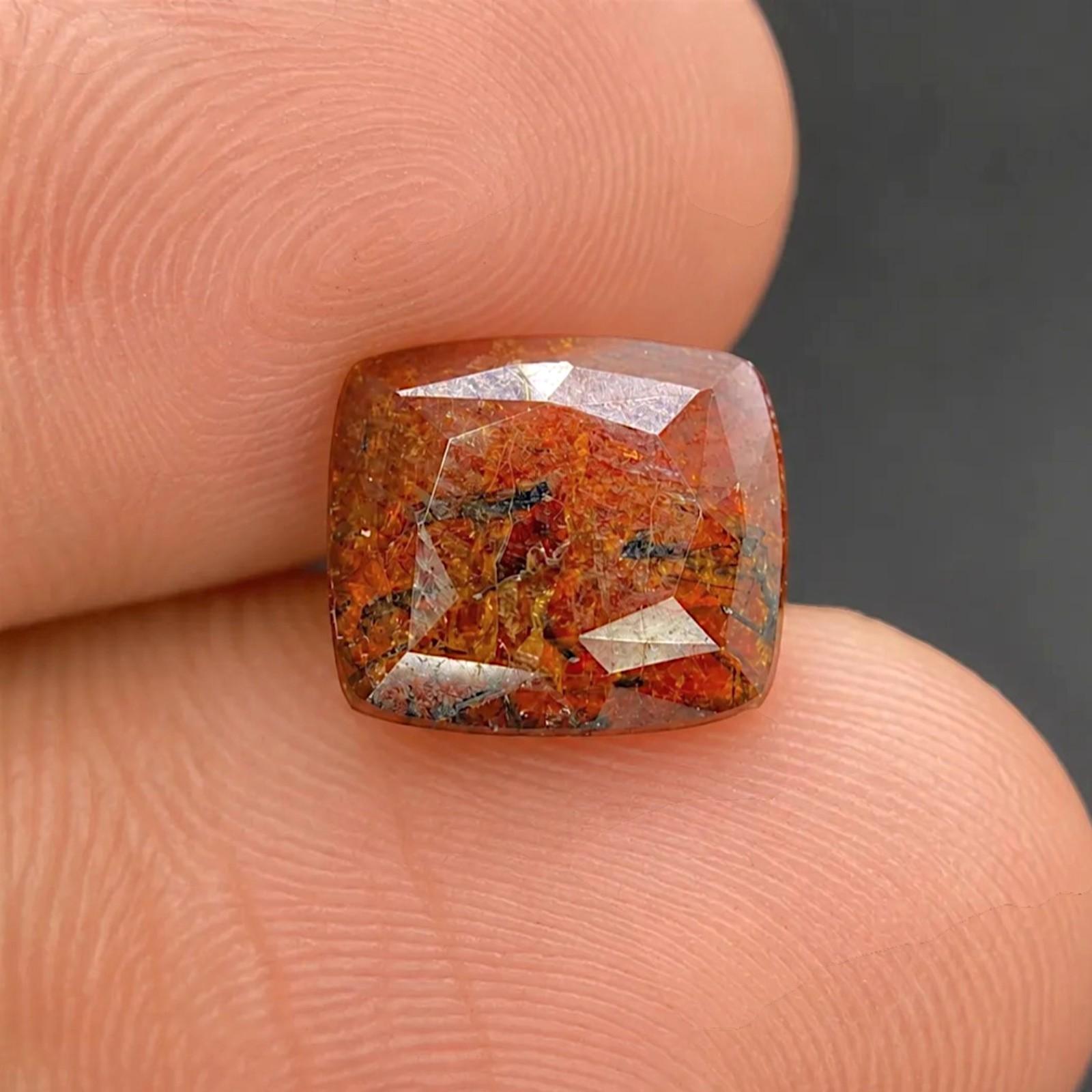


- Freakingcats Gemstone Database
Parisite (Pakistan)
Certified on 11/09/26 by GIL Lab Bangkok
Parisite from the high-altitude, hydrothermally mineralized alpine clefts and carbonatite-pegmatite systems of northern Pakistan—most famously the rugged border zones of the Zagi Mountain complex in Khyber Pakhtunkhwa—represents an extraordinary, structurally complex masterclass in rare-earth fluoro-carbonate crystallization. Predominantly occurring as the cerium-dominant species Parisite-(Ce), it is a mineral I have always respected for its “clove-honey” to “smoky-amber-cognac” daylight saturation, acute pyramidal geometry, and its status as a premier textbook benchmark of “trigonal-pseudohexagonal” structural discipline. For the specialist, a top-tier Pakistani Parisite—whether presenting as a sharply terminated, horizontally striated double-pyramid perched on snowy albite, an aesthetic spray associated with gem bastnäsite, or an isolated, lustrous crystal nestled in sparkling quartz matrix—is a prized trophy of light rare-earth element (LREE) fractionation; it offers a bright vitreous to resinous and sub-adamantine surface luster and an authoritative, highly ordered presence that makes it an indispensable rare-earth cornerstone for the systematic vault. As an artist, I find the warm, glowing contrast between its deep cognac-amber prisms and the frosted white matrix of alpine feldspar to be one of nature’s most sophisticated and visually grounding palettes.
The Heritage & Discovery
Historical Significance
Parisite is an indispensable index species for decoding carbonatitic fluid pathways, fluorine-carbon dioxide metasomatism, and the geochemical concentrating mechanics of the light rare-earth elements within orogenic suture zones. Historically named in 1845 in honor of J.J. Paris, the proprietor of the legendary Muzo emerald mine in Colombia where the mineral was first recognized as a rare accessory, parisite long remained a scarce mineralogical curiosity documented only in microscopic or fragmented crystals. However, the mineralogical opening of northern Pakistan in the late 1990s and early 2000s—particularly the discovery of the world-famous Zagi Mountain deposits—completely revolutionized collector standards worldwide, yielding the largest, sharpest, and most aesthetically matrix-borne macrocrystals of the species ever brought to light.
Discovery
The unearthing of macrocrystalline parisite across northwestern Pakistan took place during localized mining exploration targeting bastnäsite, xenotime, and rare-earth phosphates within alkaline granitic and carbonatitic intrusions. Scientifically, Parisite crystallizes in the trigonal system (often exhibiting monoclinic polytypes or pseudohexagonal symmetry), characterized by an intricate syntaxy and polytypic intergrowth structure composed of alternating structural layers of fluorite-like [CeF] layers and carbonate [CaCO3] sheets. In the geochemically enriched pockets of northern Pakistan, high concentrations of volatile fluorine, carbon dioxide, calcium, and light lanthanides permitted parisite to crystallize into exceptionally sharp, elongated hexagonal-looking dipyramids and steep prisms. Its signature amber-brown to reddish-cognac coloration is driven by the structural dominance of cerium, lanthanum, and neodymium within the metal sites. My own respect for this material grew from analyzing its pronounced crystallographic striations under direct gallery illumination; specifically, observing an acute, sharp double-pyramid displaying delicate horizontal growth steps while radiating a deep, translucent amber core demonstrates a crystalline perfection that is deeply satisfying to the trained eye.
Important Mines
The undisputed international capital and global benchmark for collector-grade, crystallized parisite within Pakistan is the legendary Zagi Mountain (often referenced as Zagi Hill), located in the Warsak area of the Khyber Agency, Khyber Pakhtunkhwa. Celebrated internationally as one of the premier rare-earth mineral localities on Earth, Zagi Mountain produces sharp, lustrous dipyramids and tabular crystals of parisite-(Ce) up to several centimeters in size, often associated with bastnäsite-(Ce), xenotime-(Y), and quartz. Additional occurrences have been documented in the high-altitude pegmatitic clefts and carbonatite contact zones across the Malakand District, the Swat Valley, and select alpine clefts in the Gilgit-Baltistan region. For the systematic vault, I prioritize specimens that exhibit sharp, undamaged pyramidal terminations, distinct horizontal striations, rich honey-amber to clove-brown translucency, and an active presentation perched high on contrasting matrix alongside albite, quartz, or aegirine.
Mineralogical Profile
Description
Parisite is a calcium cerium light rare-earth fluoro-carbonate mineral belonging to the bastnäsite-synchysite group, crystallizing in the trigonal system (often exhibiting complex polytypes and pseudohexagonal symmetry). It sits at a moderate 4.5 on the Mohs scale, meaning its highly lustrous crystal faces possess moderate hardness but exhibit brittle tenacity and distinct basal parting parallel to {0001}, requiring careful archival handling to protect its crisp crystal edges, razor-sharp pyramidal points, and fine horizontal striations from mechanical shock, abrasion, or exposure to strong acids. It is characterized by its bright vitreous to resinous and pearly surface luster (especially on basal parting planes) and an unmistakable, warm color palette dominated by honey-amber, cognac-brown, clove-brown, reddish-brown, and pale yellowish-tan.
One of its most identifying traits is its acute crystal habit, routinely forming steep, tapering pseudohexagonal dipyramids, barrel-shaped prisms with pronounced horizontal striations, or complex layered intergrowths that cleanly map out fluctuating volatile pressures in rare-earth-rich fluids. It possesses a high refractive index running from approximately 1.676 to 1.770, giving its crystal faces and translucent edges strong internal fire and optical depth, paired with a dense average specific gravity ranging between 4.30 and 4.40 that reflects its tightly packed calcium-cerium fluoro-carbonate architecture. Because it forms in carbonatites, peralkaline pegmatites, and hydrothermally altered alpine clefts, it is commonly found in close association with Bastnäsite-(Ce), Synchysite, Xenotime-(Y), Quartz, Albite, Microcline, Aegirine, Riebeckite, Astrophyllite, and Calcite. When I select an example for documentation, I look for sharp pyramidal geometry, rich amber-cognac translucency under targeted light, and strong relief against light-toned matrix, as these emphasize the sophisticated, rare-earth-rich chemistry of the mineral’s dramatic alpine subterranean birth.
Chemical Formula
CaCe2(CO3)3F2 (Parisite-(Ce), with extensive substitution by La, Nd, and other LREEs)


