
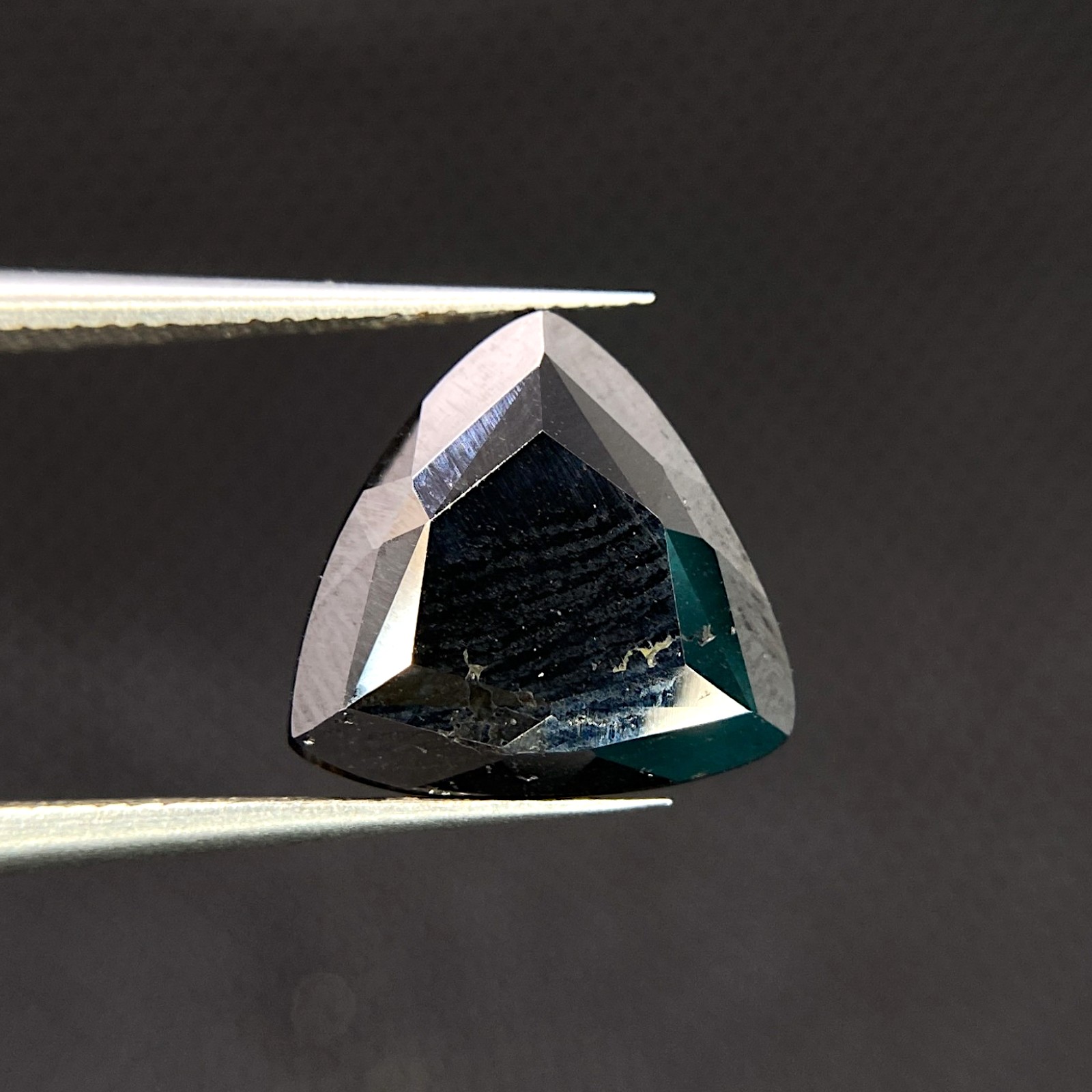
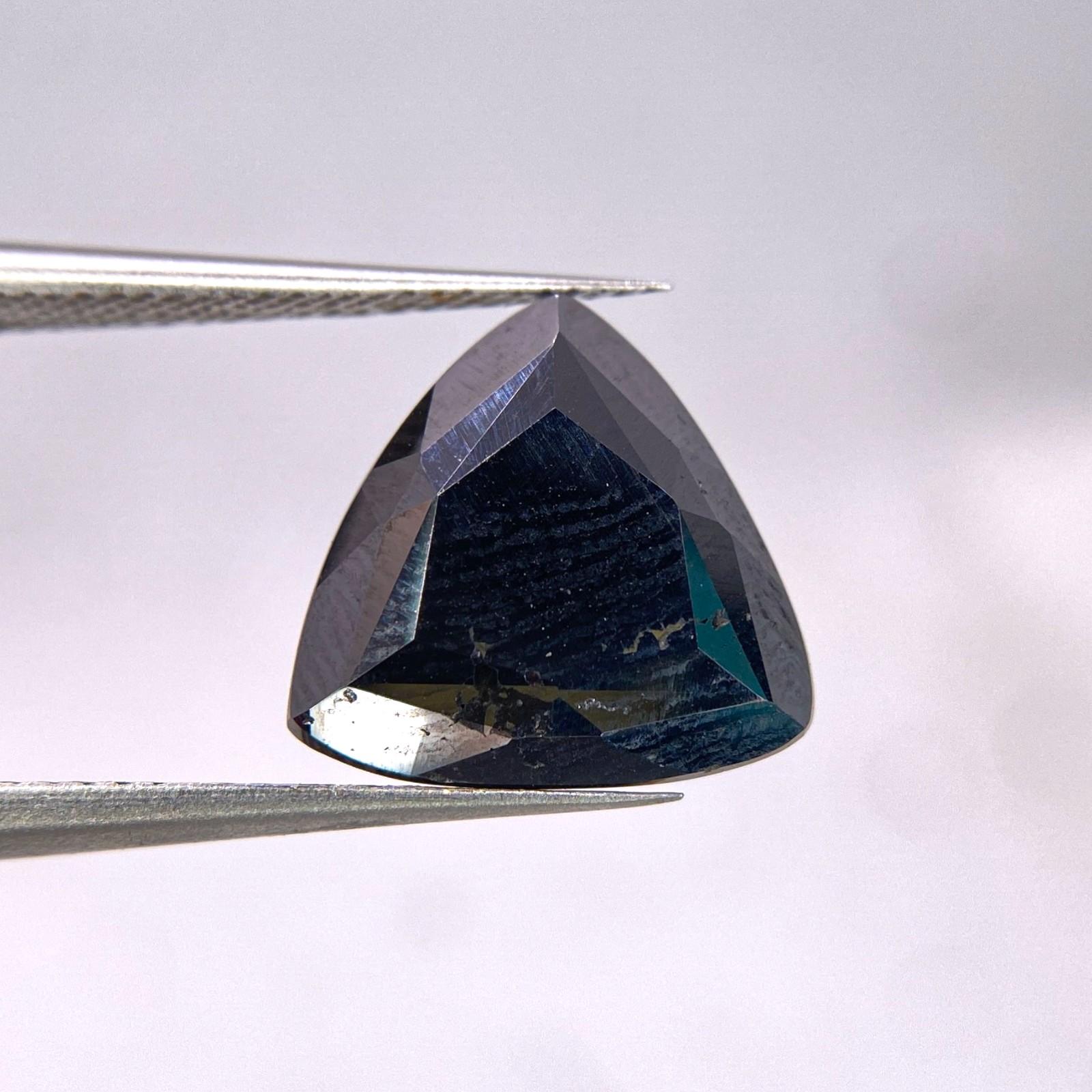
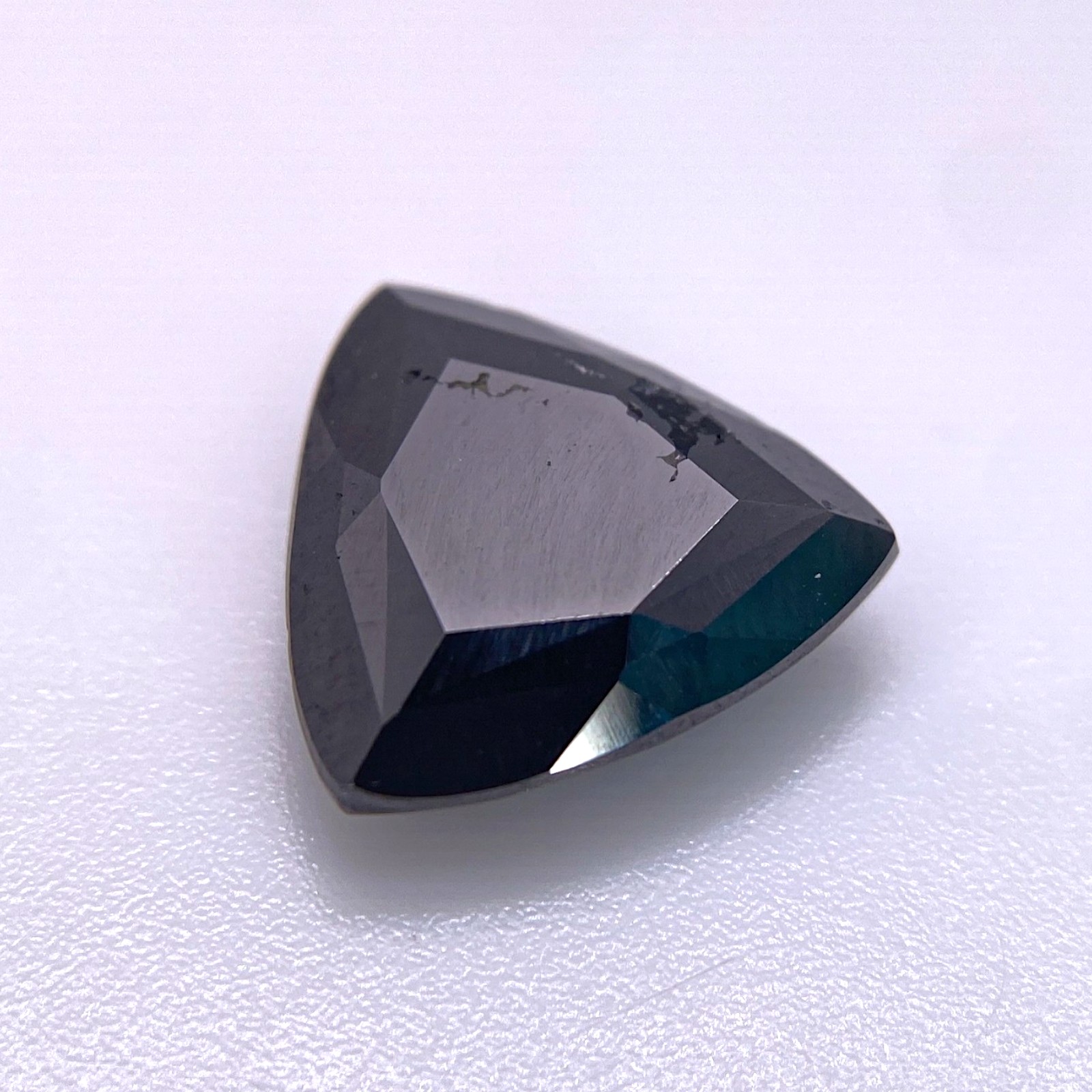
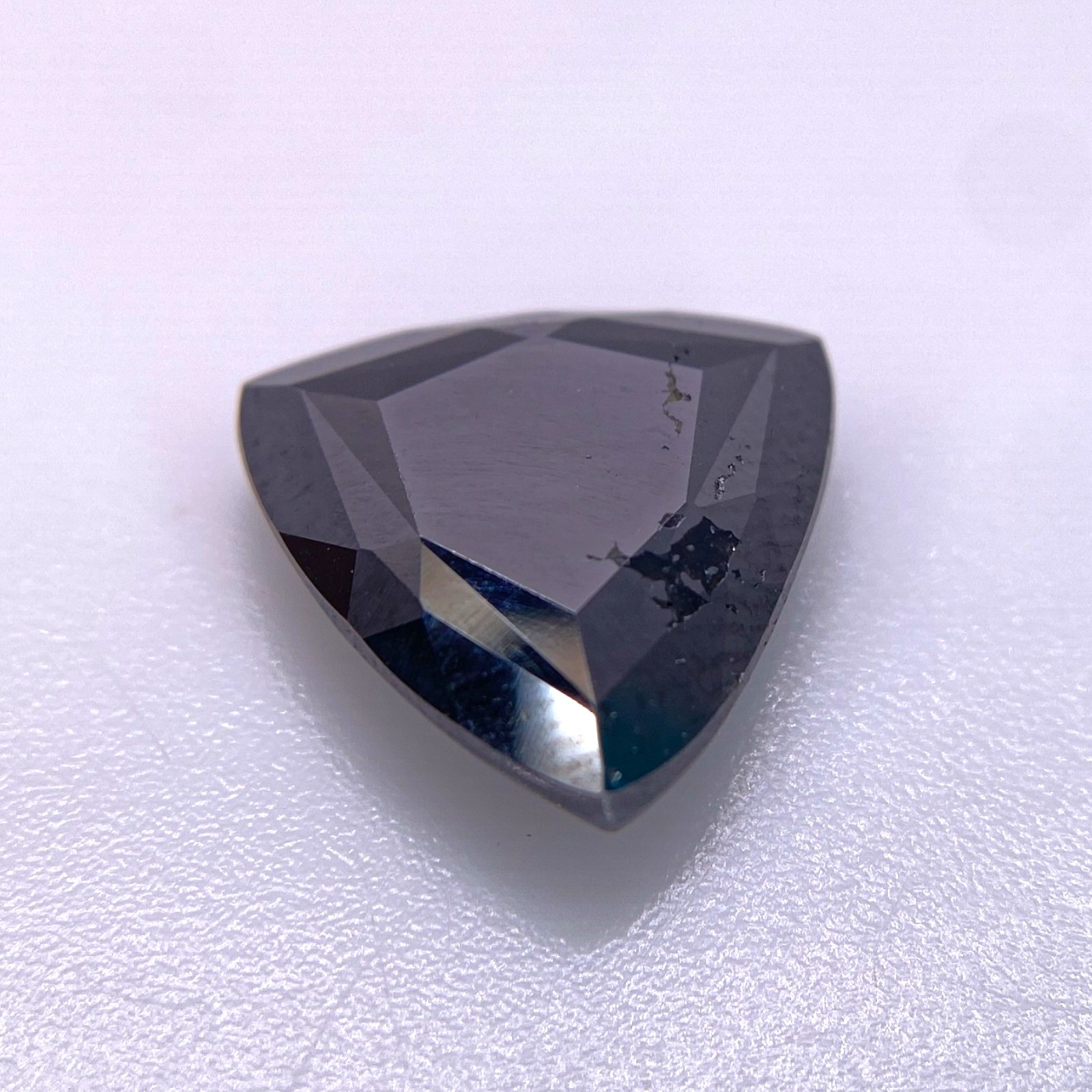
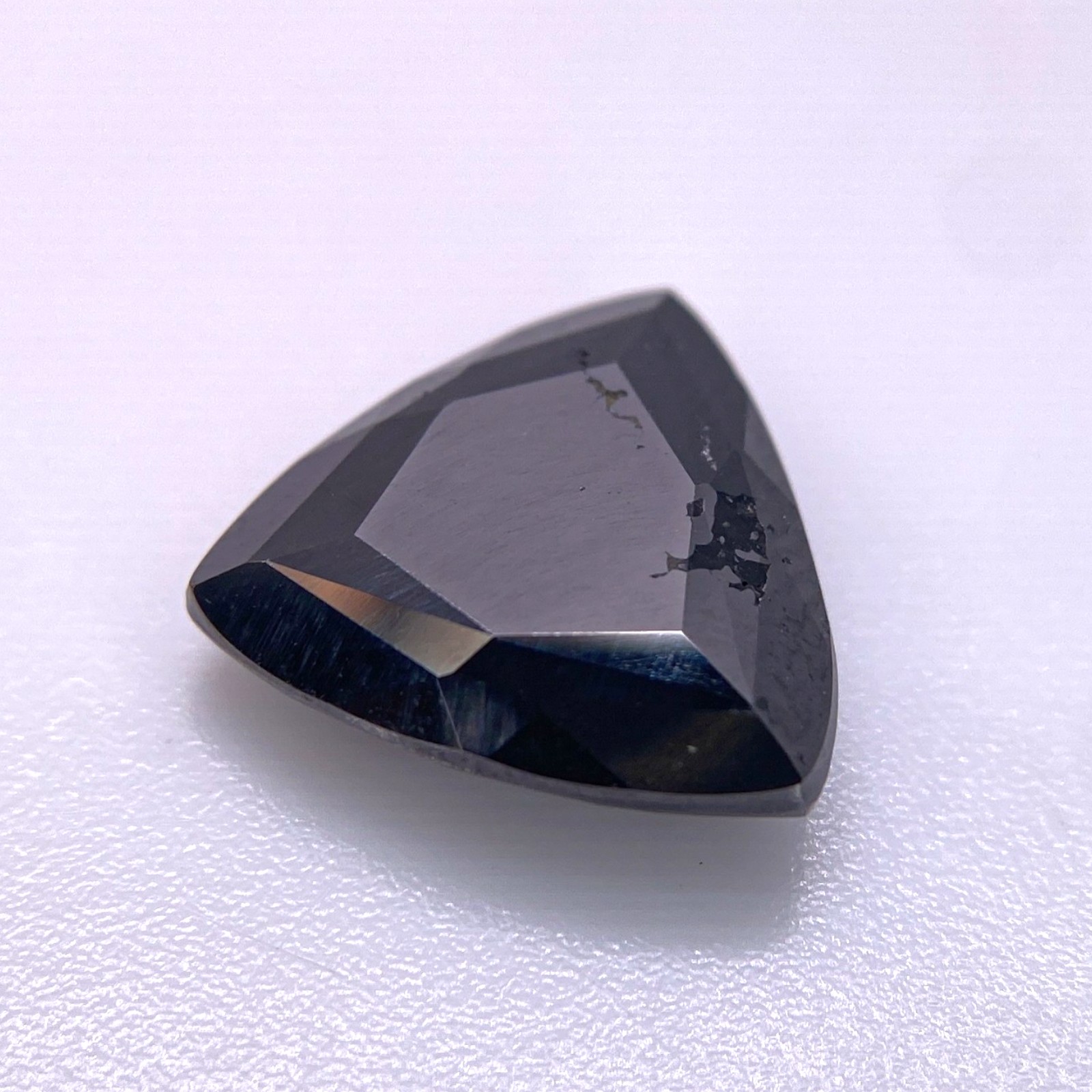
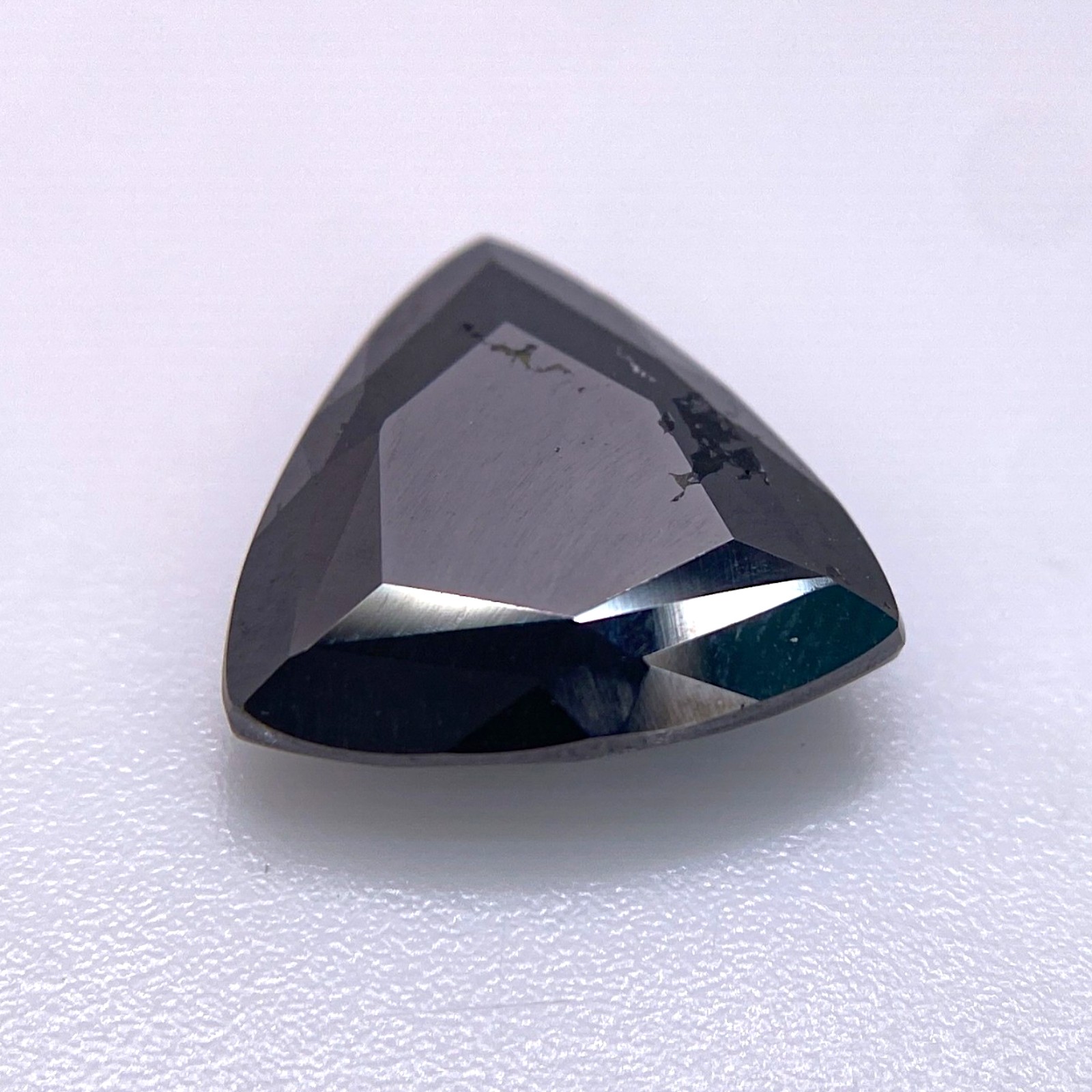
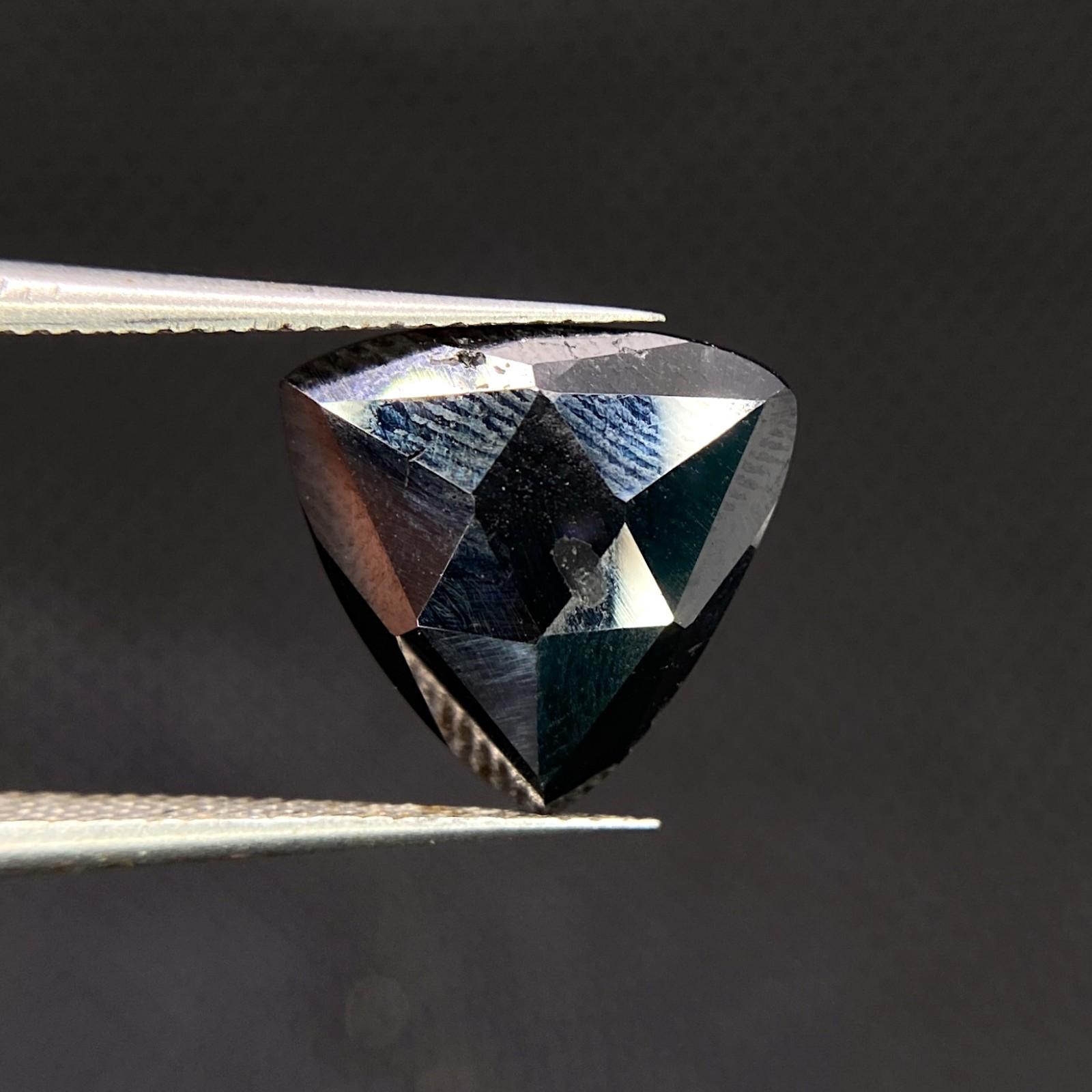
6.16 ct ILMENITE – PAKISTAN
EXPERT VERIFIED
- Expert Verified Gemstone
- Fast Handling & Shipping
- Secure Vault Packaging
$ 240
Offer amount Feild


Smart Collector Choice


Pay with Crypto & Get 10% Automatic Discount

Availability: 1 in stock


- Freakingcats Gemstone Database
Ilmenite (Pakistan)
Ilmenite from the high-grade metamorphic terranes, pegmatitic dikes, and alluvial placers of Pakistan—most famously from the rugged mineralized belts of Gilgit-Baltistan and the Khyber Pakhtunkhwa provinces—represents one of the most structurally significant and visually striking oxide minerals in the geological record. An iron-titanium oxide mineral of profound industrial and scientific interest, it is a species I have always respected for its dense metallic heft, sub-metallic luster, and its status as a primary ore of titanium. For the specialist, a fine Pakistani ilmenite—whether encountered as a sharp, tabular hexagonal crystal cluster or a massive pocket specimen—is a prized acquisition; it offers a striking iron-black to brownish-black appearance and a commanding physical presence that anchors any systematic vault. As an artist, I find the stark, opaque crystal faces of these heavy black oxides—where titanium and iron lock into a precise rhombohedral lattice—to be one of nature’s most disciplined and robust mineral expressions.
The Heritage & Discovery
Historical Significance
Ilmenite is named after the Ilmen Mountains in Russia, where it was first discovered, but its broader geological significance spans major global metamorphic and igneous provinces. In Pakistan, the development of modern mineral exploration across the Himalayan, Hindu Kush, and Karakoram ranges brought attention to exceptional heavy mineral concentrations and pegmatitic pockets. Sourced from deep-seated magmatic intrusions and metamorphic schist belts, Pakistani ilmenite sets a high standard for crystal development and specimen quality, standing as a testament to the complex tectonic and mineral wealth of northern Pakistan.
Discovery
The systematic identification of fine ilmenite crystals across northern Pakistan accompanied regional geological mapping and pegmatite mining in areas such as Skardu, Haramosh, and Swat. Scientifically, ilmenite crystallizes in the trigonal system, frequently forming thick tabular crystals, rhombohedral plates, or massive aggregates. Because titanium and iron substitute readily in high-temperature environments, ilmenite forms primarily in mafic igneous rocks, alkaline intrusions, and high-grade metamorphic gneisses. My respect for this material grew from analyzing its dense crystal structure; examining a sharp, undamaged Pakistani crystal cluster that exhibits clean sub-metallic faces demonstrates a geological stability that is deeply satisfying to the trained eye.
Important Mines
The primary regional centers for collector-grade ilmenite within Pakistan include the pegmatitic and metamorphic fields of Gilgit-Baltistan (particularly around Skardu and Shigar) and the mineralized zones of Khyber Pakhtunkhwa (including Swat and Mansehra). In these localities, crystals occur within complex pegmatite pockets alongside quartz, feldspar, and tourmaline, or as heavy grains in alluvial placers. For the systematic vault, I prioritize specimens that exhibit sharp crystal edges, minimal surface weathering, and high structural integrity.
Mineralogical Profile
Description
Ilmenite is an iron titanium oxide mineral crystallizing in the trigonal system (ditrigonal scalenohedral class). It sits at 5.5 to 6.0 on the Mohs hardness scale, making it moderately durable for handling; it possesses no true cleavage, breaking instead with a conchoidal to uneven fracture. It is characterized by a sub-metallic to metallic luster, with a streak ranging from black to brownish-black and an opaque, iron-black daylight body color.
Morphologically, ilmenite forms thick tabular crystals, rhombohedral plates, and massive or granular aggregates. It possesses a high refractive index (opaque to semi-translucent on thin edges) and a heavy specific gravity averaging 4.50 to 4.80. Because it forms in high-temperature magmatic and metamorphic environments, it is commonly found in close association with Magnetite, Hematite, Quartz, Feldspar, Rutile, and Apatite. When selecting an example for documentation, I look for clean structural definition and sharp crystal faces.
Chemical Formula FeTiO3 (iron titanium oxide)


