
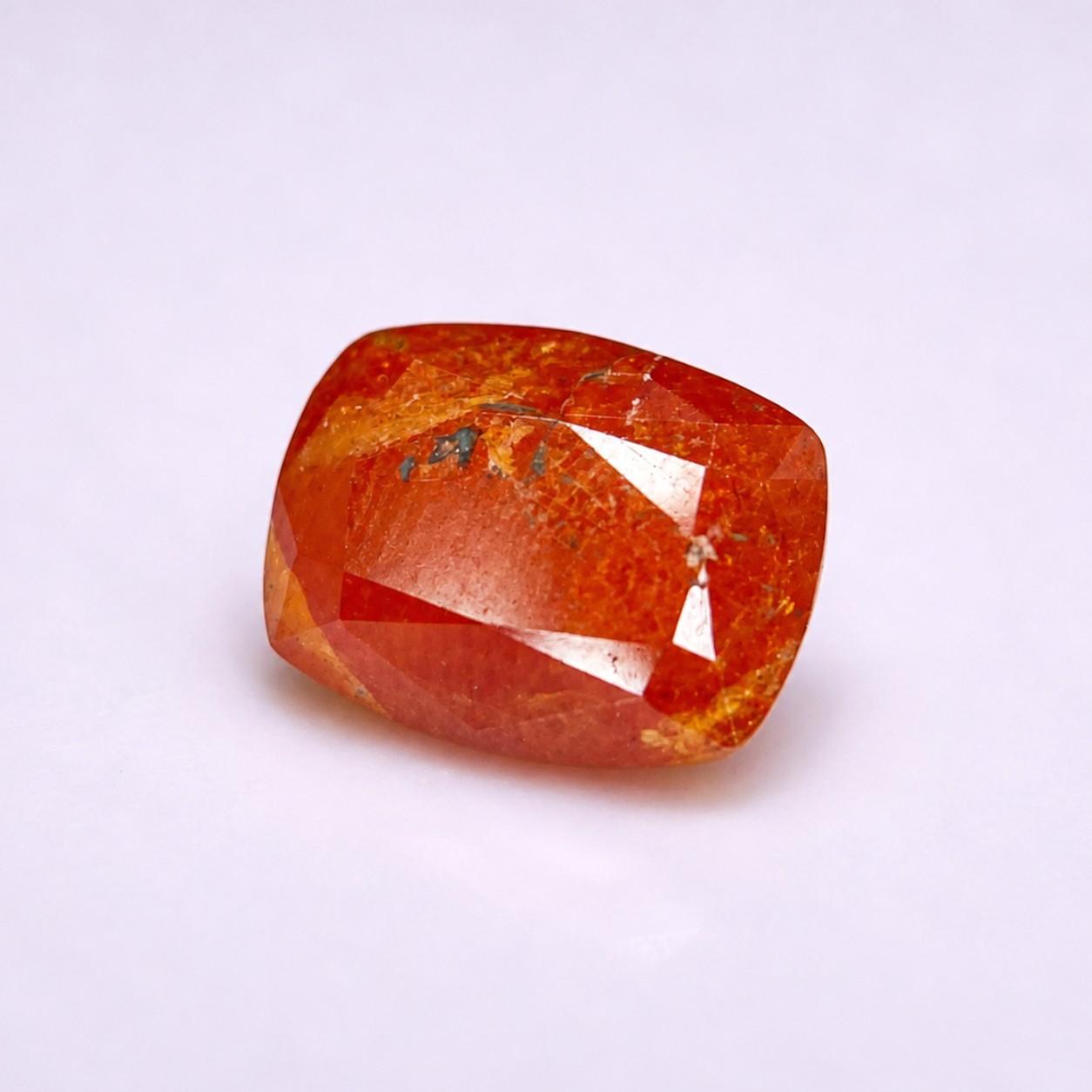
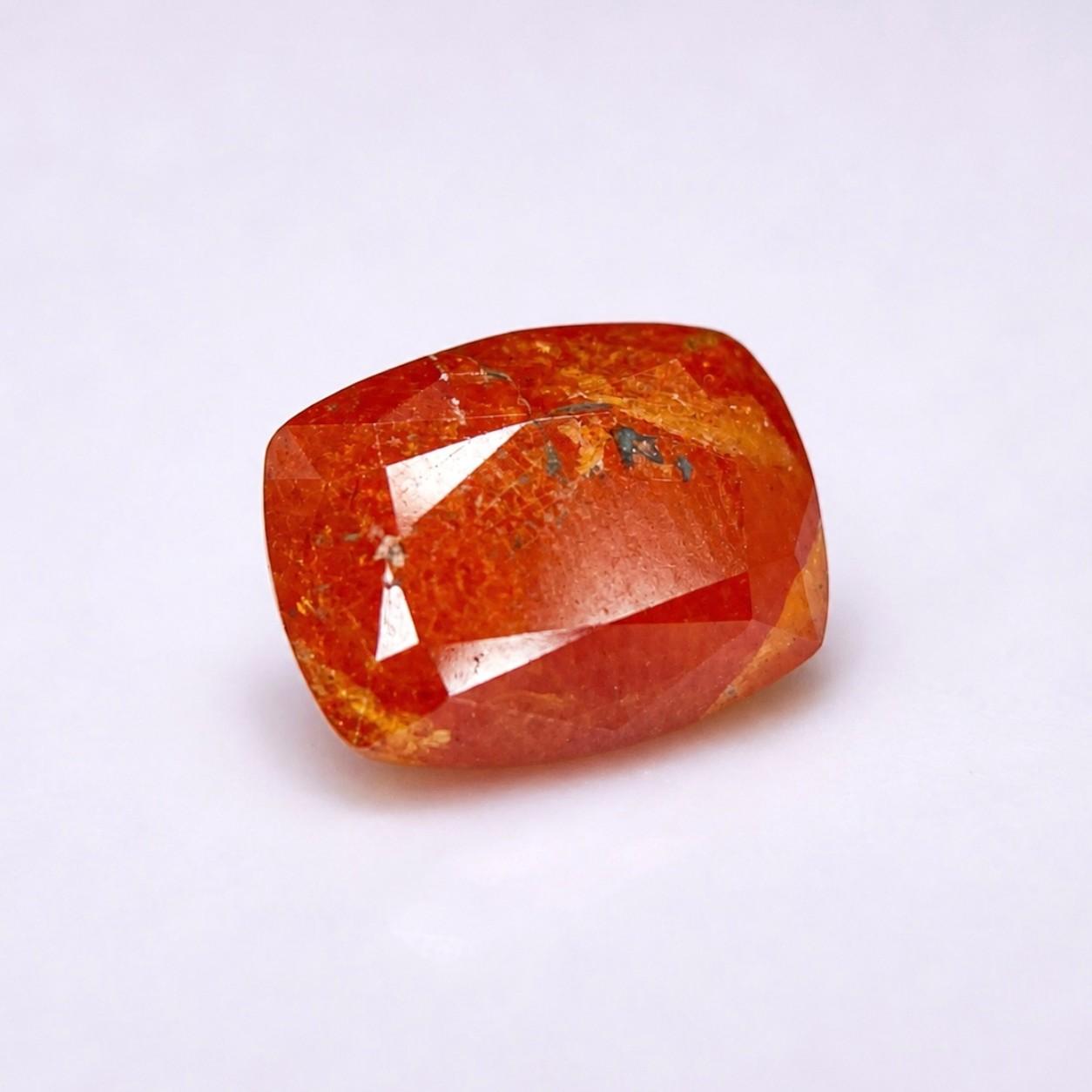
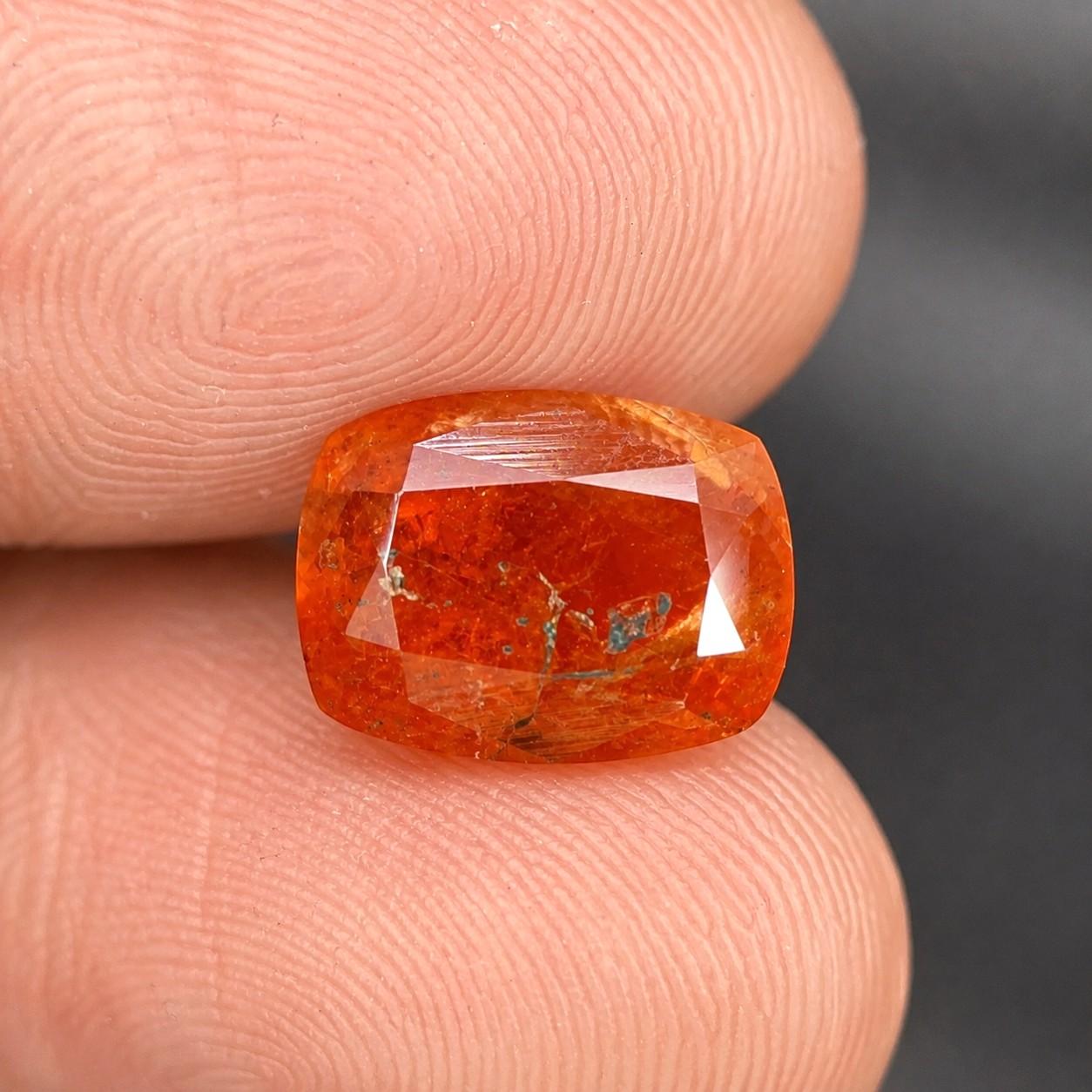
6.44 ct SCHEELITE – PAKISTAN
EXPERT VERIFIED
- Expert Verified Gemstone
- Fast Handling & Shipping
- Secure Vault Packaging
$ 180
Offer amount Feild


Smart Collector Choice


Pay with Crypto & Get 10% Automatic Discount

Availability: 1 in stock
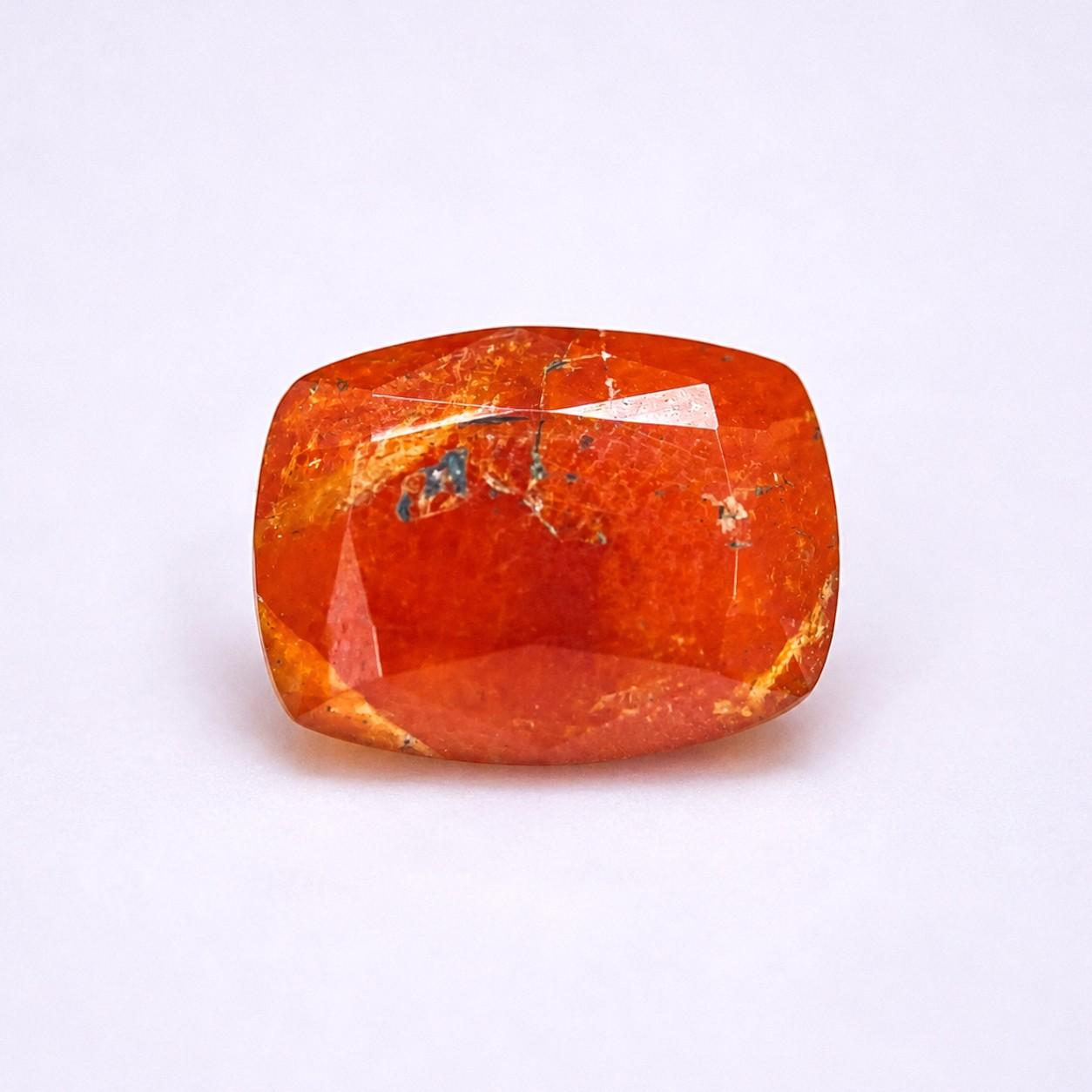
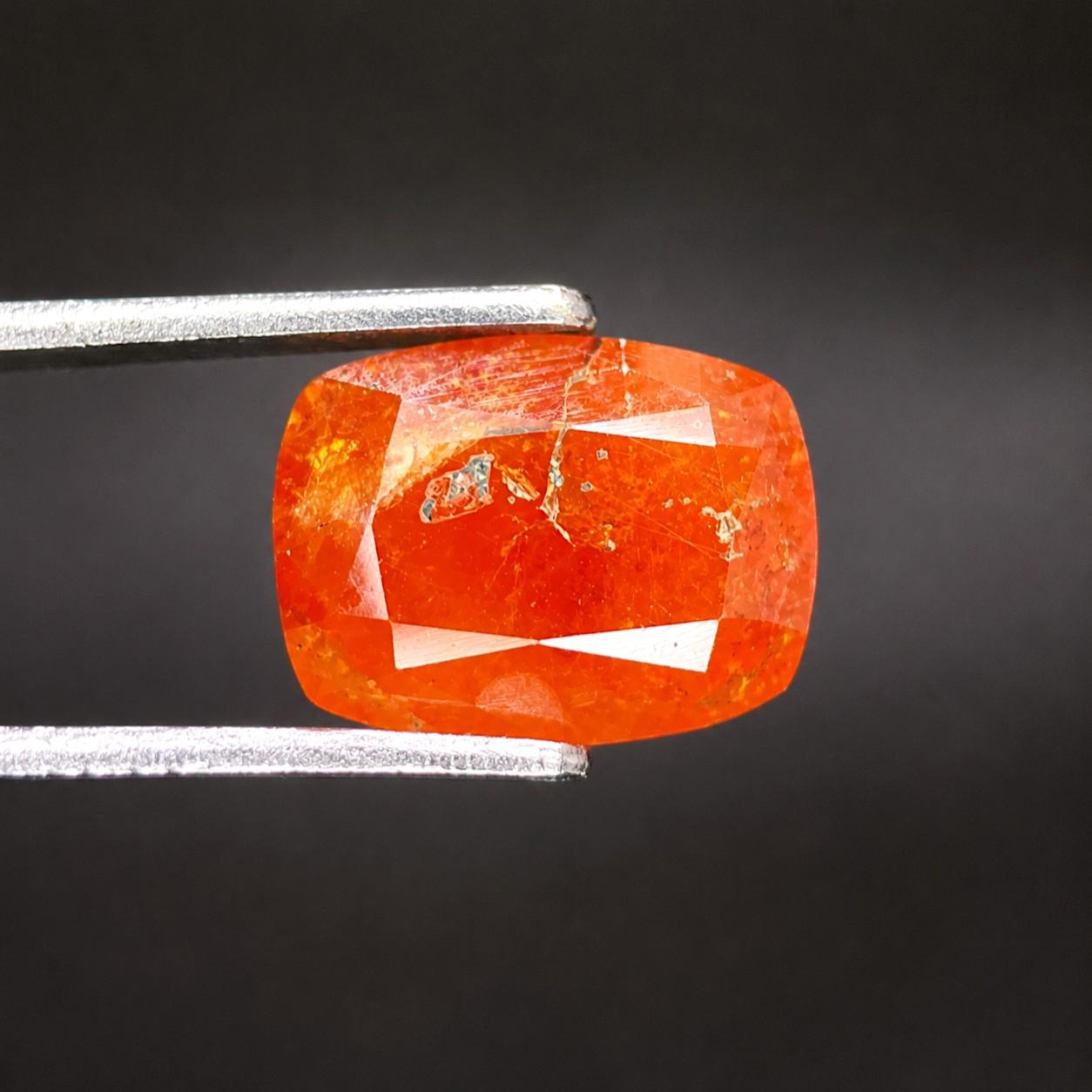
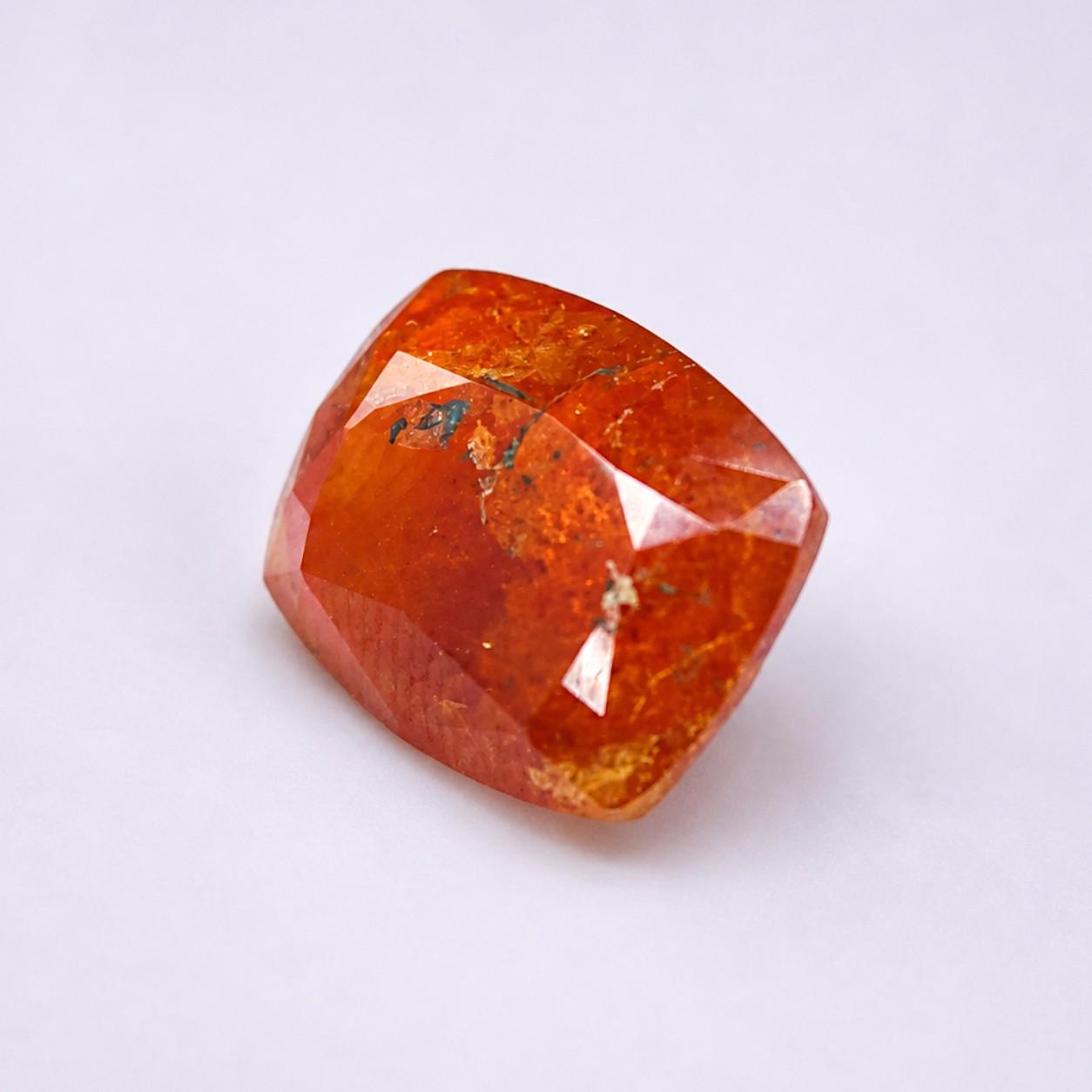
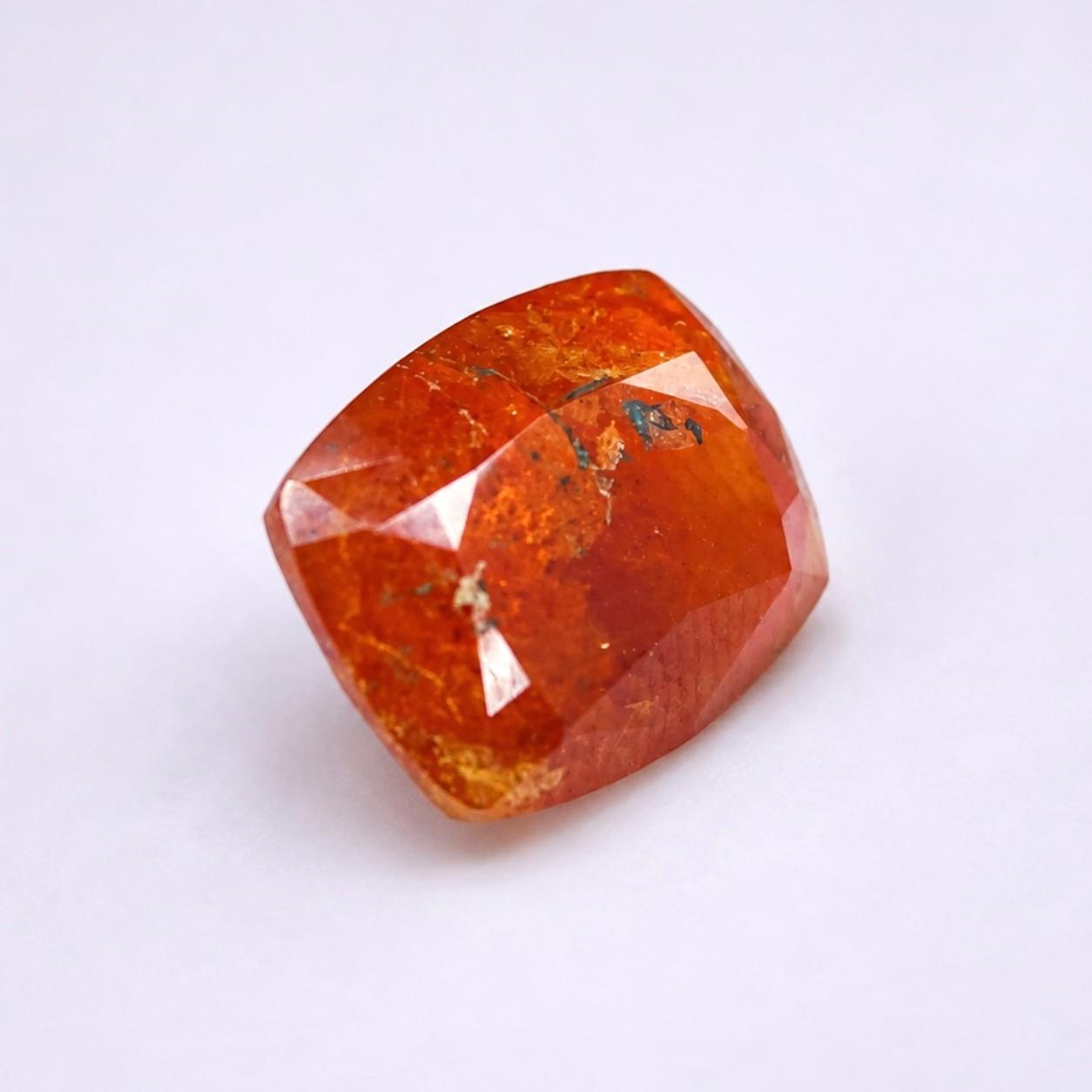


- Freakingcats Gemstone Database
Scheelite (Pakistan)
Scheelite from the exceptional alpine clefts and pegmatitic zones of Pakistan represents the undisputed golden-orange pinnacle of the natural tungstate world. A calcium tungstate mineral, it is a species I have always respected for its “fiery-persimmon” to “vivid-honey-neon” saturation and its status as a masterpiece of “tetragonal” structural discipline. For the specialist, a top-tier Pakistani Scheelite is a prize of deep crustal fluid crystallization; it offers a brilliant adamantine to vitreous luster and an incredibly dense, substantial presence that makes it a true “high-vibration” asset for the systematic vault. As an artist, I find the electrifying contrast between its deep, glassy orange pseudo-octahedrons and the snow-white, sparkling matrix of quartz or bladed muscovite to be one of nature’s most sophisticated and visually arresting compositions.
The Heritage & Discovery
Historical Significance
Scheelite is a cornerstone species for understanding the complex hydrothermal transport and deposition of tungsten within late-stage magmatic and metamorphic systems. Historically, it holds a venerable place in mineralogical science, discovered in 1781 and named after the famous Swedish-German chemist Carl Wilhelm Scheele, who proved the existence of tungsten within the mineral. In the world of fine minerals, Pakistani specimens are celebrated for their natural, “didymium-activated” internal fire, which stands as a symbol of structural density and trace-element purity. It serves as a striking reminder that the cooling depths of high-altitude mountain ranges can gather diffuse, heavy metals and refine them into magnificent, light-gathering crystals.
Discovery
While classic European and Chinese localities have provided historic material for centuries, the discovery of world-class, intensely saturated orange crystals throughout the northern territories of Pakistan completely revolutionized the global collector market for macrocrystalline tungstates. Scientifically, it forms an isomorphic series with powellite, where molybdenum replaces tungsten, but the pristine Pakistani pockets are highly prized for maintaining a remarkably clean tungsten dominance. The opening of these remote, high-altitude alpine veins provided mineralogists with spectacular, gemmy bipyramids that showcase an extraordinary optical depth. My own respect for this material grew from observing its jaw-dropping reaction to short-wave ultraviolet illumination; specifically, the way an unassuming, earthy orange crystal instantly ignites with an intense, whitish-blue to chalky-neon fluorescence under UV light is a visual impact that is absolutely unforgettable to the trained eye.
Important Mines
The undisputed capital for aesthetic expressions of this species within Pakistan remains the prolific pegmatites and alpine veins of the Gilgit-Baltistan region. Outstanding museum-grade specimens have emerged primarily from the legendary Nagar Valley and the high-altitude fields of the Shigar Valley in Skardu, alongside highly aesthetic, sharp crystals secured from the Kharmang and Ghache districts. For the vault, I prioritize specimens that exhibit sharp pseudo-octahedral geometry, intense color uniformity, and stable attachment to a contrasting muscovite or water-clear quartz crystal matrix, as they represent a highly active, pristine masterpiece of heavy-element geology.
Mineralogical Profile
Description
Scheelite is a calcium tungstate mineral that crystallizes in the tetragonal system. It sits at a moderate 4.5 to 5 on the Mohs scale, meaning its highly lustrous but relatively soft crystal faces must be handled with deliberate care and protected from physical abrasion to preserve its mirror-like adamantine surfaces. It is characterized by its exceptional surface brilliance and an unmistakable, “honey-yellow, deep orange, to fiery amber-red” color palette.
One of its most identifying traits is its good distinct cleavage, breaking along pyramidal planes, frequently forming blocky, pseudo-octahedral bipyramids or twinned habits that cleanly trace historical fluid channels through granite and metamorphic fractures. It possesses an exceptionally high refractive index running from approximately 1.918 to 1.937, contributing to a diamond-like surface luster and strong internal color dispersion, and an immense average specific gravity ranging between 5.9 and 6.1 that reflects its extraordinarily dense, tungsten-heavy molecular architecture. Because it forms in specialized late-stage hydrothermal veins and contact metamorphic zones, it is commonly found in close association with Quartz, Muscovite, Fluorite, Cassiterite, and Wolframite. When I select a piece for the collection, I look for sharp, “crisp” edge boundaries or highly transparent, facet-grade crystals resting on clean matrix, as these emphasize the sophisticated, three-dimensional chemistry of the mineral’s deep-seated magmatic birth.
Chemical Formula
CaWO4


