
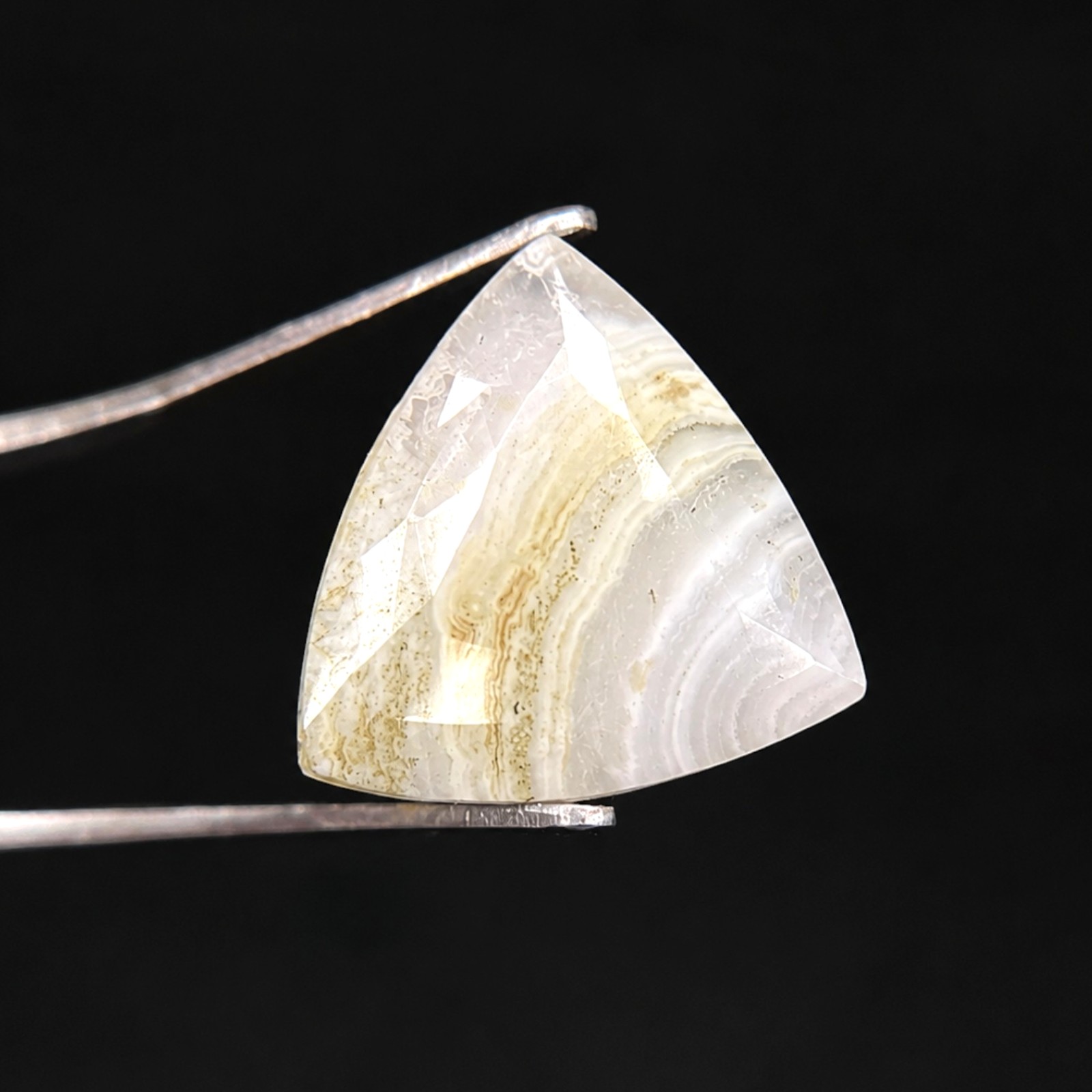
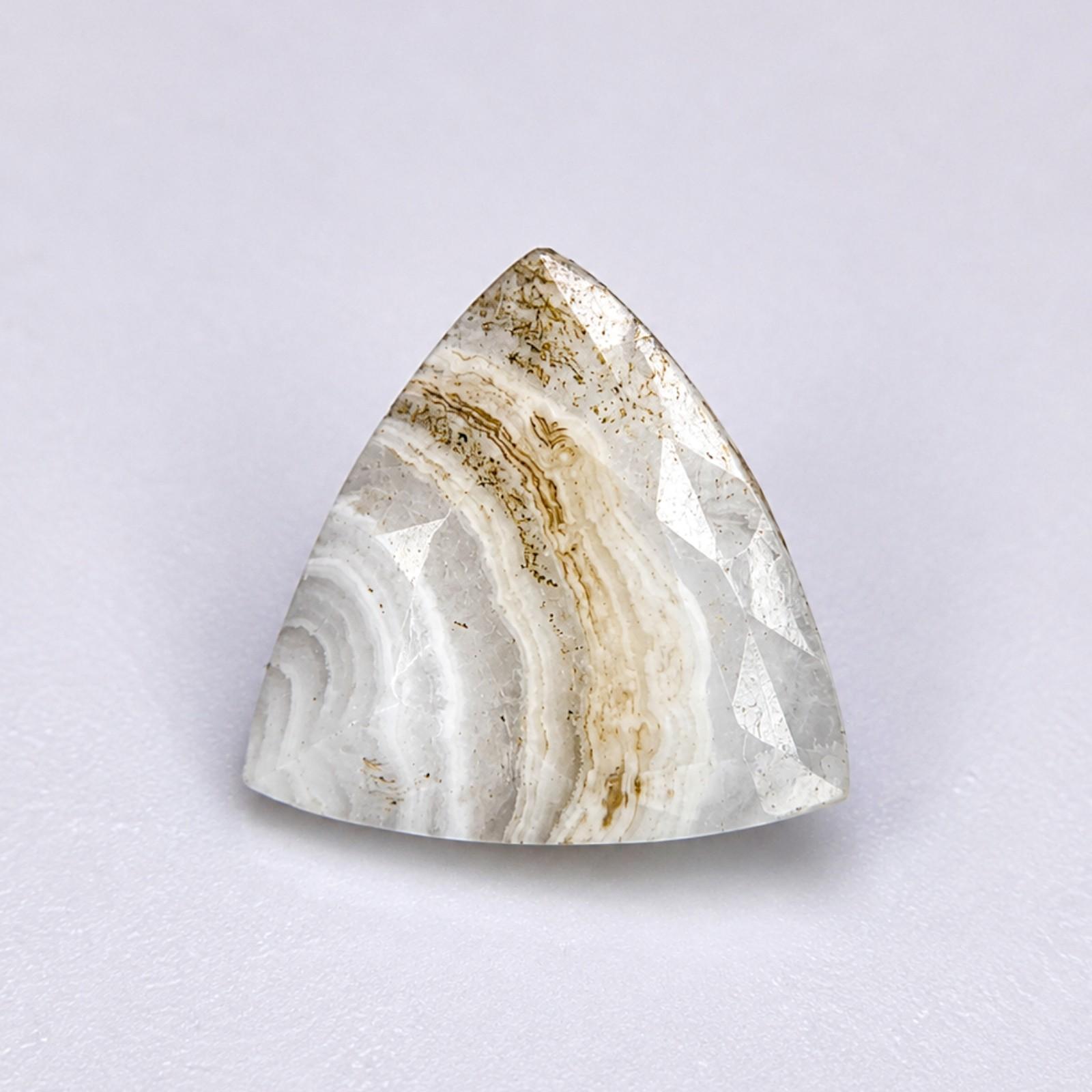
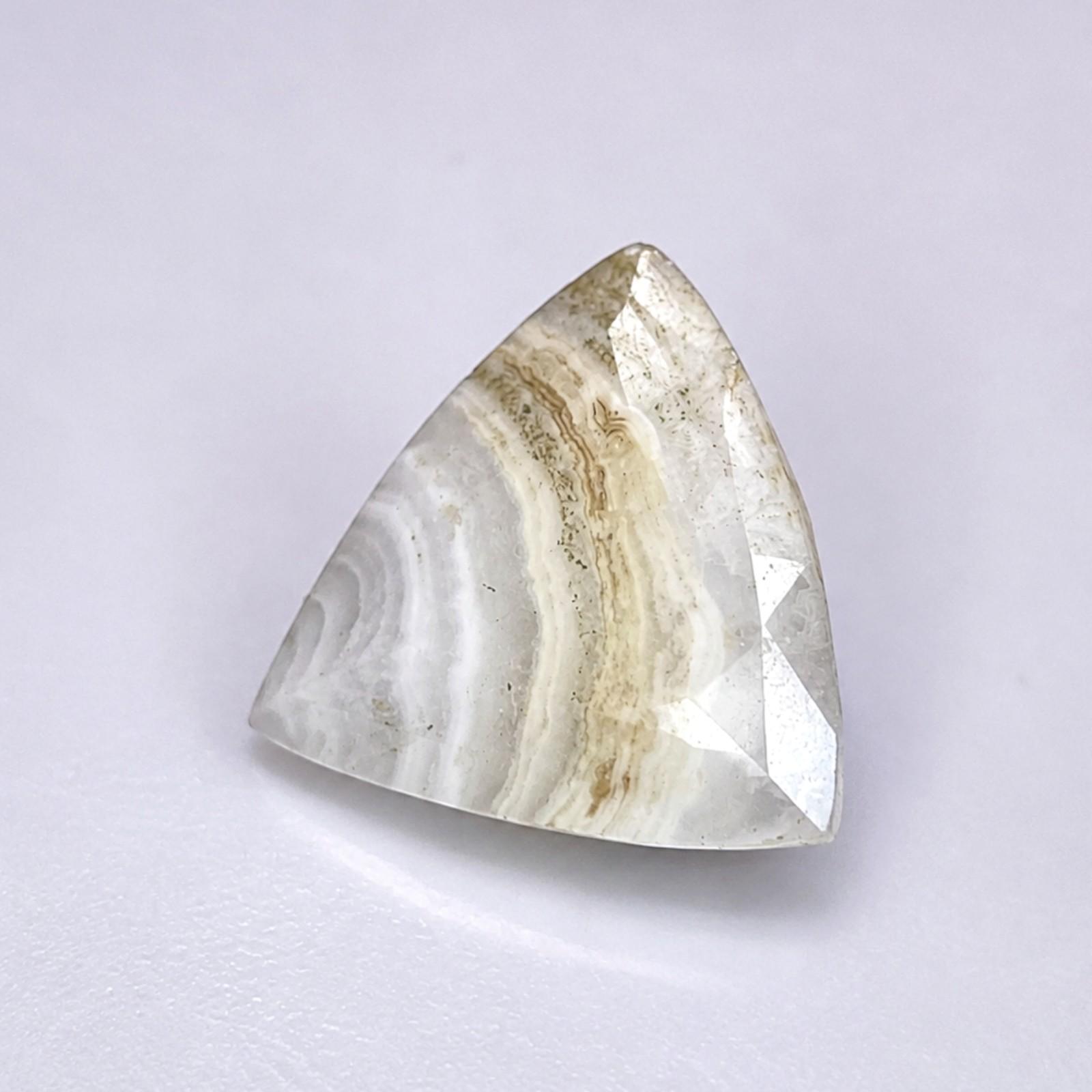
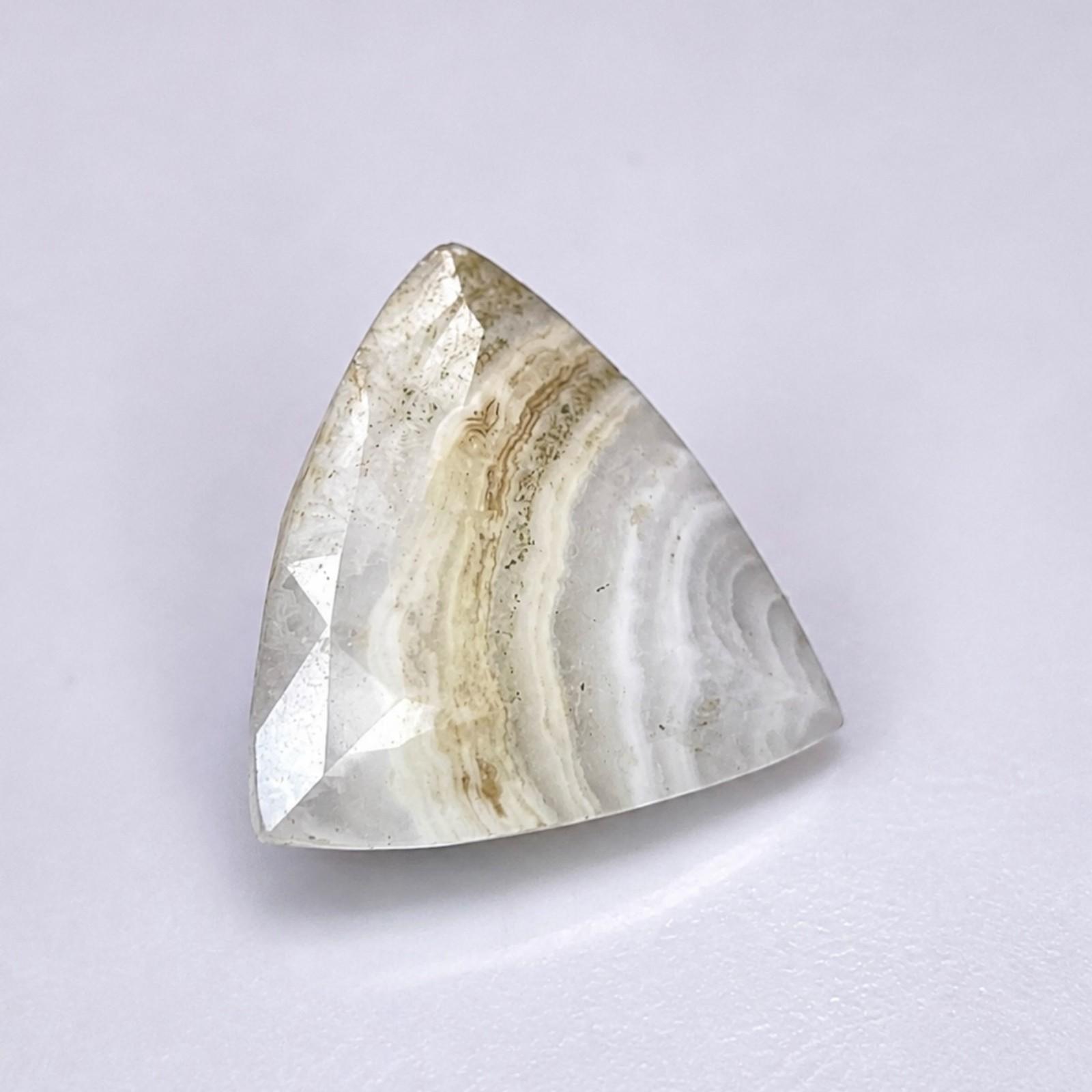
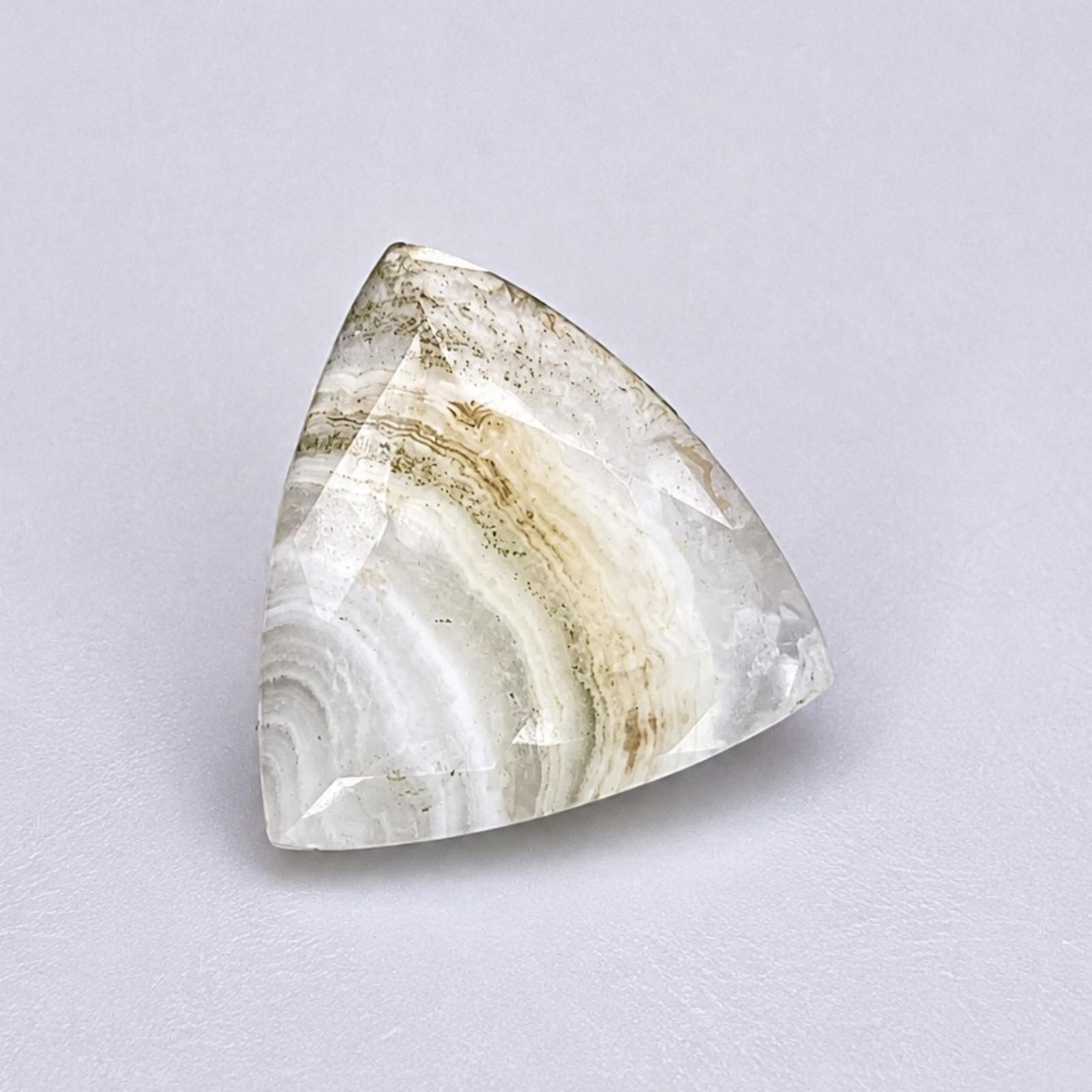
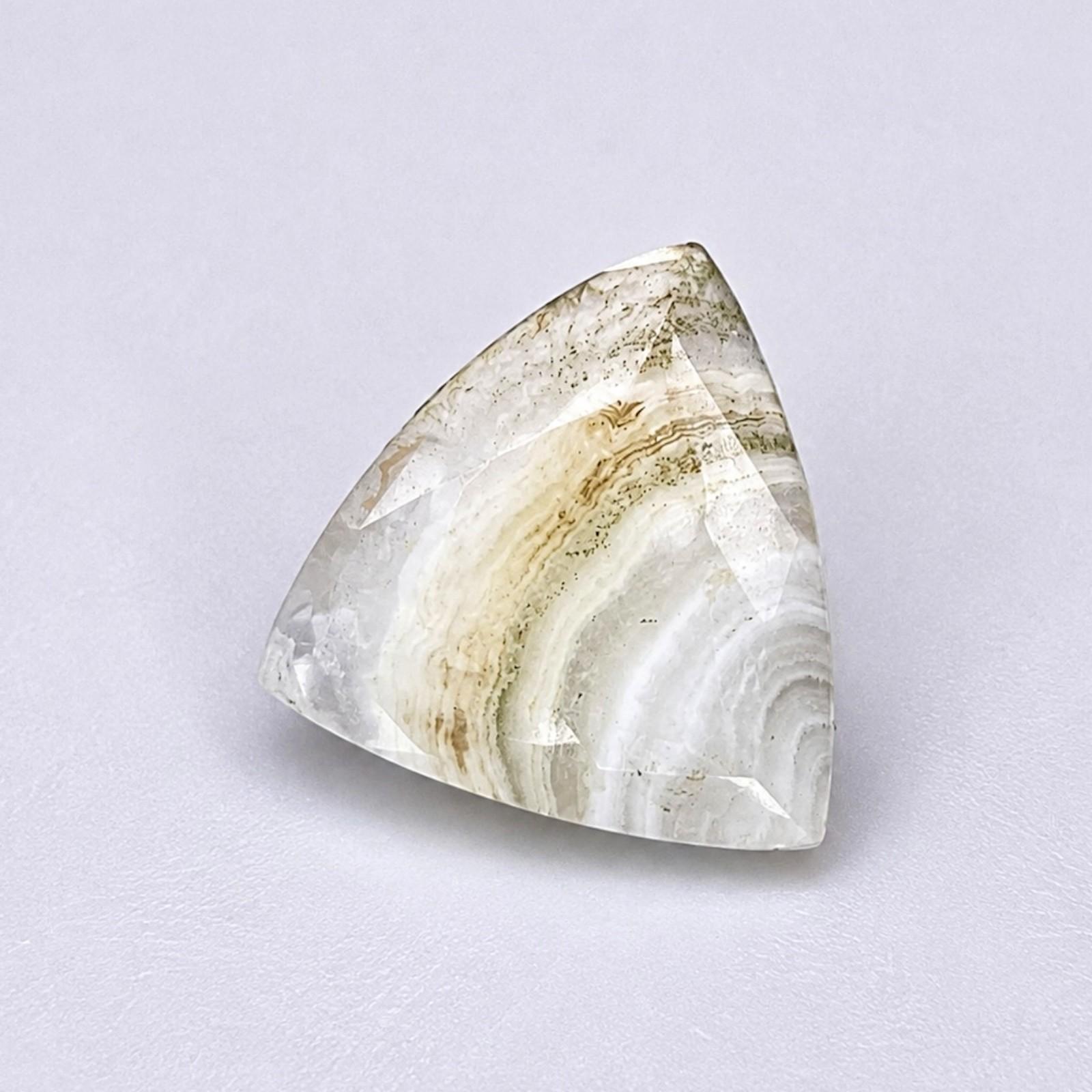
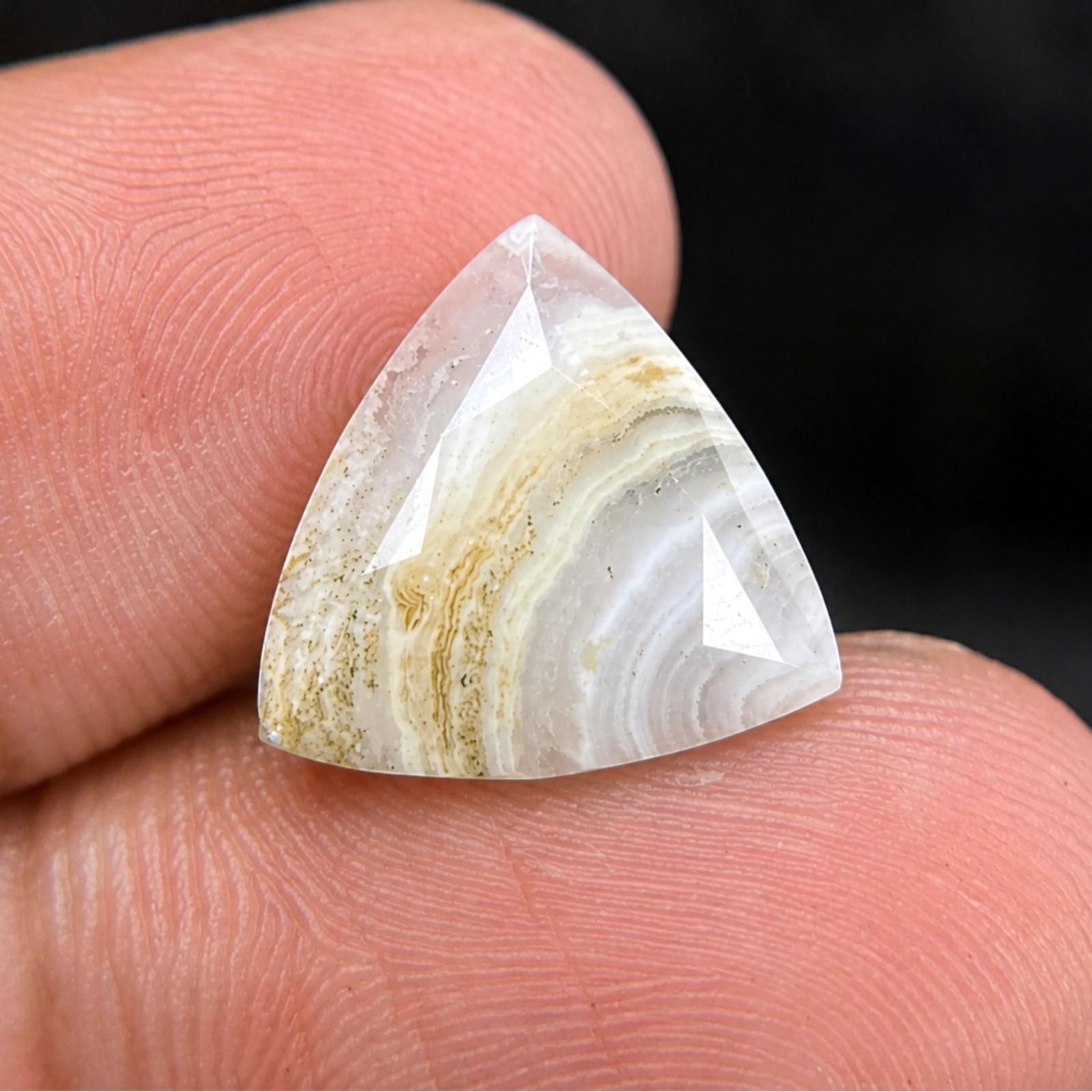
6.75 ct UV COLOR CHANGE HYDROZINCITE – USA
EXPERT VERIFIED
- Expert Verified Gemstone
- Fast Handling & Shipping
- Secure Vault Packaging
$ 180
Offer amount Feild


Smart Collector Choice


Pay with Crypto & Get 10% Automatic Discount

Availability: 1 in stock


- Freakingcats Gemstone Database
Hydrozincite
Hydrozincite is a mineral that usually hides in the shadows of lead and zinc mines, often appearing as nothing more than a white, chalky crust. But for those of us who look deeper, it reveals a spectacular secret. In its natural state, it might look humble, but under short-wave ultraviolet light, it explodes into a brilliant, ghostly blue-white fluorescence. I have always been fascinated by minerals that require a specific environment to show their true colors. While most see it as a “secondary” mineral, I see it as a challenge—finding pieces stable enough to handle and documenting the rare instances where it forms the delicate, pearly “marionite” habit is a true collector’s pursuit.
The Heritage & Discovery
Historical Significance: For a long time, Hydrozincite was confused with other zinc carbonates like smithsonite. It was historically known as “Zinc Bloom” by miners who saw it as an indicator of rich zinc ore nearby. It represents the quiet chemistry of oxidation, a mineral that forms as water and air interact with ancient sulfide deposits, slowly reclaiming the metal into new, ethereal forms.
Discovery: The mineral was officially named in 1853 by Gustav Kenngott. The name is a direct reference to its chemical composition—a hydrous zinc carbonate. It has been studied extensively in the mining districts of Europe and North America as a key byproduct of the weathering of sphalerite.
Important Mines: Some of the most famous specimens, known for their incredible fluorescence, come from the 79 Mine in Arizona, USA. Other significant deposits include the Bleiberg district in Austria and the ancient mining hills of Sardinia, Italy. These locations are where the mineral transcends its “crust” form and creates the botryoidal, snowy white masses that collectors covet.
Mineralogical Profile
Description: Hydrozincite is a white to greyish carbonate mineral that crystallizes in the monoclinic system. It is quite soft, sitting at a 2 to 2.5 on the Mohs scale, which makes it far too fragile for traditional jewelry but perfect for protected display. It often forms in “botryoidal” (grape-like) masses or earthy crusts. Its defining characteristic is its intense blue-white fluorescence under short-wave UV light, a result of the zinc atoms within its crystal lattice.
Chemical Formula: Zn5(CO3)2(OH)6


