

7.14 ct GMELINITE – CANADA
EXPERT VERIFIED
- Expert Verified Gemstone
- Fast Handling & Shipping
- Secure Vault Packaging
$ 300 Original price was: $ 300.$ 180Current price is: $ 180.
Offer amount Feild


Smart Collector Choice


Pay with Crypto & Get 10% Automatic Discount

Out of stock
Gemstone Details
Gem Variety:
Gmelinite
Origin:
Canada
Carat Weight:
7.14
Length (mm):
14.4
Width (mm):
14
Depth (mm):
7.3
Shape:
Trillion
Color
Multicolor
Treatment:
No treatment
Certificate:
On Request
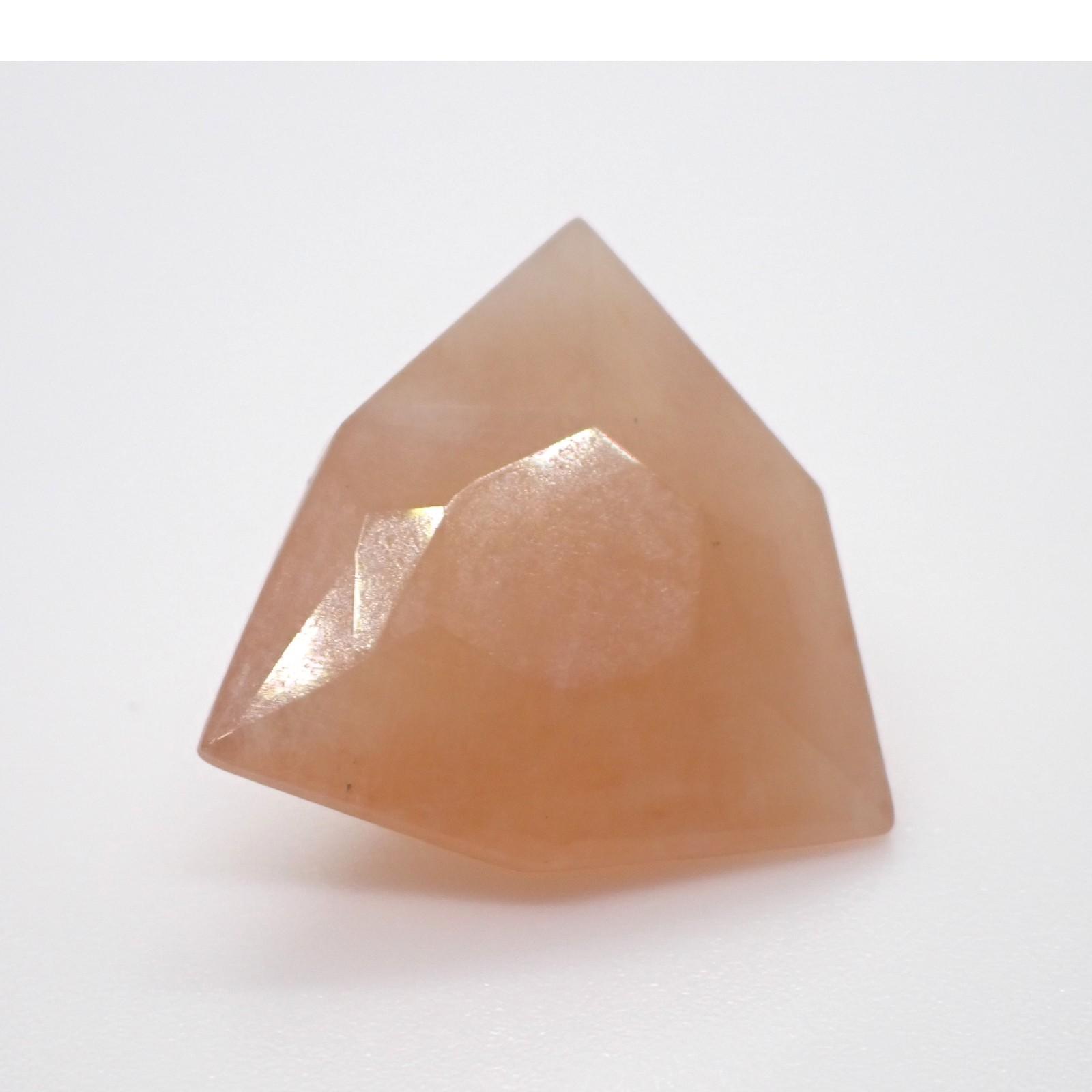
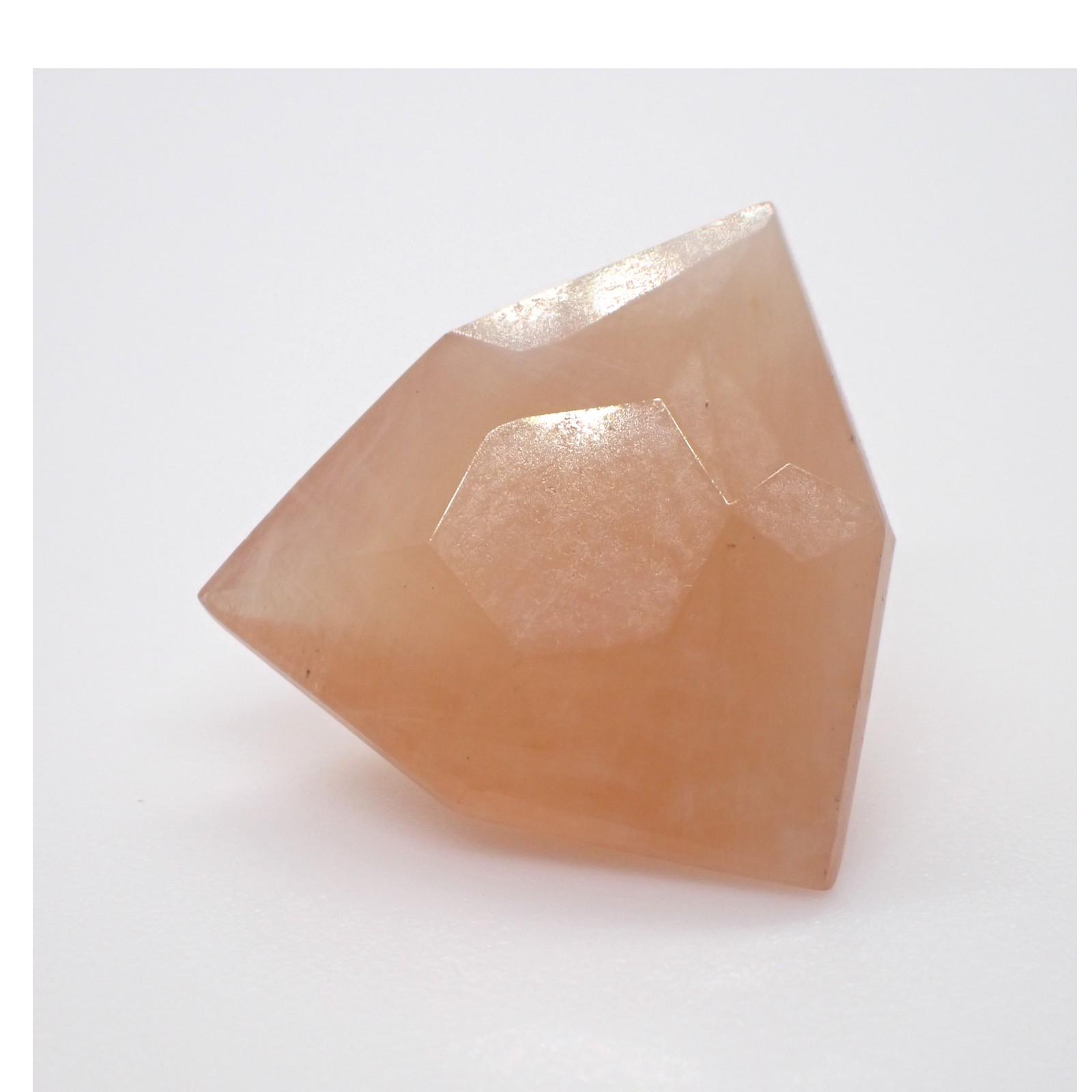
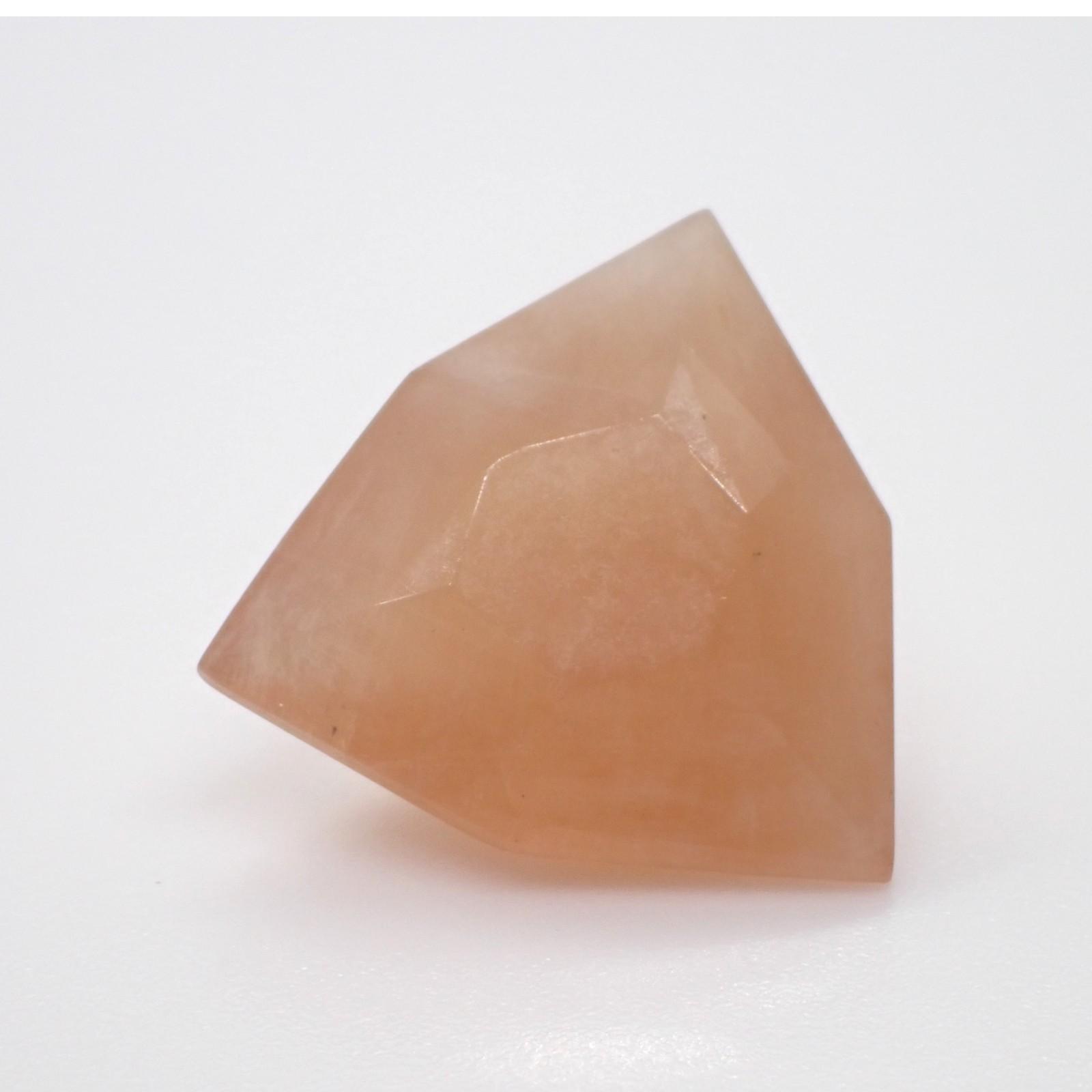
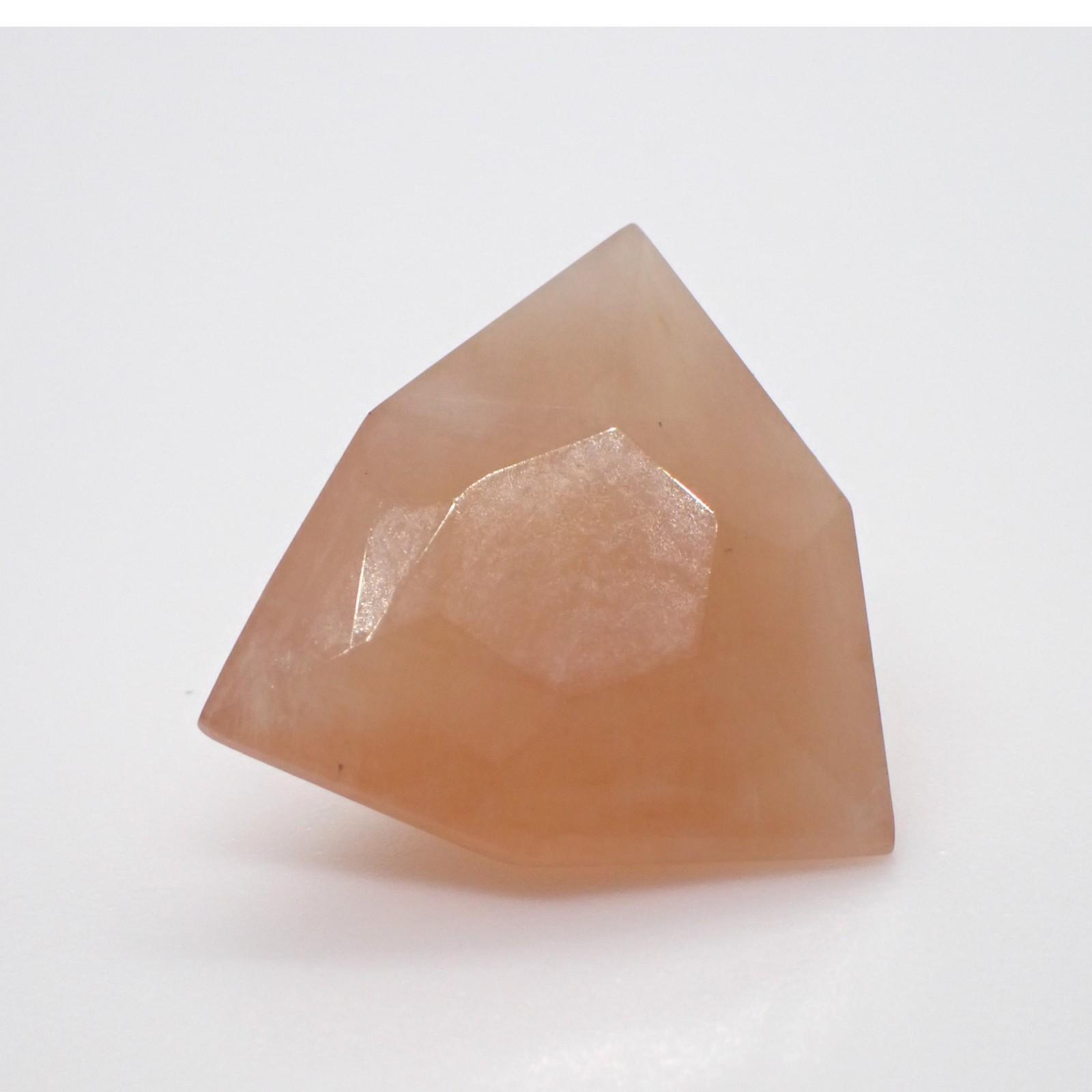
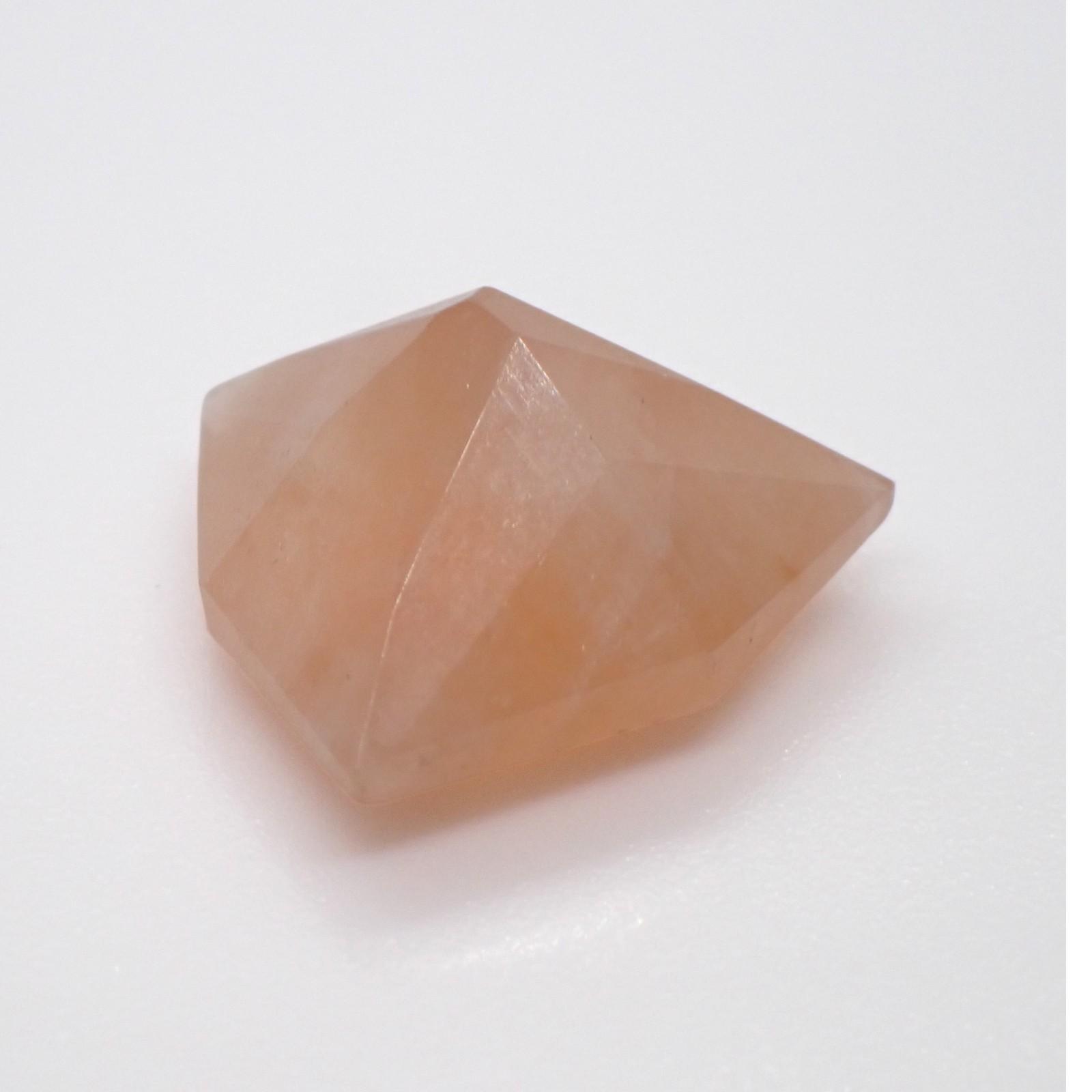
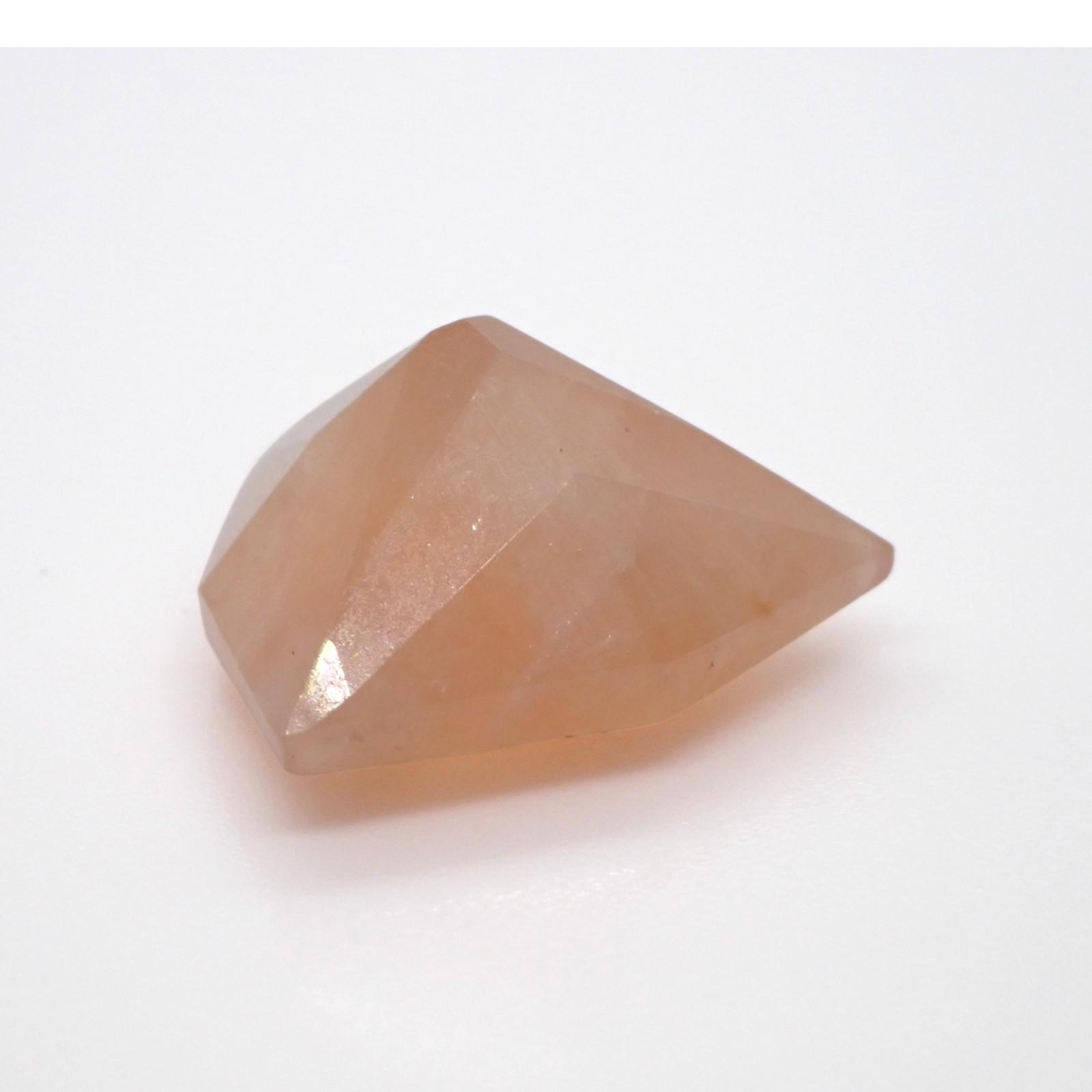


- Freakingcats Gemstone Database
Gmelinite-Na Gmelinite is a gemstone that captures the delicate, geometric precision of the zeolite group. Often forming in perfect hexagonal dipyramids, it looks like a pair of tiny pyramids joined at the base—a shape so sharp it’s hard to believe it wasn't faceted by a human hand. I have always been fond of its soft, "flesh-colored" tones, ranging from a pale peachy-pink to a warm orange-yellow. It is a "quiet" mineral, usually found nestled in the dark cavities of volcanic basalt, where it glows like a small ember. Finding a crystal large and clear enough for faceting is an extreme rarity, as Gmelinite is typically quite small and fragile. However, for the collector who prizes crystal symmetry and the specialized chemistry of volcanic vugs, Gmelinite is a sophisticated "must-have" that represents the Earth’s ability to grow perfect geometry in the most rugged environments. The Heritage & Discovery Historical Significance: Gmelinite is a classic member of the zeolite family, known for its open, cage-like molecular structure. Historically, it has been a significant subject for mineralogists studying the hydrothermal alteration of volcanic rocks. It represents a low-temperature, late-stage crystallization process. In the world of rare gems, it is prized for its unique "double-pyramid" habit, which is quite distinct from its more common cousin, Chaba-zite. It stands as a testament to the elegant, complex frameworks that silica and aluminum can form when given the right conditions in a cooling lava flow. Discovery: The mineral was first described in 1825 and was named in honor of the German chemist and mineralogist Christian Gottlob Gmelin (1792–1860). Gmelin was a pioneer in his field, famously known for being one of the first to observe the red flame test for lithium. Naming this clean, hexagonal zeolite after him was a fitting tribute to a man who spent his life deciphering the chemical makeup of the mineral world. Important Mines: The most legendary source for spectacular, gem-quality Gmelinite crystals is the Montebcchio Mine in Sardinia, Italy, and the famous localities in County Antrim, Northern Ireland (specifically Glenarm). I also have a high regard for the sharp, peachy crystals from the Bay of Fundy in Nova Scotia, Canada. For the vault, I prioritize the Irish and Canadian material, as these localities consistently produce the most well-defined hexagonal forms and the warm, "sunset" colors that collectors crave. Mineralogical Profile Description: Gmelinite-Na is a hydrated sodium calcium aluminum silicate and a member of the zeolite group, crystallizing in the hexagonal system. It sits at a 4.5 on the Mohs scale, making it a soft and delicate mineral that is best suited for protected display or specialized collections. It is characterized by its vitreous luster and its typically colorless, white, pale yellow, or peachy-pink appearance. One of its most identifying traits is its crystal habit; it almost always forms as hexagonal dipyramids or rhombohedrons that can look very similar to Chaba-zite (a phenomenon known as "intergrowth"). It has a low refractive index ($n \approx 1.47$ to $1.49$), giving it a soft, watery brilliance when a rare transparent section is faceted. Like all zeolites, its structure contains large "tunnels" that can hold water and exchange ions, making it a "living" part of the rock's chemical history. It is a light, airy mineral that captures the refined geometry of the volcanic depths. Chemical Formula: (Na2,Ca)Al2Si4O12·6H2O
Related products
- Sale!Suggest a Price
![4.05 ct ANHYDRITE - MEXICO]()
- Sale!Suggest a Price
![2.52 ct AMAZONITE - USA]()
- Sale!Suggest a Price
![12.90 ct AMAZONITE - USA]()
- Sale!Suggest a Price
![0.28 ct ADAMITE - MEXICO]()


