
7.30 ct CHIASTOLITE – MYANMAR
EXPERT VERIFIED
- Expert Verified Gemstone
- Fast Handling & Shipping
- Secure Vault Packaging
$ 180
Offer amount Feild


Smart Collector Choice


Pay with Crypto & Get 10% Automatic Discount

Availability: 1 in stock
Gemstone Details
Gem Variety:
Chiastolite
Origin:
Mogok Myanmar
Carat Weight:
7.30
Length (mm):
12.20
Width (mm):
10.40
Depth (mm):
5.70
Shape:
Octagon
Color
Bi-Color/Multicolor
Treatment:
No Treatment
Certificate:
On Request
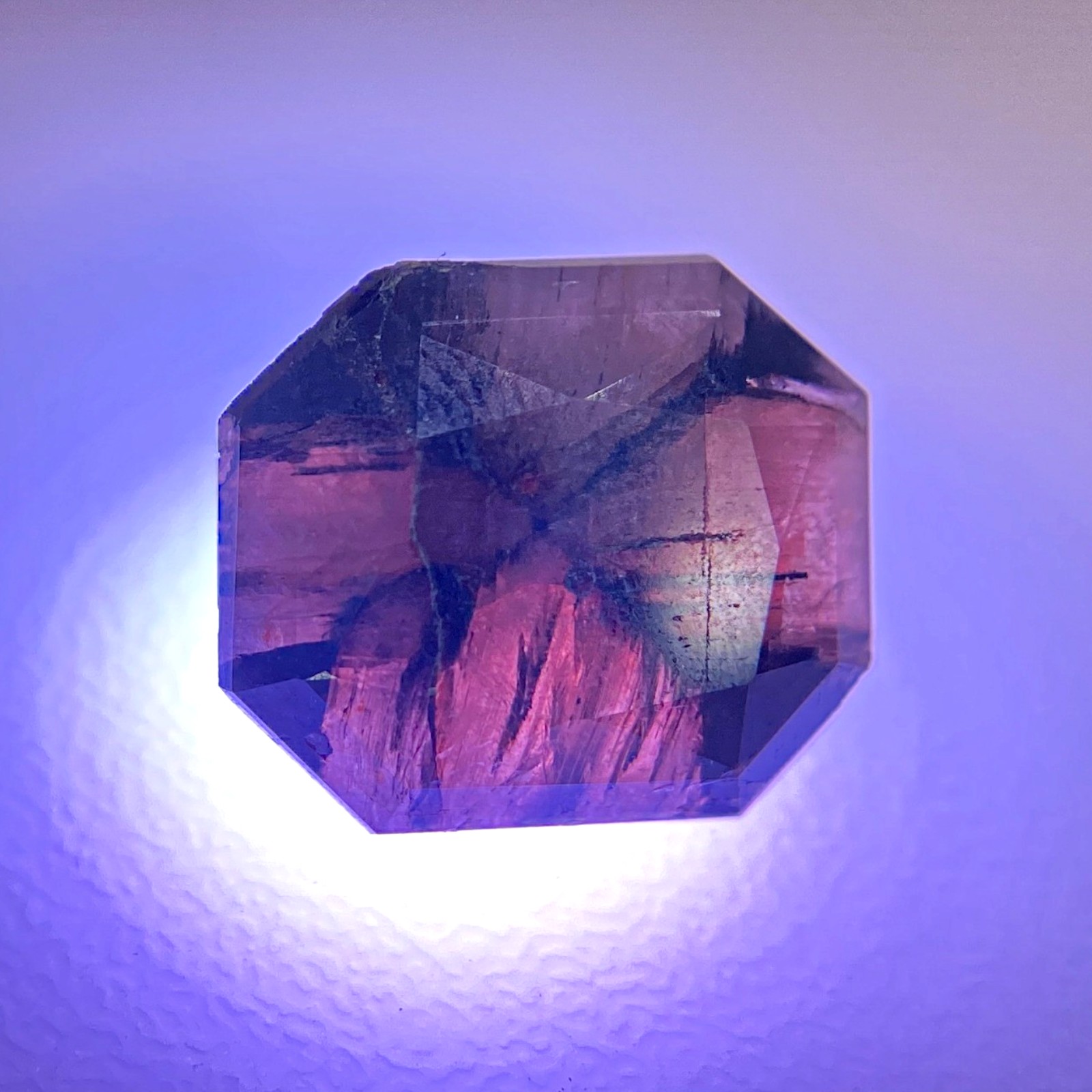
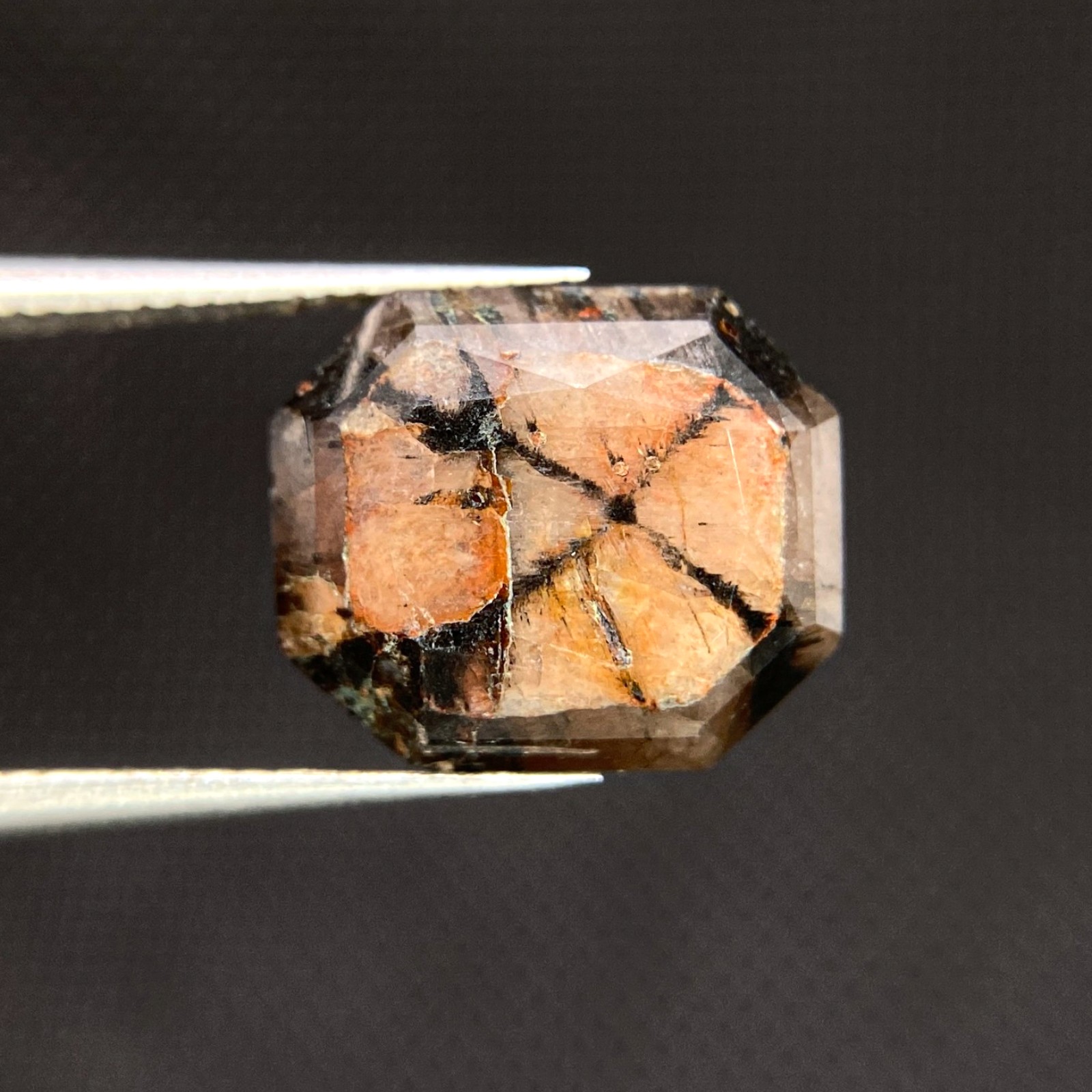
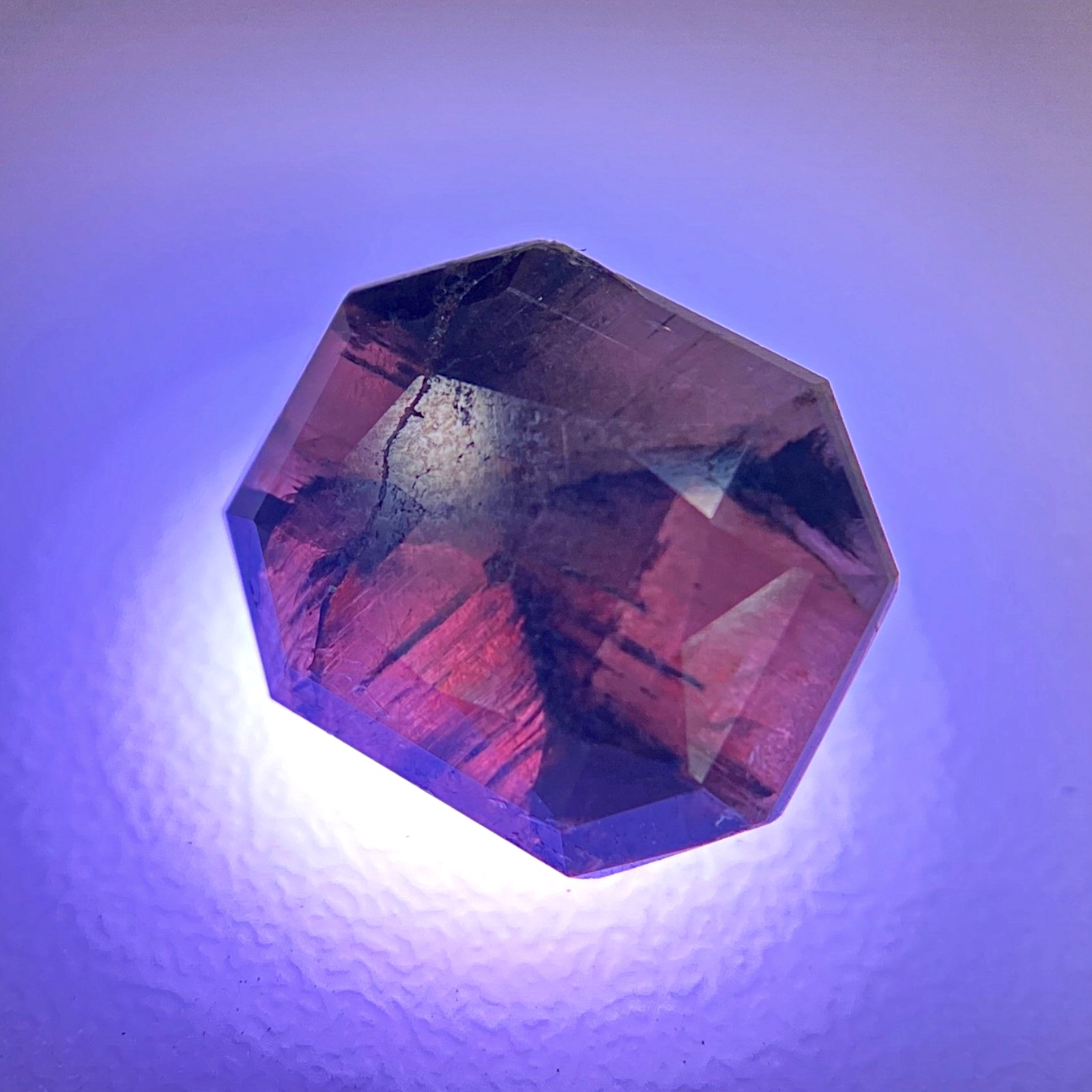
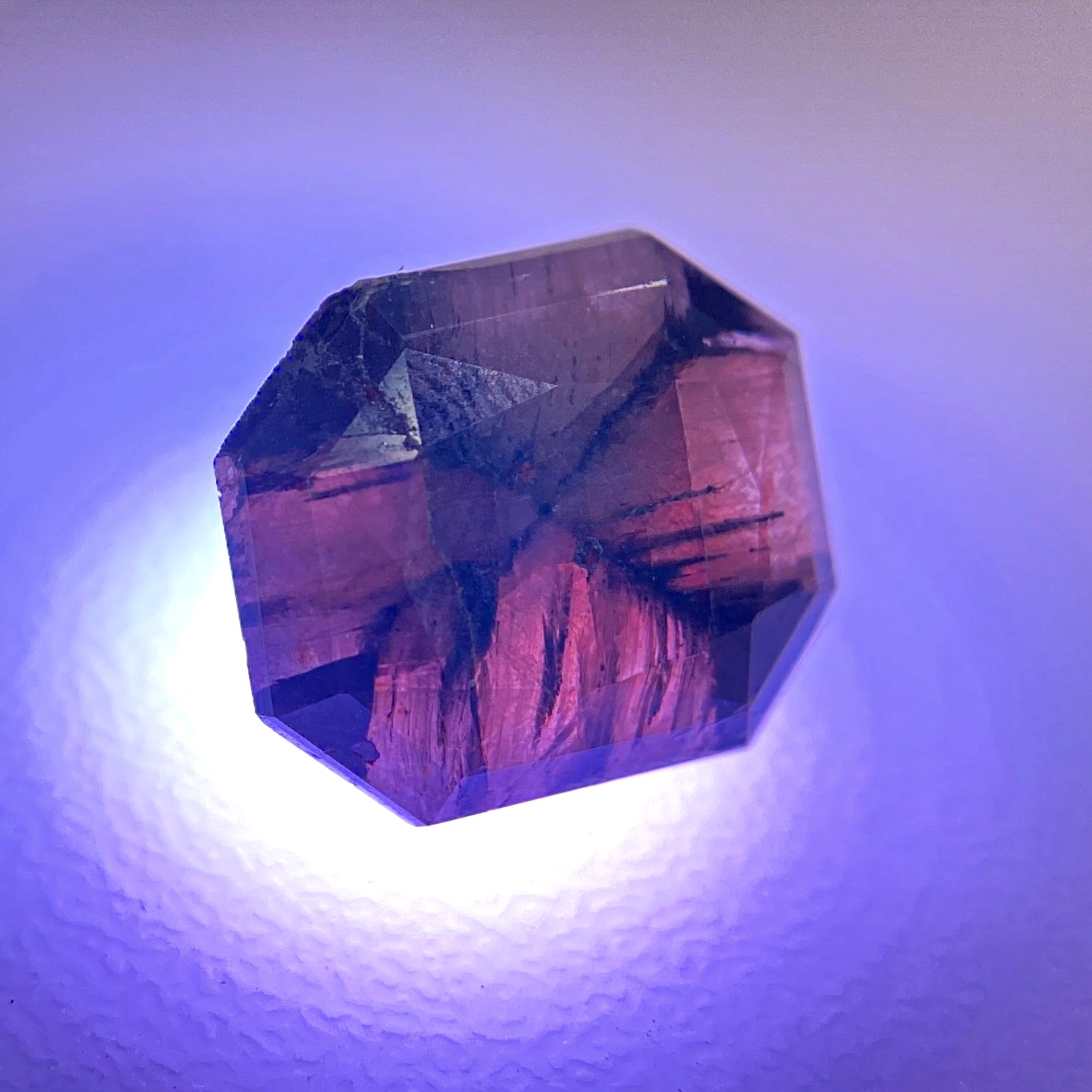
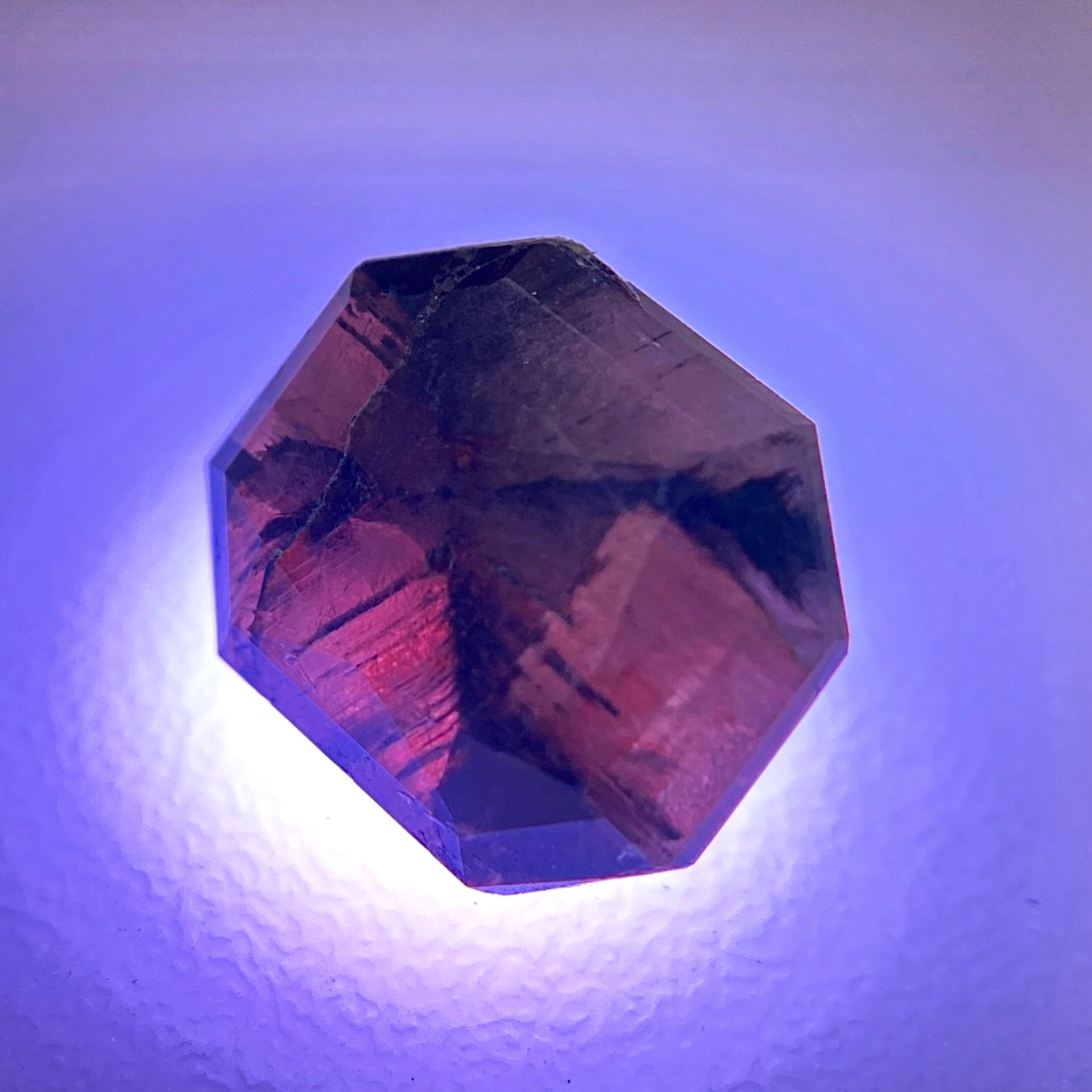
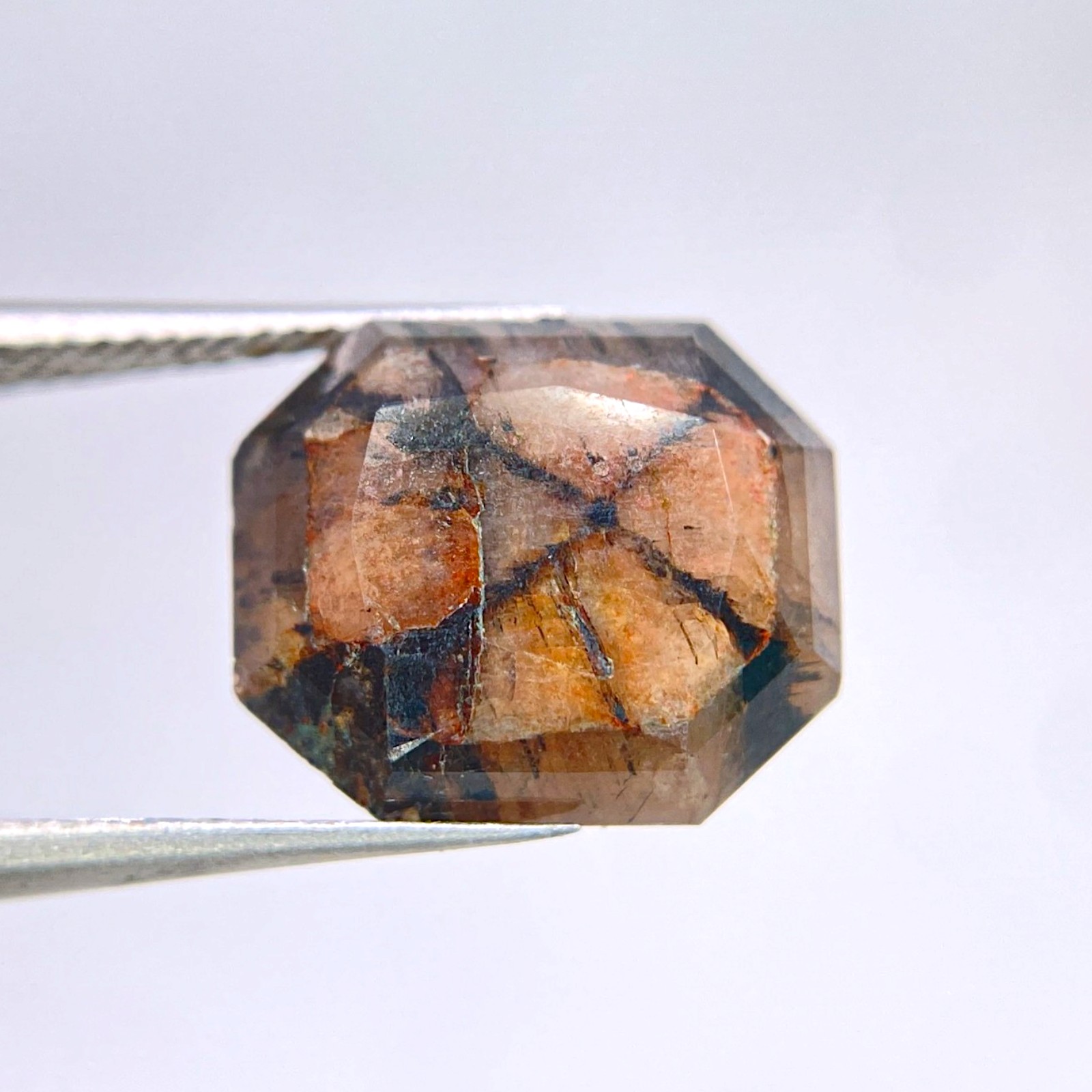
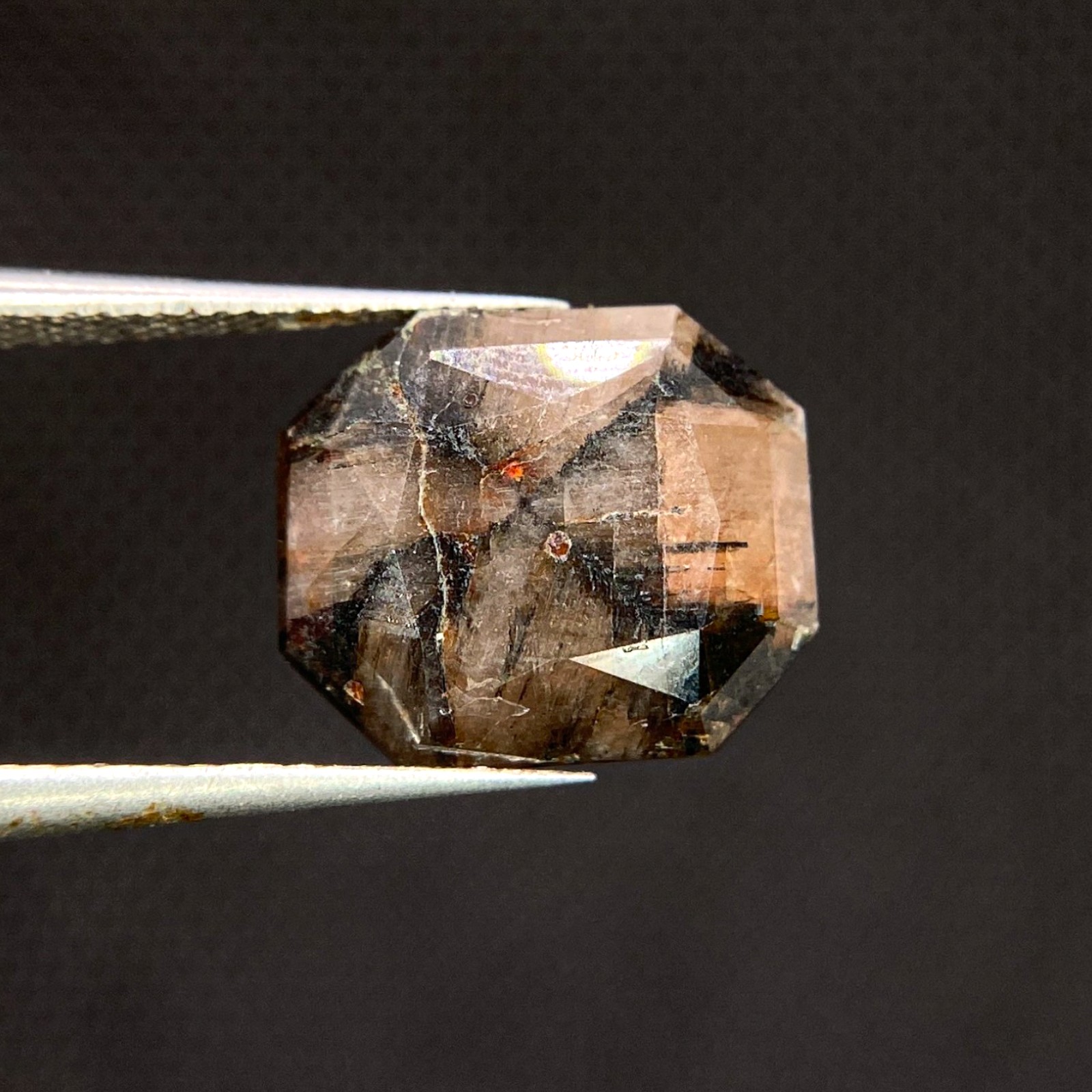
- Freakingcats Gemstone Database
Chiastolite (Myanmar)
Chiastolite from the metamorphic aureoles and high-grade schistose host rocks of Myanmar—particularly the legendary Mogok Stone Tract within the Mandalay Region—represents one of the most structurally fascinating and aesthetically distinct varieties of andalusite, celebrated for its natural, geometrically precise carbonaceous cross-pattens. An aluminum orthosilicate mineral of profound geological interest, it is a species I have long respected for its earthy, tactile character, stable prismatic geometry, and its status as a textbook macro-record of regional metamorphic crystallization and sector zoning. For the specialist, a fine Burmese Chiastolite—whether preserved as a sharp, un-weathered rectangular prism exposing a crisp, raven-black cross or fashioned into a polished section highlighting its internal cruciform architecture—is a treasured acquisition; it offers a sub-vitreous to dull luster, a rich ochre-brown to gray daylight body color, and an unmistakable symbolic presence that makes it an essential anchor for the systematic vault. As an artist, I find the stark geometric contrast of the dark carbon inclusion cross against the warm, earthy host matrix—painted by subterranean forces during deep tectonic burial—to be one of nature’s most compelling demonstrations of mineral growth kinetics.
The Heritage & Discovery
Historical Significance
Chiastolite derives its familiar name from the Greek word chiastos, meaning “marked with a cross,” reflecting the striking black cruciform design that runs the entire length of the crystal. Historically, while European schist occurrences in Spain and France defined early scientific descriptions of sector-zoned andalusite, Myanmar’s complex metamorphic terrains yielded exceptional specimens that caught the attention of regional mineralogists. Sourced from pelitic sediments subjected to intense regional and thermal metamorphism surrounding intrusive granitic melts in the Mogok metamorphic belt, Burmese chiastolites offer an enduring testament to the structural dynamics of Southeast Asia’s premier gem province.
Discovery
The unearthing of distinct chiastolite crystals across upper Myanmar occurred alongside geological surveys and artisanal mining within the schistose footwalls and contact zones flanking the famous ruby and spinel gem tracts of Mogok and its surrounding districts. Scientifically, chiastolite is chemically identical to standard andalusite, but its formation is governed by specialized crystal-growth mechanics. During slow metamorphic crystallization in carbon-rich pelitic schists, growing andalusite prisms mechanically push aside fine graphitic and carbonaceous impurities. Due to faster growth rates along the prism corners compared to the faces, these impurities become systematically trapped along the crystallographic axes, creating a permanent, symmetrical dark cross when viewed in cross-section. My own respect for this material grew from analyzing its structural geometry; examining a cleanly sliced and polished section that reveals a sharp, unperturbed cruciform pattern demonstrates a natural architectural precision that is deeply satisfying to the trained eye.
Important Mines
The primary epicenter for chiastolite within Myanmar is the metamorphic schist belt enveloping the Mogok Stone Tract, particularly the weathered argillaceous rocks and contact aureoles in the surrounding hills of the Mandalay Region. In these deposits, prismatic crystals form within mica schists and slate horizons, frequently weathered out into residual clay soils or collected directly from fractured metamorphic outcrops. Additional occurrences are noted in the contact metamorphic zones of the Shan Plateau and Kachin State. For the systematic vault, I prioritize specimens that exhibit sharp, unbroken rectangular prism terminations, high structural soundness free from deep weathering fractures, and a high-contrast, perfectly centered carbonaceous cross.
Mineralogical Profile
Description
Chiastolite is a variety of andalusite, an aluminum nesosilicate mineral crystallizing in the orthorhombic system (dipyramidal class). It sits at 6.5 to 7.5 on the Mohs hardness scale, providing good durability for handling and display, though it possesses distinct cleavage along the {110} prism planes that requires careful archival curation. It is characterized by a sub-vitreous, resinous, or dull luster, with a natural daylight color palette dominated by brownish-gray, yellowish-brown, reddish-brown, and flesh-pink, sharply contrasted by the jet-black carbonaceous inclusion cross.
Morphologically, it forms stout, square-to-rectangular prismatic crystals terminated by blunt pinacoids. It possesses a moderate refractive index running from approximately 1.629 to 1.650, a weak birefringence of 0.009 to 0.013, and a specific gravity averaging 3.13 to 3.16. Because it precipitates during the medium-to-high temperature, moderate-pressure regional metamorphism of argillaceous sediments, it is commonly found in close association with Quartz, Muscovite, Biotite, Cordierite, and Garnet. When I select an example for documentation, I look for clean structural integrity, sharp crystal geometry, and an exceptionally well-defined internal cross pattern that highlights the unique kinetic conditions of its metamorphic birth.
Chemical Formula
Al2SiO5 (with characteristic structural inclusions of carbonaceous matter and graphite arranged in a cruciform pattern)


