
89.84 ct ULEXITE – USA
EXPERT VERIFIED
- Expert Verified Gemstone
- Fast Handling & Shipping
- Secure Vault Packaging
$ 300
Offer amount Feild


Smart Collector Choice


Pay with Crypto & Get 10% Automatic Discount

Availability: 1 in stock
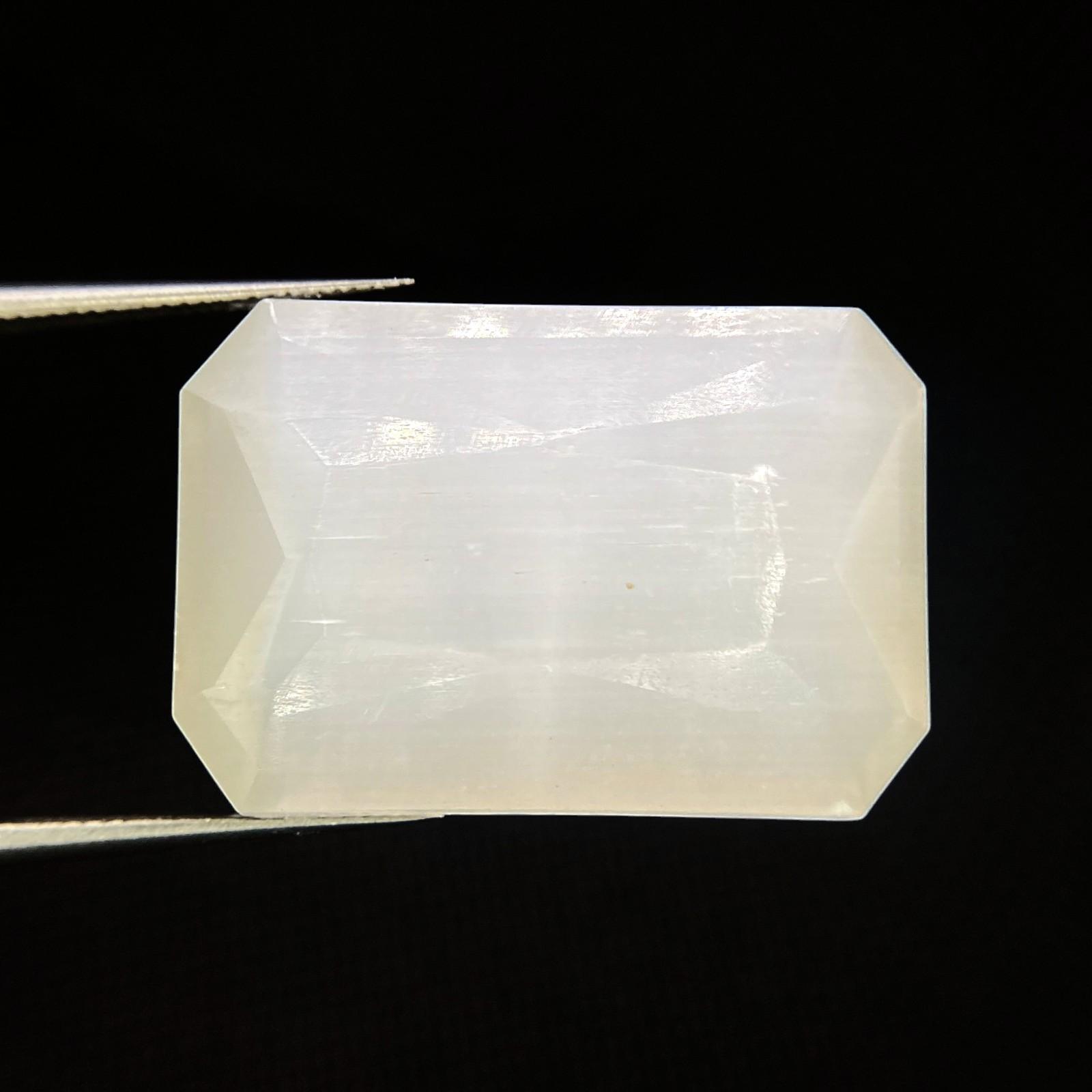
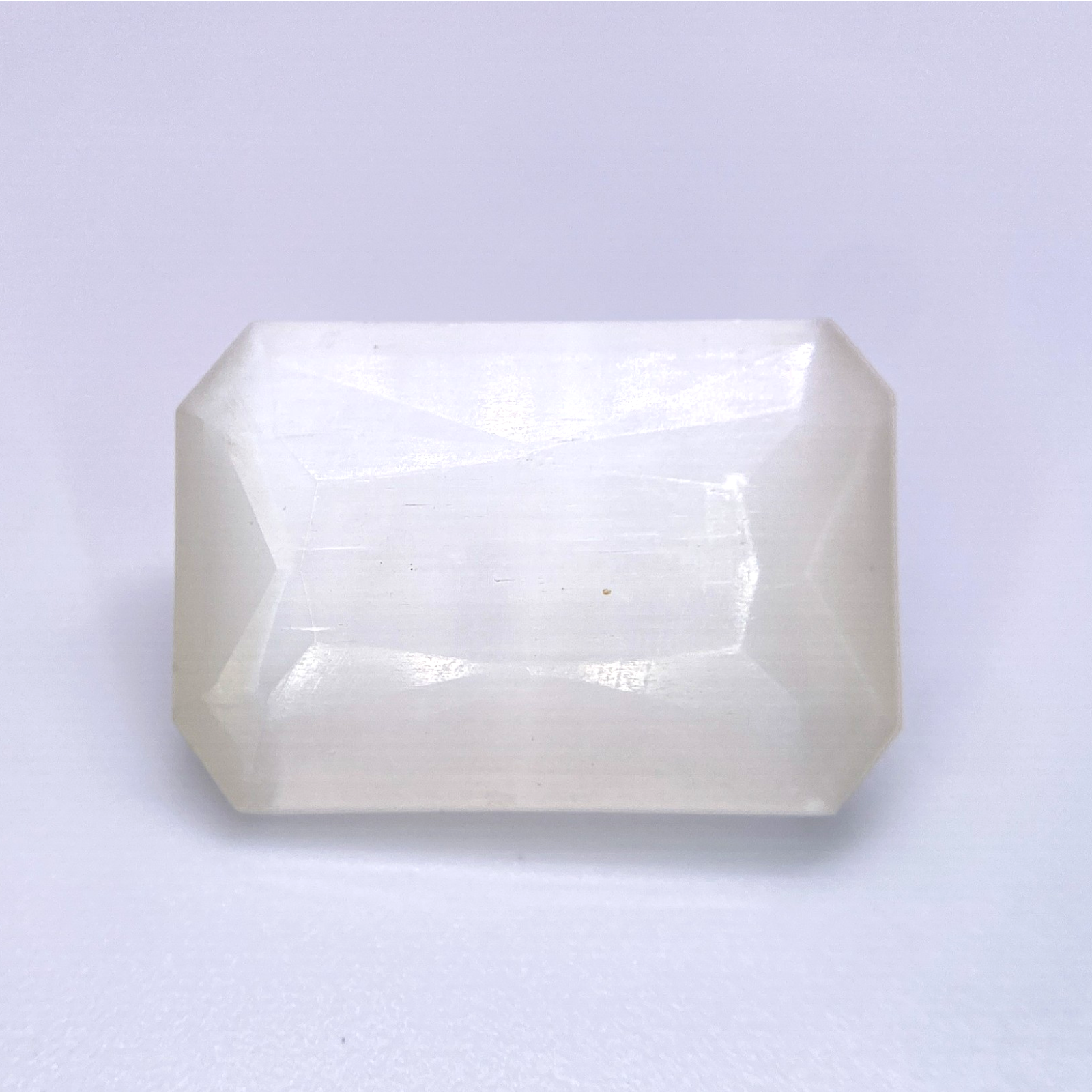
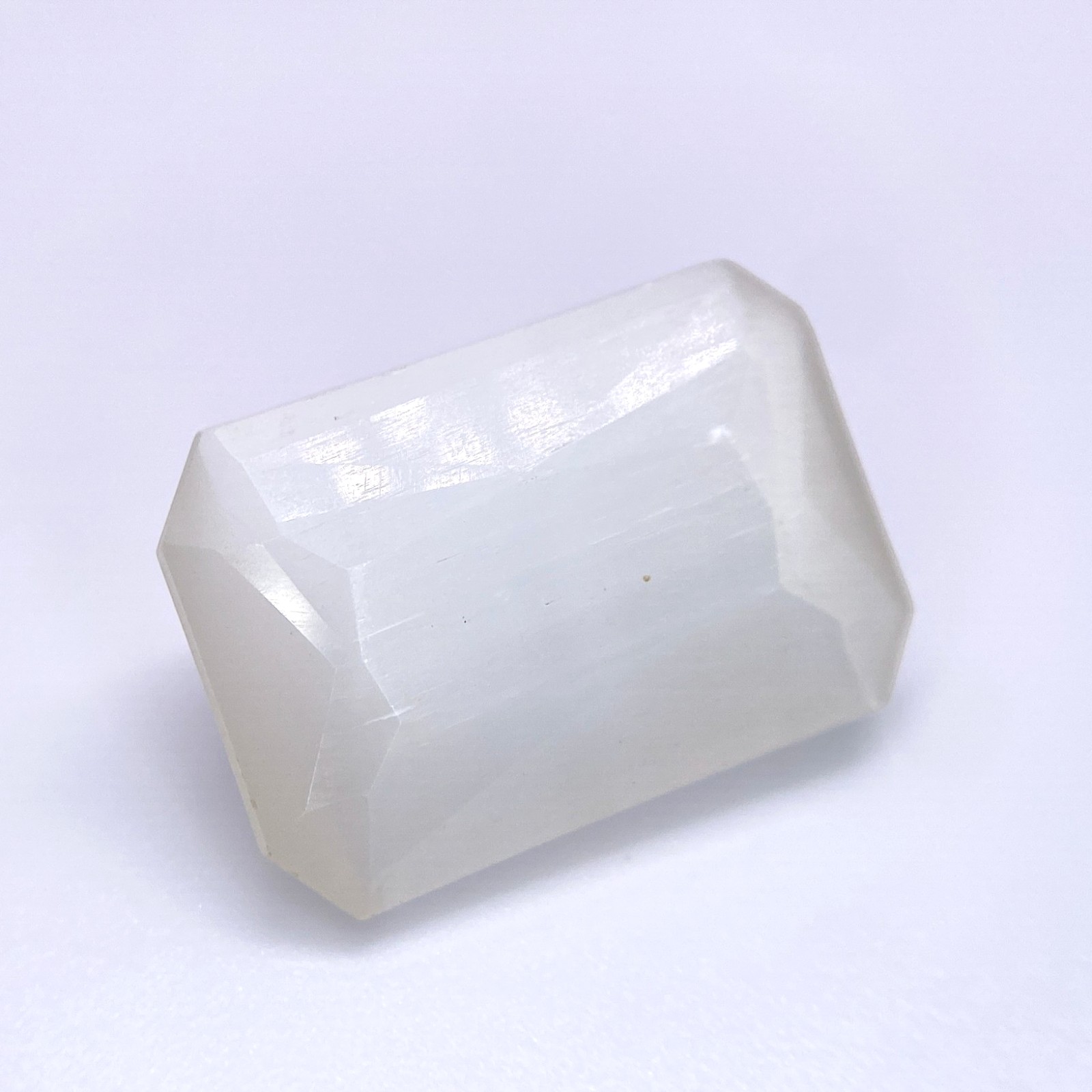
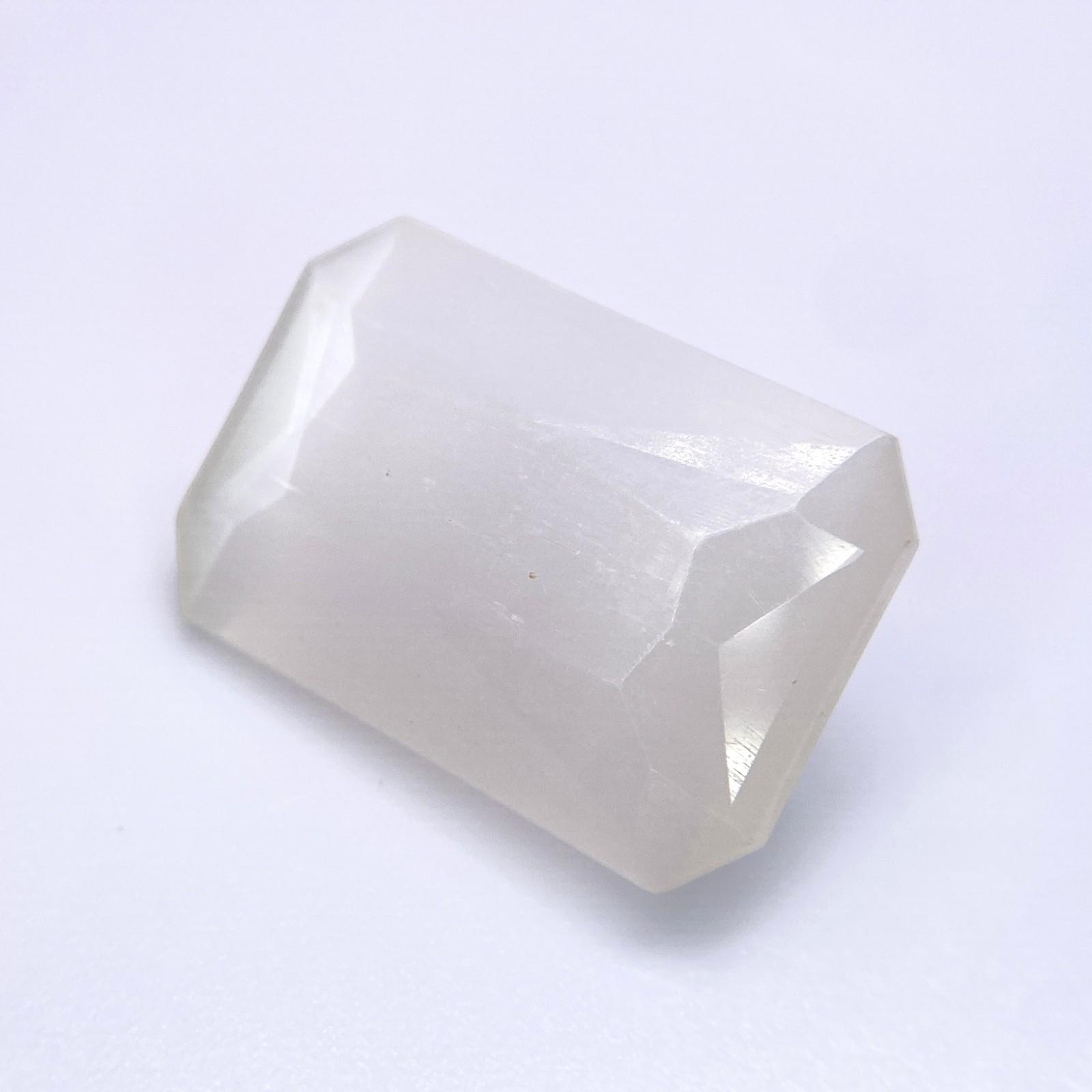
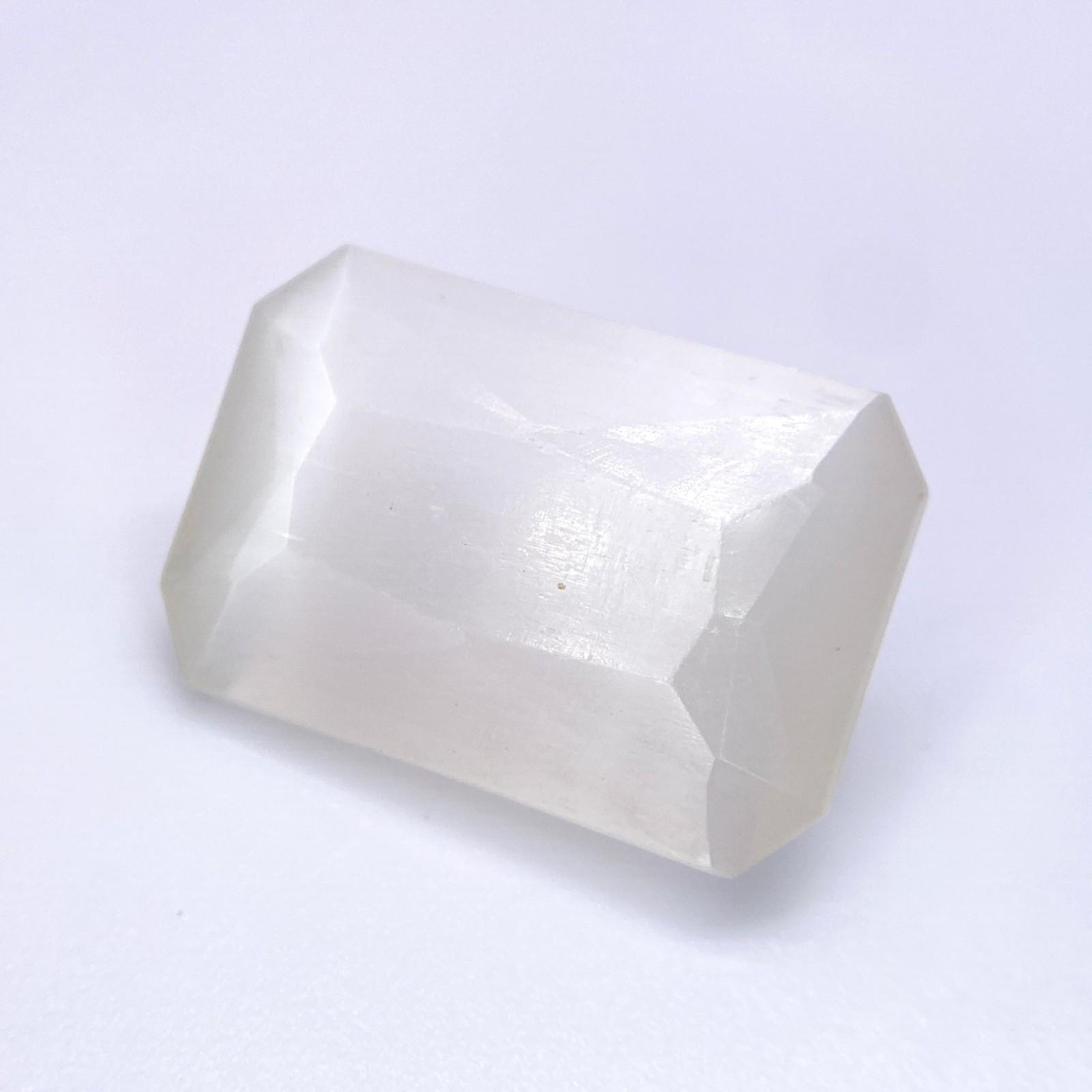
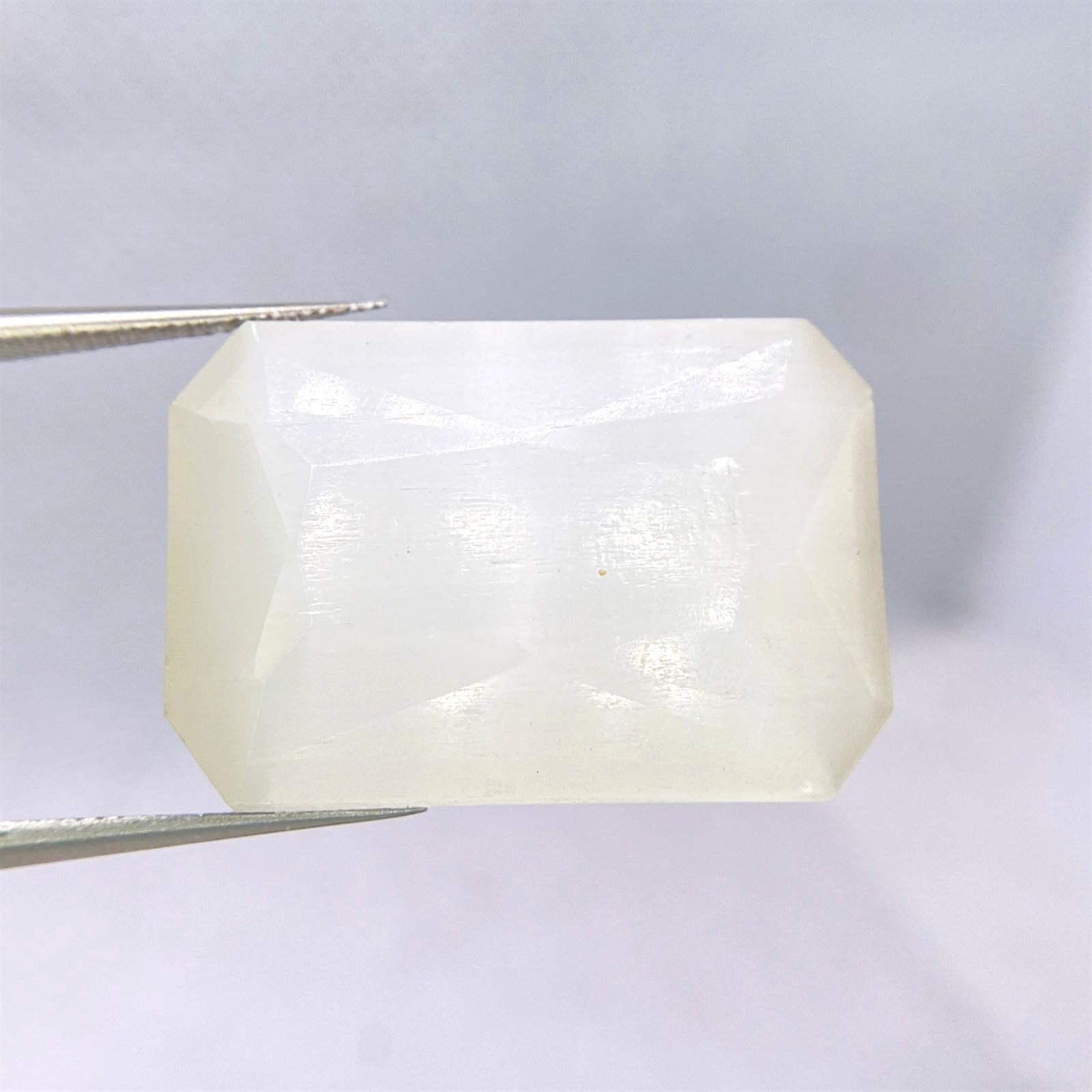
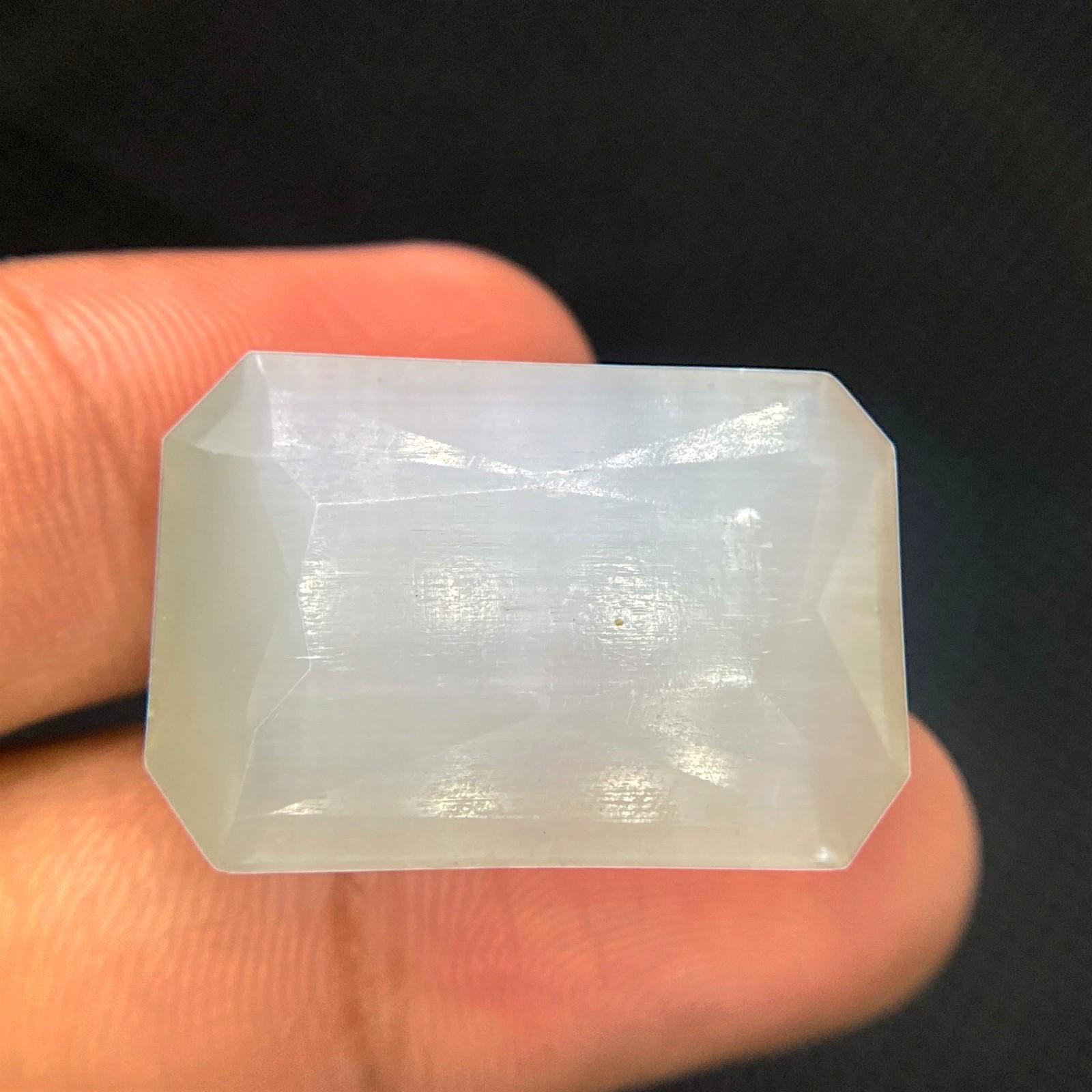


- Freakingcats Gemstone Database
Ulexite
Ulexite is a gemstone that represents the “optical magic” of the borate family. A hydrated sodium calcium borate, it is a mineral I have always found fascinating for its unique fiber-optic properties, which have earned it the nickname “TV Stone.” It typically presents as snow-white, rounded “cotton ball” aggregates or as dense, parallel fibrous masses that possess a silky to pearly luster. For the specialist, Ulexite is a prize of physical phenomena; when a polished slab is placed over a page of text, the internal fibers act like natural fiber-optic cables, projecting the image of the letters onto the top surface of the stone. It is a mineral of the arid desert basins, representing the crystalline legacy of evaporated boron-rich waters. It is a stone of “clarity and projection,” offering a tactile, “fuzzy” beauty in its raw form and a mind-bending optical trick when cut.
The Heritage & Discovery
Historical Significance: Ulexite is a vital species for understanding the complex chemistry of “evaporite” minerals in closed-basin environments. Historically, it was a significant discovery for the emerging boron industry of the 19th century. In the world of fine minerals, it is celebrated for its acicular (needle-like) structure. It stands as a symbol of vision and hidden potential, bridging the gap between common desert salts and the elite world of “phenomenal” collector gems. It serves as a beautiful reminder that nature invented fiber optics eons before human engineers, hiding “projection screens” within the crust of the desert floor.
Discovery: The mineral was first described in 1850 and was named in honor of the German chemist Georg Ludwig Ulex (1811–1883), who provided the first reliable chemical analysis of the species. The type-locality is Iquique, Tarapacá Region, Chile. Scientifically, it is a sodium calcium borate. Its discovery provided mineralogists with the first clear look at a “naturally fibrous” borate, helping to map the unique structural arrangements that occur in the borax marshes of the Americas and Asia.
Important Mines: The legendary source for world-class “TV Stone” Ulexite is Death Valley and the Boron district in California, USA. I also have a high regard for the spectacular “cotton ball” specimens found in the Salinas Grandes of Argentina and the thick, fibrous veins from Bigadiç, Turkey. For the vault, I prioritize the California material for its exceptional “image-transfer” quality and the Turkish specimens for their unmatched thickness and silky luster.
Mineralogical Profile
Description: Ulexite is a hydrated sodium calcium borate that crystallizes in the triclinic system. It sits at a 2 to 2.5 on the Mohs scale, making it a very soft and delicate mineral that must be protected from moisture and abrasion. it is characterized by its silky luster and its snow-white color.
One of its most identifying traits is its fibrous habit—it consists of thousands of hair-like crystals packed together in perfect parallel alignment. It has a low refractive index ($n \approx 1.49$ to $1.52$) and is usually translucent to opaque, except when viewed along the axis of the fibers. Because it is a borate, it is often found in association with Borax, Colemanite, and Halite. When I select a piece for the collection, I look for “even” fiber density and a high-gloss polish on the ends, as these maximize the “projection” effect that makes Ulexite a standout for the systematic specialist. It is a light, sophisticated mineral that offers a unique, “optical” beauty unlike any other borate species.
Chemical Formula: NaCaB5O6(OH)6·5H2O


