
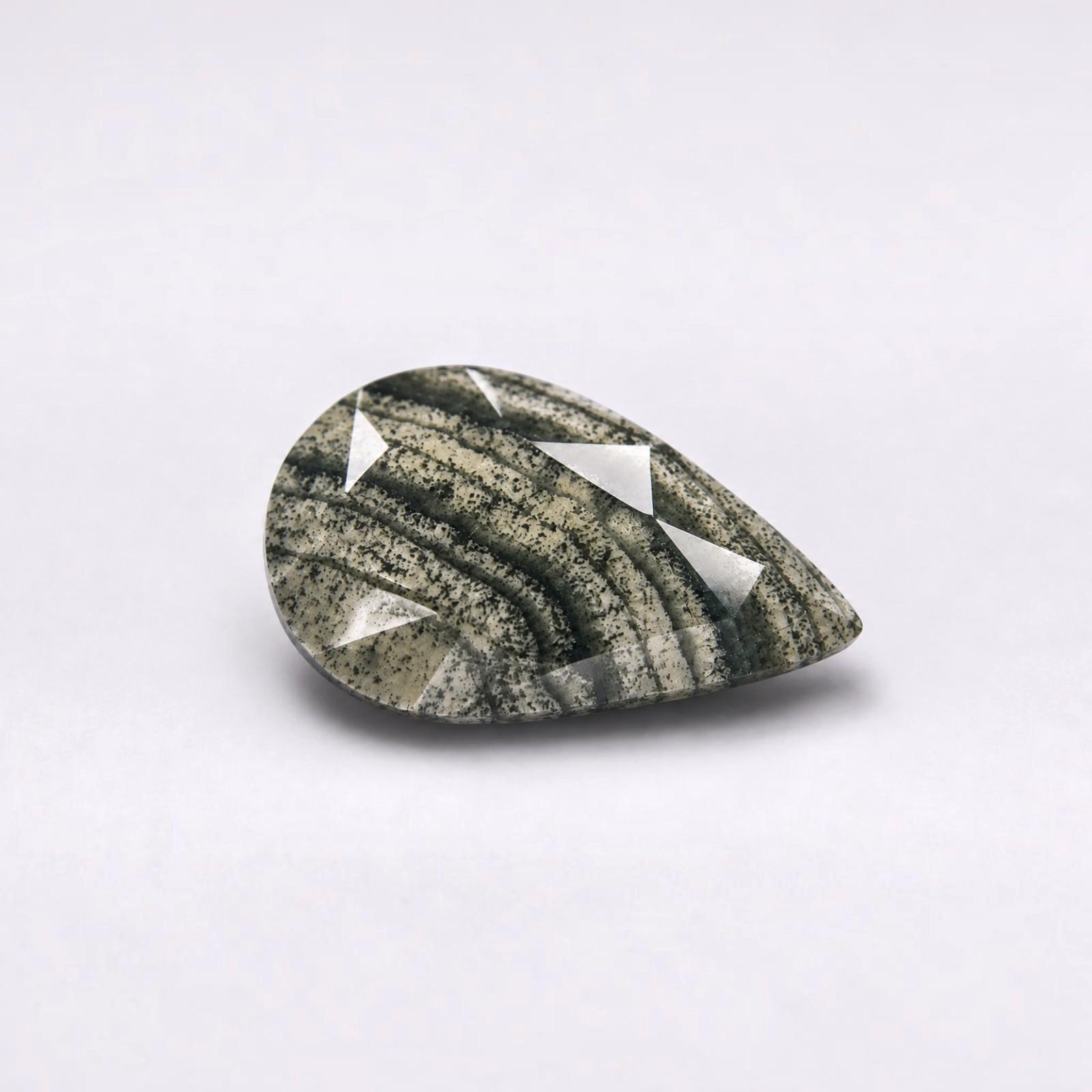
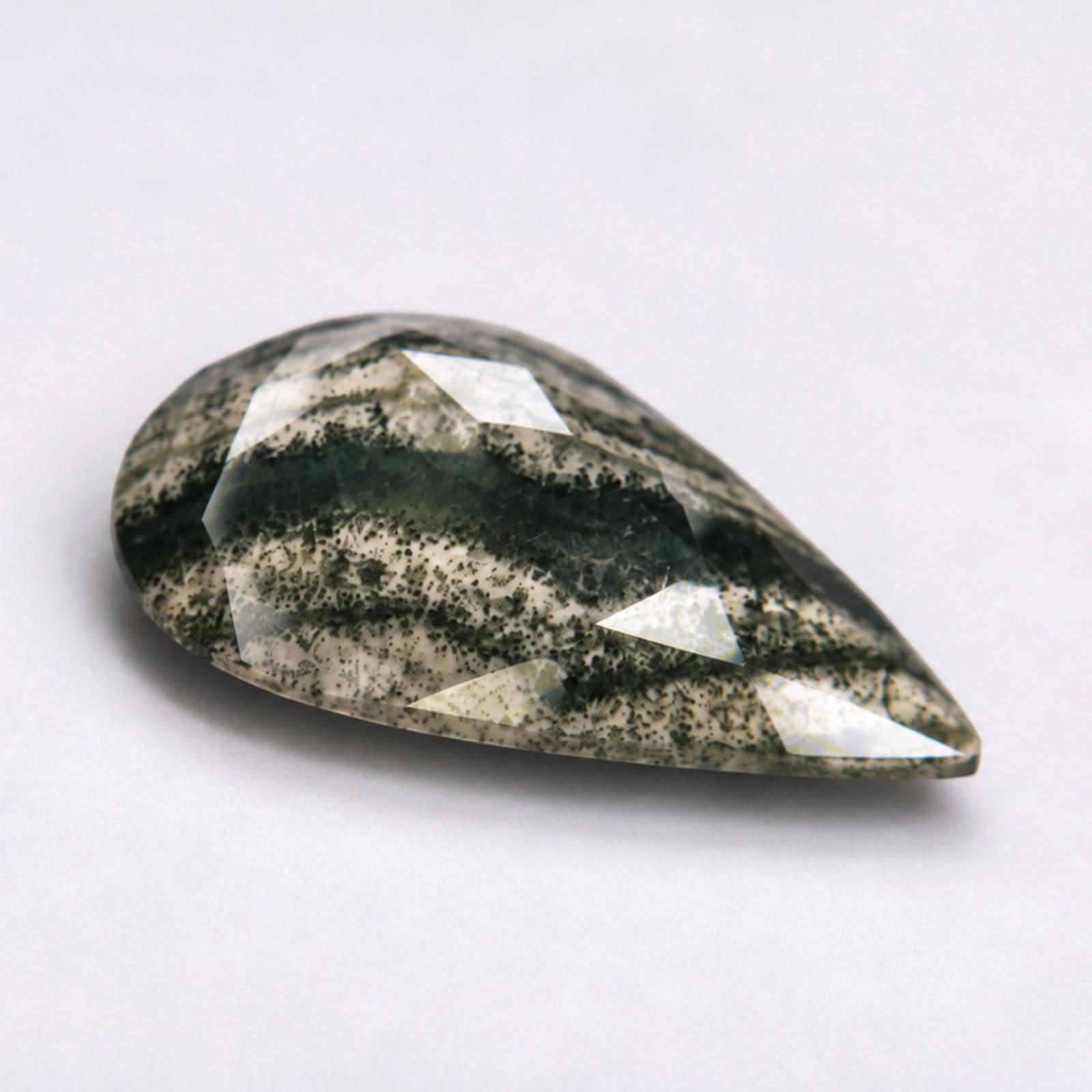
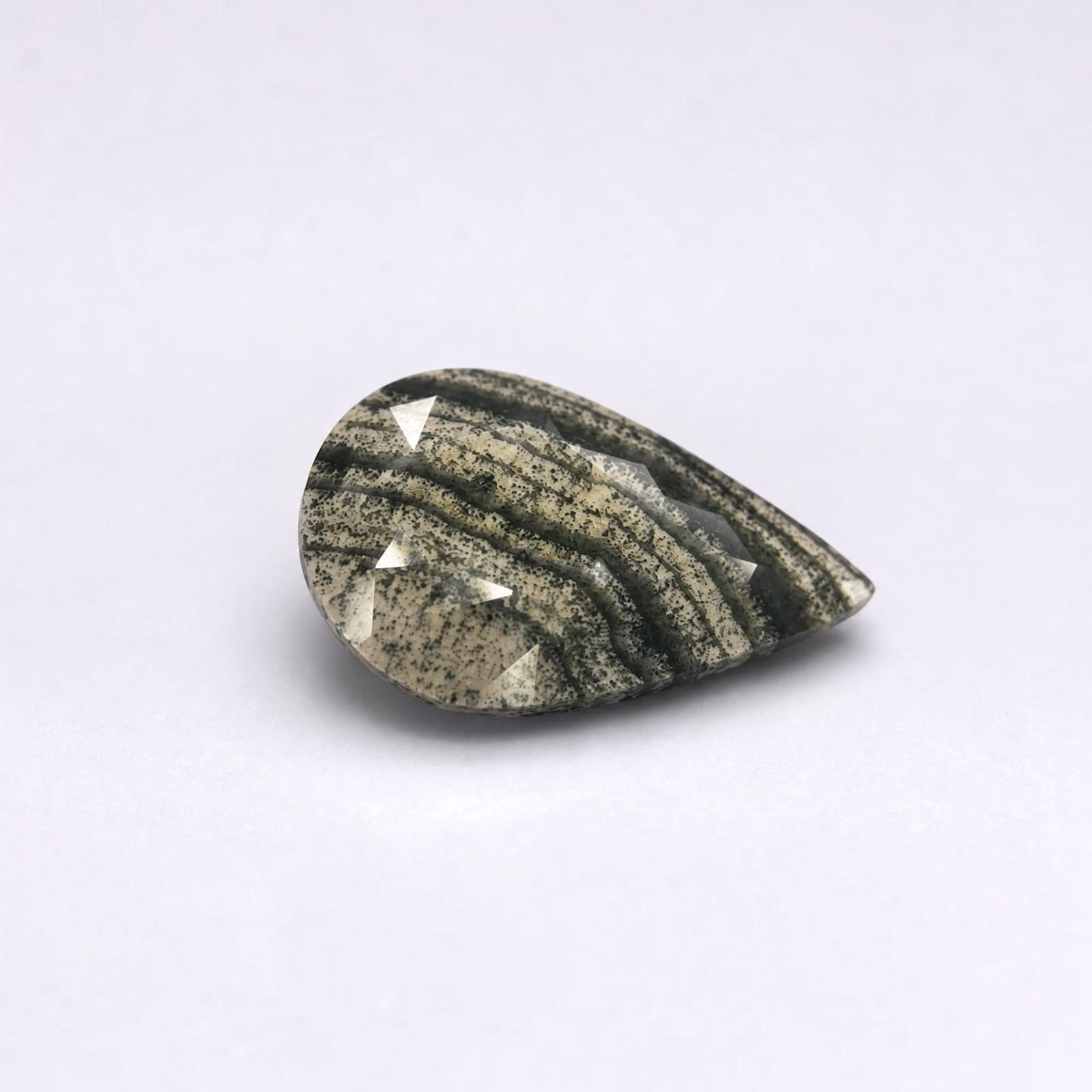
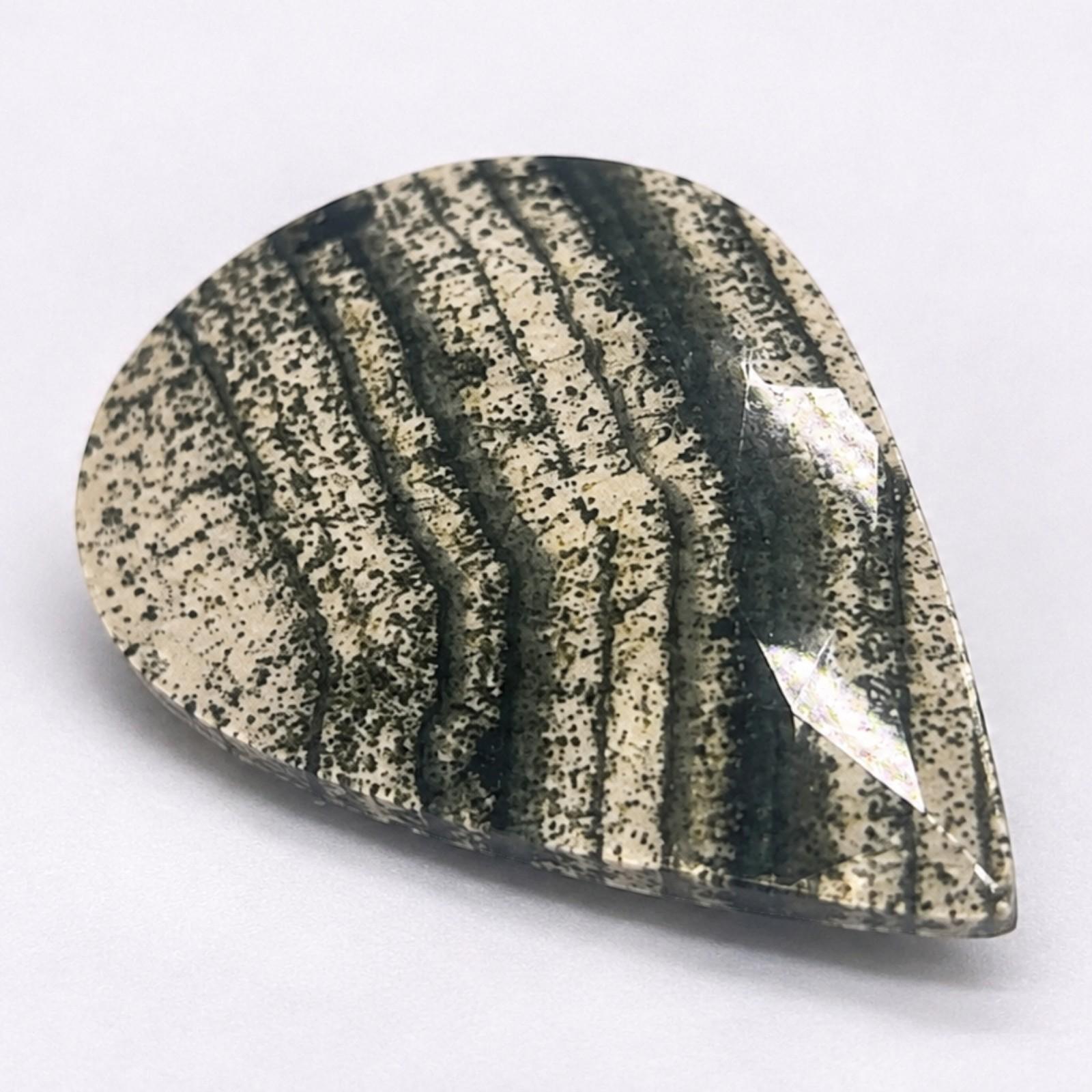
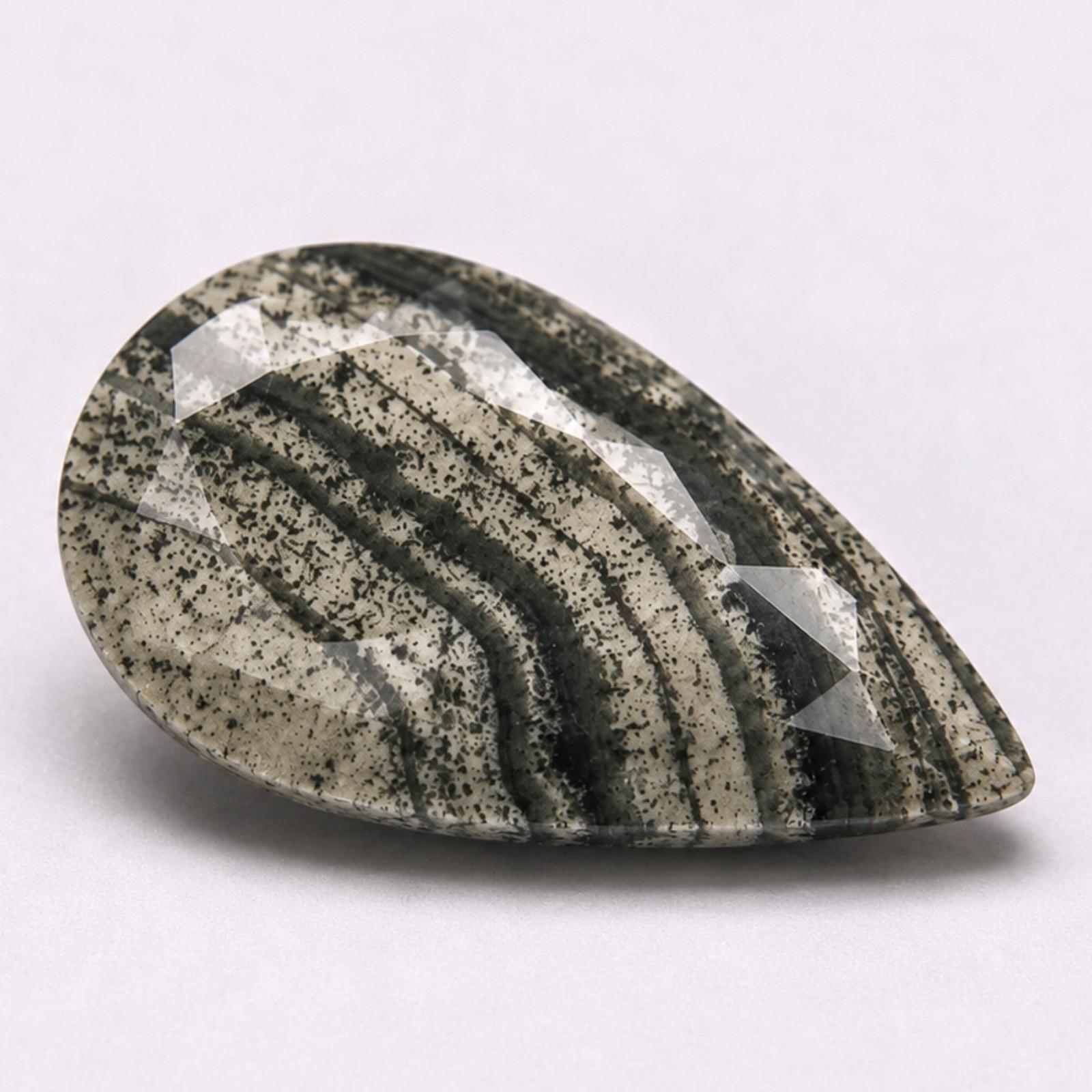
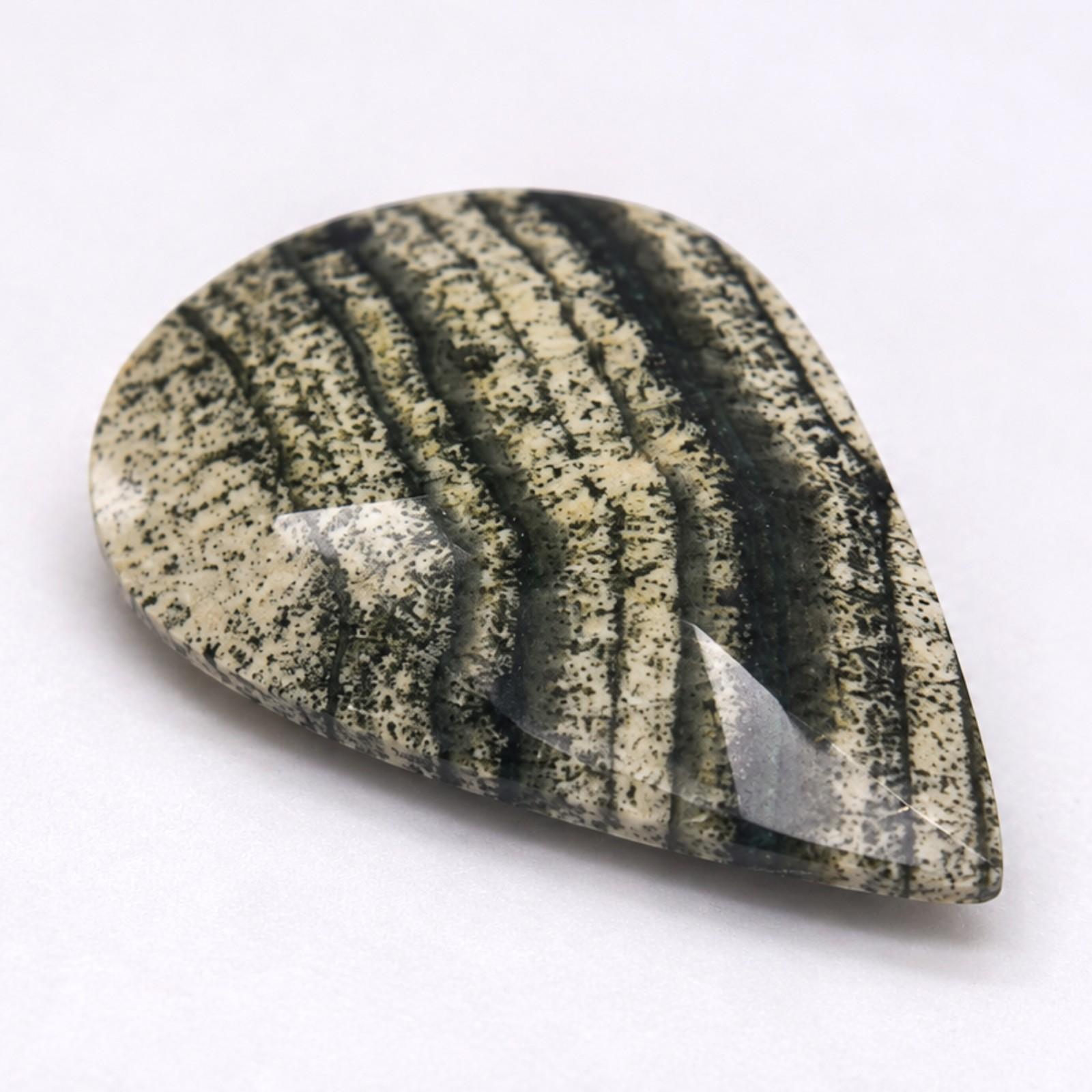
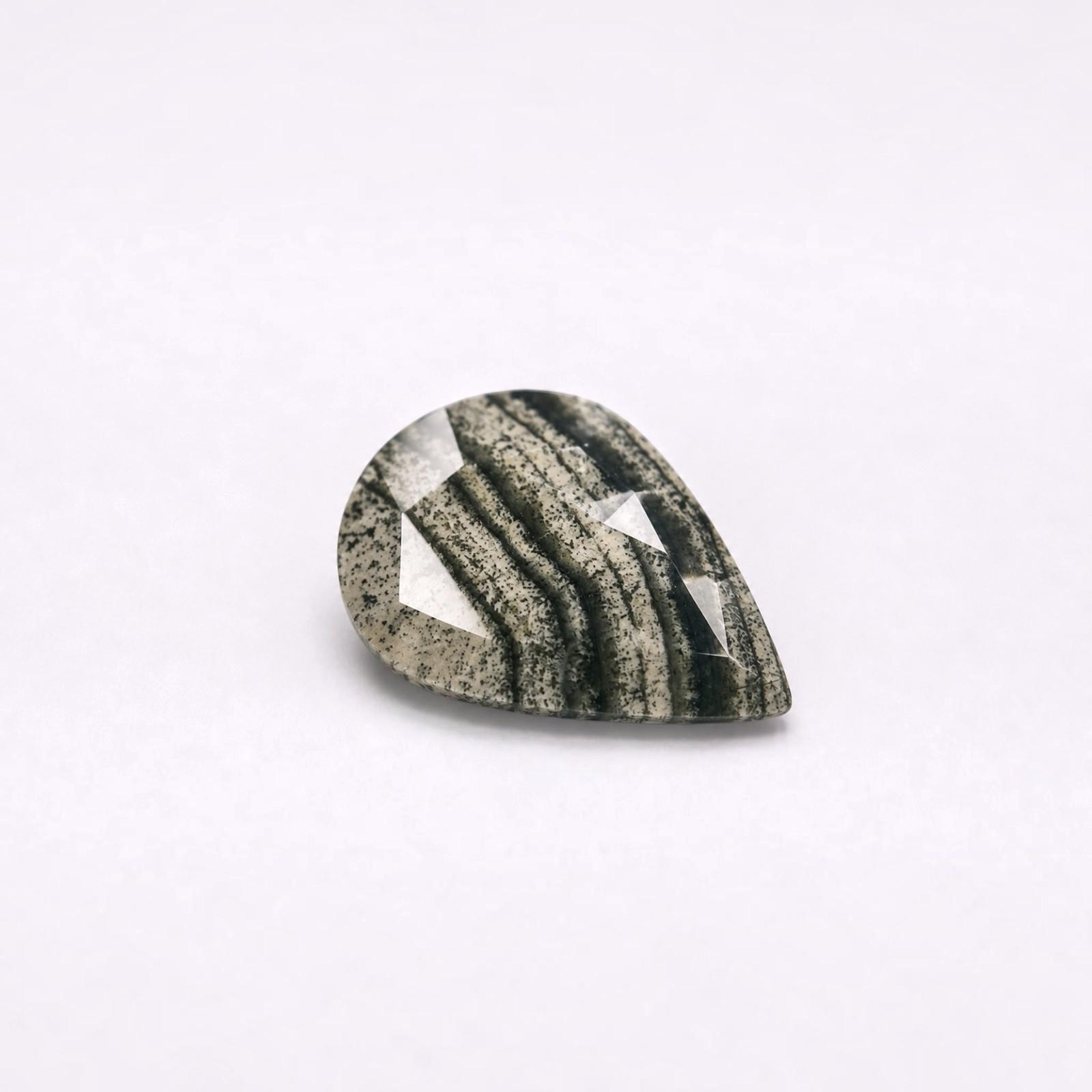
9.67 ct SKARN – USA
EXPERT VERIFIED
- Expert Verified Gemstone
- Fast Handling & Shipping
- Secure Vault Packaging
$ 150
Offer amount Feild


Smart Collector Choice


Pay with Crypto & Get 10% Automatic Discount

Availability: 1 in stock


- Freakingcats Gemstone Database
Skarn (USA)
Skarn assemblages from classic United States localities represent the absolute pinnacle of complex, high-temperature metasomatic replacement. A metamorphic rock dominated by calcium-iron-magnesium-manganese silicates, it is a geological environment I have always respected for its structural diversity, yielding everything from dense, tactile masses to spectacular, well-crystallized pockets of rare species. For the specialist, a top-tier American skarn specimen is a testament to intense hydrothermal fluid migration, offering a highly varied luster from vitreous to resinous, and a robust, grounded presence in any systematic collection. As an artist, I am endlessly fascinated by the intricate, multi-hued intergrowths of deep garnet reds, rich pyroxene greens, and stark calcitic whites—a natural, earthy mosaic that captures the chaotic energy of magma meeting ancient limestone.
The Heritage & Discovery
Historical Significance Skarn environments are vital to our understanding of chemical mass transport and contact metamorphism within the Earth’s crust. Historically, American skarn deposits have played a monumental role in both industrial mining and historical mineralogy. From the revolutionary copper-bearing skarns of the American Southwest to the legendary, hyper-complex zinc-manganese skarns of New Jersey, these zones have provided science with a deep understanding of how aggressive, silica-rich fluids completely remodel host carbonate rocks. In the world of fine minerals, these deposits are celebrated for producing complex, highly distortion-resistant crystal habits that serve as permanent records of extreme subterranean chemistry.
Discovery While the term “skarn” originated in Swedish mining tradition to describe silicate gangue, the exploration of the vast mountain ranges and mining districts of North America completely redefined our global classification of these contact zones. Scientifically, American skarns are categorized by their stark mineral zoning, beautifully transitioning from inner endoskarns to expansive outer exoskarns. The discovery of these localities across the United States provided mineralogists with world-class suites of garnet, pyroxene, epidote, and dozens of exotic accessory minerals. My own fascination with this material grew from studying the complex paragenesis of these zones, where early-stage, high-temperature silicates are frequently overwritten by late-stage, fluid-driven mineral overgrowths, creating an unmistakable depth that tells a complete geological story.
Important Mines The United States boasts several globally significant skarn localities that are legendary among collectors. Chief among them is the Franklin and Sterling Hill district in New Jersey, a world-famous manganese-zinc skarn complex renowned for producing spectacular fluorescent specimens. In the American West, the historic Pine Creek Mine in Bishop, California, and the deep contact zones of Nevada and Arizona have yielded magnificent, collector-grade crystals of andradite garnet, scheelite, and diopside. For the vault, I prioritize specimens that showcase distinct, razor-sharp crystal boundaries and strong color contrast between the participating silicate species, capturing a perfectly preserved snapshot of ancient contact metamorphism.
Mineralogical Profile
Description Skarn is a coarse-grained metamorphic rock formed by metasomatism, typically occurring at the contact zone between a magmatic intrusion and carbonate sedimentary rocks like limestone or dolomite. Because it is a multi-mineral rock rather than a single species, its hardness varies greatly, typically ranging from 5 to 7 on the Mohs scale depending on the dominance of tough silicates like garnet and pyroxene. It displays a wide range of optical properties, from the vitreous, brilliant faces of well-formed crystals to the duller, waxy textures of dense replacement masses.
One of the most defining traits of a classic American skarn is its rich mineral diversity, often presenting perfectly formed dodecahedral garnets or prismatic pyroxene columns tracing old structural fractures and fluid paths. The specific gravity of these assemblages is typically quite high, running between 3.0 and 4.5, reflecting a dense architecture enriched by heavy metals and calc-silicate compounds. Depending on the specific locality, skarn matrices are commonly found in close association with Calcite, Magnetite, Quartz, Epidote, Chalcopyrite, and Wollastonite. When I select an example for documentation, I look for pieces that exhibit sharp, freestanding crystals resting on a cleanly mineralized matrix, as these highlights display the sophisticated, multi-element fluid chemistry that defines a classic skarn’s birth.
Chemical Formula As a complex metasomatic rock rather than a single mineral, skarn is characterized by its signature calc-silicate components, typified by the solid-solution series of Andradite Garnet and Diopside Pyroxene: Ca3Fe3+2(SiO4)3 + CaMgSi2O6


