
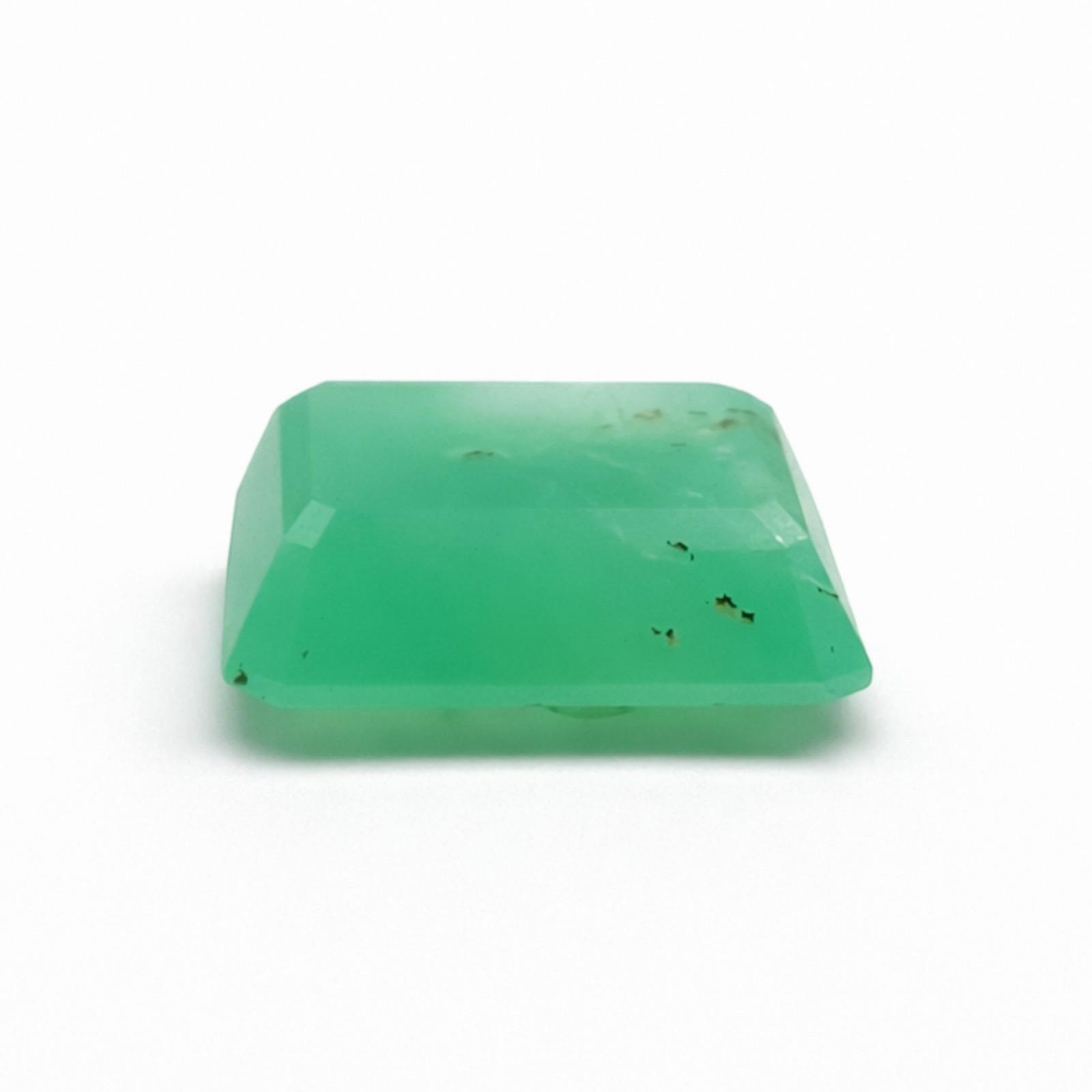
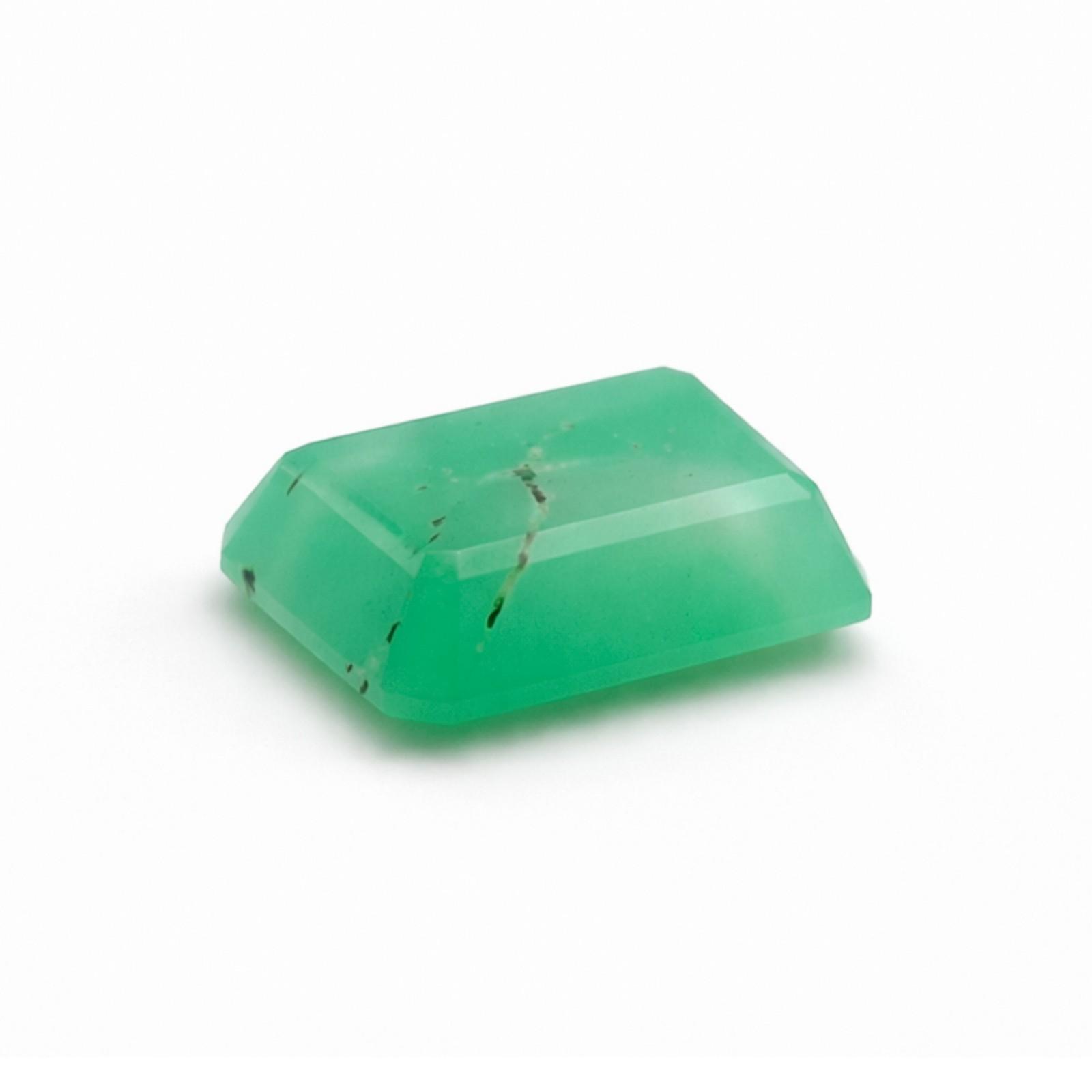
19.01 ct CHRYSOCOLLA – BRAZIL
EXPERT VERIFIED
- Expert Verified Gemstone
- Fast Handling & Shipping
- Secure Vault Packaging
$ 180
Offer amount Feild


Smart Collector Choice


Pay with Crypto & Get 10% Automatic Discount

Availability: 1 in stock
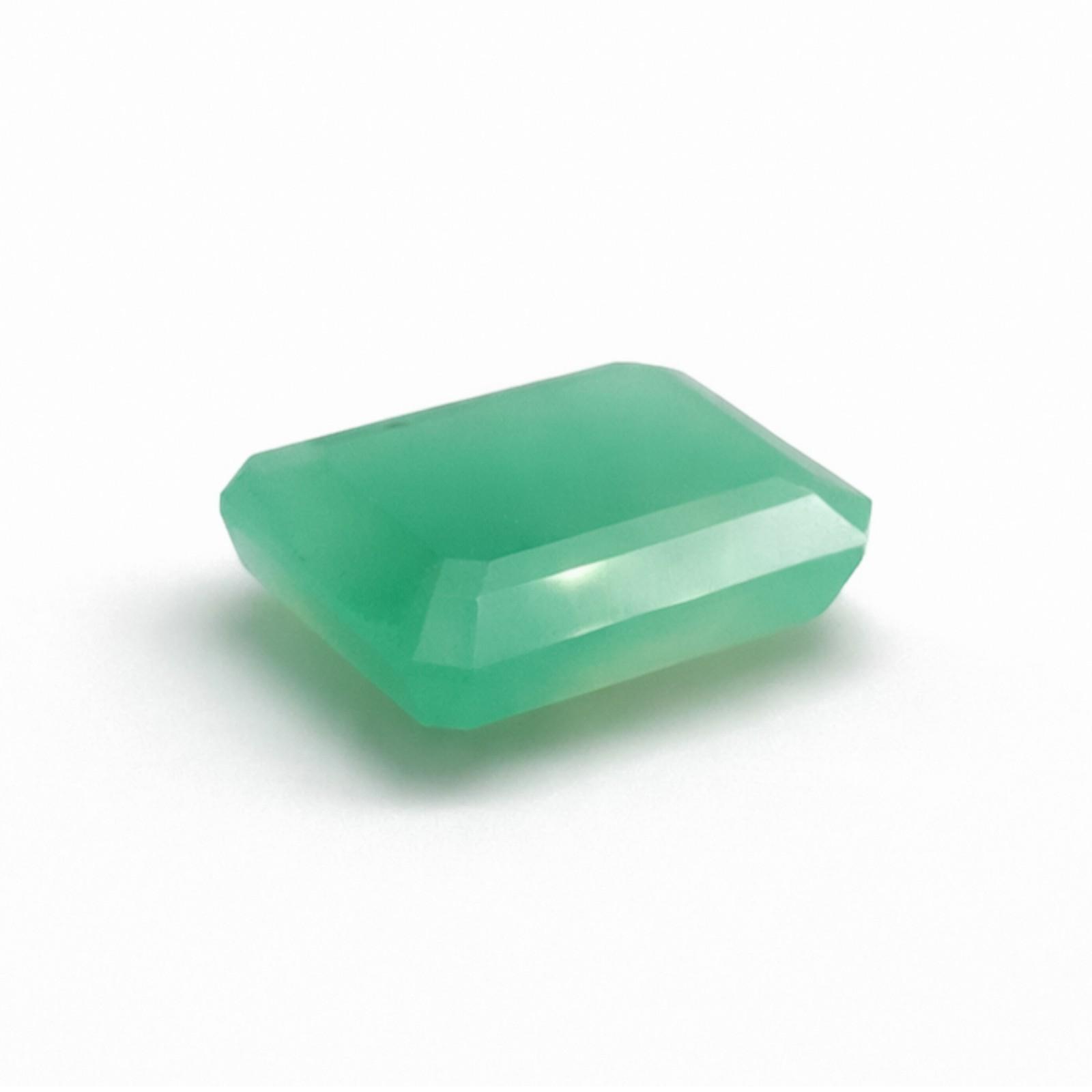
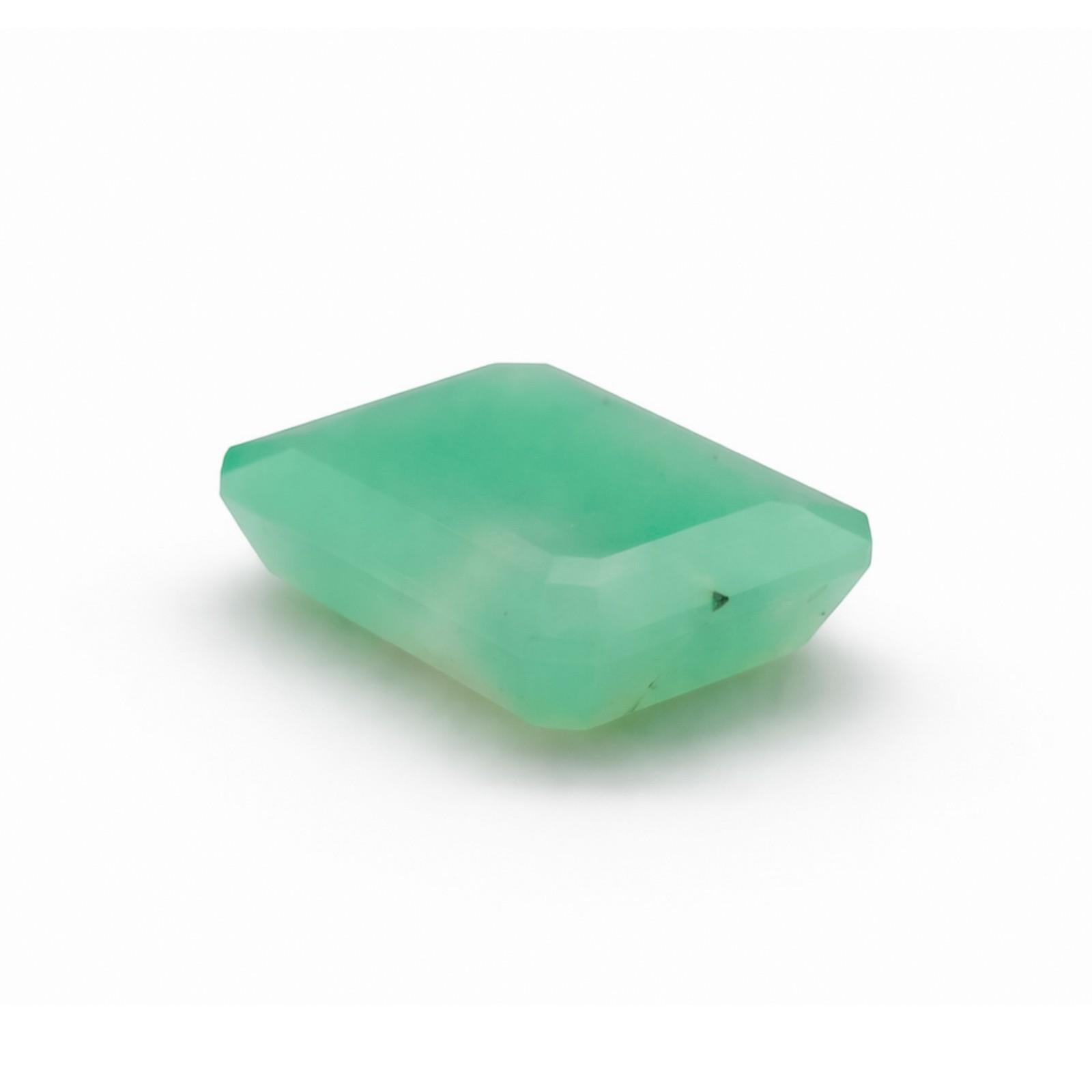
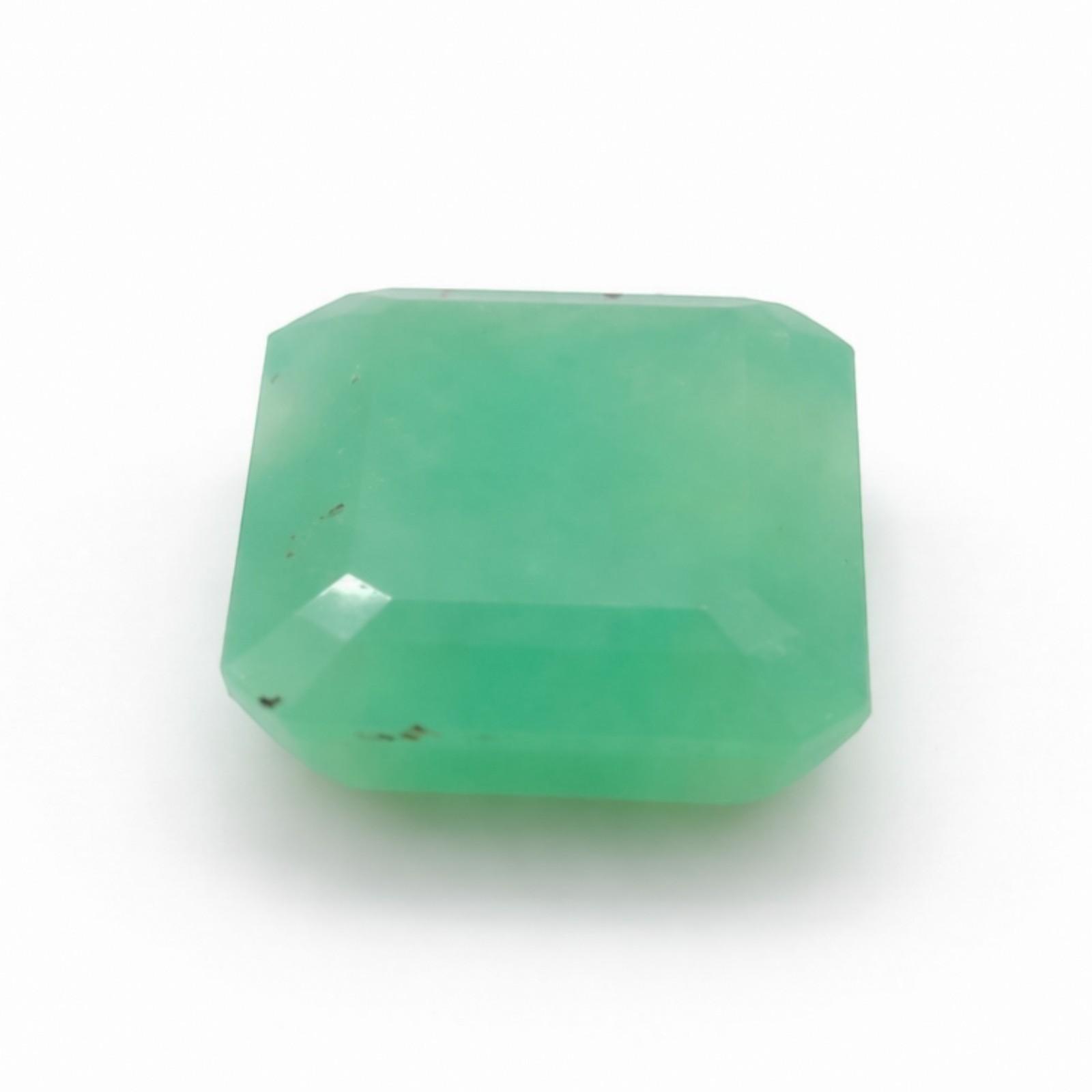
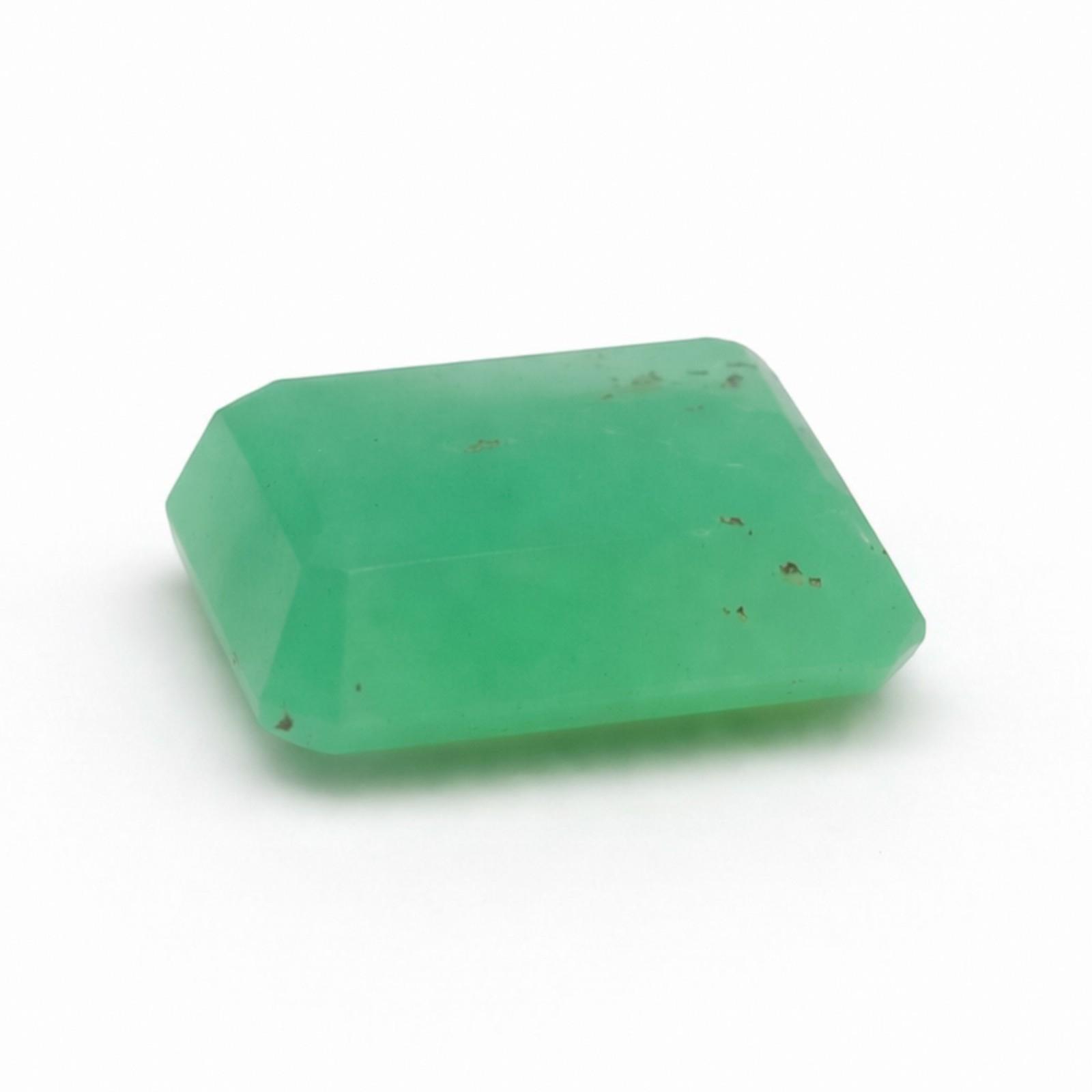


- Freakingcats Gemstone Database
Chrysocolla (Brazil)
Chrysocolla from the copper-rich zones of Brazil represents the “cyan-nebula” peak of the silicate world. A hydrous copper silicate, it is a species I have always respected for its “electric-turquoise” to “deep-teal” saturation and its distinctive, amorphous to botryoidal habit. For the specialist, a top-tier Brazilian Chrysocolla is a prize of secondary enrichment; it offers a vitreous to waxy luster and a “solid” presence that makes it a true “high-vibration” asset for the systematic vault. As an artist, I find the “tropical-water” swirls and the “velvety” textures of these specimens to be one of nature’s most sophisticated and “cooling” palettes.
The Heritage & Discovery
Historical Significance: Chrysocolla is a vital species for understanding the oxidation of copper ore bodies. Historically, it was named from the Greek chrysos (gold) and kolla (glue), as it was used as a soldering agent in ancient goldsmithing. In the world of fine minerals, it is celebrated for its natural, “neon-cyan” pigment, which is unrivaled by almost any other secondary mineral. It stands as a symbol of communication and chemical focus, bridging the gap between common copper ores and the elite world of “hyper-saturated” collector specimens. It serves as a reminder that the Earth’s “reactive” zones can produce the most extraordinary visual results when Copper ($Cu$) and Silica ($Si$) interact.
Discovery: The Brazilian deposits, particularly in the northern and central mining districts, have been documented as essential secondary minerals since the early colonial mining era. Scientifically, it is an amorphous mineraloid, meaning it lacks a traditional crystal lattice. Its discovery in the Minas Gerais and Bahia regions provided mineralogists with the first clear look at the species’ potential for “neon-depth” in massive, botryoidal blankets. My own respect for this material grew from observing its “vibrant” texture; specifically, when it is infused with Quartz (creating “Stellarite”), the visual impact and durability are unmistakable to the trained eye.
Important Mines: While found in many copper districts, the undisputed world capital for the finest, “gem-quality” Chrysocolla in Brazil includes the Itira Mine in Bahia and several smaller localities in Minas Gerais. These South American specimens set the global benchmark for color purity and “solid” saturation. I also have a high regard for the spectacular “electric-blue” finds from the Inca de Oro in Chile and the Ray Mine in Arizona. For the vault, I prioritize the Brazilian material for its unmatched “neon-teal” depth and its frequent association with other “high-vibration” copper minerals like Malachite and Azurite.
Mineralogical Profile
Description: Chrysocolla is a hydrous copper silicate that is technically amorphous, though it often occurs in massive, botryoidal, or stalactitic forms. It sits at a 2 to 4 on the Mohs scale, though when naturally “silicified” by Quartz, its hardness can reach a 7. It is characterized by its vitreous to earthy luster and its unmistakable, “cyan-to-teal” color palette.
One of its most identifying traits is its adherence to the tongue (due to its high water and silica content) and its lack of cleavage. It has a low refractive index (n approx 1.46 to 1.57) and a specific gravity (SG approx 2.0 to 2.4). Because it forms in the oxidation zone of copper deposits, it is almost always found in association with Malachite, Azurite, Cuprite, and Limonite. When I select a piece for the collection, I look for “even” saturation and a “glassy” texture, as these highlight the sophisticated, three-dimensional geometry of the mineral’s growth. It is a light, high-vibration mineral that offers a unique, “oceanic-neon” beauty unlike any other copper species.
Chemical Formula: Cu2-xAlx(H2-xSi2O5)(OH)4 · nH2O


