
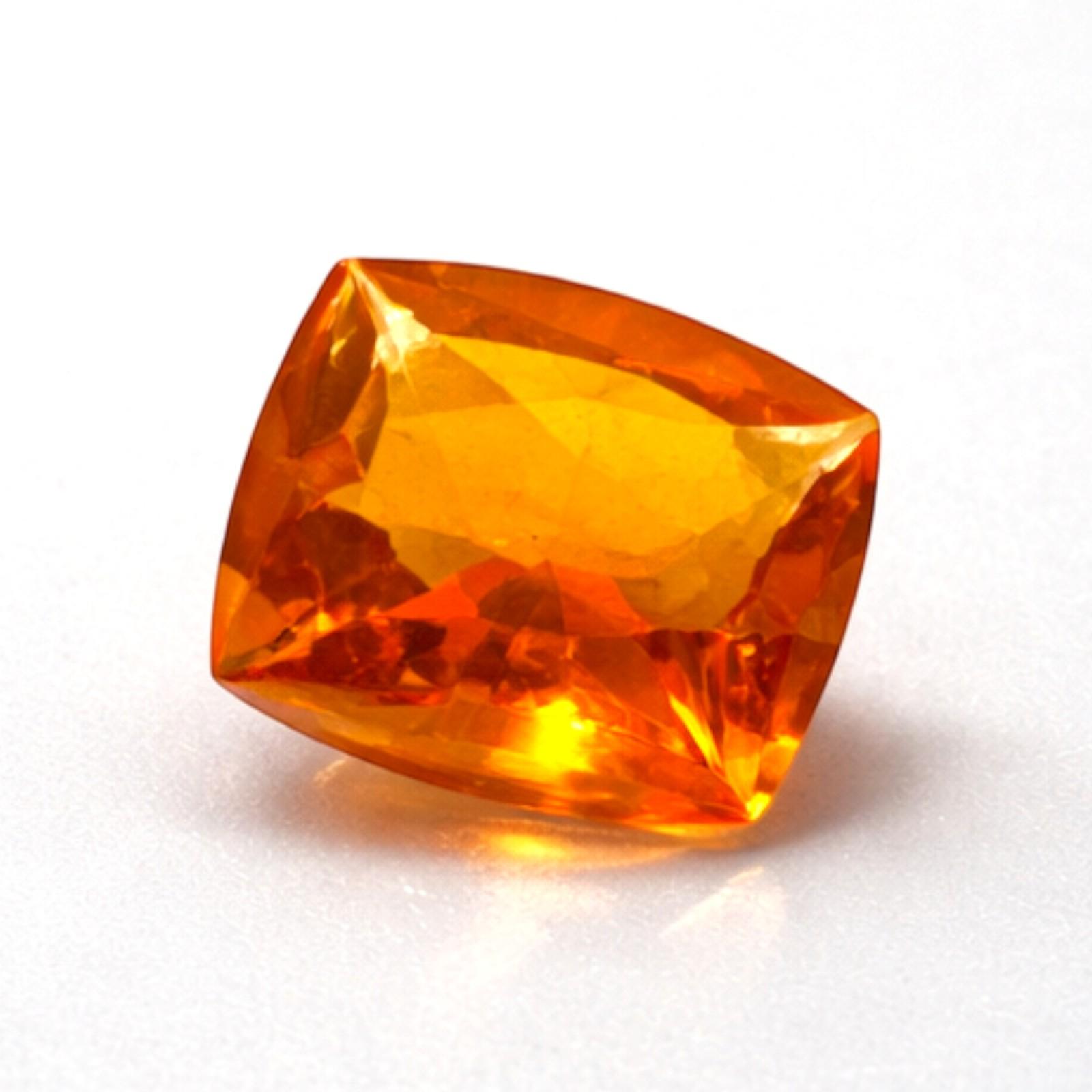
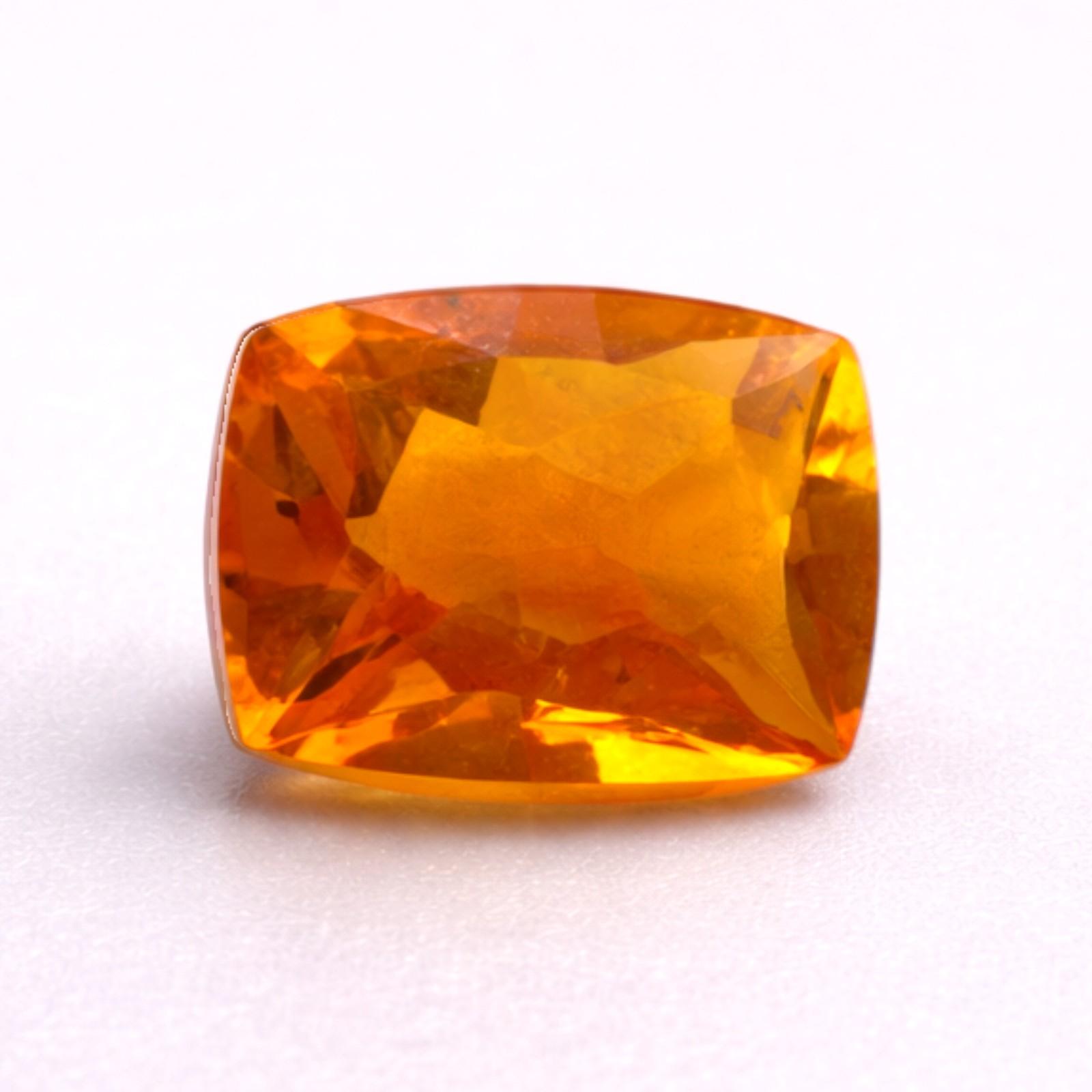
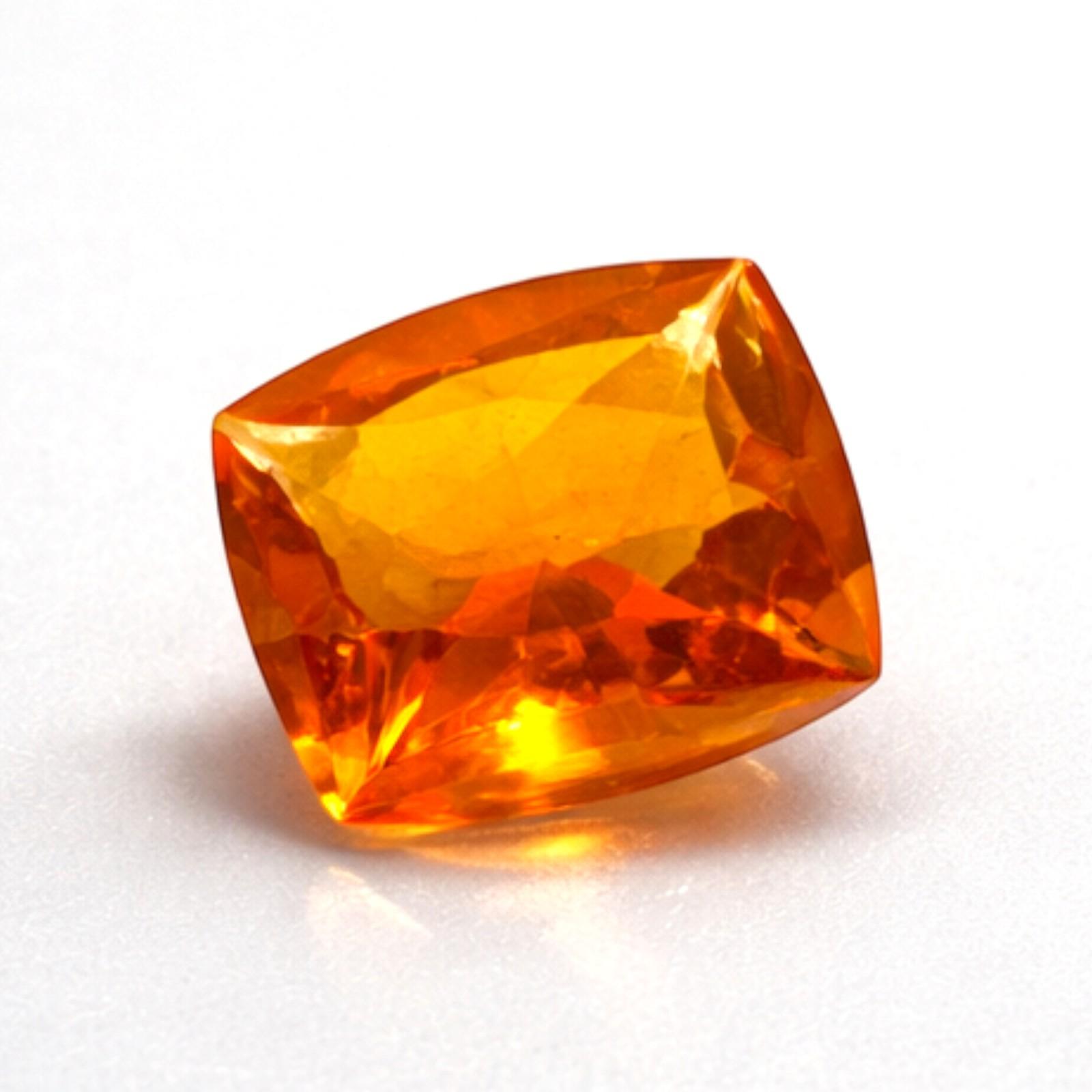
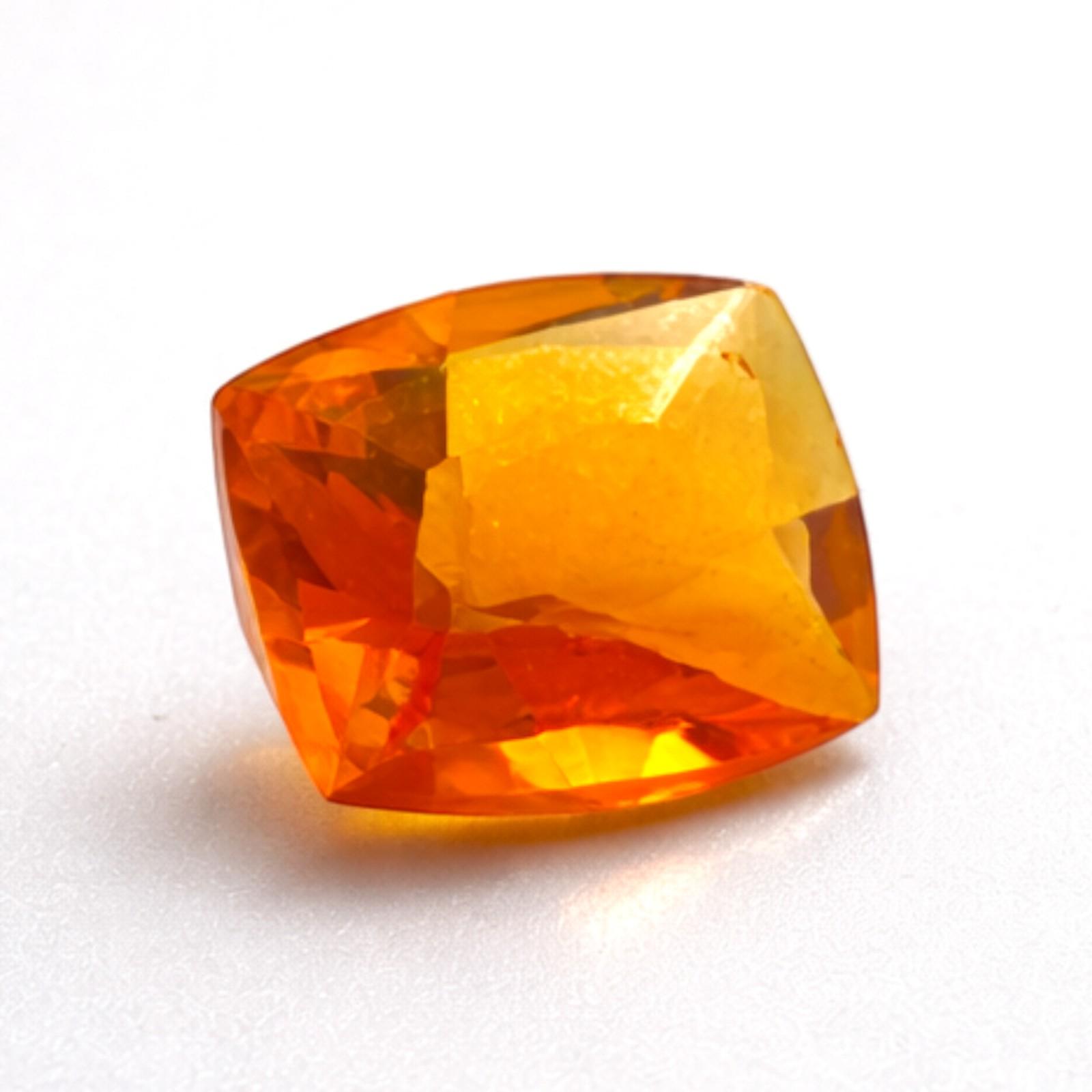
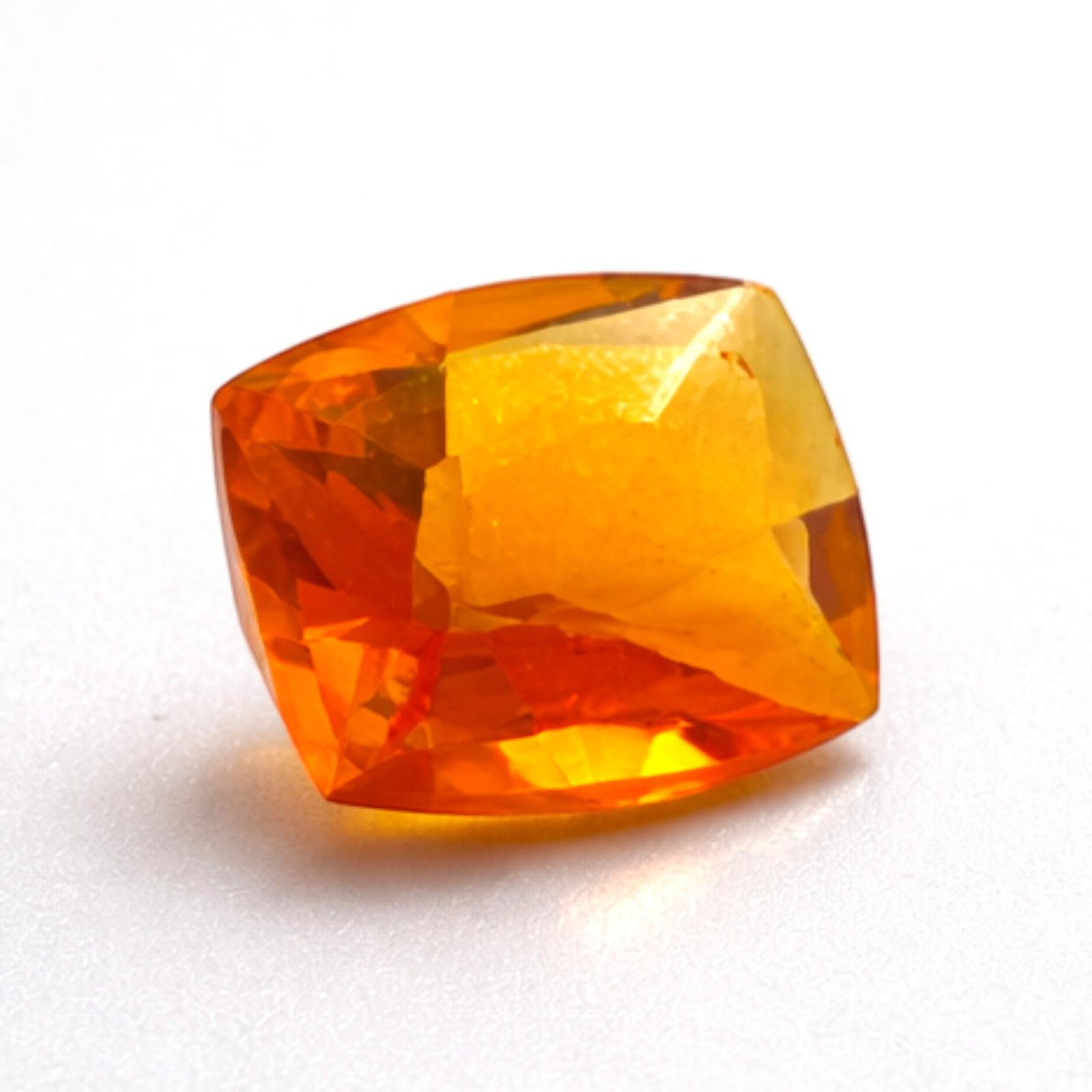
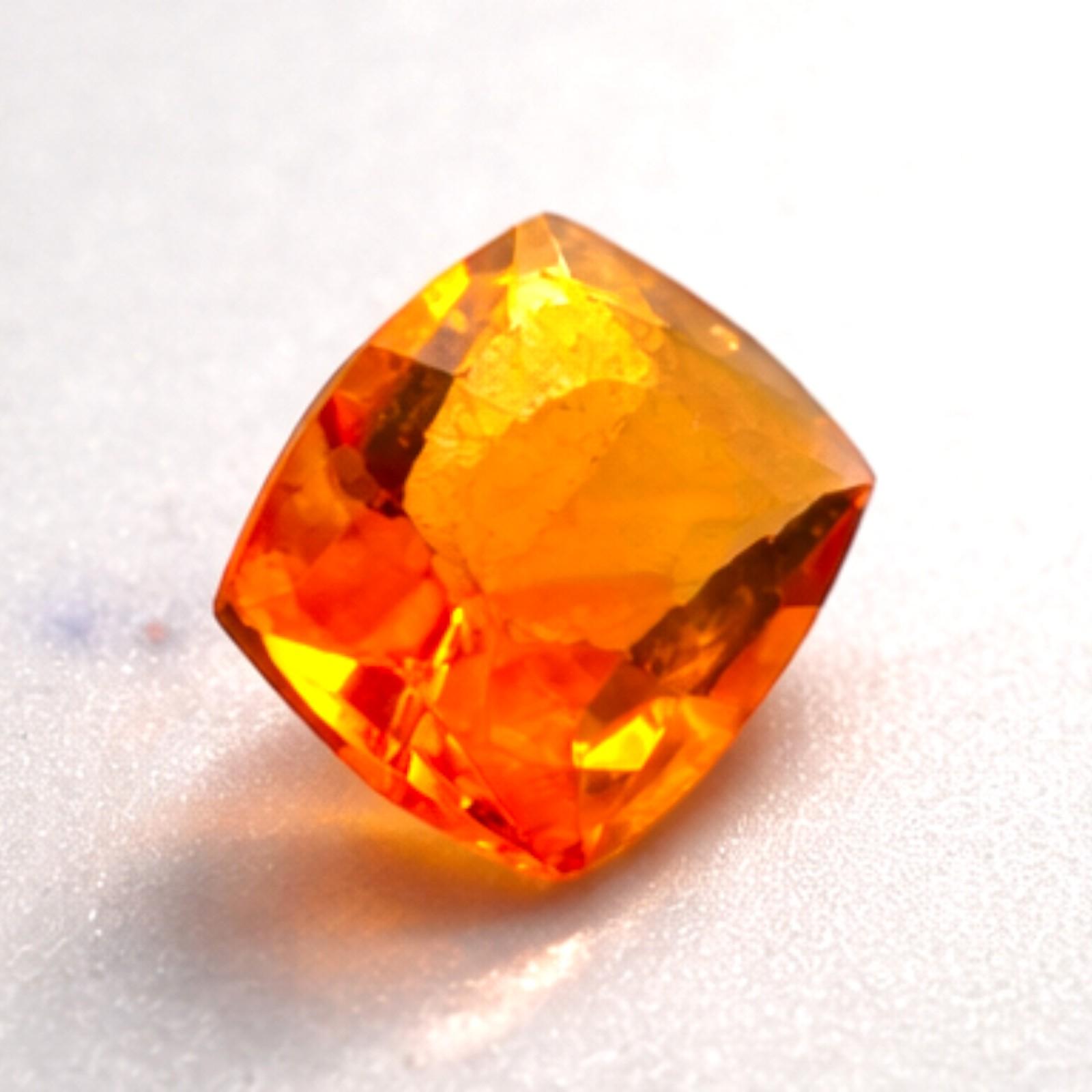
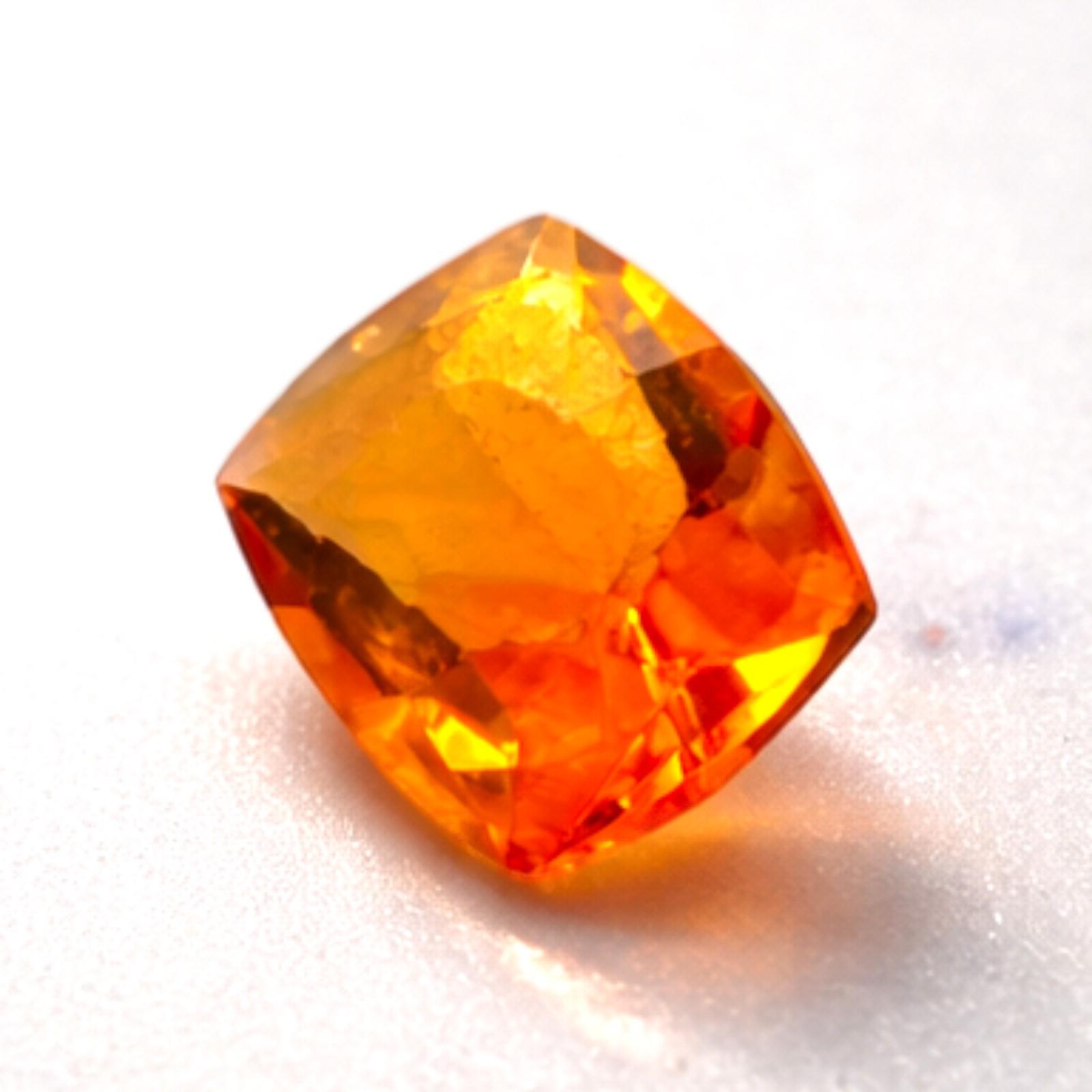
1.55 ct FIRE OPAL – MEXICO
EXPERT VERIFIED
- Expert Verified Gemstone
- Fast Handling & Shipping
- Secure Vault Packaging
$ 160
Offer amount Feild


Smart Collector Choice


Pay with Crypto & Get 10% Automatic Discount

Availability: 1 in stock


- Freakingcats Gemstone Database
Fire Opal (Mexico)
Fire Opal from the high-altitude volcanic fields of the Mexican Highlands represents the “amorphous-neon” peak of the silica world. A hydrated silicon dioxide, it is a species I have always respected for its “electric-tangerine” to “molten-lava” saturation and its status as a masterpiece of “non-crystalline” structural discipline. For the specialist, a top-tier Mexican Fire Opal—specifically from the legendary Querétaro or Jalisco deposits—is a prize of volcanic-hydrothermal focus; it offers a high-vitreous luster and a “luminous” presence that makes it a true “high-vibration” asset for the systematic vault. As an artist, I find the “aqueous-neon” depth and the “spectral” clarity of these specimens to be one of nature’s most sophisticated and “energetic” palettes.
The Heritage & Discovery
Historical Significance Fire Opal is a vital species for understanding the deposition of silica from hot, mineral-rich fluids within volcanic host rocks. Historically, it was cherished by the Aztecs, who called it Quetzalitzlipyollitli (the Stone of the Bird of Paradise). In the world of fine minerals, it is celebrated for its natural, “sunset-neon” pigment, which stands as a symbol of mental clarity and creative integrity. It serves as a reminder that the “violent” rhyolitic history of the Mexican shield can produce extraordinary optical results when silica is forged in the presence of trace iron oxide.
Discovery While Opal is found globally, the “transparent” and “fire-orange” discoveries in Mexico redefined the mineralogical benchmark for the species’ clarity and body color. Scientifically, it is a mineraloid. Its discovery in the Querétaro and Jalisco states provided mineralogists with the first clear look at the species’ potential for “water-clear,” facet-grade material that relies on its vivid body color rather than just the “play-of-color” seen in Australian varieties. My own respect for this material grew from observing its “chromatic” depth; specifically, the way a top-tier Fire Opal handles light—often appearing to “glow” from within as if it were a trapped ember—is a visual impact that is unmistakable to the trained eye.
Important Mines The undisputed world capitals for the finest “aesthetic” Fire Opal are the Querétaro and Magdalena districts in Mexico. These specimens set the global benchmark for color purity and “sharp” transparency, often found nestled within a contrasting “rhyolite” matrix. I also have a high regard for the spectacular finds from the Santa Maria del Oro area. For the vault, I prioritize the Jalisco material for its unmatched “neon-tangerine” saturation and its status as a rare-location masterpiece of North American mineralogy.
Mineralogical Profile
Description Fire Opal is a hydrated silicon dioxide that is amorphous, meaning it lacks a definite crystal structure. It sits at a 5.5 to 6.5 on the Mohs scale, making it a relatively soft mineraloid that must be handled with care to preserve its “glassy” surfaces and avoid “crazing” or dehydration. It is characterized by its vitreous luster and its unmistakable, “bright-orange to cherry-red” color palette.
One of its most identifying traits is its conchoidal fracture and its association with volcanic host rocks (rhyolite). It has a lower refractive index (n approx 1.44 to 1.46) and a specific gravity (SG approx 1.9 to 2.1) that reflects its high water content (up to 10% or more). Because it forms in the cavities of volcanic rocks, it is often found in association with Chalcedony, Tridymite, and Cristobalite. When I select a piece for the collection, I look for “pure” transparency and the rarest “electric-orange” saturation, as these highlight the sophisticated, three-dimensional depth of the mineraloid’s formation. It is a light, high-vibration material that offers a unique, “aqueous-neon” beauty unlike any other silica variety.
Chemical Formula SiO2 · nH2O


