
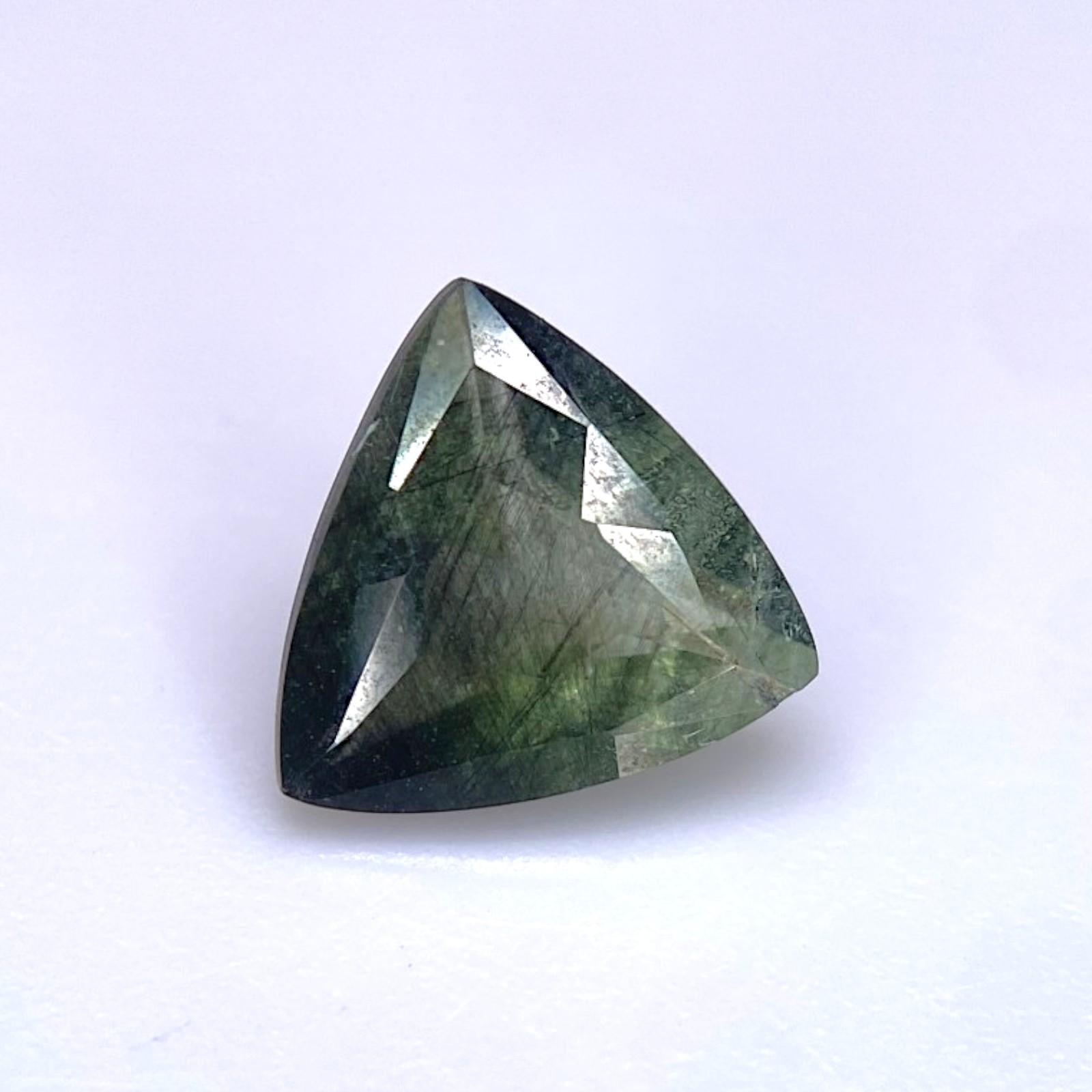
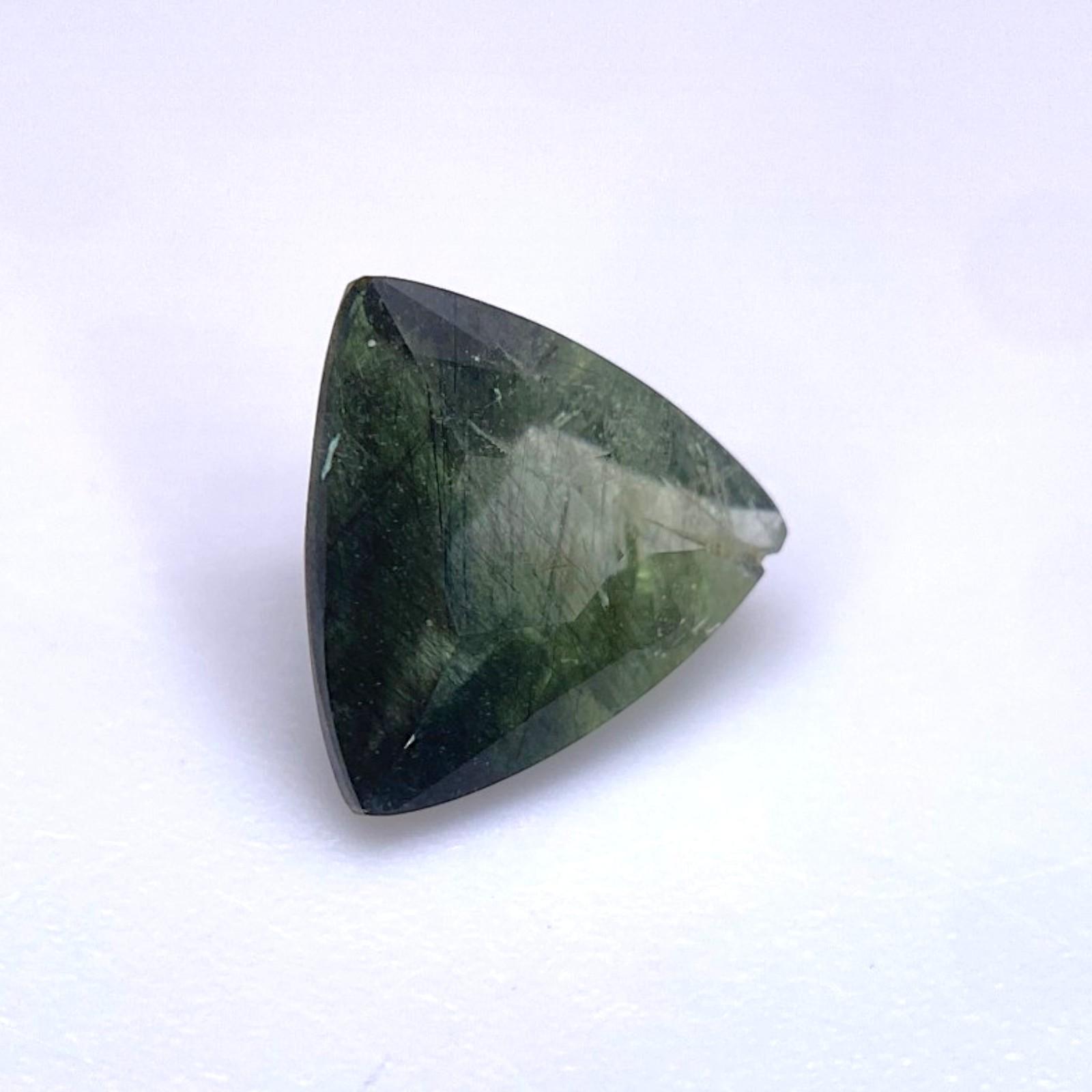
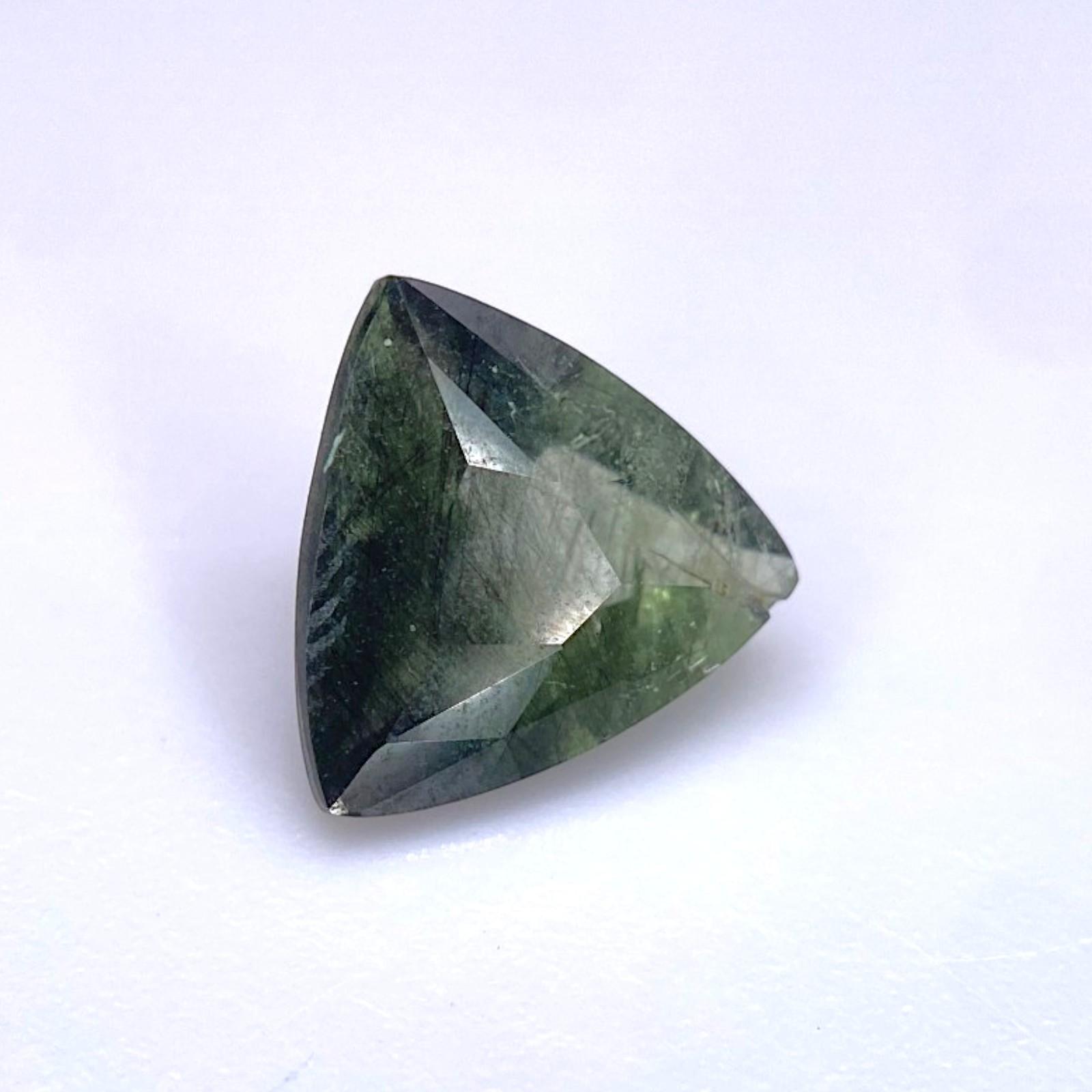
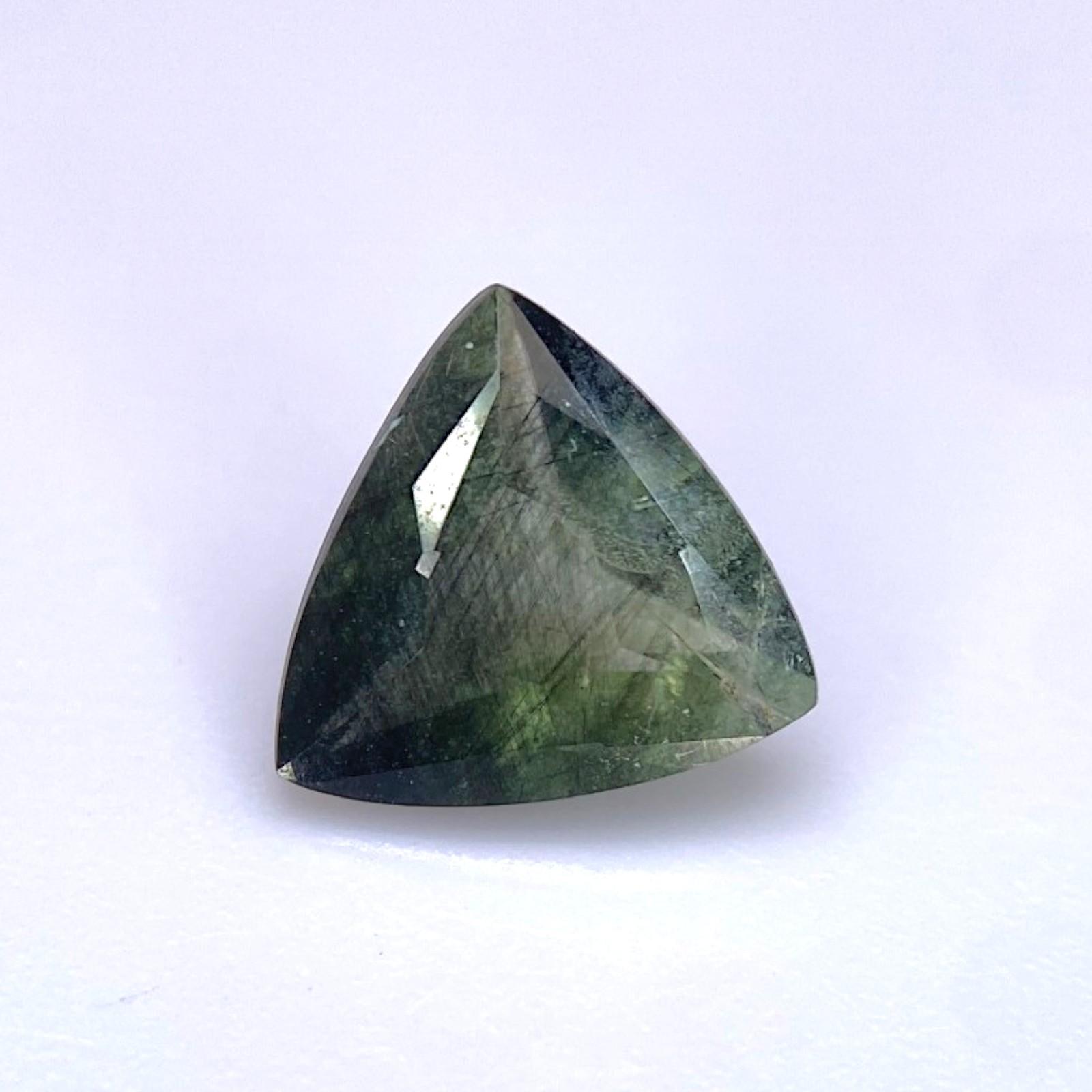
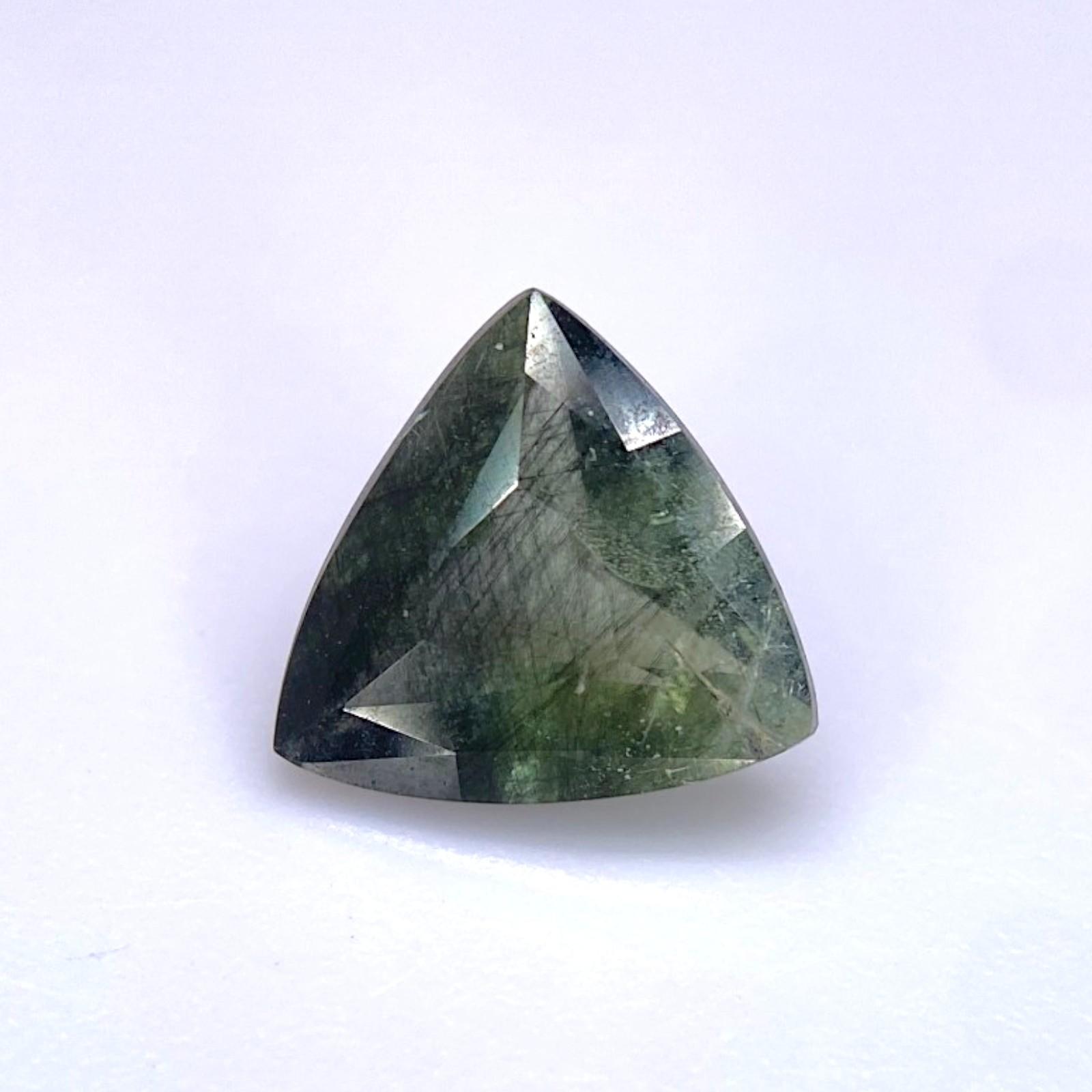
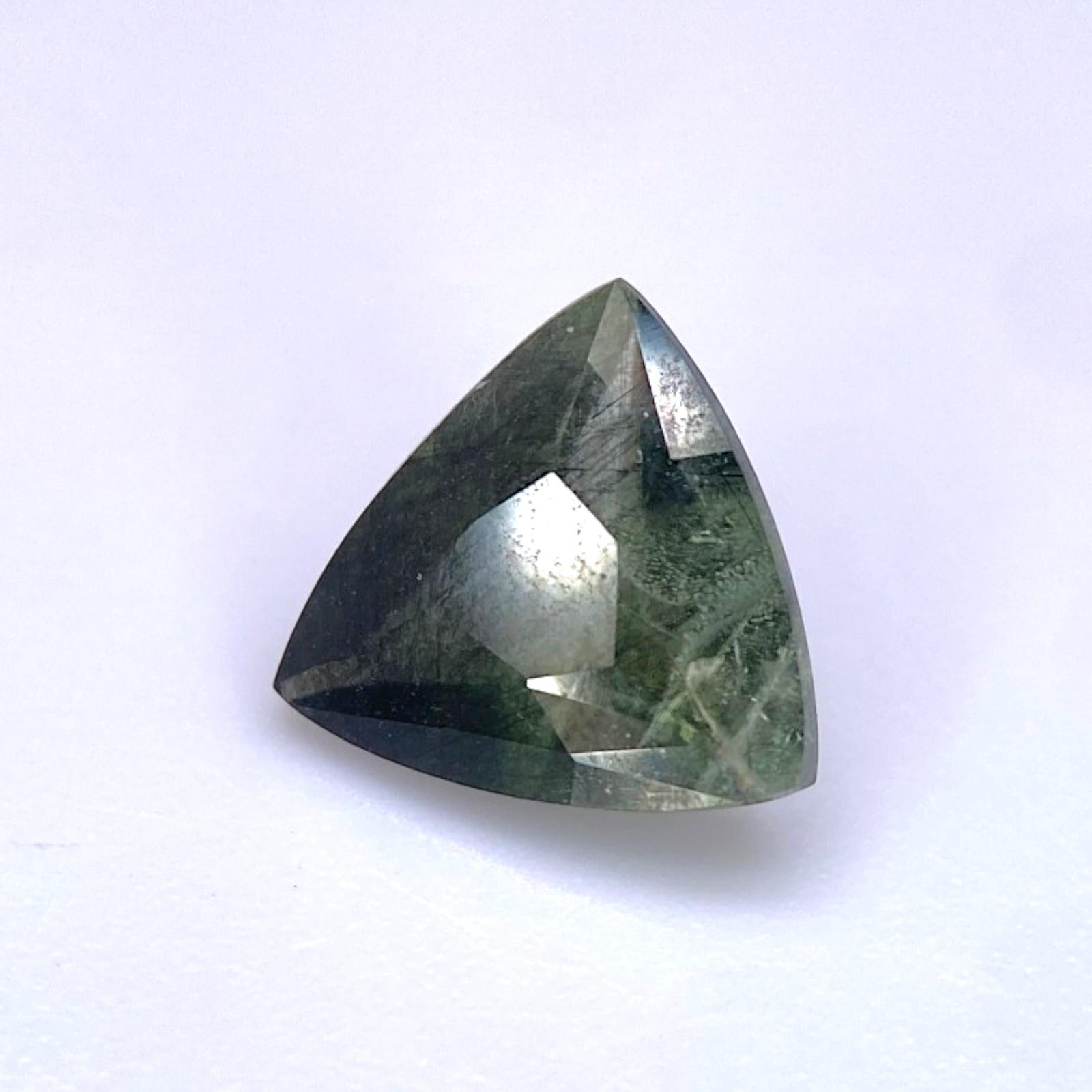
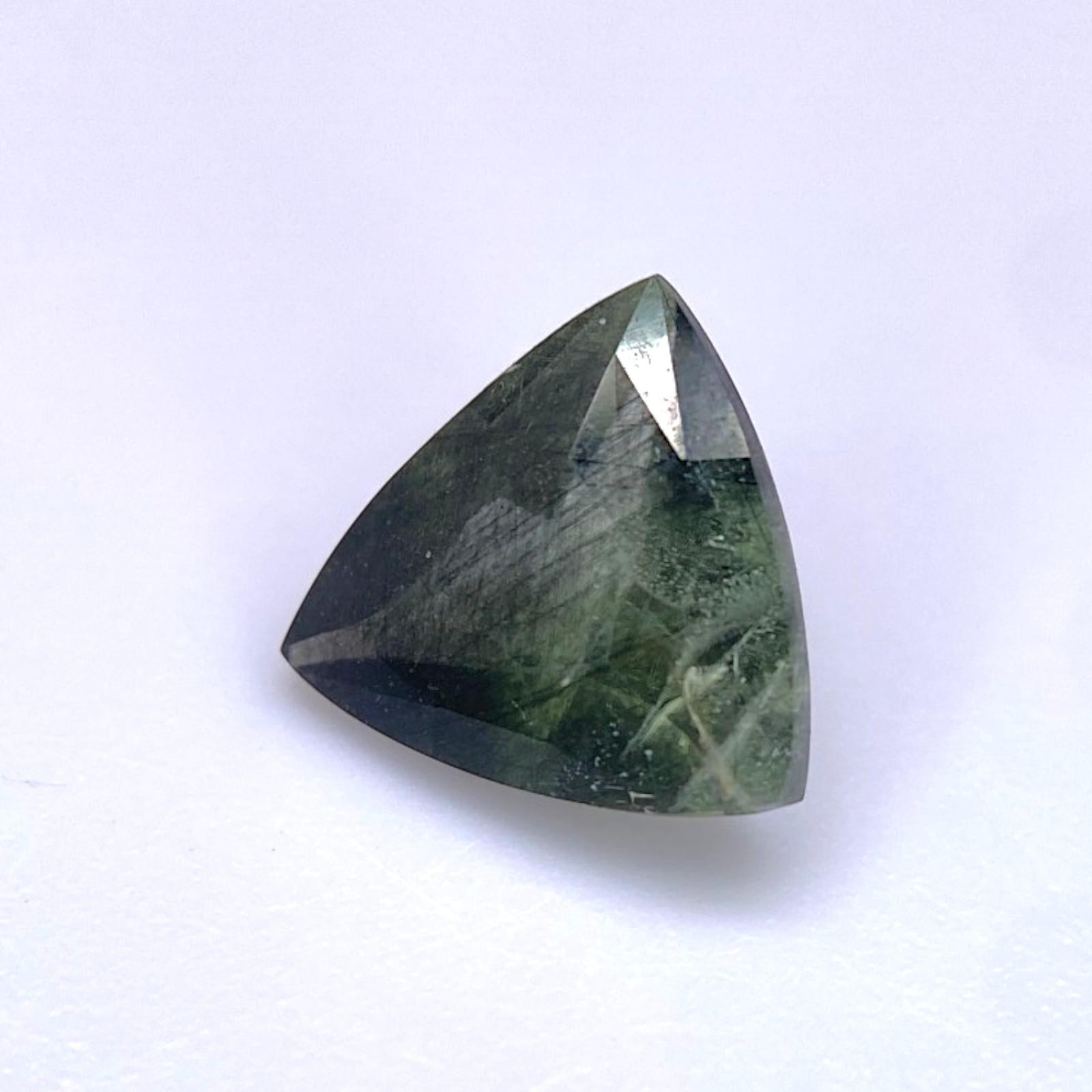
2.45 ct LUDWIGTITE – PERIDOT – BRAZIL
EXPERT VERIFIED
- Expert Verified Gemstone
- Fast Handling & Shipping
- Secure Vault Packaging
$ 180
Offer amount Feild


Smart Collector Choice


Pay with Crypto & Get 10% Automatic Discount

Availability: 1 in stock


- Freakingcats Gemstone Database
Peridot with Ludwigite Inclusions (Brazil)
Peridot featuring rare Ludwigite inclusions from the specialized localized deposits of Brazil represents the “magnesium-iron-borate-silicate” peak of the olivine world. A magnesium iron silicate matrix hosting a rare magnesium-iron borate mineral, it is a combination I have always respected for its “vivid-lime-green” to “olive-neon” background and its status as a masterpiece of “inclusion-driven” structural discipline. For the specialist, a top-tier Brazilian Peridot with verified Ludwigite needles is a prize of extreme chemical complexity; it offers a high-vitreous luster and a “luminous” presence that makes it a true “high-vibration” asset for the systematic vault. As an artist, I find the stark contrast between the bright, “aqueous-green” depth of the host crystal and the “deep-charcoal” to “metallic-black” spray of Ludwigite needles to be one of nature’s most sophisticated and “strikingly linear” palettes.
The Heritage & Discovery
Historical Significance Peridot (Olivine) is a vital species for understanding the mineralogy of the upper mantle and deep magmatic environments. Historically, while classic locations like St. John’s Island or Pakistan have produced legendary large crystals, Brazil has established a distinct reputation among specialized collectors for producing unique inclusion profiles. In the world of fine minerals, the addition of Ludwigite elevates a standard specimen to a natural, “needle-spray” brilliance, which stands as a symbol of alignment and structural integrity. It serves as a reminder that when boron-rich fluids interact with magnesium-silicate environments under intense thermal pressure, they can weave an extraordinary tapestry of metallic dark needles straight through a vibrant green crystal matrix.
Discovery While Ludwigite inclusions within olivine are famously associated with specific deposits in Pakistan, the unique “gem-grade” discoveries in Brazil provided mineralogists with a completely new window into South American regional chemistry. Scientifically, Ludwigite is a magnesium-iron borate oxide. Its discovery as stable, highly defined needle-like inclusions within Brazilian peridot pockets provided the first clear look at the species’ potential to survive intact within highly chaotic igneous environments. My own respect for this material grew from observing its “internal” depth; specifically, the way the stark black needles align in starburst patterns or dense parallel tracks—acting like a structural framework inside the lime-green light—presents a visual impact that is unmistakable to the trained eye.
Important Locations The undisputed world capitals for the finest “aesthetic” inclusion-bearing Peridot in South America are the complex alluvial and pegmatitic fields within the Minas Gerais and Bahia regions of Brazil. These specimens set the global benchmark for color purity and “sharp” inclusion definition, often found as deeply etched nodules or rounded crystals that reveal their dark inner secrets only upon expert illumination. For the vault, I prioritize the Brazilian material for its unmatched “neon-olive” contrast and its status as a rare-association masterpiece of South American mineralogy.
Mineralogical Profile
Description Peridot is a magnesium iron silicate that crystallizes in the orthorhombic system, while the enclosed Ludwigite is a magnesium-iron borate that forms opaque, slender prismatic crystals or radiating acicular groups. The peridot matrix sits at a 6.5 to 7 on the Mohs scale, providing a durable defensive shield around the much more brittle Ludwigite needles (which sit at a 5), meaning the specimen preserves its intricate internal topography safely beneath smooth, vitreous surfaces. It is characterized by its vitreous luster and its unmistakable, “yellowish-green to rich-lime” color palette punctuated by dark, sub-metallic signatures.
One of its most identifying traits is its strong double refraction (birefringence), which causes the enclosed Ludwigite needles to appear doubled when viewed through the pavilion of a cut stone. It has a refractive index running from approximately 1.65 to 1.69 and a specific gravity (SG approx 3.2 to 3.4) that reflects its iron-magnesium framework. Because it forms in deep, high-temperature settings, it is often found in association with Chromite, Magnetite, and Phlogopite. When I select a piece for the collection, I look for “pure” lime transparency and the most “defined, un-broken” needle sprays, as these highlight the sophisticated, three-dimensional geometry of the mineral’s growth. It is a dense, high-vibration mineral combo that offers a unique, “aqueous-neon” structural beauty unlike any other included variety.
Chemical Formula (Mg,Fe)2SiO4 hosting Mg2Fe3+BO5


