
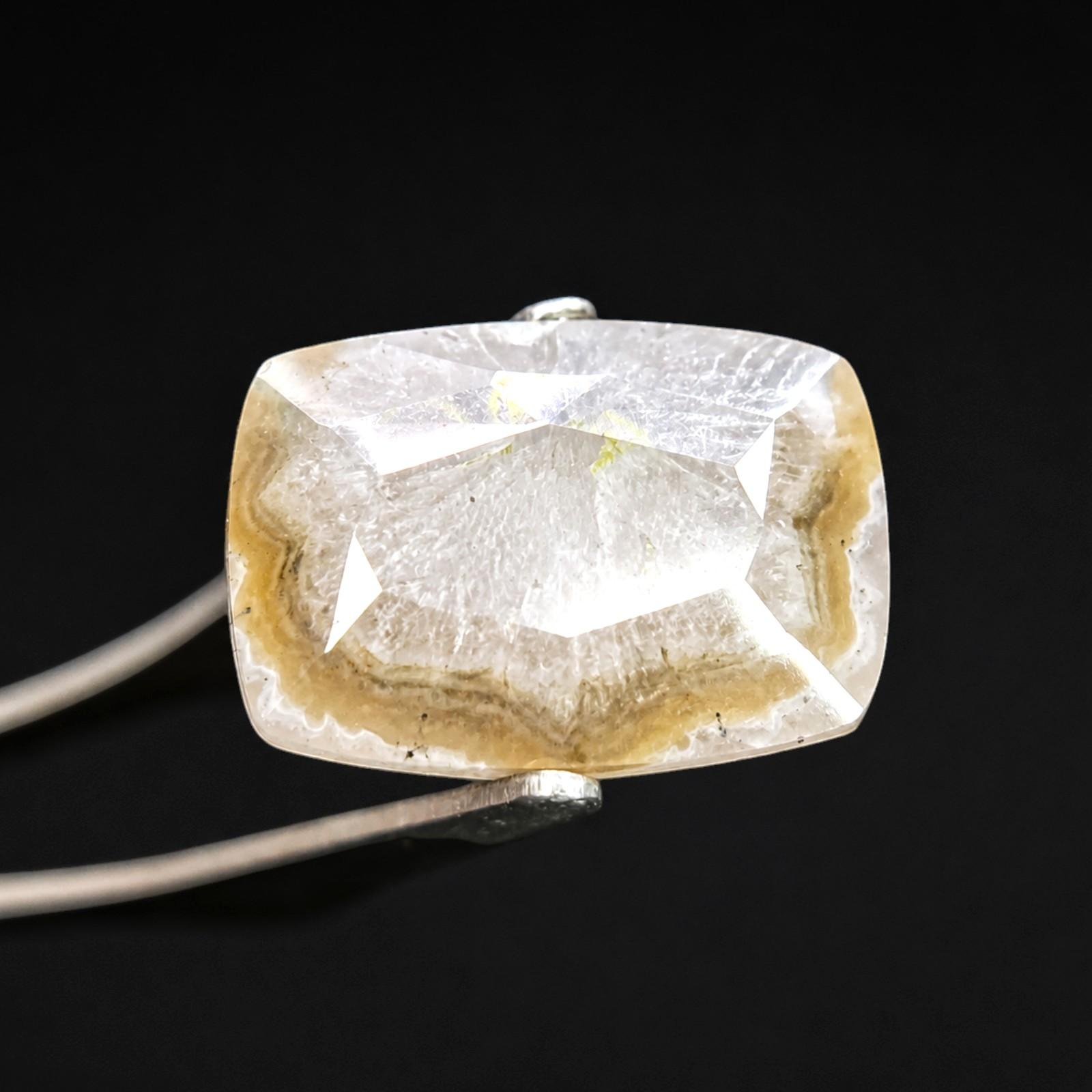
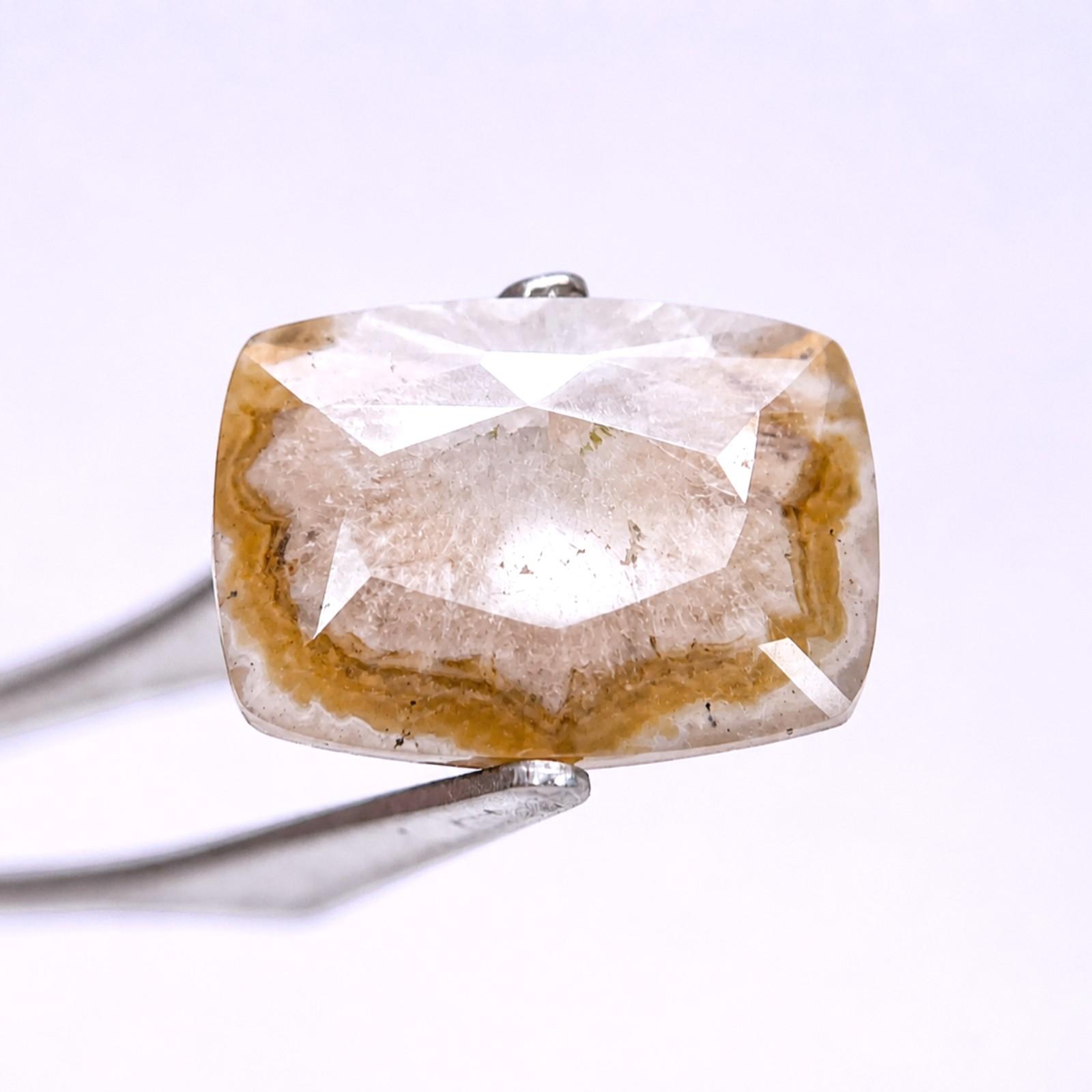
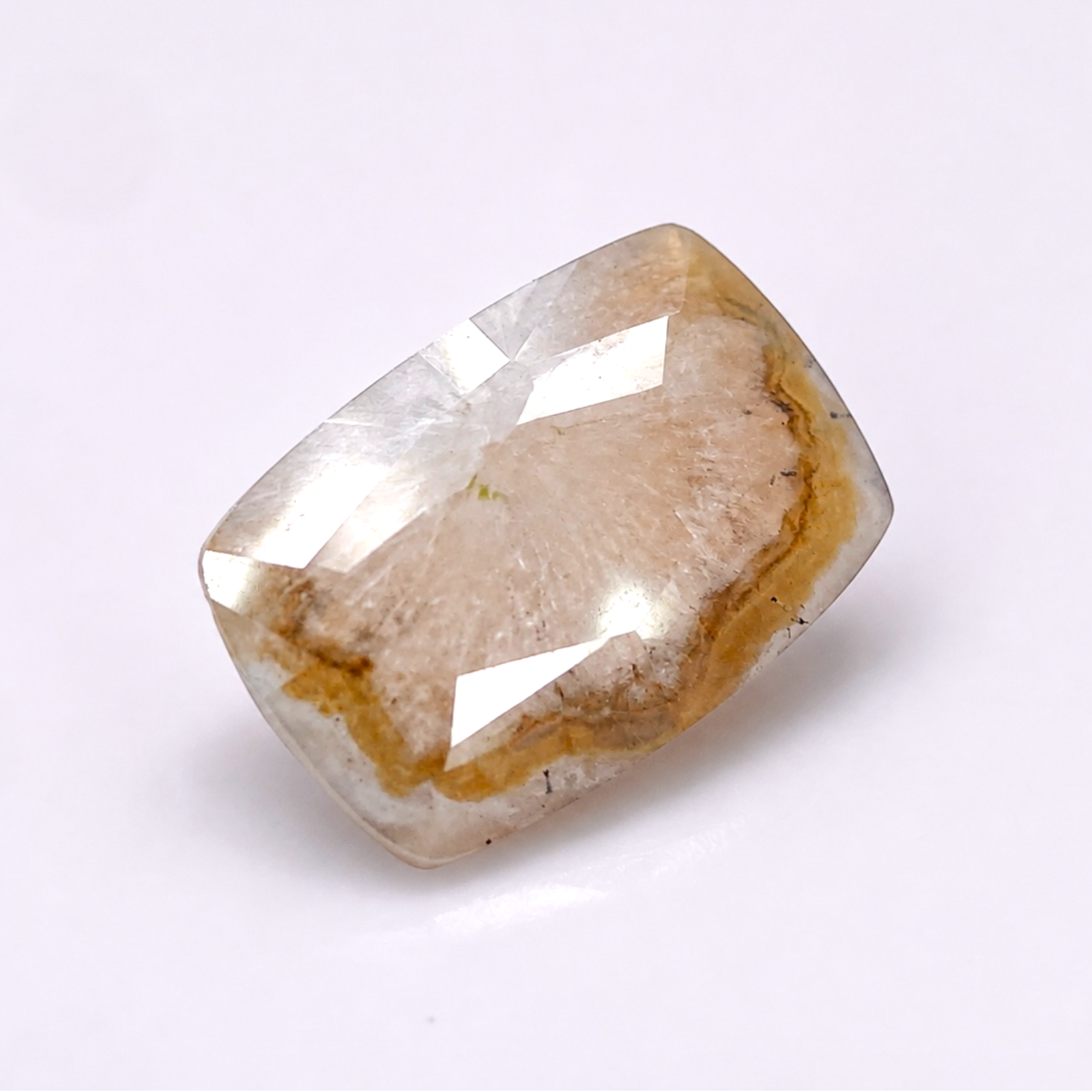
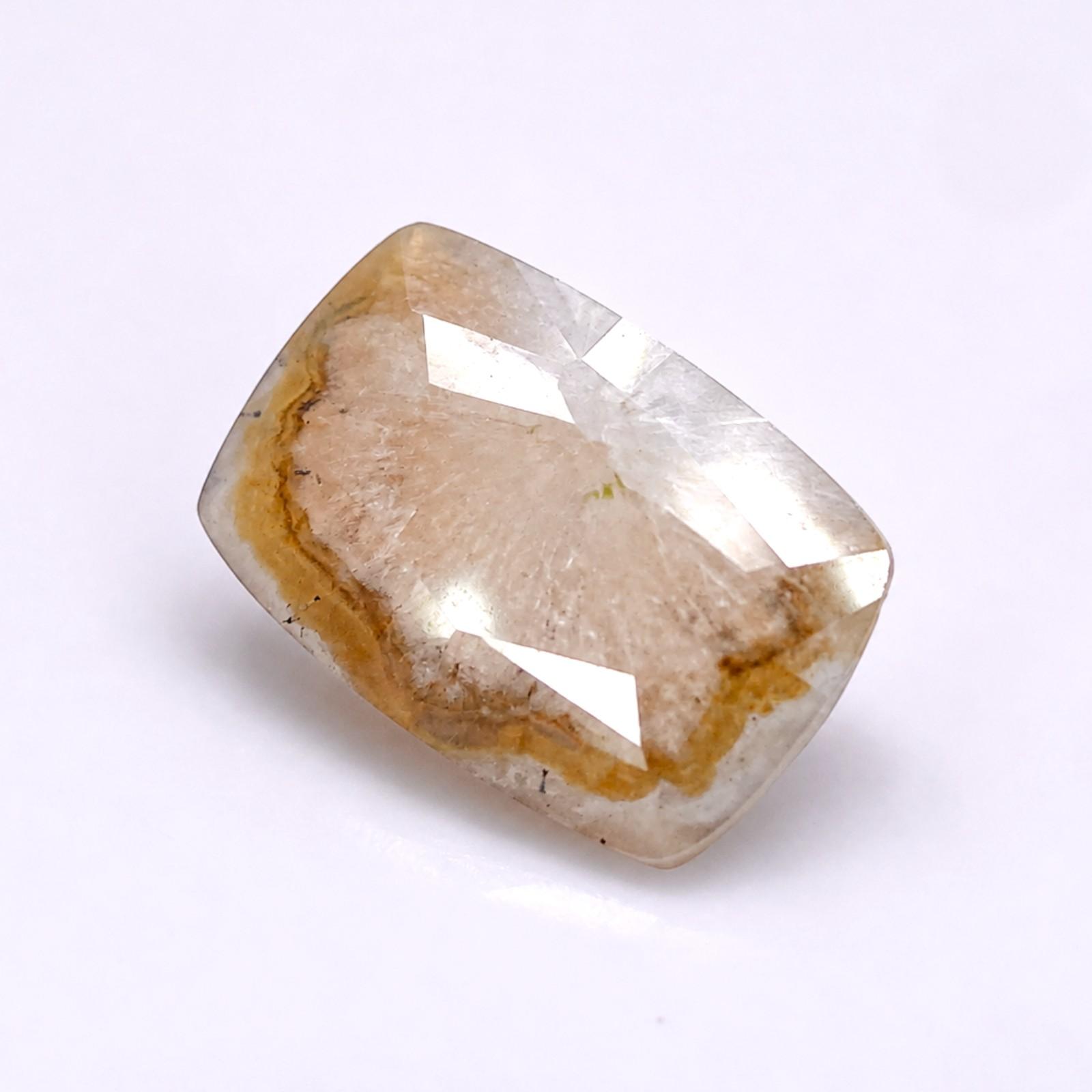
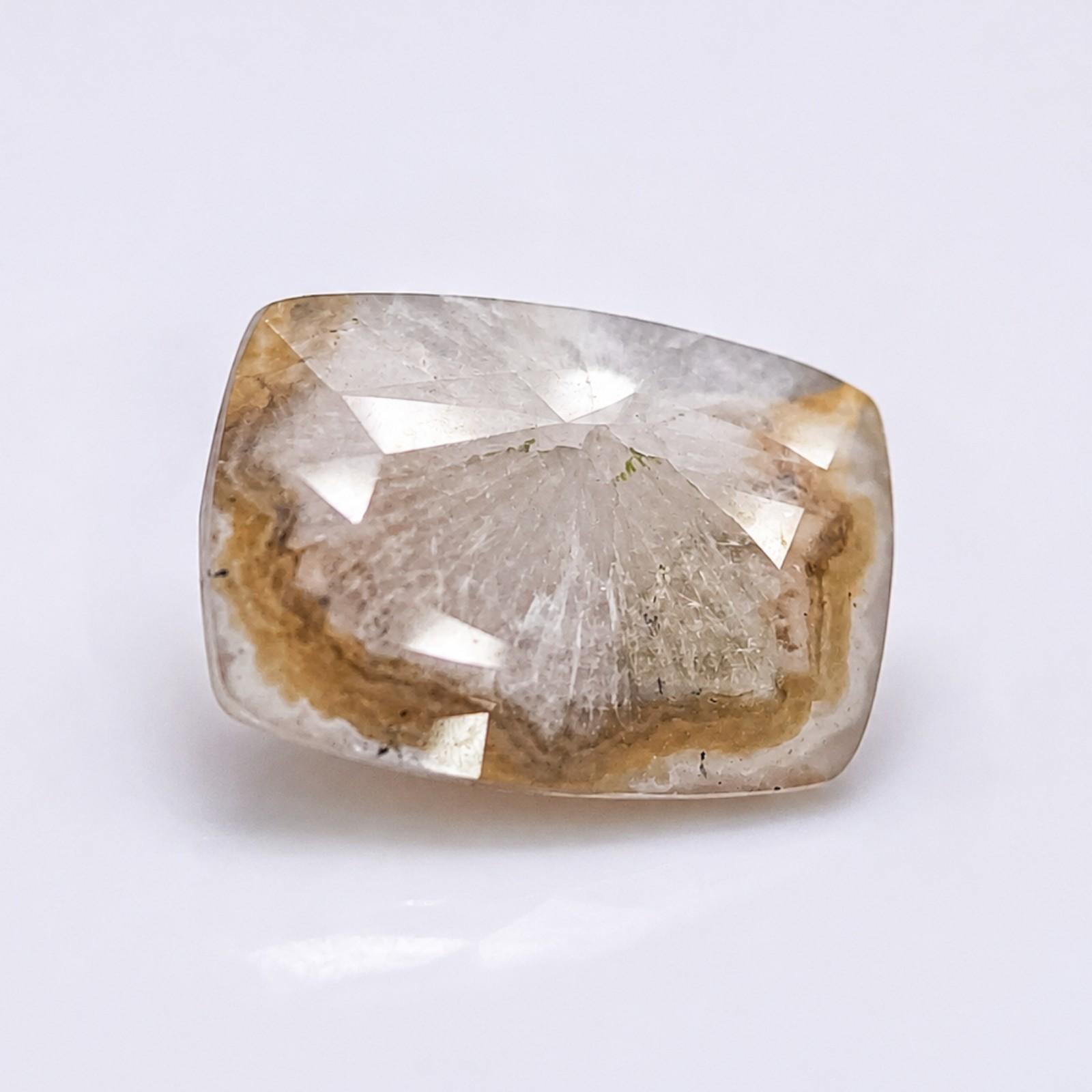
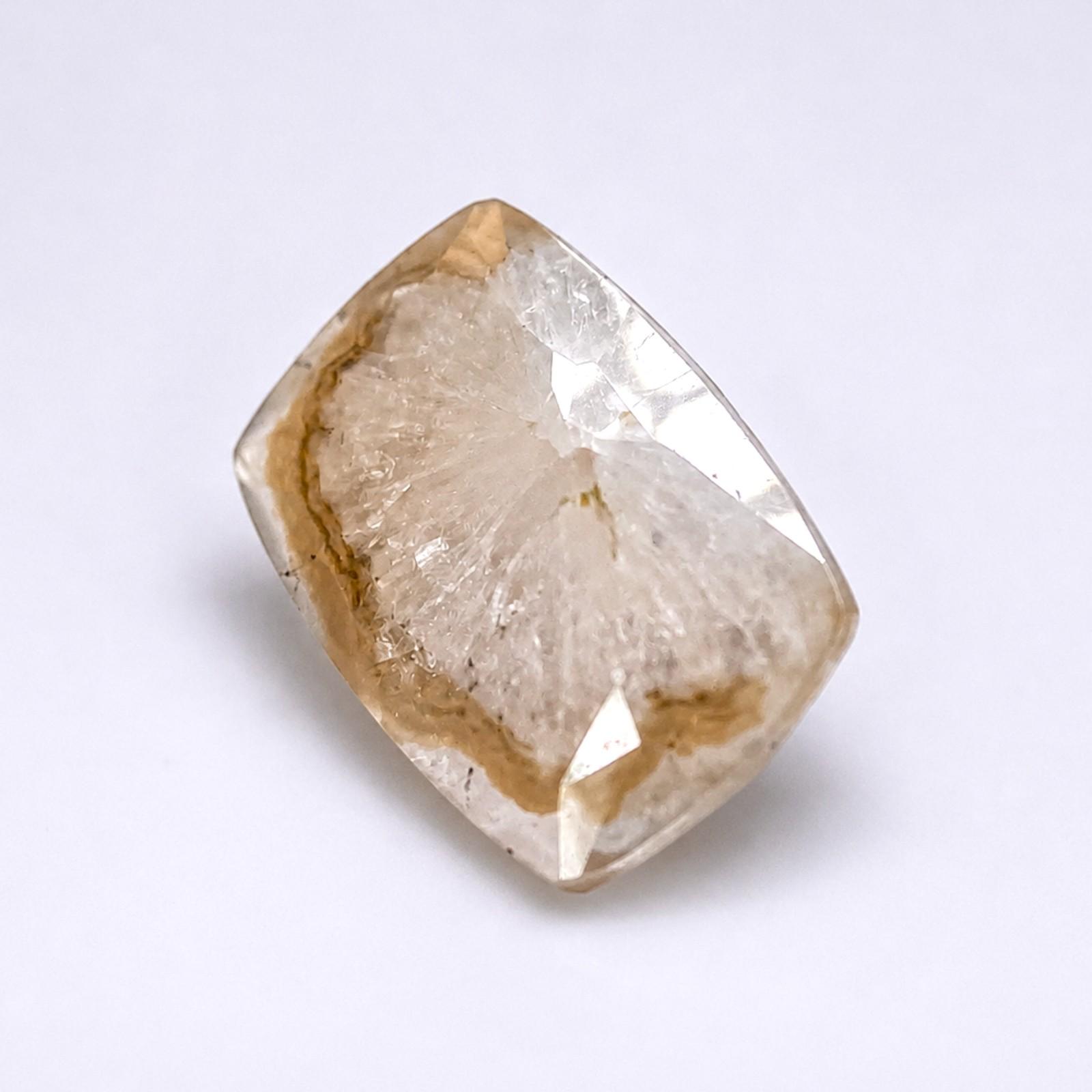
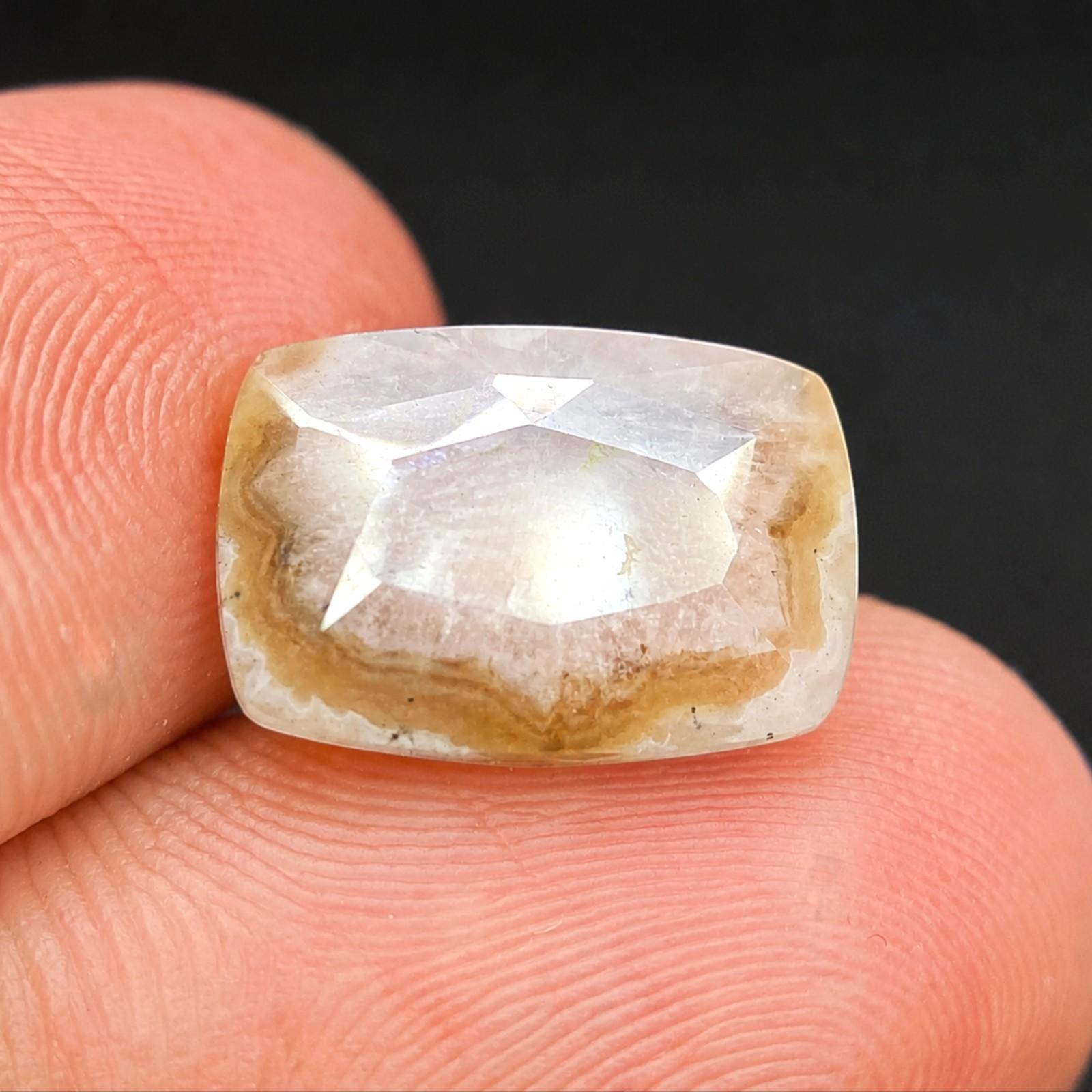
5.40 ct CHALCEDONY – TURKEY
EXPERT VERIFIED
- Expert Verified Gemstone
- Fast Handling & Shipping
- Secure Vault Packaging
$ 180
Offer amount Feild


Smart Collector Choice


Pay with Crypto & Get 10% Automatic Discount

Availability: 1 in stock


- Freakingcats Gemstone Database
Chalcedony (Turkey)
Chalcedony from the ancient volcanic terrains and hydrothermal fields of Turkey—most notably the historic mining districts of Eskişehir and Anatolia—represents the global apex of cryptocrystalline quartz purity, ethereal translucency, and delicate pastel coloration. A microcrystalline variety of silicon dioxide, it is a species I have always respected for its “cloud-lavender” to “vivid-ice-blue-neon” softness and its status as a masterclass in colloidal silica precipitation. For the specialist, a top-tier Turkish Chalcedony—whether forming smooth, grape-like botryoidal crusts, stalactitic formations, or rare gem-grade blue nodules—is a prized trophy of low-temperature hydrothermal fluid tension; it offers a bright waxy to vitreous surface luster and a serene, deeply luminous presence that makes it an essential staple for the systematic vault. As an artist, I find the soft, dreamlike glow of its translucent blue-violet fields, often frosted with a delicate dusting of sparkling micro-quartz crystals, to be one of nature’s most refined and soothing palettes.
The Heritage & Discovery
Historical Significance
Chalcedony is an indispensable index species for decoding the low-temperature fluid dynamics, silica saturation levels, and trace-element environments that occur during the final cooling stages of volcanic gas cavities and sedimentary fractures. Historically, Turkey holds the ultimate namesake authority for the entire species; the mineral was named in antiquity after the ancient Greek city of Chalkedon (modern-day Kadıköy, near Istanbul) on the Sea of Marmara, which served as a major trading hub for these prized silica gems across the classical Mediterranean world. In the realm of fine collectibles, Turkish blue chalcedony stands as the undisputed international gold standard, celebrated for its smooth texture, high optical purity, and timeless connection to human history.
Discovery
The unearthing of world-class blue and lavender chalcedony deposits across Anatolia provided mineralogists and lapidaries with the most uniform, high-clarity material known to science. Scientifically, Chalcedony consists of microscopic, interlocking sub-grains of quartz intergrown with moganite. Its signature pastel-blue to lavender hue is not caused by heavy chemical pigments, but by Rayleigh scattering—the exact same physical light-scattering phenomenon that makes the Earth’s sky appear blue—where nanoscale structural variations disperse shorter wavelengths of light passing through the silica matrix. The opening of these rich volcanic pocket zones provided collectors with spectacular, translucent nodules and botryoidal sheets. My own respect for this material grew from observing its behavior under ambient light; specifically, the way a clean Turkish blue chalcedony absorbs direct light and projects a soft, liquid internal glow is an optical effect that remains deeply captivating to the trained eye.
Important Mines
The primary capital for world-class, museum-grade blue chalcedony within Turkey is centered in the Eskişehir Province of Central Anatolia, particularly the famous Sarıcakaya and Sündiken mountain deposits. Famed for producing large, seam-hosted slabs and botryoidal masses of saturated “sky-blue” to “lavender-gray” chalcedony, these ancient volcanic fields have yielded gem material for millennia. Additionally, historic deposits across the Anatolian plateau yield remarkable botryoidal and agate-associated expressions. For the vault, I prioritize specimens that exhibit high optical translucency, uniform pastel-blue saturation, crisp undamaged botryoidal formations, and an active presentation with sparkling micro-quartz coatings.
Mineralogical Profile
Description
Chalcedony is a cryptocrystalline variety of Quartz (silicon dioxide) that crystallizes in the trigonal system (sub-microscopic grains). It sits at a hard, durable 6.5 to 7 on the Mohs scale, meaning its smooth, waxy surfaces are highly resistant to physical scratching and require only standard archival handling to safeguard its polished or natural botryoidal faces. It is characterized by its bright waxy to vitreous surface luster and a delicate, light-scattering color palette dominated by sky-blue, pale lavender, ice-gray, milky-white, and soft lilac.
One of its most identifying traits is its compact, fibrous sub-microscopic structure, routinely forming botryoidal (grape-like) crusts, stalactitic columns, or smooth seam fillings that cleanly map out historical fluid pathways through volcanic fractures. It possesses a moderate refractive index of approximately 1.530 to 1.540, giving it a soft, liquid-like visual depth, and a light average specific gravity ranging between 2.58 and 2.64. Because it forms in low-temperature volcanic gas cavities, hydrothermally altered basaltic rocks, and sedimentary horizons, it is commonly found in close association with Quartz (M quartz/Drusy), Opal, Calcite, Fluorite, and Zeolites. When I select an example for documentation, I look for high translucency, rich pastel-blue body color, and well-defined botryoidal geometry, as these emphasize the sophisticated, slow-precipitated chemistry of the mineral’s subterranean birth.
Chemical Formula


