
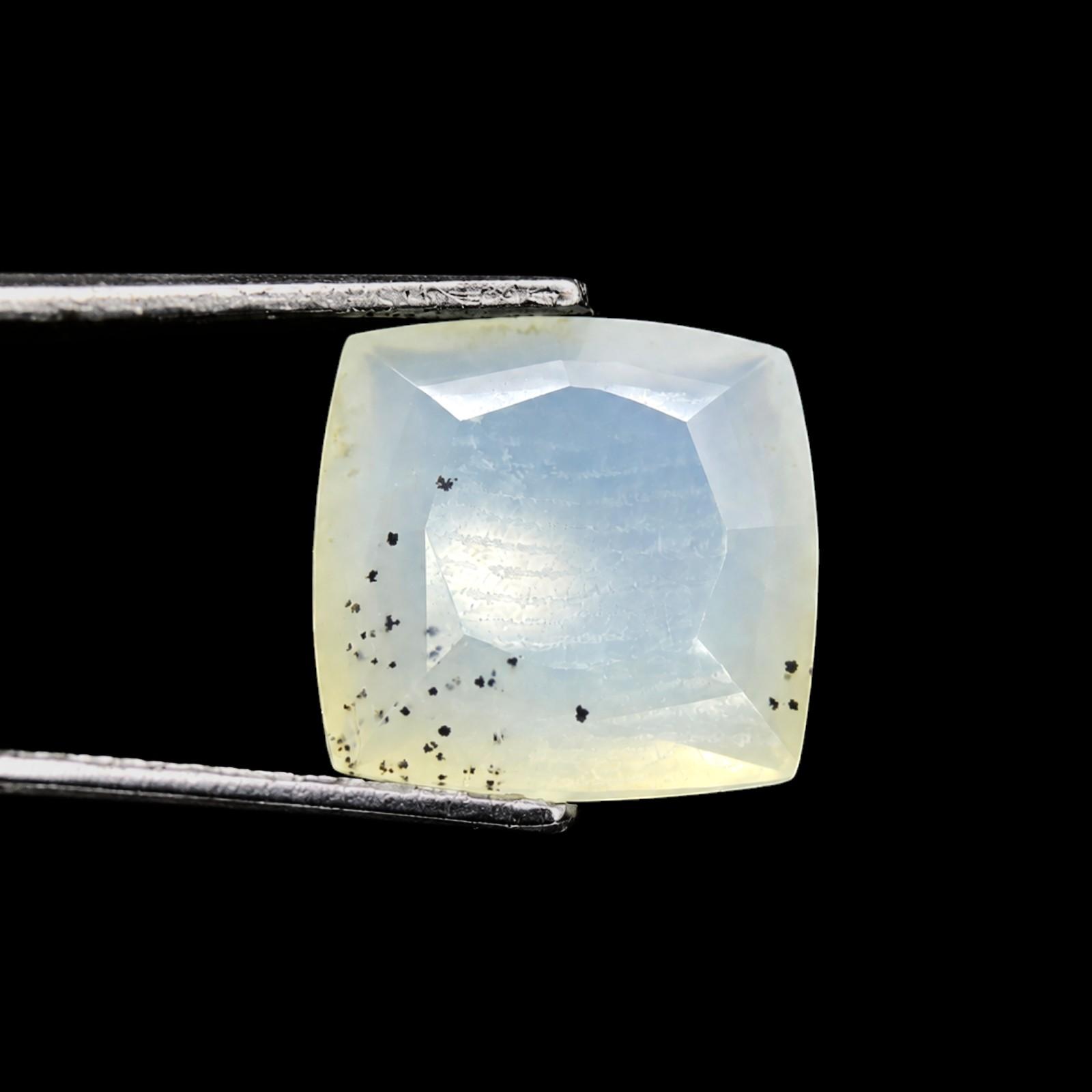
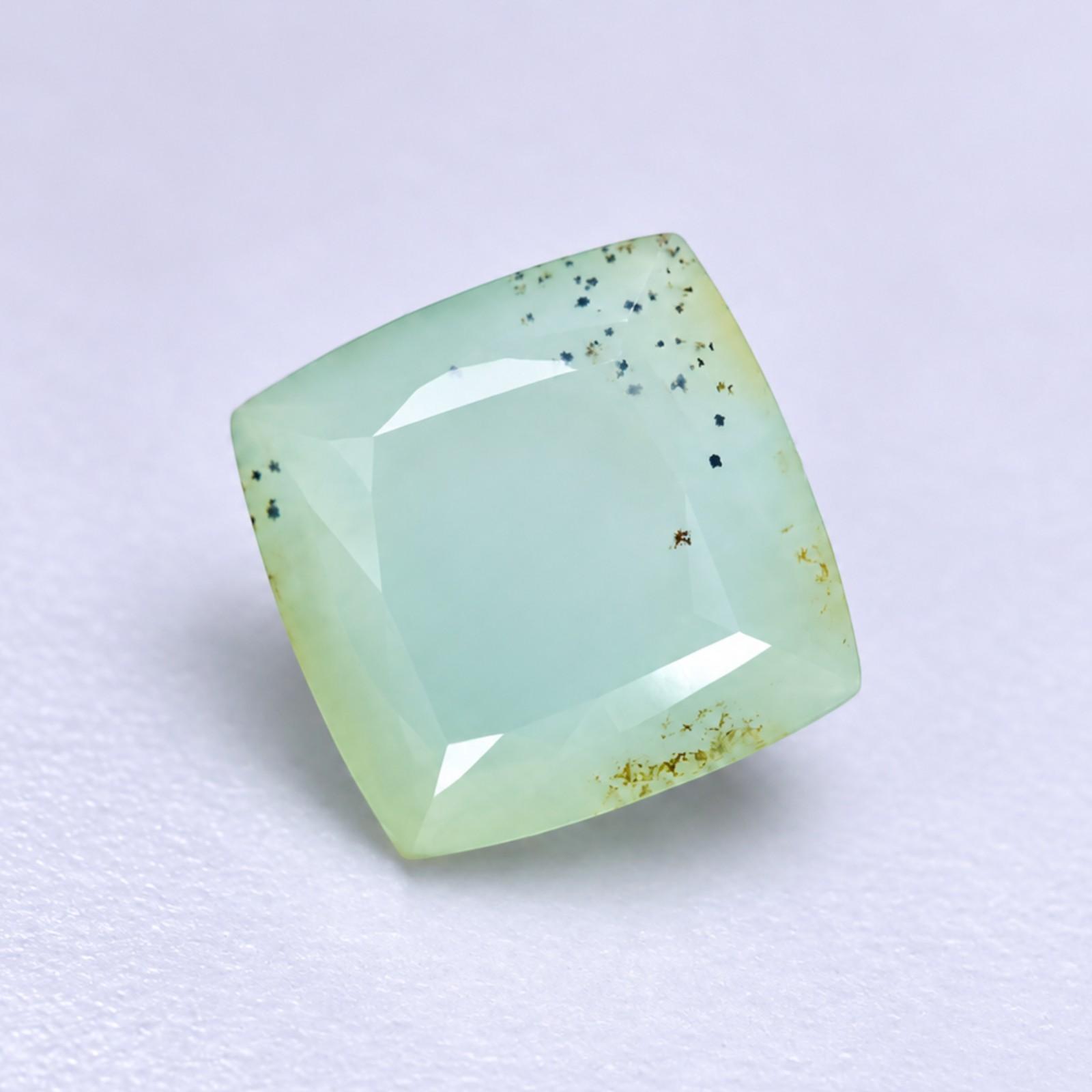
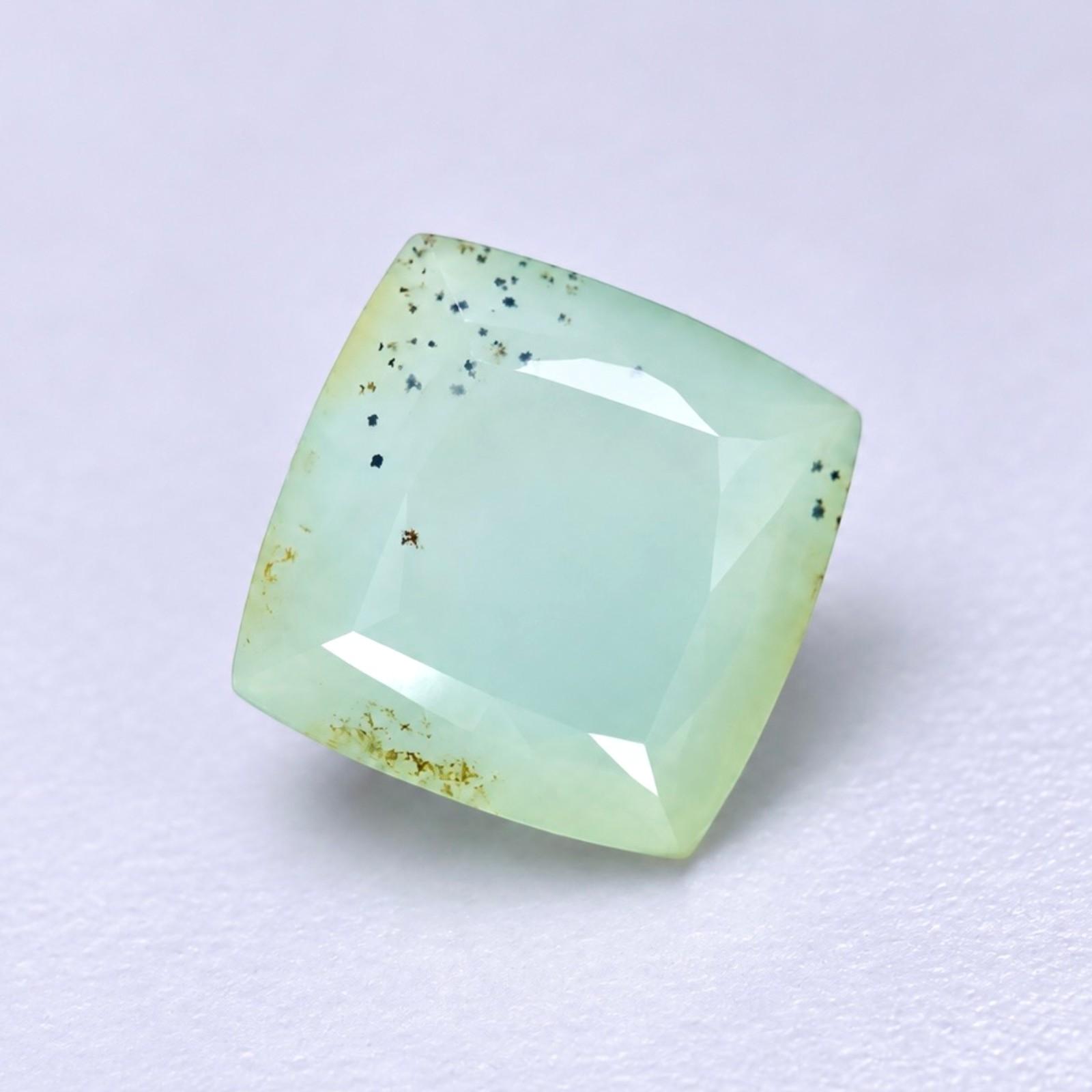
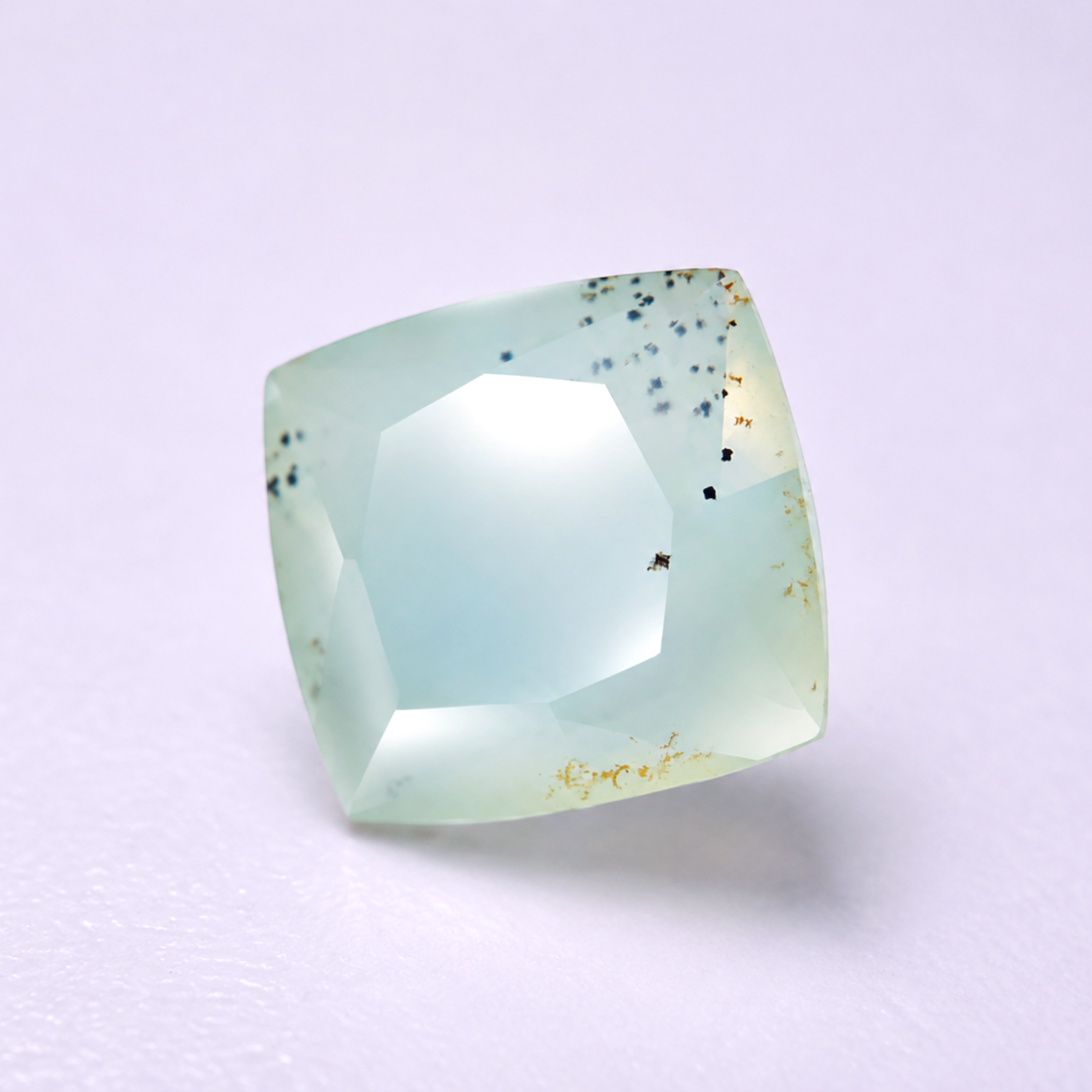
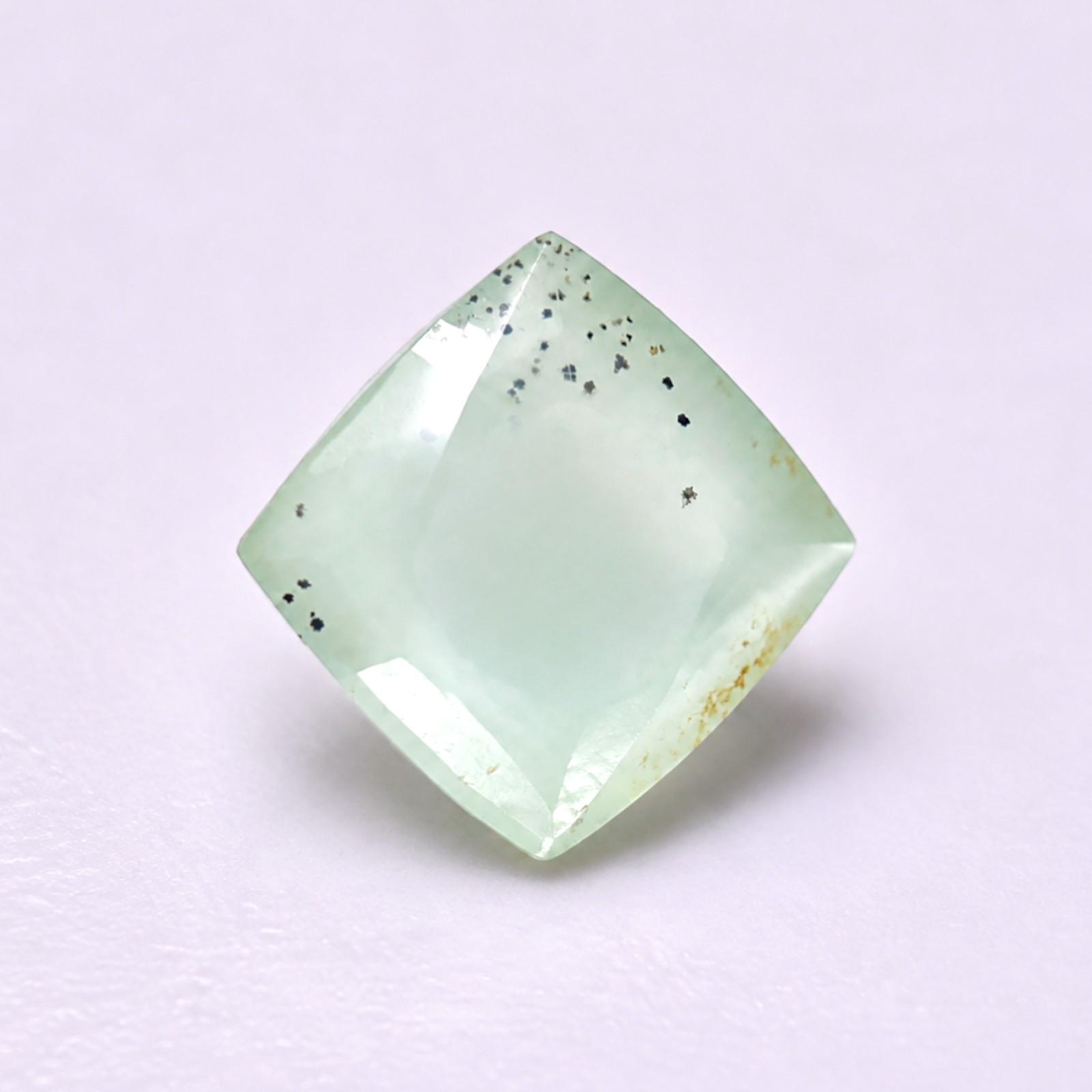
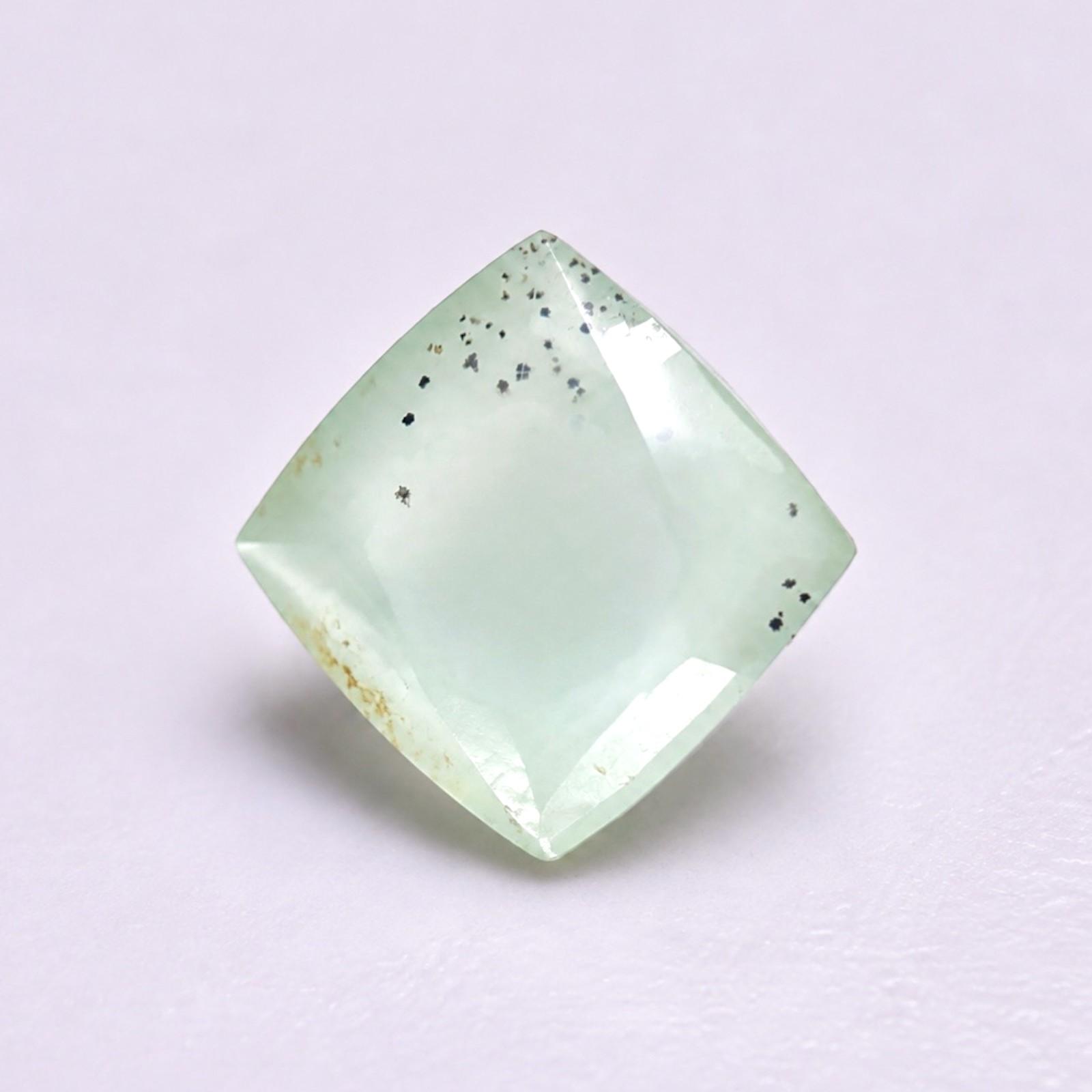
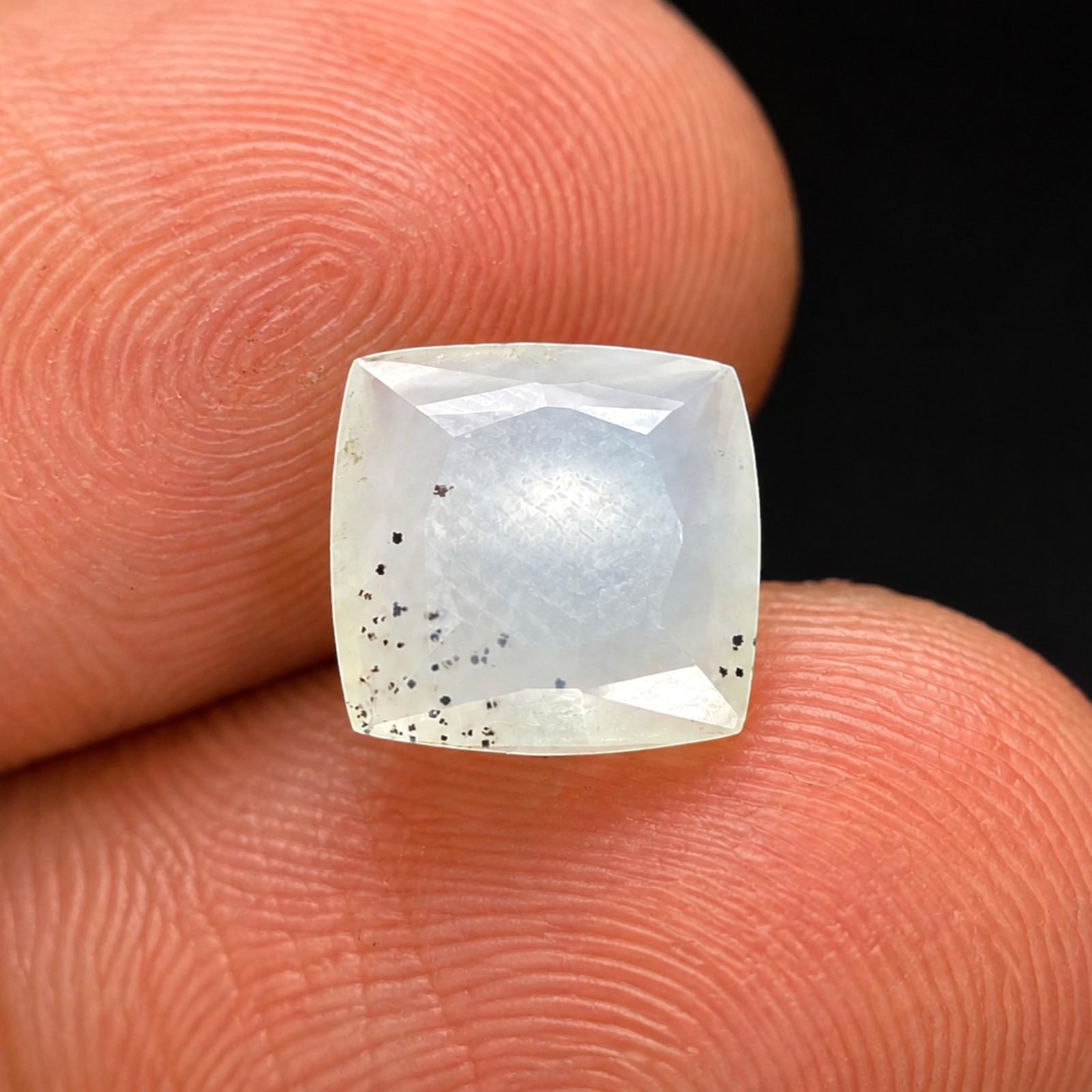
2.56 ct BLUE OPAL – PERU
EXPERT VERIFIED
- Expert Verified Gemstone
- Fast Handling & Shipping
- Secure Vault Packaging
$ 120
Offer amount Feild


Smart Collector Choice


Pay with Crypto & Get 10% Automatic Discount

Availability: 1 in stock


- Freakingcats Gemstone Database
Blue Opal (Peru)
Blue Opal (often revered as Peruvian Blue Opal or Andean Opal) from the copper-rich volcanic and sedimentary hydrothermal deposits of the Peruvian Andes represents the absolute global benchmark for velvety pastel-cyan to electric-turquoise translucency in cryptocrystalline silica. A copper-bearing hydrated amorphous silicon dioxide, it is a species I have always respected for its “caribbean-sea” to “vivid-neon-turquoise” softness and its status as a masterpiece of low-temperature copper-silica gel precipitation. For the specialist, a top-tier Peruvian Blue Opal—whether presented as a finely polished, high-translucency cabochon or a raw botryoidal nodule nestled against dark volcanic host rock—is a prized trophy of secondary supergene enrichment; it offers a bright waxy to vitreous surface luster and a serene, deeply calming presence that makes it an essential anchor for the systematic vault. As an artist, I find the dreamlike, milky-to-translucent sea-water glow of its body color—frequently accented by delicate, dendritic black manganese inclusions or golden matrix ribbons—to be one of nature’s most soothing and refined palettes.
The Heritage & Discovery
Historical Significance
Peruvian Blue Opal is an indispensable index material for decoding the low-temperature fluid dynamics, copper leaching vectors, and silica precipitation rates that occur in the oxidized supergene zones of Andean porphyry copper systems. Historically, blue opal was treasured by pre-Columbian civilizations—including the Inca and earlier Andean cultures—who revered the stone as a talisman of tranquility, water fertility, and Pachamama (Mother Earth). Designated as the official national gemstone of Peru, fine Andean blue opal stands completely distinct from fiery Australian or Mexican varieties, celebrated worldwide for its solid, soothing body color and subtle, ethereal translucency rather than diffraction-based play-of-color.
Discovery
The modern extraction of blue opal across southern Peru expanded significantly as mineral exploration delineated the supergene enrichment zones overlying major copper deposits. Scientifically, Peruvian Blue Opal is a common (potch) opal that formed when silica-saturated meteoric and hydrothermal waters percolated through fractured volcanic rocks, leaching trace copper from oxidized copper-sulfide horizons. The incorporation of microscopic, sub-nanoscale inclusions of copper silicates (such as chrysocolla) or divalent copper ions (Cu2+) directly within the amorphous silica-water framework generates its signature swimming-pool blue and teal hues. My own respect for this material grew from observing its behavior under natural daylight; specifically, the way light diffuses gently through its micro-hydrated silica mesh without harsh glare, creating a soft, liquid-like inner luminescence that is unmistakable to the trained eye.
Important Mines
The undisputed capitals for world-class, museum-grade Peruvian Blue Opal are concentrated in the arid volcanic valleys and copper districts of southern Peru. The most famous historic deposits are located in the Ica Department (notably the legendary Acari Mine near Nazca) and throughout the Caraveli Province in the Arequipa Department. For the vault, I prioritize specimens that exhibit high optical translucency (approaching “gem-grade jelly/crystal” quality), uniform caribbean-blue to teal saturation free from muddy brown iron staining, clean dendritic branching when present, and verified structural stability.
Mineralogical Profile
Description
Peruvian Blue Opal is a copper-bearing hydrated amorphous silicon dioxide belonging to the opal mineraloid family. It sits at a moderate 5.5 to 6.5 on the Mohs scale, meaning its smooth, waxy-to-glassy surfaces are relatively delicate and sensitive to rapid dehydration, extreme heat, or abrasive pressure, requiring careful archival handling and climate-controlled storage to protect its polished faces and preserve its natural moisture content. It is characterized by its bright waxy to sub-vitreous surface luster and a soothing, tropical color palette dominated by sky-blue, caribbean-cyan, pastel turquoise-green, teal, and soft milky-blue.
One of its most identifying traits is its amorphous (non-crystalline) nature and lack of spectral play-of-color, routinely forming as dense seam fillings, rounded botryoidal crusts, or nodular masses lining volcanic fractures. It possesses a low refractive index ranging between 1.420 and 1.460, imparting a soft, liquid-like visual depth, and a light average specific gravity between 1.98 and 2.20 that reflects its internal water content (typically 3% to 10% bound H2O). Because it forms in the supergene oxidation horizons of copper-rich volcanic terrains, it is commonly found in close association with Chrysocolla, Malachite, Azurite, Chalcedony, Quartz, Calcite, and secondary Manganese Oxides (Pyrolusite dendrites). When I select an example for documentation, I look for high translucency, rich and uniform pastel-cyan color purity, and crisp dendritic contrast, as these emphasize the sophisticated, copper-driven chemistry of the mineral’s subterranean birth.
Chemical Formula SiO2 · nH2O (Hydrated Silicon Dioxide with trace Cu2+ / Chrysocolla silicate inclusions)


