
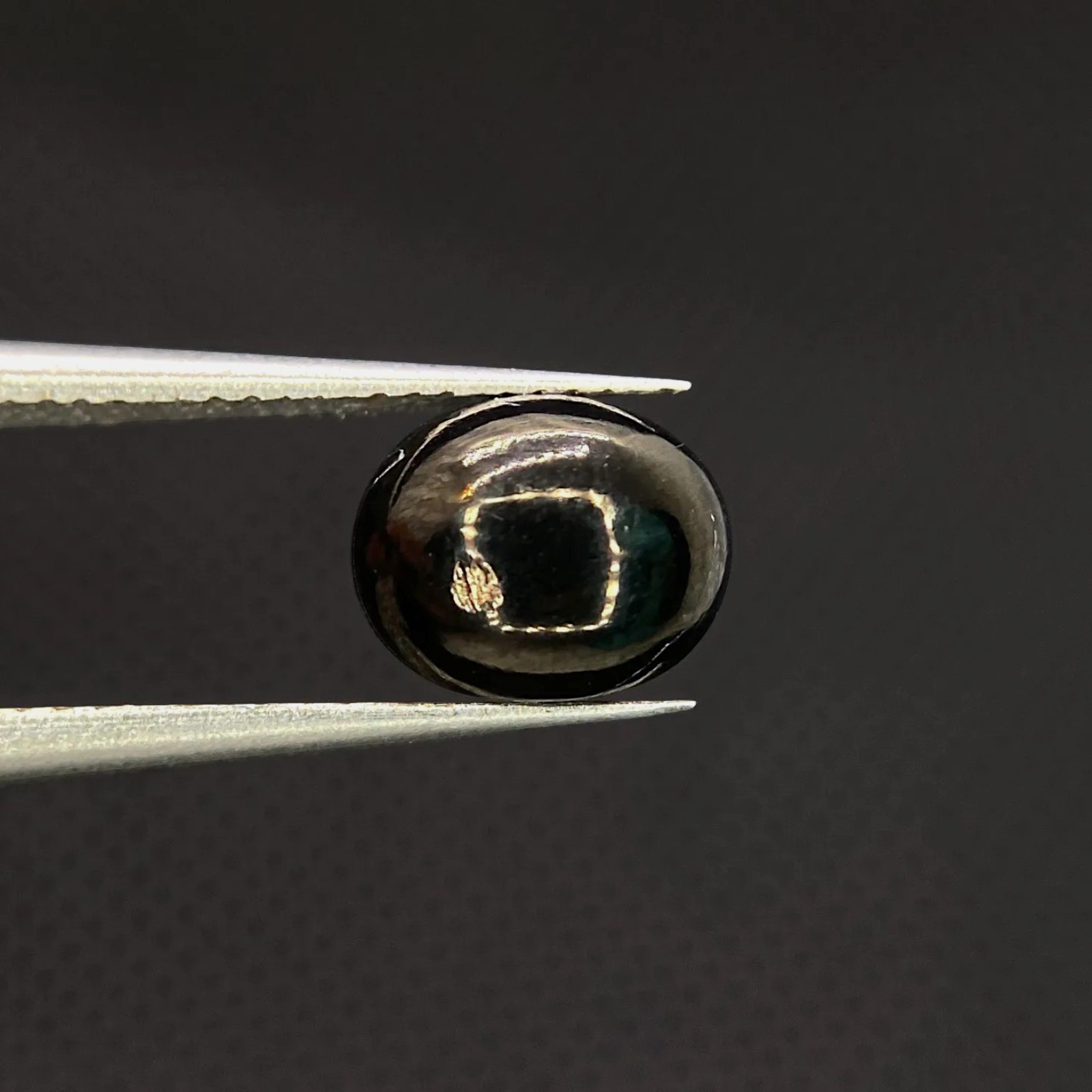
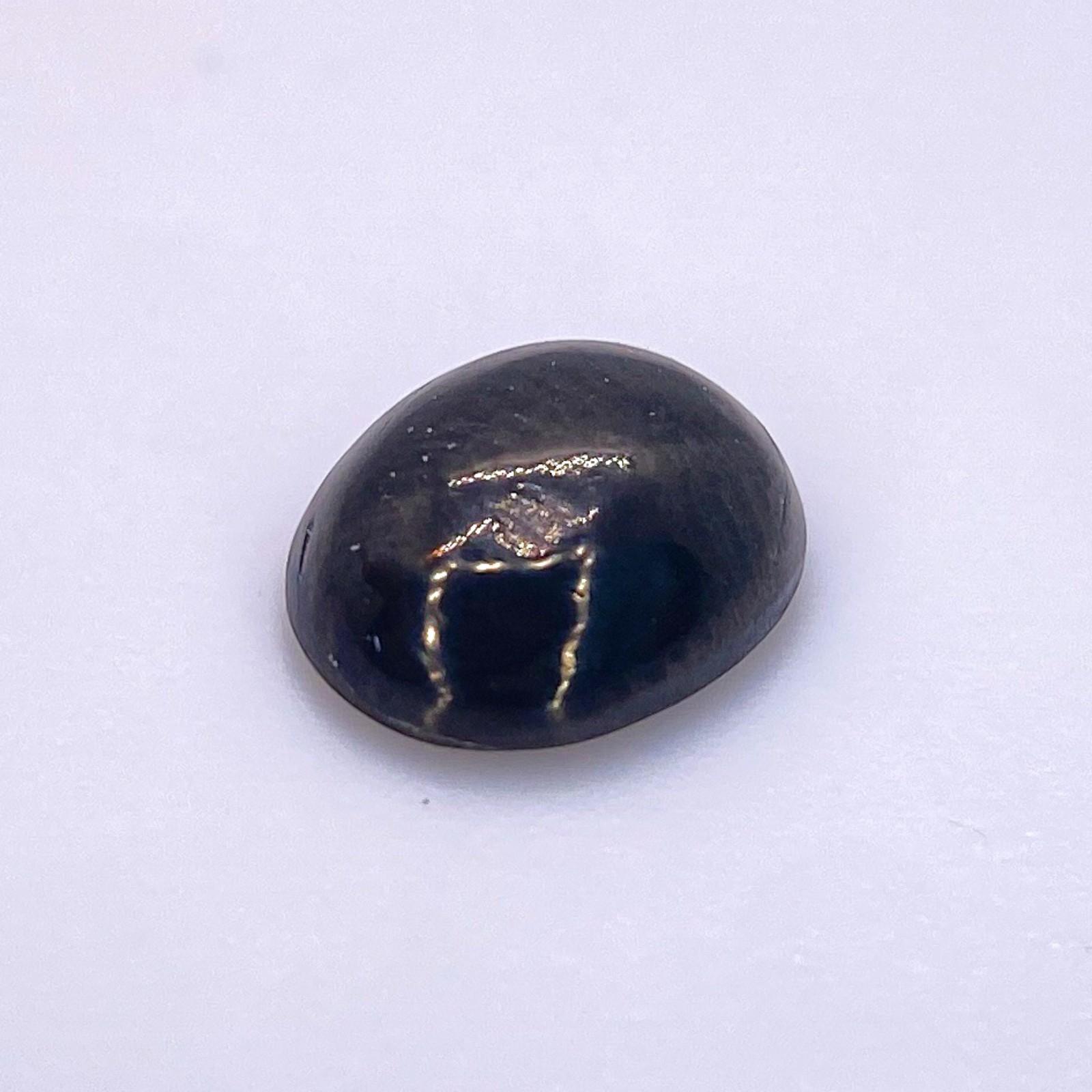
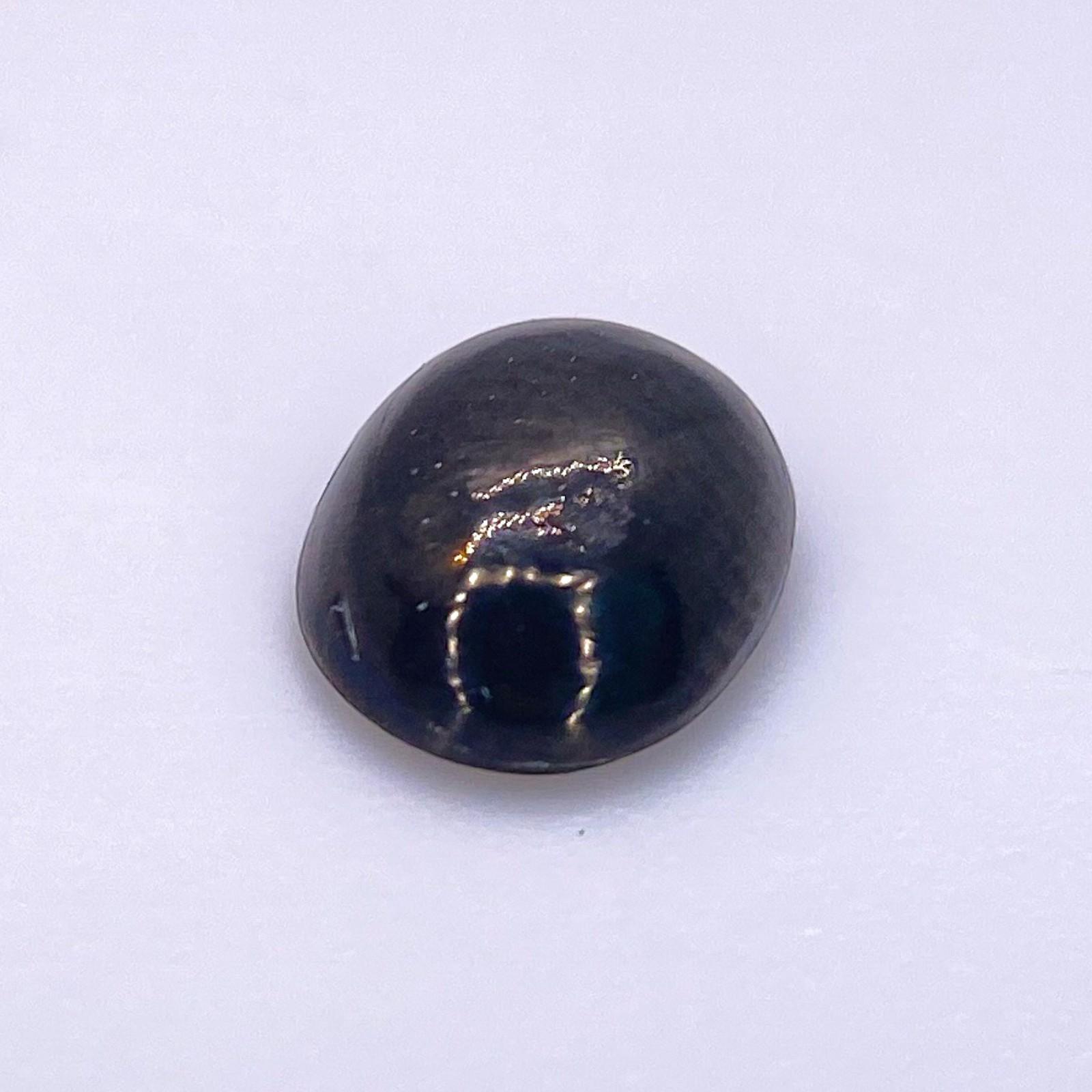
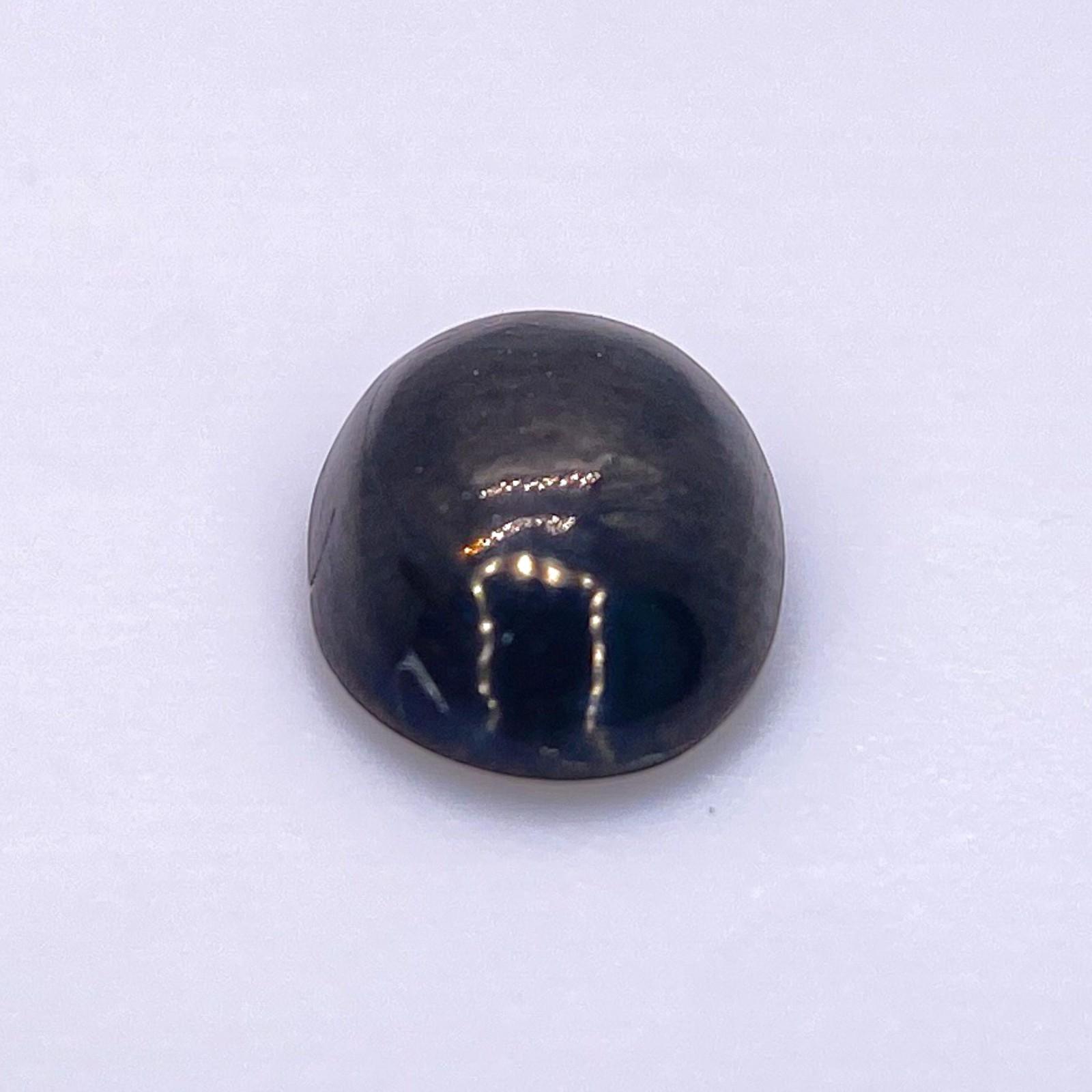
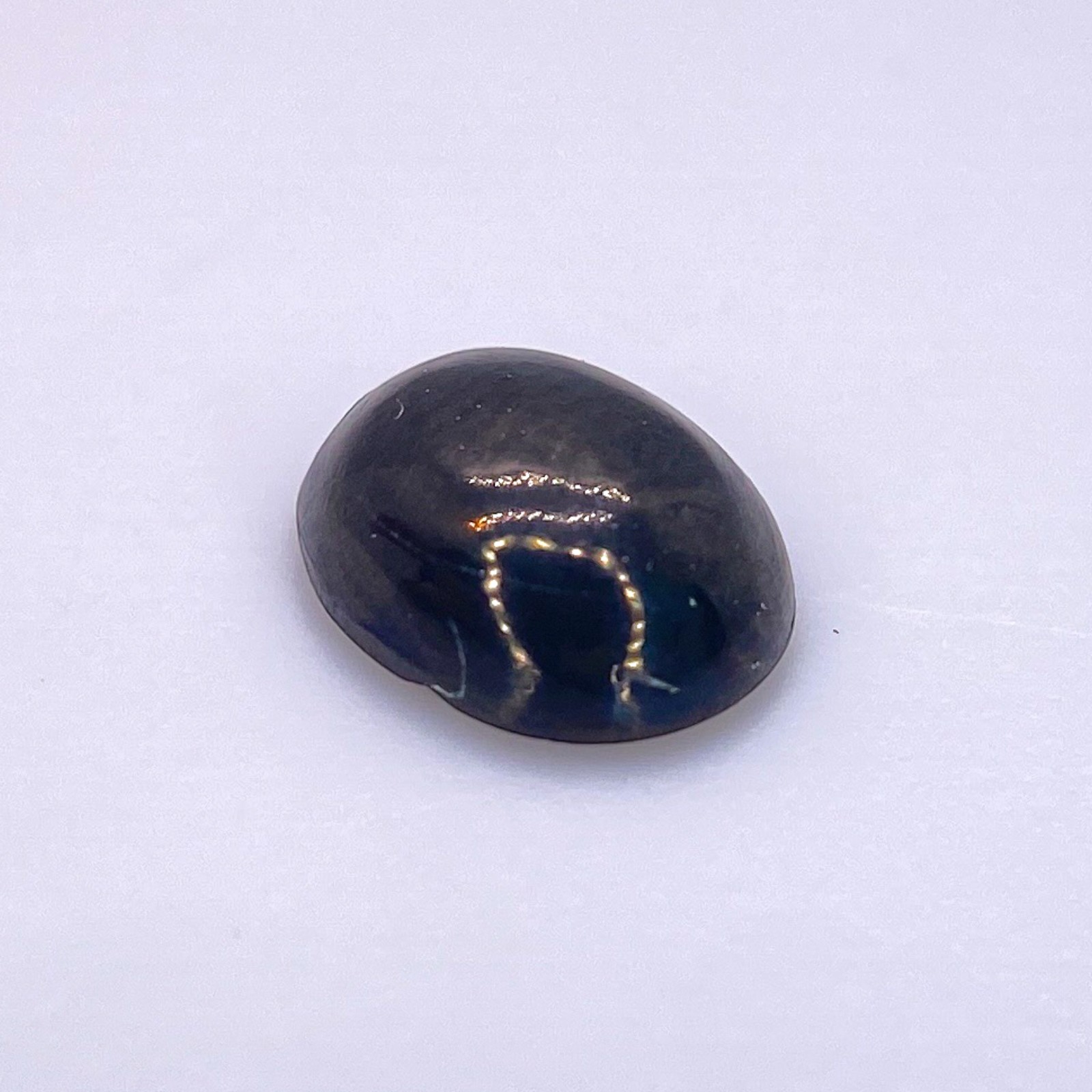
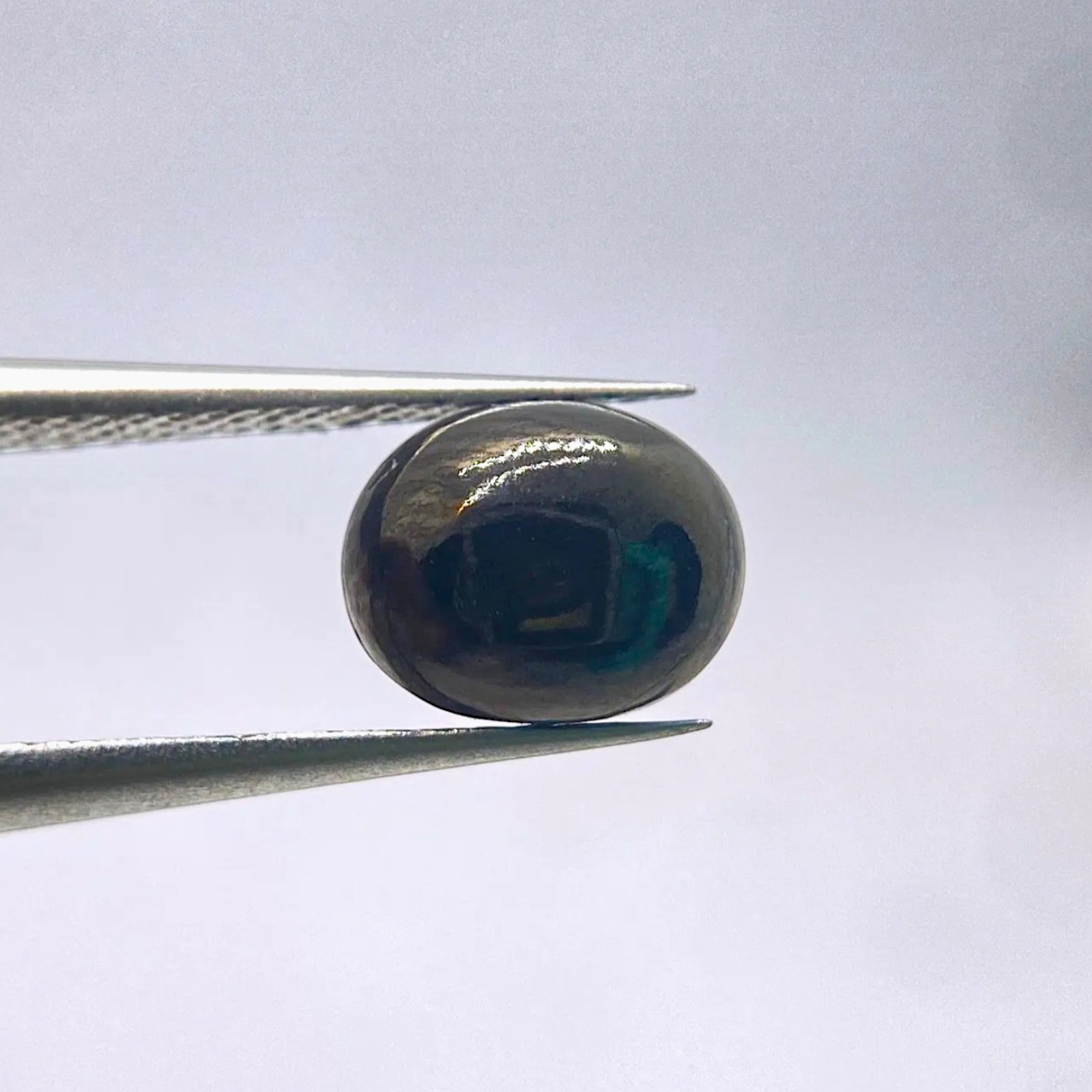
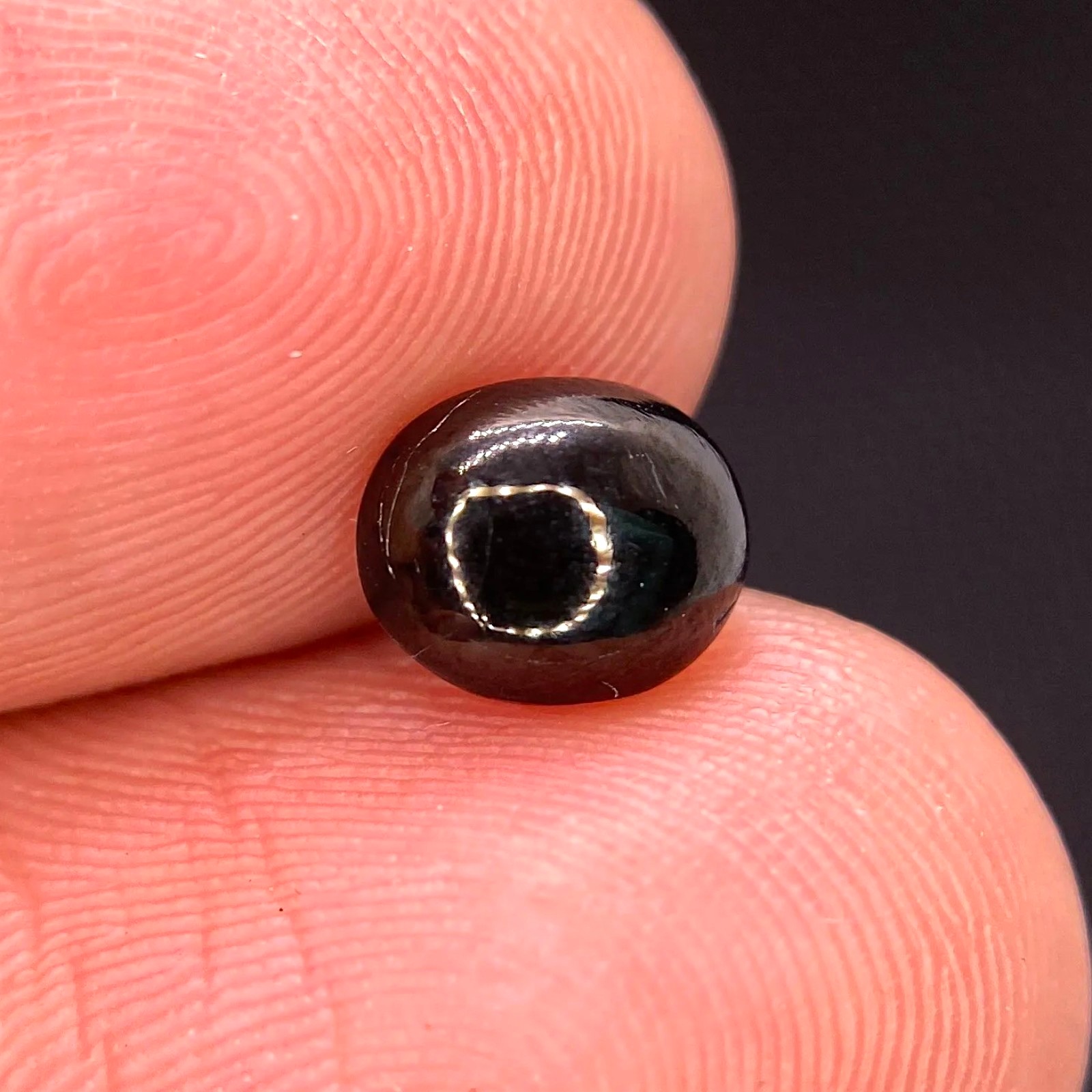
0.60 ct ANTHRACITE – BRAZIL
EXPERT VERIFIED
- Expert Verified Gemstone
- Fast Handling & Shipping
- Secure Vault Packaging
$ 80
Offer amount Feild


Smart Collector Choice


Pay with Crypto & Get 10% Automatic Discount

Availability: 1 in stock


- Freakingcats Gemstone Database
Anthracite (Brazil)
Anthracite from the ancient, tectonically compressed sedimentary and metamorphic basements of Brazil represents the absolute peak of organic carbon maturation, metallic vitreous luster, and deep, obsidian-like geological density. The highest rank of coal, it is a material I have always respected for its “mirror-jet” to “sub-metallic-graphite” surface reflection and its status as a masterclass in extreme pressure-temperature organic metamorphism. For the specialist, a fine Brazilian Anthracite—whether presenting as an angular, mirror-bright conchoidal specimen or a dense, structural lapidary block—is a prized trophy of deep-seated crustal deformation and volatile depletion; it offers a bright sub-metallic to vitreous luster, zero sooty residue, and an authoritative presence that makes it an essential non-silicate reference in the systematic vault. As an artist, I find the stark, obsidian-like curves of its fractured faces—gleaming with sharp, almost fluid-like black brilliance under direct gallery light—to be one of nature’s most compelling and minimalist monochromatic sculptures.
The Heritage & Discovery
Historical Significance
Anthracite is an indispensable index material for decoding the paleobotanical burial depths, regional metamorphic geothermal gradients, and intense structural compaction that transformed ancient Paleozoic and Mesozoic peat swamps into near-pure elemental carbon. Historically, while Brazil’s southern basins (such as the Paraná Basin) are celebrated for extensive bituminous and sub-bituminous coal seams fueling regional development, pockets of true high-rank anthracite are exceptionally localized, marking zones where intense tectonic folding or igneous intrusions superheated regional deposits. In systematic mineralogical collections, fine anthracite stands as an enduring bridge between sedimentary geology, organic fossilization, and metamorphic graphite crystallization.
Discovery
The unearthing of high-rank anthracite horizons across Brazil occurred during systematic stratigraphic mapping of ancient sedimentary basins and fold-and-thrust belts. Scientifically, Anthracite forms when bituminous coal undergoes prolonged metamorphic temperatures (often exceeding 200°C) and extreme lithostatic pressure, systematically driving out volatile components—including moisture, methane, and hydrogen—until fixed carbon concentrations surpass 90% to 98%. Unlike softer coals, true anthracite does not soil the fingers, breaks with clean, razor-sharp conchoidal glass-like fractures, and develops an extraordinary sub-metallic sheen. My own respect for this material grew from analyzing its diagnostic physical cleanliness; handling a dense, mirror-faced block of Brazilian anthracite reveals an unexpected structural solidity and a smooth, clean tactile finish that contrasts completely with conventional carbonaceous strata.
Important Locations
Notable occurrences of high-rank anthracite and meta-anthracite within Brazil are concentrated in localized metamorphic windows and structurally altered zones. Prime horizons have historically been identified in the southern coal-bearing basins, particularly localized tectonic zones within Rio Grande do Sul and Santa Catarina, where thermal metamorphism from Mesozoic basaltic intrusions (Serra Geral formation) or tectonic thrusting elevated coal ranks. Additionally, ancient Precambrian and early Paleozoic meta-sedimentary units in Minas Gerais and Bahia have yielded dense, carbon-rich meta-anthracite and carbonaceous schists. For the systematic vault, I prioritize specimens that exhibit sharp, undamaged conchoidal fracture ridges, brilliant mirror-vitreous face luster, dense structural coherence, and complete freedom from friable, sooty weathering zones.
Mineralogical Profile
Description
Anthracite is a high-rank organic metamorphic rock and mineraloid composed predominantly of elemental carbon (typically 90% to 98% fixed carbon). It sits at a moderate 2.5 to 3 on the Mohs scale, meaning its dense, glassy surfaces possess notable structural firmness compared to softer coals, though its brittle tenacity and shell-like conchoidal fracture require careful archival handling to protect its sharp, razor-thin fracture edges from physical shock or mechanical chipping. It is characterized by its bright vitreous to sub-metallic surface luster and an unmistakable, deep monochromatic color palette dominated by jet-black, obsidian-black, steel-gray, and occasional iridescent, peacock-like surface tarnish.
One of its most identifying traits is its clean conchoidal fracture habit, routinely breaking into sharp, curved glass-like shards and blocky masses rather than flat, flaky sedimentary layers. It possesses a high light absorption profile with strong surface specular reflectivity and an average specific gravity ranging between 1.35 and 1.80, which is noticeably dense for an organic material while remaining significantly lighter than metallic oxides or silicates of similar volume. Because it forms through the thermal and regional metamorphism of deeply buried organic strata, it is commonly found in close association with Quartz, Pyrite, Calcite, Kaolinite, Siderite, and Graphitic Schist. When I select an example for documentation, I look for crisp, razor-sharp conchoidal ridges, brilliant surface luster, and high structural density, as these emphasize the sophisticated, metamorphic compression of the material’s subterranean birth.
Chemical Formula C (Elemental Carbon, typically 90-98% fixed carbon with trace H, O, N, and S)


