
0.98 ct FLUORITE – CHINA
EXPERT VERIFIED
- Expert Verified Gemstone
- Fast Handling & Shipping
- Secure Vault Packaging
$ 35
Offer amount Feild


Smart Collector Choice


Pay with Crypto & Get 10% Automatic Discount

Availability: 1 in stock
Gemstone Details
Gem Variety:
Fluorite
Origin:
China
Carat Weight:
0.98
Length (mm):
5.90
Width (mm):
5.90
Depth (mm):
3.90
Shape:
Square
Color
White/Colorless
Treatment:
No Treatment
Certificate:
On Request
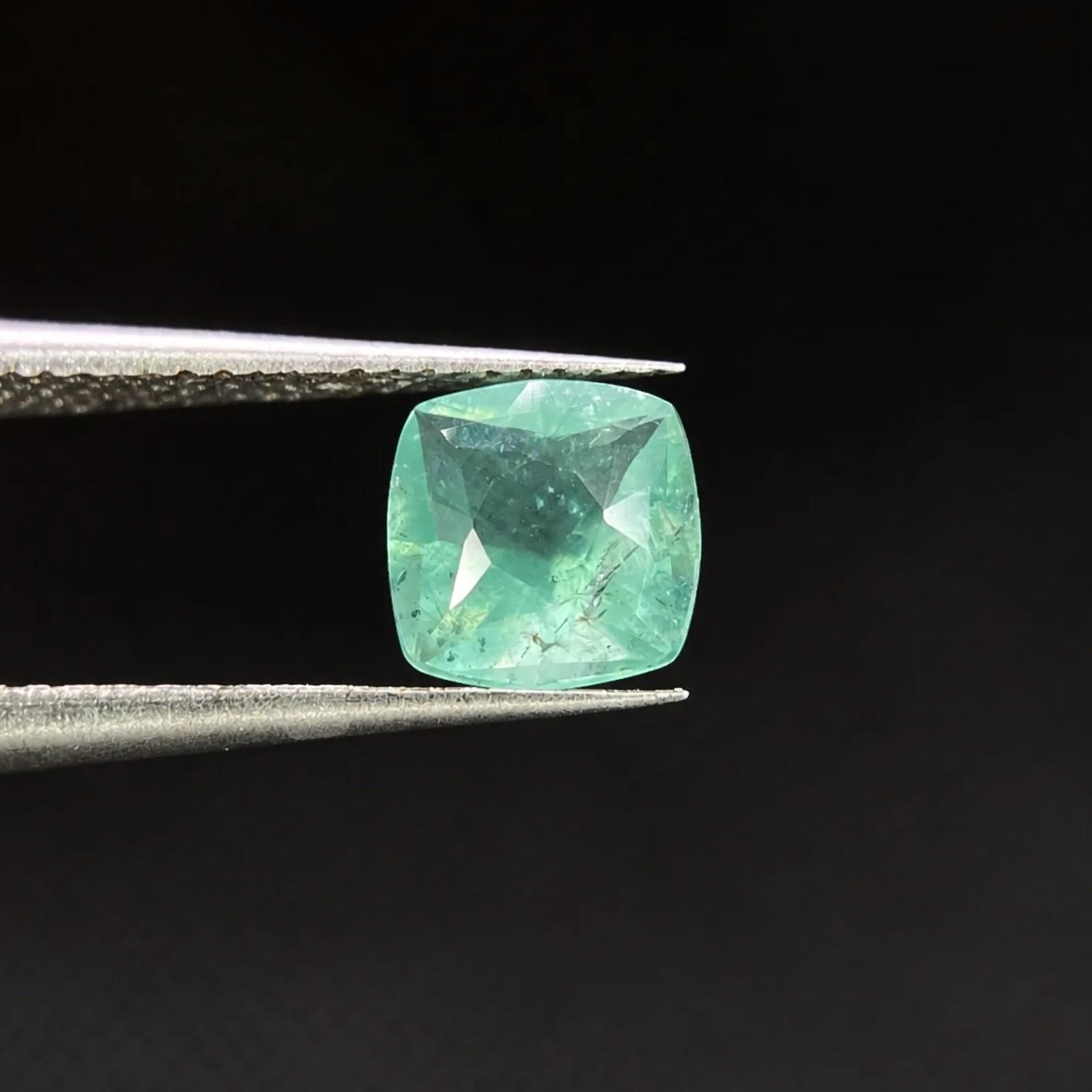
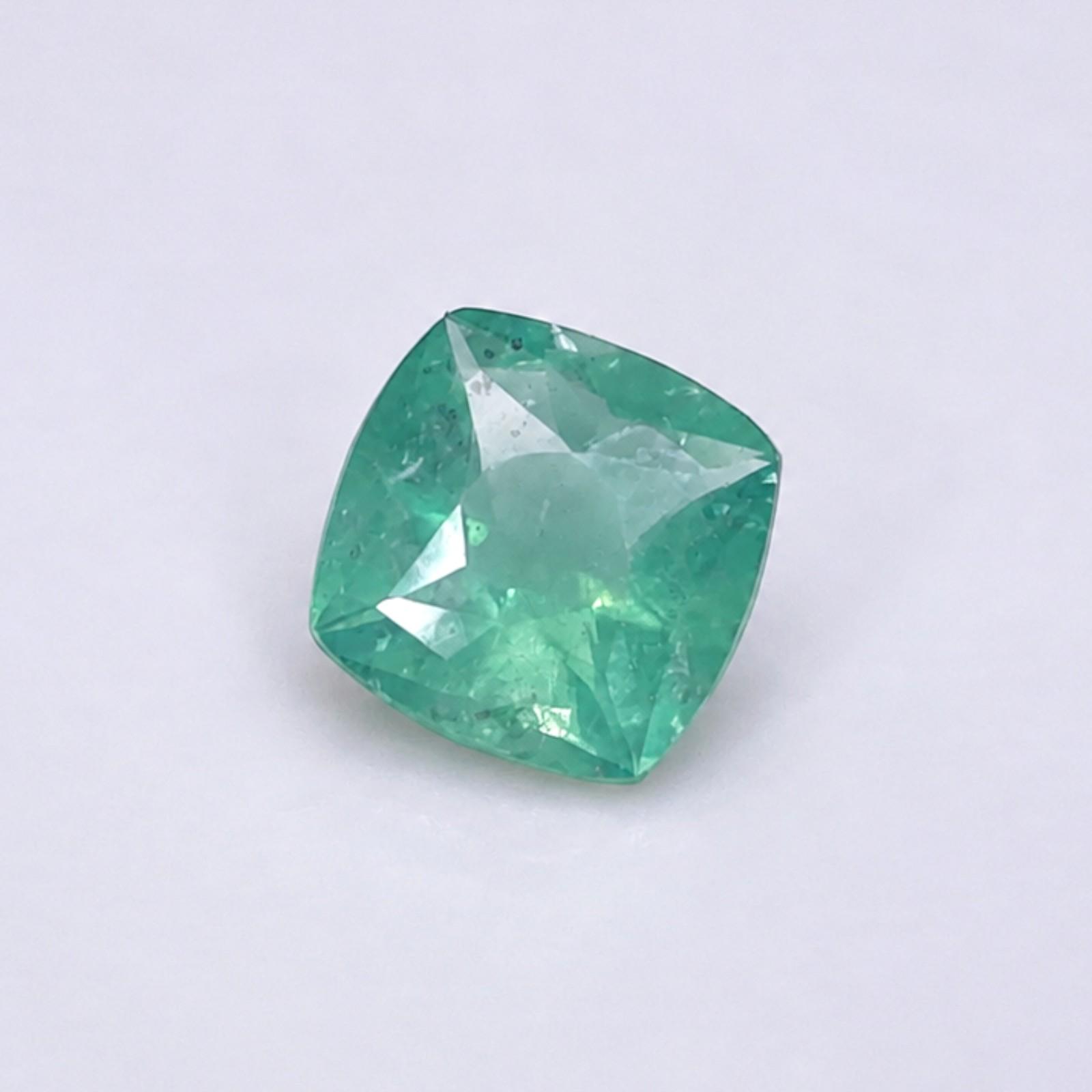
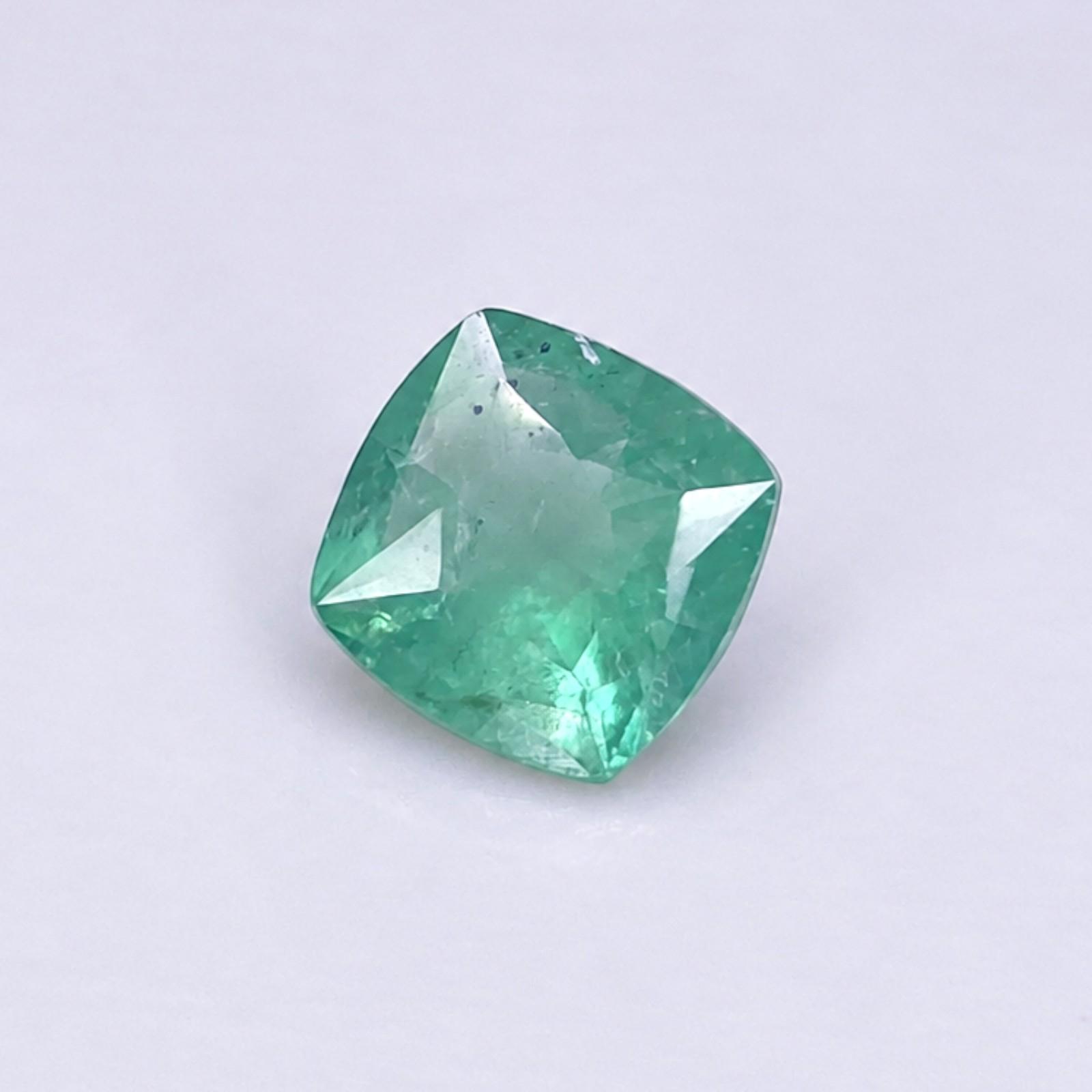
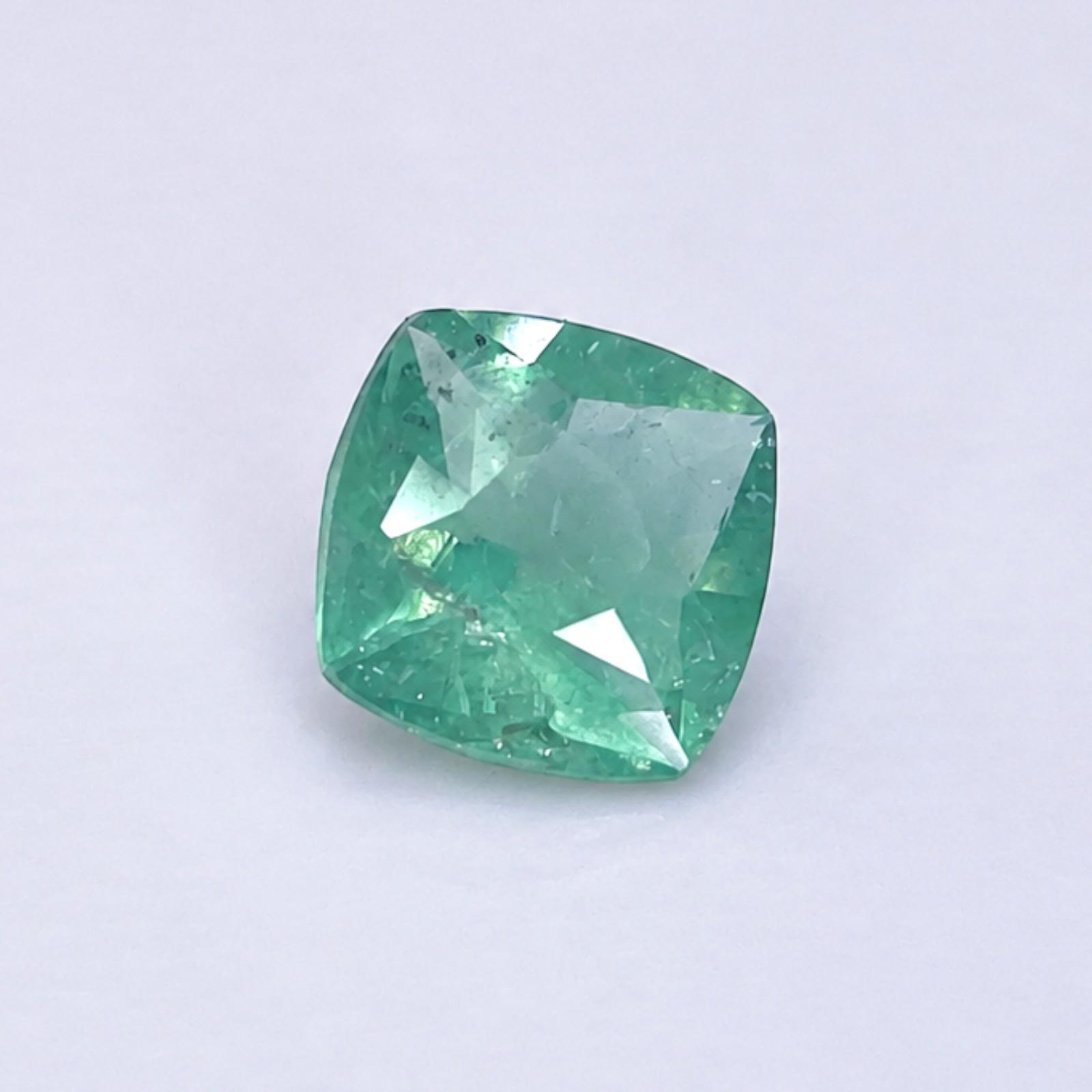
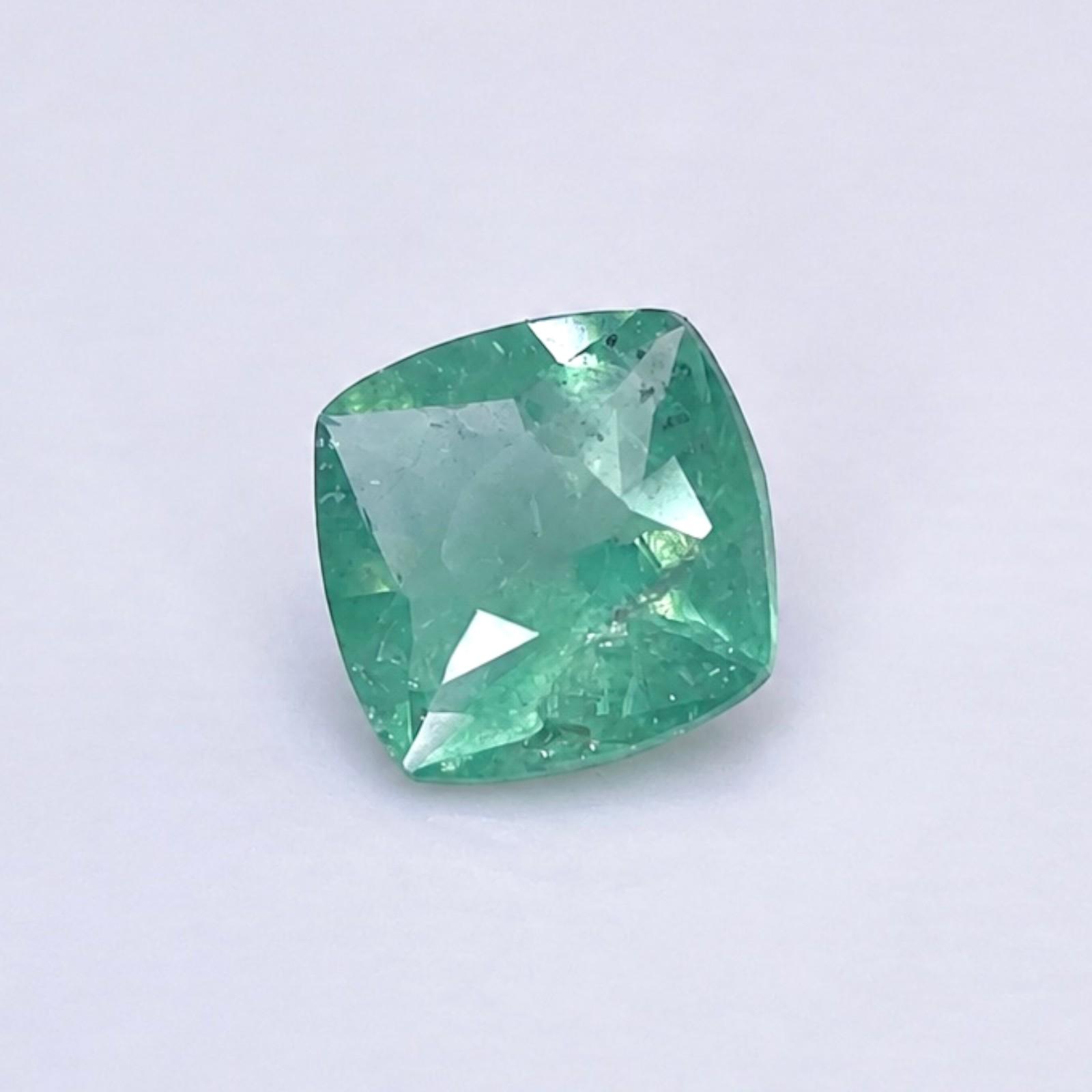
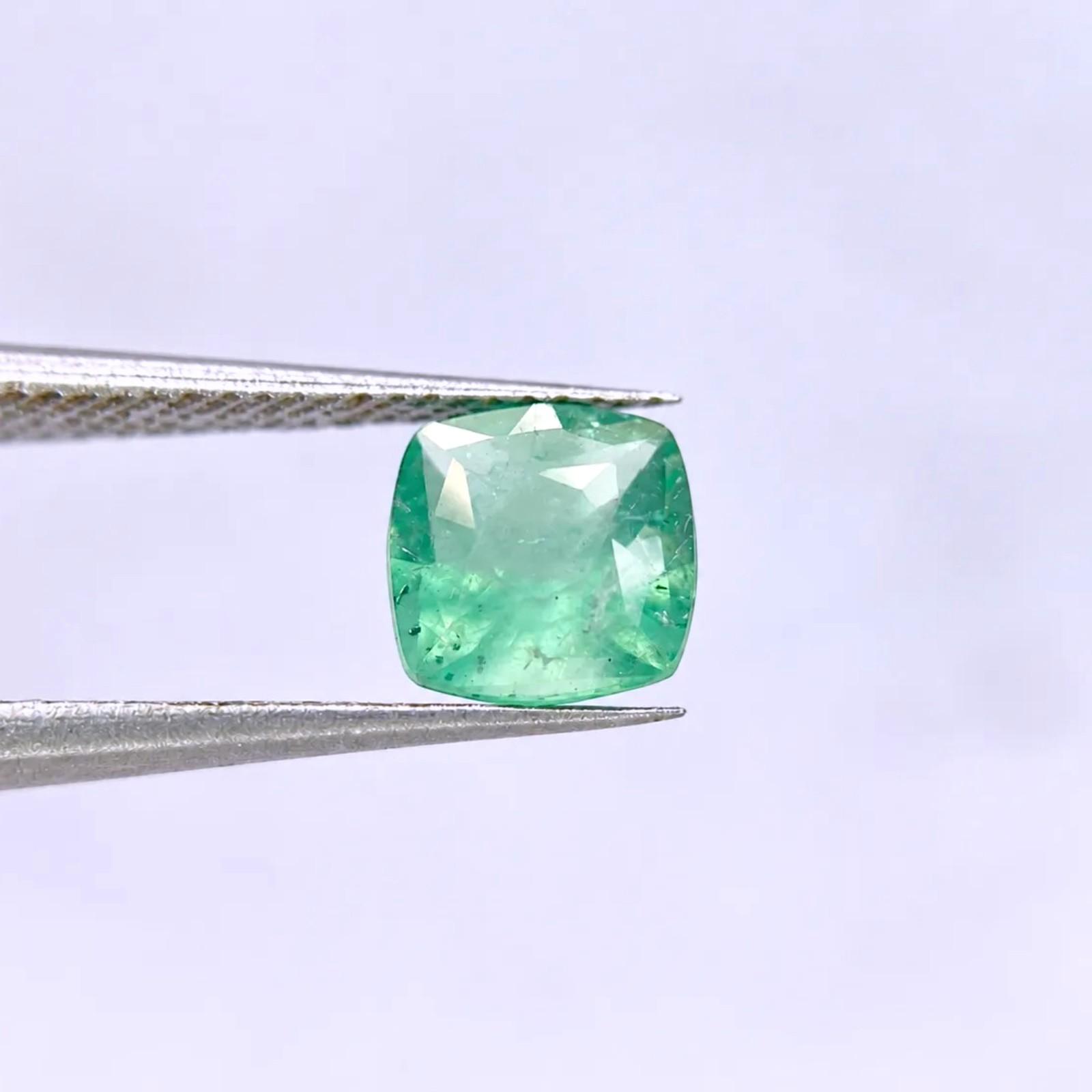
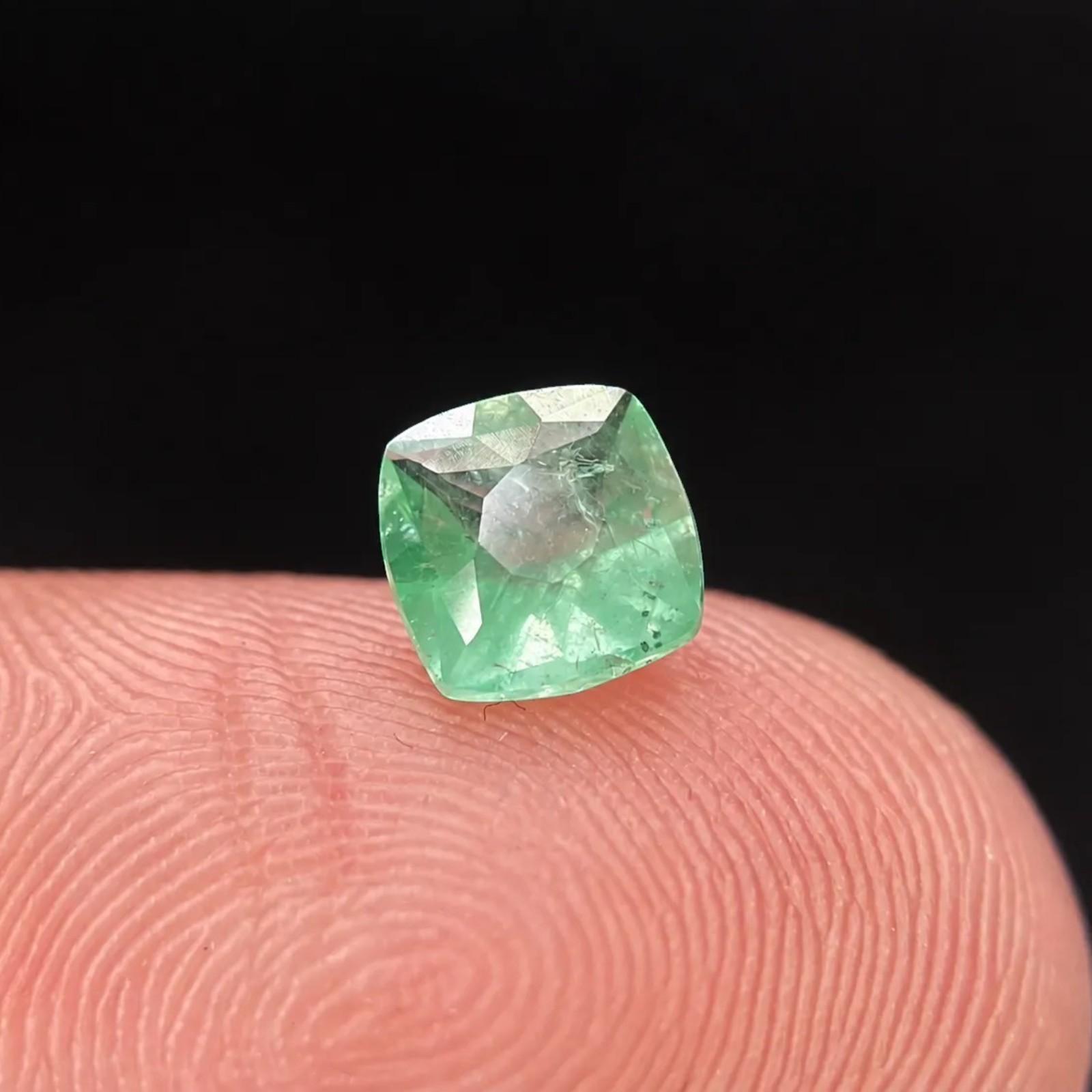
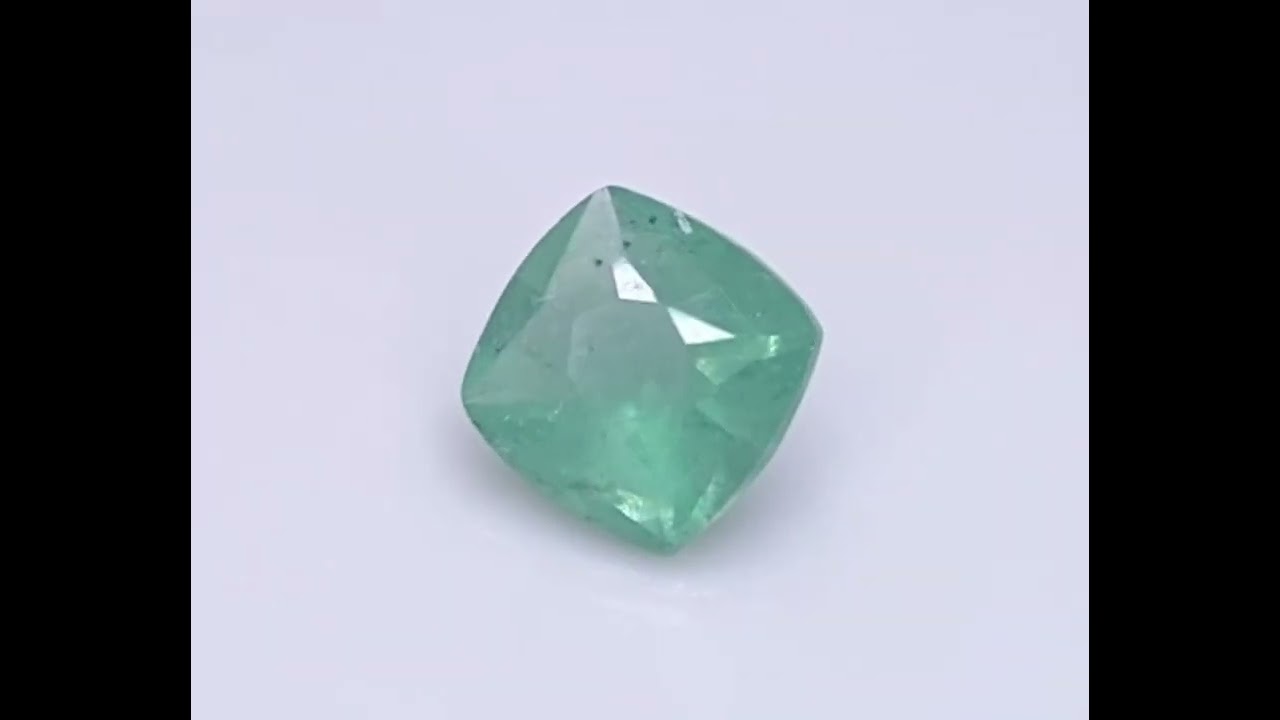


- Freakingcats Gemstone Database
Fluorite (China)
Fluorite from the prolific hydrothermal vein networks, skarn horizons, and carbonate-hosted deposits of China represents an absolute global high-water mark for crystal scale, structural diversity, and color saturation in isometric halide mineralogy. A premier calcium fluoride species, it is a mineral I have always respected for its “electric-emerald-green” to “vivid-neon-cyan” daylight fire, glassy surface perfection, and its status as a masterclass in “isometric-hexoctahedral” structural discipline. For the specialist, a top-tier Chinese Fluorite—whether presenting as a mirror-faced cubic cluster from Hunan, a delicate pastel-pink or magenta octahedron from Inner Mongolia, or an intricate botryoidal or modified dodecahedral formation from Fujian—is a prized trophy of fluorine-rich hydrothermal metasomatism; it offers a bright vitreous luster, remarkable internal phantom zoning, and an authoritative presence that makes it an indispensable cornerstone for the systematic vault. As an artist, I find the breathtaking architectural growth terraces, sharp geometric phantom layers, and wide spectrum of saturated tones—ranging from royal purple and sea-green to ultra-rare sky-blue—to be one of nature’s most sophisticated and visually harmonious crystalline achievements.
The Heritage & Discovery
Historical Significance
Chinese Fluorite is an indispensable index species for decoding large-scale, multi-stage hydrothermal mineralization, fluid-cooling pathways, and fluorine-rich metasomatic interactions with carbonate wall rocks throughout eastern Asia. Historically, China has long held the title of the world’s leading producer of industrial fluorspar, but the systematic mining expansion of the late 20th and early 21st centuries transformed the global collector landscape. Pockets unearthed across Hunan, Fujian, Jiangxi, and Inner Mongolia revealed crystals of unprecedented size, color zoning, and morphological complexity, establishing enduring benchmarks in modern systematic mineralogy and international museum collections.
Discovery
The unearthing of macrocrystalline fluorite across China expanded dramatically as deep polymetallic mining advanced through ancient tectonic fold belts and skarn zones. Scientifically, Fluorite is a calcium fluoride possessing a face-centered cubic lattice where calcium cations are coordinated to eight surrounding fluorine anions. In Chinese deposits, multi-pulsed, fluorine-rich hydrothermal fluids circulated through fractured limestones and granitic basements over prolonged geological intervals. This episodic fluid influx formed multi-generational crystal growths, manifesting as razor-sharp interior phantom cubes, stepped surface hillocks, and diverse crystalline habits. The stone’s remarkable spectrum arises from diverse lattice defects (color centers or F-centers) and localized trace-element substitutions, including rare-earth elements (such as trivalent and divalent lanthanides). Many specimens, particularly those from specific epithermal veins, demonstrate remarkable ultraviolet reactivity, igniting with intense violet-blue or lavender luminescence under long-wave UV (365 nm) and distinct pastel tones under short-wave UV. My own respect for this material grew from examining its structural geometry under transmitted light; specifically, watching deep emerald-green or royal-purple phantom cubes reveal crisp, miniature interior generations encased within water-clear outer crystal zones demonstrates a spatial order that is deeply satisfying to the trained eye.
Important Mines
The primary capitals for museum-grade fluorite within China span several prolific provinces. Foremost among them is the legendary Xianghualing Mine and the nearby Dongpo Mine in the Chenzhou Prefecture of Hunan Province, universally celebrated for producing world-record, lustrous emerald-green, sea-foam, and violet cubic crystals, often accompanied by white calcite, quartz, and stannite. Equally celebrated is the Yaogangxian Mine in Hunan, famed for its stepped, razor-sharp purple, blue, and teal cubes featuring intricate phantom zoning alongside wolframite, scheelite, and arsenopyrite. The Huanggangliang Mine in the Hexigten Banner of Inner Mongolia is globally revered for yielding exceptional pink, magenta, and pale violet modified octahedrons and stepped pyramids. Additionally, the De’an Mine in Jiangxi Province (known for sharp purple cubes on sparkling quartz) and various epithermal deposits across Fujian and Zhejiang have produced iconic spherical botryoidal and sky-blue fluorite specimens. For the systematic vault, I prioritize specimens that exhibit crisp, unblemished crystal edges, intense daylight color saturation, razor-sharp internal phantom architecture, and complete freedom from cleavage damage along their octahedral planes.
Mineralogical Profile
Description
Fluorite is a calcium fluoride mineral that crystallizes in the isometric (cubic) system within the hexoctahedral crystal class. It sits at a baseline 4 on the Mohs scale, serving as the universal defining benchmark mineral for that hardness level; its smooth, highly lustrous faces possess four directions of perfect octahedral cleavage parallel to {111}, requiring careful archival handling to protect its crisp crystal edges, delicate terminations, and corners from mechanical shock, sudden pressure, or abrasive contact. It is characterized by its bright, splendent vitreous surface luster and an expansive, vivid color palette dominated by emerald-green, royal purple, electric sky-blue, magenta-pink, golden-amber, teal, and water-clear.
One of its most identifying traits is its extreme geometric habit versatility, routinely forming razor-sharp cubes, modified octahedrons, rhombic dodecahedrons, interpenetrant penetration twins, and stepped, parallel-growth hoppered formations that cleanly map out fluid cooling vectors. It possesses a moderate refractive index of approximately 1.434, imparting a soft, liquid-like optical depth with low chromatic dispersion, paired with a moderate average specific gravity ranging between 3.17 and 3.20 that reflects its tightly packed halide framework. Because it forms across diverse hydrothermal veins, greisens, skarns, and pegmatites, it is commonly found in close association with Quartz, Calcite, Wolframite, Scheelite, Pyrite, Galena, Sphalerite, Arsenopyrite, and Dolomite. When I select an example for documentation, I look for sharp crystal geometry, intense color purity or well-defined internal phantom zoning, and high surface luster, as these emphasize the sophisticated, fluorine-driven chemistry of the mineral’s dramatic subterranean birth.
Chemical Formula
CaF2 (with trace REE elements and localized F-center color defects)


