
SKU: OPAL0141
3.39 ct OPAL UV – MEXICO
EXPERT VERIFIED
- Expert Verified Gemstone
- Fast Handling & Shipping
- Secure Vault Packaging
$ 150
Offer amount Feild


Smart Collector Choice


Pay with Crypto & Get 10% Automatic Discount

Availability: 1 in stock
Gemstone Details
Gem Variety:
Opal UV
Origin:
Mexico
Carat Weight:
3.39
Length (mm):
9.80
Width (mm):
9.80
Depth (mm):
6.60
Shape:
Square
Color
Bi-Color/Multicolor
Treatment:
No Treatment
Certificate:
On Request
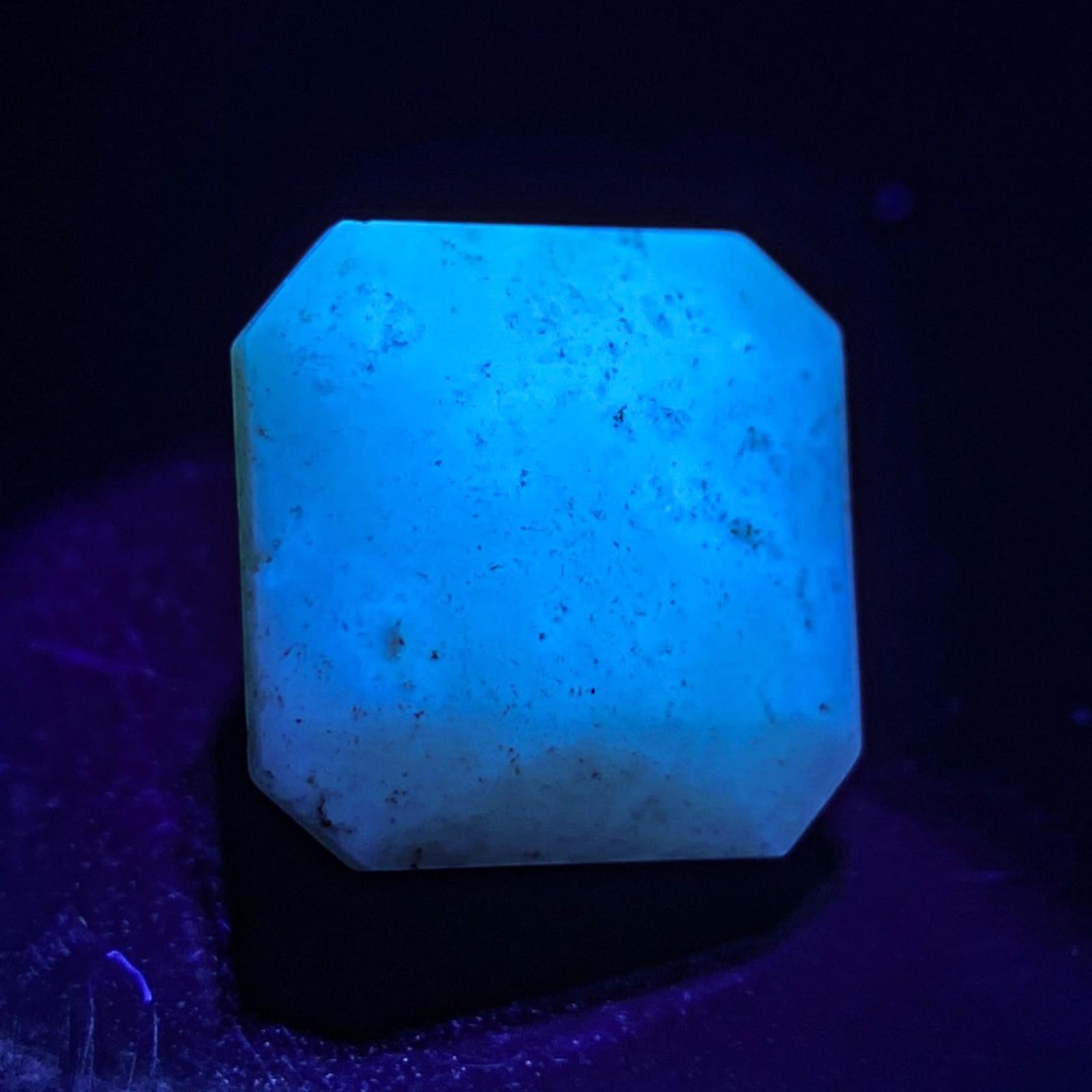
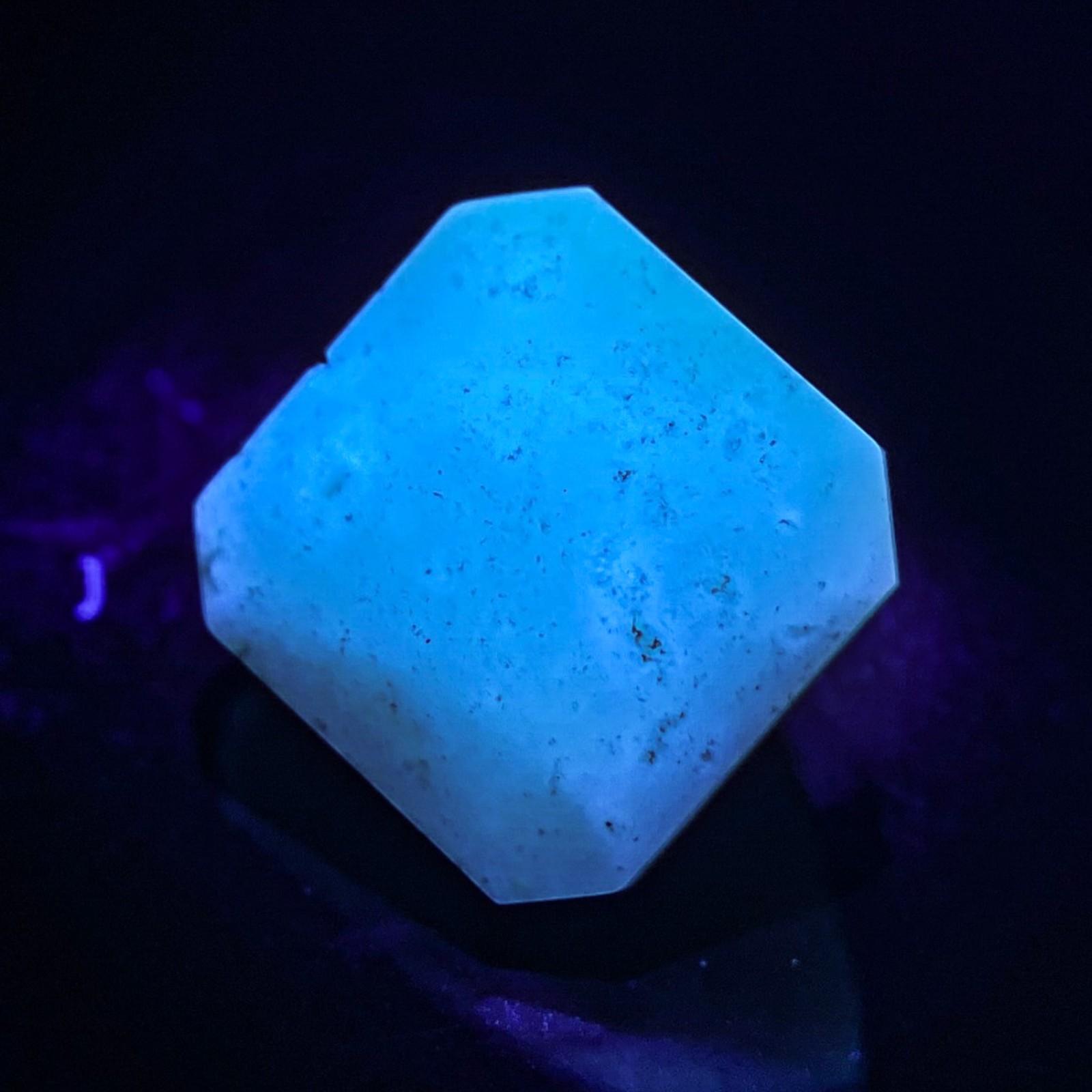
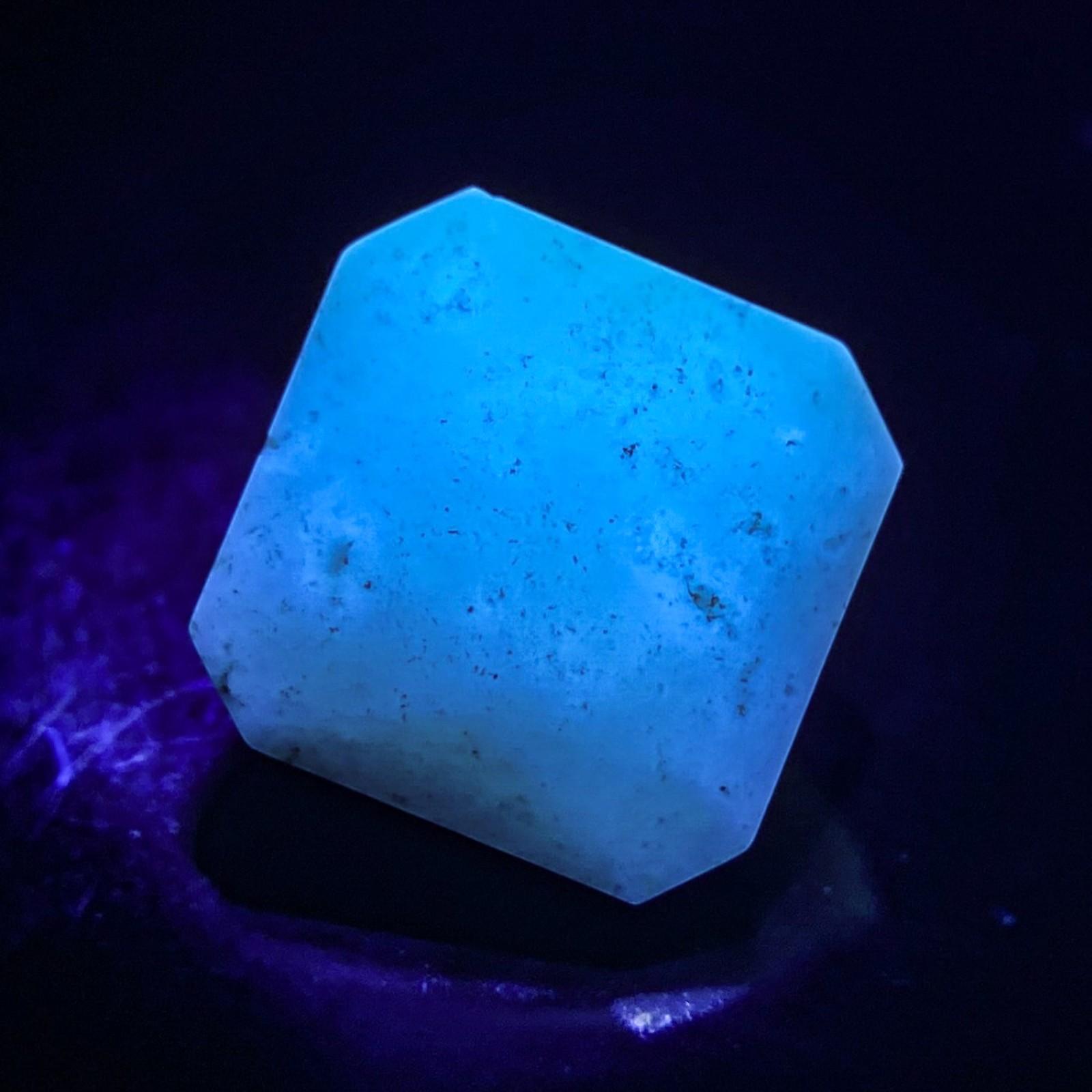
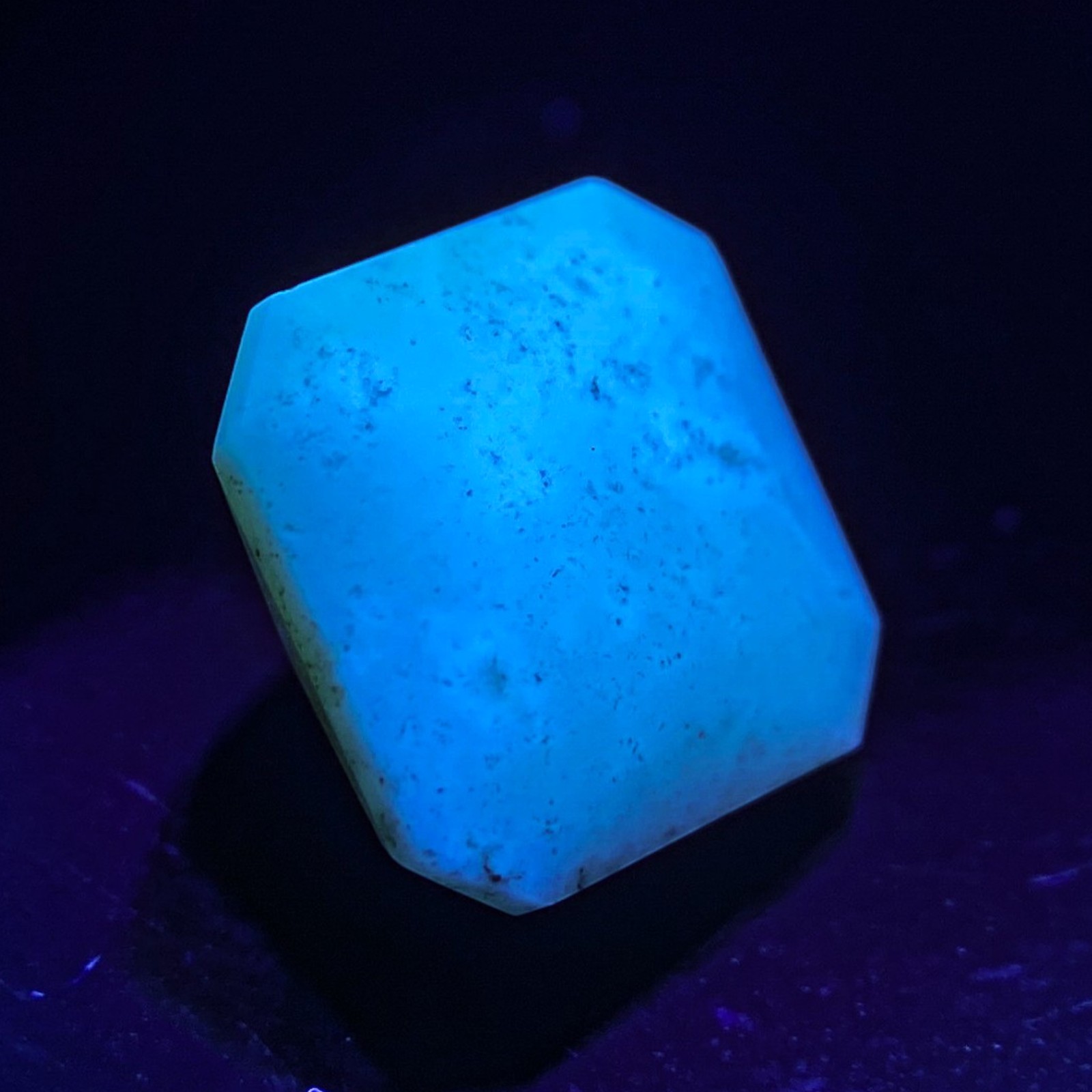
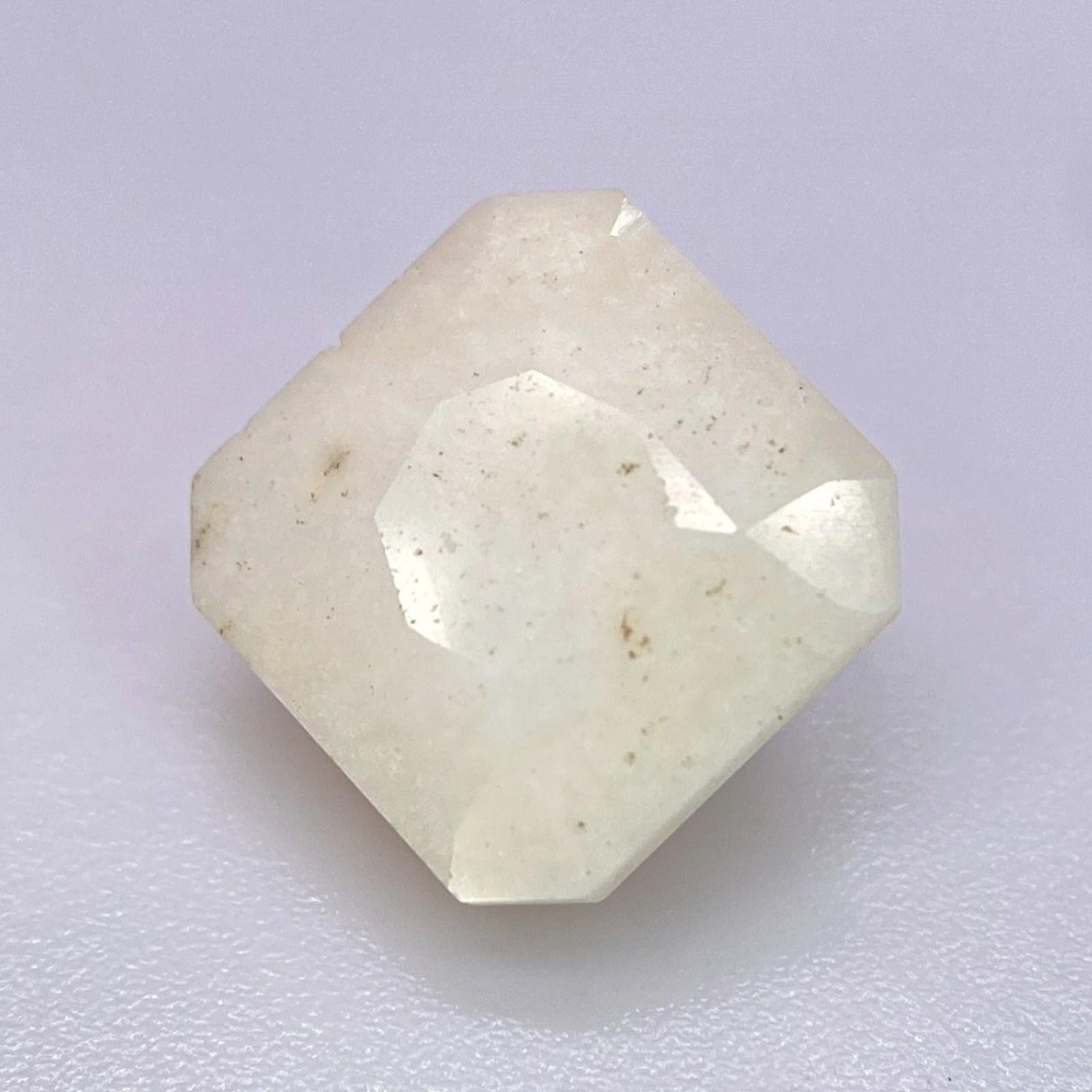
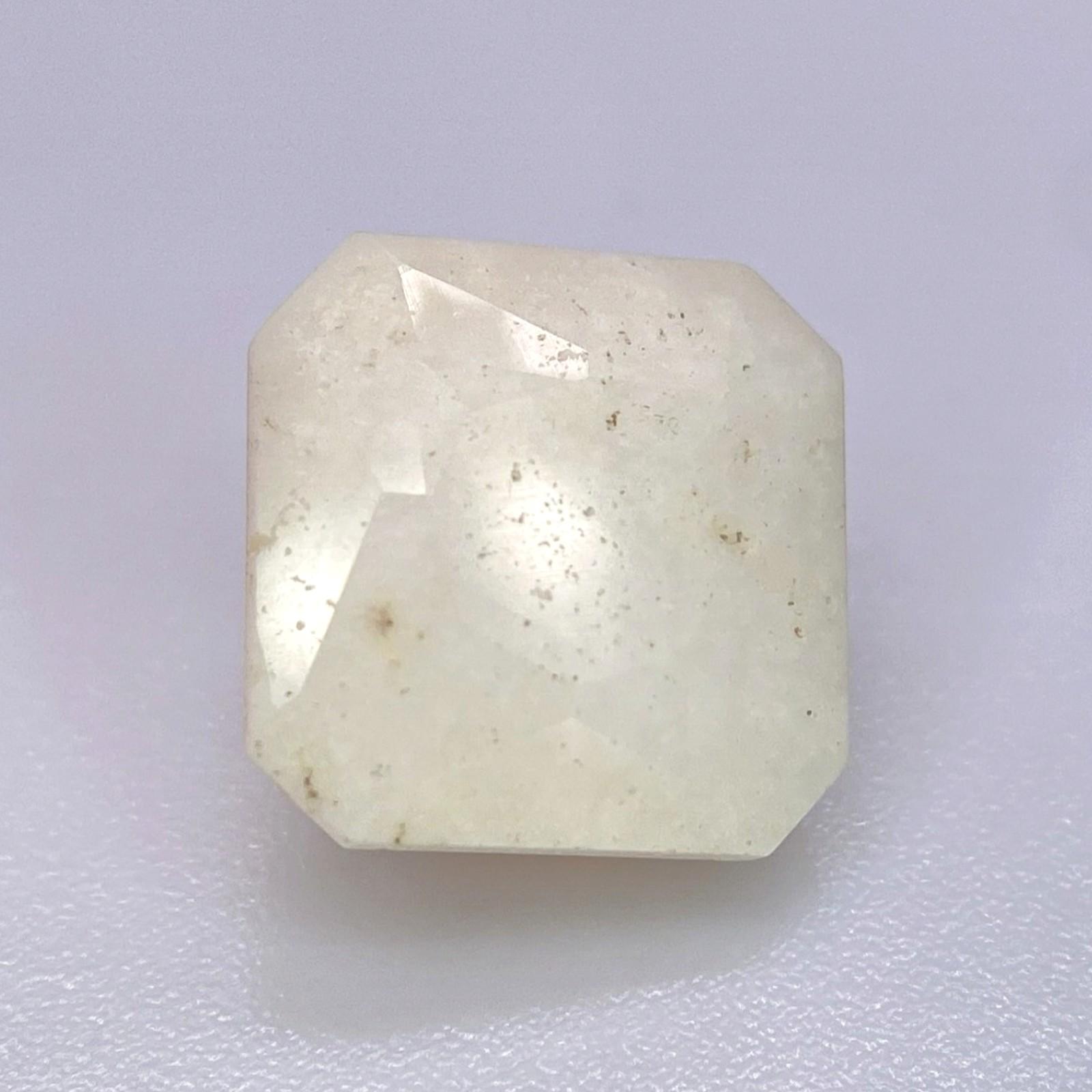
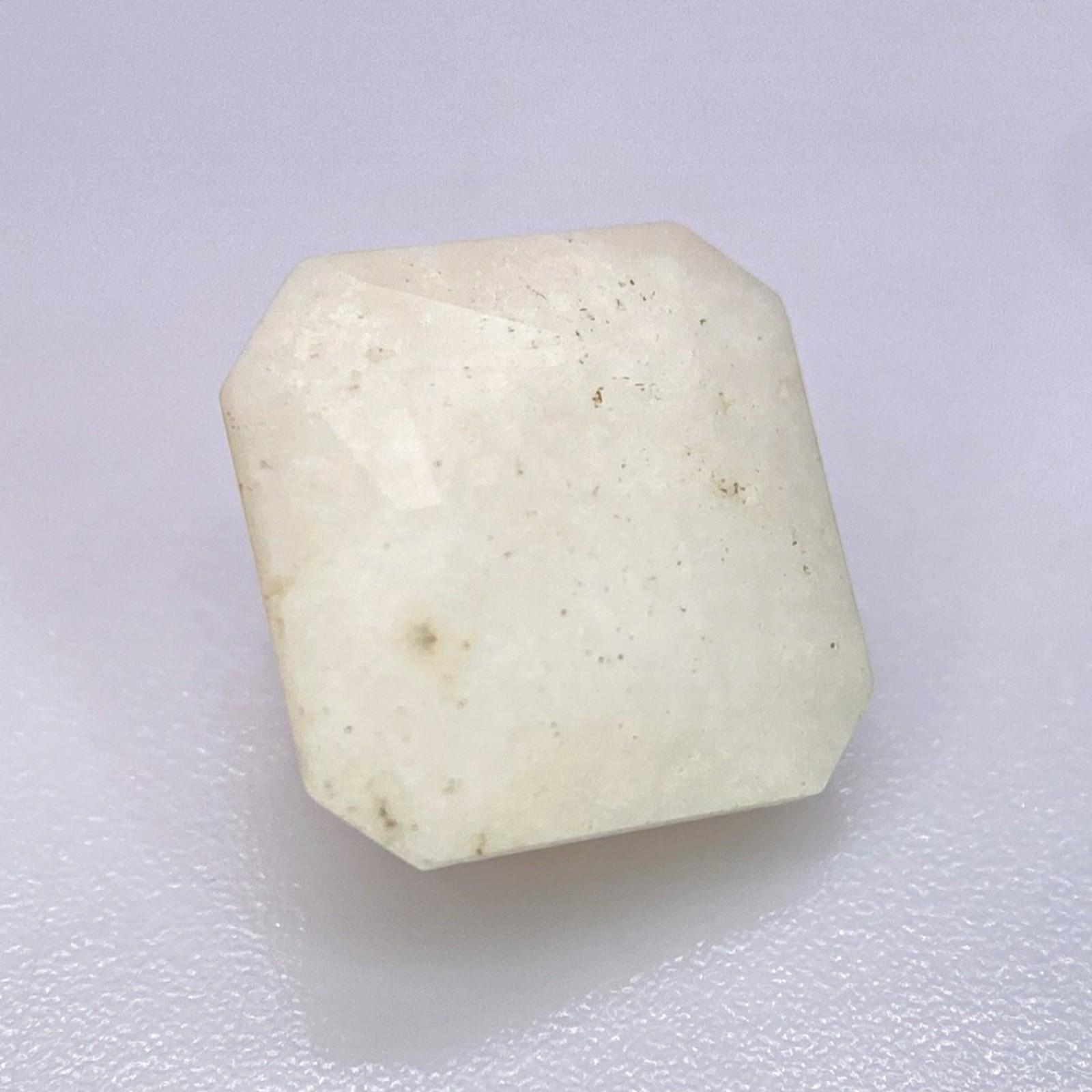


- Freakingcats Gemstone Database
UV-Fluorescent Hyalite Opal (Mexico)
Mexican UV-reactive hyalite opal is one of the most remarkable optical anomalies in the mineral kingdom. While it often appears as glassy, transparent botryoidal coatings or clear faceted gems under soft incandescent illumination, exposure to ultraviolet radiation—or even indirect natural daylight—triggers an intense, electric neon-green luminescence. Unlike precious opal, which creates optical play-of-color through the diffraction of light among stacked silica spheres, hyalite opal possesses an amorphous, glass-like network (Opal-AN) whose vivid glow is driven entirely by molecular fluorescence. For collectors, fine Mexican specimens represent the pinnacle of daylight-fluorescent gem materials, bridging the gap between rare mineral aesthetics and physical chemistry.
The Heritage & Discovery
Historical Significance
Hyalite, derived from the Greek word hyalos meaning glass, has historically been known as a simple colorless secondary silica formation across various volcanic fields worldwide. However, the discovery of intense daylight-fluorescent specimens transformed how gemologists view this amorphous mineral. Previously, collector-grade fluorescent hyalite was recognized mostly as mineral curiosities from localities like the Erongo Region in Namibia or the Valec deposit in the Czech Republic. The emergence of transparent, facetable, and intensely luminous Mexican rough established a new category for gem collectors, often referred to in trade circles as “Electric Opal” or daylight-fluorescing hyalite.
Discovery
The significant modern discovery of high-grade, daylight-fluorescent hyalite occurred around 2013 in the volcanic highlands of central-northern Mexico. Miners and field collectors discovered that clear botryoidal silica crusts nestled within volcanic cavities reacted violently to ultraviolet wavelengths. Most remarkably, top-tier specimens exhibited a discernible chromatic shift in indirect open sunlight, shifting from watery pale yellow or water-clear into bright, vivid yellowish-green purely through daylight excitation.
Important Mines
The preeminent locality for this material is the Zacatecas State of Mexico, notably around the volcanic mesas and the deposit famously referenced as the “Electric Opal Knob”. The deposits occur within tertiary rhyolitic tuffs and volcanic host rocks, where high-temperature hydrothermal and meteoric fluids deposited low-water silica along fractures, lithophysae cavities, and gas pockets. Mexico’s classic precious opal mining regions in Querétaro and Jalisco also occasionally yield secondary hyalite formations, though the intense, clean, uranyl-activated daylight-reactive specimens remain heavily tied to Zacatecas.
Mineralogical Profile
Description
Mexican UV-reactive hyalite is classified as Opal-AN (amorphous, network-like), meaning its silica lacks the periodic sphere arrangement found in Opal-AG (sedimentary precious opal) or the microcrystalline ordering of Opal-CT (volcanic common and precious opal). It is non-porous and exhibits a vitreous to glassy luster, with a relatively low water content (often between 2% and 4% by weight) compared to traditional sedimentary opals.
The defining attribute of this material is its intense green luminescence under both short-wave (SW) and long-wave (LW) ultraviolet light, typically peaking around 500 to 570 nm. This phenomenon is caused by sub-microscopic traces of the uranyl ion (UO2 2+) embedded homogeneously within the amorphous silica matrix during low-temperature hydrothermal deposition. When irradiated by UV wavelengths, the uranyl complexes absorb higher-energy photons and emit visible green light. Despite containing trace uranium as the luminescent activator, the radioactivity of gem-quality hyalite is negligible and safe for handling, consistently falling near standard background environmental thresholds.
Chemical Formula
SiO2 · nH2O


