
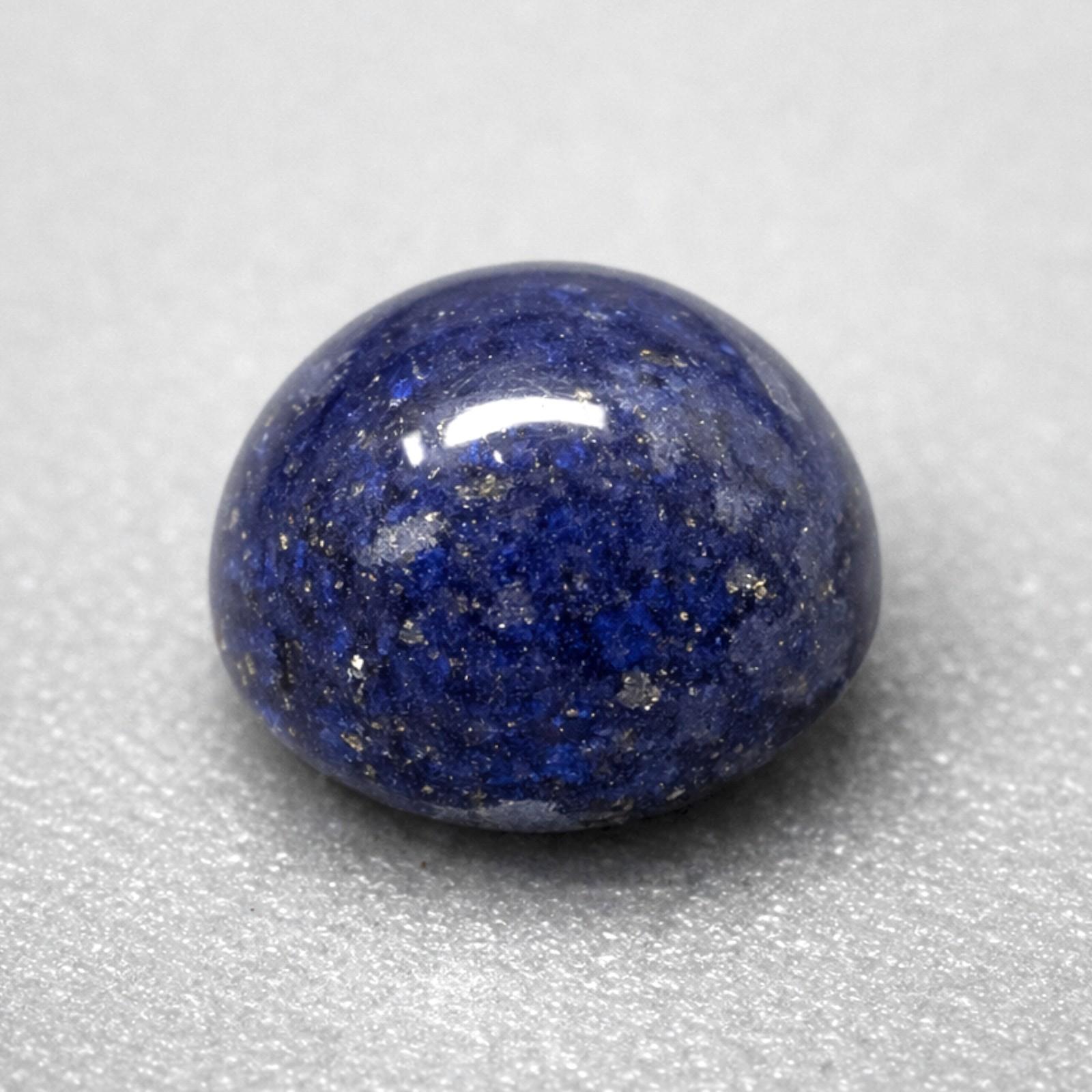
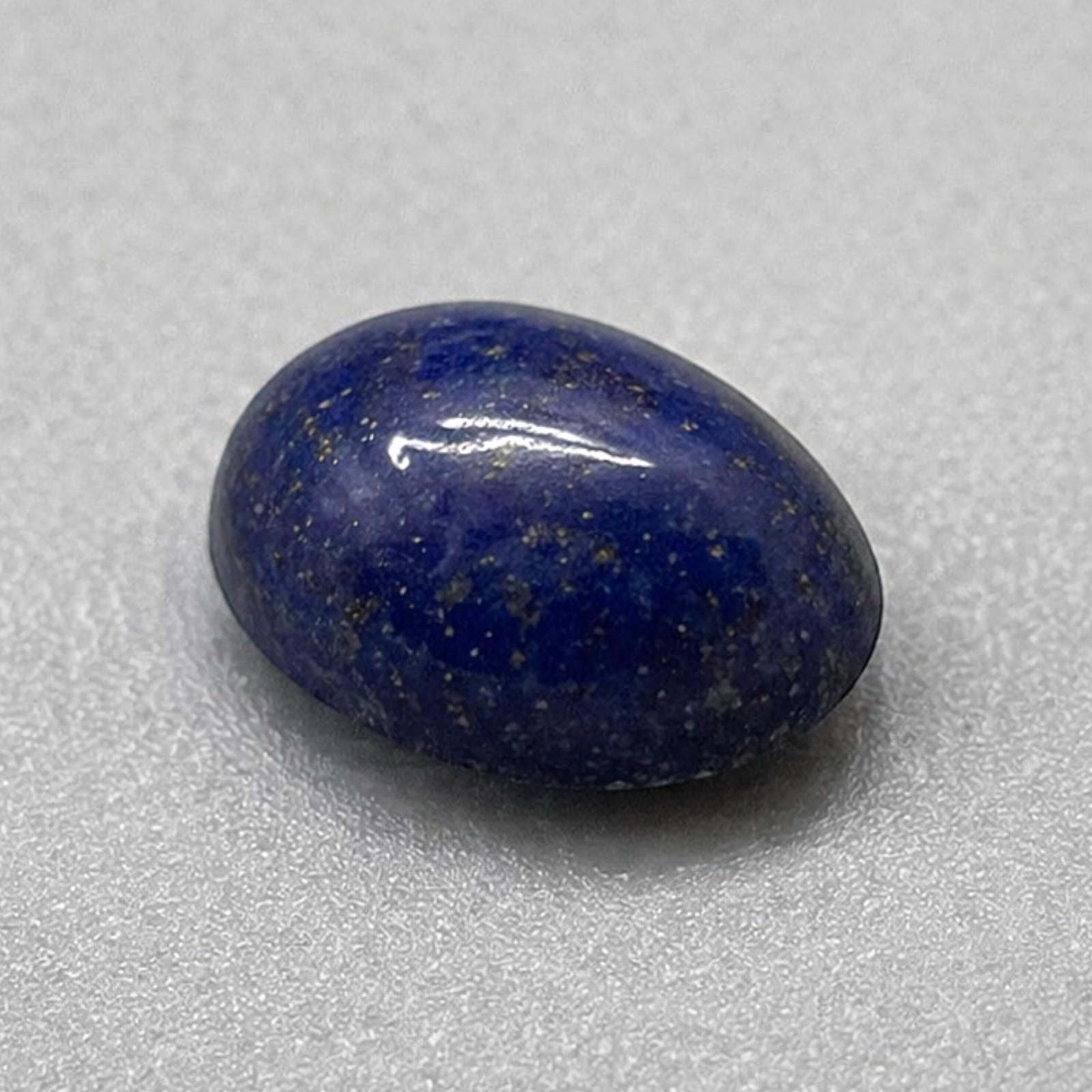
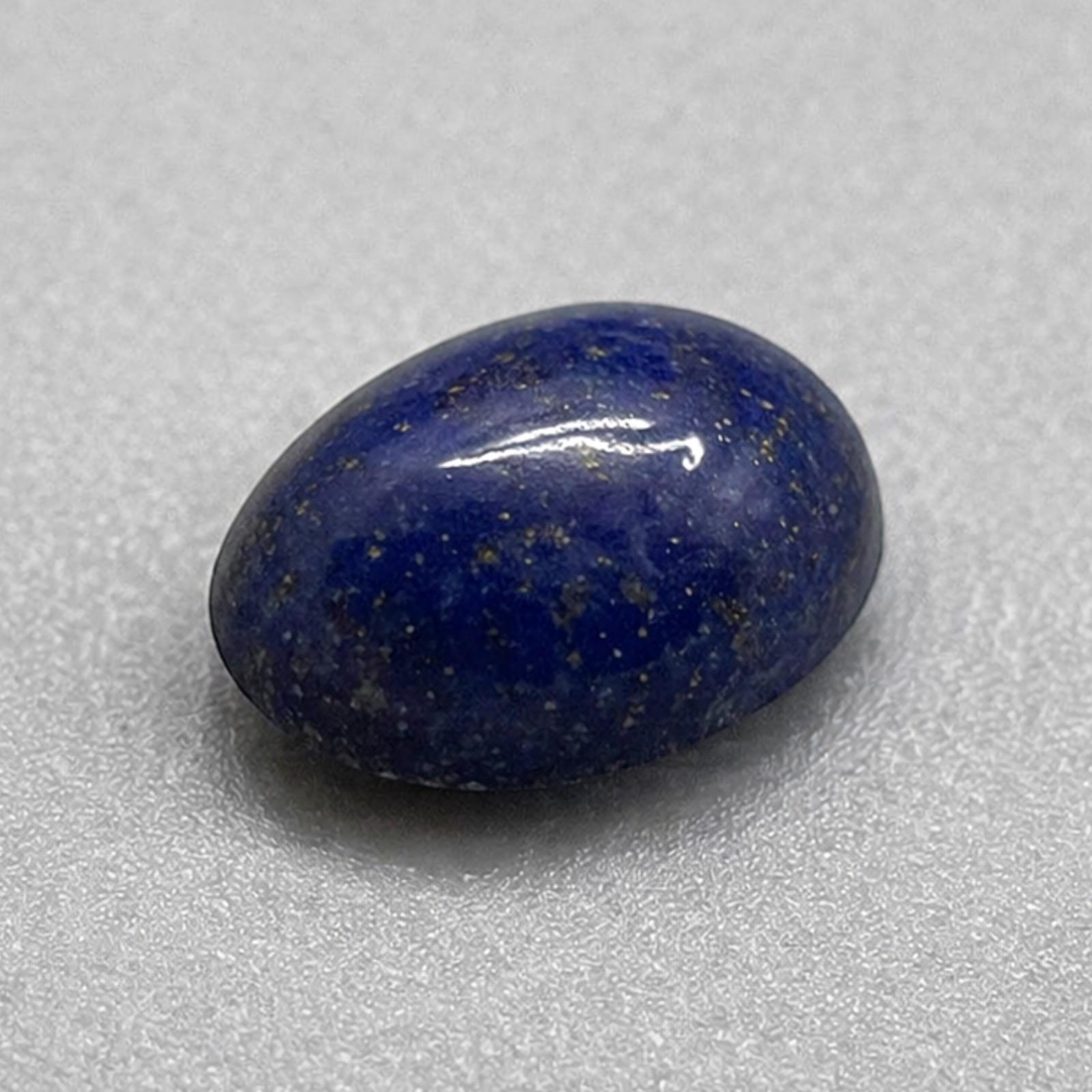
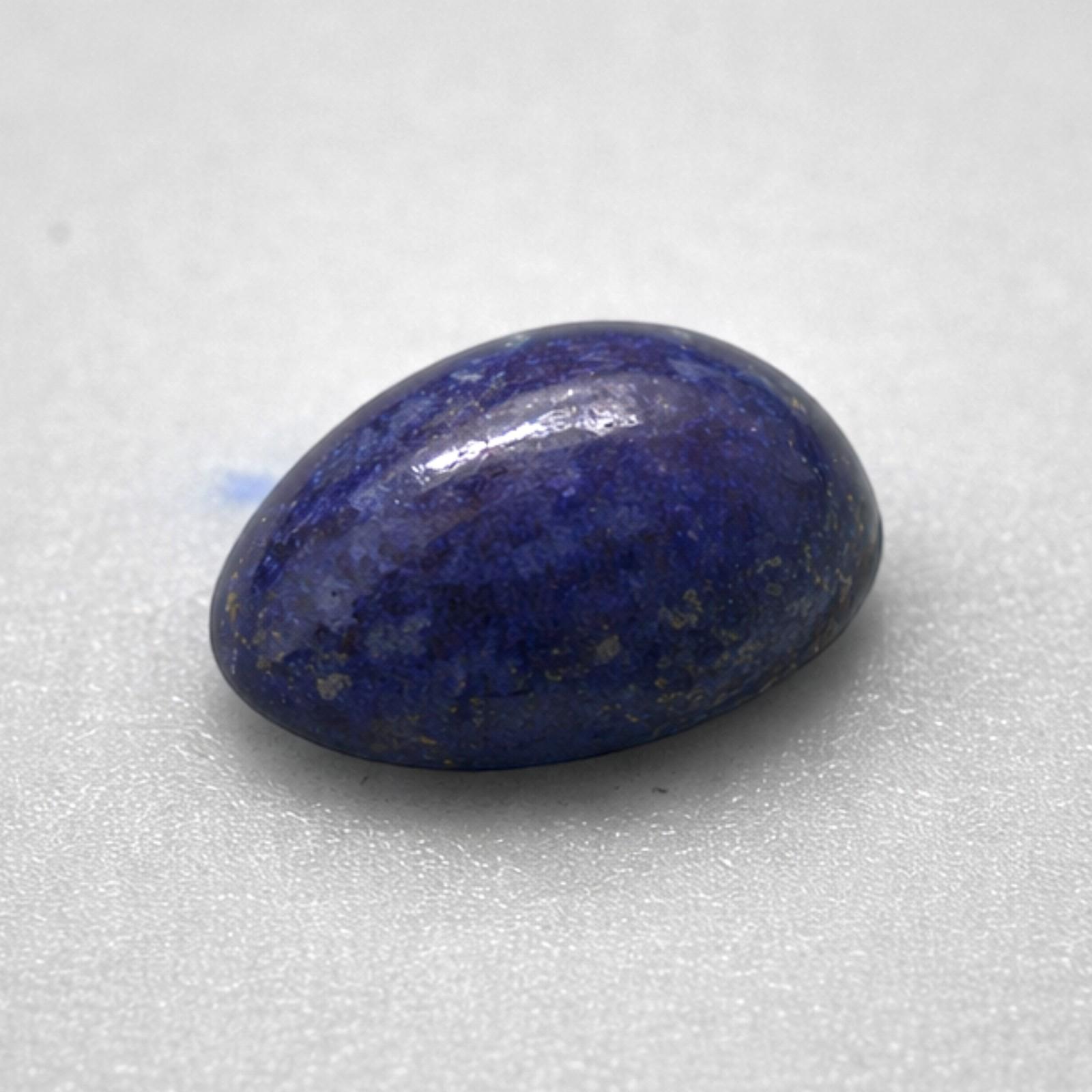
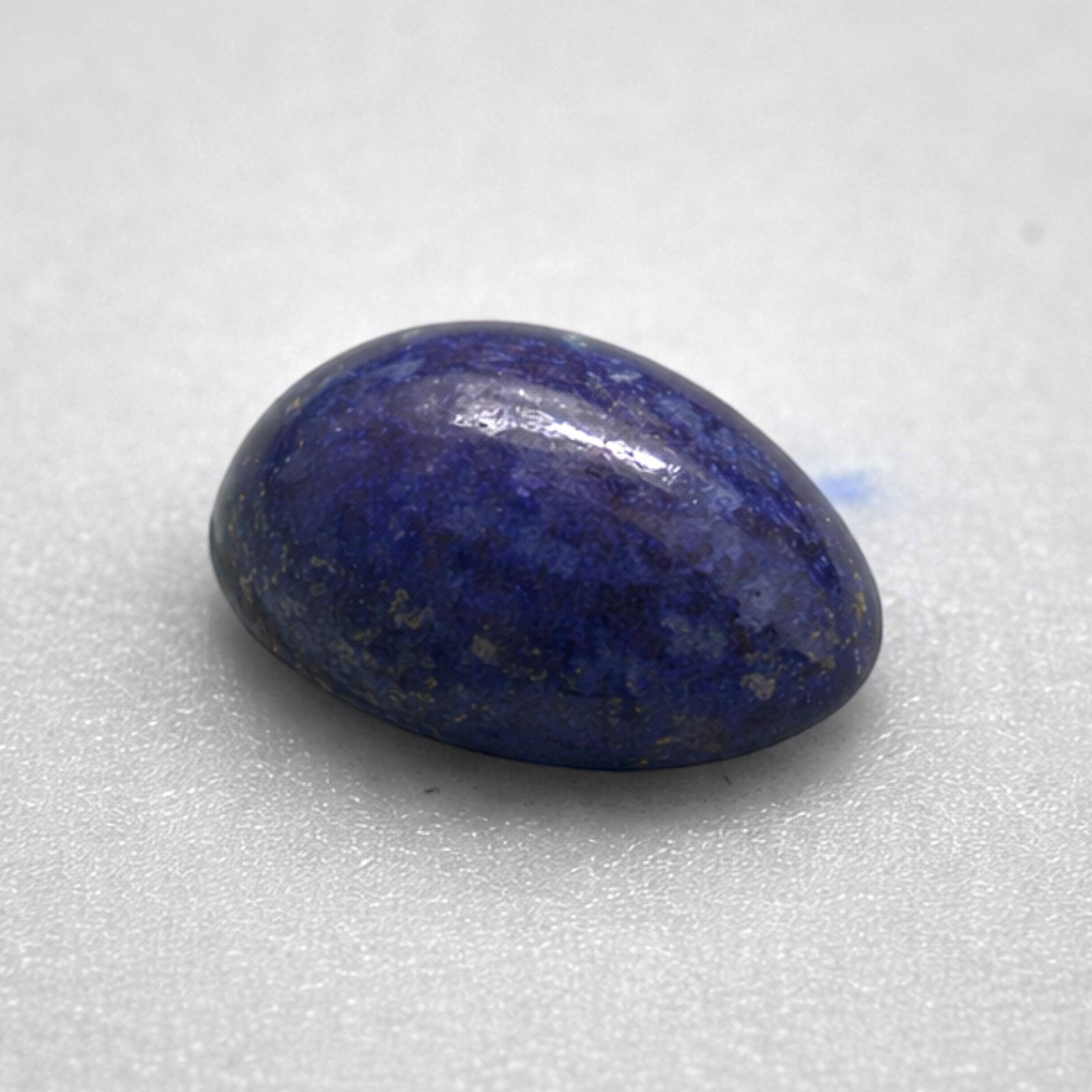
1.55 ct AZURITE – MOROCCO
EXPERT VERIFIED
- Expert Verified Gemstone
- Fast Handling & Shipping
- Secure Vault Packaging
$ 100
Offer amount Feild


Smart Collector Choice


Pay with Crypto & Get 10% Automatic Discount

Availability: 1 in stock
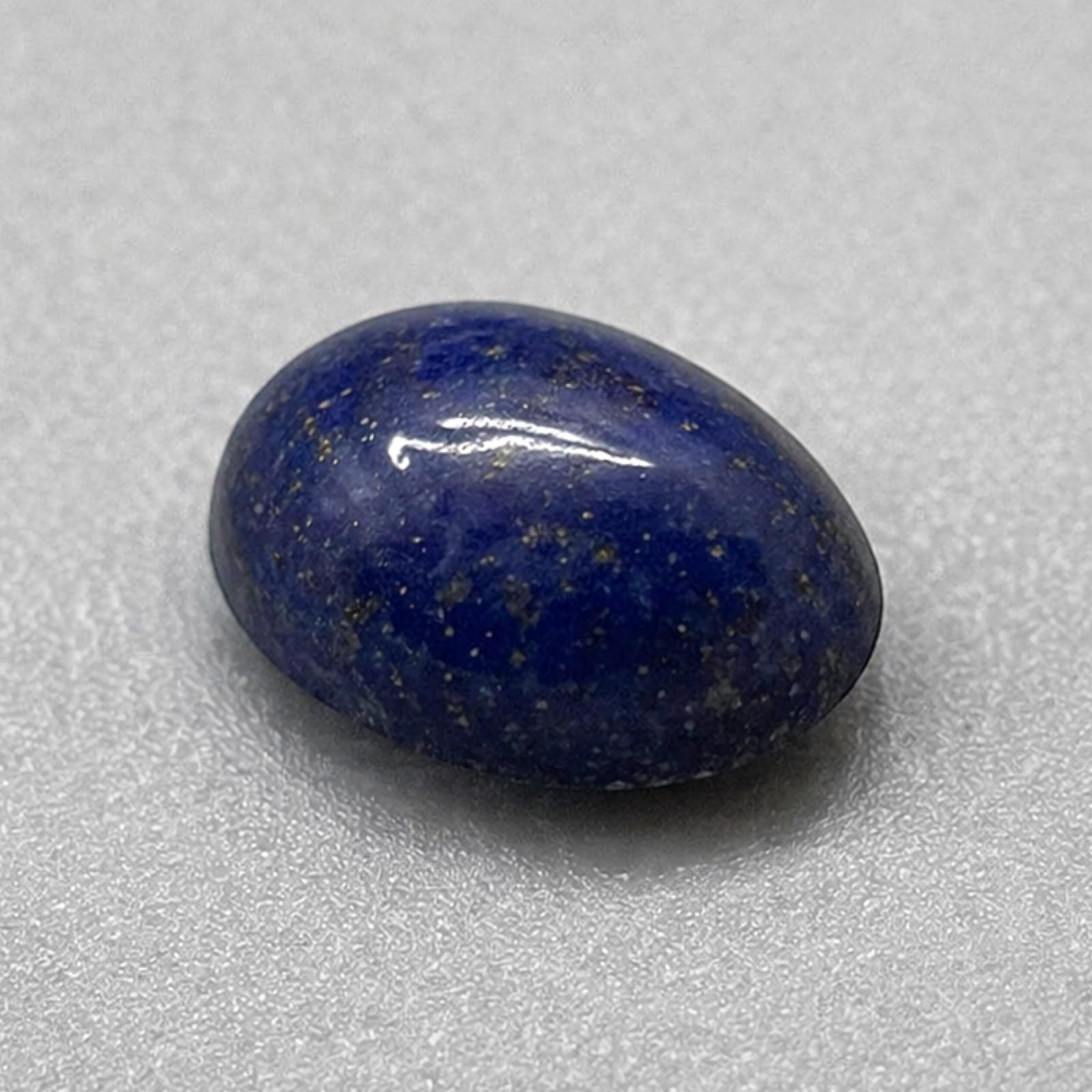
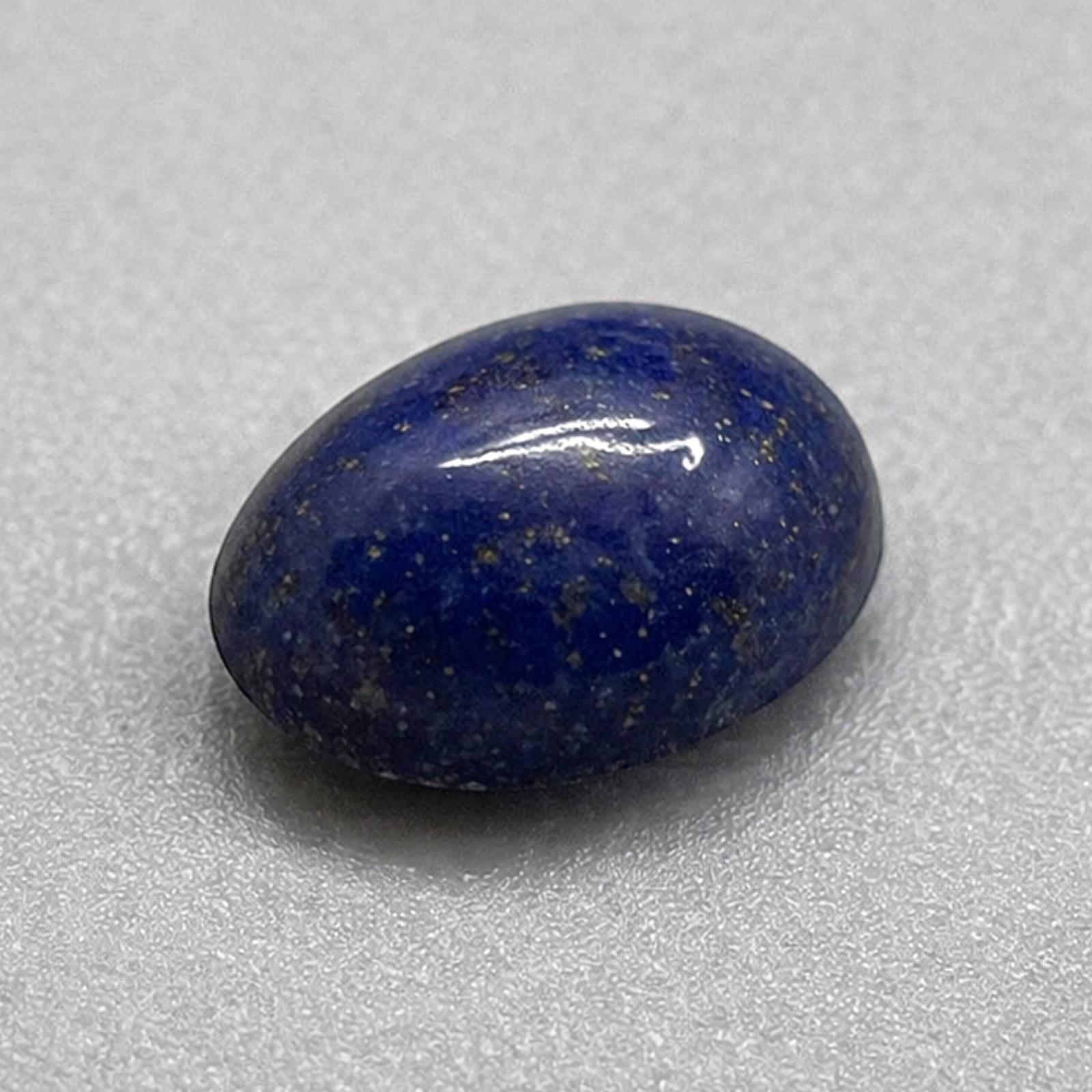
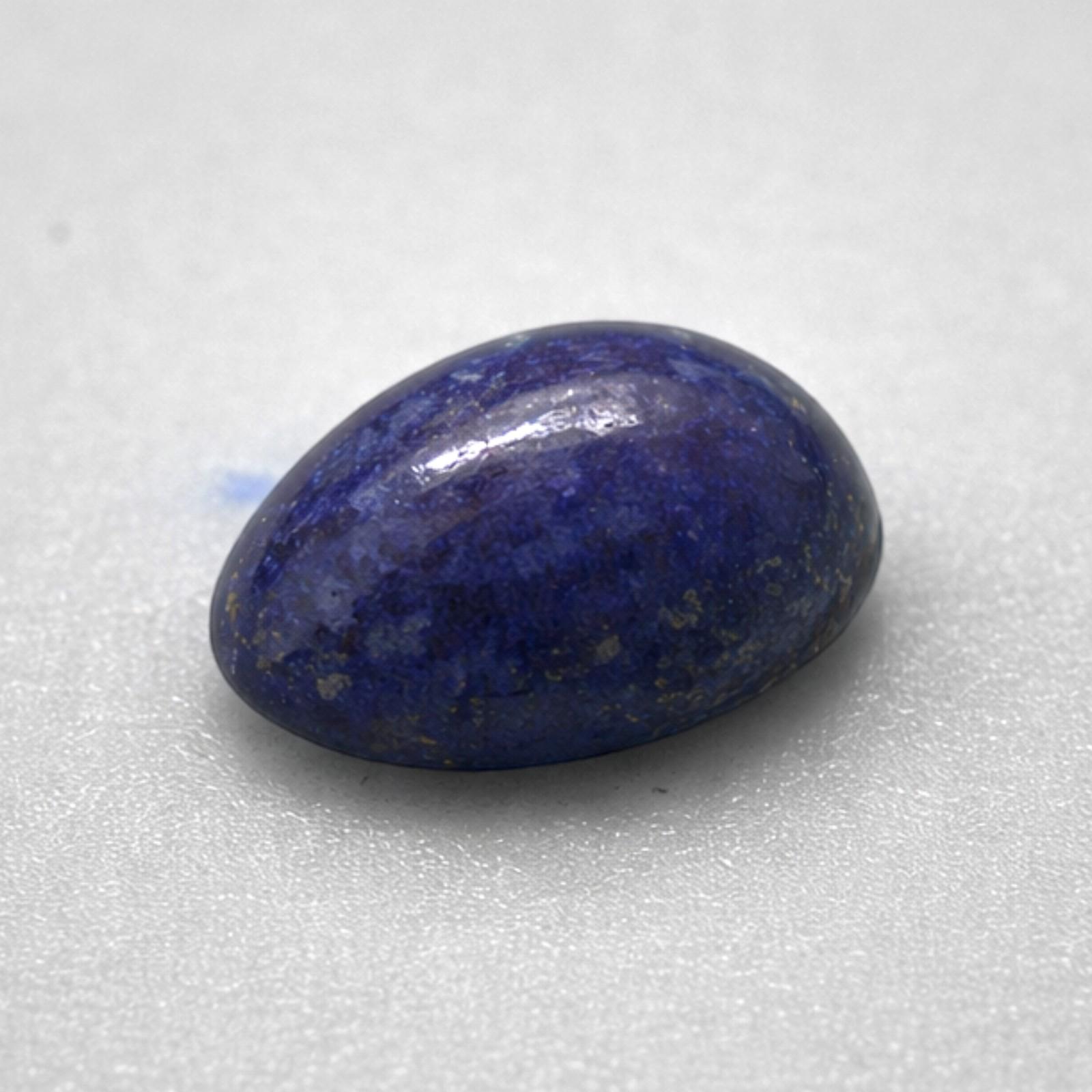
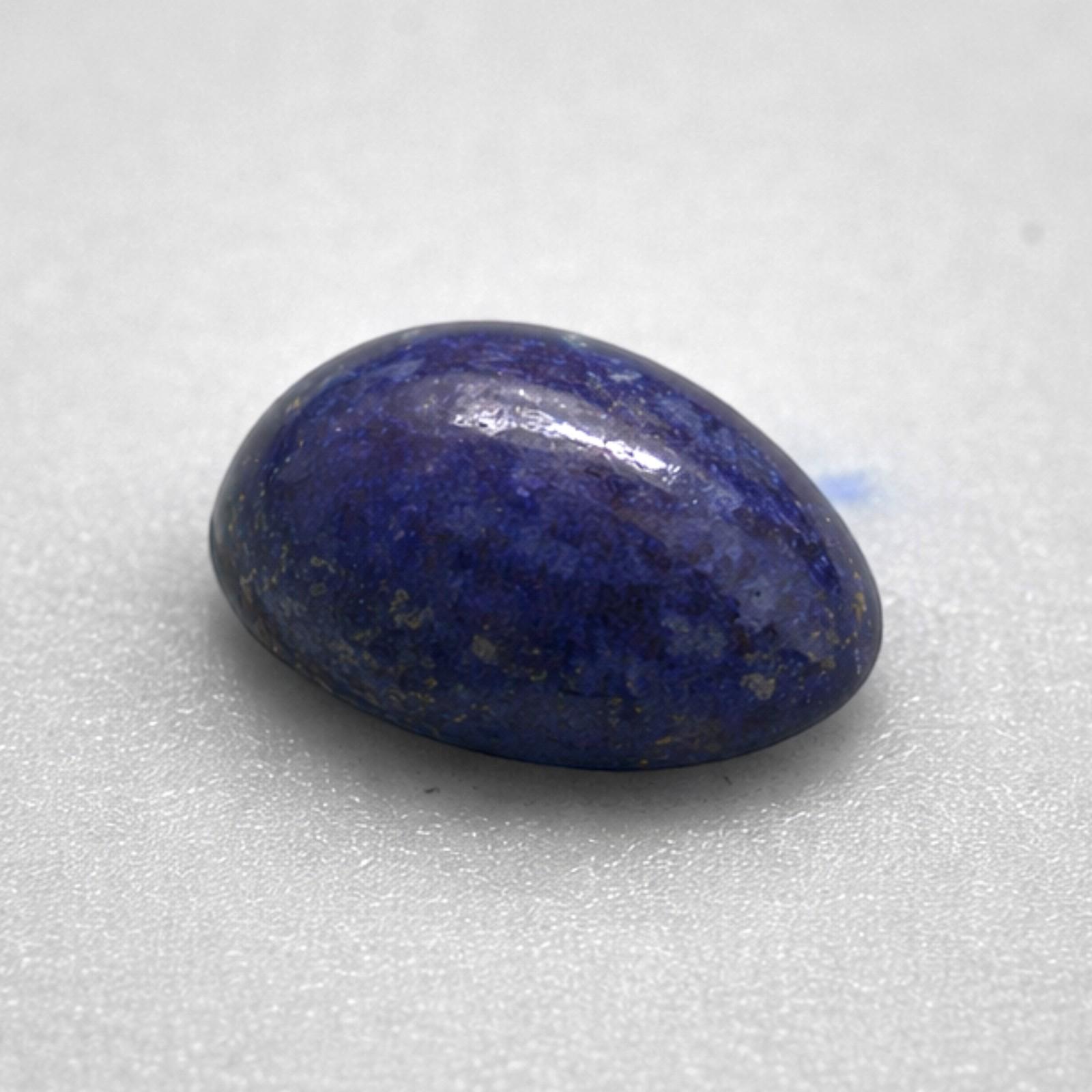


- Freakingcats Gemstone Database
Azurite
Azurite represents the “indigo-glow” monarch of the carbonate world. A basic copper carbonate, it is a species I have always respected for its “electric-blue” saturation and its deep historical roots as a prized pigment and a spiritual stone of “heavenly” insight. For the specialist, a top-tier Azurite is a prize of elemental concentration; it offers a vitreous to sub-adamantine luster and a “solid” presence that makes it a true “high-density” asset for the systematic vault. As an artist, I find the “night-sky” depth of these crystals to be one of nature’s most sophisticated and “mysterious” palettes.
The Heritage & Discovery
Historical Significance: Azurite is a vital species for understanding the oxidation of copper ore bodies. Historically, it was known to the ancient Egyptians and Greeks as a source of “mountain blue” pigment, though it is notoriously “restless” and can transition into green Malachite over geological time. In the world of fine minerals, it is celebrated for its natural, “monochromatic” perfection, which remains the global benchmark for “true blue.” It stands as a symbol of mental discipline and chemical focus, bridging the gap between common copper ores and the elite world of “hyper-saturated” collector gems. It serves as a reminder that the most “intense” colors in nature are often forged in the reactive zones of the upper Earth.
Discovery: The mineral was formally named in 1824 by François Sulpice Beudant, derived from the Persian lazhward (blue). Scientifically, it is a secondary copper mineral. Its discovery in the Chessy-les-Mines region of France provided mineralogists with the first clear look at the species’ potential for “gemmy,” tabular crystals, leading to the historical name “Chessylite.” My own respect for this material grew from observing its “crystalline” architecture; when it forms as sharp, mirror-bright monoclinic blades rather than massive crusts, the visual impact is unmistakable to the trained eye.
Important Mines: The undisputed world capitals for the finest, “electric-blue” Azurite are the Tsumeb Mine in Namibia (for massive, world-record crystals) and the Milpillas Mine in Sonora, Mexico (for modern, “neon-blue” blades). I also have a high regard for the spectacular “blue-sun” nodules from the La Sal district in Utah, USA, and the classic “blueberry” concretions from Liufengshan, China. For the vault, I prioritize the Tsumeb and Milpillas material for their unmatched “midnight-blue” depth and their iconic rhombohedral to tabular geometry.
Mineralogical Profile
Description: Azurite is a copper carbonate hydroxide that crystallizes in the monoclinic system. It sits at a 3.5 to 4 on the Mohs scale, making it a relatively soft and delicate mineral that must be handled with care to avoid marring its “glossy” surfaces. It is characterized by its vitreous luster and its unmistakable, “indigo-to-azure” color palette.
One of its most identifying traits is its strong effervescence in hydrochloric acid and its high copper content, which gives even small crystals a remarkable “heft.” It has a moderate refractive index. Because it forms in the oxidation zone of copper deposits, it is almost always found in association with Malachite, Cuprite, and Chrysocolla. When I select a piece for the collection, I look for “sharp” facet junctions and a “glowing” edge when backlit, as these highlight the sophisticated, three-dimensional geometry of the mineral’s growth. It is a dense, high-vibration mineral that offers a unique, “celestial” beauty unlike any other carbonate species.
Chemical Formula: Cu3(CO3)2(OH)2


