
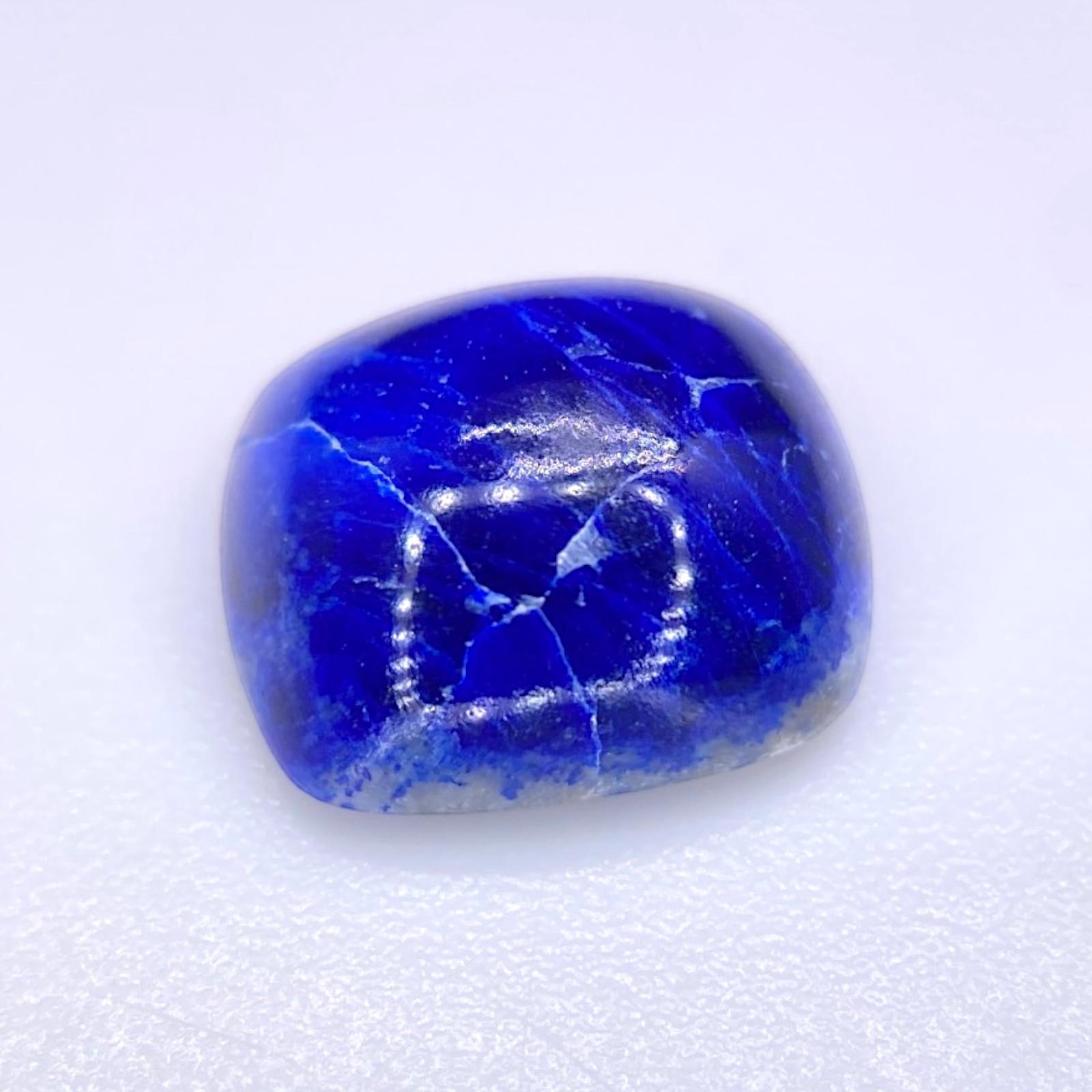
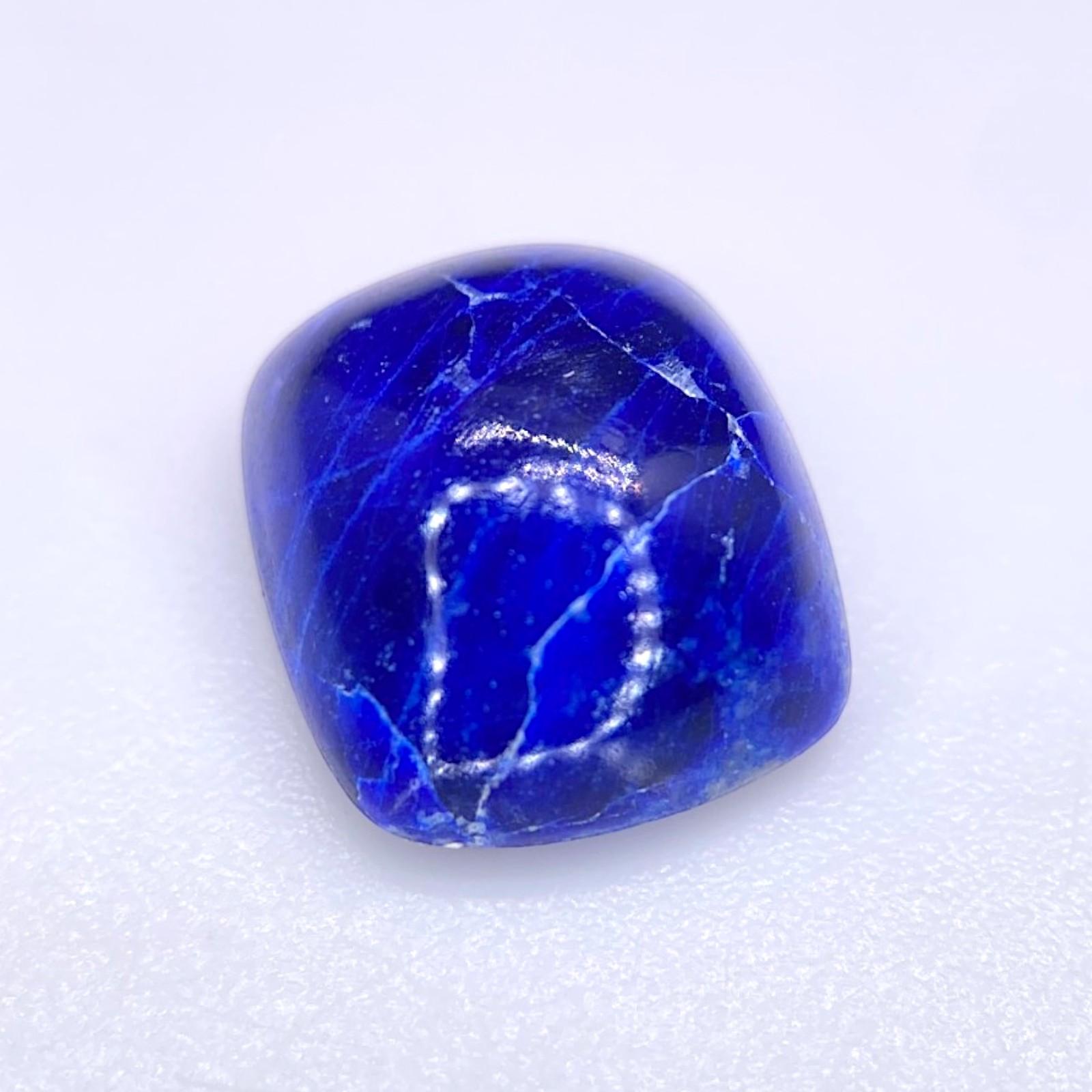
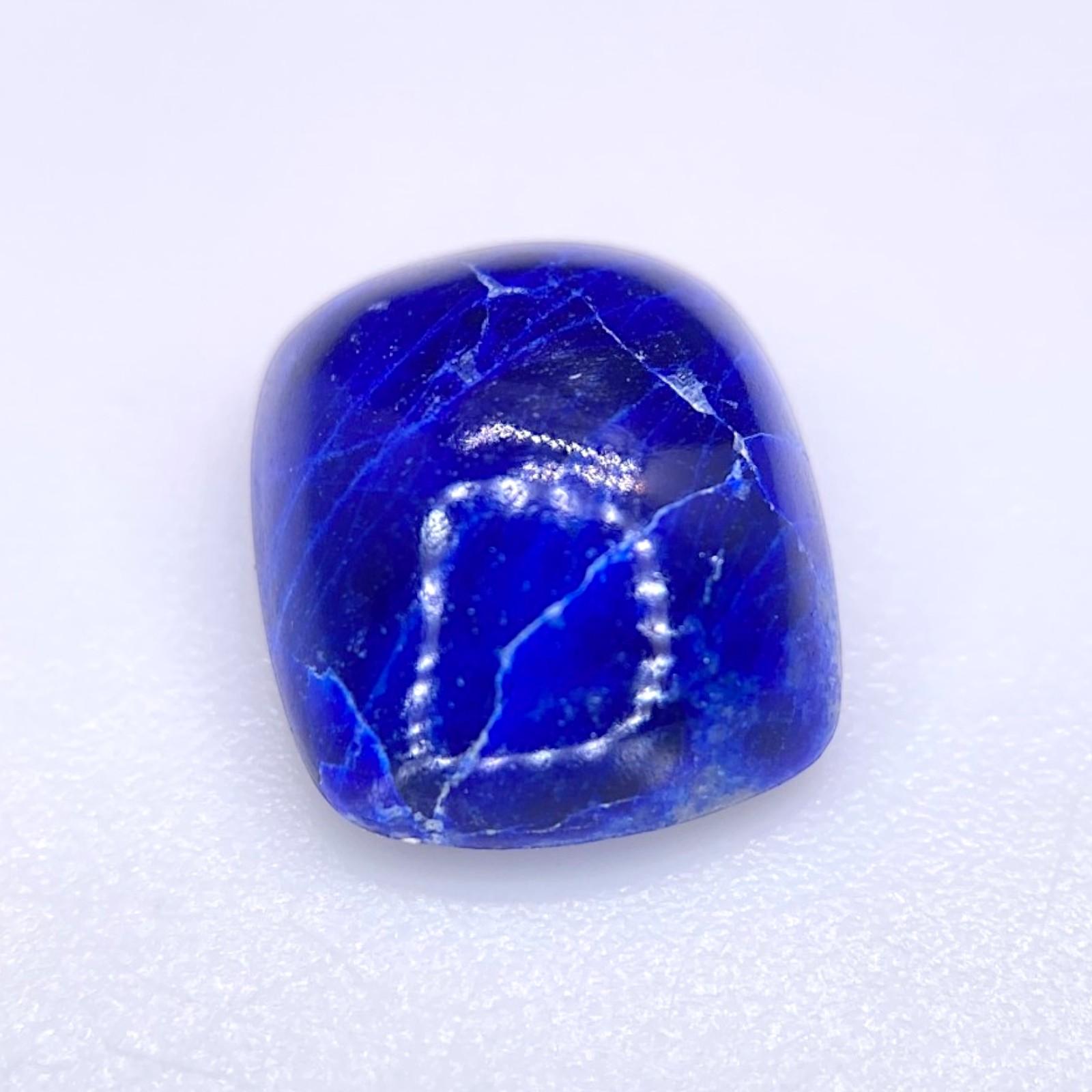
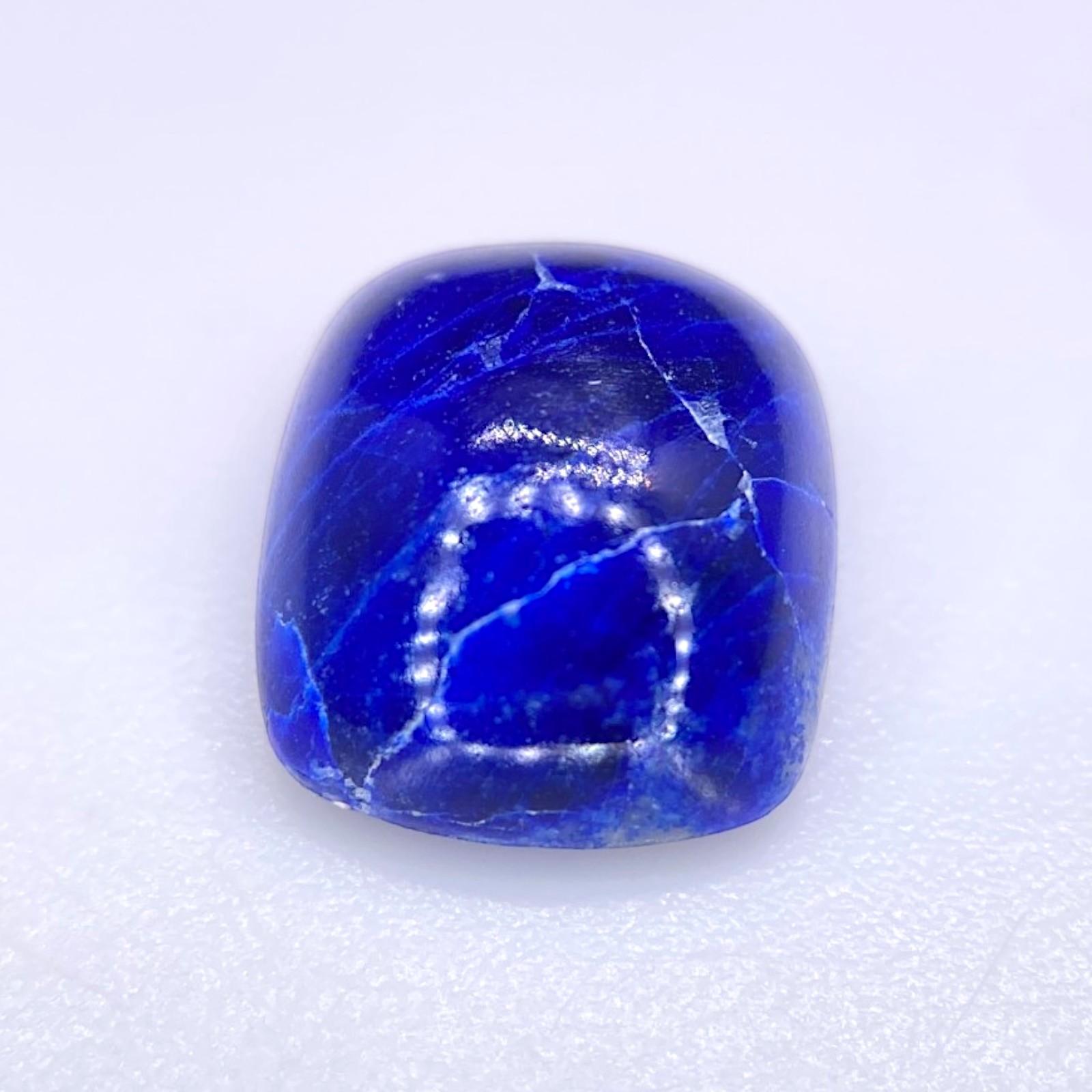
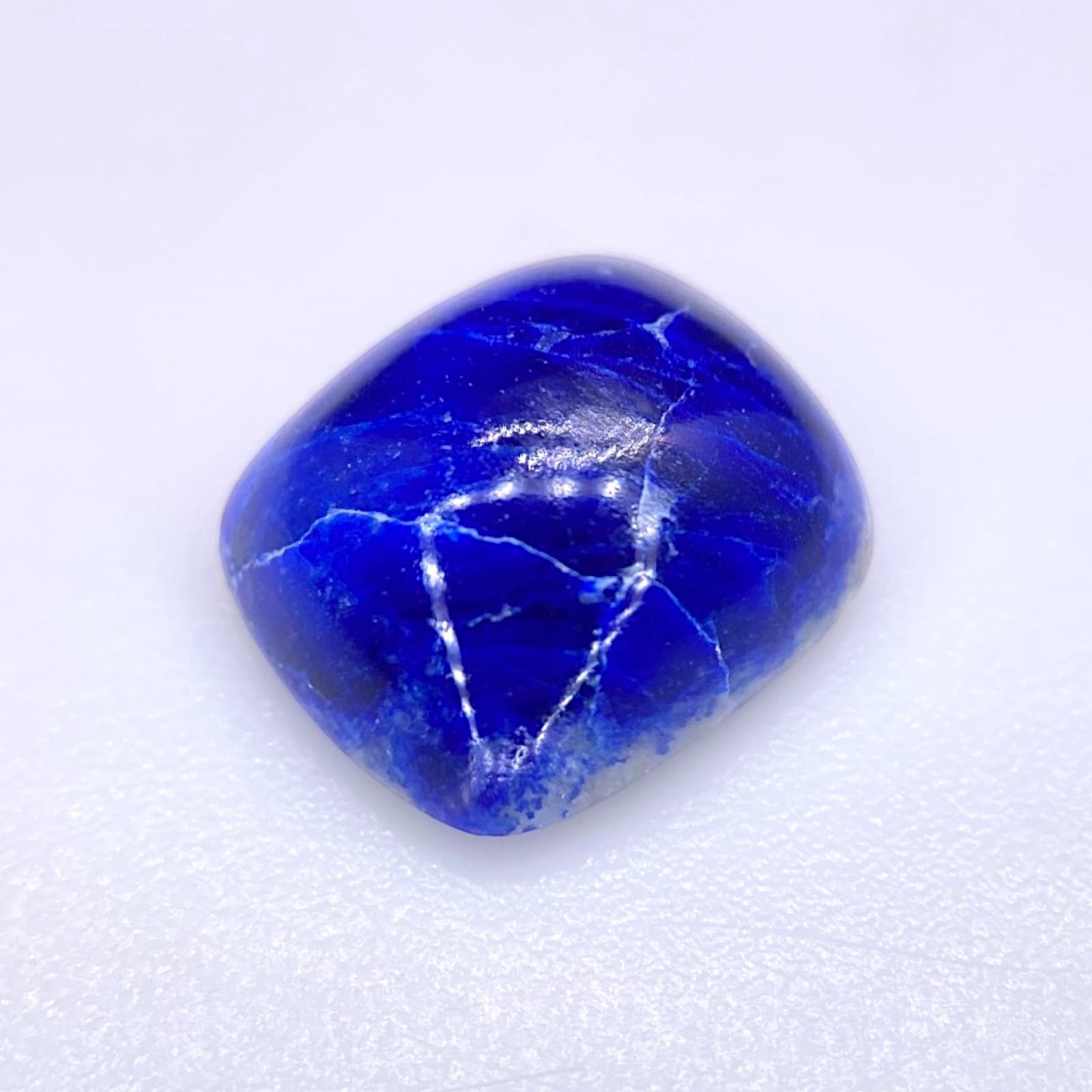
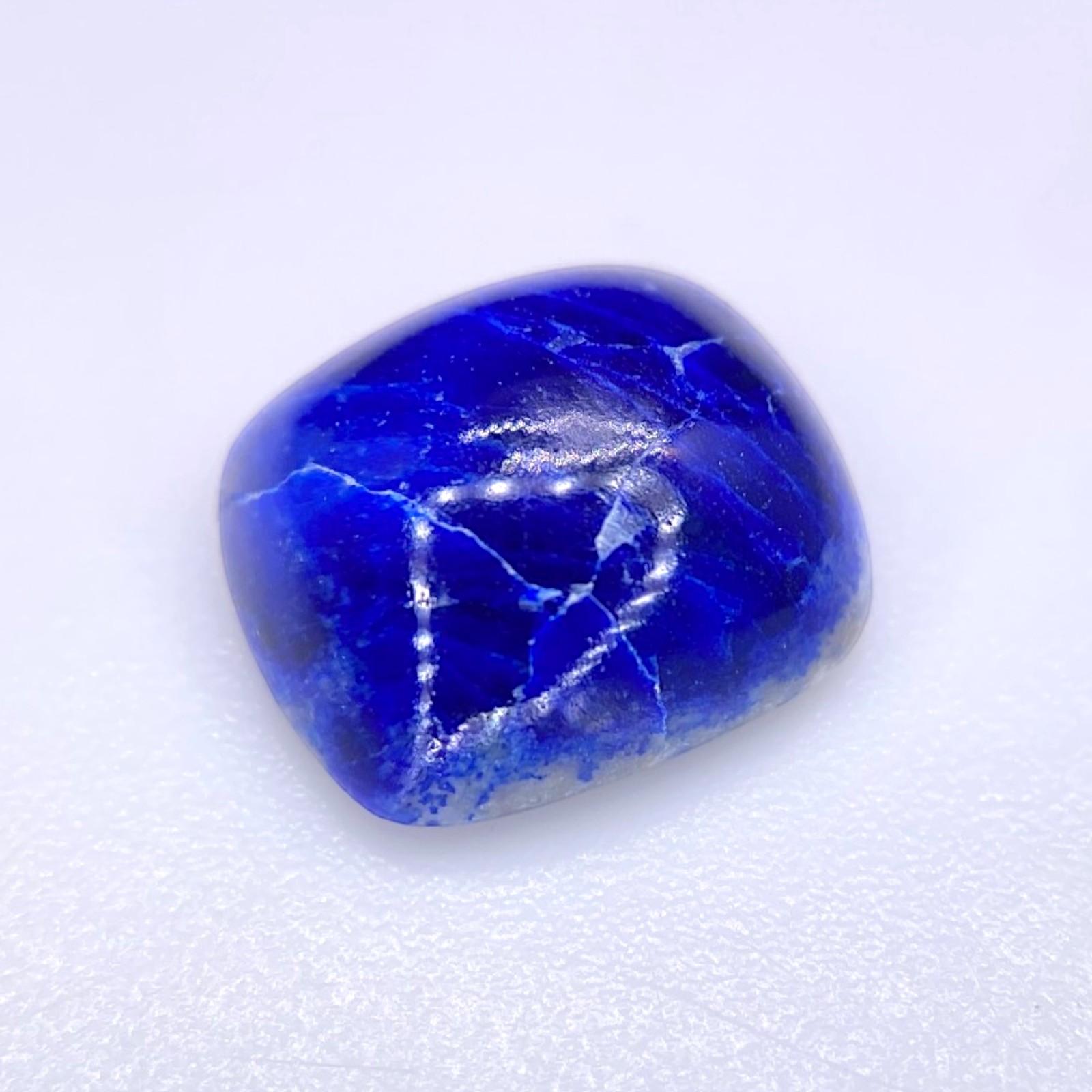
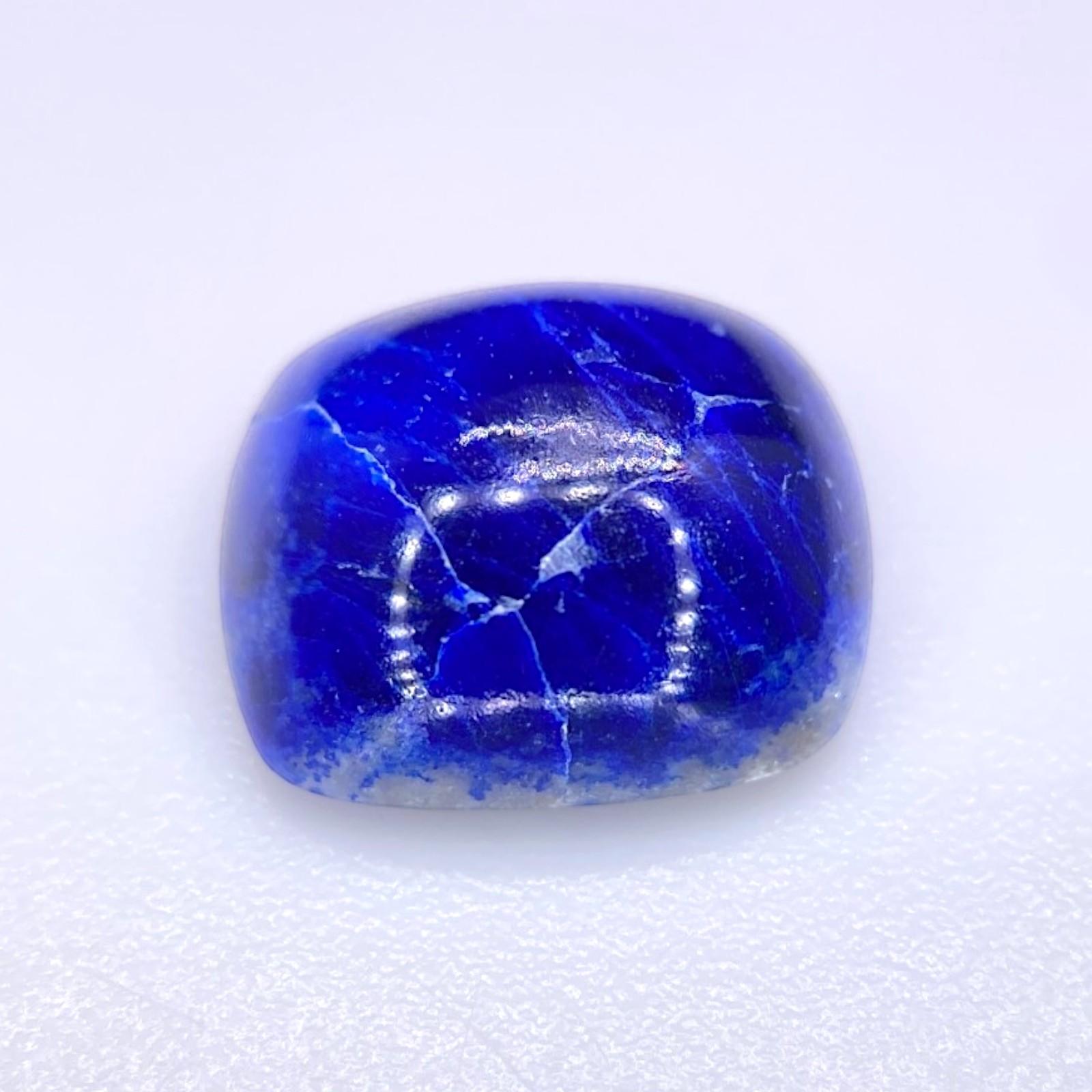
4.50 ct LAZURITE – AFGHANISTAN
EXPERT VERIFIED
- Expert Verified Gemstone
- Fast Handling & Shipping
- Secure Vault Packaging
$ 150
Offer amount Feild


Smart Collector Choice


Pay with Crypto & Get 10% Automatic Discount

Availability: 1 in stock


- Freakingcats Gemstone Database
Lazurite
Lazurite is the true “blue heart” of the mineral world and the essential component that gives Lapis Lazuli its celestial color. A complex tectosilicate belonging to the Sodalite group, it is a mineral that has defined the color “royal blue” for the entirety of human civilization. I have always been moved by its intensity; it is a blue so deep and saturated that it seems to absorb the very light around it. While it is rarely found in transparent crystals, I have seen and worked with rare, sharp dodecahedral crystals from the Hindu Kush that are breathtaking in their geometric perfection. It is a stone that feels ancient and powerful, often naturally dusted with “gold” Pyrite, making it look like a piece of the night sky fallen to earth. Handling a pure Lazurite crystal is a reminder of why this mineral was once valued more highly than gold.
The Heritage & Discovery
Historical Significance: Lazurite has been one of the most sought-after substances in history. Historically, it was the source of “Ultramarine,” the most expensive pigment used by Renaissance painters like Vermeer and Michelangelo. It was so precious that its use was often restricted to the robes of the Virgin Mary in religious art. For over 6,000 years, it has been mined in the remote mountains of Afghanistan, representing the oldest continuously worked mines in the world. In the world of fine gems, it stands as the ultimate blue ornamental stone, bridging the gap between ancient Mesopotamian jewelry and the highest levels of modern mineral collecting.
Discovery: The name Lazurite is derived from the Persian word lajaward, meaning “blue” or “Lapis Lazuli.” While the rock (Lapis Lazuli) has been known since antiquity, Lazurite was officially described as a distinct mineral species in 1890 by Waldemar Brøgger and Helge Bäckström. Their work allowed mineralogists to separate the pure blue silicate from the other minerals—like Calcite and Pyrite—that typically make up the rock form.
Important Mines: The legendary and undisputed home of the world’s finest Lazurite is the Sar-e-Sang district in the Badakhshan Province of Afghanistan. These mines produce the deep, “ultramarine” crystals that set the global standard. I also have a high regard for the material found in the Lake Baikal region of Russia and the Ovalle region in Chile. For the vault, I prioritize the Afghan material, as the combination of crystal sharpness and pure, unadulterated blue saturation is simply unparalleled elsewhere on the planet.
Mineralogical Profile
Description: Lazurite is a sodium calcium aluminum silicate sulfate with chloride and sulfide, crystallizing in the isometric (cubic) system. It sits at a 5 to 5.5 on the Mohs scale, making it a relatively soft stone that is best suited for cabochons, carvings, or protected display. It is characterized by its vitreous to greasy luster and its intense azure-to-ultramarine blue color.
One of its most identifying traits is its sulfur content; if you scratch a piece of Lazurite, it often releases a faint, characteristic smell of rotten eggs (hydrogen sulfide). It typically forms as dodecahedrons or in massive aggregates. Because it is an isometric mineral, it lacks pleochroism—it is the same stunning blue from every angle. When polished, the surface exhibits a rich, velvety depth that is often accentuated by the sparkling inclusions of Pyrite. It is a dense, culturally significant mineral that remains the definitive expression of blue in the natural world.
Chemical Formula: Na3Ca(Si3Al3)O12S


