
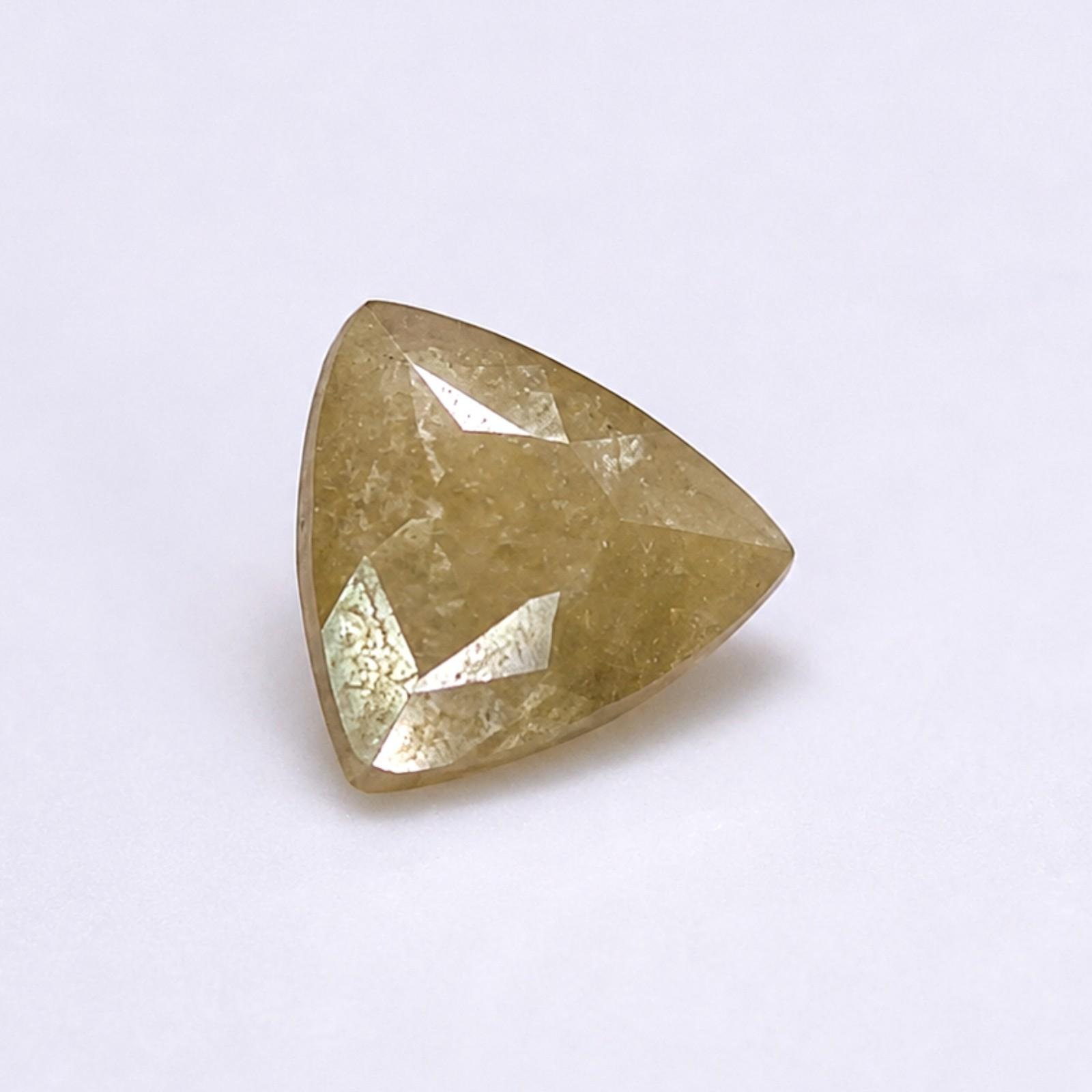
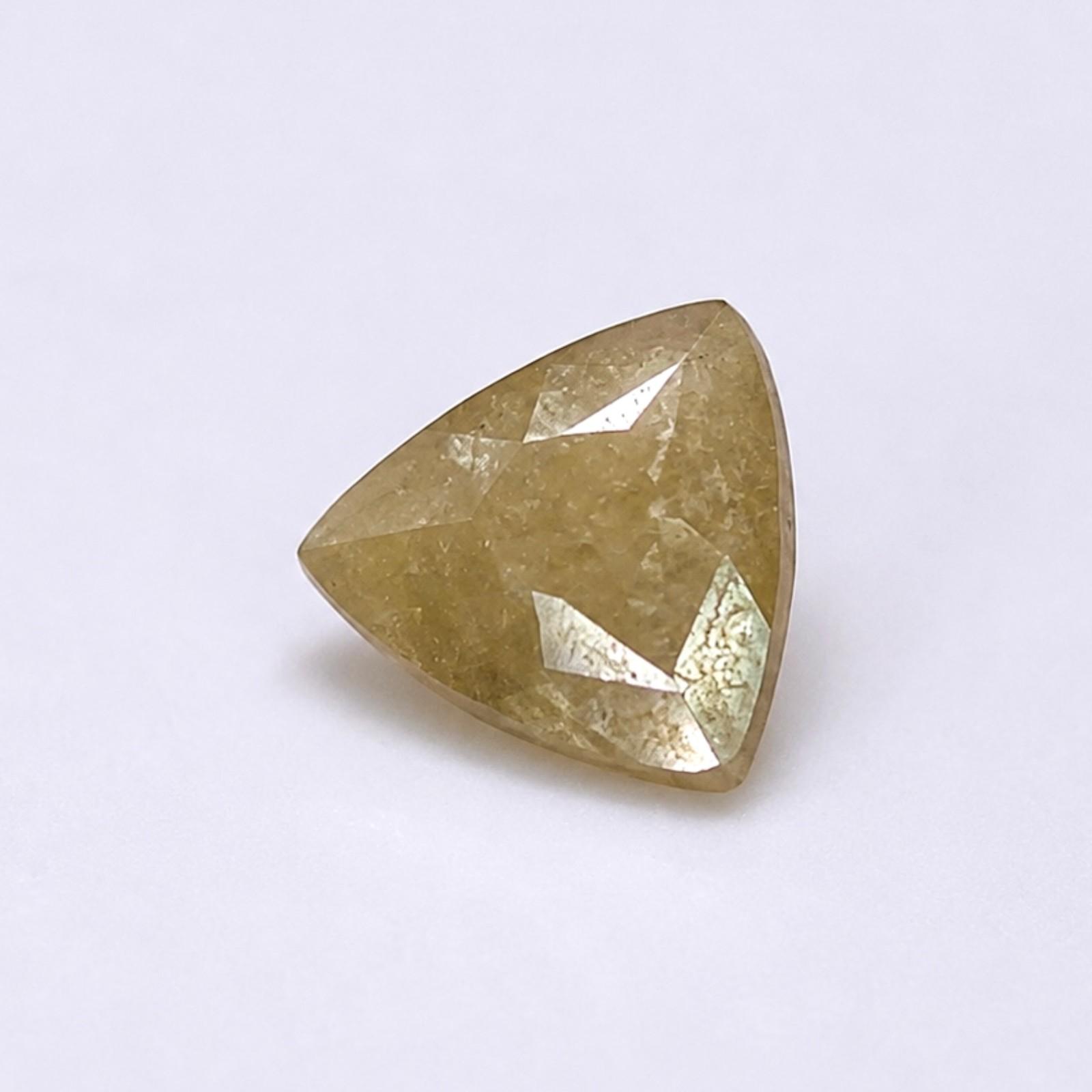
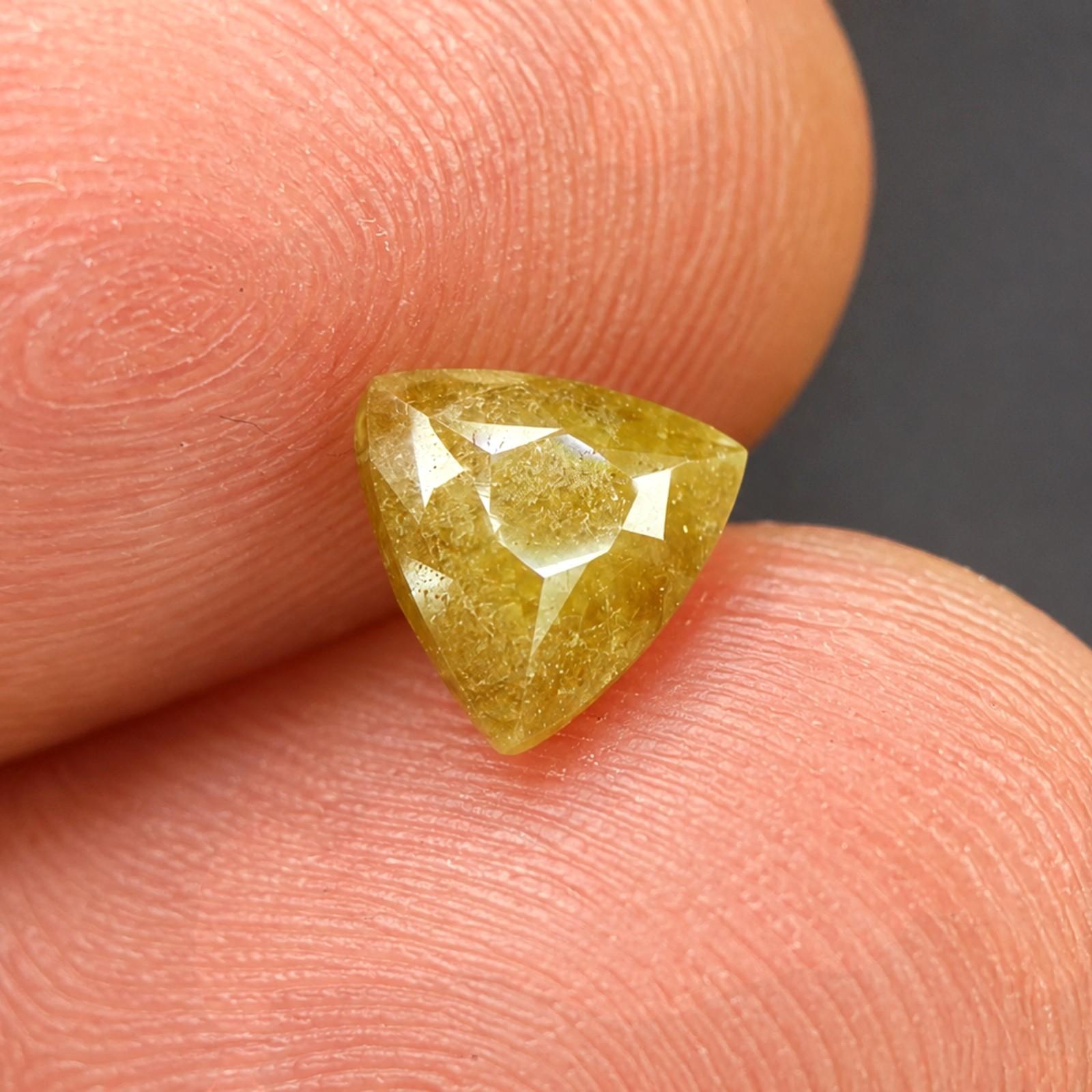
0.95 ct SIDERITE – CANADA
EXPERT VERIFIED
- Expert Verified Gemstone
- Fast Handling & Shipping
- Secure Vault Packaging
$ 160
Offer amount Feild


Smart Collector Choice


Pay with Crypto & Get 10% Automatic Discount

Availability: 1 in stock
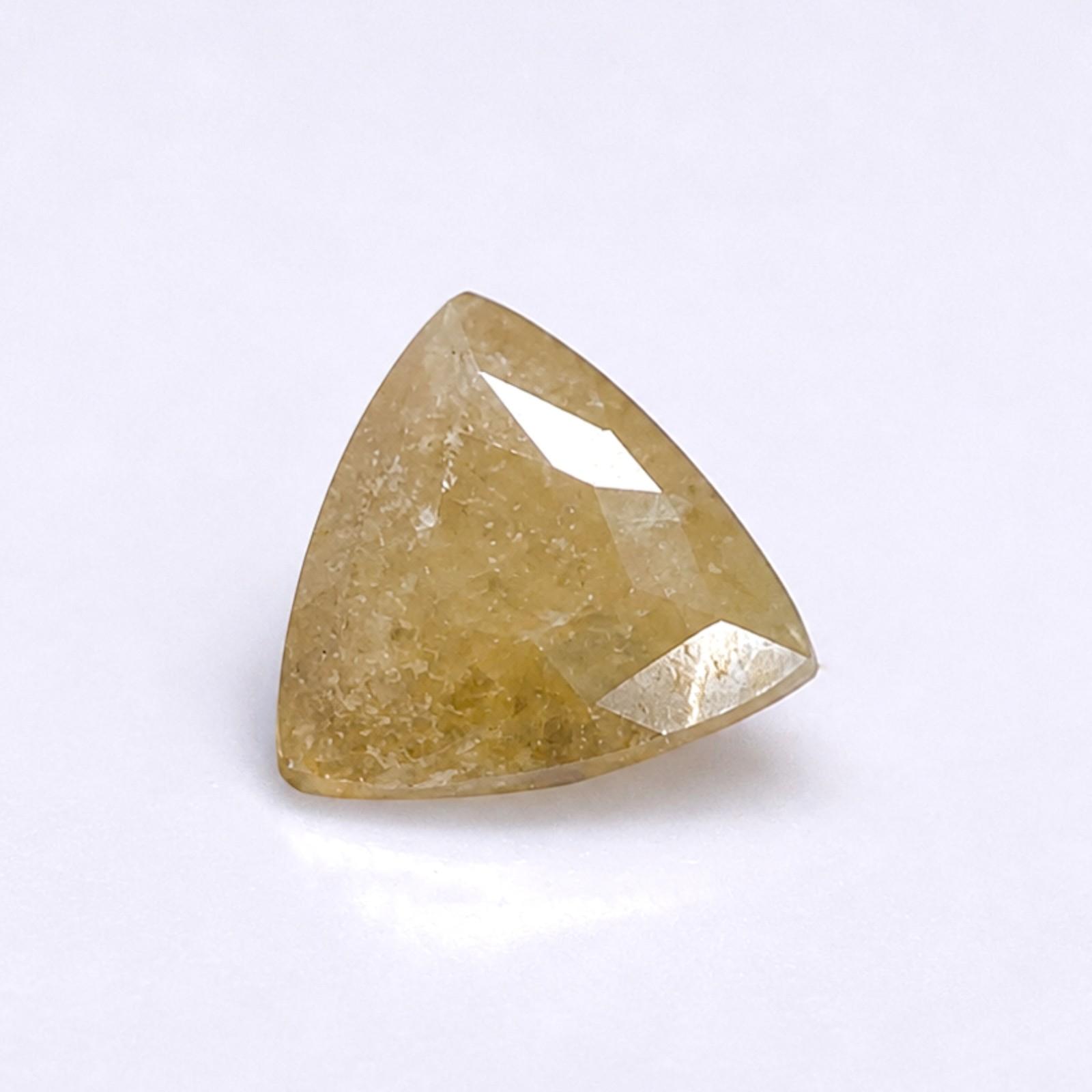
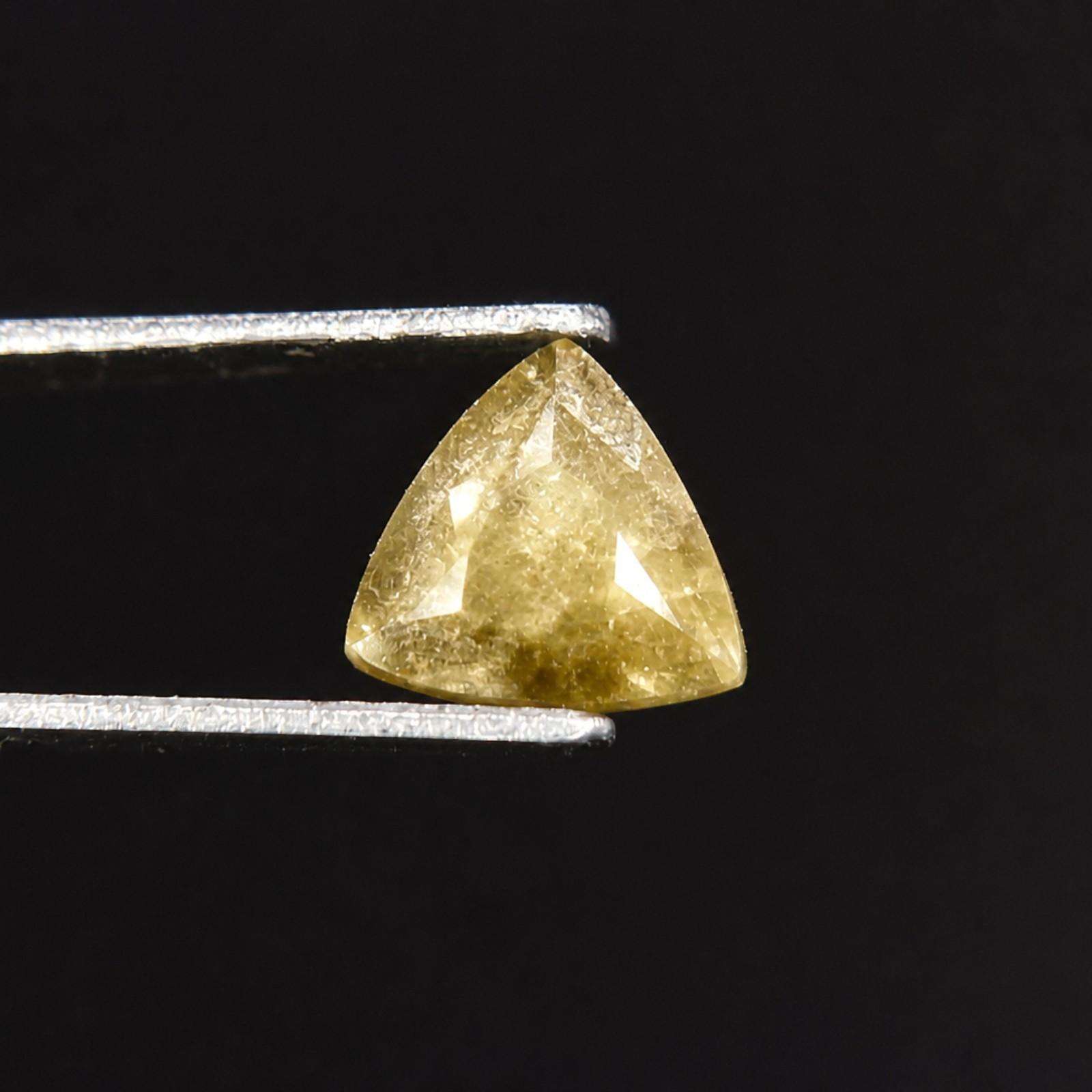
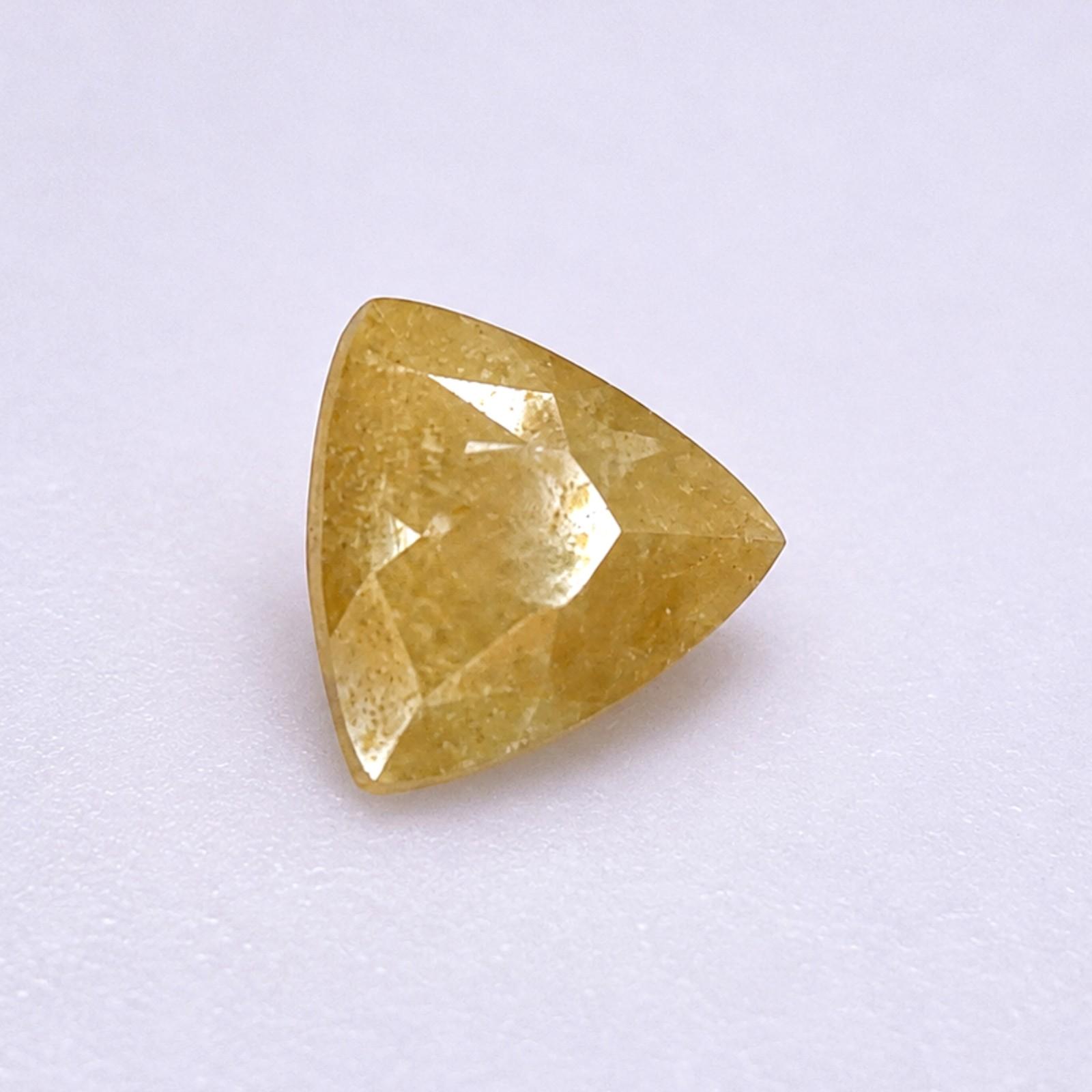
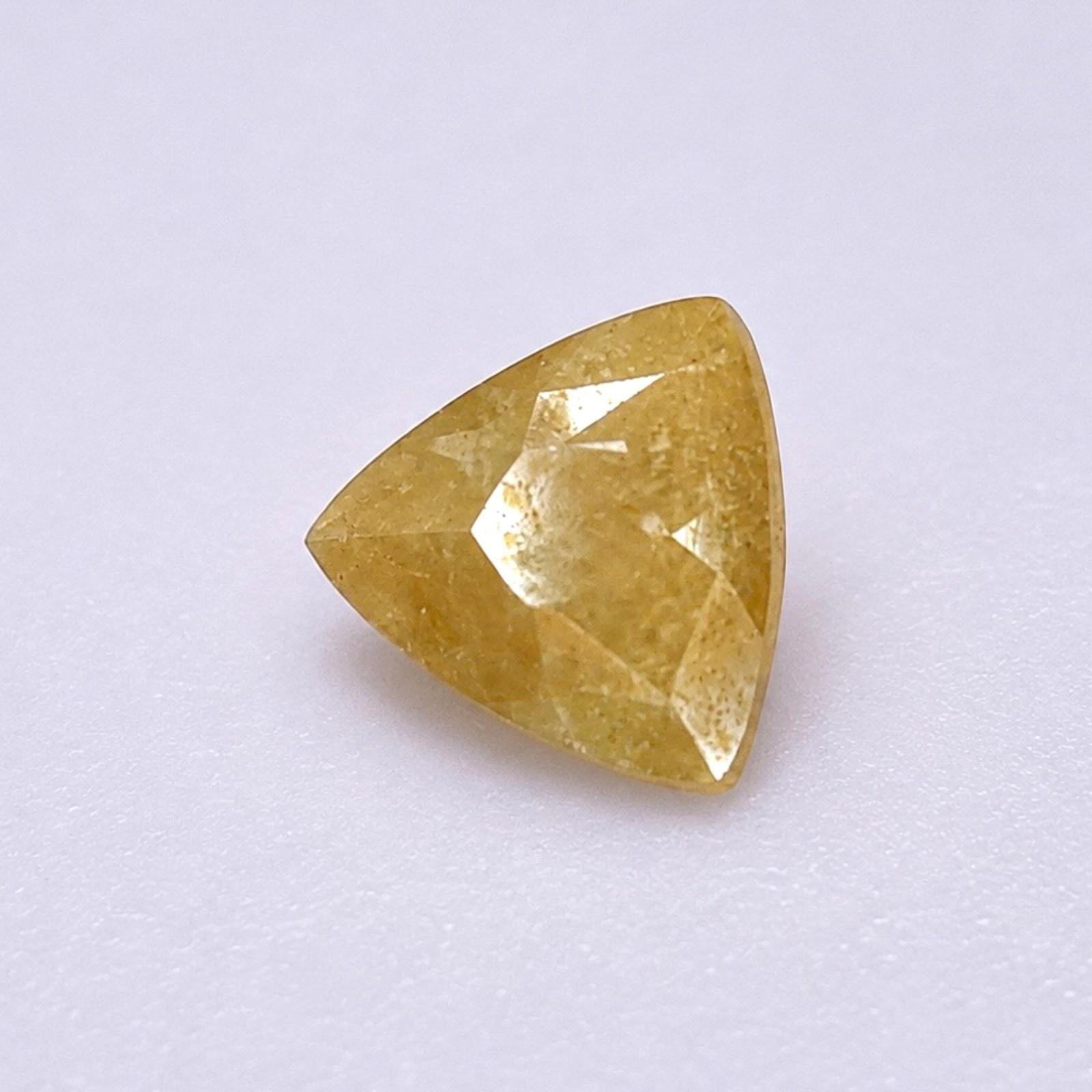


- Freakingcats Gemstone Database
Siderite
Siderite is a mineral that possesses a rich, honeyed warmth, often appearing in shades of golden-brown to deep mahogany. It is an iron carbonate that forms part of the calcite group, and for me, it has always been the “hidden treasure” of the carbonate world. While many collectors focus on the bright colors of Smithsonite or the classic clarity of Calcite, Siderite offers a sophisticated, earthy brilliance. Faceting Siderite is an endeavor reserved for the most patient lapidaries; its perfect rhombohedral cleavage makes it incredibly fragile, yet the reward is a stone with a high refractive index and a luster that can border on adamantine. It is a gem that feels like liquid bronze captured in a crystal—a masterpiece of iron chemistry that glows with a quiet, powerful intensity.
The Heritage & Discovery
Historical Significance: Siderite has been an essential iron ore for centuries, particularly in Europe, where it was historically known as “spathic iron ore.” Because it contains no sulfur or phosphorus, it was highly prized for producing high-quality steel during the Industrial Revolution. Beyond the furnace, it has a poetic history in mineralogy; it often forms beautiful, curved “saddle-shaped” crystals that have fascinated collectors for generations. It represents the transition from industrial utility to high-end aesthetic beauty, proving that even a primary ore can produce gems of remarkable sophistication.
Discovery: The mineral was officially named in 1845 by Wilhelm Karl von Haidinger, who derived the name from the Greek word sideros, meaning “iron.” While humans have utilized Siderite as an iron source since ancient times, Haidinger’s classification allowed for a clear scientific distinction between this carbonate and other similar-looking iron minerals. It stands as the benchmark for understanding iron-rich carbonate environments, particularly in sedimentary and hydrothermal veins.
Important Mines: The most legendary source for transparent, gem-quality Siderite is the Panasqueira Mine in Portugal, which has produced magnificent, large crystals of incredible clarity. Another historic and highly regarded location is the Morro Velho Mine in Minas Gerais, Brazil, famous for its sharp, lustrous rhombohedrons. I also have a deep appreciation for the “saddle” crystals from the Harz Mountains in Germany and the classic specimens from Cornwall, England. I always seek out the Portuguese material for faceting, as its transparency and warm “brandy” color are unmatched anywhere else on Earth.
Mineralogical Profile
Description: Siderite is an iron carbonate that crystallizes in the trigonal system. It sits at a 3.5 to 4.5 on the Mohs scale, making it a soft and delicate stone strictly for serious collectors or protected display. It is characterized by its vitreous to pearly luster and its typical rhombohedral habit, often with curved faces.
One of its most identifying traits is its high density (3.96 g/cm³), which is significantly higher than Calcite or Magnesite due to its iron content. The color is primarily driven by the iron itself, though it can form a solid solution with Magnesium (Magnesite) or Manganese (Rhodochrosite), leading to variations in tone. When faceted, its high birefringence (the ability to split light into two rays) creates a soft, doubled appearance of the back facets, adding to its unique, glowing character.
Chemical Formula: FeCO3


