
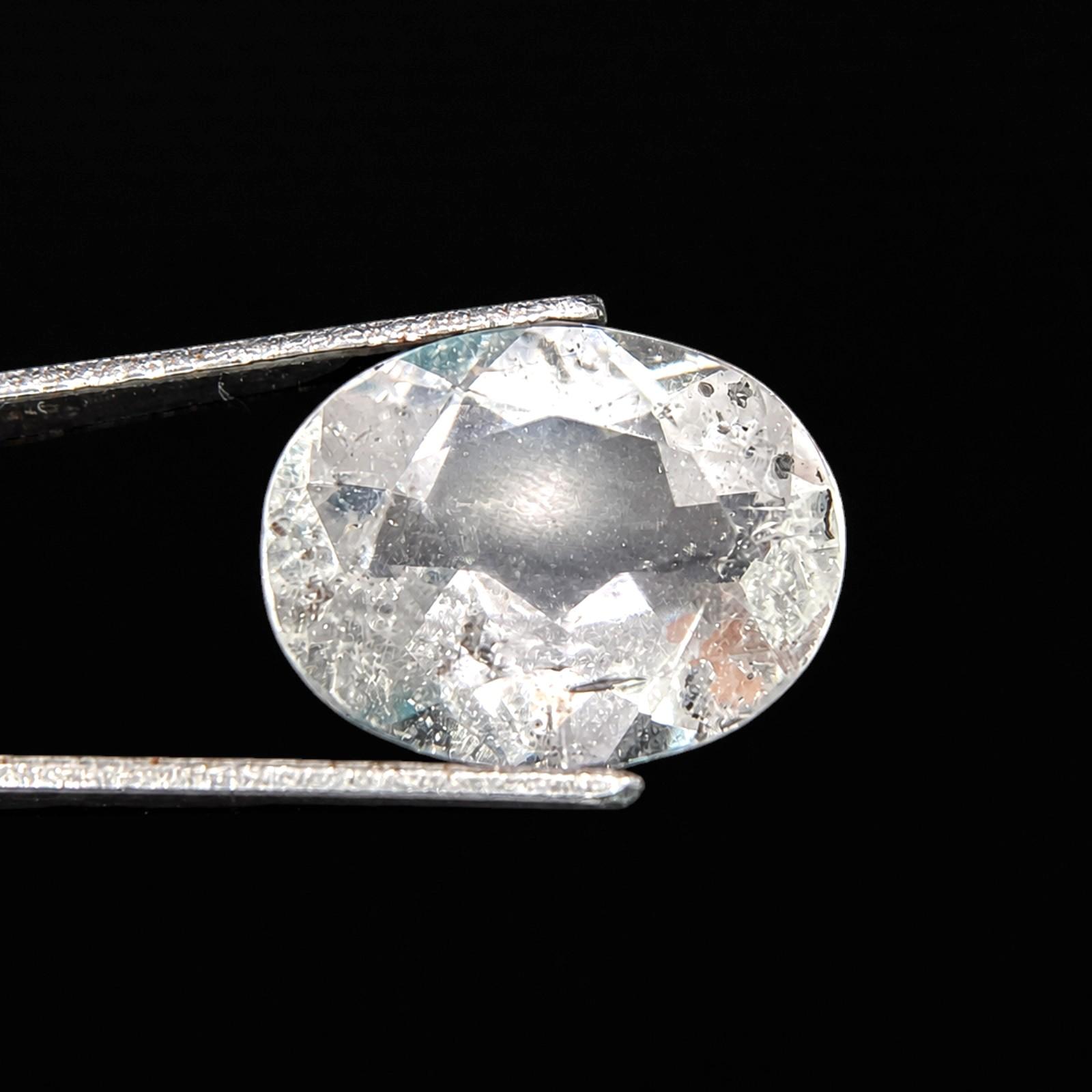
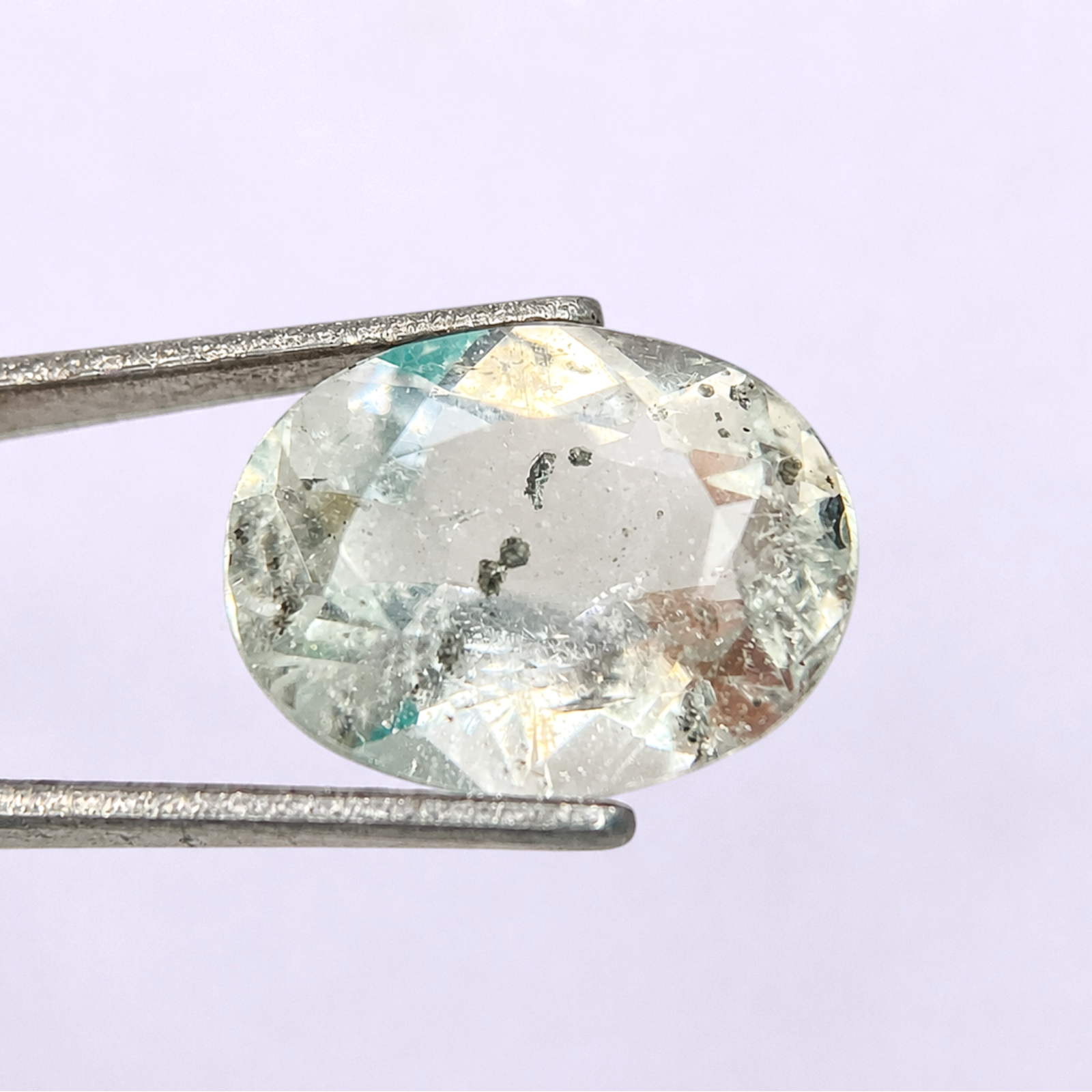
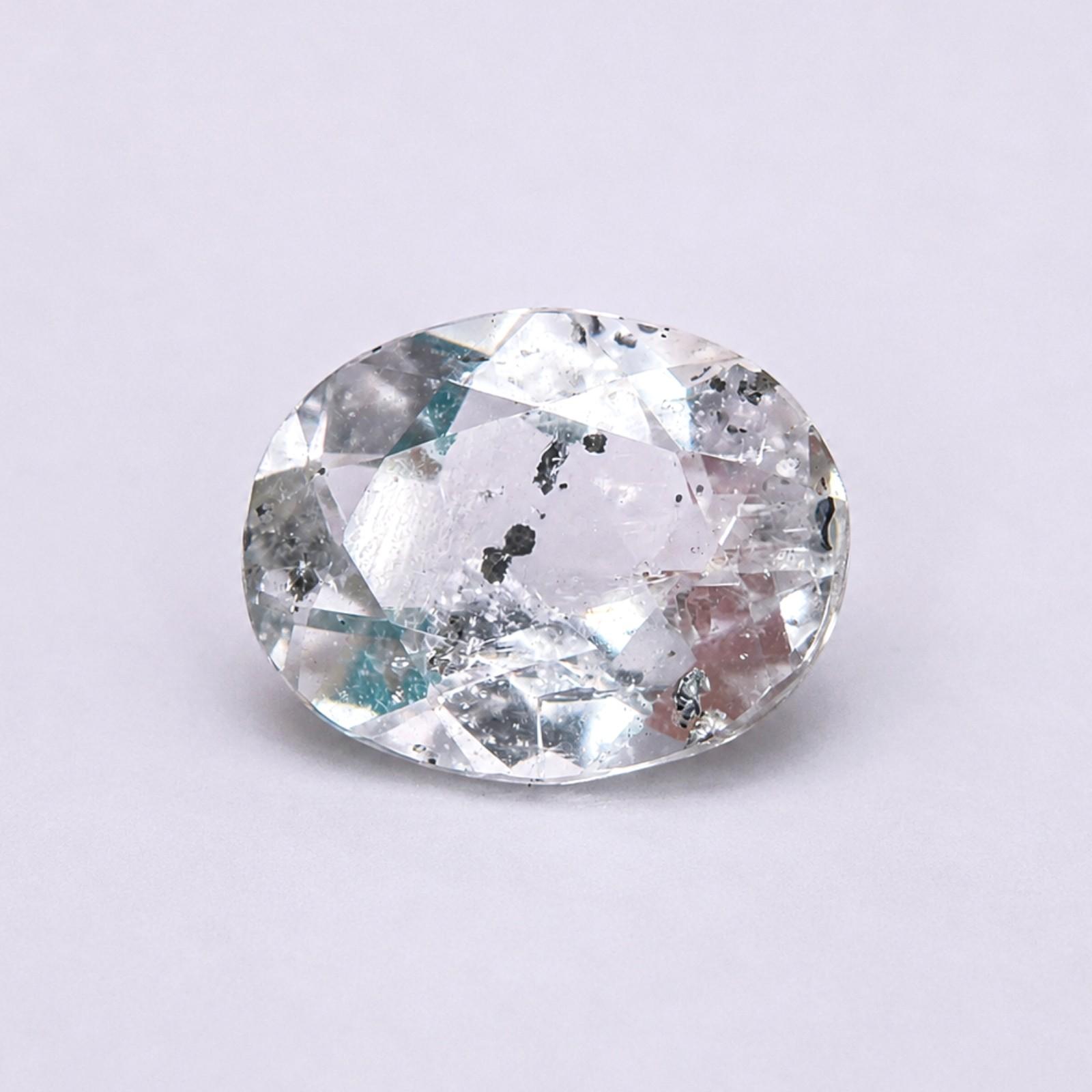
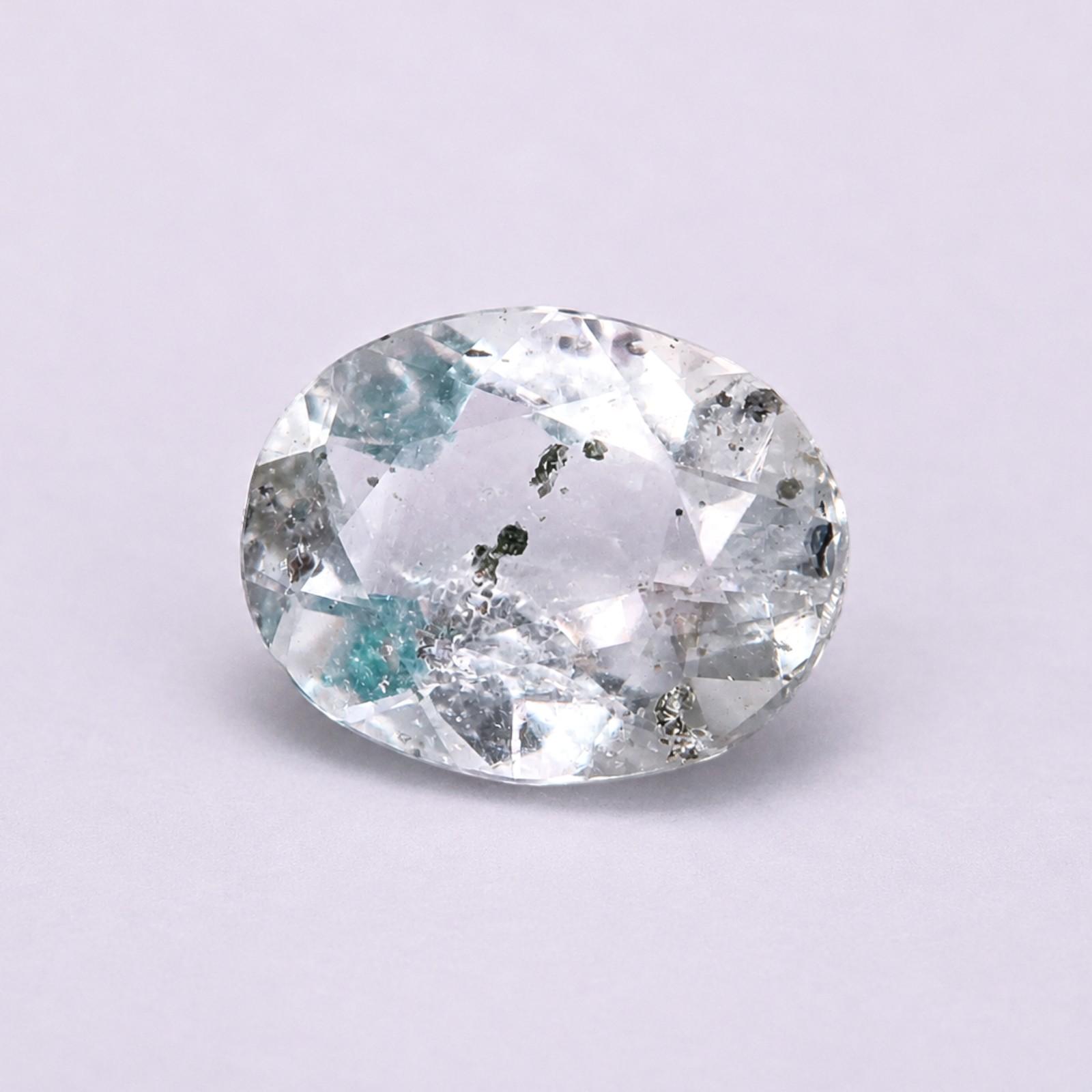
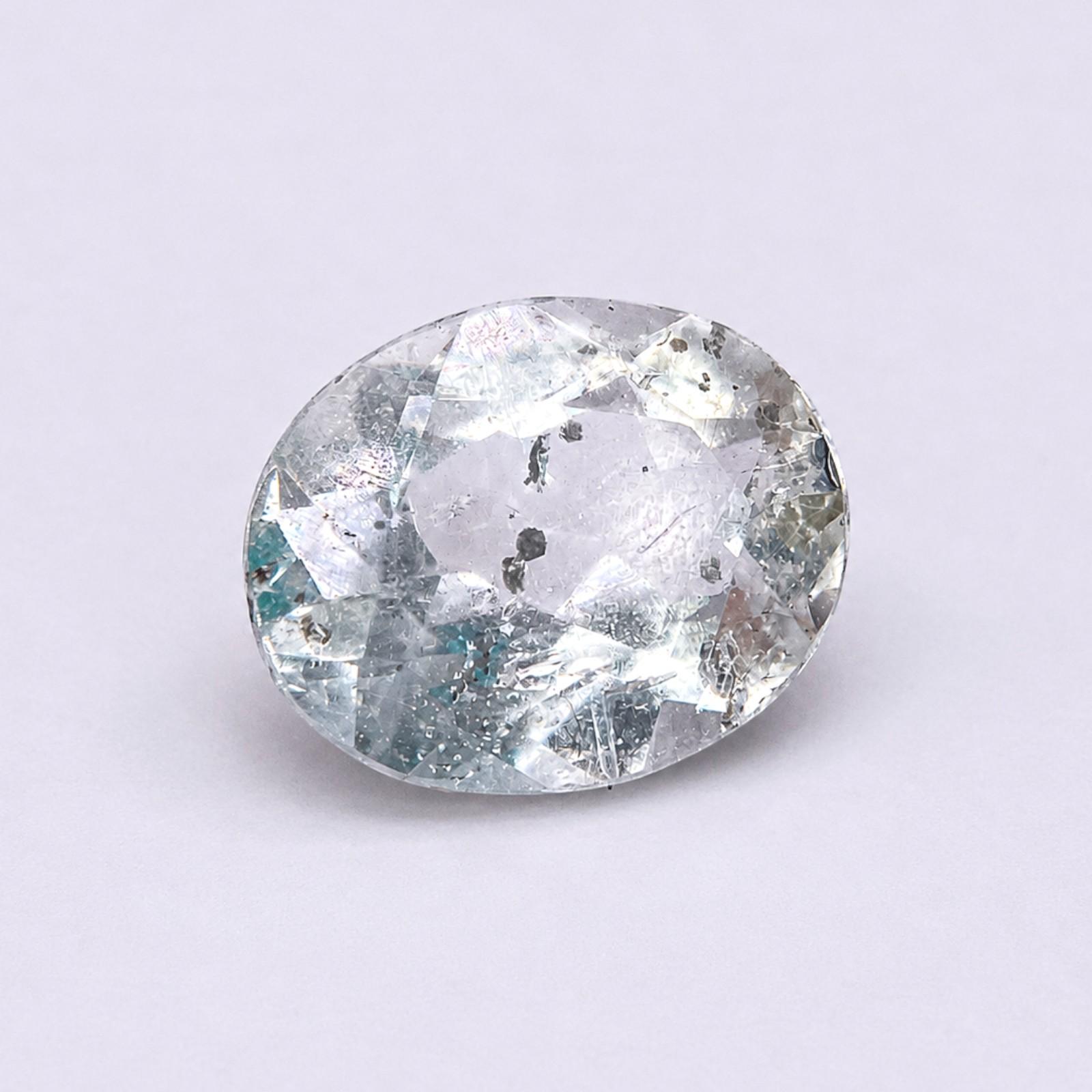
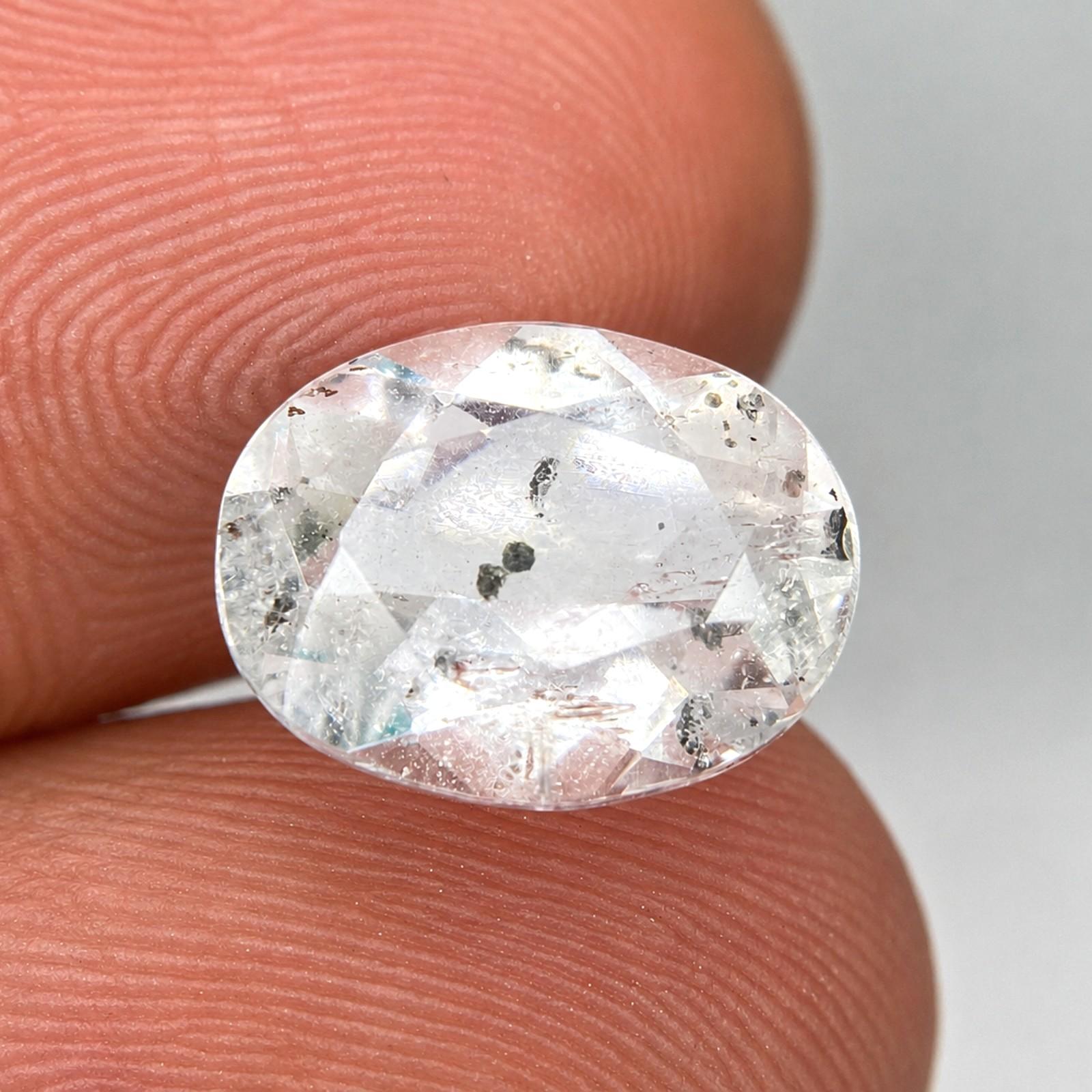
3.95 ct TOPAZ WITH INCLUSIONS – MADAGASCAR
EXPERT VERIFIED
- Expert Verified Gemstone
- Fast Handling & Shipping
- Secure Vault Packaging
$ 100
Offer amount Feild


Smart Collector Choice


Pay with Crypto & Get 10% Automatic Discount

Availability: 1 in stock


- Freakingcats Gemstone Database
Topaz with Inclusions (Madagascar)
Topaz from Madagascar represents a “gallery of the deep,” where the crystalline perfection of the 8th Mohs standard meets the complex “chaos” of internal mineralogy. While Topaz is often prized for its purity, I have always found these “included” specimens from the Madagascan pegmatites to be far more compelling for the expert collector. These stones act as high-clarity windows into the geological environment of their birth, trapping “frozen” moments of chemical history. In these specimens, you may find “hairy” needles of Rutile, dark plates of Hematite, or even shimmering “liquid” veils. For me, a Madagascan Topaz with inclusions is not a “flawed” stone; it is a complex, multi-dimensional narrative of the Earth’s crust—a mineralogical “ship in a bottle.”
The Heritage & Discovery
Historical Significance: Madagascar has long been recognized as a “treasure island” for mineralogists, particularly for its rare-element pegmatites. Historically, Madagascan Topaz was a staple of the European market, but the modern focus has shifted toward these spectacular “inclusion” pieces. In the world of fine minerals, these are celebrated for their syngenetic and epigenetic inclusions—minerals that grew either alongside or within the Topaz. They stand as a symbol of geological diversity, bridging the gap between “precious” gemology and the elite world of “inclusion research.” They serve as a reminder that the most interesting stories are often found within the heart of the crystal, not just on its surface.
Discovery: The discovery of these unique specimens often occurs in the Antsirabe and Betafo regions, where miners navigate weathered pegmatite pockets. Scientifically, these inclusions provided mineralogists with the first clear look at the trace elements present during the cooling of the Madagascan basement rocks. My own respect for these stones grew from seeing how a “simple” Topaz could host an entire ecosystem of secondary minerals, such as Apatite, Muscovite, or even rare-earth oxides. Since their identification, they have become a “must-have” for the systematic specialist who values “inner” beauty and scientific complexity.
Important Mines: The legendary source for world-class included Topaz is the Sahatany Valley and the Ambatofinandrahana district in Madagascar. These sites are famous for producing large, transparent crystals that serve as the perfect “host” for diverse inclusions. I also have a high regard for the spectacular “blue” Topaz from St. Anne’s, Zimbabwe, which can show similar internal features. For the vault, I prioritize the Madagascan material for its “water-clear” matrix and the sheer variety of internal mineral species it can house.
Mineralogical Profile
Description: Topaz with inclusions is an aluminum silicate fluoride hydroxide hosting various guest minerals. The host Topaz sits at an 8 on the Mohs scale, providing a very hard and protective “shell” for the softer minerals trapped inside. It is characterized by its vitreous luster and its ability to act as a natural magnifying glass for its own internal world.
One of its most identifying traits is the interplay of lusters—the vitreous shine of the Topaz contrasts sharply with the metallic, silky, or earthy lusters of the inclusions (such as Rutile needles or mica flakes). It has a high specific gravity (SG \approx 3.4 to 3.6) and a characteristic “cold” feel. Because it is a pegmatite mineral, the host is often associated with Beryl and Tourmaline. When I select a piece for the collection, I look for “clean” host transparency and “well-defined” guest crystals that are positioned centrally, as these highlight the sophisticated, three-dimensional geometry of the internal world. It is a dense, high-vibration mineral that offers a unique, “microscopic” beauty unlike any other included gemstone.
Chemical Formula: Al2SiO4(F,OH)2 (Host) + Guest Species


