
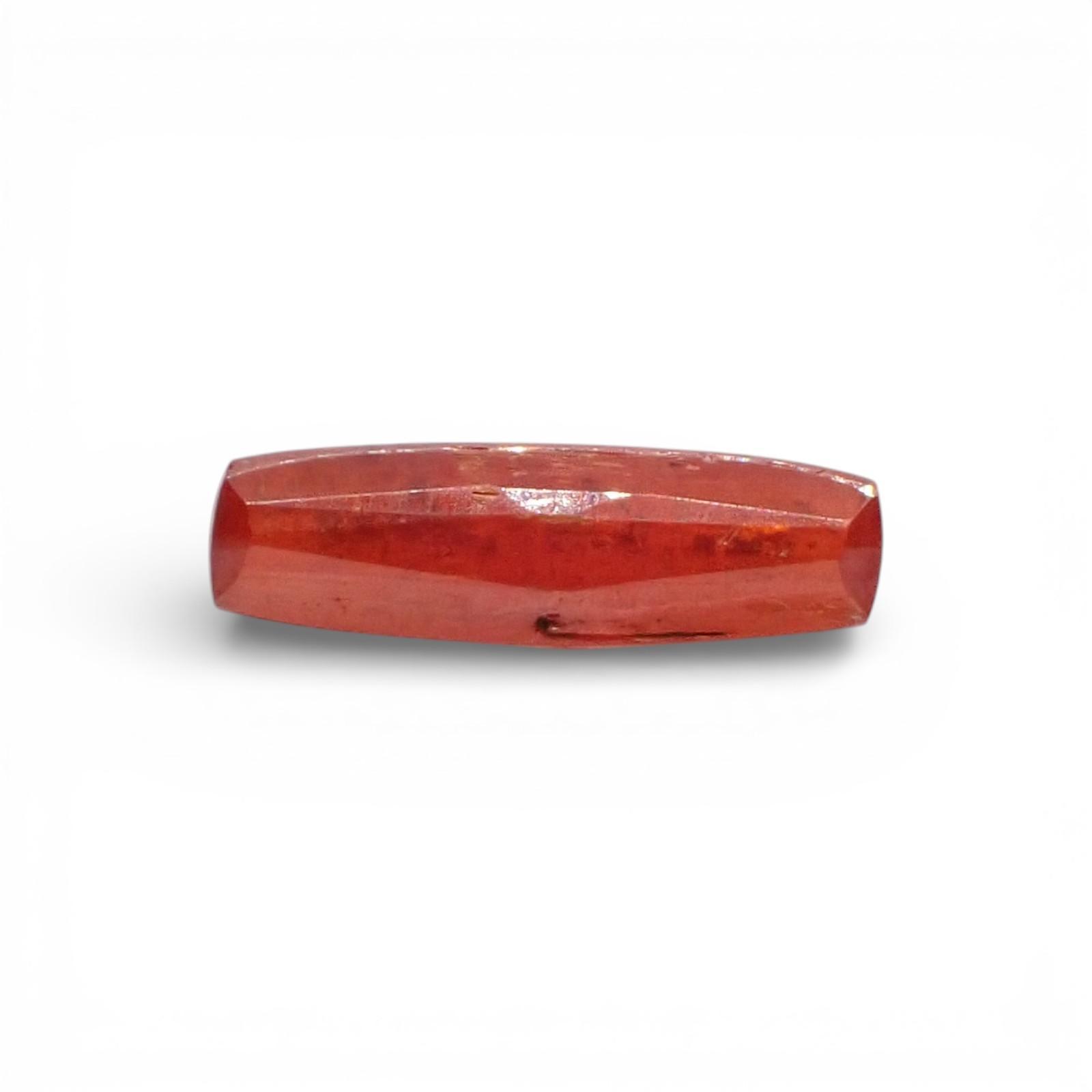
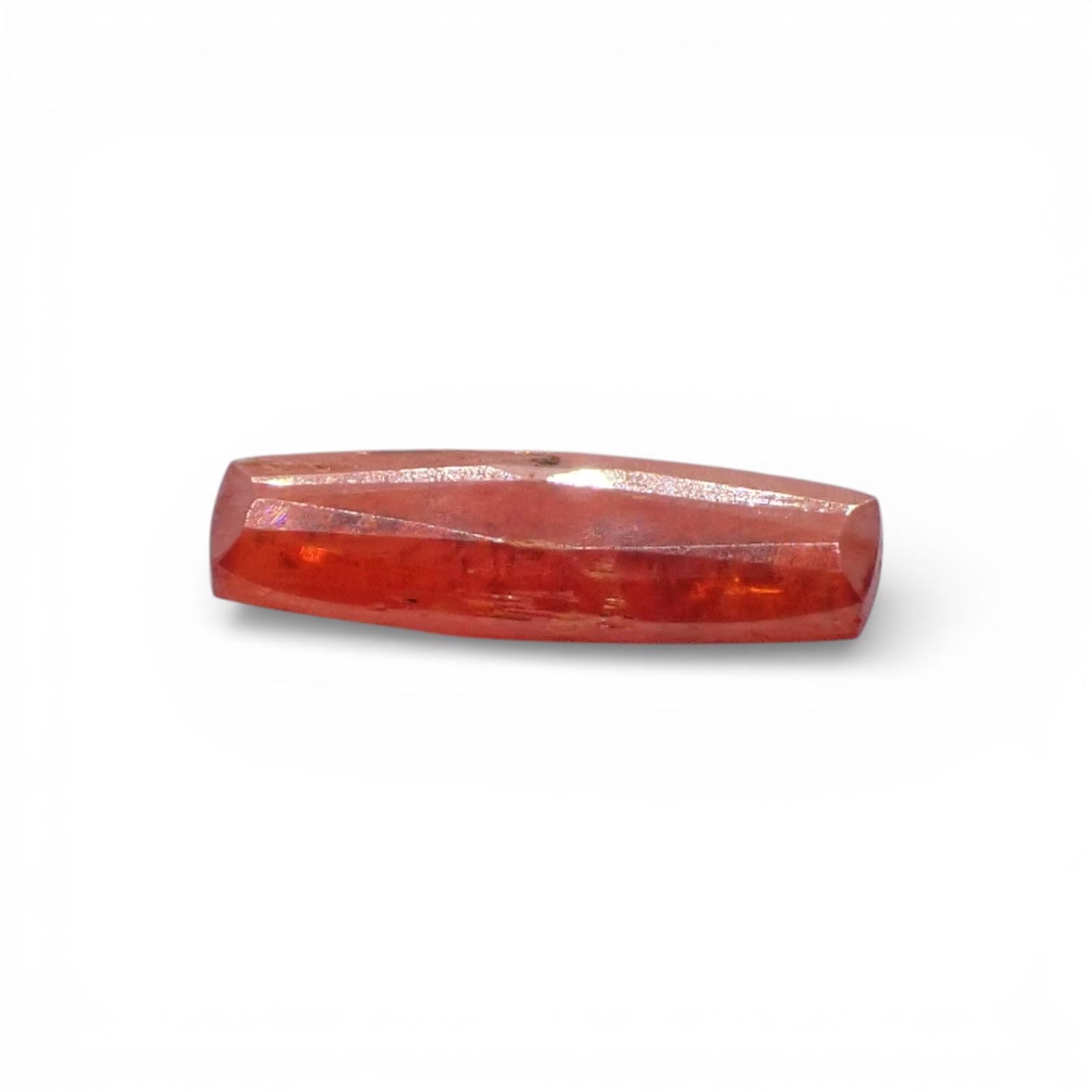
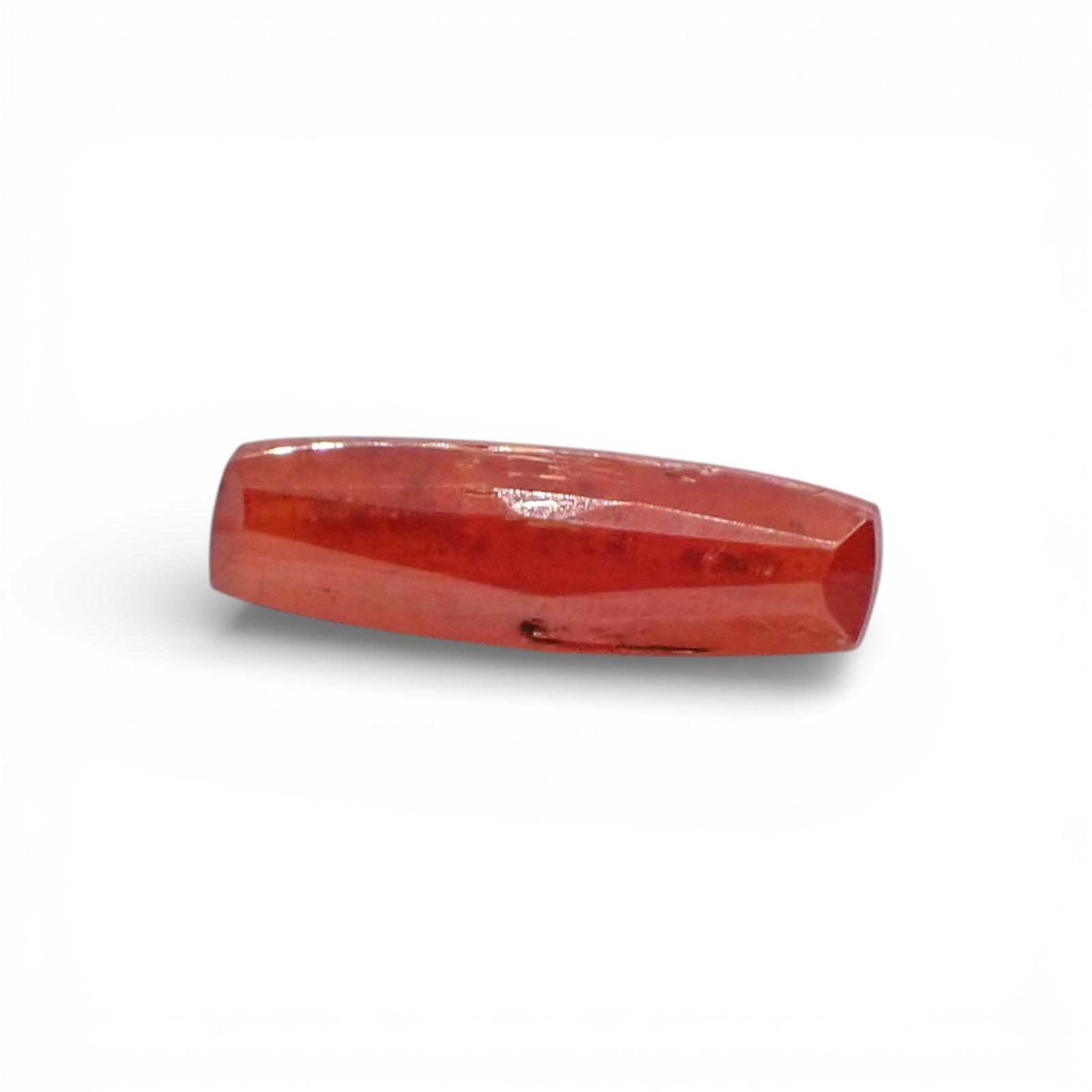
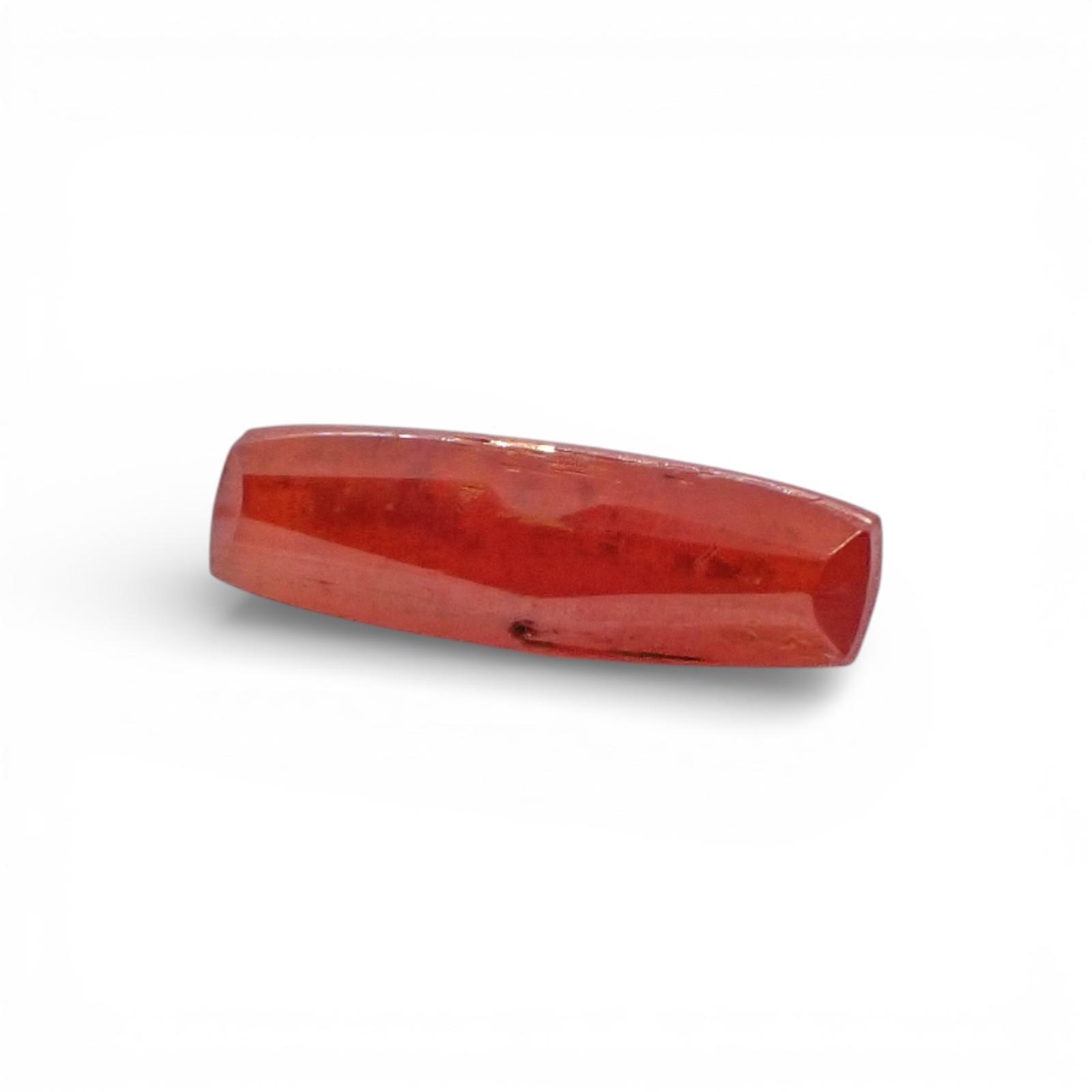
1.90 ct CROCOITE – TASMANIA
EXPERT VERIFIED
- Expert Verified Gemstone
- Fast Handling & Shipping
- Secure Vault Packaging
$ 200
Offer amount Feild


Smart Collector Choice


Pay with Crypto & Get 10% Automatic Discount

Out of stock


- Freakingcats Gemstone Database
Crocoite
Crocoite represents the “neon-architect” of the lead-chromate world. A lead chromate mineral, it is a species I have always respected for its incredible, “rocket-red” to “vibrant-orange” color and its unique, needle-like crystal habit. While it is found in several locations globally, the specimens from Tasmania are the undisputed monarchs of the species. For the specialist, Tasmanian Crocoite is a prize of geomorphological perfection; it forms in the oxidation zones of lead deposits where chromium-rich fluids have interacted with galena. It is a stone of “electric structure,” providing a sophisticated, “shattering” aesthetic that makes it a true “centerpiece” for the high-end systematic vault.
The Heritage & Discovery
Historical Significance: Crocoite holds a special place in the history of science, as it was the mineral from which the element Chromium was first discovered by Louis-Nicolas Vauquelin in 1797. Historically, it was known as “Red Lead Ore” from its type-locality in Russia. However, in the world of fine minerals, the species reached its zenith with the discovery of the Tasmanian deposits in the late 19th century. It stands as a symbol of structural fragility and “elemental fire,” bridging the gap between heavy metal ores and the elite world of “hollow-core” crystalline wonders. It serves as a reminder that nature can construct geometries so delicate they seem to defy the weight of the lead they contain.
Discovery: The name is derived from the Greek krokos, meaning “saffron,” in direct reference to its unmistakable color. Scientifically, it is a lead chromate. While its discovery in the Ural Mountains provided the first specimens, it was the Dundas region of Tasmania that revealed the species’ true potential for “giant,” interconnected lattices. My own respect for this material grew from observing its extreme Adamantine luster; the way the light “slides” down the length of a crocoite needle is a visual experience unlike any other in the mineral kingdom.
Important Mines: The undisputed world capital for the finest, “neon-orange” Crocoite is the Adelaide Mine and the Red Lead Mine in Dundas, Tasmania, Australia. These mines are famous for producing “vug” pockets filled with intertwined, prismatic needles that can reach several centimeters in length. For the vault, I prioritize the Tasmanian material for its unmatched color intensity and its characteristic “hollow-growth” morphology, which is rarely seen in specimens from other localities.
Mineralogical Profile
Description: Crocoite is a lead chromate that crystallizes in the monoclinic system. It sits at a 2.5 to 3 on the Mohs scale, making it an exceptionally fragile and soft mineral that must be protected from physical vibration and direct sunlight, as prolonged exposure can sometimes cause the color to darken. It is characterized by its sub-adamantine to vitreous luster and its unmistakable “saffron” to “deep hyacinth” red color.
One of its most identifying traits is its high refractive index ($n \approx 2.29$ to 2.66) and its significant specific gravity ($SG \approx 5.9$ to 6.1). Because it is a secondary mineral of lead, it is often found in association with Pyromorphite, Cerussite, and Gibbsite. When I select a piece for the collection, I look for “terminated” needles and a lack of breakage, as these highlight the sophisticated, three-dimensional geometry of the mineral’s growth. It is a dense, high-vibration mineral that offers a unique, “electric” beauty unlike any other chromate species.
Chemical Formula: PbCrO4


