
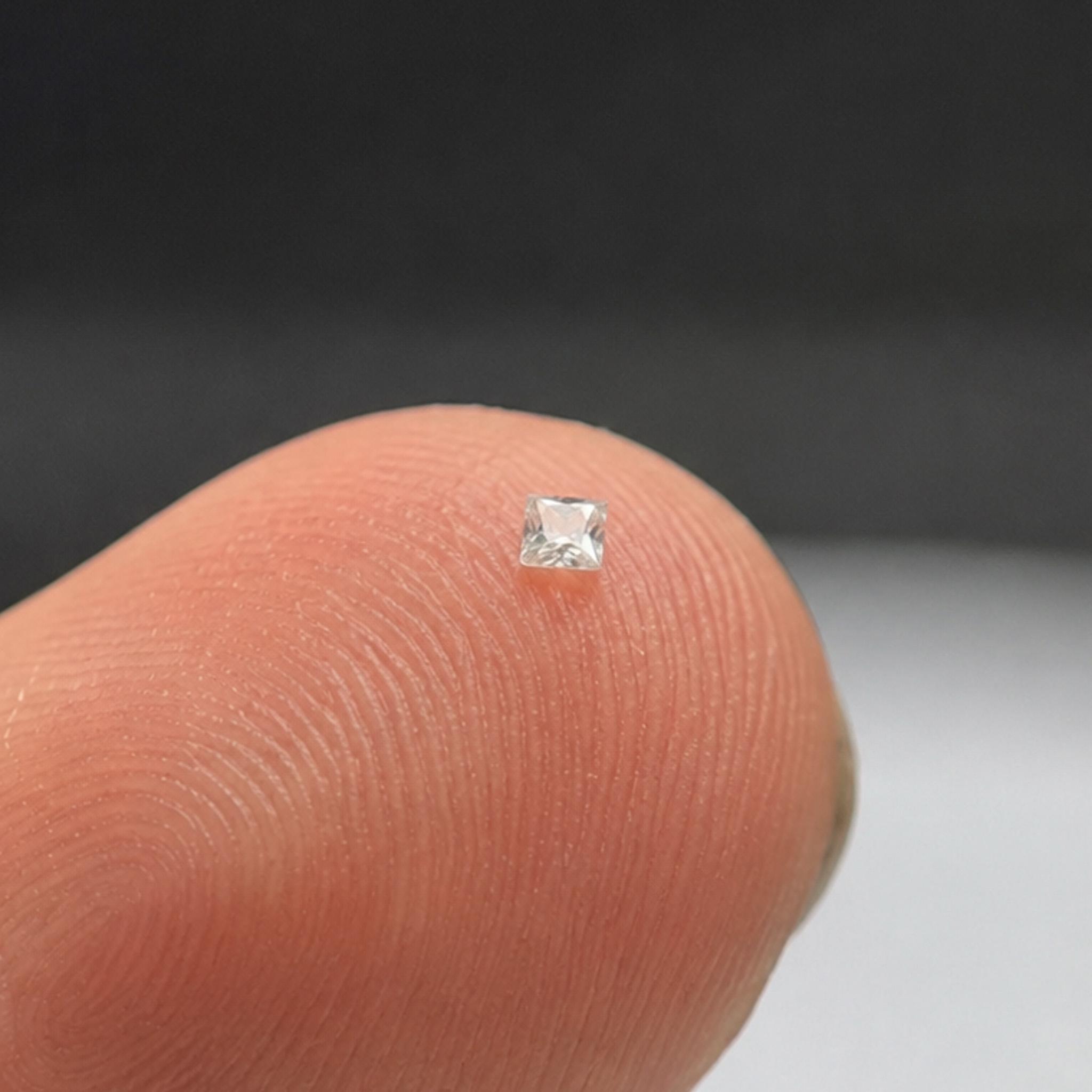
0.03 ct WHEWELLITE – GERMANY
EXPERT VERIFIED
- Expert Verified Gemstone
- Fast Handling & Shipping
- Secure Vault Packaging
$ 150
Offer amount Feild


Smart Collector Choice


Pay with Crypto & Get 10% Automatic Discount

Availability: 1 in stock
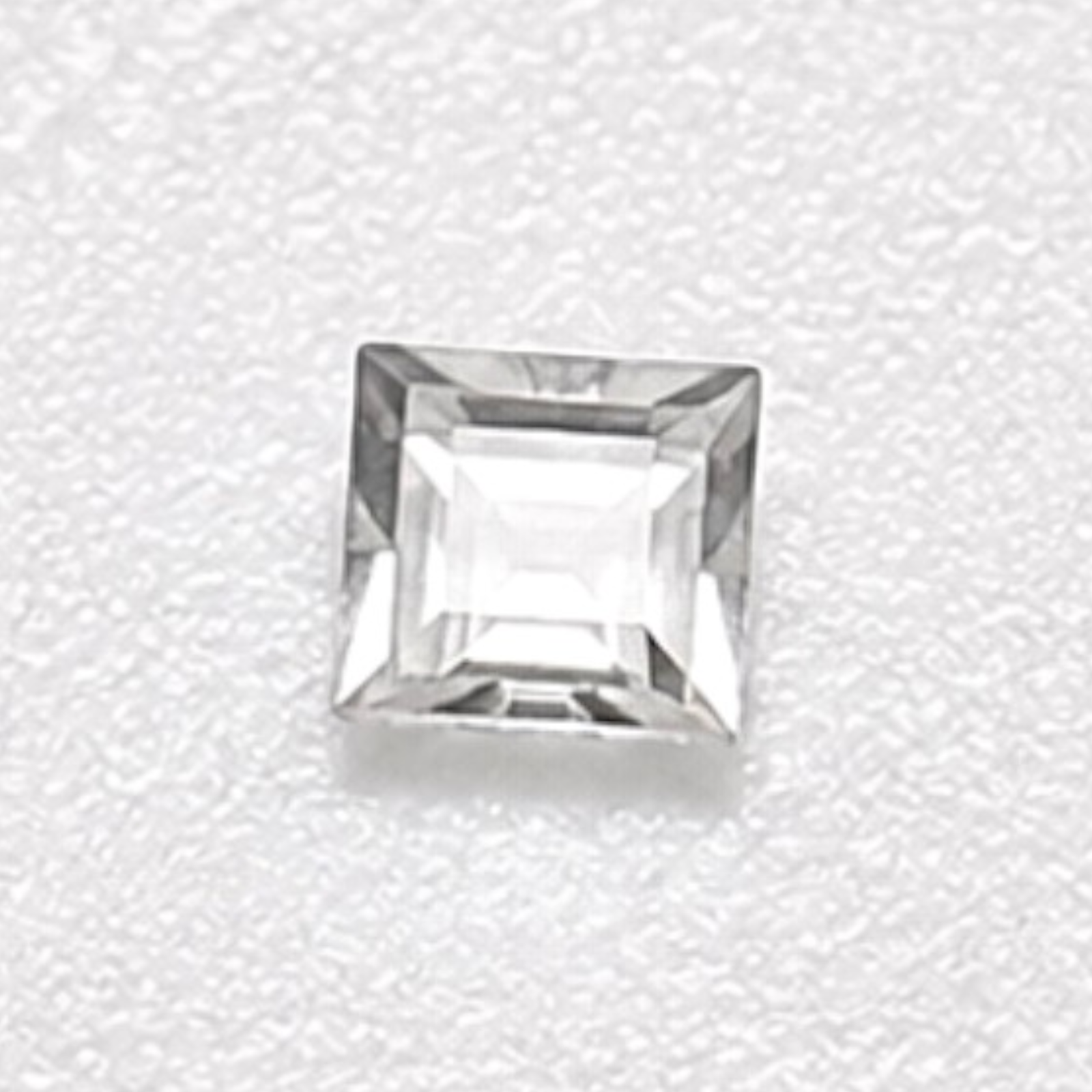
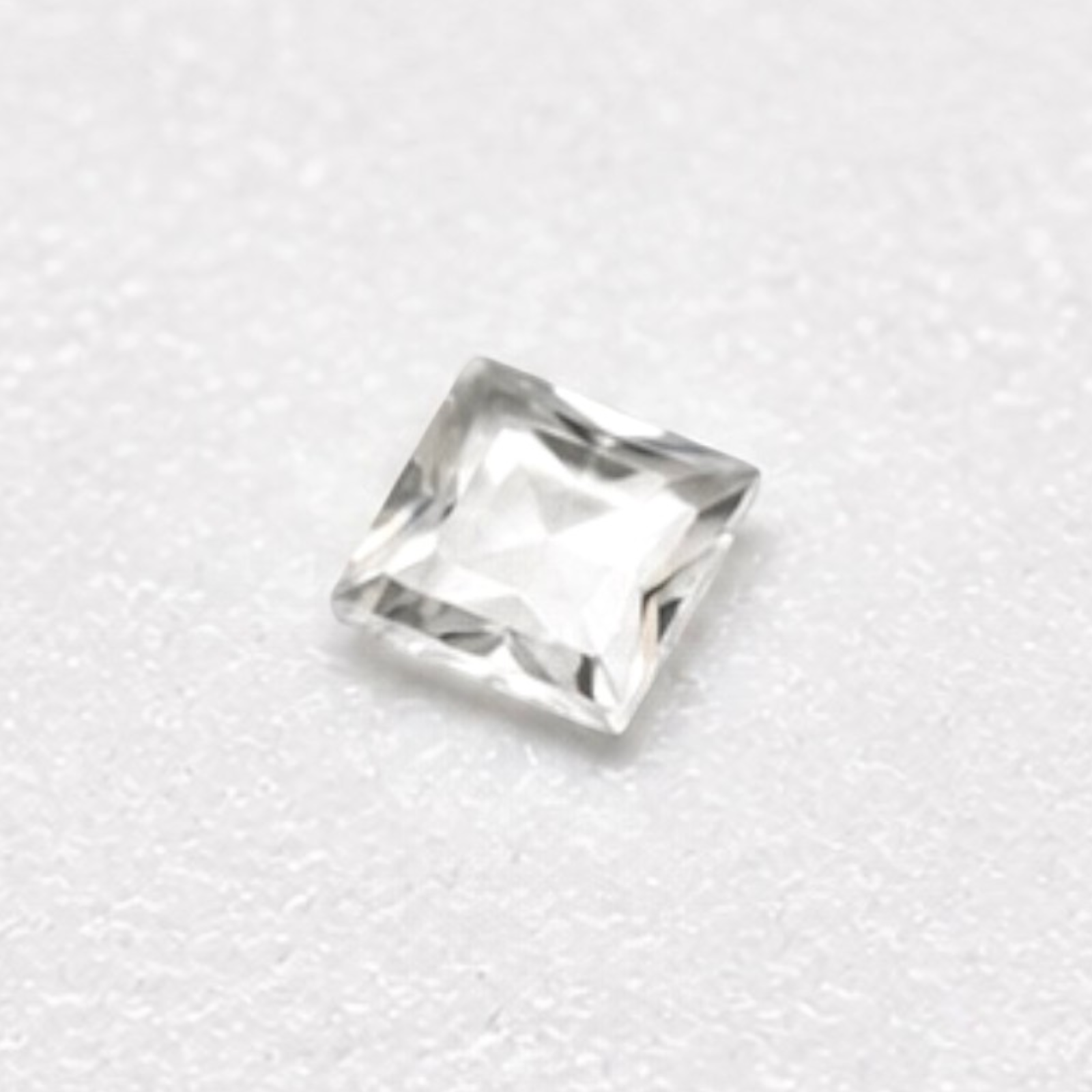
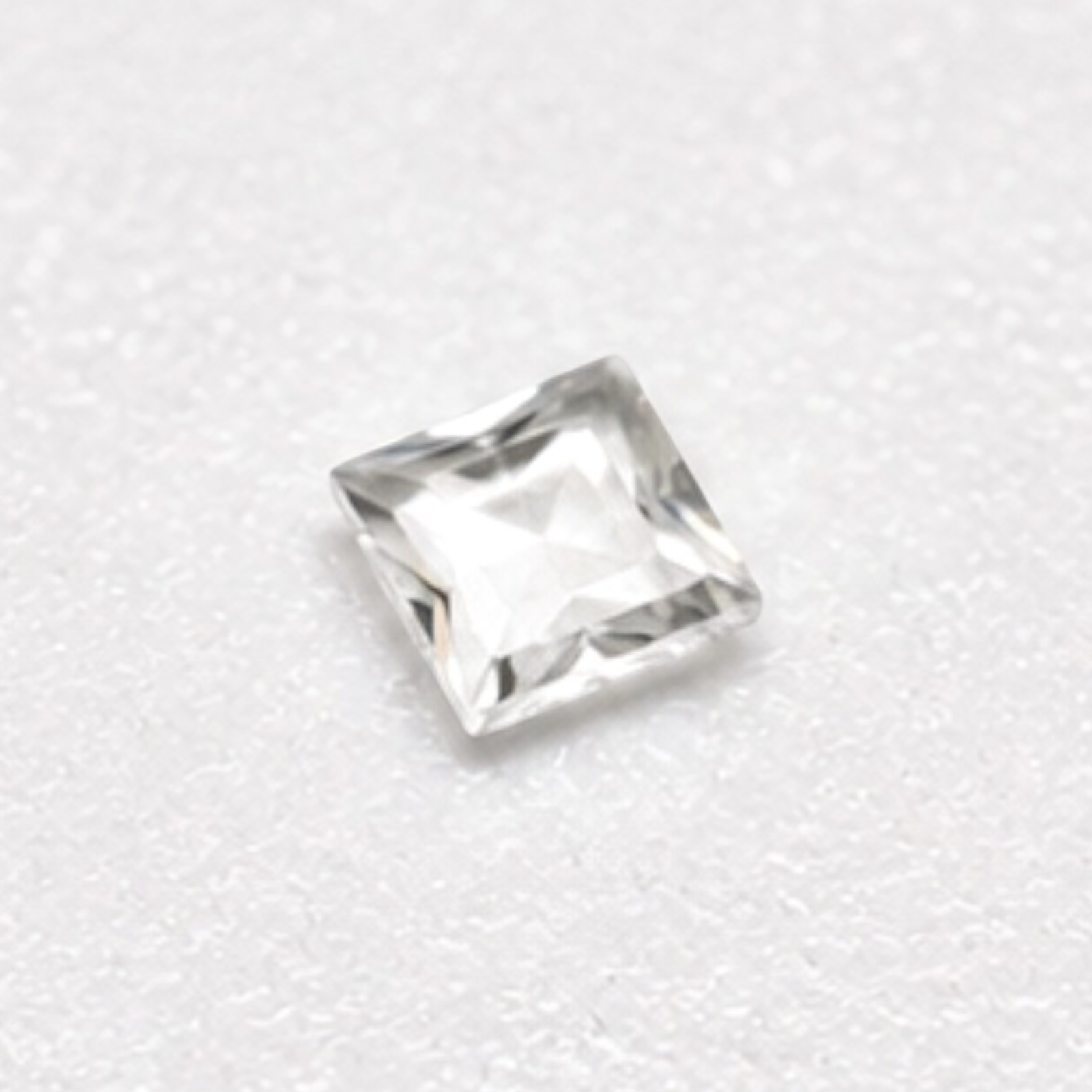
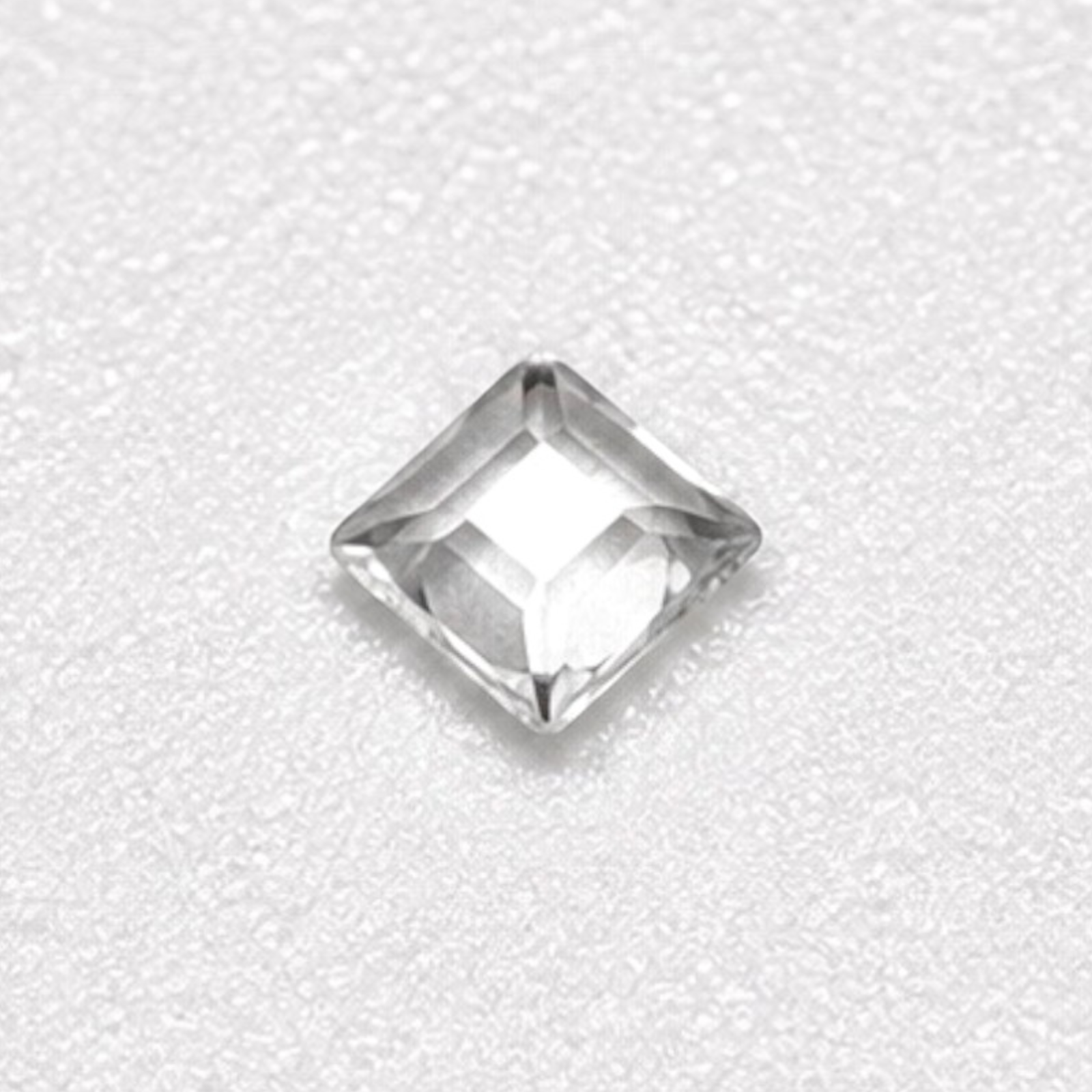


- Freakingcats Gemstone Database
Whewellite
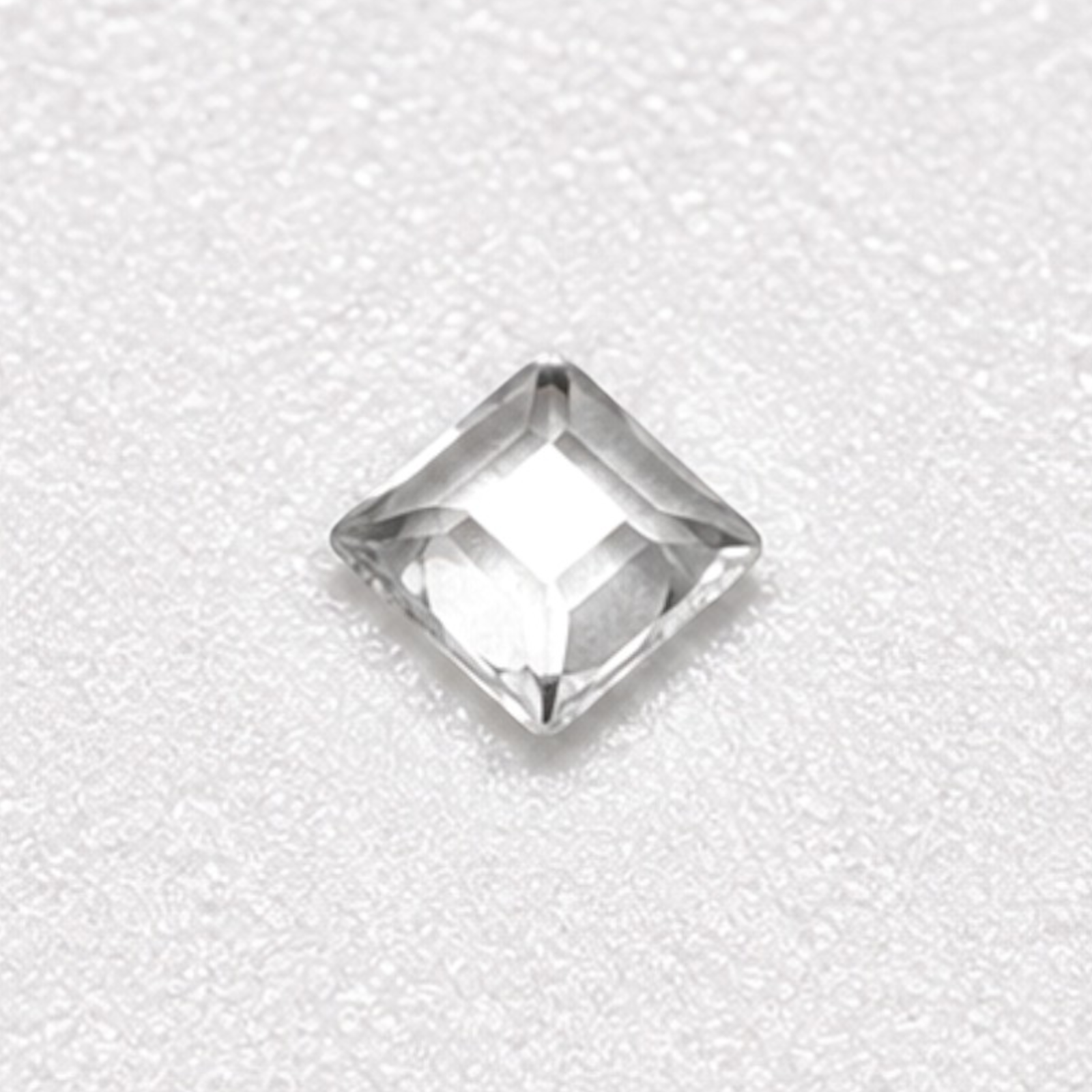
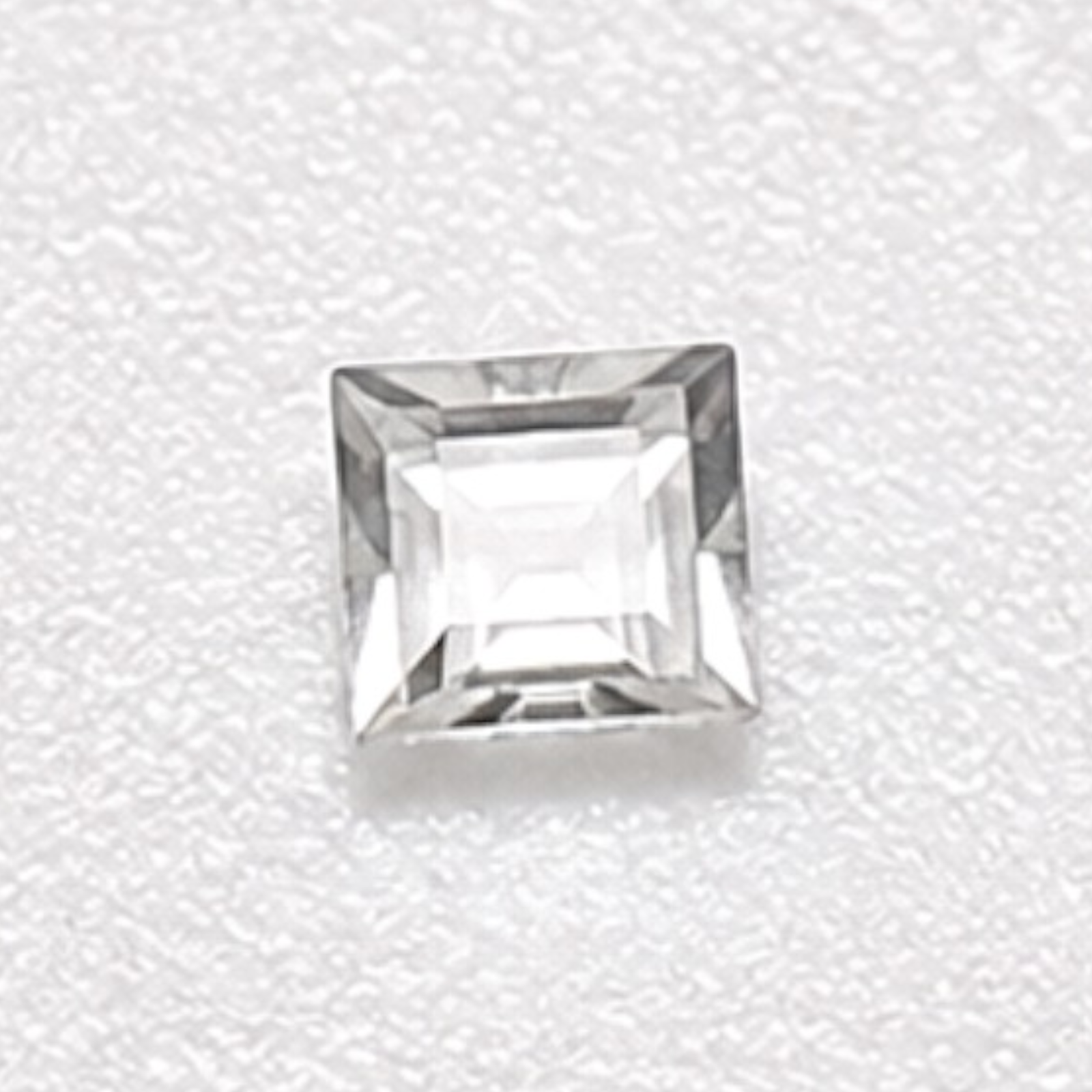
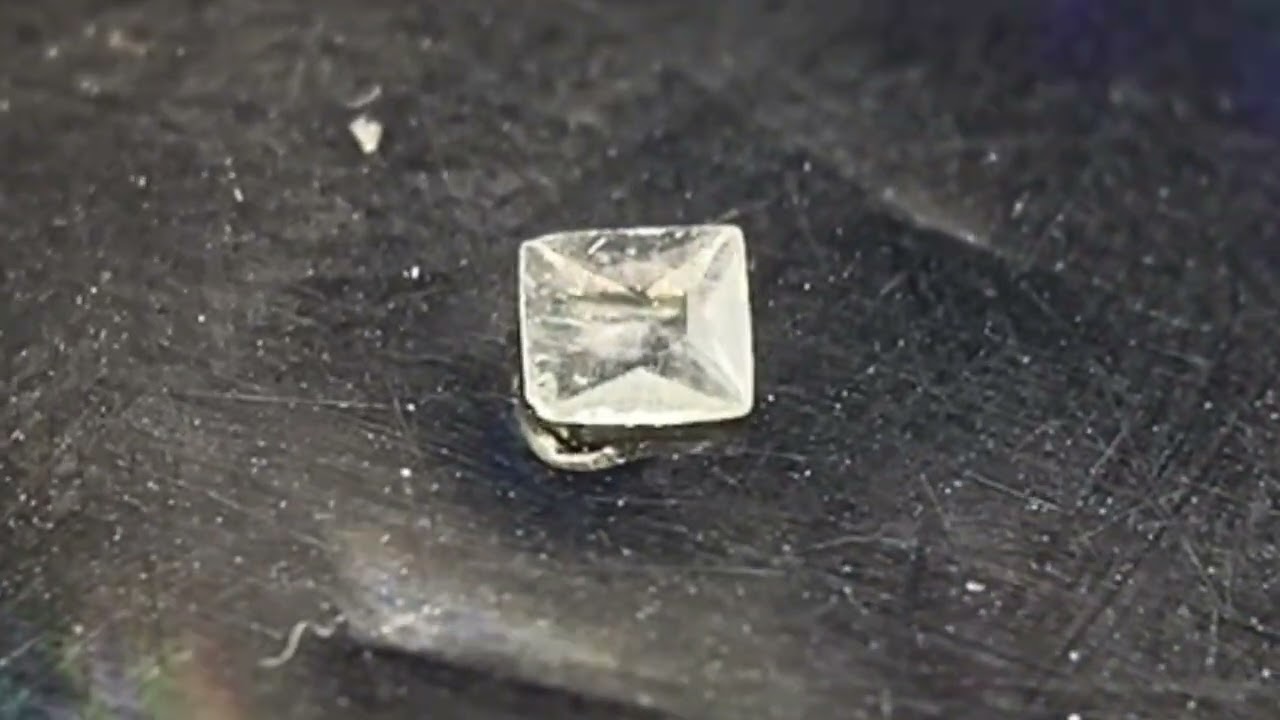
Whewellite from specialized low-temperature hydrothermal veins represents the supreme, organic-chemical anomaly of the secondary mineral world. A hydrated calcium oxalate mineral, it is a species I have always respected for its ghost-like, “pearly-translucent” to “porcellaneous-white” aesthetic and its status as a masterpiece of “monoclinic” structural discipline. For the specialist, a sharp, well-terminated Whewellite is an exceedingly rare prize of organic carbon entrapment, offering a vitreous to highly developed pearly luster and a subtle, luminous presence that makes it an irreplaceable addition to the systematic vault. As an artist, I find the stark, crystalline architecture of its heart-shaped twins standing against dark, carbonaceous matrix or dull septarian nodules to be an incredibly poetic and moody expression of Earth’s geochemical alchemy.
The Heritage & Discovery
Historical Significance Whewellite is a vital species for understanding the complex interaction between organic matter degradation and low-temperature hydrothermal fluid systems. Historically, it occupies a fascinating niche in scientific lore, named in 1852 after the esteemed English polymath, philosopher, and mineralogist William Whewell. In the world of fine minerals, it is celebrated as one of the few well-crystallized organic minerals, standing as a testament to the rare conditions under which biological breakdown byproducts—specifically oxalic acid—are pristine-locked into a permanent mineral framework. It serves as a striking reminder that nature can cross the boundary between organic life and rigid crystalline geology with breathtaking precision.
Discovery While known to science through sparse occurrences in European coal basins and historic mining regions, the discovery of outstanding, macrocrystalline clusters completely redefined our appreciation for this unusual oxalate group. Scientifically, it forms via the action of oxalate-bearing solutions reacting with calcium-rich groundwaters, often associated with organic beds or sedimentary ironstones. The discovery of these unique pockets provided mineralogists with spectacular, complexly twinned crystal groups. My own respect for this material grew from observing its distinct crystal forms; specifically, the way its monoclinic prisms form blocky, tabular, or heart-shaped contact twins that split and reflect light with a frosty, glass-like depth is a visual experience that is absolutely unique to the trained eye.
Important Mines The historic mining districts of Saxony and Bohemia, most notably the coal fields of Zwickau in Germany and the uranium-bearing hydrothermal veins of Příbram in the Czech Republic, have long been the traditional sources for classic specimens. In North America, remarkable, large crystals have emerged from the septarian concretions of the Elk Creek locality in South Dakota and the historic find zones of Ohio. For the vault, I prioritize specimens that exhibit sharp, freestanding crystals with clear transparency or strong pearly luster perched on a contrasting, dark host matrix, as they capture a highly unusual, crystalline intersection of the organic and mineral worlds.
Mineralogical Profile
Description Whewellite is a hydrated calcium oxalate that crystallizes in the monoclinic system. It sits at a delicate 2.5 to 3 on the Mohs scale, meaning its pristine faces must be treated with care, protected from aggressive chemical cleaners, and shielded from severe temperature fluctuations to maintain its signature waxy to vitreous surfaces. It is characterized by its clean colorless, white, or pale yellow-brown hue and its magnificent pearly luster on cleavage surfaces.
One of its most identifying traits is its perfect conchoidal to good basal cleavage, which often results in smooth, reflective crystal faces that dramatically accentuate its complex twinning habits. It possesses a moderate refractive index running from approximately 1.490 to 1.650, which imparts a soft, liquid-like depth to transparent crystals, and an average specific gravity of 2.23, reflecting its light, organic-rich molecular arrangement. Because it forms in specialized, low-temperature organic settings, it is commonly found in close association with Calcite, Barite, Sphalerite, Pyrite, and various clay minerals. When I select an example for the collection, I look for well-developed, unblemished contact twins or sharp prismatic crystals on intact matrix, as these maximize the architectural, cross-disciplinary brilliance of the mineral’s gentle subterranean birth.
Chemical Formula Ca(C2O4) · H2O


