
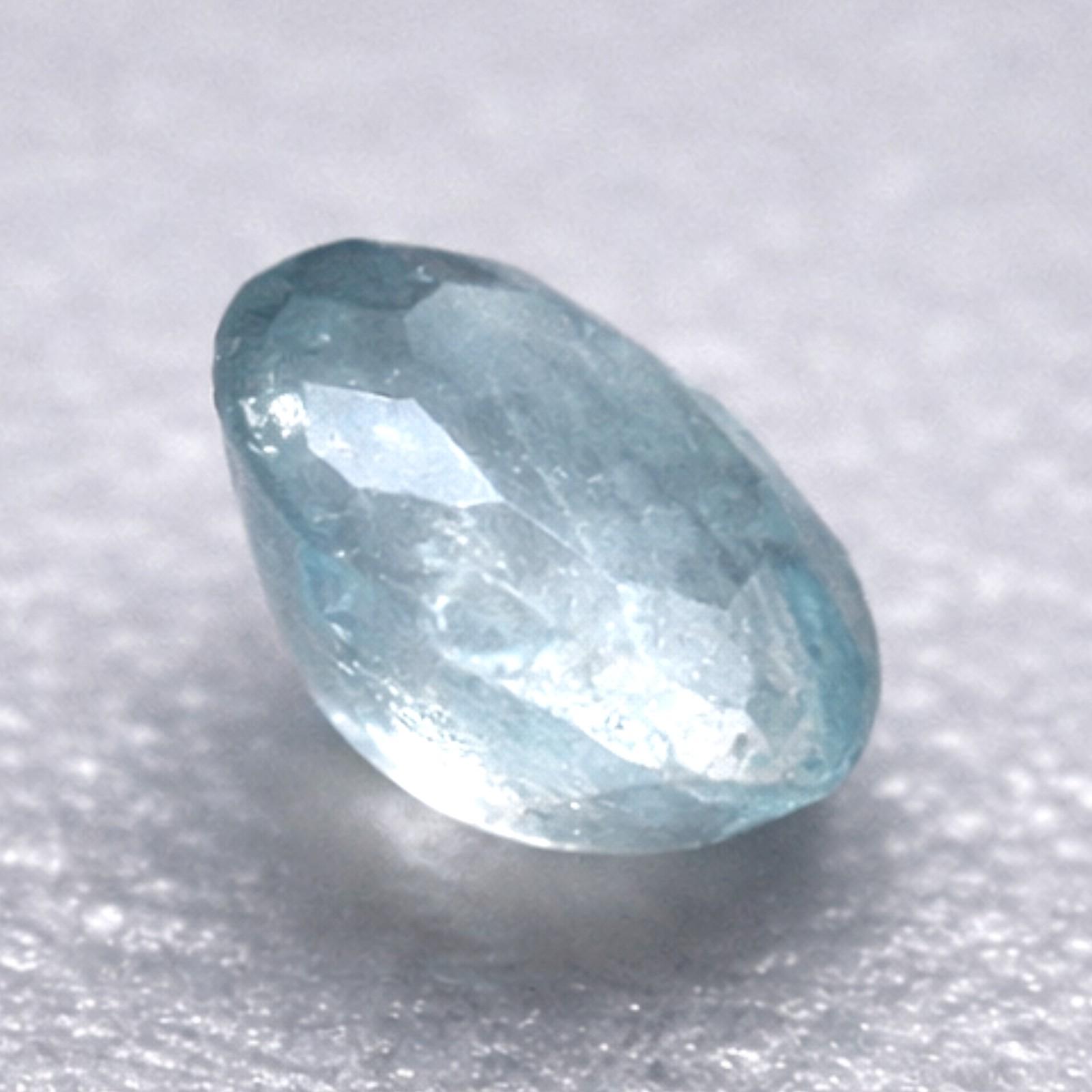
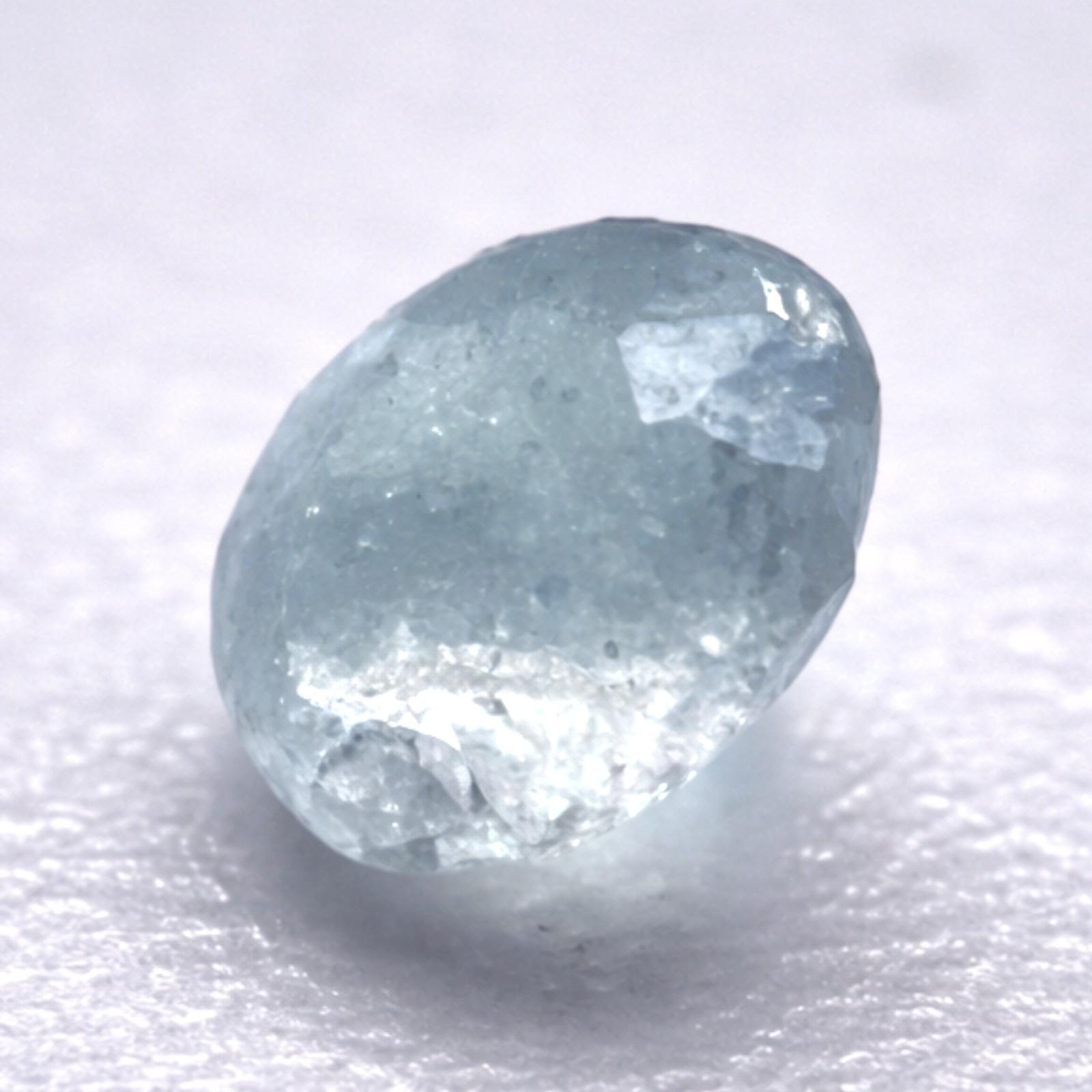
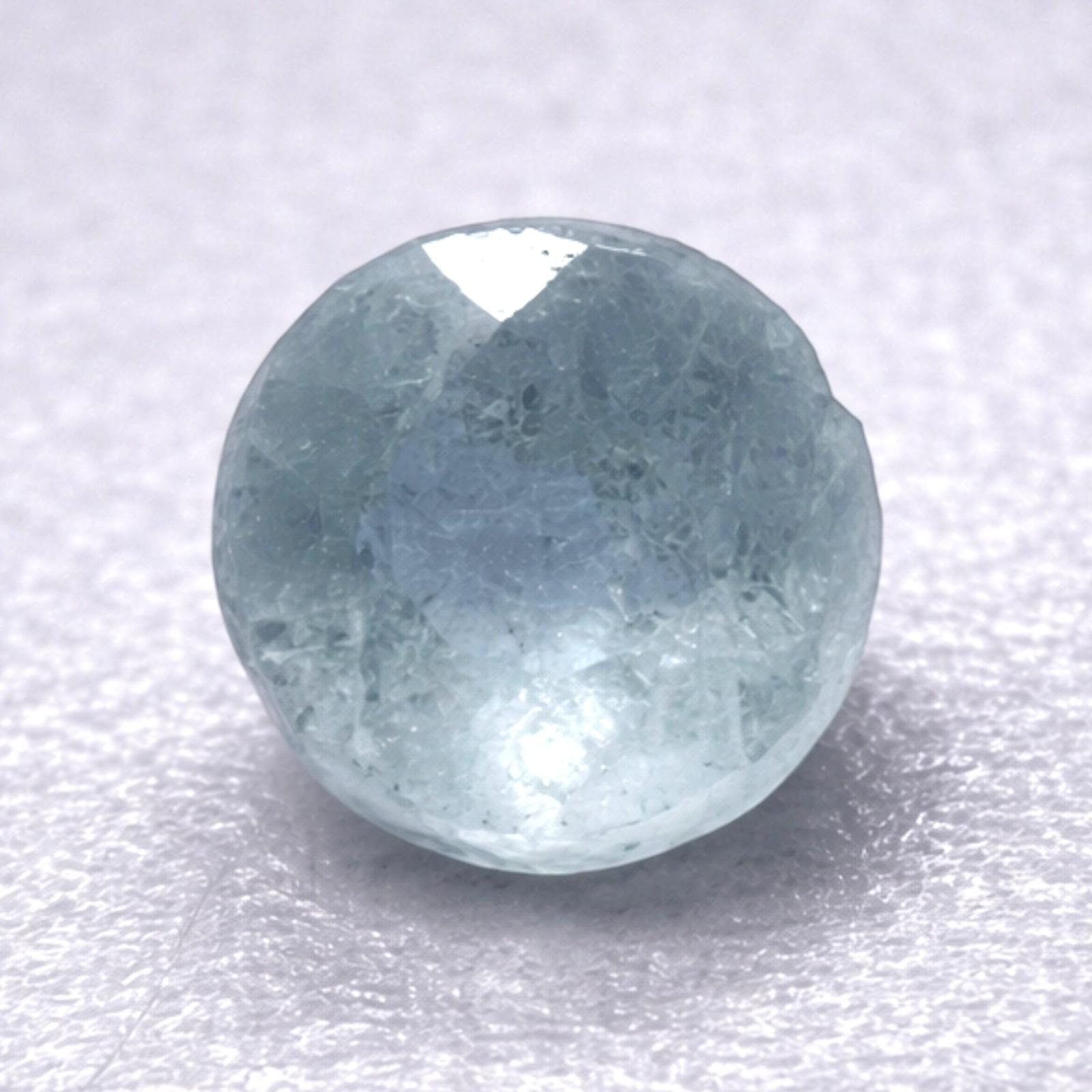
0.25 ct ACHROITE – AFGHANISTAN
EXPERT VERIFIED
- Expert Verified Gemstone
- Fast Handling & Shipping
- Secure Vault Packaging
$ 100
Offer amount Feild


Smart Collector Choice


Pay with Crypto & Get 10% Automatic Discount

Availability: 1 in stock
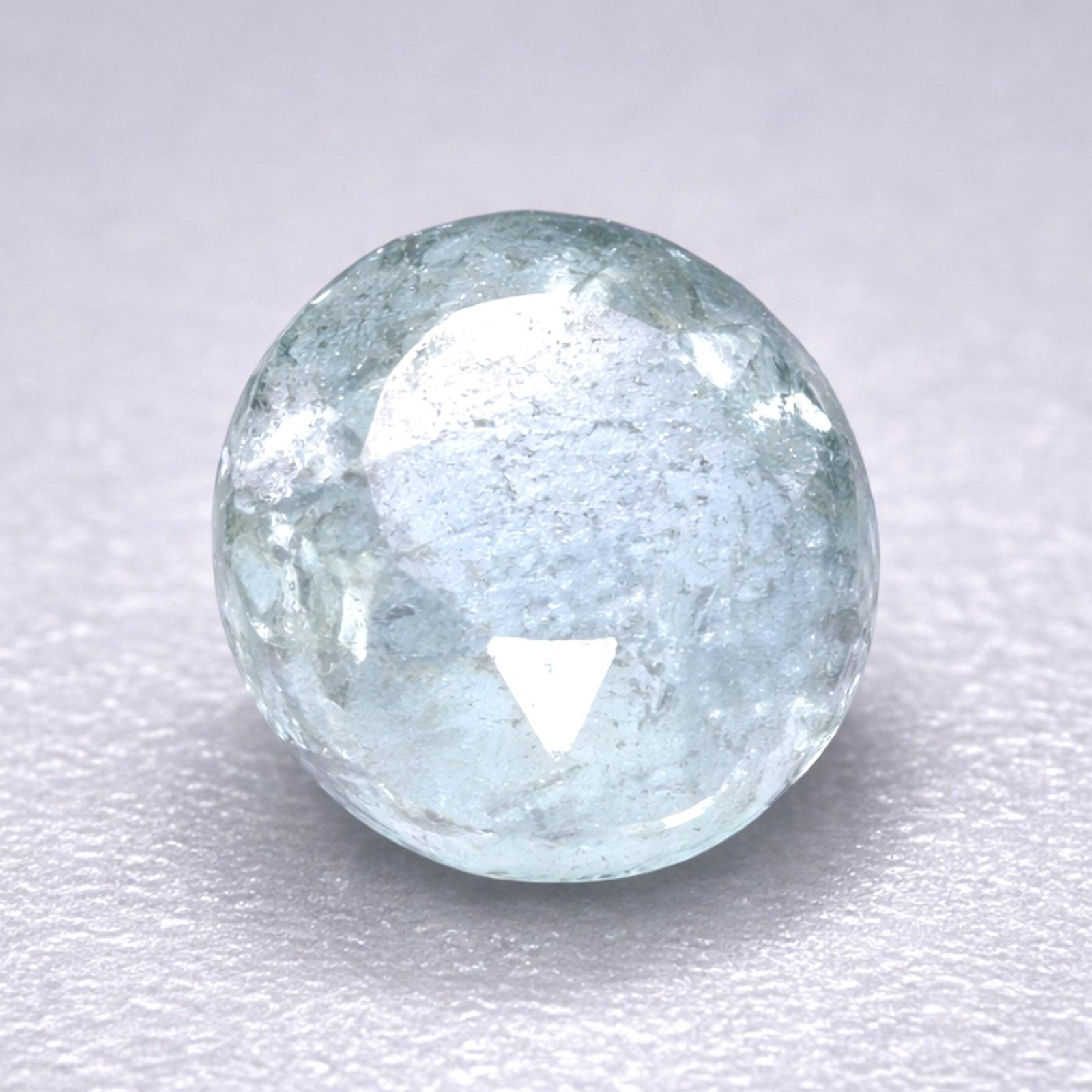
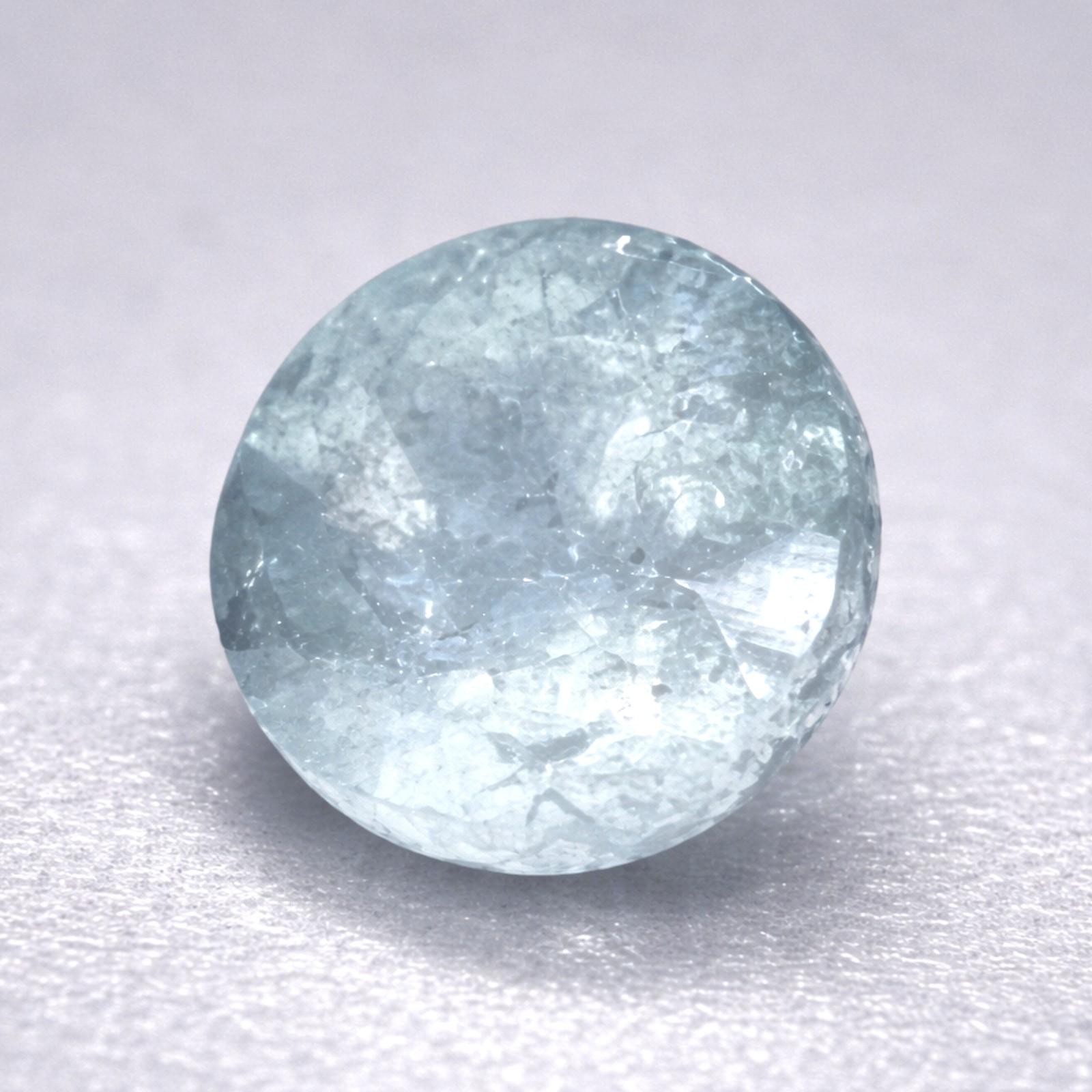
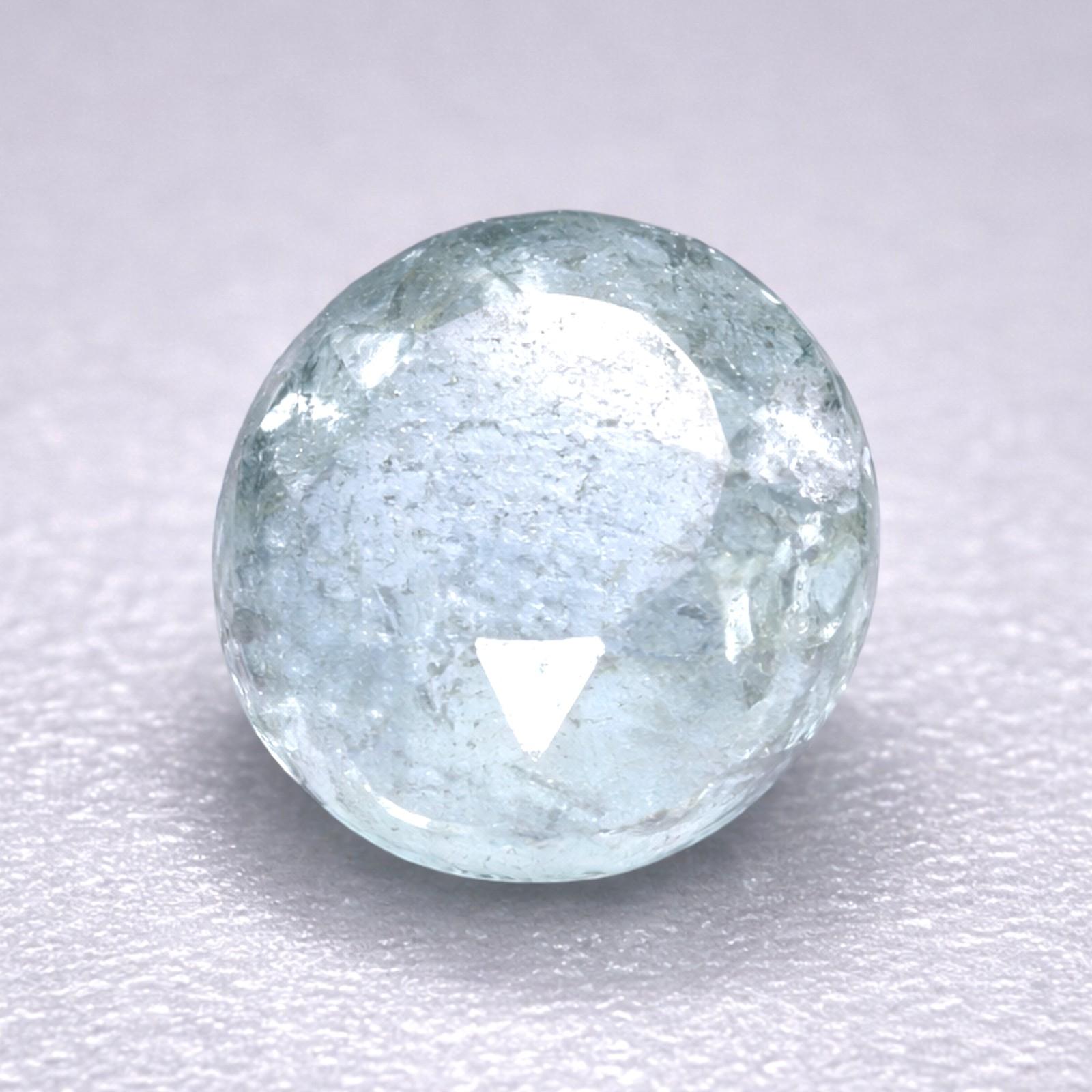
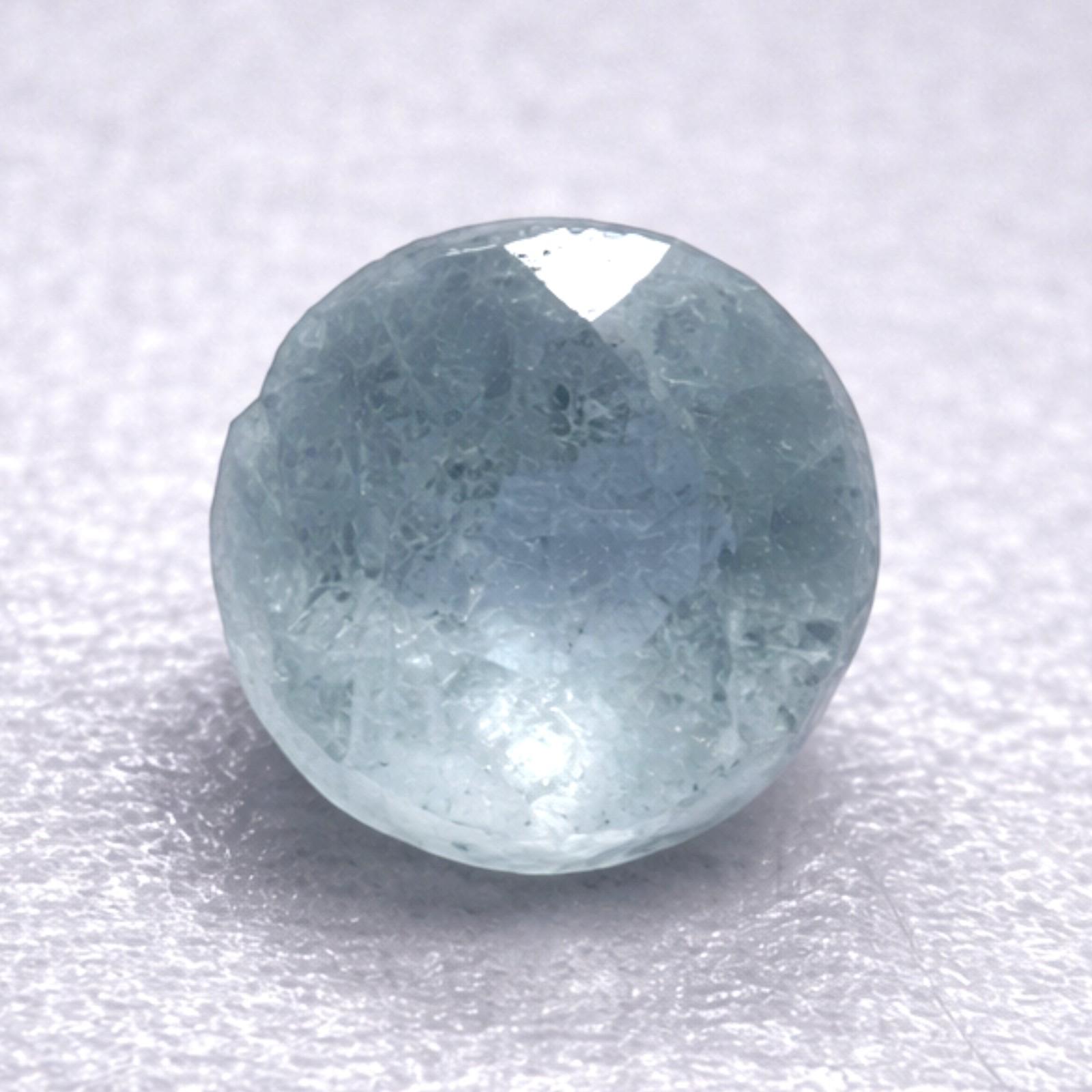


- Freakingcats Gemstone Database
Achroite
Achroite is the “phantom” of the Tourmaline family—a rare, completely colorless variety that represents the mineral in its purest chemical form. I have always been moved by its quiet, crystalline clarity; while Tourmaline is famous for its “rainbow” of colors, Achroite occurs only when the iron, magnesium, manganese, and lithium that usually tint the stone are entirely absent. It possesses a vitreous luster and a “water-clear” transparency that can easily be mistaken for fine Diamond or White Topaz. For the specialist collector, Achroite is a stone of profound purity and technical perfection. It is a rare prize, as the geological conditions required to grow a Tourmaline crystal without a single “stain” of color are exceptionally elusive.
The Heritage & Discovery
Historical Significance: Achroite holds a unique place in the history of mineralogy as the “baseline” for the Tourmaline group. Historically, its name is derived from the Greek achroos, meaning “without color.” While its more colorful siblings like Rubellite or Indicolite captured the attention of royalty, Achroite remained a “connoisseur’s gem,” prized by those who understood the chemical rarity of such a pure crystal. In the world of fine gems, it stands as the ultimate proof of chemical exclusion—representing the final, most refined stage of a pegmatite’s crystallization where only the essential elements remain. It is a symbol of transparency and unadulterated truth.
Discovery: The term Achroite has been used by mineralogists since the early 19th century to distinguish colorless Elbaite from the more common varieties. Scientifically, it is a complex sodium lithium aluminum borosilicate. Its discovery in the pockets of complex pegmatites—from the mountains of Elba to the high altitudes of the Hindu Kush—allowed scientists to isolate the structural properties of Tourmaline without the interference of color-causing transition metals. This was vital for early studies in pyroelectricity and piezoelectricity, as Achroite provided the cleanest samples for testing the mineral’s unique electrical charge.
Important Mines: The legendary source for the world’s most transparent Achroite is Elba, Italy, the type-locality for Elbaite. I also have a high regard for the spectacular, large crystals found in Nuristan, Afghanistan, and the Aracuai region of Minas Gerais, Brazil. For the vault, I prioritize the Afghan material for its incredible “pencil-like” crystal habits and the Brazilian specimens for their occasional, high-carat clarity that allows for a “liquid-light” brilliance when faceted.
Mineralogical Profile
Description: Achroite is the colorless variety of Elbaite Tourmaline, crystallizing in the trigonal system. It sits at a 7 to 7.5 on the Mohs scale, making it a very durable and stable stone suitable for all jewelry applications. It is characterized by its vitreous luster and its absolute lack of pleochroism—a rare trait in a family known for showing multiple colors in a single stone.
One of its most identifying traits is its vertical striations. Like all Tourmalines, the crystals often feature deep grooves running along the length of the prism, which help distinguish it from Quartz or Topaz. It has a refractive index (approx 1.62 to 1.64) and a strong birefringence. Because it is completely colorless, it is often used as the core for “bi-color” or “watermelon” stones, but as a standalone gem, its value lies in its crystalline perfection. When I facet Achroite, I focus on the “internal reflection” and sharp angles to maximize its dispersion, resulting in a stone that looks like a splinter of pure, frozen light. It is a dense, high-vibration mineral that remains the most sophisticated representative of the Boro-silicate family.
Chemical Formula: Na(Li1.5Al1.5)Al6(Si6O18)(BO3)3(OH)3(OH)


