
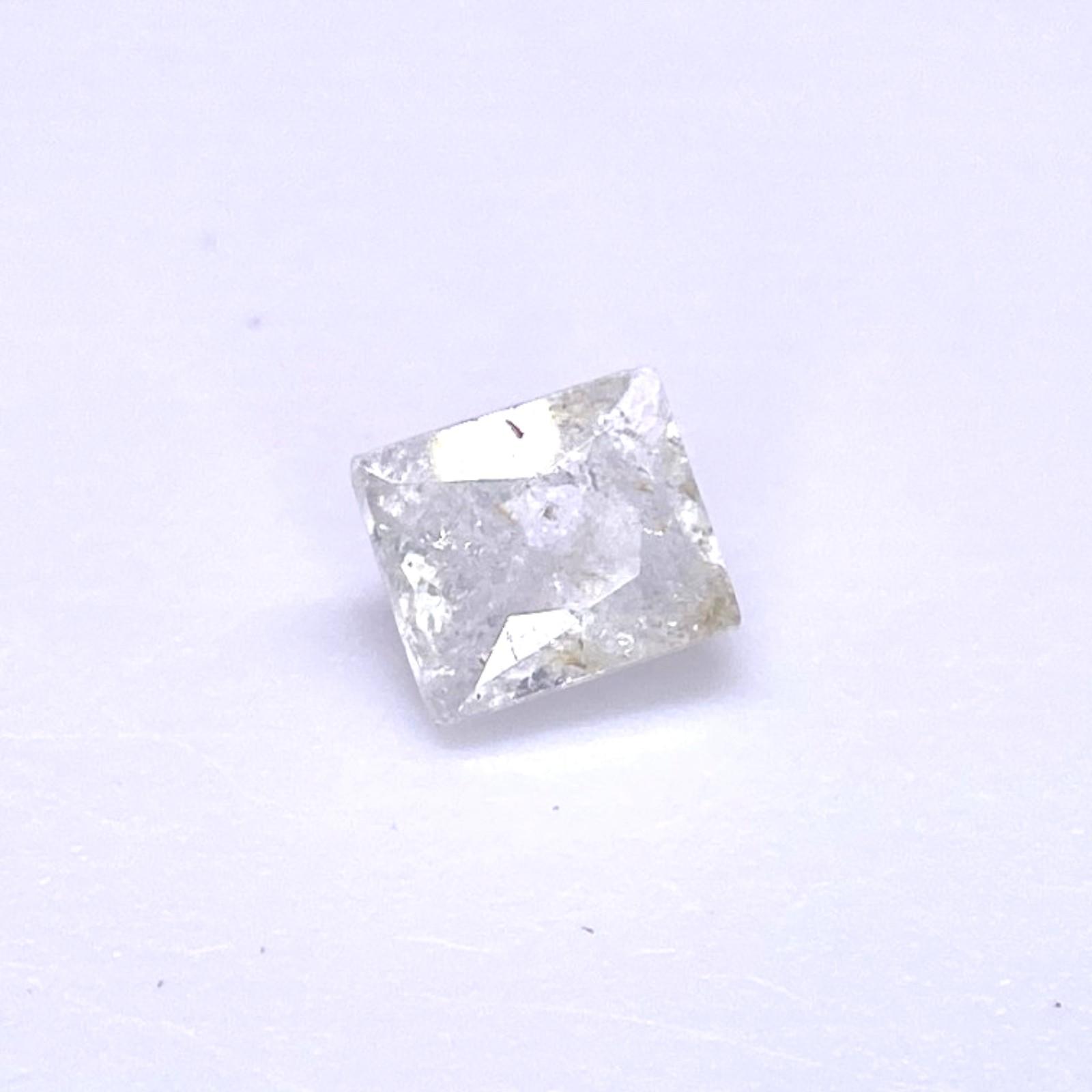
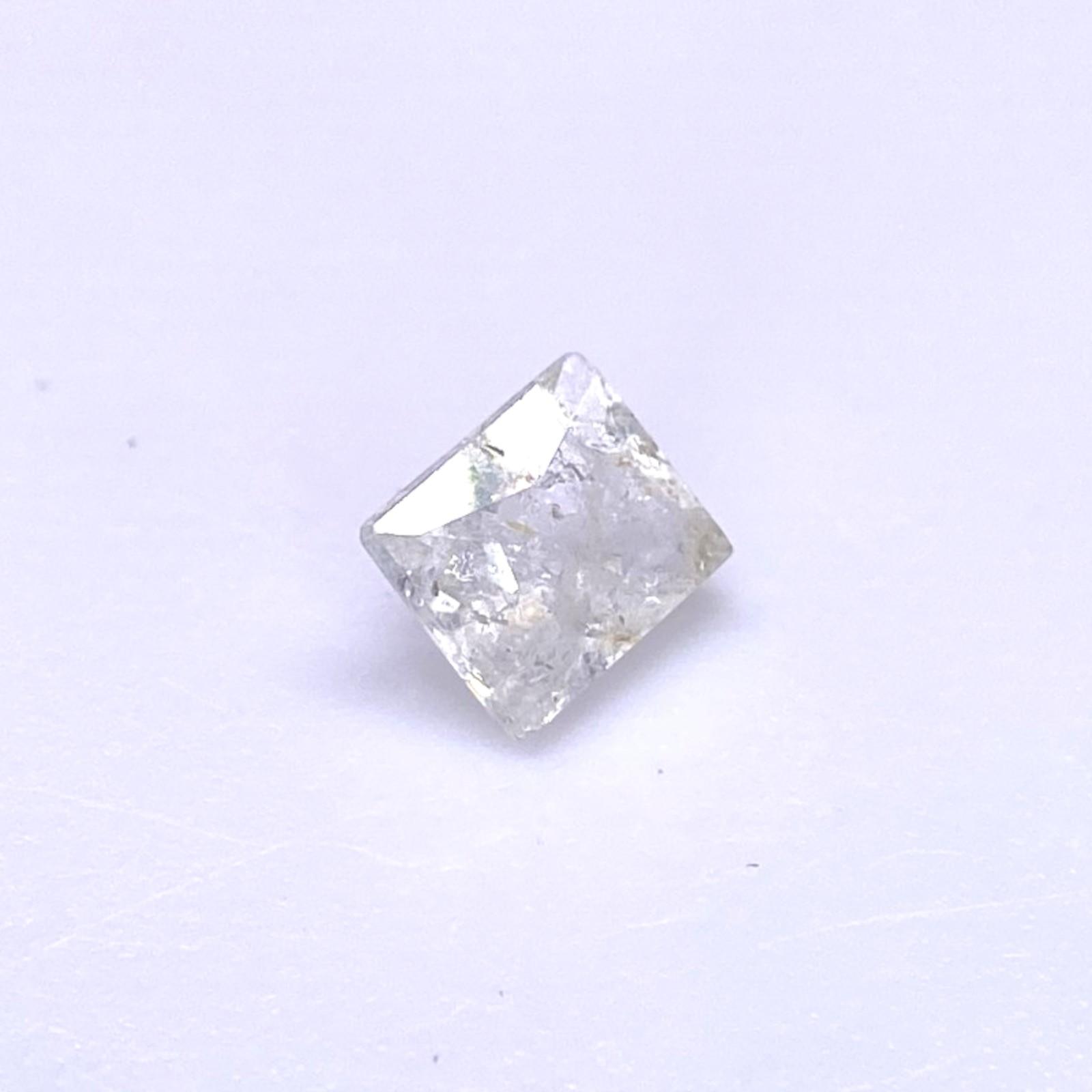
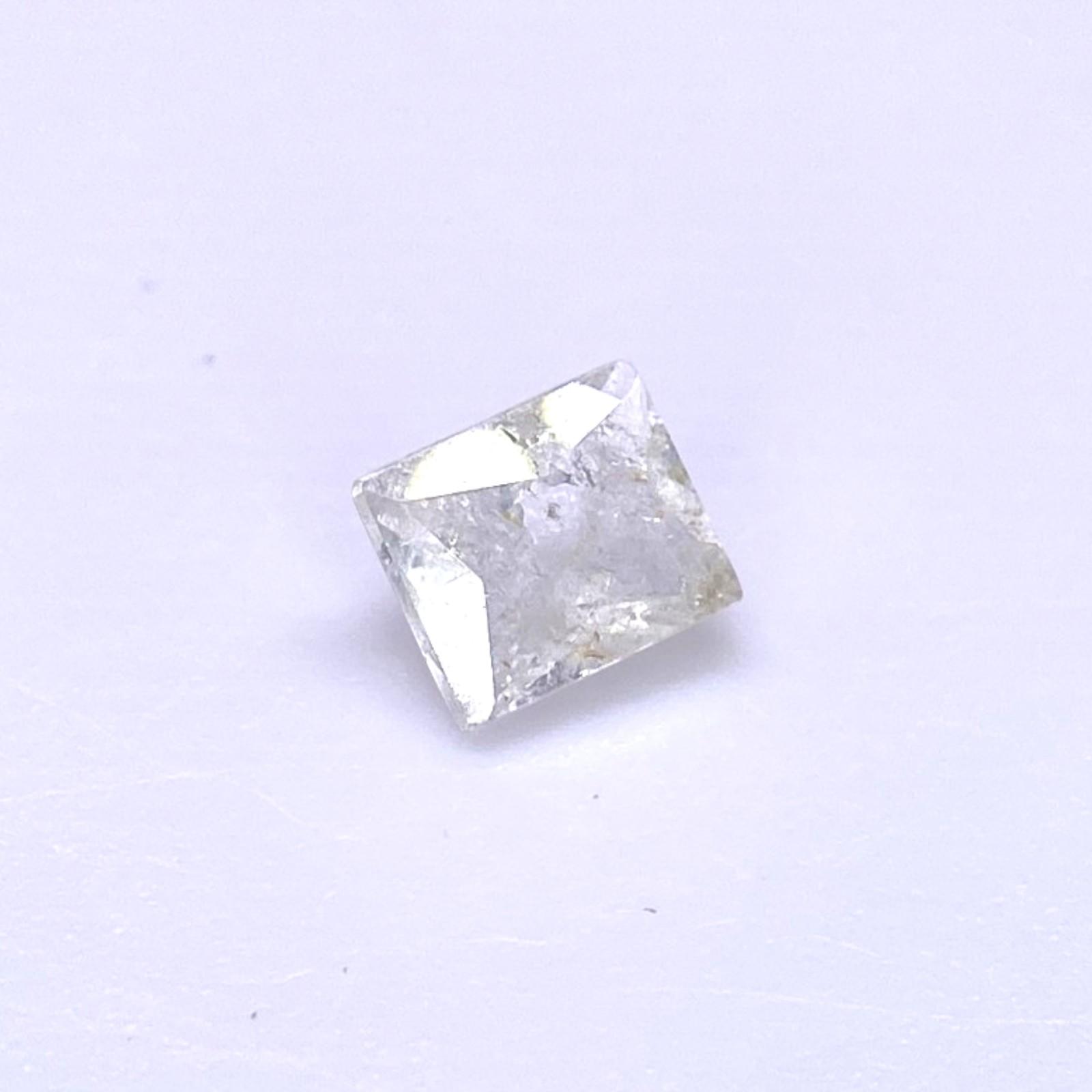
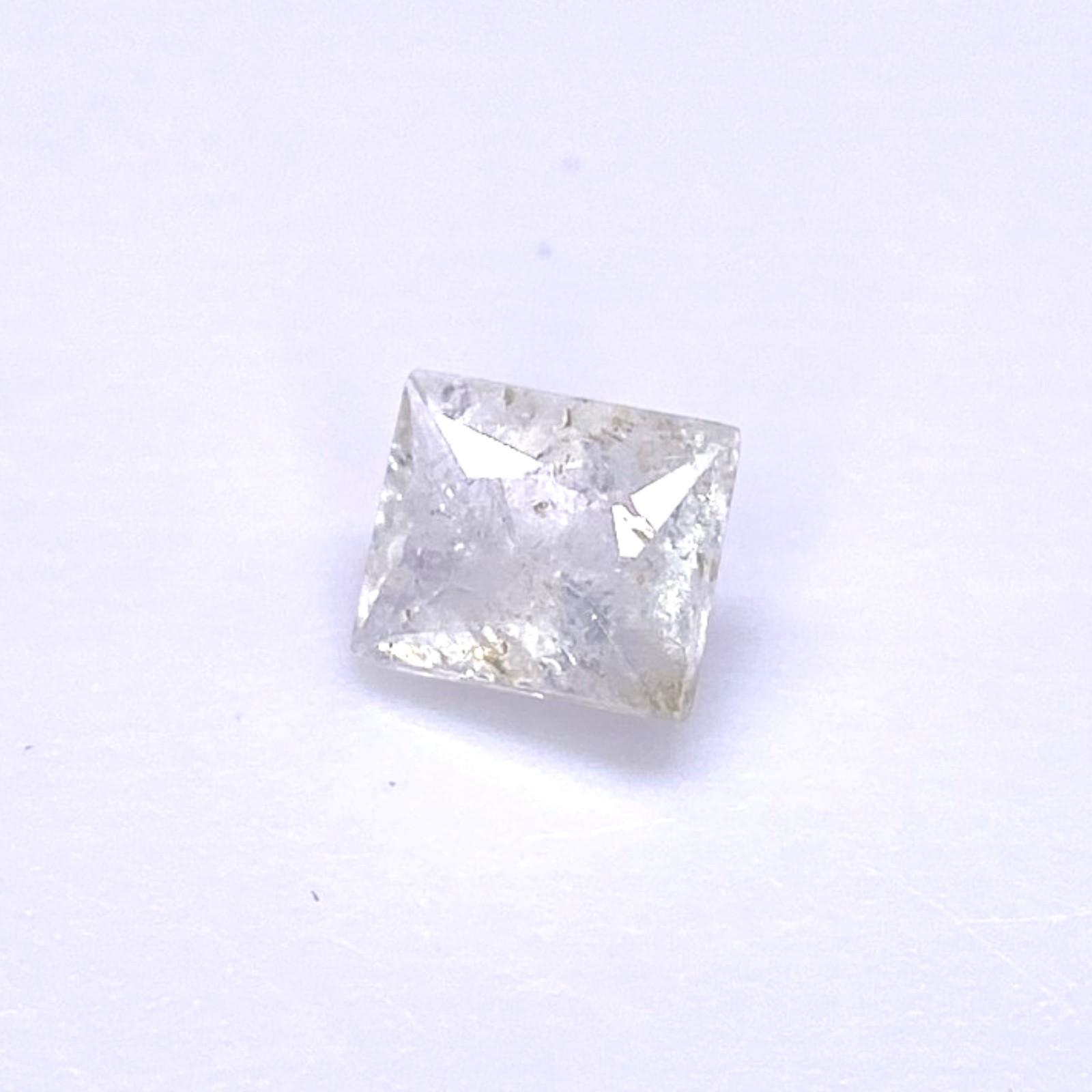
0.77 ct HYALOPHANE – BOSNIA
EXPERT VERIFIED
- Expert Verified Gemstone
- Fast Handling & Shipping
- Secure Vault Packaging
$ 200
Offer amount Feild


Smart Collector Choice


Pay with Crypto & Get 10% Automatic Discount

Availability: 1 in stock
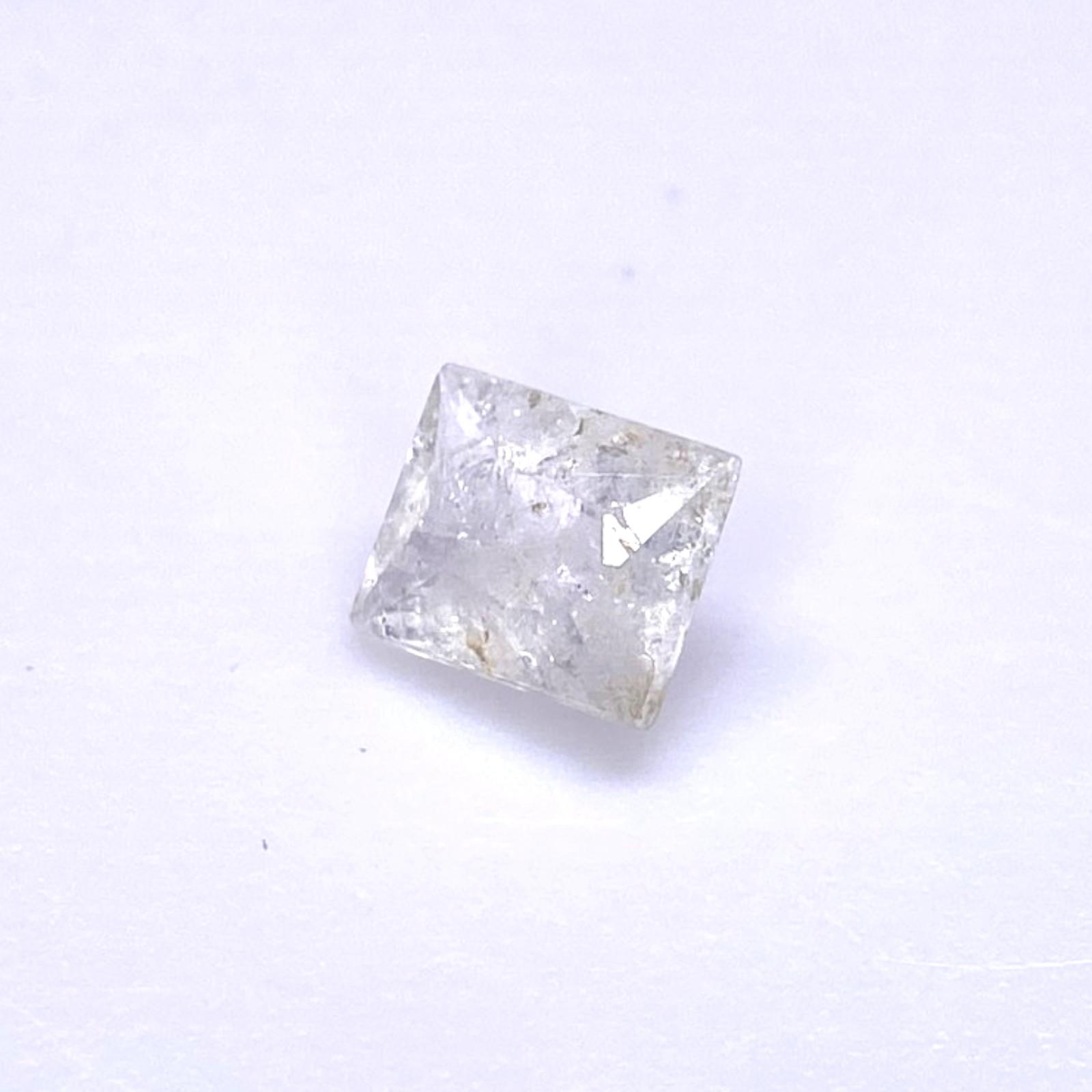
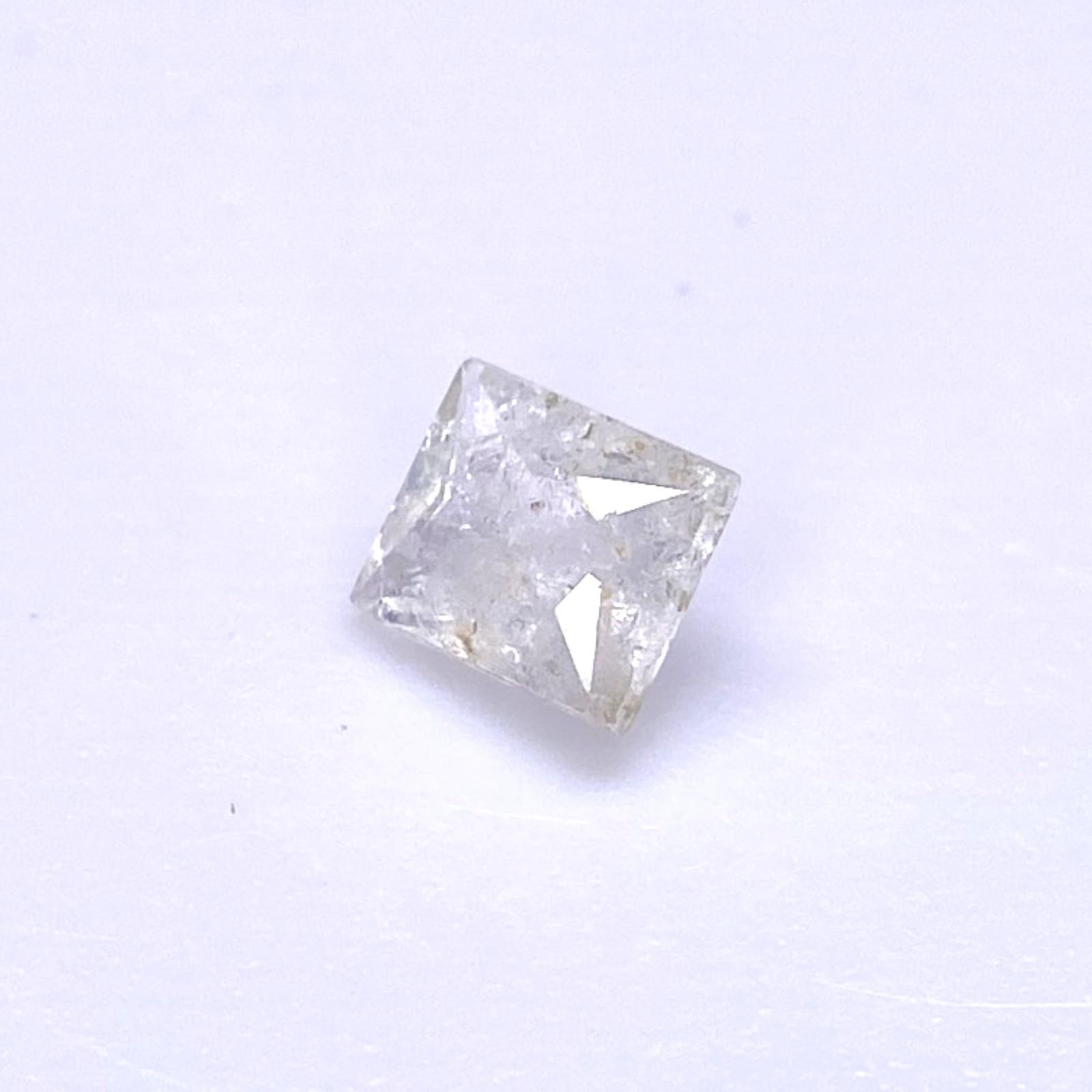
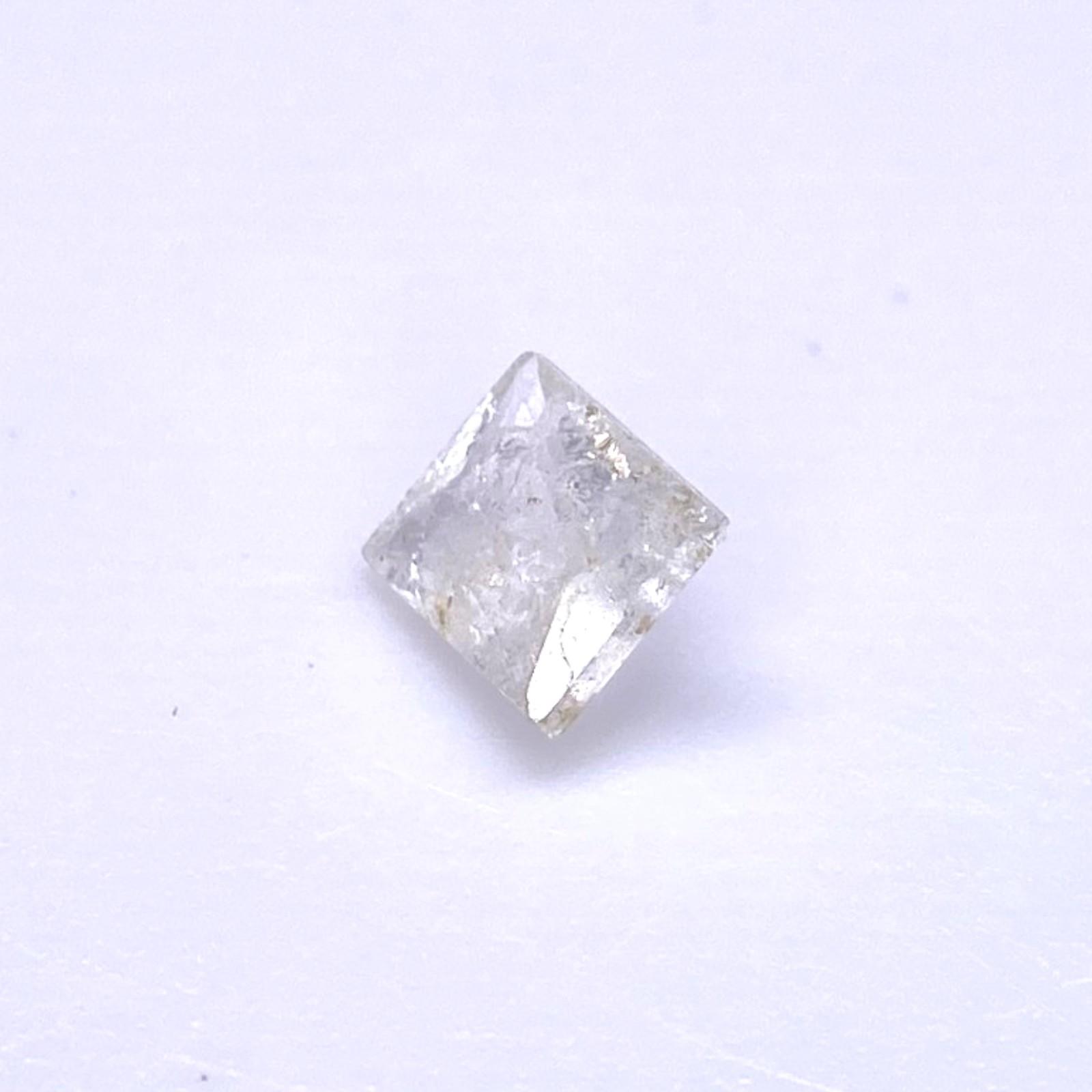
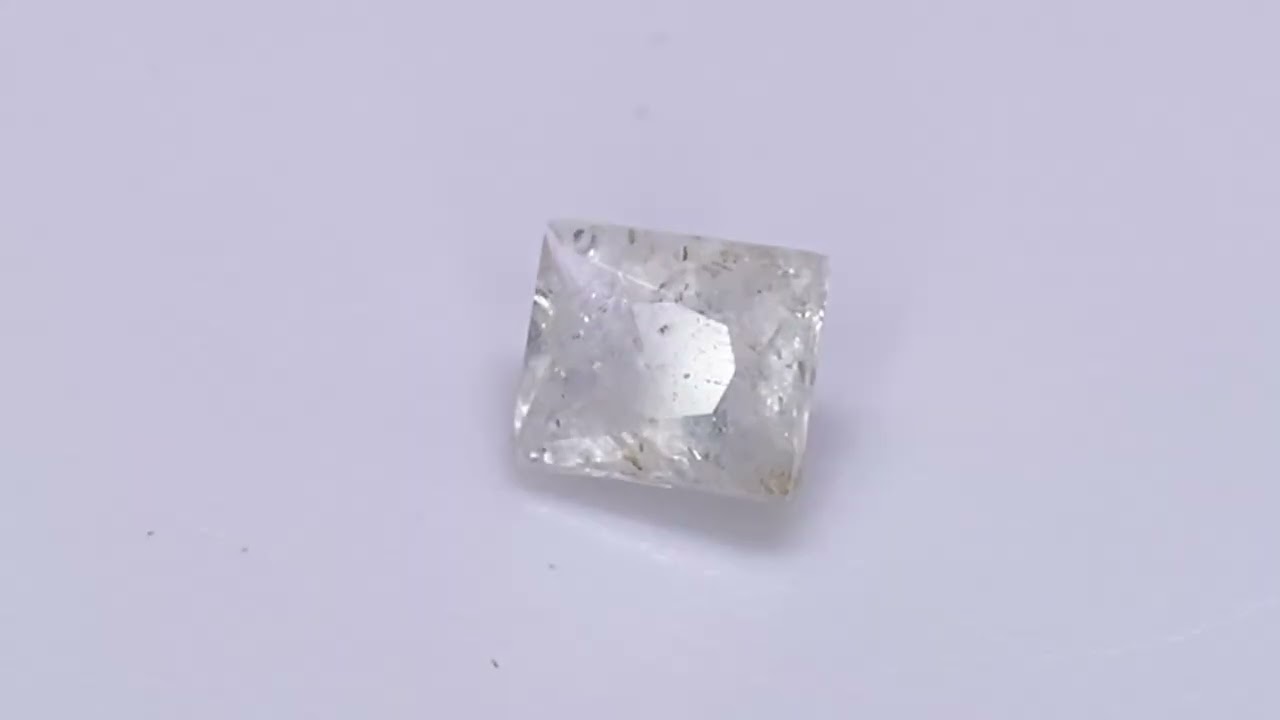


- Freakingcats Gemstone Database
Hyalophane
Hyalophane is the “phantom” of the feldspar group. Its name comes from the Greek words for “glass” and “to appear,” which is fitting because a high-quality crystal looks like a block of pure, solidified light. While most people are familiar with common feldspars like moonstone or labradorite, Hyalophane is a much rarer barium-rich variety that occupies a middle ground in the barium-potassium series. I’ve always been drawn to its exceptional clarity; when you find a piece of rough that is truly water-clear, it possesses a vitreous luster that feels almost liquid. It’s a sophisticated choice for the collector who values structural purity over flashy play-of-color.
The Heritage & Discovery
Historical Significance: Hyalophane has always been a mineral of distinction in European collections. Because it requires a specific chemical balance of barium to form, it is significantly less common than the standard potassium feldspars. It represents a bridge in mineralogical chemistry, sitting between the more common orthoclase and the rare barium endmember, celsian. For those of us documenting the evolution of the feldspar family, Hyalophane is an essential chapter.
Discovery: The mineral was first described in 1855 by the Swiss mineralogist Wolfgang Sartorius von Waltershausen. He identified it in the Lengenbach Quarry, a site that has become legendary for producing complex and rare mineral species. Since its discovery, it has remained a specialist’s stone, prized more for its crystal habit and transparency than for industrial use.
Important Mines: The absolute gold standard for facet-grade Hyalophane is the Busoča Quarry in Zagradski Potok, Bosnia and Herzegovina. This location produces the world’s most famous “water-clear” crystals, often found embedded in white dolomite. While occurrences are noted in the Lengenbach Quarry in Switzerland and parts of Japan, the Bosnian material is the only rough I trust when I want to cut a gemstone that truly disappears into the light.
Mineralogical Profile
Description: Hyalophane is a potassium barium aluminum silicate that crystallizes in the monoclinic system. It sits at a 6 to 6.5 on the Mohs scale, making it durable enough for jewelry, though its perfect cleavage requires a steady hand during the faceting process. It is typically colorless, white, or pale yellow, with a transparency that can rival the finest topaz. Its refractive index is slightly higher than that of standard orthoclase, giving it a sharper, more “brilliant” presence when faceted.
Chemical Formula: (K,Ba)Al(Si,Al)3O8


