
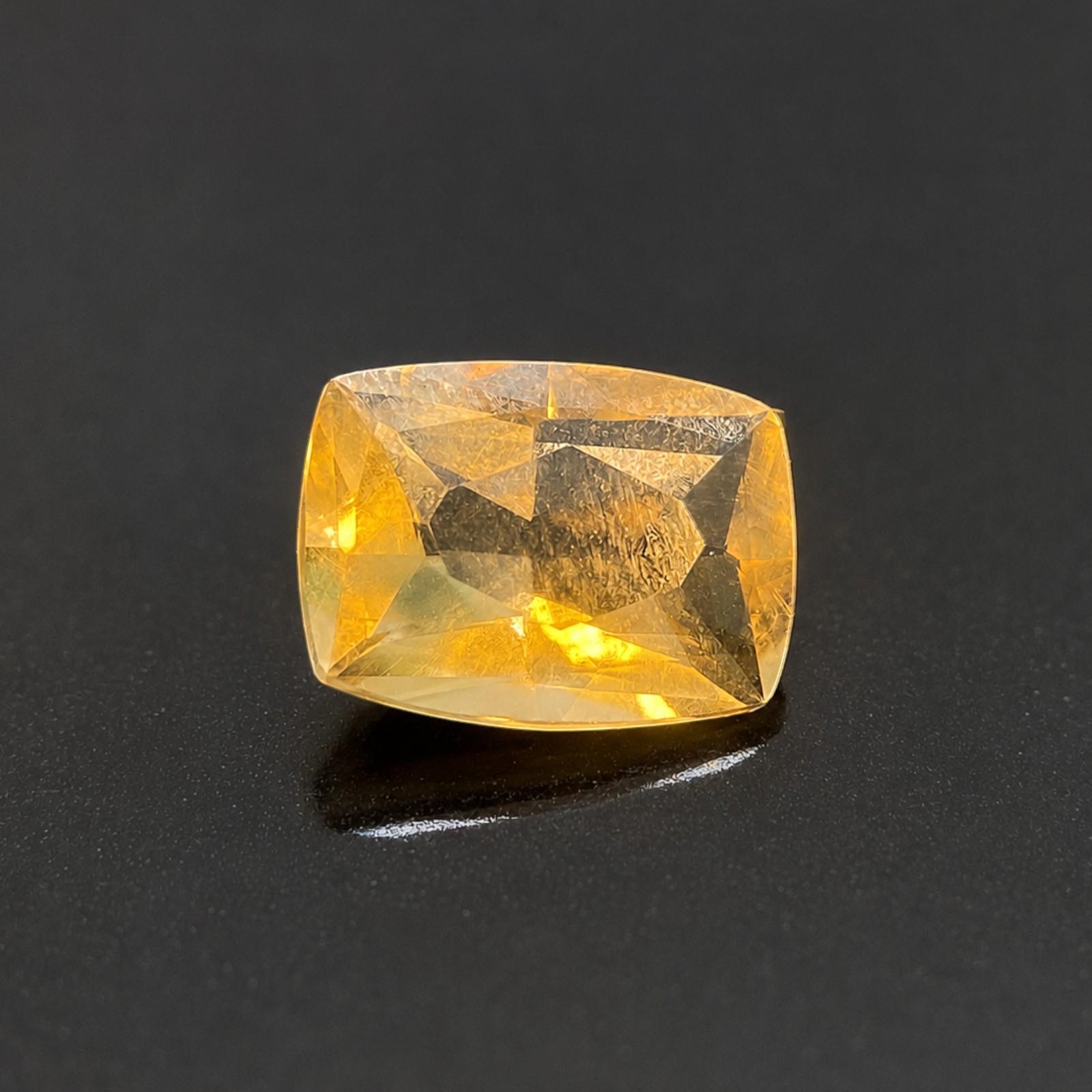
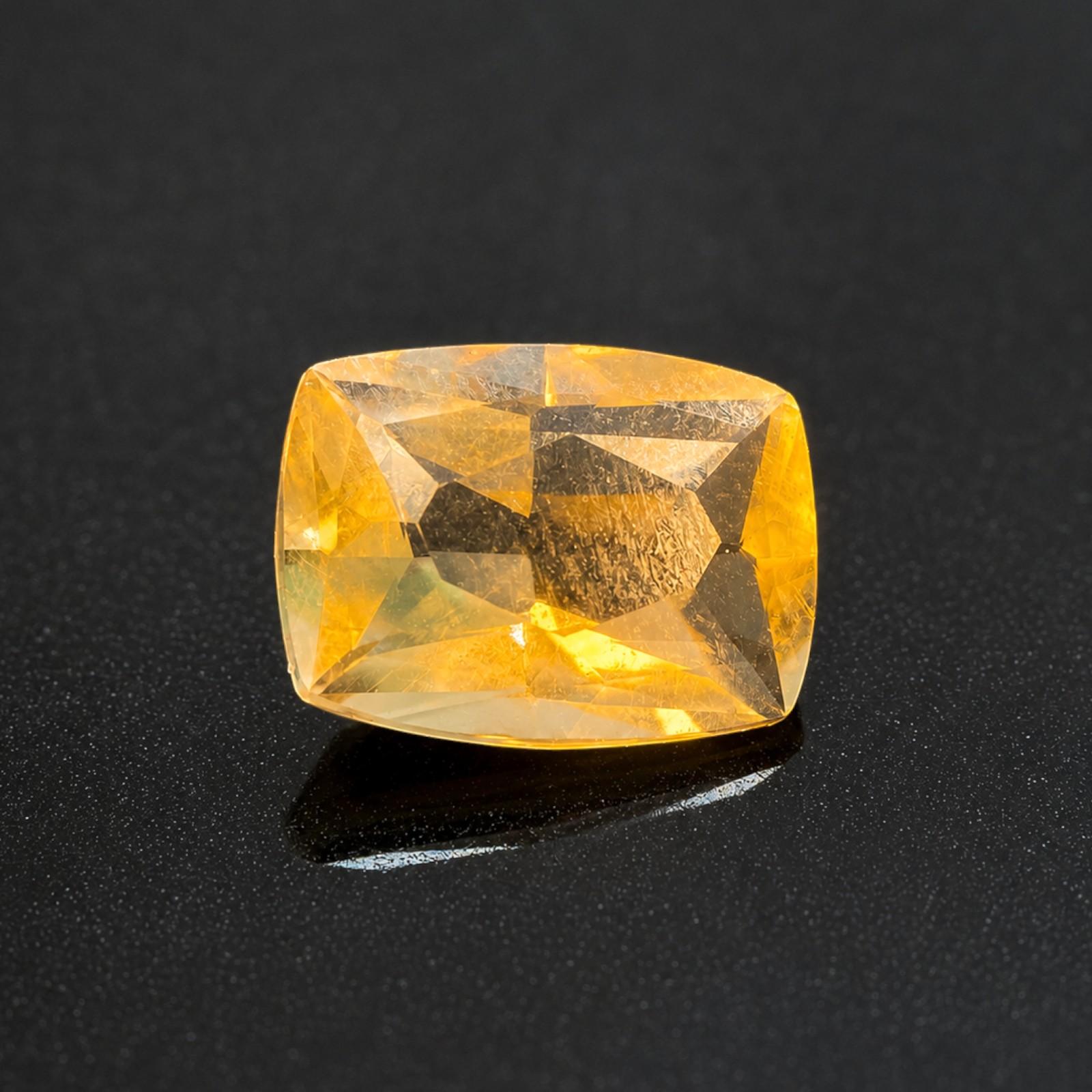
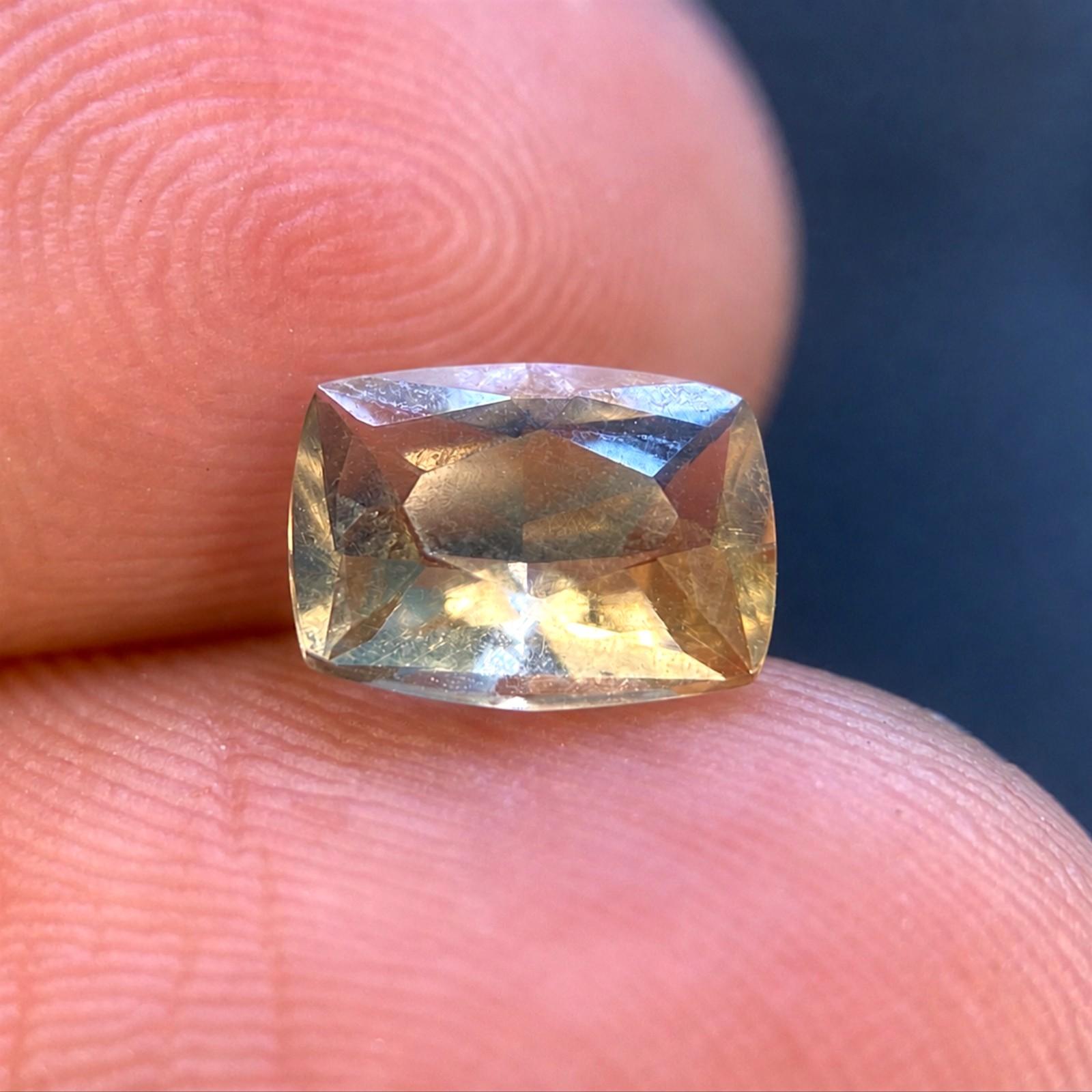
0.95 ct ZIRCON – PAKISTAN
EXPERT VERIFIED
- Expert Verified Gemstone
- Fast Handling & Shipping
- Secure Vault Packaging
$ 100
Offer amount Feild


Smart Collector Choice


Pay with Crypto & Get 10% Automatic Discount

Availability: 1 in stock
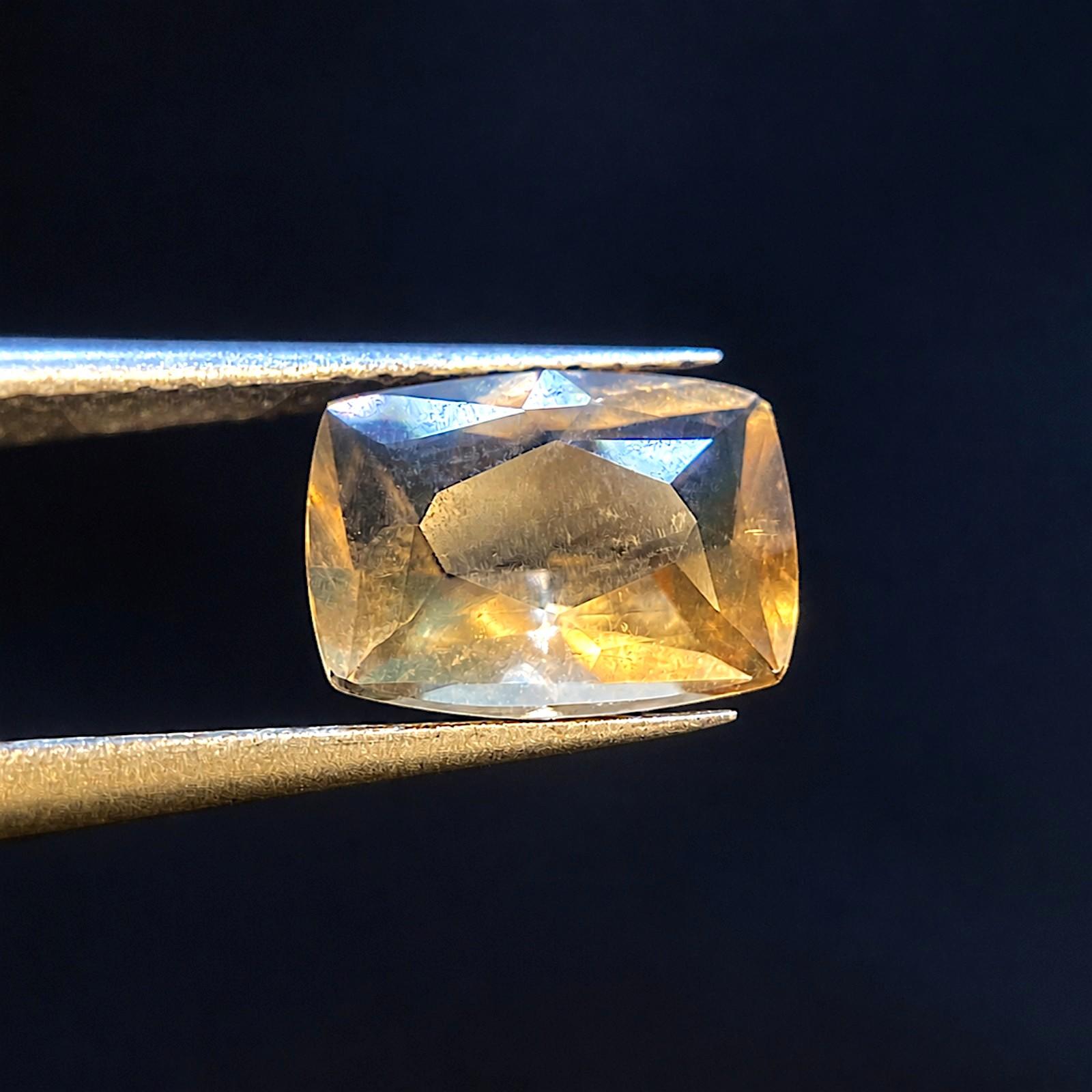
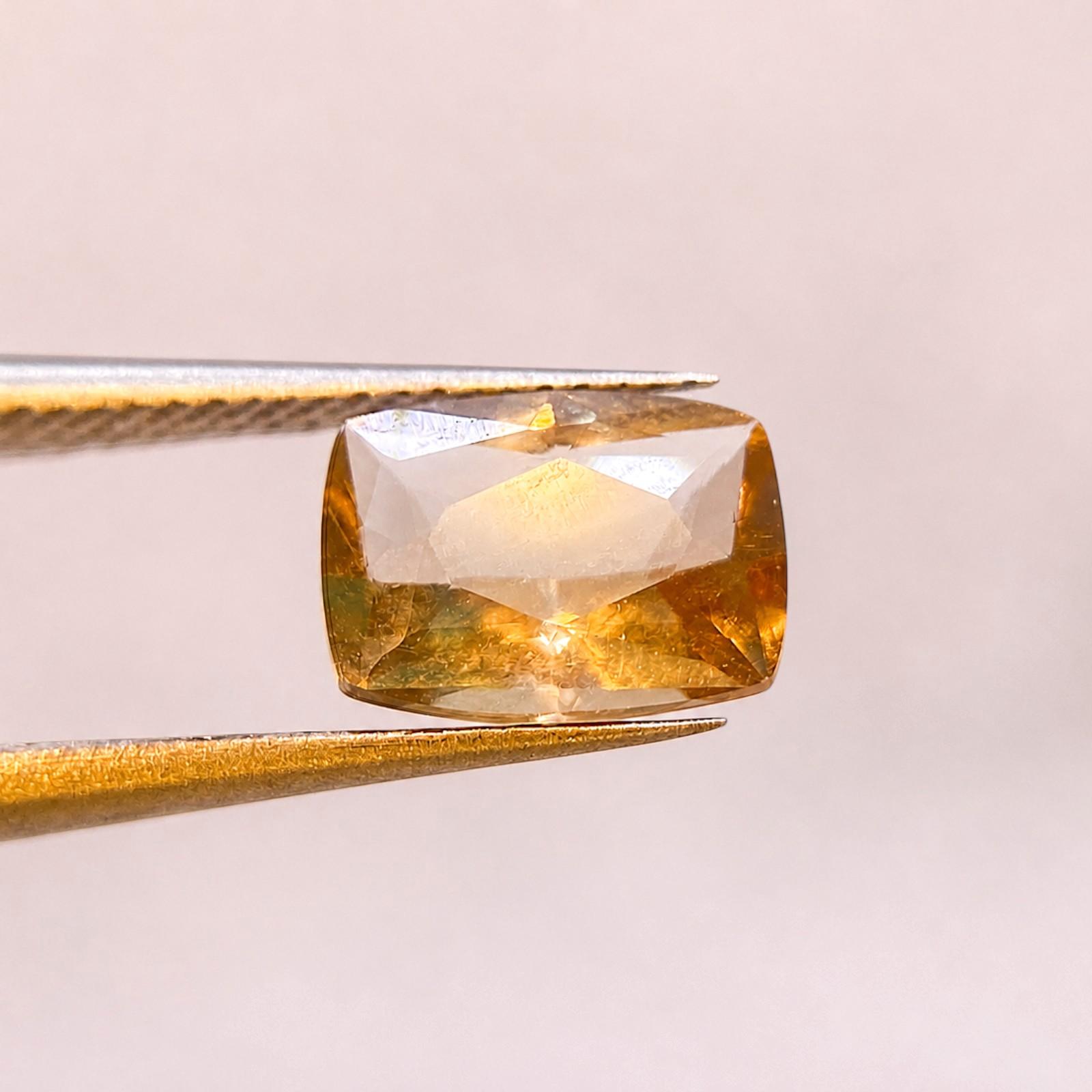
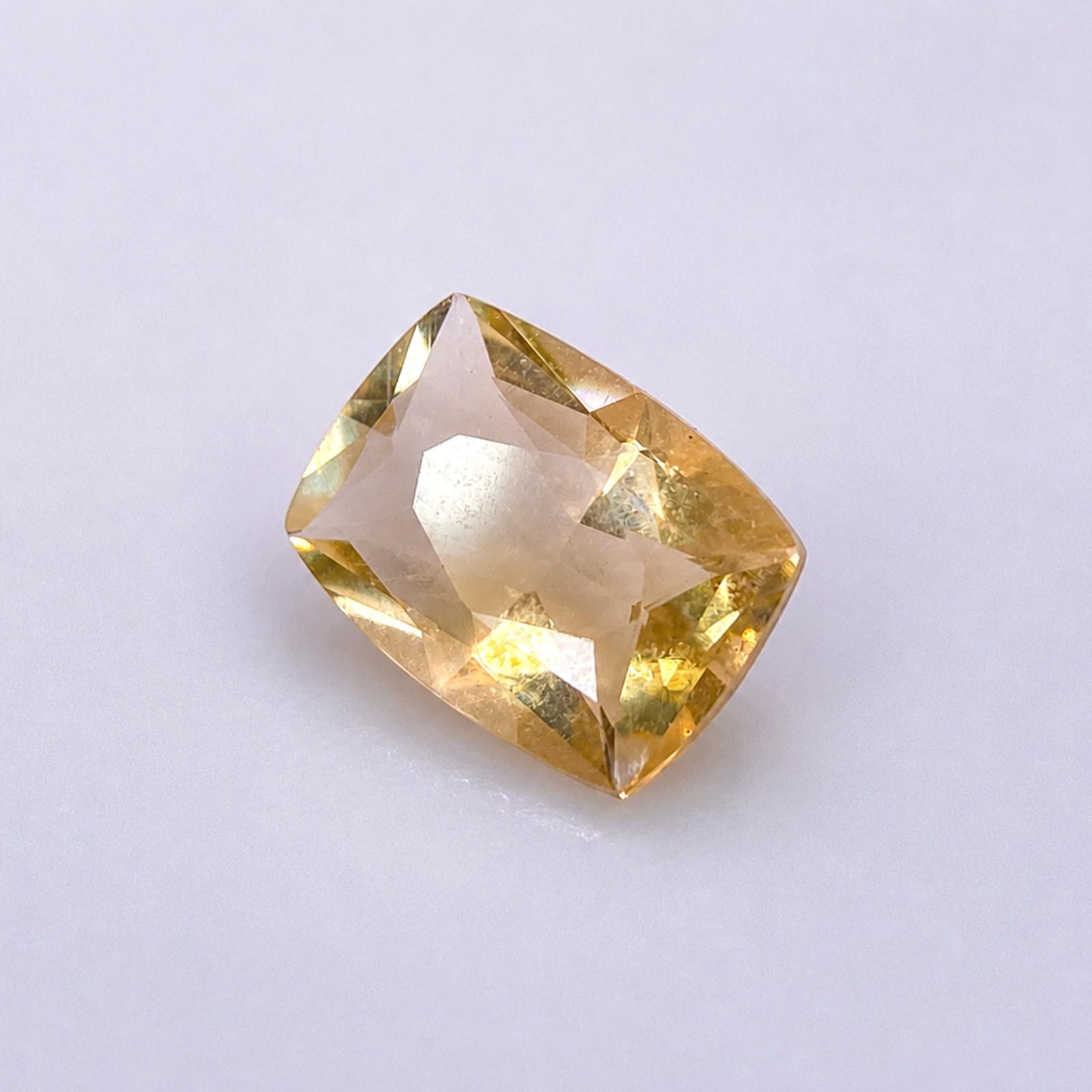
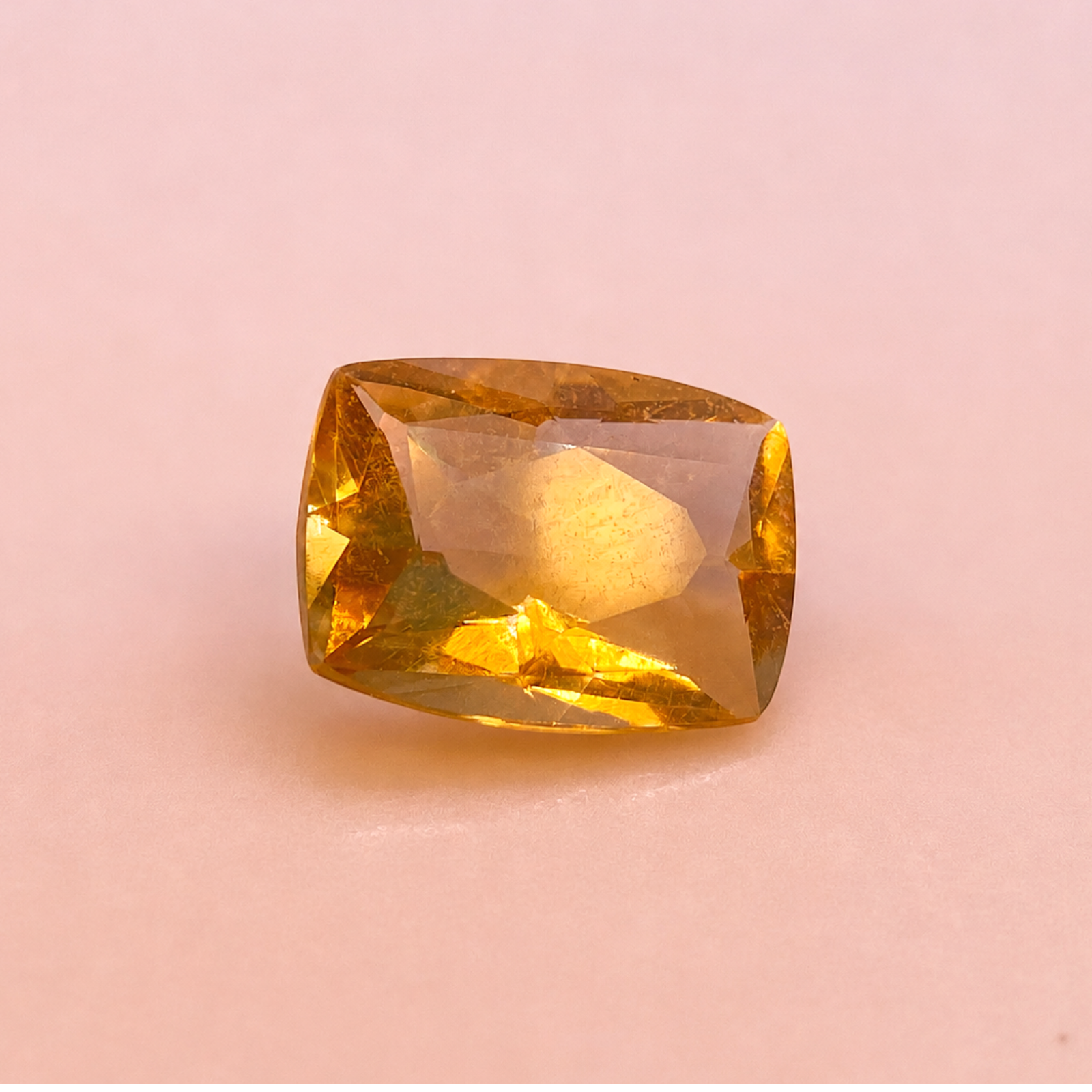


- Freakingcats Gemstone Database
Zircon
Zircon is a gemstone that represents the “ancient clock” of the mineral kingdom. A zirconium silicate, it is a mineral I have always revered for its extraordinary optical “fire” and its incredible geological resilience. It is important not to confuse this natural wonder with the synthetic Cubic Zirconia; natural Zircon is one of the oldest minerals on Earth, with some grains dated to over 4 billion years. It typically presents as sharp, tetragonal prisms with a luster that is truly adamantine—the closest a natural colored stone comes to the brilliance of a Diamond. For the collector, Zircon is a prize of high dispersion and “doubling” effects; it is a stone of profound depth, offering a spectrum of colors from “Starlight Blue” to “Hyacinth” red and “Jargon” yellow. It is the definitive high-refractive index silicate, representing the enduring strength of the Earth’s earliest crust.
The Heritage & Discovery
Historical Significance: Zircon has been a prized gemstone for millennia. Historically, it was used in ancient Indian and Greek jewelry, where the reddish-brown variety was known as “Hyacinth.” In the Victorian era, “blue” heat-treated Zircons became a sensation in the West. In the world of fine minerals, Zircon is celebrated for its metamictization—a process where its own internal radioactivity (from trace Uranium and Thorium) slowly breaks down its crystal lattice over eons. It stands as a symbol of timelessness and rebirth, bridging the gap between the birth of our planet and the elite world of “high-brilliance” collector gems. It serves as a reminder that true beauty can withstand the test of billions of years of geological upheaval.
Discovery: The name is derived from the Persian zargun, meaning “gold-colored.” While known since antiquity, it was the German chemist Martin Heinrich Klaproth who discovered the element Zirconium within a Zircon sample in 1789. Scientifically, it is a zirconium silicate. Its discovery in the “gem gravels” of Sri Lanka provided mineralogists with the first clear look at a mineral that could exist in “high,” “medium,” and “low” states based on its lattice integrity. Since its formal identification, it has become a staple for those who value the “physics” of light within a natural crystal.
Important Mines: The legendary source for world-class, “gemmy” Zircon is the Ratanakiri Province in Cambodia, famous for the electric blue material. I also have a high regard for the spectacular, diverse colors found in the Matale District of Sri Lanka and the robust, chocolate-brown crystals from the Harts Range in Australia. For the vault, I prioritize the “blue” Cambodian material for its unmatched dispersion and the Sri Lankan “low” zircons for their unique, “olive-green” mystery and historical pedigree.
Mineralogical Profile
Description: Zircon is a zirconium silicate that crystallizes in the tetragonal system. It sits at a 6 to 7.5 on the Mohs scale, making it a durable stone, though it can be somewhat “brittle” on facet edges. It is characterized by its brilliant adamantine luster and its range of blue, red, brown, yellow, and green colors.
One of its most identifying traits is its extreme birefringence (doubling). When you look through the table of a faceted Zircon, you will often see the facet junctions on the bottom of the stone appear “doubled,” a result of light being split into two rays. It has a high refractive index ($n \approx 1.81$ to $1.98$) and a dispersion ($0.039$) that provides a magnificent “fire” or rainbow-flash. Because it is a zirconium-rich mineral, it is quite dense ($SG \approx 3.9$ to $4.7$). When I select a piece for the collection, I look for “sharp” tetragonal terminations and a “neon” color saturation, as these represent the species in its most perfect and high-energy form. It is a dense, high-vibration mineral that offers a unique, “celestial” brilliance unlike any other silicate.
Chemical Formula: ZrSiO4


