
1.25 ct EMERALD w TREMOLITE – COLOMBIA
EXPERT VERIFIED
- Expert Verified Gemstone
- Fast Handling & Shipping
- Secure Vault Packaging
$ 390
Offer amount Feild


Smart Collector Choice


Pay with Crypto & Get 10% Automatic Discount

Availability: 1 in stock
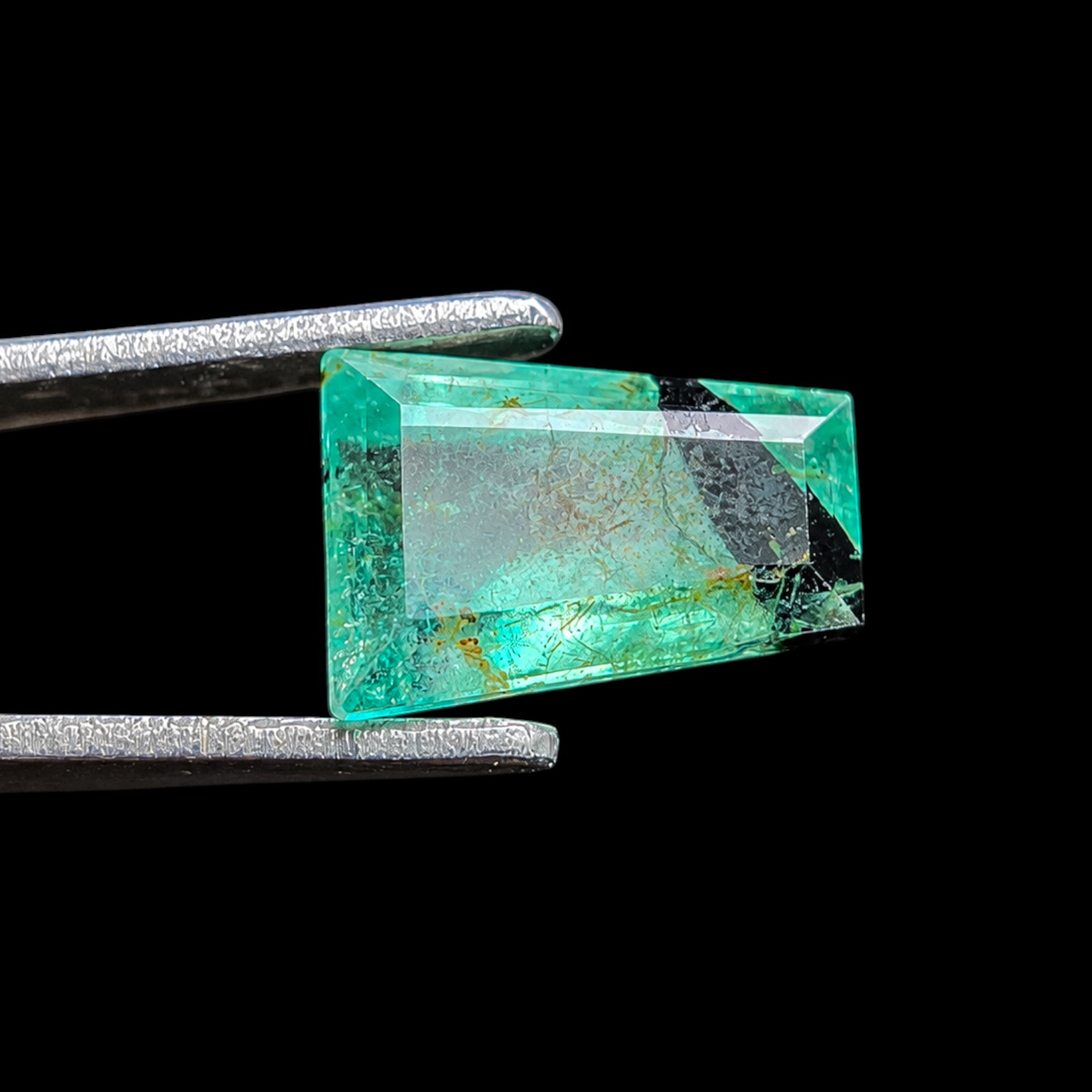
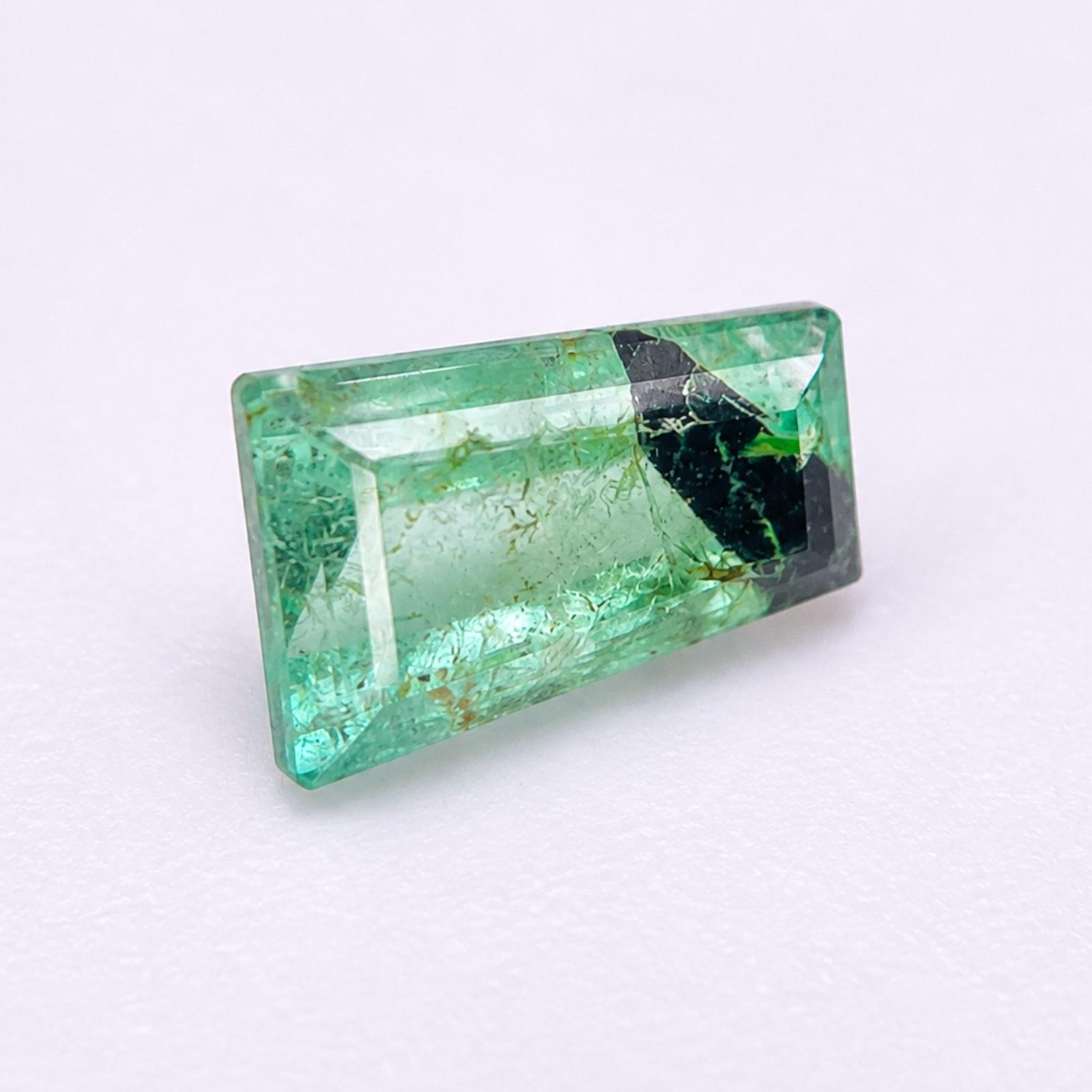
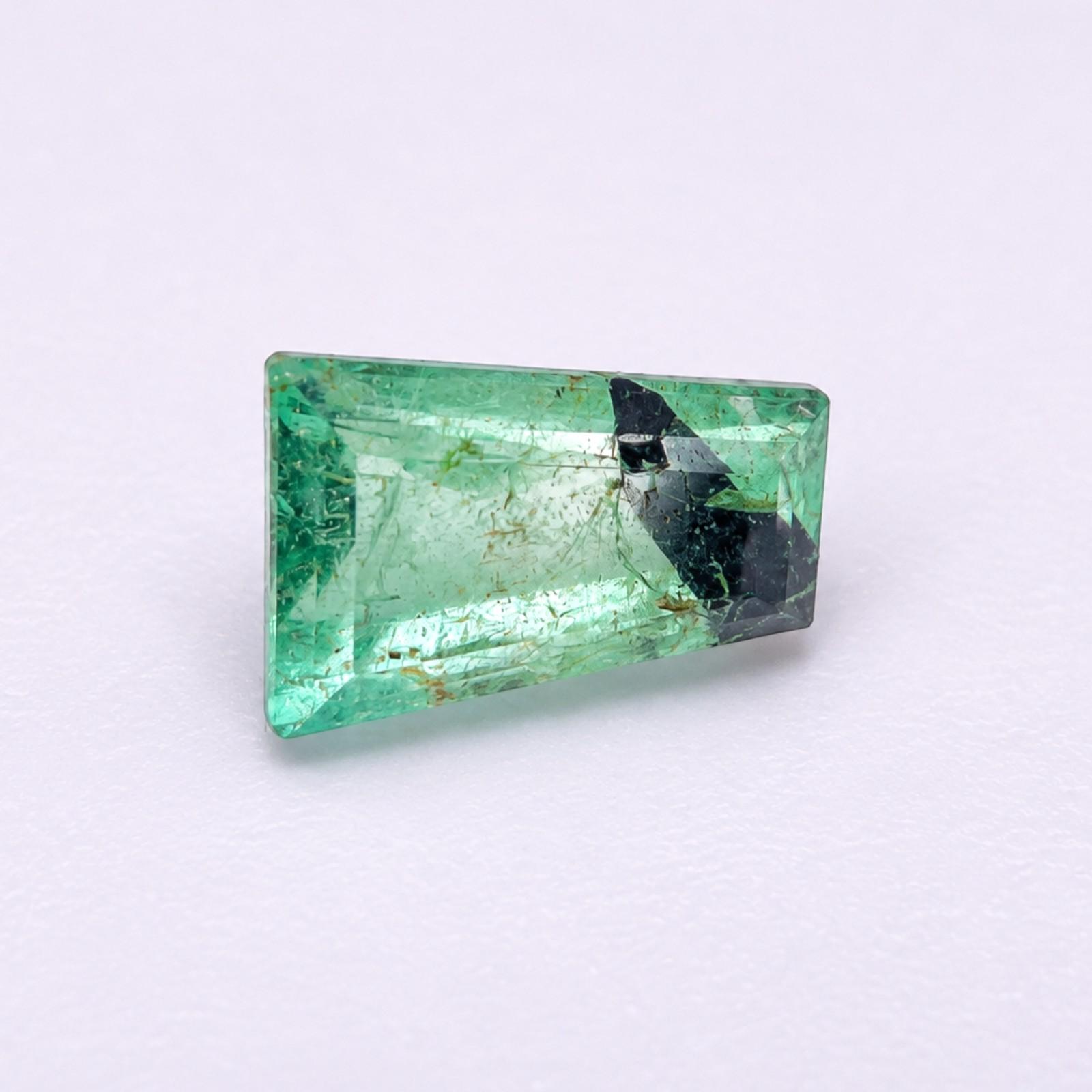
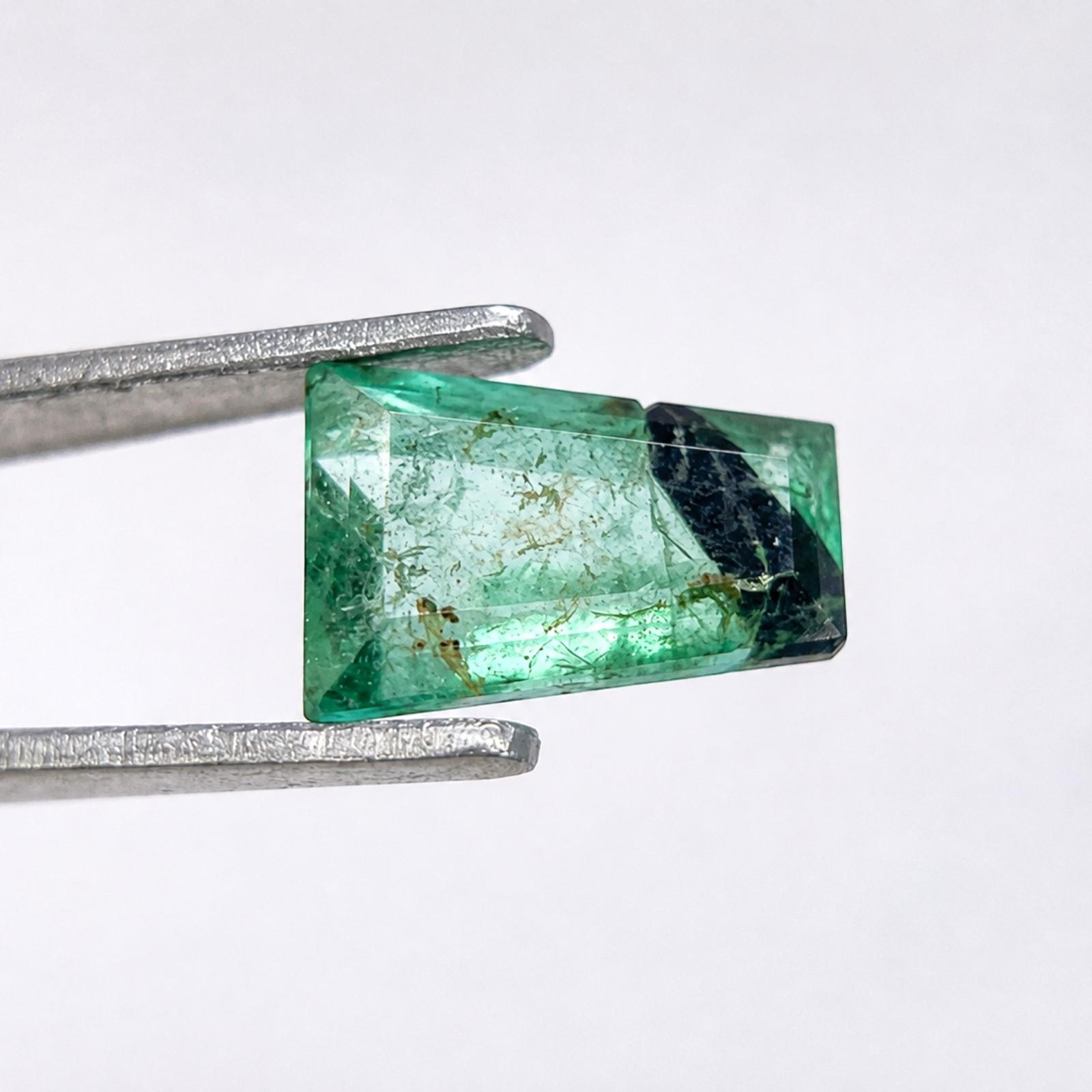
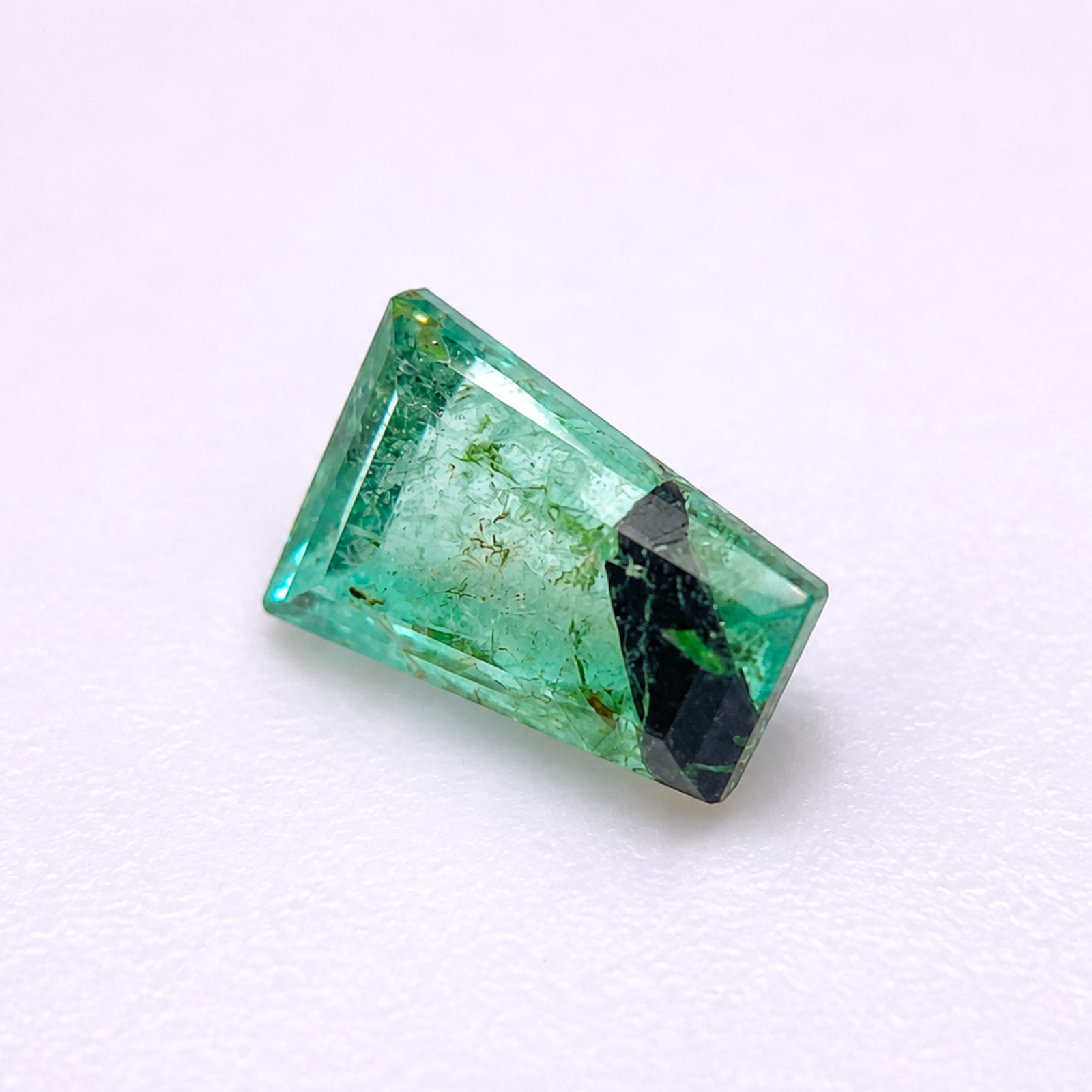
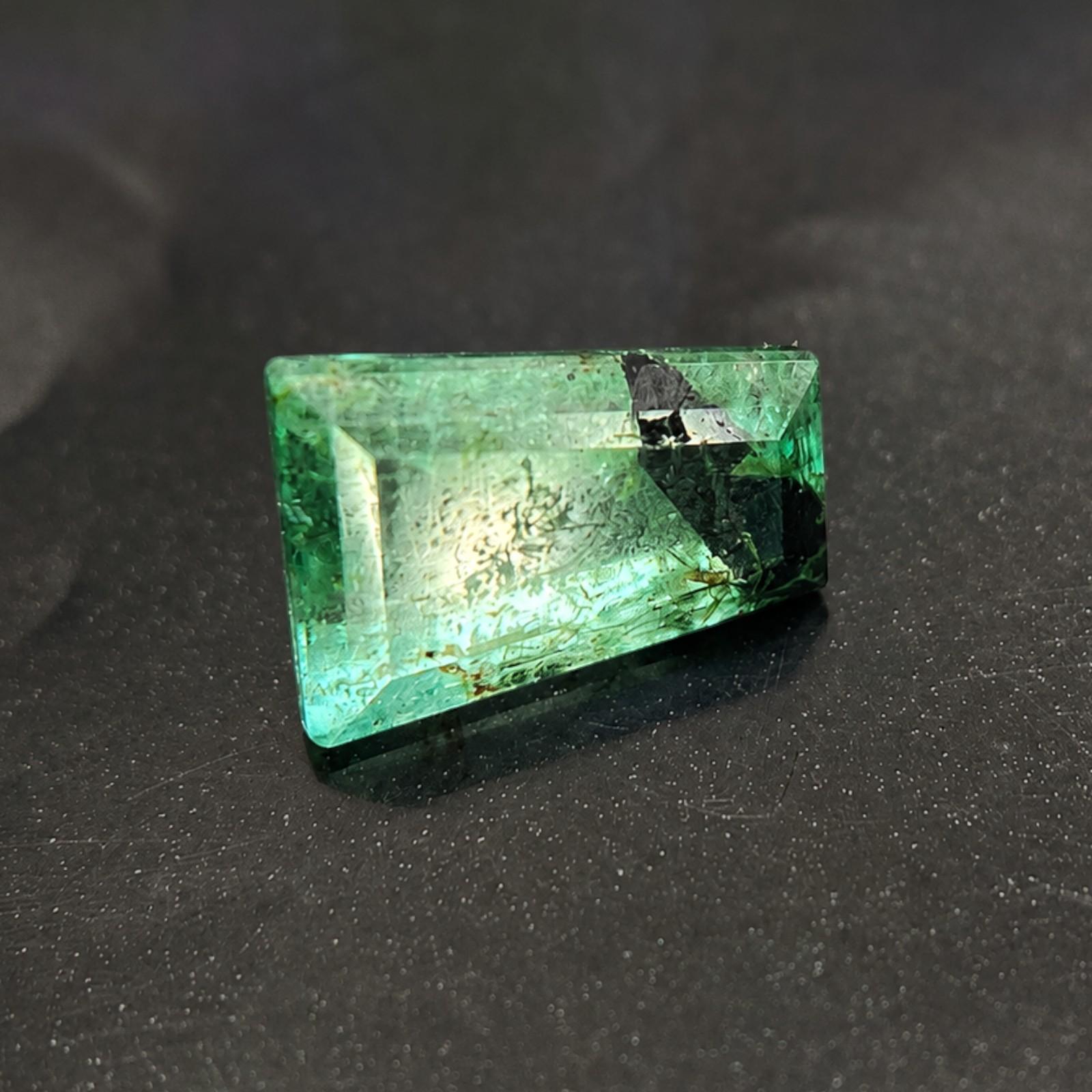
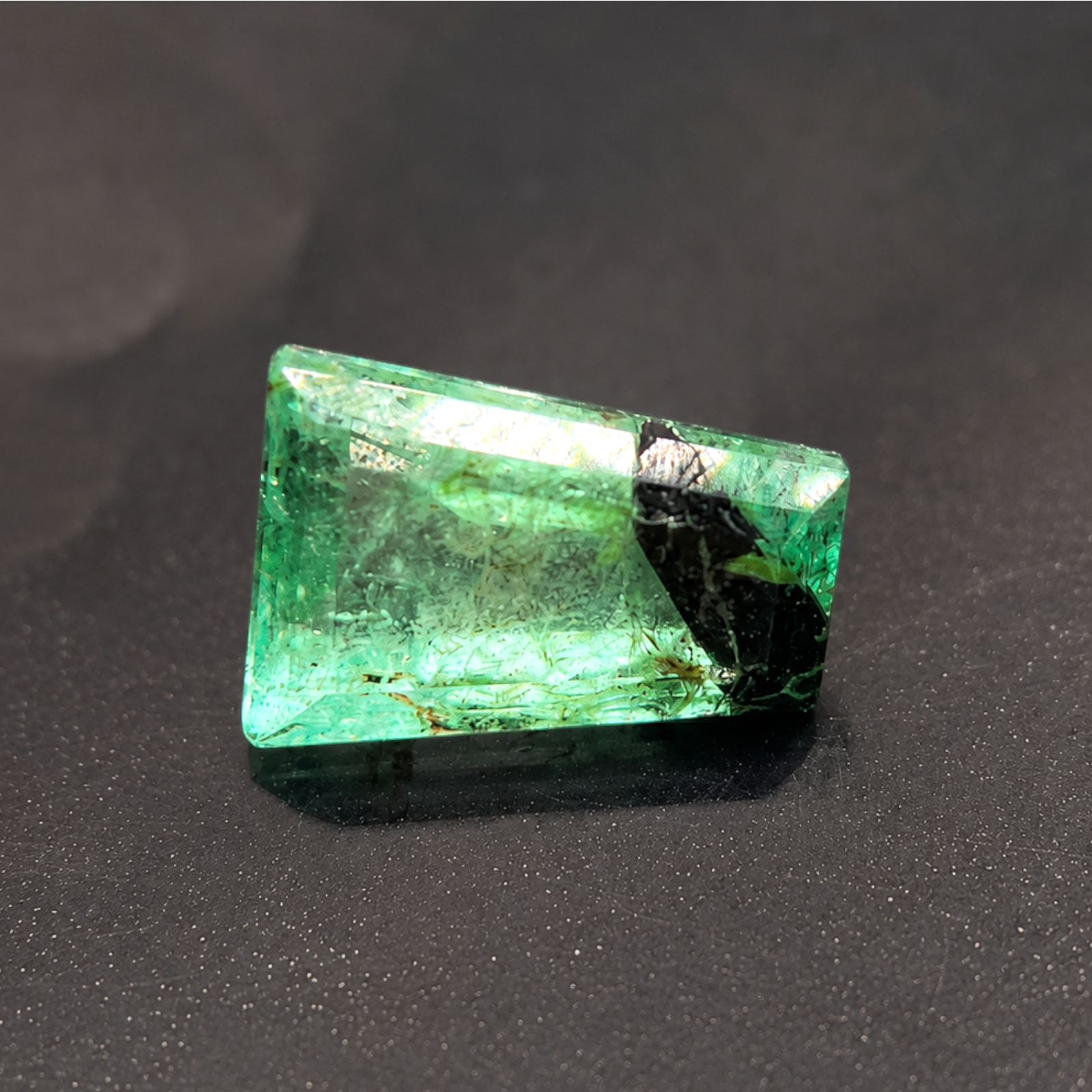


- Freakingcats Gemstone Database
Emerald with Tremolite (Colombia)
The rare, structurally distinct occurrence of Colombian Emerald associated with Tremolite amphibole needles represents an exceptional and geologically revealing anomaly within the legendary hydrothermal sedimentary belts of the Eastern Cordillera. The chromium-activated, rich green variety of beryl, it is a mineral I have always respected for its “electric-grass-green” to “vivid-neon-emerald” saturation and its status as a masterpiece of “hexagonal” structural discipline. For the specialist, a Colombian Emerald hosting or matrix-associated with fibrous, needle-like Tremolite—perched in stark white calcite and dark carbonaceous shale—is a prized trophy of localized metasomatic fluid-rock reactions; it offers a bright vitreous luster, remarkable internal landscape architecture, and an authoritative presence that makes it an essential anchor for the systematic vault. As an artist, I find the breathtaking juxtaposition between the glowing, liquid-green crystal body and the delicate, silky fibrous sprays of white-to-pale-green tremolite suspended within to be one of nature’s most sophisticated and visually arresting canvases.
The Heritage & Discovery
Historical Significance Emerald associated with tremolite is a vital index pairing for decoding the precise temperature gradients, fluid-pressure variations, and localized magnesium-calcium-silica metasomatism that occurred during the Tertiary tectonic thrusting of the Colombian Andes. Historically, while Colombian emeralds are world-famous for their unique sedimentary-hydrothermal origin (typically featuring classic three-phase fluid inclusions), specimens exhibiting distinct actinolite-tremolite amphibole associations map out specialized zones where hydrothermal brines interacted directly with magnesium-rich dolomitic limestone units. In the world of fine collectibles, Colombian emeralds carrying pristine tremolite inclusions or matrix attachments stand as a celebrated testament to fluid-channel mechanics and ancient tectonic energy.
Discovery The unearthing of gem-grade emeralds in Colombia dates back over a thousand years to the indigenous Muzo, Quípama, and Chivor cultures, but modern mineralogical research continues to unveil the complex inclusions trapped within their hexagonal prisms. Scientifically, Colombian emeralds owe their peerless, pure green body color to trace amounts of trivalent chromium (Cr3+) and vanadium (V3+) substituting for aluminum within the beryl ring lattice, combined with an exceptionally low iron content that eliminates any dark, yellowish-brown extinction. When late-stage hydrothermal fluids rich in beryllium, magnesium, and silica invaded fractured bituminous shales, fibrous tremolite crystals co-crystallized or became engulfed within growing beryl prisms. My own respect for this material grew from observing these inclusions under high-power optical magnification; specifically, watching silky, elongated tremolite needles and fibrous ribbons float weightlessly through a pool of neon-green emerald glass is an internal aesthetic that is deeply captivating to the trained eye.
Important Mines The primary capitals for world-class expressions of this species and its specialized mineral associations are situated in the Boyacá and Cundinamarca Departments of Colombia. Outstanding crystal groups and matrix specimens emerge from the Western Emerald Belt—most famously the historic mining districts of Muzo, Coscuez, and Peñas Blancas—as well as select pockets within the Eastern Emerald Belt around Chivor and Gachalá. For the vault, I prioritize specimens that exhibit high optical transparency, deep, saturated chromium-green color without dark inclusions, sharp undamaged hexagonal terminations, and a clean, contrasting aesthetic presentation anchored on white calcite or black shale matrix with visible tremolite sprays.
Mineralogical Profile
Description Emerald with Tremolite represents a dual-silicate paragenesis combining a hexagonal cyclosilicate (Beryl) with a monoclinic inosilicate amphibole (Tremolite). Emerald sits at a hard, durable 7.5 to 8 on the Mohs scale, though its natural internal inclusion networks require careful archival handling to protect its crisp crystal edges and flat pinacoidal terminations from physical impact or sudden pressure changes. Tremolite sits at a moderate 5 to 6 on the Mohs scale with perfect prismatic cleavage at characteristic 56-degree and 124-degree angles. The combination is characterized by its bright vitreous surface luster and an unmistakable, vivid color palette dominated by electric emerald-green, grass-green, mint-green, and snowy white to pale-green (tremolite).
Emerald routinely forms crisp, six-sided hexagonal prisms with flat basal pinacoid terminations, while Tremolite forms elongated, acicular needles, fibrous radiating sheaves, or microscopic silk inclusions. Emerald possesses a refractive index running from approximately 1.570 to 1.600 and a light average specific gravity ranging between 2.68 and 2.78, whereas Tremolite exhibits a higher refractive index of 1.600 to 1.630 and a specific gravity of 2.99 to 3.03. Because this association formed in low-to-medium temperature hydrothermal brines circulating through evaporitic shales, it is commonly found in close association with Calcite, Dolomite, Pyrite, Quartz, Albite, and Bituminous Shale. When I select an example for documentation, I look for sharp hexagonal geometry, vivid and uniform green saturation, and clean, legible tremolite needles suspended inside or flanking the beryl prism, as these emphasize the sophisticated, fluid-driven chemistry of the mineral’s subterranean birth.
Chemical Formula Be3Al2Si6O18 (Emerald / Beryl with trace Cr3+ and V3+ chromophores) Ca2Mg5Si8O22(OH)2 (Tremolite inclusions / matrix association)


