
SKU: OPAL0119
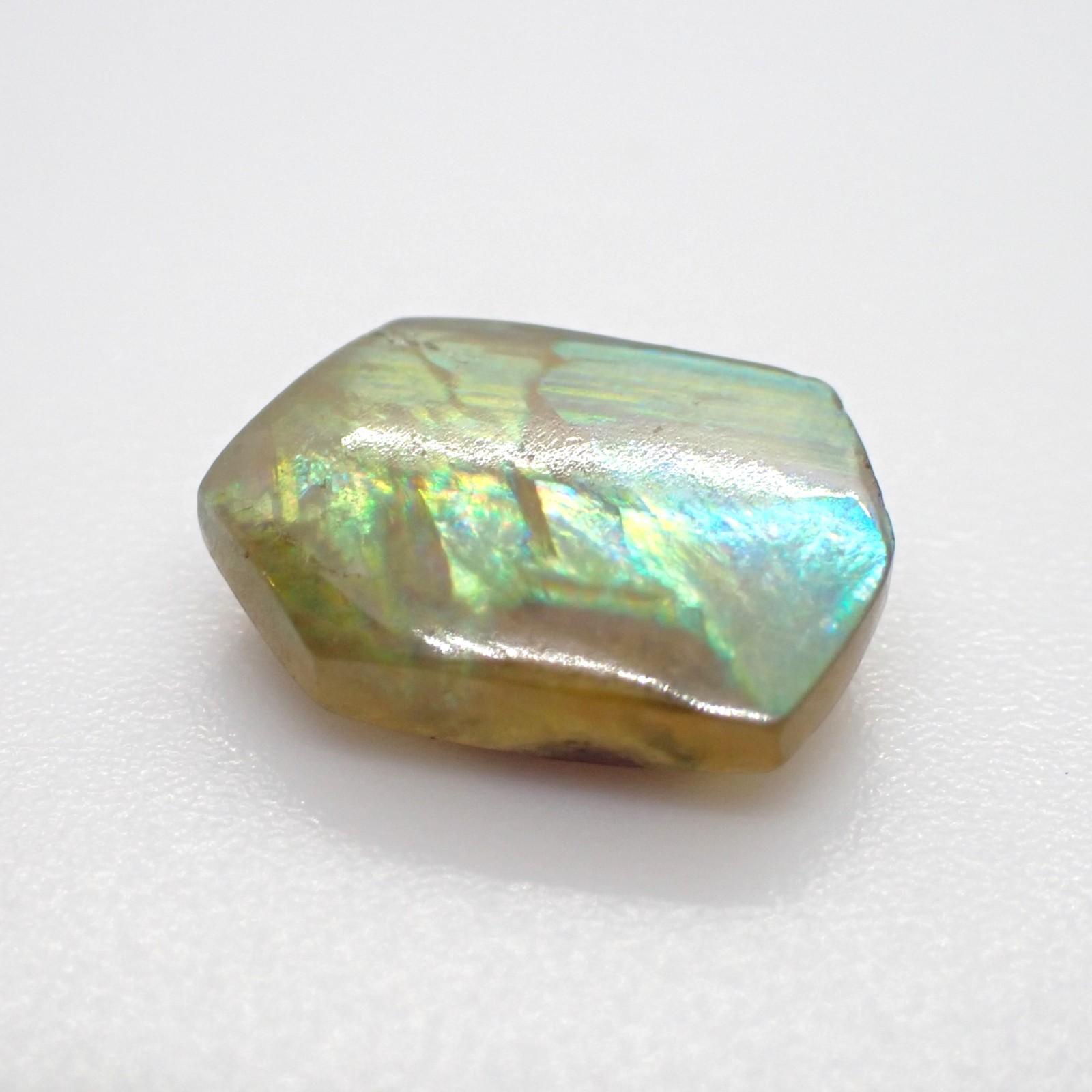
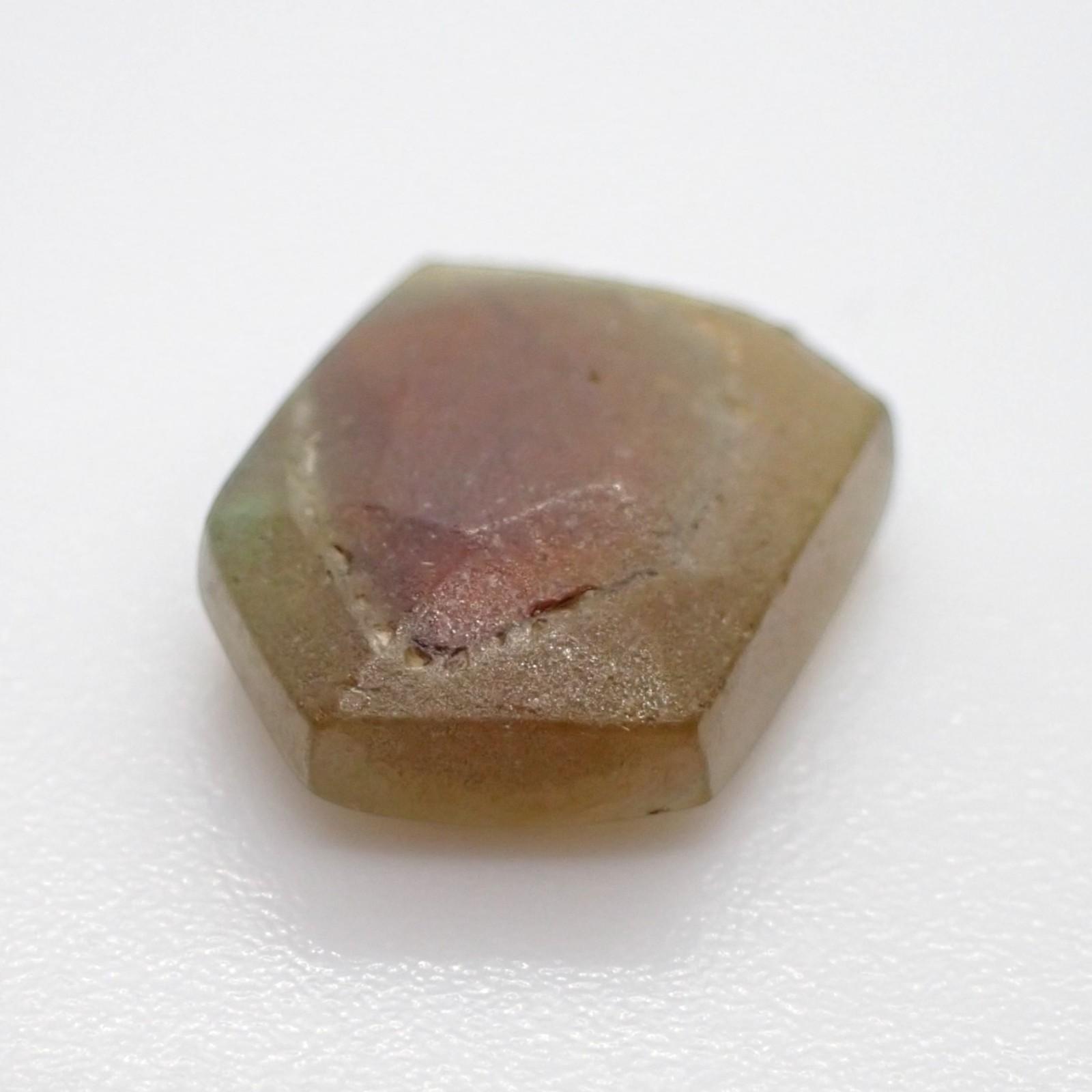
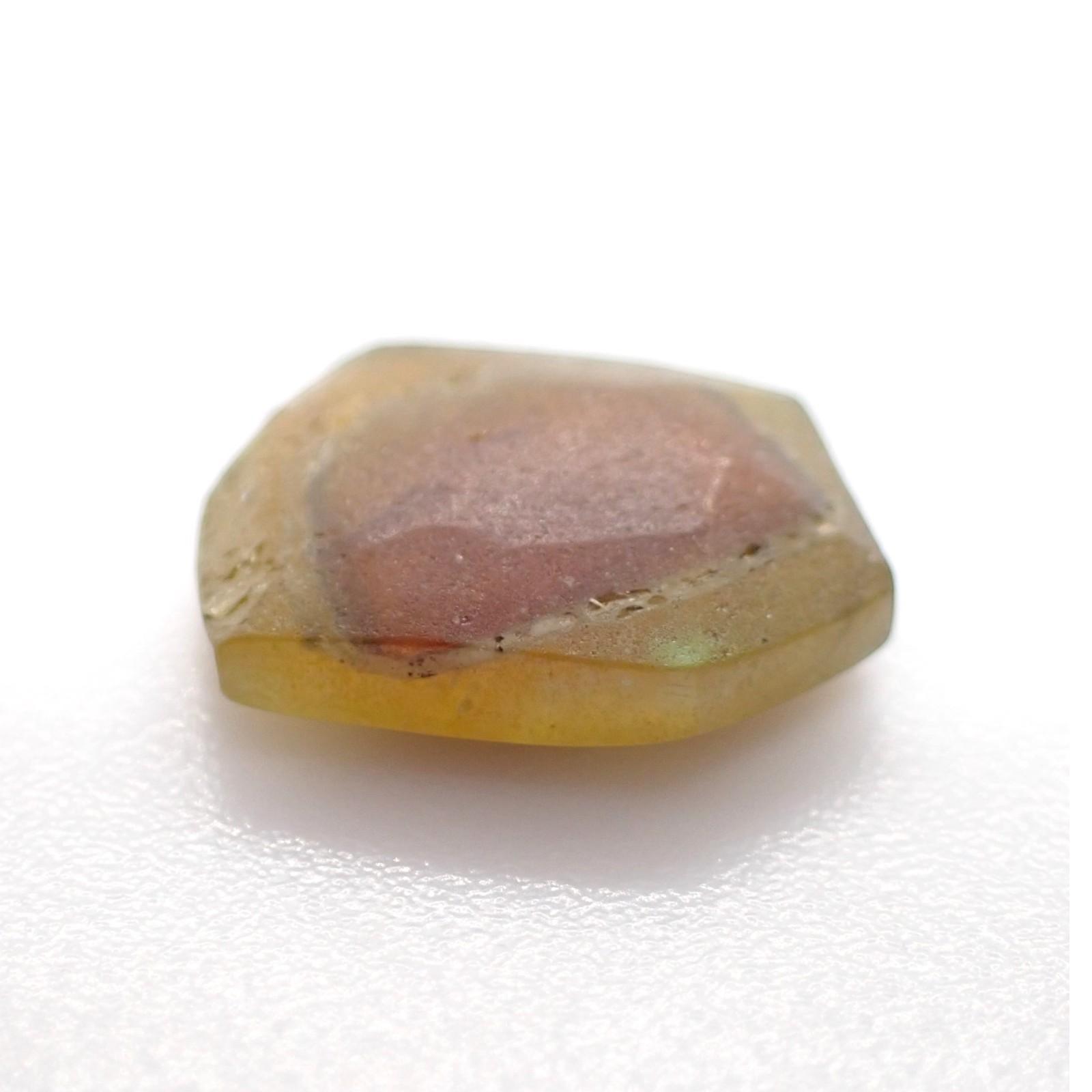
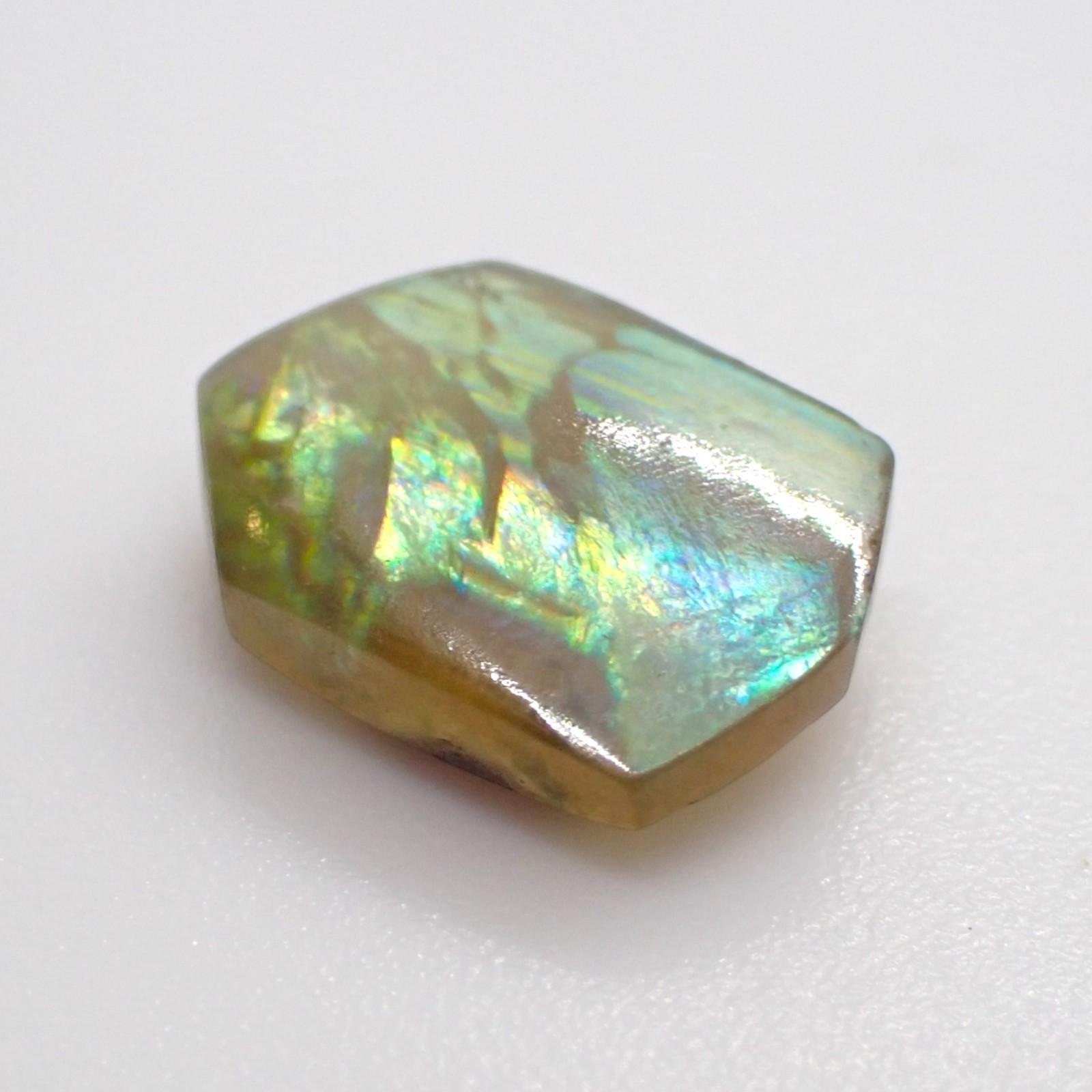
2.05 ct VERY RARE IRIDESCENT OPAL – MADAGASCAR
EXPERT VERIFIED
- Expert Verified Gemstone
- Fast Handling & Shipping
- Secure Vault Packaging
$ 1,000
Offer amount Feild


Smart Collector Choice


Pay with Crypto & Get 10% Automatic Discount

Availability: 1 in stock
Gemstone Details
Gem Variety:
Opal
Origin:
Madagascar
Carat Weight:
2.05
Length (mm):
9.2
Width (mm):
6.3
Depth (mm):
2.9
Shape:
Hexagon
Color
Multicolor
Treatment:
No Treatment
Certificate:
On Request
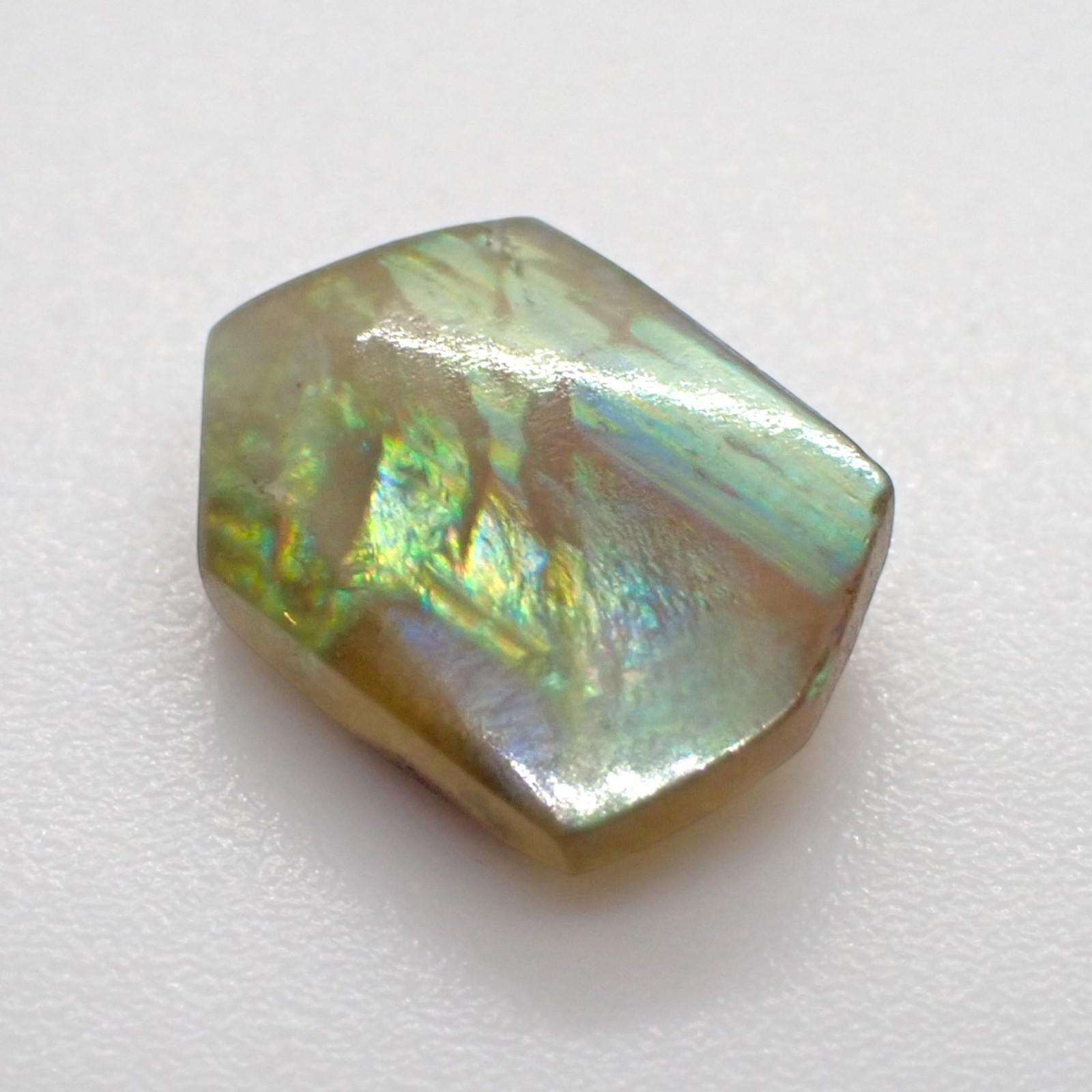
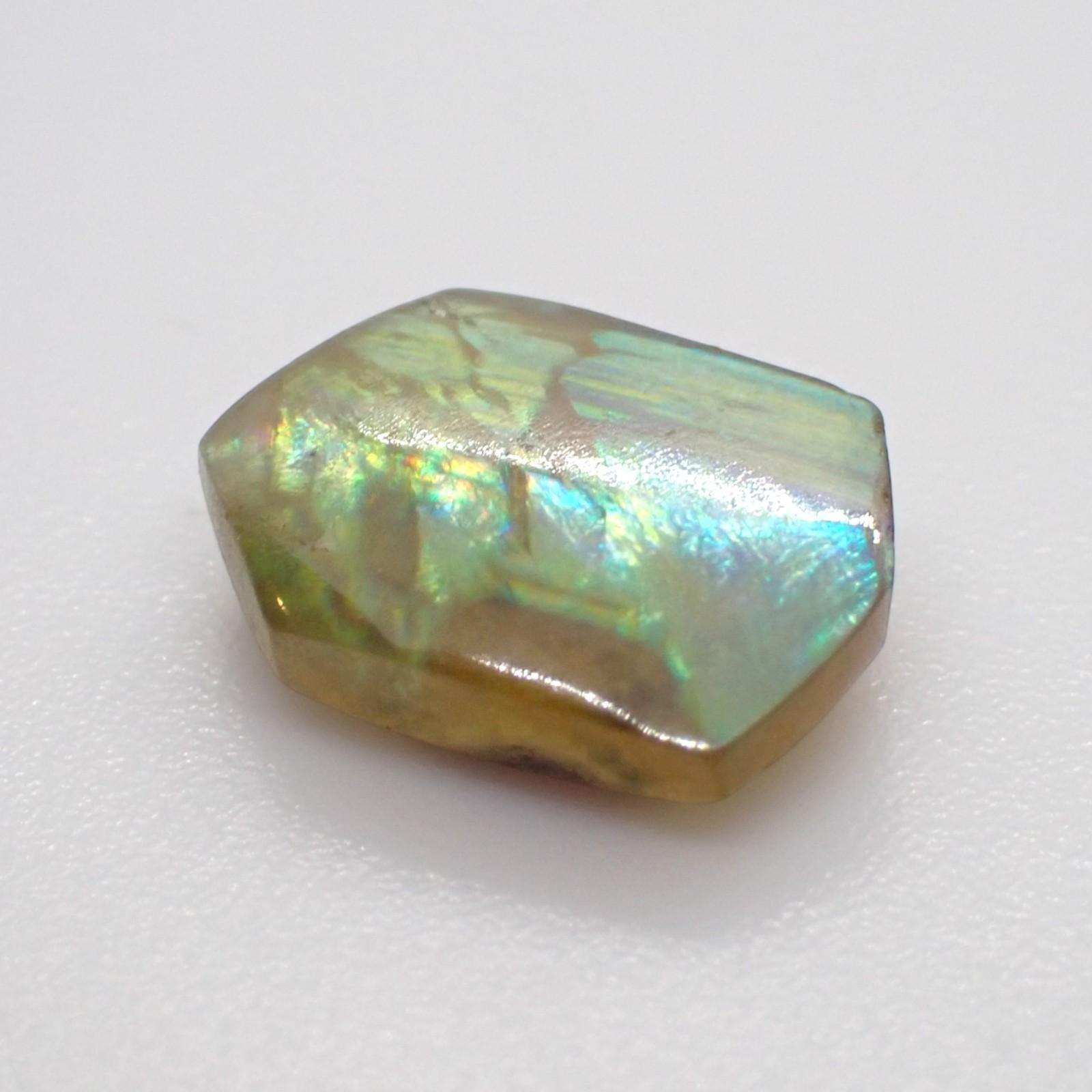
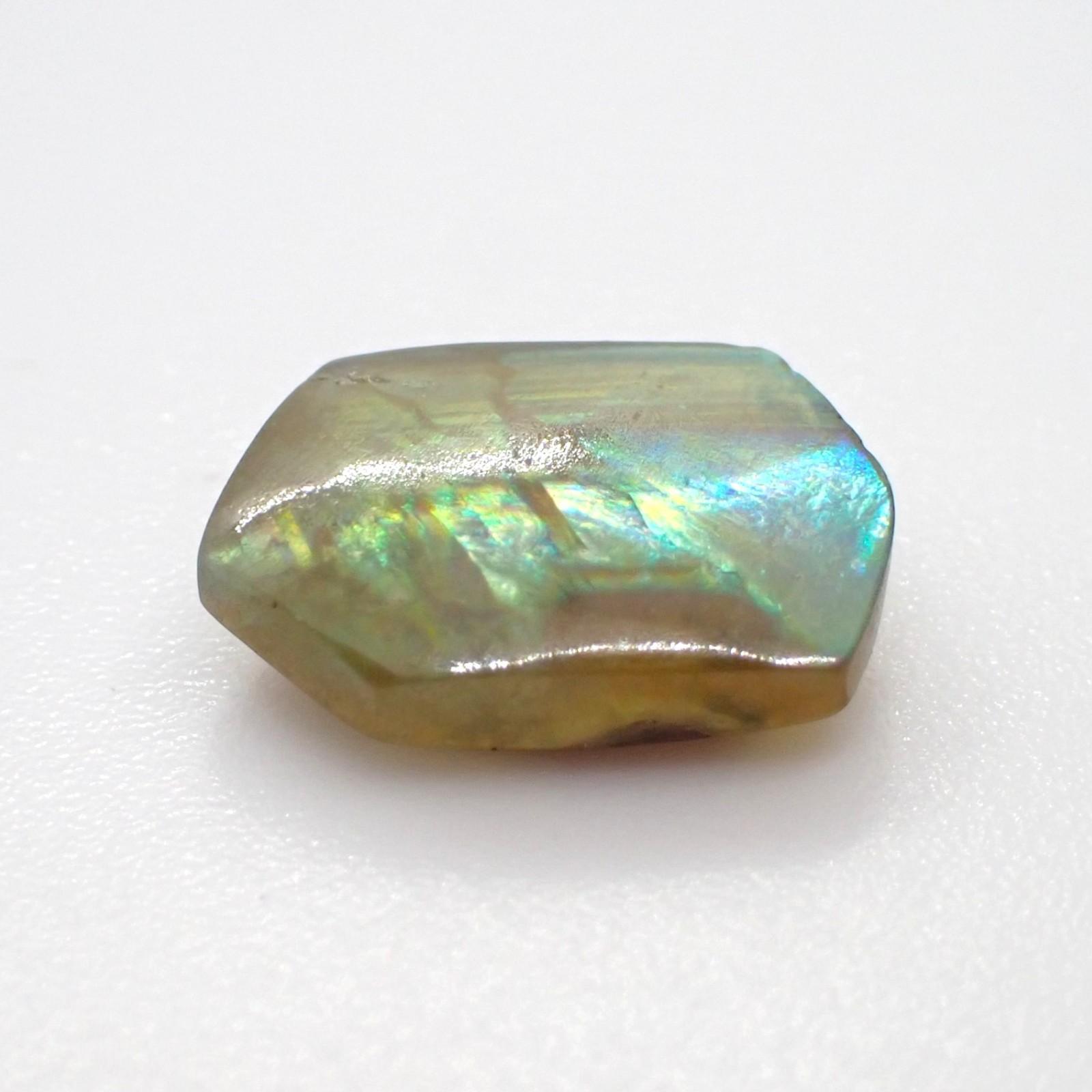
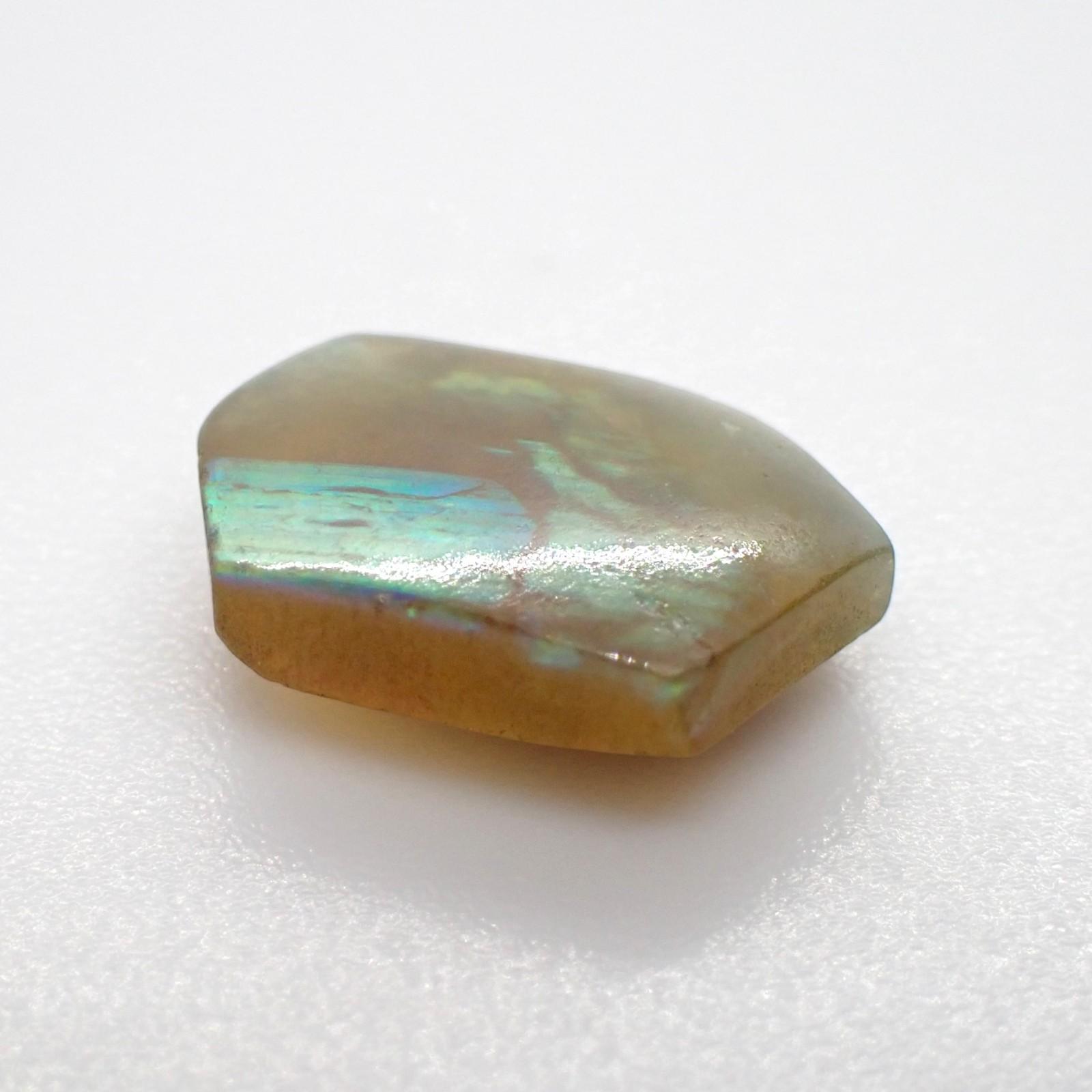


- Freakingcats Gemstone Database
Iridescent Opal (Madagascar) Iridescent Opal from Madagascar represents a singular, "spectral" phenomenon in the world of silica. While the legendary fields of Australia and Ethiopia are famous for their "play-of-color," this specific material from the Madagascan deposits—particularly when found as an isolated, high-grade piece—is a mineral I have always respected for its "ghostly" and ethereal iridescence. It typically presents as a translucent to semi-opaque body, where the light is not just reflected but "scattered" through microscopic spheres of silica. For the specialist, a lone, top-tier piece of Madagascan Iridescent Opal is a prize of structural rarity; it offers a soft, "neon-haze" of violet, blue, and green that seems to float just beneath the surface. It is a stone of "subtle fire," representing the final, cooling moments of silica-rich fluids within the island’s complex volcanic and sedimentary layers. The Heritage & Discovery Historical Significance: Madagascar’s opals are a relatively recent addition to the global market compared to the ancient sources of Eastern Europe. Historically, they have been cherished by local collectors for their unique "waxy" texture and their association with the island's diverse pegmatite and volcanic suites. In the world of fine minerals, these are celebrated for their internal "glow" rather than the sharp, "flashy" color bars of Australian black opal. It stands as a symbol of hidden mystery and fluid beauty, bridging the gap between common chalcedony and the elite world of "phenomenal" precious opals. It serves as a reminder that the most remote corners of the world’s "treasure island" still hide unique optical secrets. Discovery: The discovery of Iridescent Opal in Madagascar often occurs in the Andriamena or Antsirabe regions. Scientifically, it is a hydrated amorphous form of silica. Its discovery provided mineralogists with the first clear look at how opal forms in environments rich in rare-earth elements and diverse trace minerals. My own respect for a "single piece" of this material grew from seeing how a lone nodule can contain an entire universe of "rolling" iridescence. Since its identification, it has become a "must-have" for the connoisseur who values "liquid" color and soft, atmospheric light. Important Mines: The most sought-after source for this specific iridescence is the Mahanoro district and the volcanic beds of Antsirabe, Madagascar. These areas produce the rare "neon-blue" and "violet-sheen" varieties. For the vault, I prioritize a "single, large nodule" that exhibits a continuous, unbroken iridescence across its entire surface, as these individual masterpieces are far rarer than the common, "cloudy" bulk material. Mineralogical Profile Description: Iridescent Opal is a hydrated amorphous silica that lacks a formal crystal system. It sits at a 5.5 to 6.5 on the Mohs scale, making it a delicate gemstone that must be protected from extreme heat and dehydration. It is characterized by its vitreous to waxy luster and its range of "misty" body colors, from milky white to deep "ocean" blue. One of its most identifying traits is its opalescence—the scattering of light through the internal arrangement of silica spheres. Unlike the "interference" colors seen in Labradorescence, the color in Madagascan Opal is a result of light diffraction. It has a low refractive index ($n \approx 1.44$ to $1.46$) and a characteristic "lightness" due to its water content (often 3% to 21%). Because it is a product of silica-rich fluids, it is often found in association with Quartz and Chalcedony. When I select a "top piece" for the collection, I look for "even" translucency and a "rolling" flash that moves with the light, as these represent the species in its most perfect and high-vibration form. Chemical Formula: SiO2·nH2O


