
2.18 ct PINK TOURMALINE – BRAZIL
EXPERT VERIFIED
- Expert Verified Gemstone
- Fast Handling & Shipping
- Secure Vault Packaging
$ 160
Offer amount Feild


Smart Collector Choice


Pay with Crypto & Get 10% Automatic Discount

Availability: 1 in stock
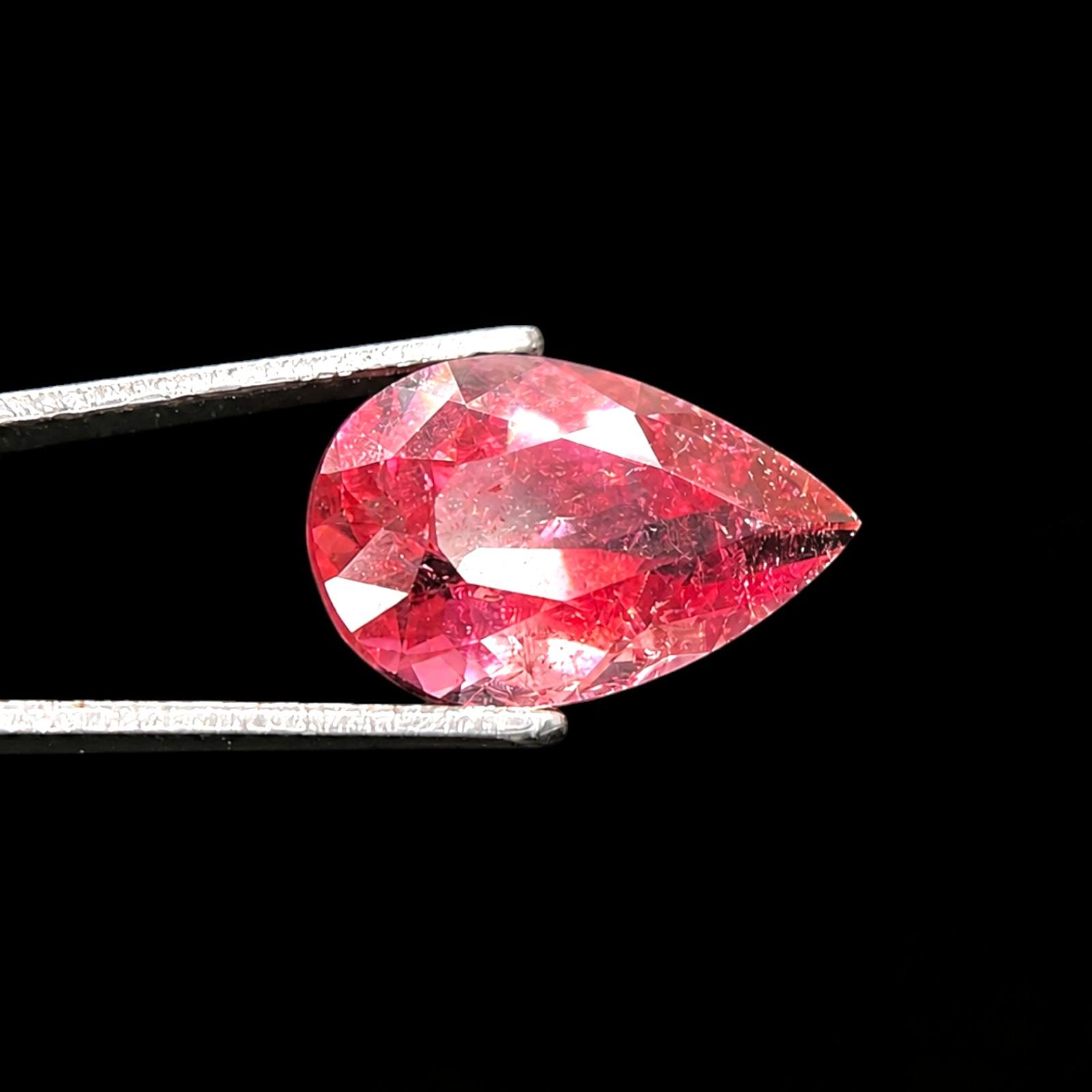
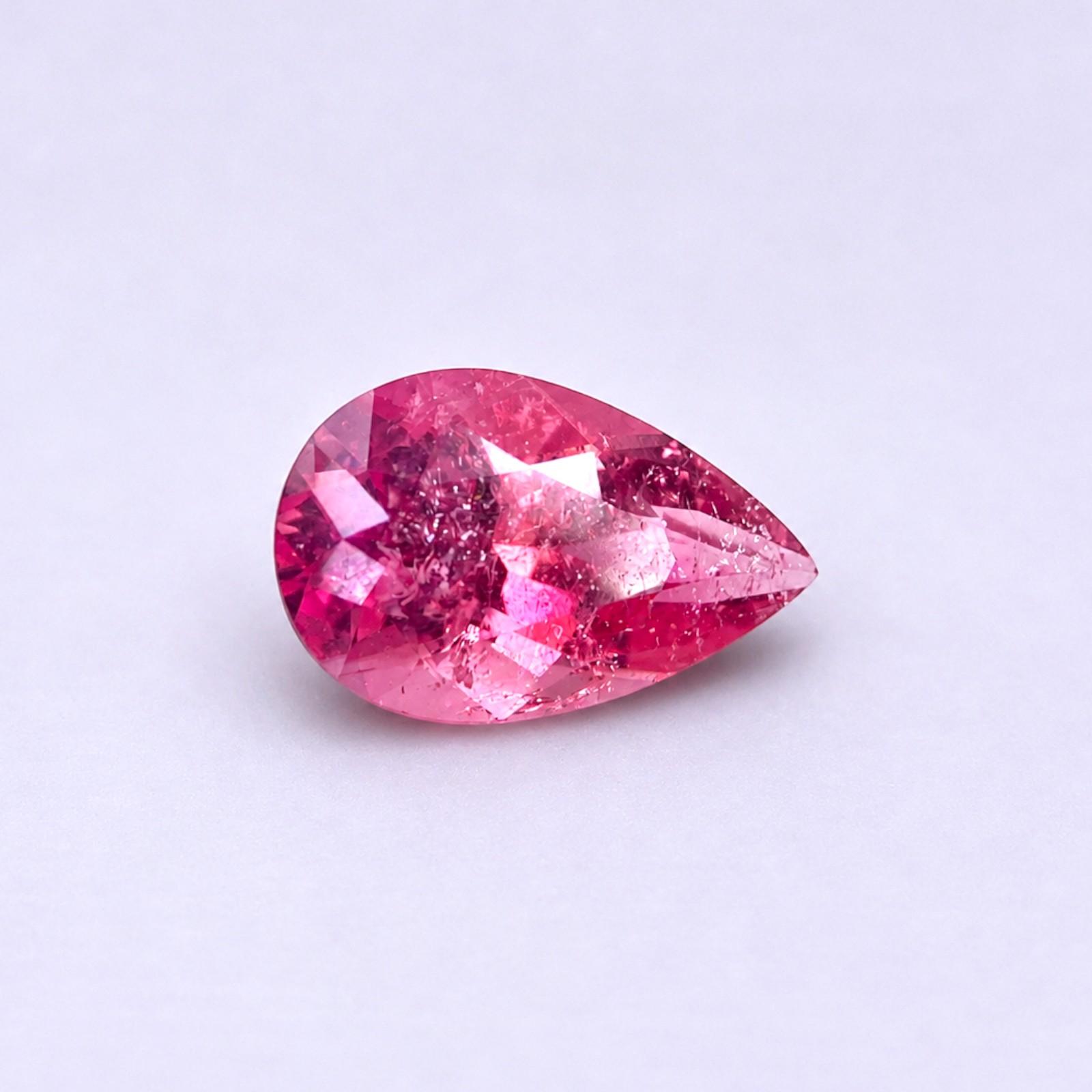
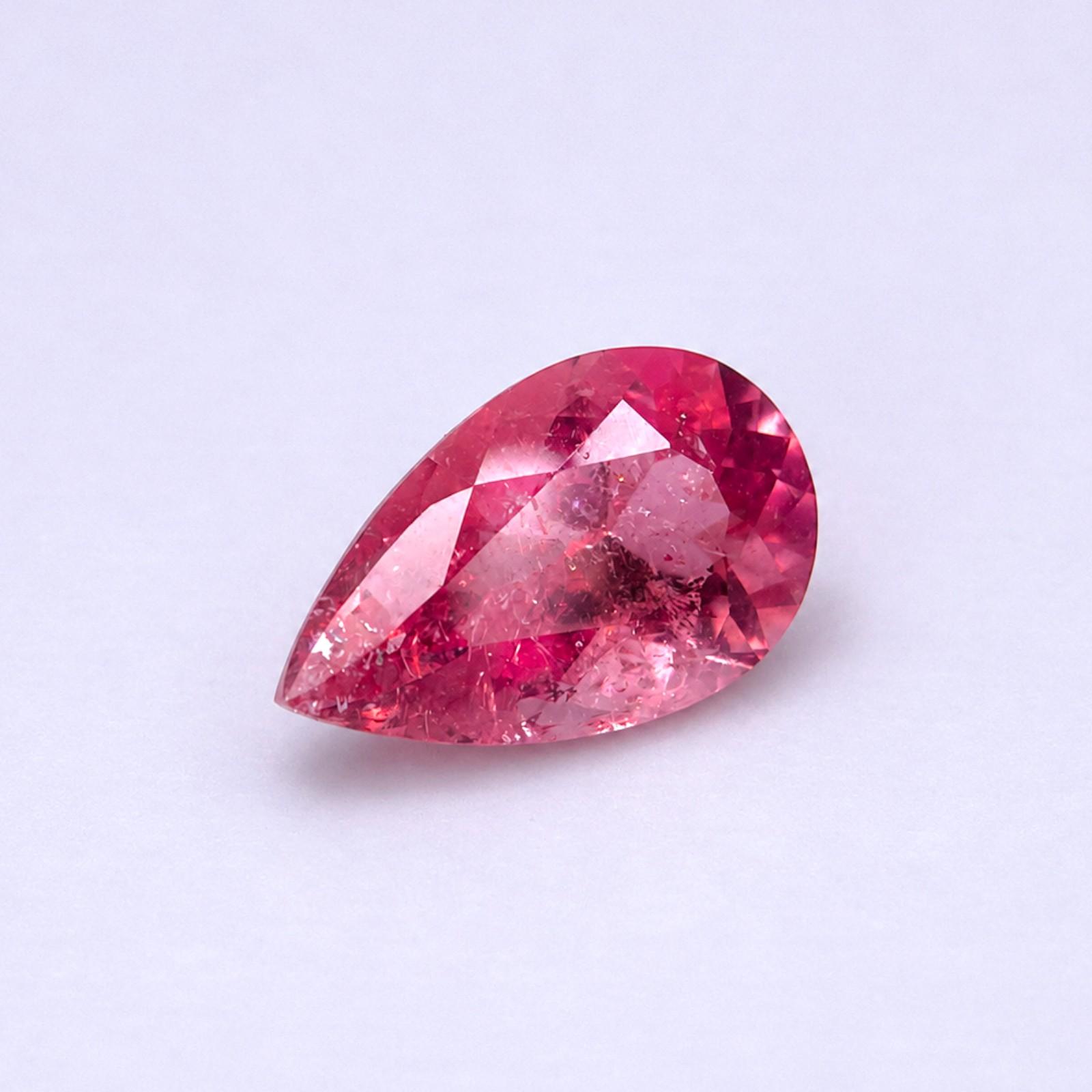
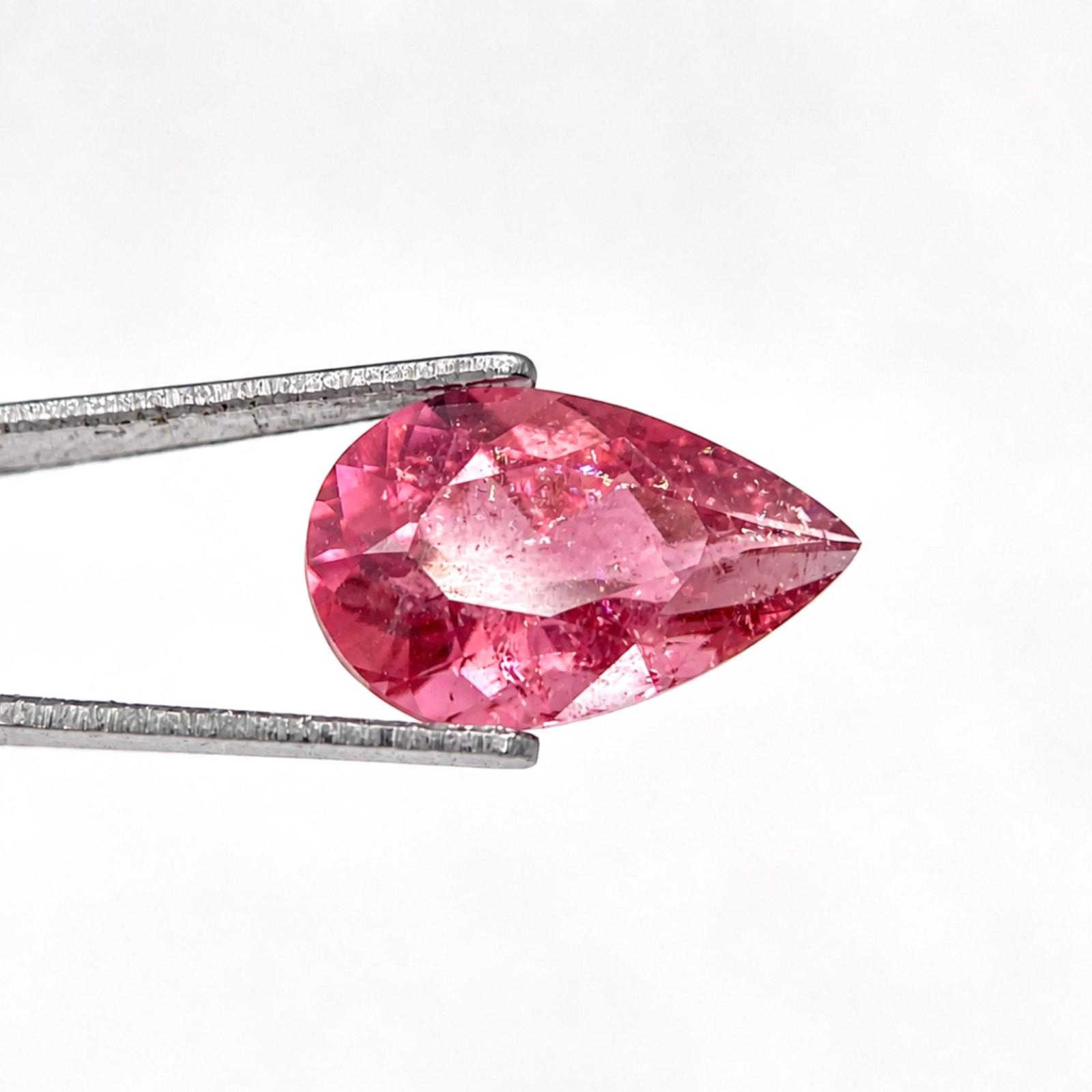
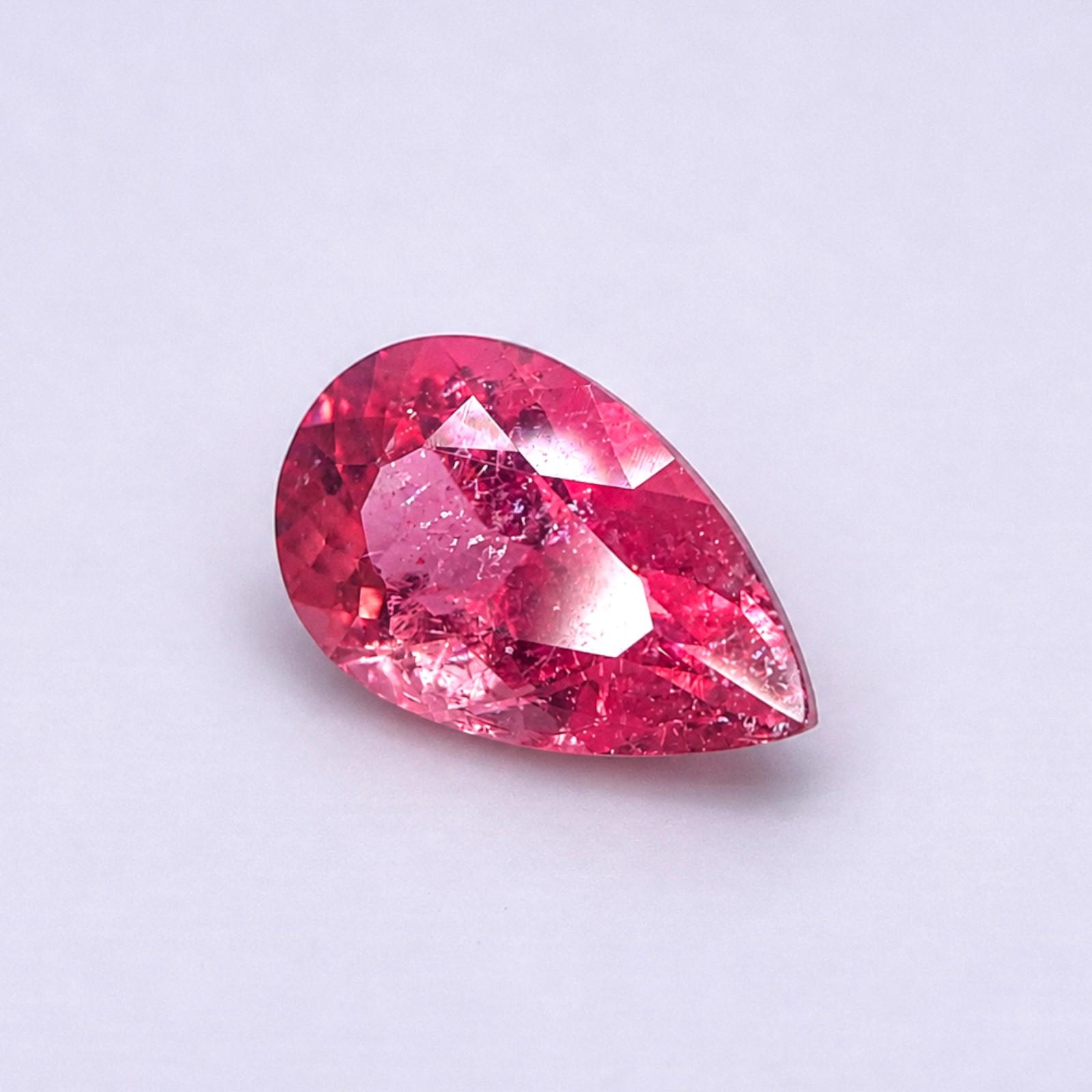
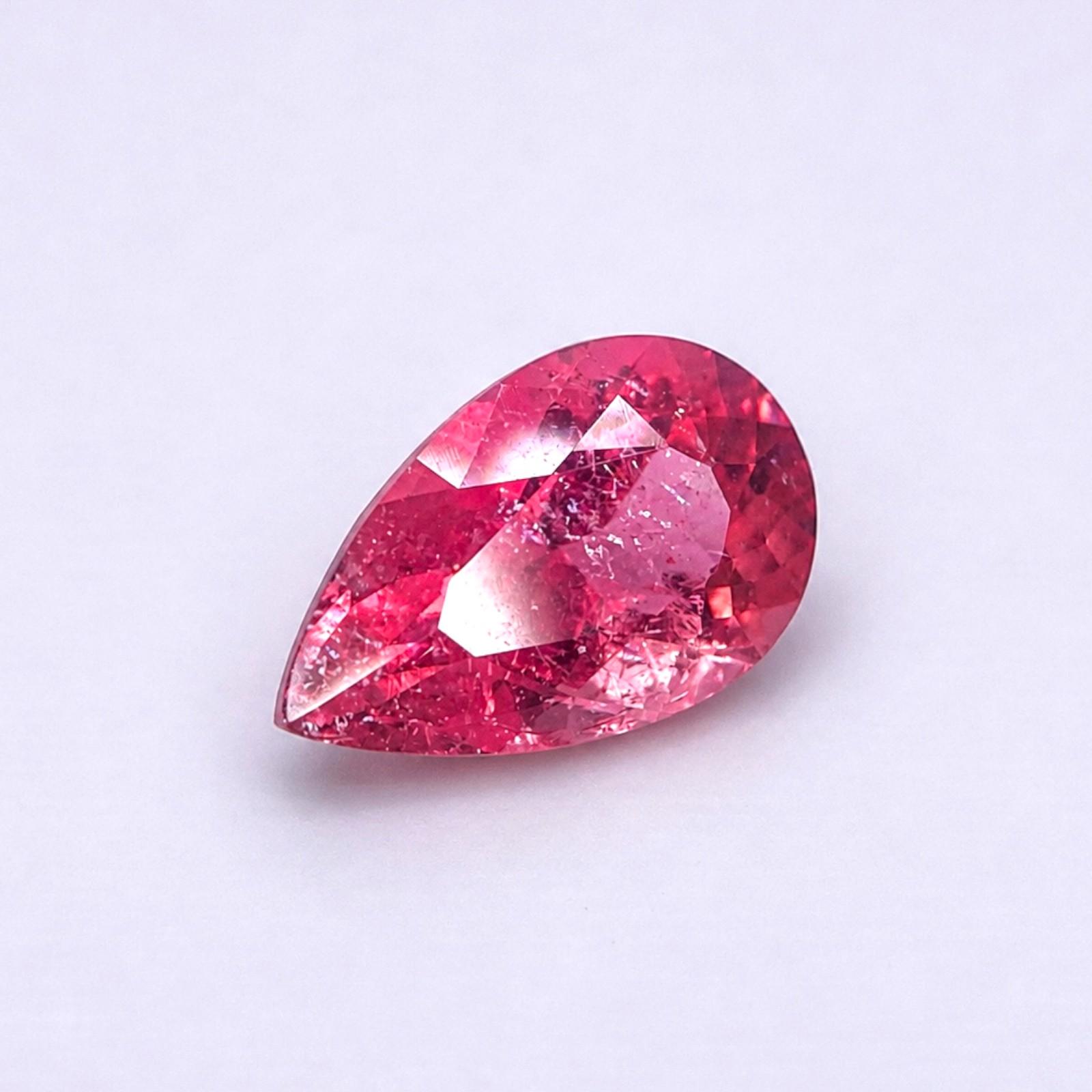
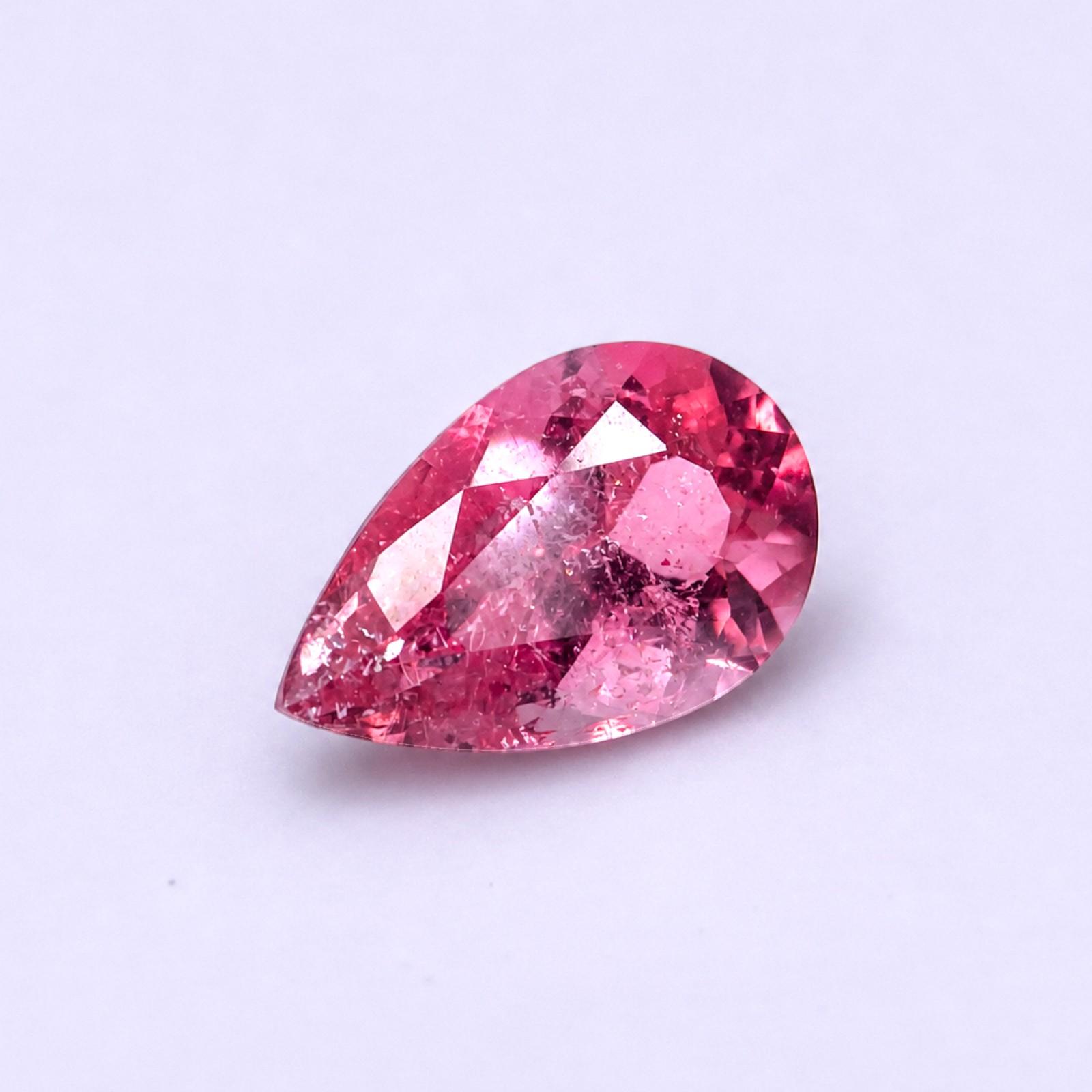
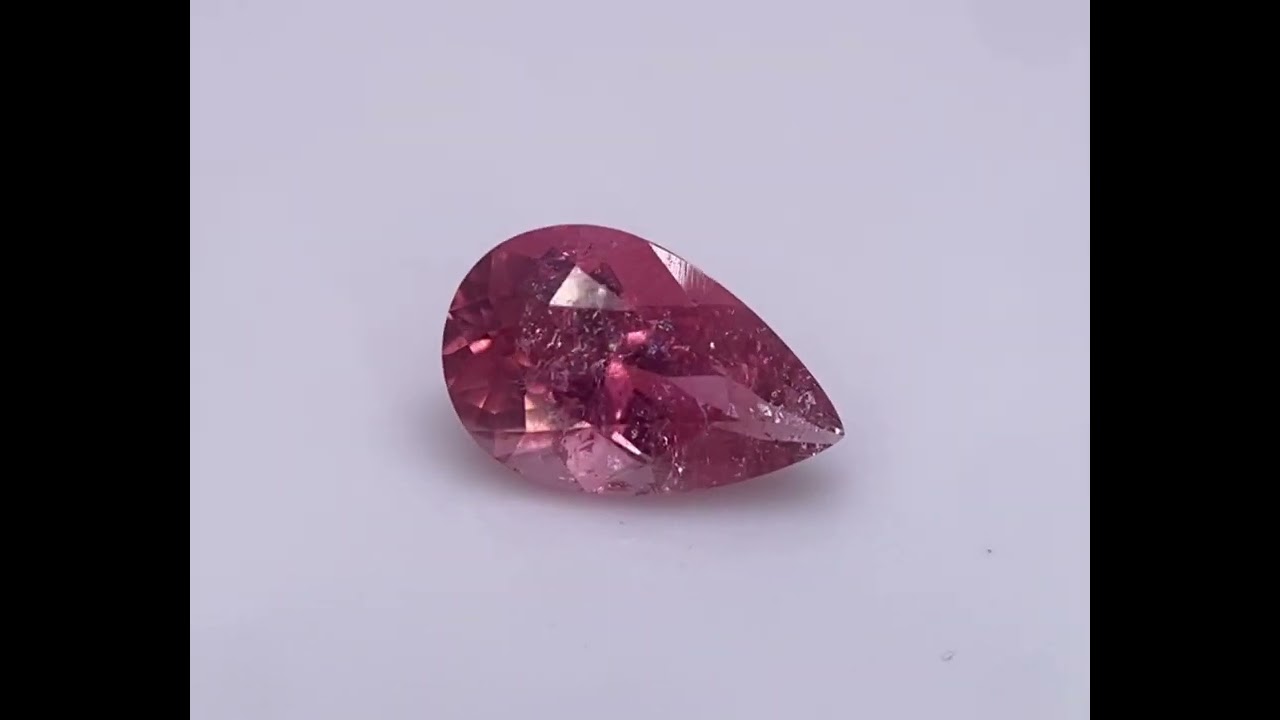


- Freakingcats Gemstone Database
Tourmaline
Tourmaline is the ultimate “chameleon” of the gemstone world. There is no other mineral that covers the entire color spectrum with such vibrancy and depth. I have always admired Tourmaline for its sheer variety of colors and started to collect them from many different locations across the globe. If you check my inventory, you will see I still have a few pieces left from Cruzeiro, a legendary location known for spectacular Tourmalines that are virtually impossible to get nowadays. It is a stone of high energy and incredible geometry; when you look at a well-formed trigonal crystal, you are seeing the Earth’s most colorful architectural masterpiece. For me, faceting Tourmaline is a masterclass in light management, as its strong pleochroism requires an expert eye to ensure the “soul” of the color is perfectly oriented.
The Heritage & Discovery
Historical Significance: Tourmaline has been captivating humans for centuries, though it was often mistaken for other gems. Historically, the “Caesar’s Ruby” in the Russian Crown jewels was later discovered to be a red Tourmaline (Rubellite). It was first introduced to Europe by Dutch traders in the early 1700s, who noticed that the crystals could attract or repel hot ashes—a property known as “pyroelectricity.” This led to the nickname “Aschentrekker” (ash puller). In the world of fine gems, it represents the absolute peak of pegmatitic beauty, standing as a favorite for both the Ming Dynasty (who prized pink Tourmaline) and modern designers who value its incredible variety and durability.
Discovery: The name is derived from the Sinhalese word thoramalli, which was applied to a variety of colored stones found in Sri Lanka. While known in antiquity, its modern mineralogical classification was refined in the 1800s. Scientifically, it is a complex borosilicate. Its discovery across the globe, from the mountains of Maine to the jungles of Brazil, has made it one of the most widely documented and beloved gemstone groups in history.
Important Mines: While found globally, the most legendary source for variety and volume is Minas Gerais, Brazil, home to the world-famous Cruzeiro Mine. The Cruzeiro is renowned for producing some of the finest Rubellite and bi-color crystals ever seen. I also have a high regard for the spectacular “neon” material from Paraíba, Brazil, and the copper-bearing deposits in Nigeria and Mozambique. For the most aesthetic “bi-color” and “watermelon” crystals, the Palo and Himalaya mines in California, USA, and the Paprok and Pech mines in Afghanistan are the global benchmarks.
Mineralogical Profile
Description: Tourmaline is a group of complex boron-silicate minerals that crystallize in the trigonal (hexagonal) system. It sits at a 7 to 7.5 on the Mohs scale, making it an excellent choice for all types of jewelry. It is characterized by its vitreous luster and its unmistakable elongated, prismatic crystals with vertical striations.
One of its most identifying traits is its strong pleochroism—it can show different colors or depths of tone when viewed from different angles. It also possesses pyroelectric and piezoelectric properties, meaning it generates an electrical charge when heated or under pressure. It has a refractive index (n \approx 1.62 to 1.64) and a moderate birefringence. Because it is a “framework” silicate with a wide variety of species (like Elbaite, Schorl, and Dravite), its density can vary slightly (3.0$ to 3.2 g/cm³). When I facet Tourmaline, I am always mindful of the “c-axis” (the length of the crystal), as it is often much darker than the sides. My goal is to capture the “open” color, ensuring the final gem pulses with the same electric energy that makes the rough so captivating.
Chemical Formula: (Na,Ca)(Li,Mg,Al,Fe2+,Mn2+)3Al6(BO3)3Si6O18(OH,F)4


