
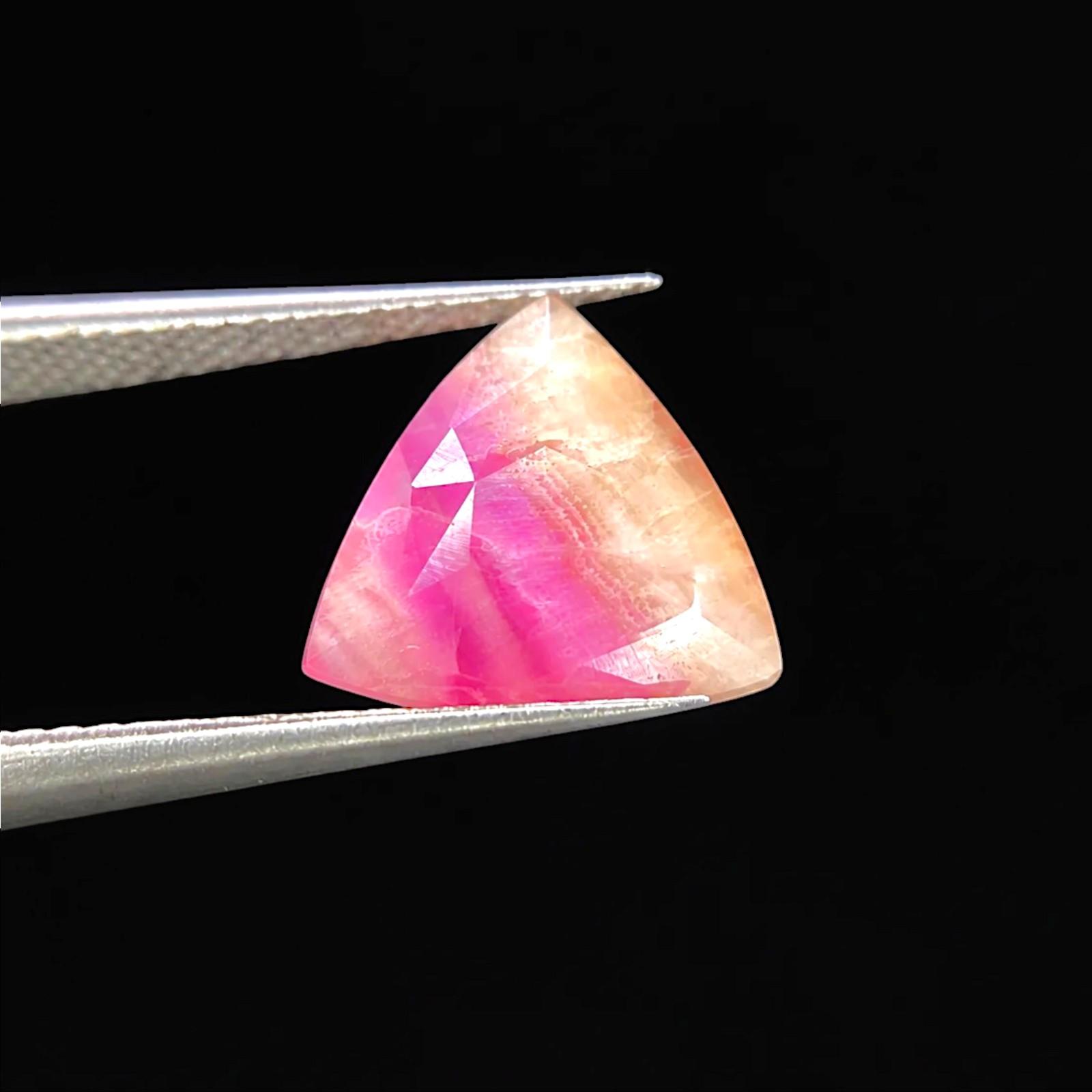
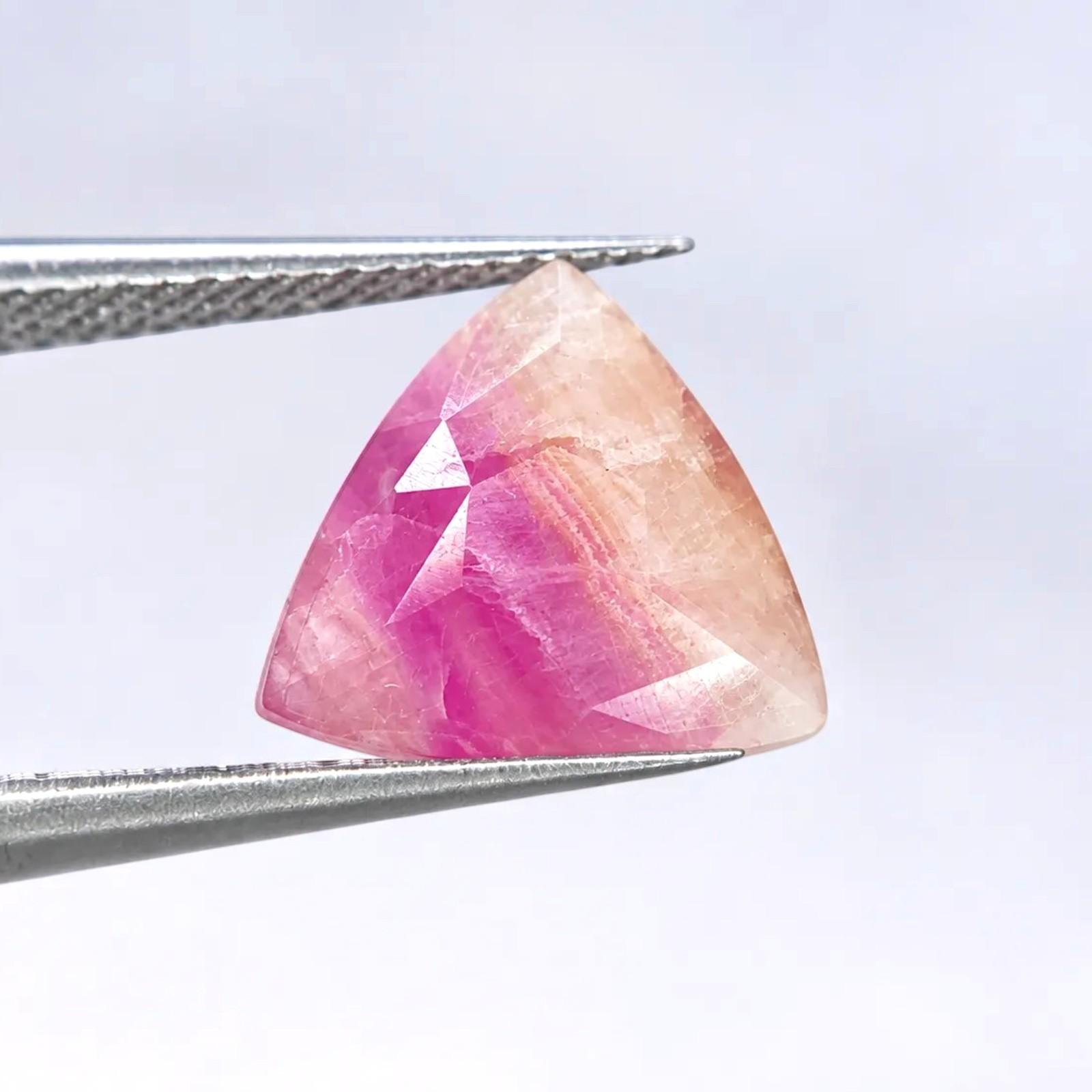
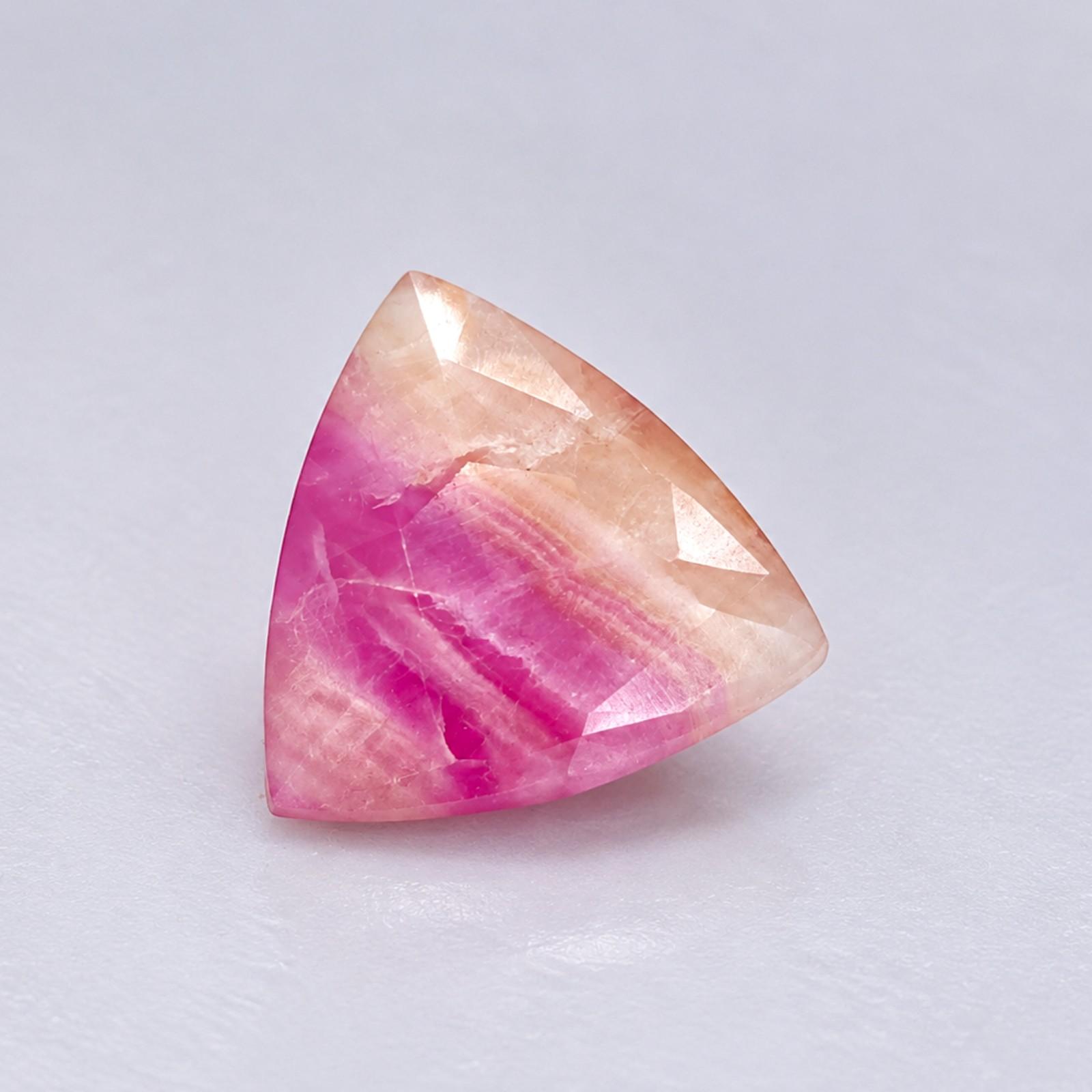
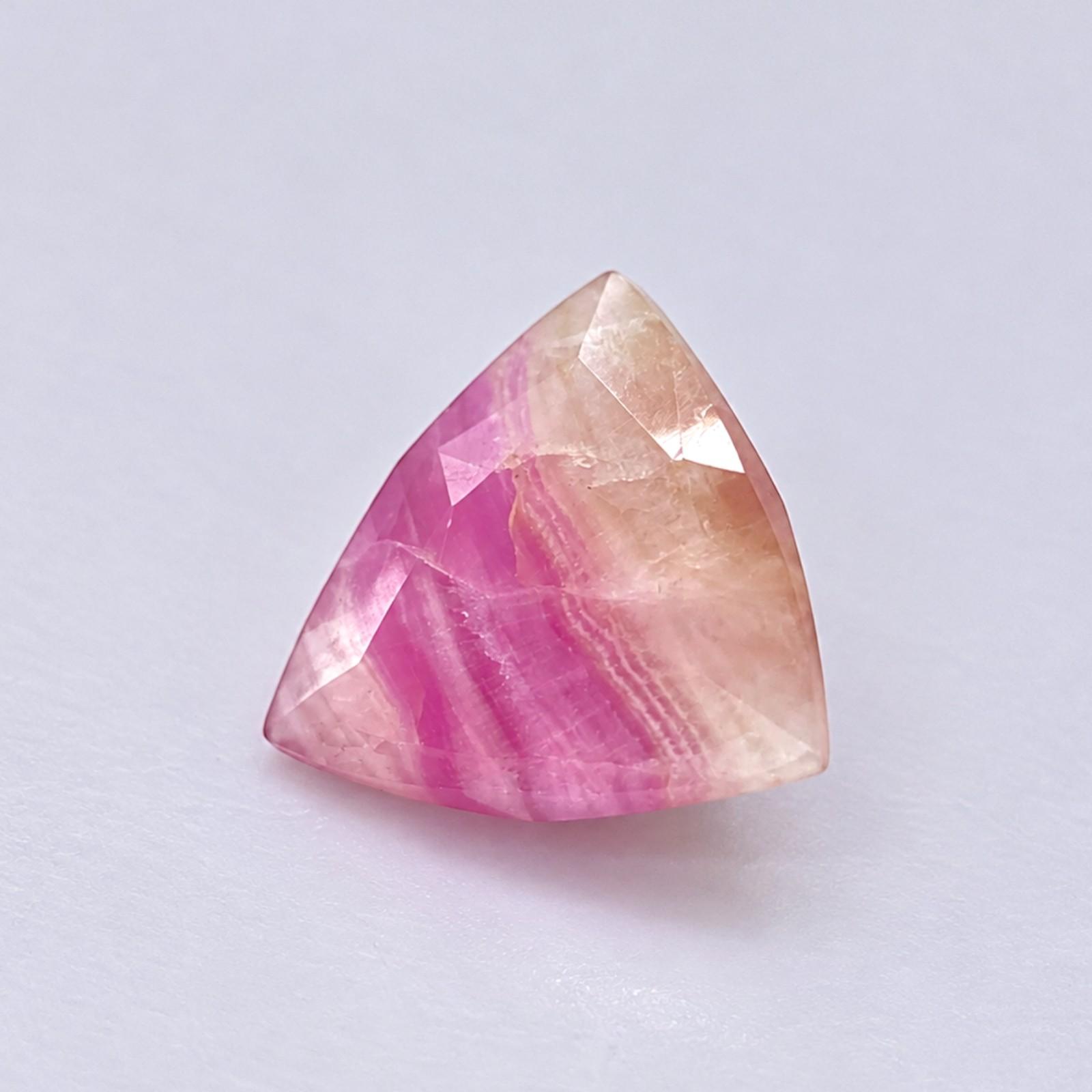
2.29 ct BI-COLOR FLUORITE – BRAZIL
EXPERT VERIFIED
- Expert Verified Gemstone
- Fast Handling & Shipping
- Secure Vault Packaging
$ 100
Offer amount Feild


Smart Collector Choice


Pay with Crypto & Get 10% Automatic Discount

Availability: 1 in stock
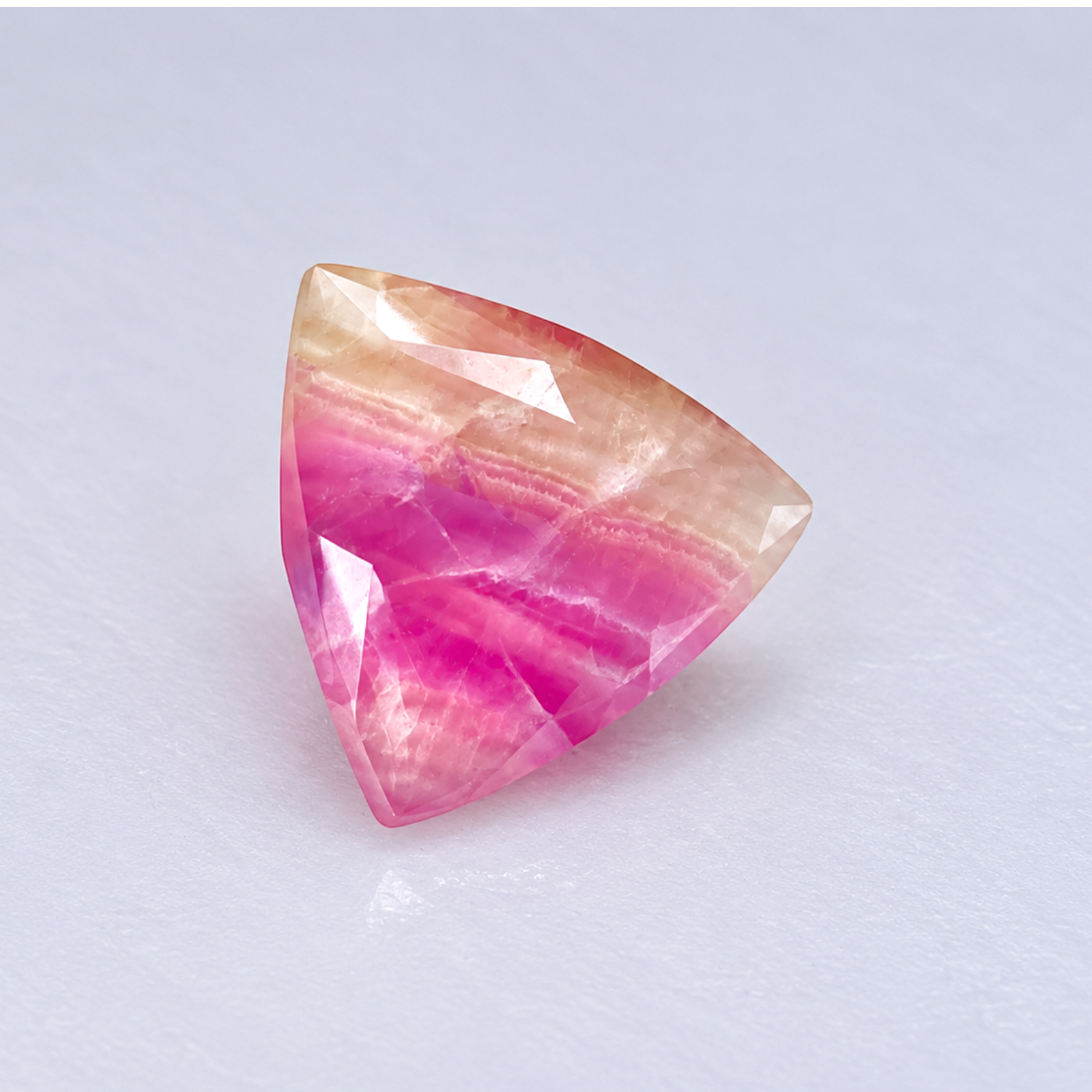
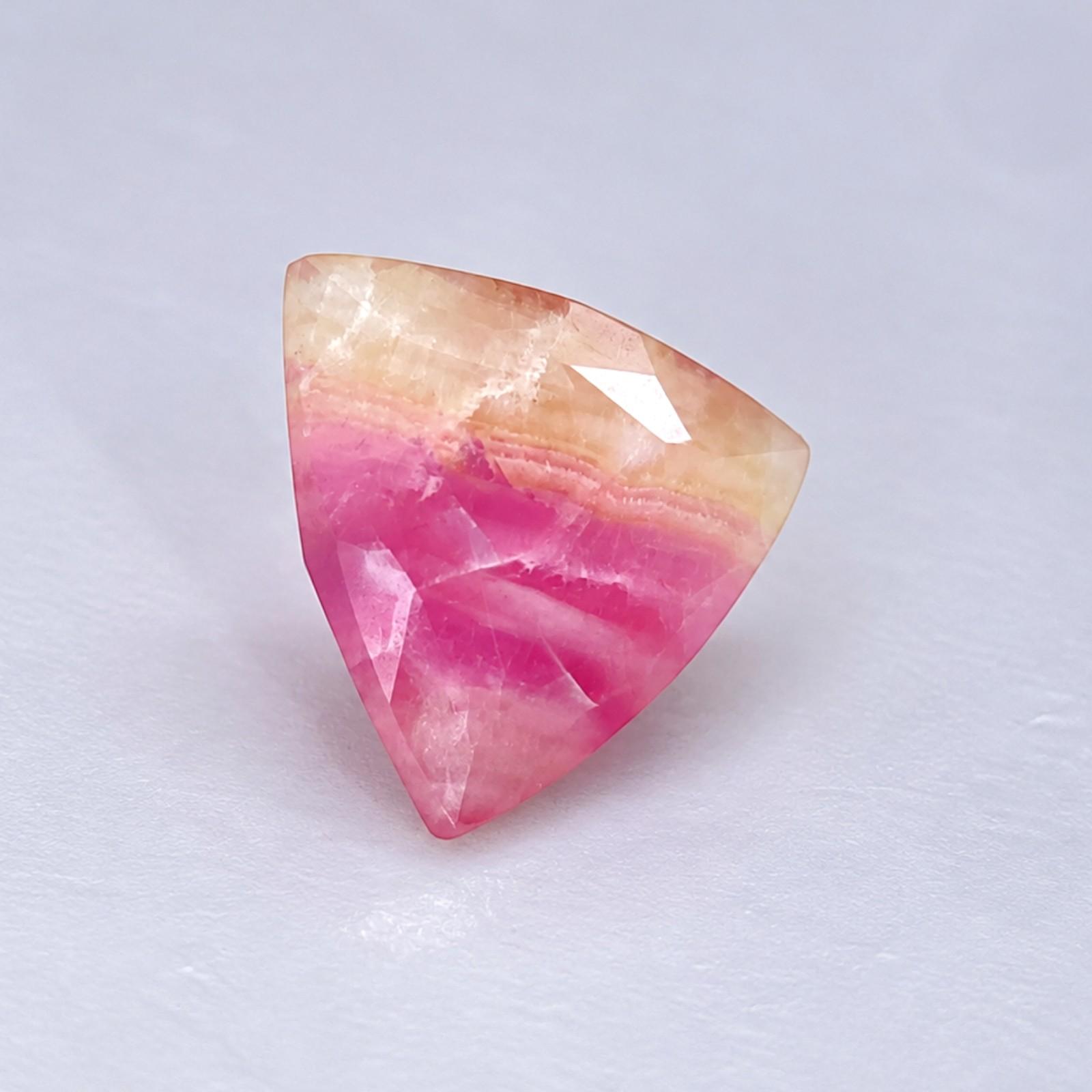
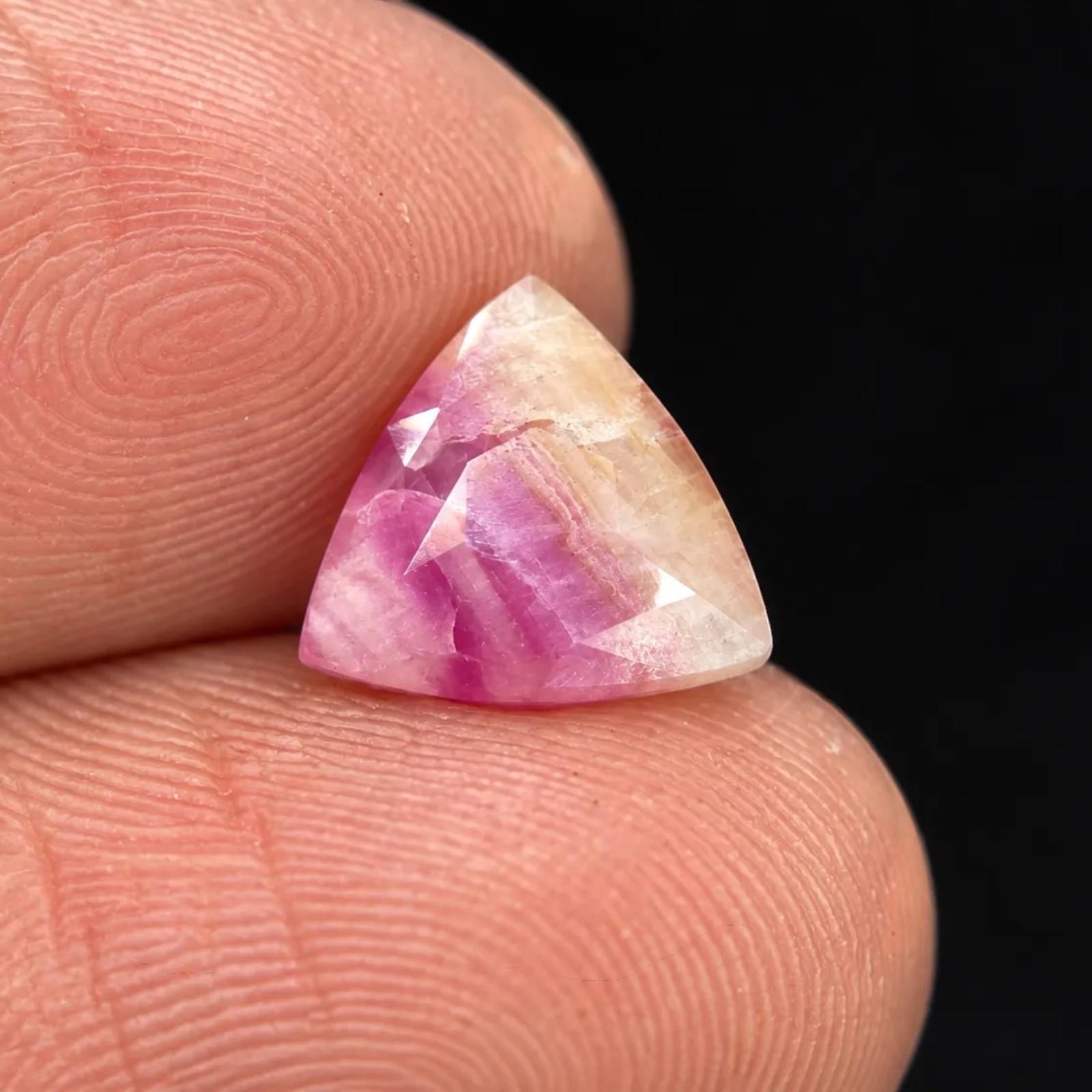


- Freakingcats Gemstone Database
Bi-Color Fluorite (Brazil)
Bi-Color Fluorite from the extensive pegmatite fields, hydrothermal vein systems, and amethyst-bearing basalt cavities of Brazil—most celebrated from the mineralized pegmatites of Minas Gerais and the volcanic vugs of Rio Grande do Sul—represents an extraordinary, structurally refined expression of isometric halide crystallization characterized by vivid, sharply delineated color zoning. A calcium fluoride species of premier systematic importance, it is a mineral I have always respected for its “electric-emerald-to-amethystine-purple” daylight duality, glassy surface perfection, and its status as a masterclass in “isometric-hexoctahedral” structural discipline. For the specialist, a top-tier Brazilian Bi-Color Fluorite—whether presenting as a razor-sharp, mirror-faced cubic cluster displaying sharp purple-and-green phantom zoning, a stepped octahedral crystal from pegmatite clefts, or a gemmy tabular crystal perched on sparkling quartz—is a prized trophy of episodic hydrothermal fluid evolution; it offers a bright vitreous luster, remarkable internal optical clarity, and an authoritative presence that makes it an indispensable asset for the systematic vault. As an artist, I find the stark geometric boundary where rich emerald-green or sea-foam blue abruptly transitions into royal purple or violet within a single, water-clear crystal cube to be one of nature’s most sophisticated and visually harmonious architectural displays.
The Heritage & Discovery
Historical Significance
Bi-Color Fluorite is an indispensable index species for decoding episodic fluid pulses, shifting oxidation states, and thermal fluctuations within multi-stage hydrothermal systems. Historically, while Brazil is globally celebrated for its immense yields of pegmatitic gemstones such as tourmaline, beryl, and topaz, its specialized fluorite occurrences have long captivated systematic collectors. In particular, specimens exhibiting dramatic, two-toned chromatic zoning provide tangible records of changing chemical environments during crystal growth, establishing enduring benchmarks for crystallographic zoning studies and fine mineral aesthetics.
Discovery
The unearthing of macrocrystalline bi-color fluorite across Brazil occurred in two primary geological settings: the deep granitic pegmatites of the Eastern Pegmatite Province in Minas Gerais and the extensive basaltic amygdules of the Paraná Basin in southern Brazil. Scientifically, Fluorite possesses a face-centered cubic lattice where each calcium cation coordinates with eight fluorine anions. The distinct bi-color phenomenon develops when the chemical environment changes abruptly during crystallization: green coloration is typically generated by trace rare-earth elements (such as samarium) or specific vacancy defects, while purple and violet zones are caused by colloidal calcium nanoparticles and color centers (F-centers) formed by natural irradiation from surrounding host rocks. When fluids pulse intermittently or trace-element availability shifts, these chromophoric regimes alternate, depositing crisp, concentric color zones or distinct geometric phantoms aligned parallel to the {100} cubic or {111} octahedral growth faces. Furthermore, many Brazilian specimens exhibit vibrant ultraviolet fluorescence, often igniting with intense violet-blue under long-wave UV (365 nm) across their purple sectors or displaying subtle pastel responses under short-wave UV. My own respect for this material grew from analyzing its color boundaries under transmitted light; specifically, observing a pristine, water-clear crystal transition along a razor-sharp planar boundary from deep forest-green to royal magenta-purple demonstrates a growth fidelity that is deeply satisfying to the trained eye.
Important Mines
The primary capitals for collector-grade, bi-color fluorite within Brazil span both pegmatitic and volcanic districts. Foremost among them are the granitic pegmatites and hydrothermal veins of Minas Gerais, particularly within the Doce and Jequitinhonha river valleys around Conselheiro Pena, Governador Valadares, and Virgem da Lapa, renowned for yielding sharp, lustrous cubes and stepped octahedrons displaying alternating green-and-purple or blue-and-violet phantoms, often perched alongside albite (cleavelandite) and tourmaline. Additionally, the southern basaltic fields of Rio Grande do Sul—most notably around Ametista do Sul and Iraí—routinely produce attractive bi-colored cubic crystals nested directly within amethyst and agate geodes. Notable occurrences have also been documented in the hydrothermal quartz veins of Bahia and the pegmatite zones of Paraíba. For the systematic vault, I prioritize specimens that exhibit razor-sharp color zoning boundaries, high internal transparency, undamaged crystal edges, and an active presentation on contrasting matrix.
Mineralogical Profile
Description
Bi-Color Fluorite is a color-zoned variety of calcium fluoride that crystallizes in the isometric (cubic) system within the hexoctahedral crystal class. It sits at a baseline 4 on the Mohs scale, serving as the universal defining benchmark mineral for that hardness level; its smooth, highly reflective faces possess four directions of perfect octahedral cleavage parallel to {111}, requiring careful archival handling to protect its crisp crystal edges, razor-sharp corners, and delicate growth steps from mechanical shock, pressure, or abrasive surface contact. It is characterized by its bright, splendent vitreous surface luster and a dynamic dual color palette dominated by emerald-green paired with royal purple, sea-foam green with deep violet, and occasional combinations of golden-amber or sky-blue zoning into magenta.
One of its most identifying traits is its zoned geometric habit, routinely forming sharp cubes, modified octahedrons, rhombic dodecahedrons, and stepped parallel-growth groupings that preserve the exact history of fluid evolution as interior “phantom” cubes or color layers. It possesses a moderate refractive index of approximately 1.434, giving it a soft optical depth and low chromatic dispersion, paired with a moderate average specific gravity ranging between 3.17 and 3.20 that reflects its tightly bonded halide framework. Because it forms across diverse hydrothermal veins, pegmatitic pockets, and basaltic gas cavities, it is commonly found in close association with Quartz (Amethyst), Calcite, Albite, Microcline, Muscovite, Barite, Pyrite, and Celadonite. When I select an example for documentation, I look for crisp geometric integrity, vivid chromatic contrast across the color boundary, high internal clarity, and freedom from internal cleavage bruises, as these emphasize the sophisticated, multi-pulsed chemistry of the mineral’s dramatic subterranean birth.
Chemical Formula CaF2 (with trace REE activators and localized F-center/radiation-induced defect color banding)


