
2.55 ct TYUYAMUNITE – USA
EXPERT VERIFIED
- Expert Verified Gemstone
- Fast Handling & Shipping
- Secure Vault Packaging
$ 290
Offer amount Feild


Smart Collector Choice


Pay with Crypto & Get 10% Automatic Discount

Availability: 1 in stock
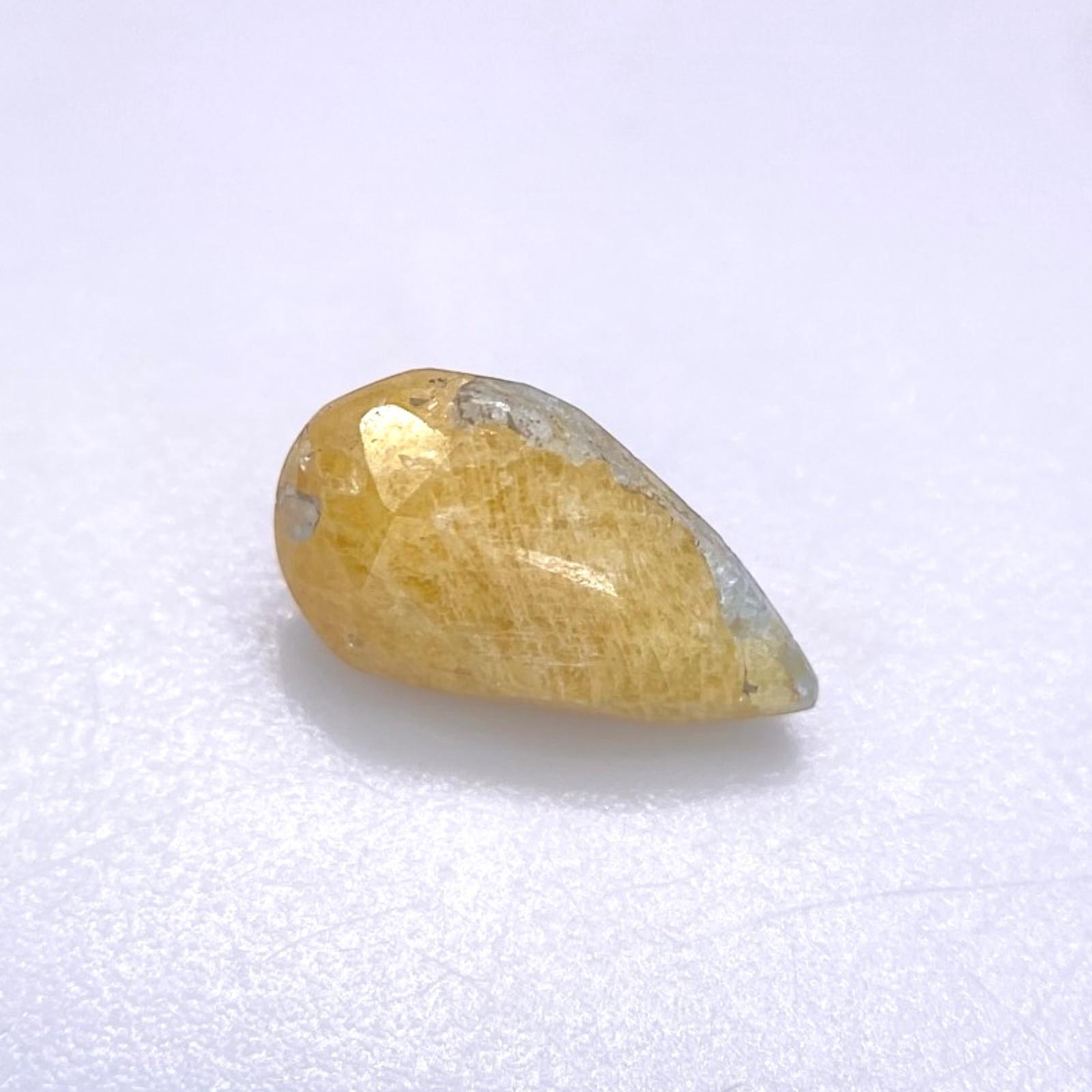
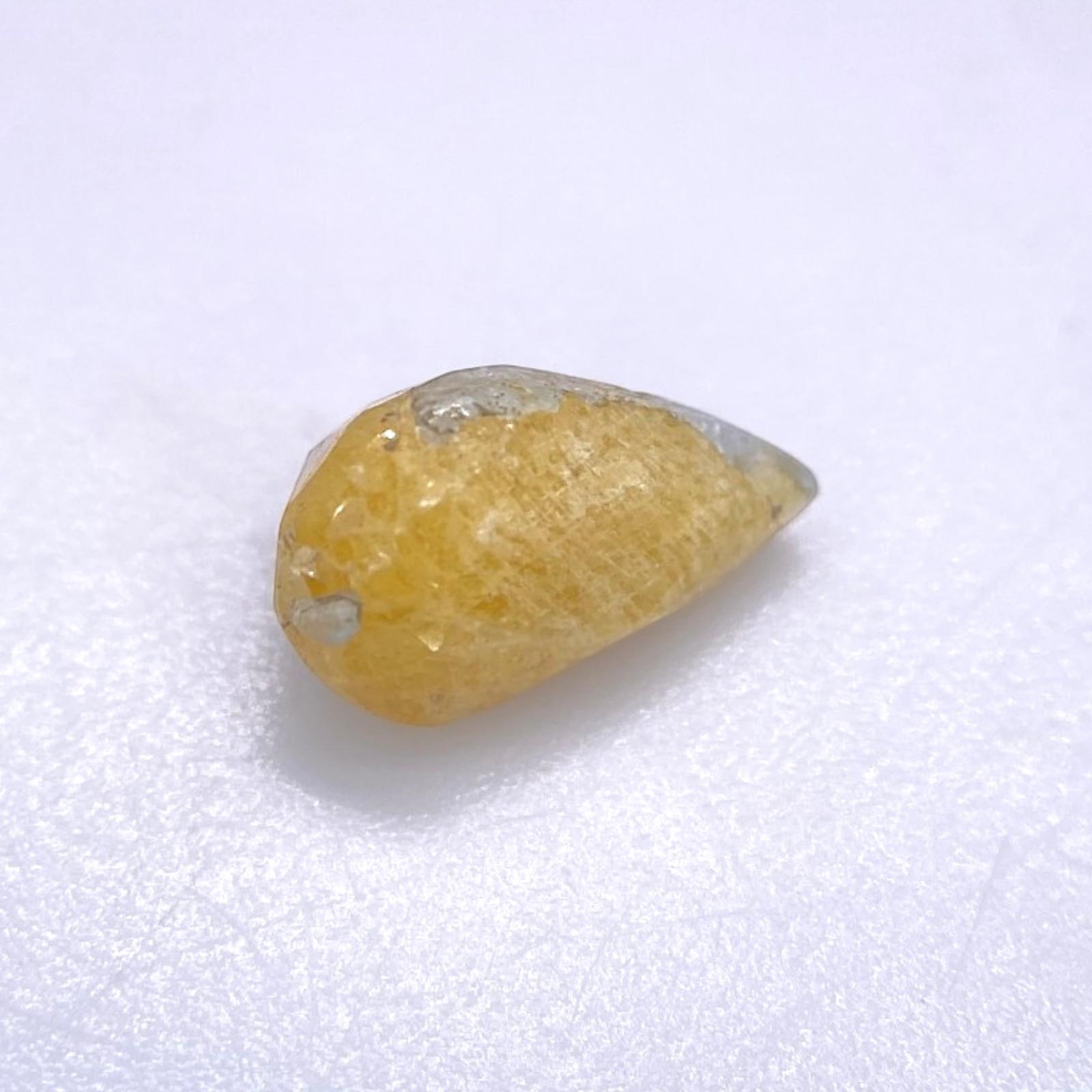
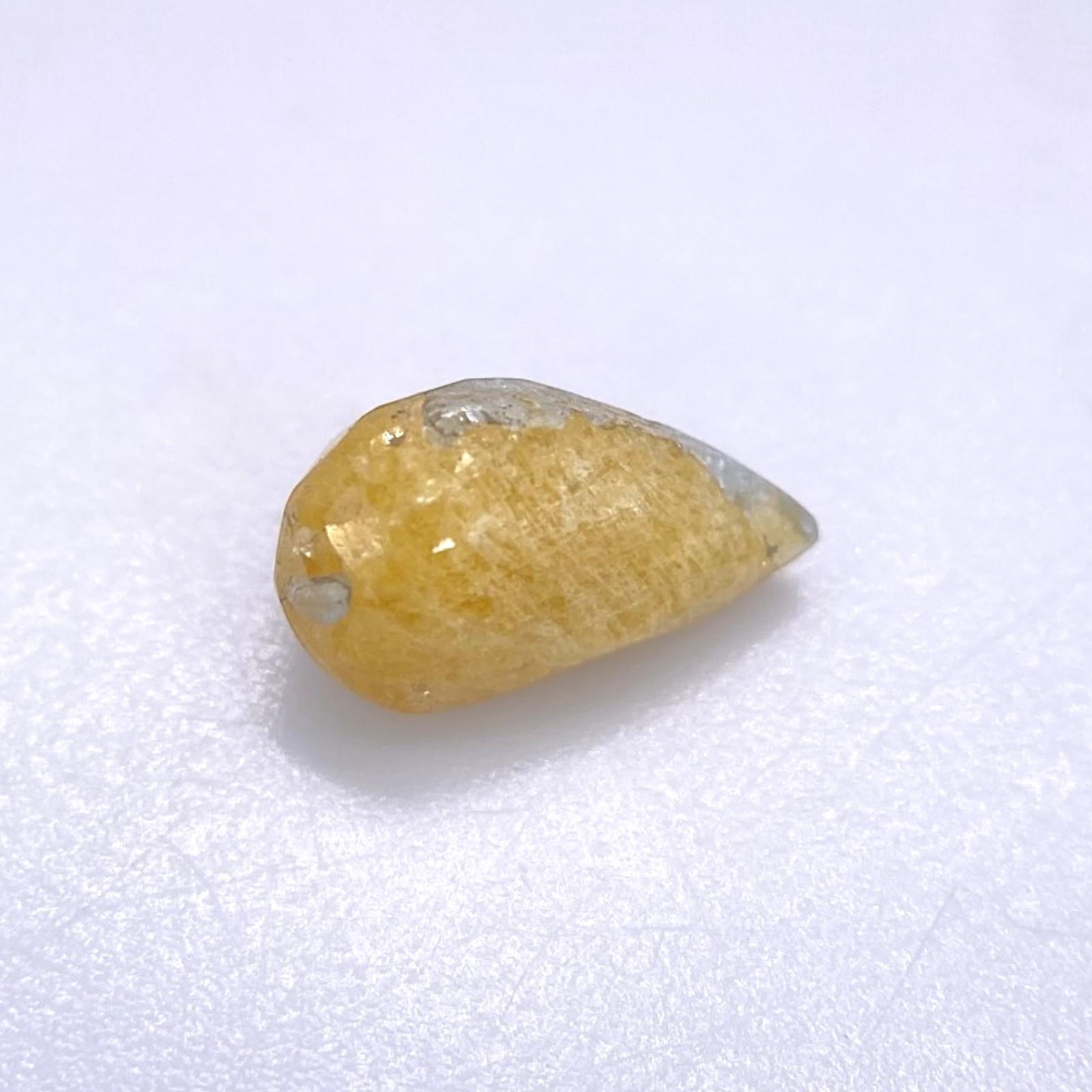
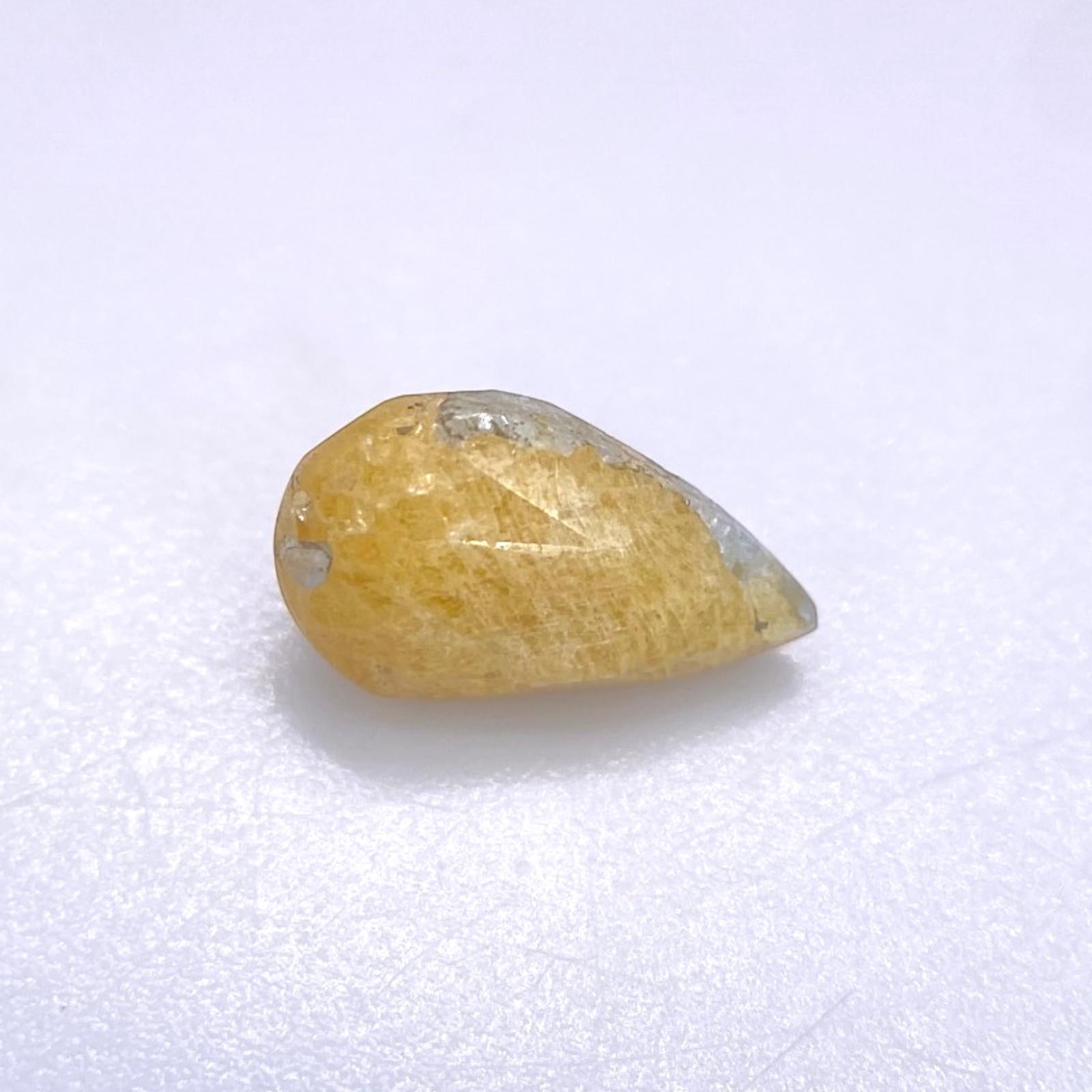
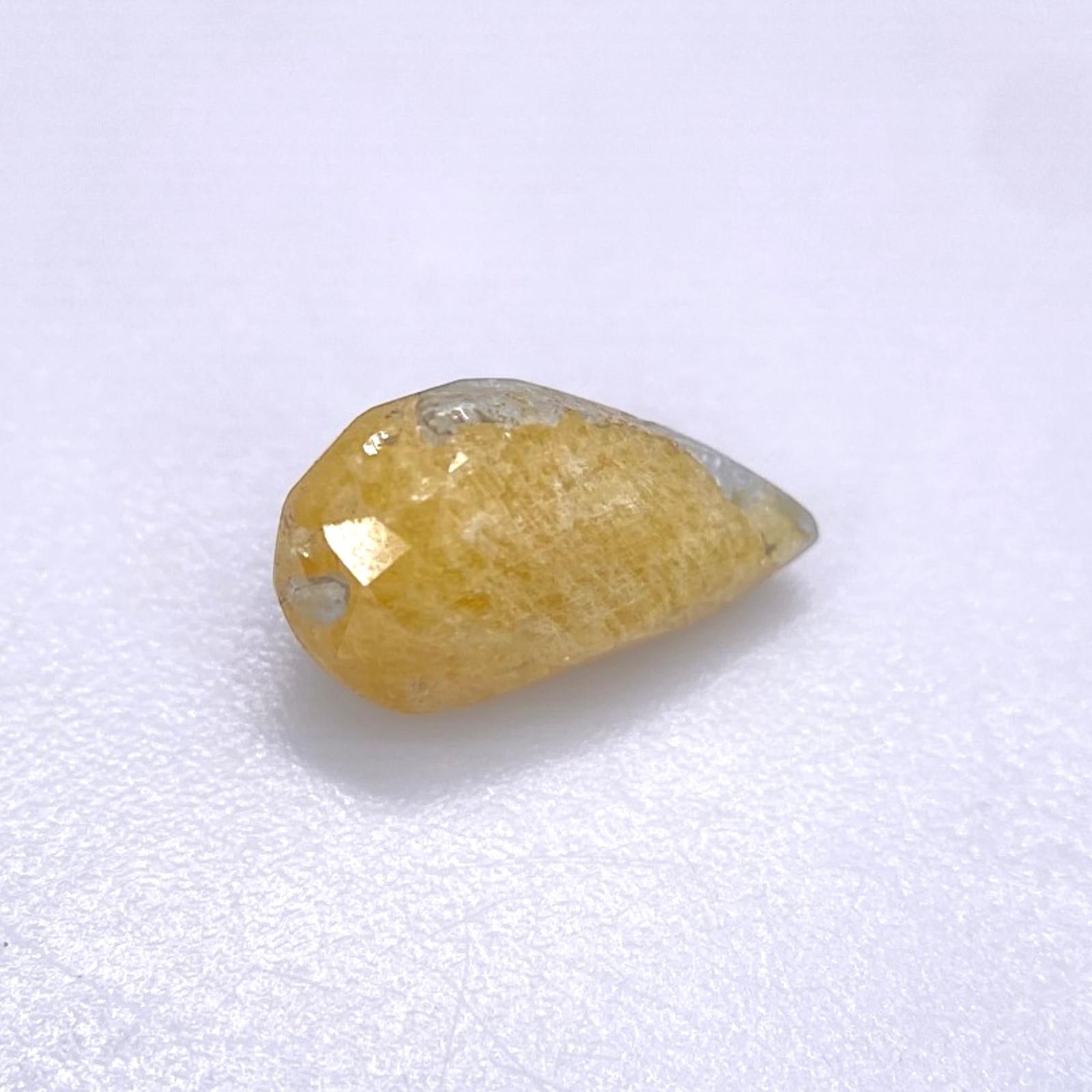
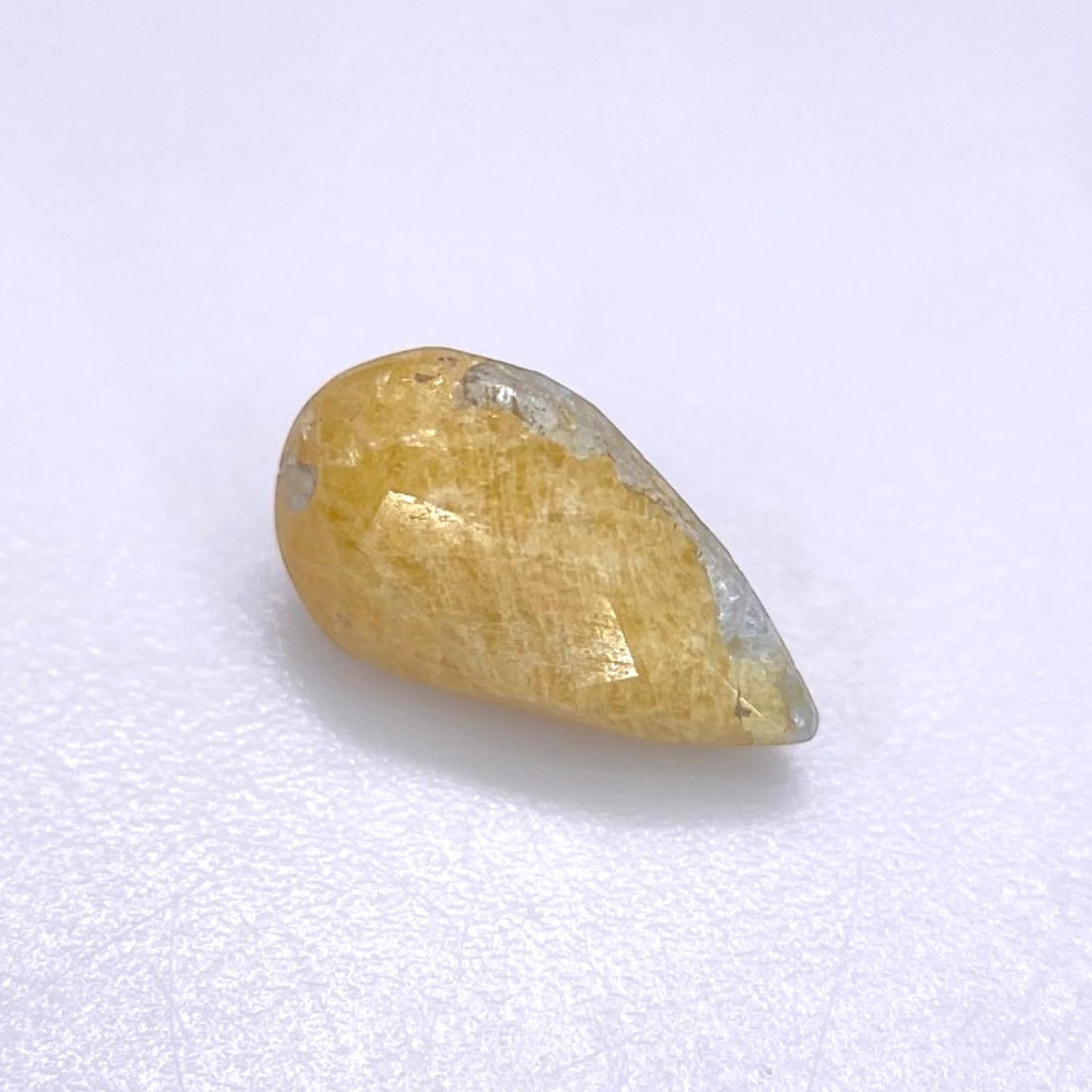
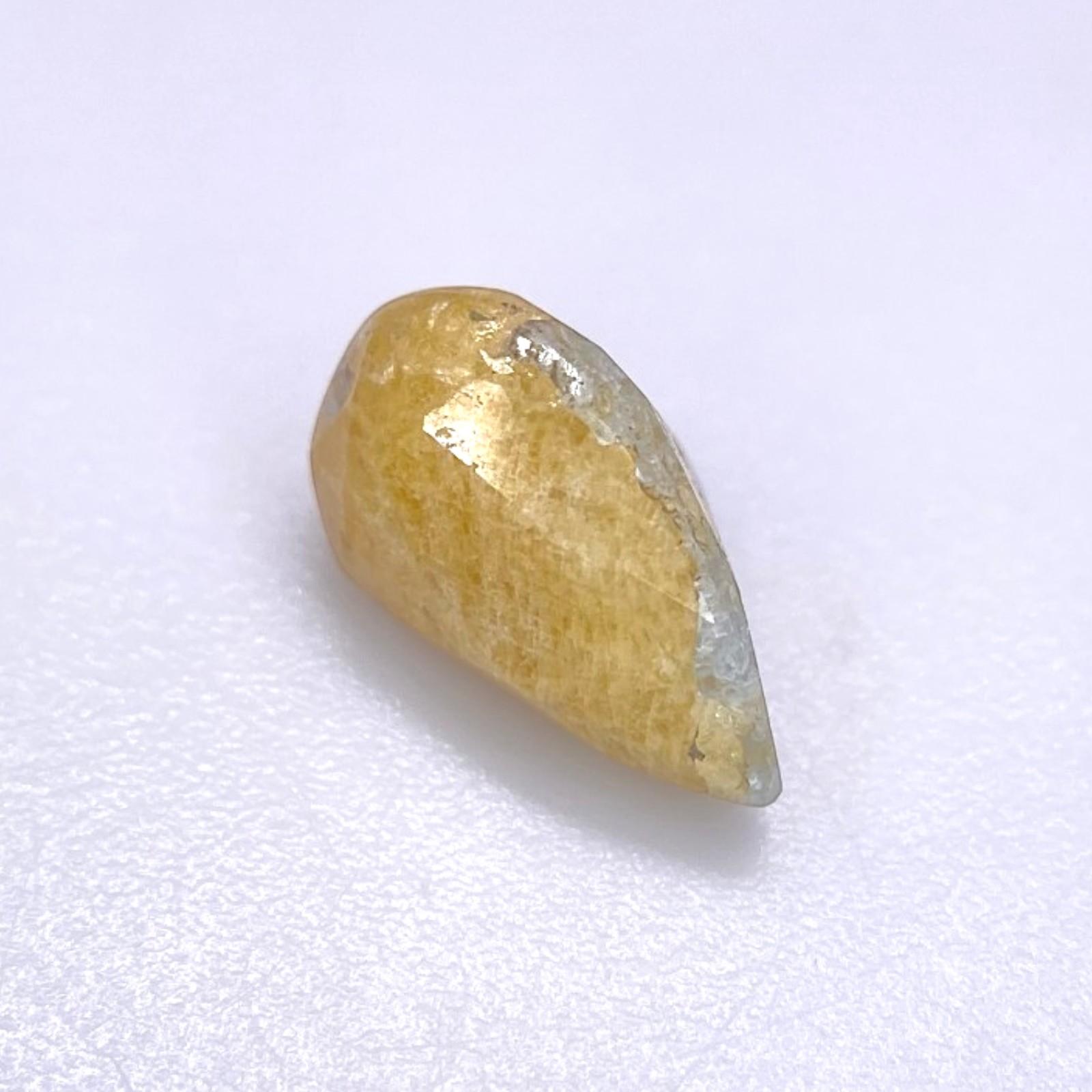


- Freakingcats Gemstone Database
Tyuyamunite
Tyuyamunite from the complex supergene oxidation zones represents the “calcium-uranyl-vanadate” peak of the secondary radioactive world. A hydrated calcium uranyl vanadate mineral, it is a species I have always respected for its “blazing-canary” to “vivid-lemon-neon” saturation and its status as a masterpiece of “orthorhombic” structural discipline. For the specialist, a top-tier Tyuyamunite is a prize of intense low-temperature fluid mobilization; it offers an adamantine to waxy or pearly luster and a “highly radiant” presence that makes it a true “high-vibration” asset for the systematic vault. As an artist, I find the stark, electric contrast between its intense, “dayglo-citrus” aggregates and the muted, earthy tones of its host matrix to be one of nature’s most sophisticated and “energetic” palettes.
The Heritage & Discovery
Historical Significance Tyuyamunite is a vital species for understanding the complex hydrologic transport and precipitation of uranium and vanadium within secondary weathered environments. Historically, it holds a prominent place in mineralogical history, named in 1912 by the prominent Russian mineralogist Konstantin Avtonomovich Nenadkevich after its type locality—the Tyuya-Muyun radium-copper-vanadium mine in the Fergana Valley of Kyrgyzstan. In the world of fine minerals, it is celebrated for its natural, “uranyl-activated” pigment, which stands as a symbol of radioactive intensity and structural focus. It serves as a reminder that weathering and ground-water oxidation can break down dark, primordial uranium ores into extraordinary, hyper-saturated crystalline coatings.
Discovery While its initial discovery occurred in Central Asia, extensive subsequent deposits found globally—most notably across the sandstone basins of North America—completely redefined the mineralogical study of the carnotite mineral group. Scientifically, it is the calcium analogue of the potassium-dominant Carnotite, easily shifting into its lower-hydrate counterpart, metatyuyamunite, when exposed to dry atmospheric conditions. Its discovery provided mineralogists with spectacular, microcrystalline scales and fan-shaped rosettes that showcase its unique, light-sensitive beauty. My own respect for this material grew from observing its “luminous” depth; specifically, the way its platy crystal aggregates catch light—exhibiting a weak but distinct yellow-green fluorescence under ultraviolet illumination—is a visual impact that is unmistakable to the trained eye.
Important Locations The undisputed historical capital for this species remains the type locality at Tyuya-Muyun, Osh Region, Kyrgyzstan, famed for its unique karst-hosted carnotite-type mineralizations. Globally, the most “aesthetic” macrocrystalline expressions have emerged from the prolific uranium belts of Utah, Colorado, and New Mexico in the United States, where outstanding crystallized crusts and radiating clusters have historically been secured from the Grants District and the Marie Mine in Montana. For the vault, I prioritize specimens that exhibit vibrant color purity and clean structural habits on a solid, contrasting matrix, as they represent a highly active masterpiece of secondary geology.
Mineralogical Profile
Description Tyuyamunite is a hydrated calcium uranyl vanadate that crystallizes in the orthorhombic system. It sits at an exceptionally soft 1.5 to 2 on the Mohs scale, meaning its delicate, platy or micaceous aggregates must be protected from physical abrasion and stored with proper radiation safety protocols to preserve its waxy surfaces. It is characterized by its bright adamantine to pearly luster and its unmistakable, “canary-yellow to greenish-yellow” color palette.
One of its most identifying traits is its perfect basal cleavage, often forming scales, powdery coatings, or flattened laths that trace old fluid channels through sandstone or limestone fractures. It possesses a high refractive index running from approximately 1.67 to 1.90, contributing to its strong internal color depth, and an average specific gravity ranging between 3.3 and 4.3 that reflects its dense, uranium-and-vanadium-heavy architecture. Because it forms in the oxidation zones of uranium-vanadium deposits, it is commonly found in close association with Carnotite, Metatyuyamunite, Volborthite, Gypsum, and Malachite. When I select a piece for the collection, I look for well-defined, “crisp” crystalline rosettes or dense, uniform color sheets on contrasting matrix, as these highlight the sophisticated, three-dimensional chemistry of the mineral’s post-magmatic birth. It is a heavy, high-vibration mineral that offers a unique, “aqueous-neon” structural beauty unlike any other vanadate variety.
Chemical Formula Ca(UO2)2(VO4)2 · 5-8H2O


