
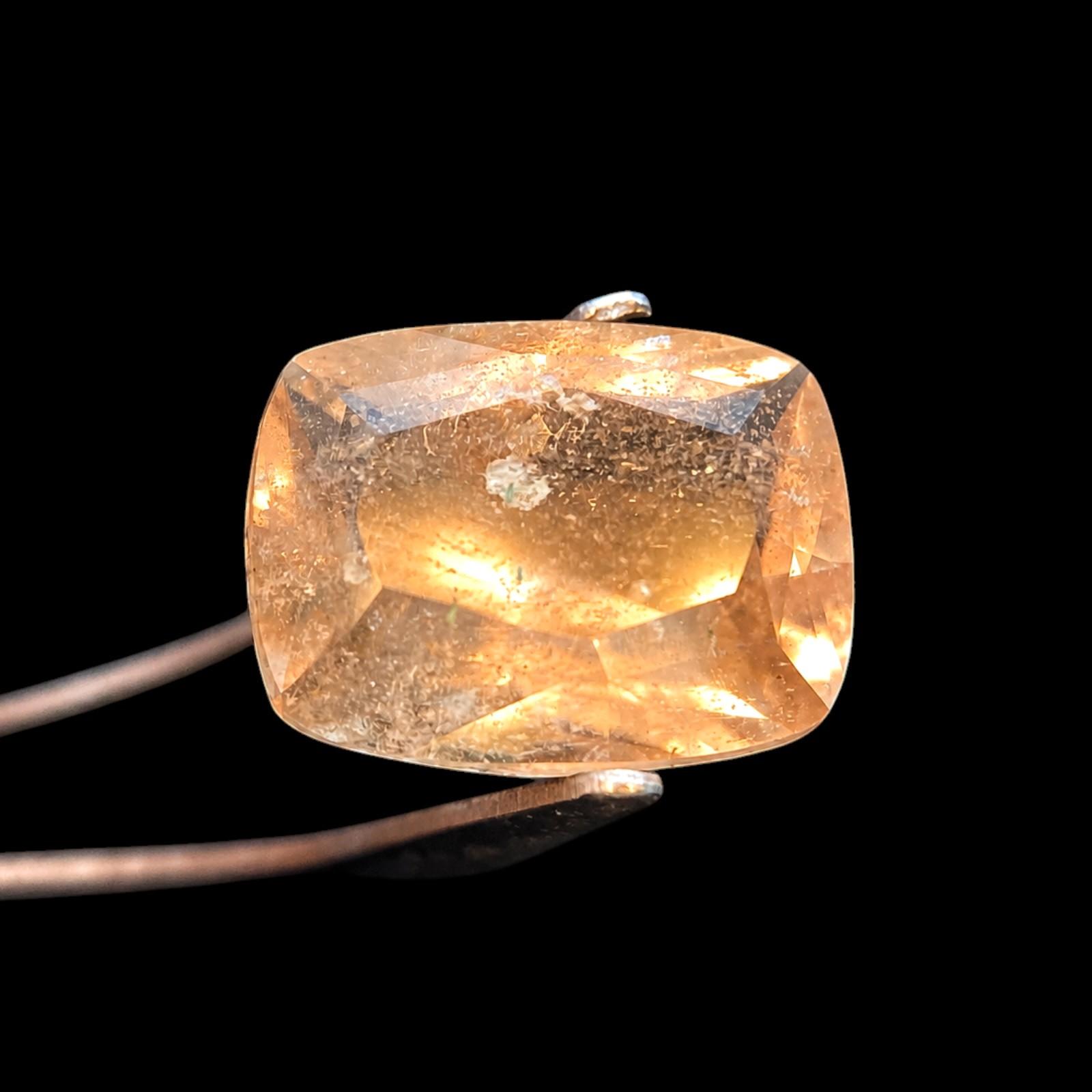
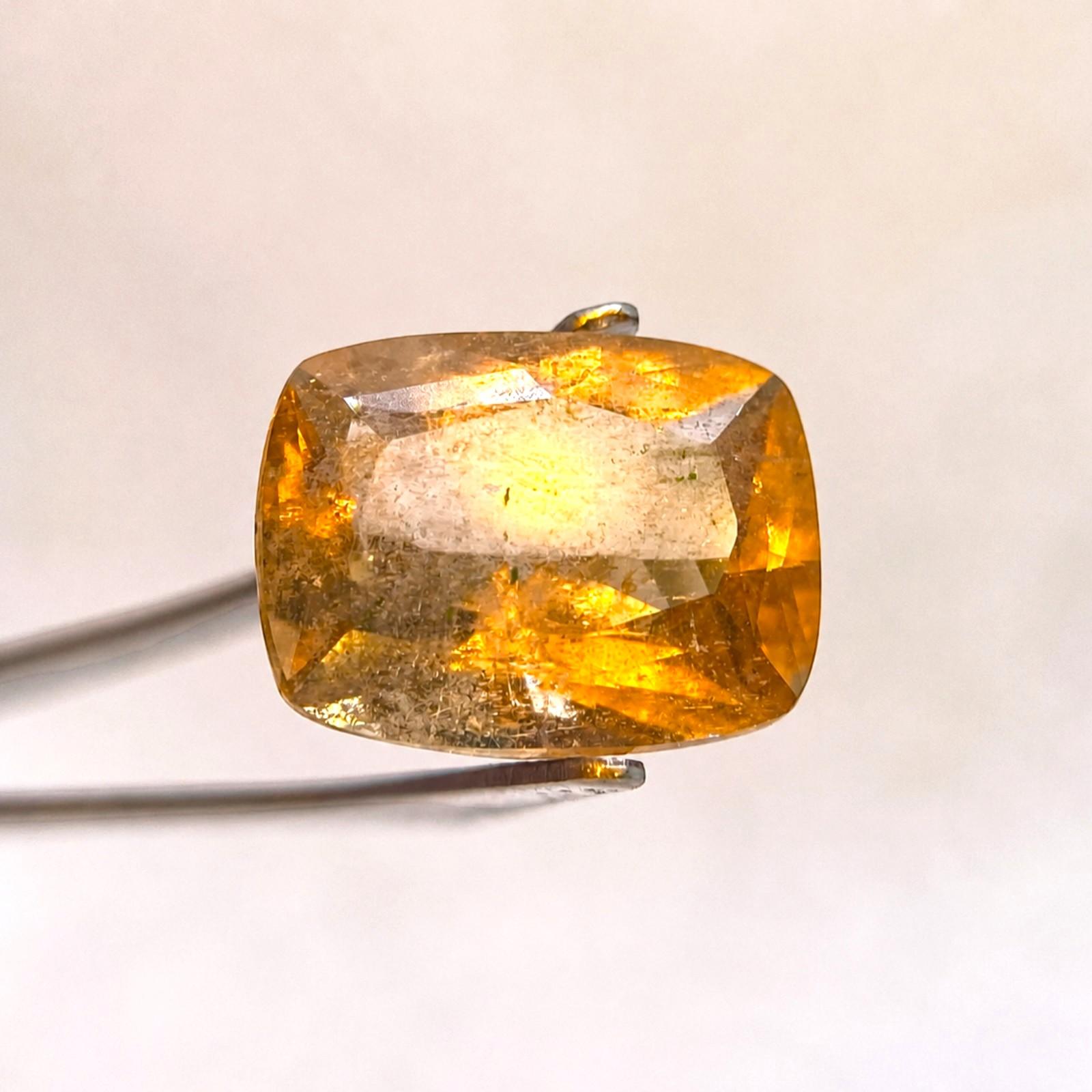
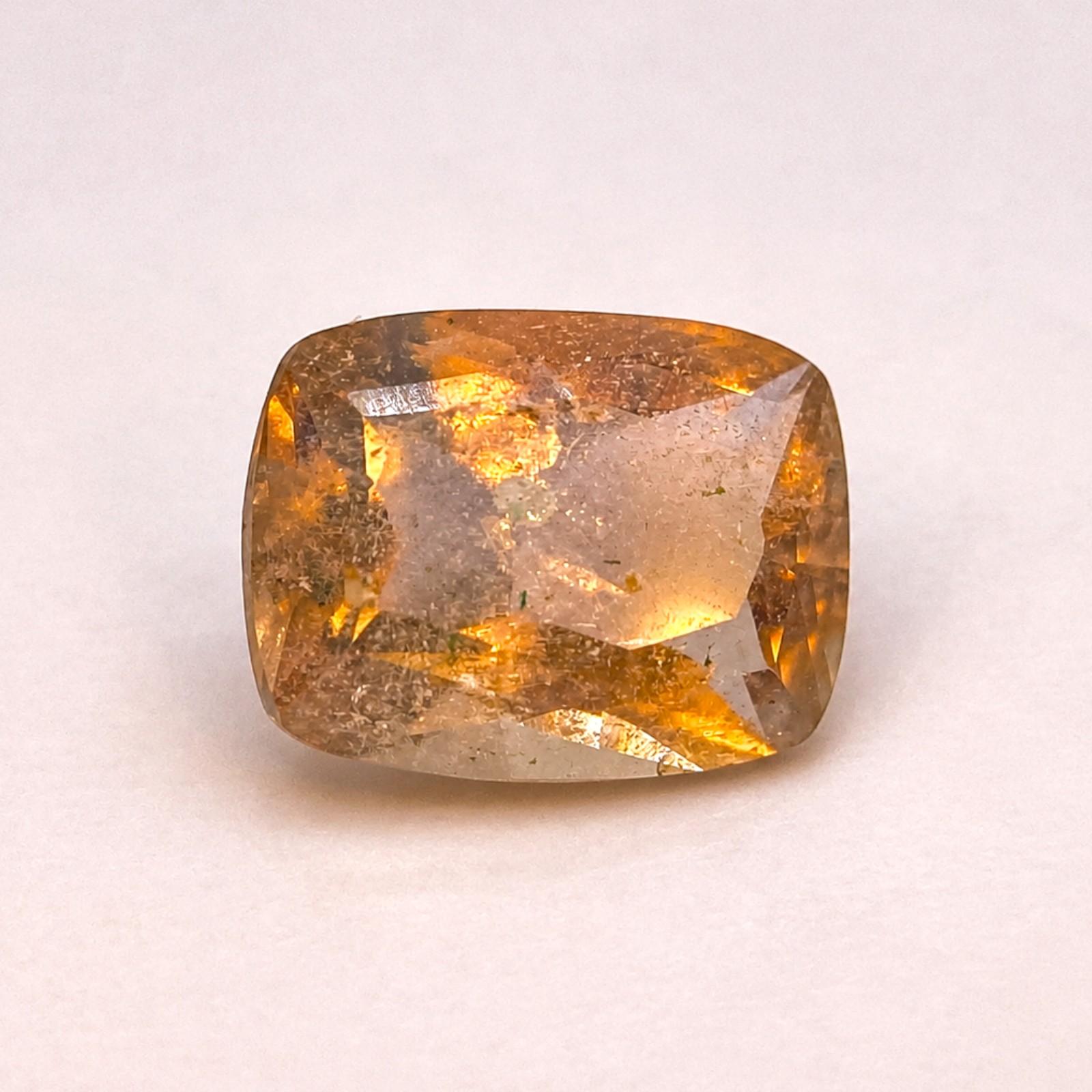
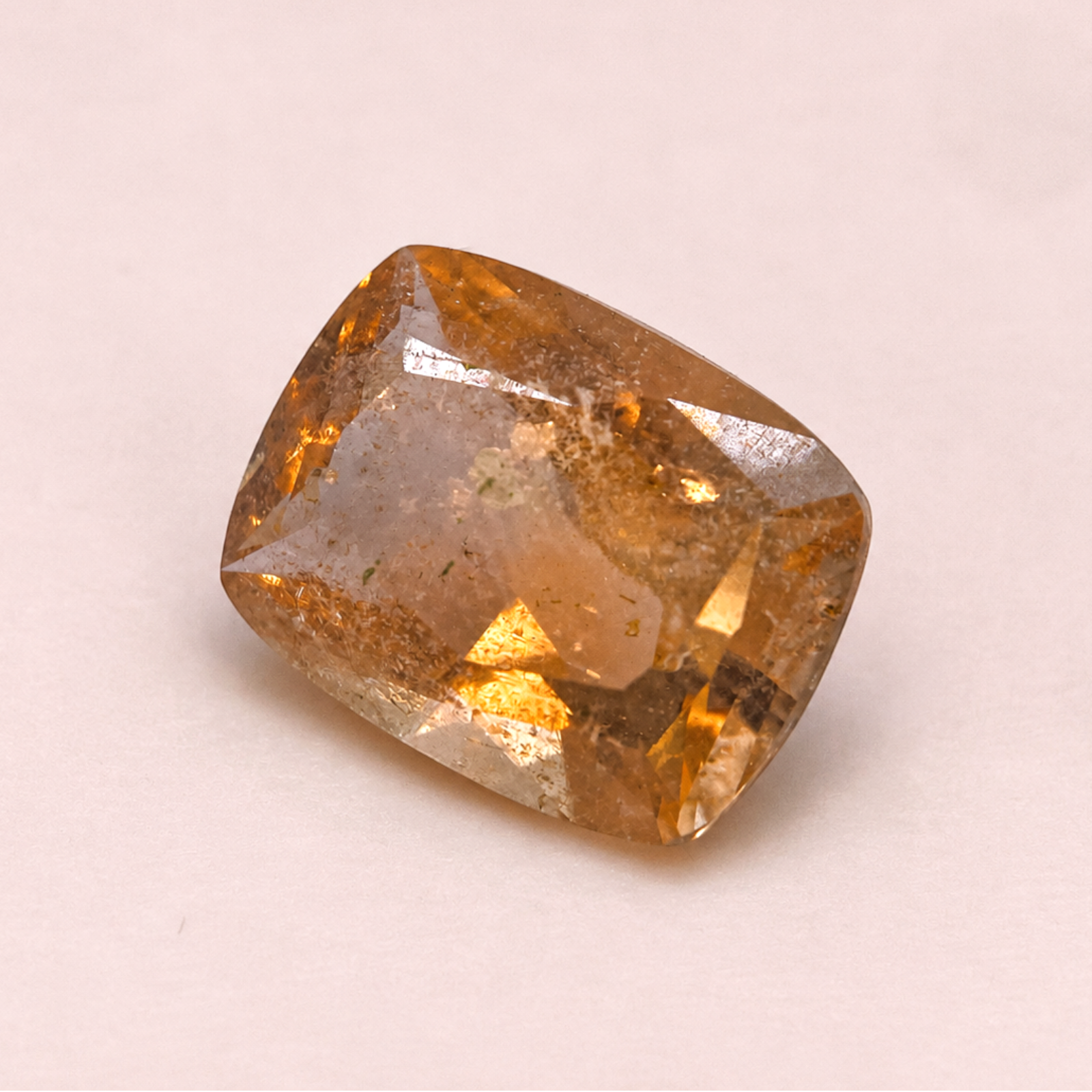
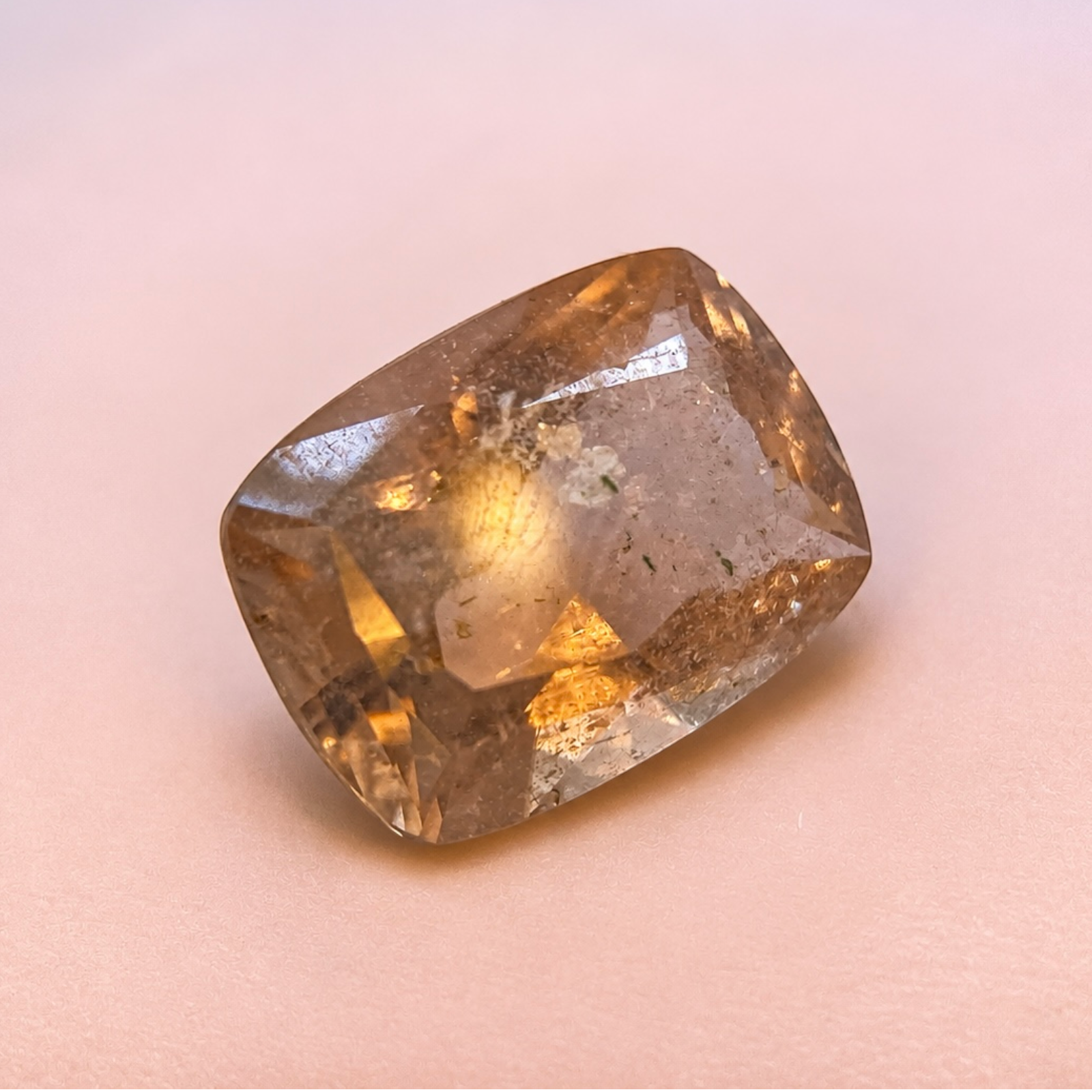
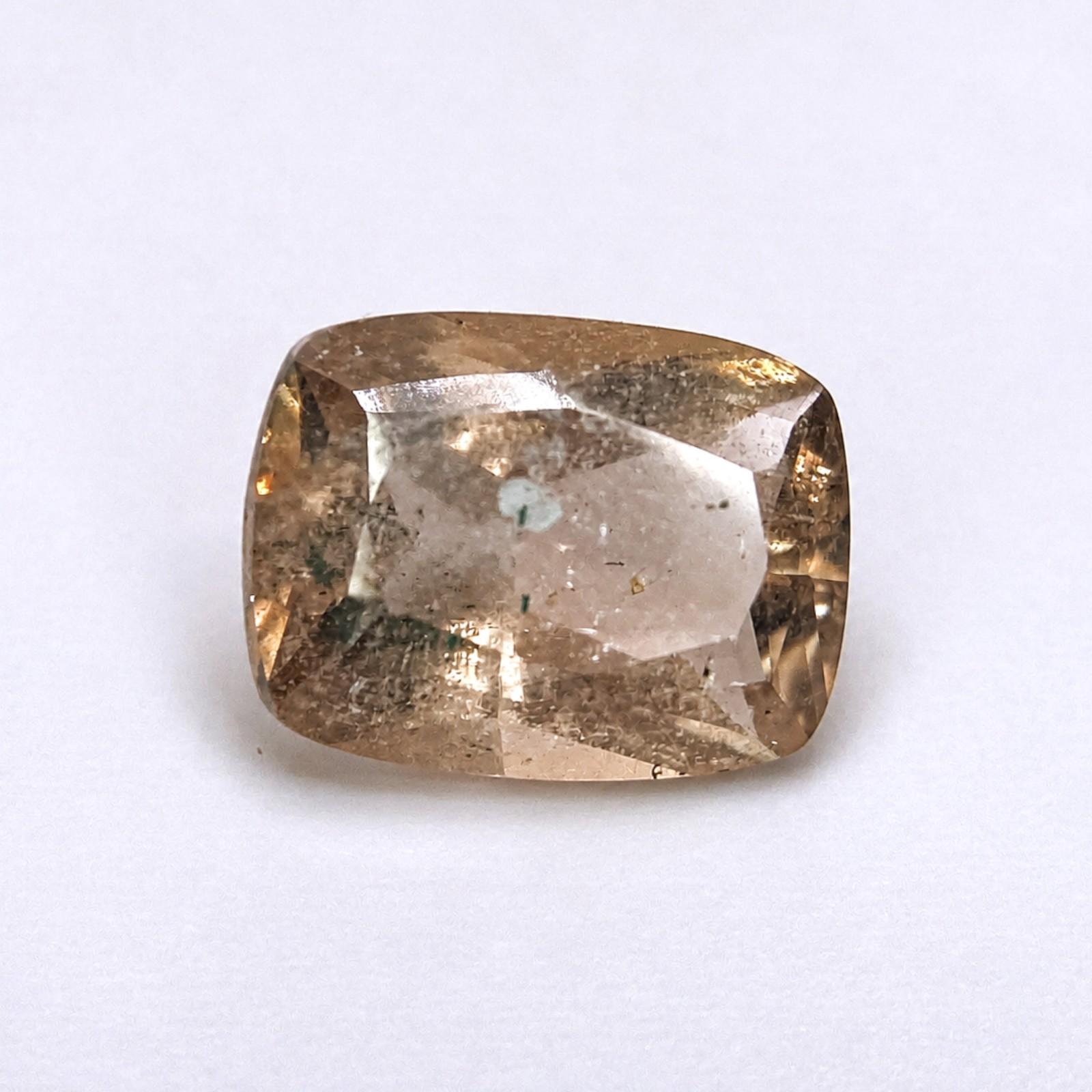
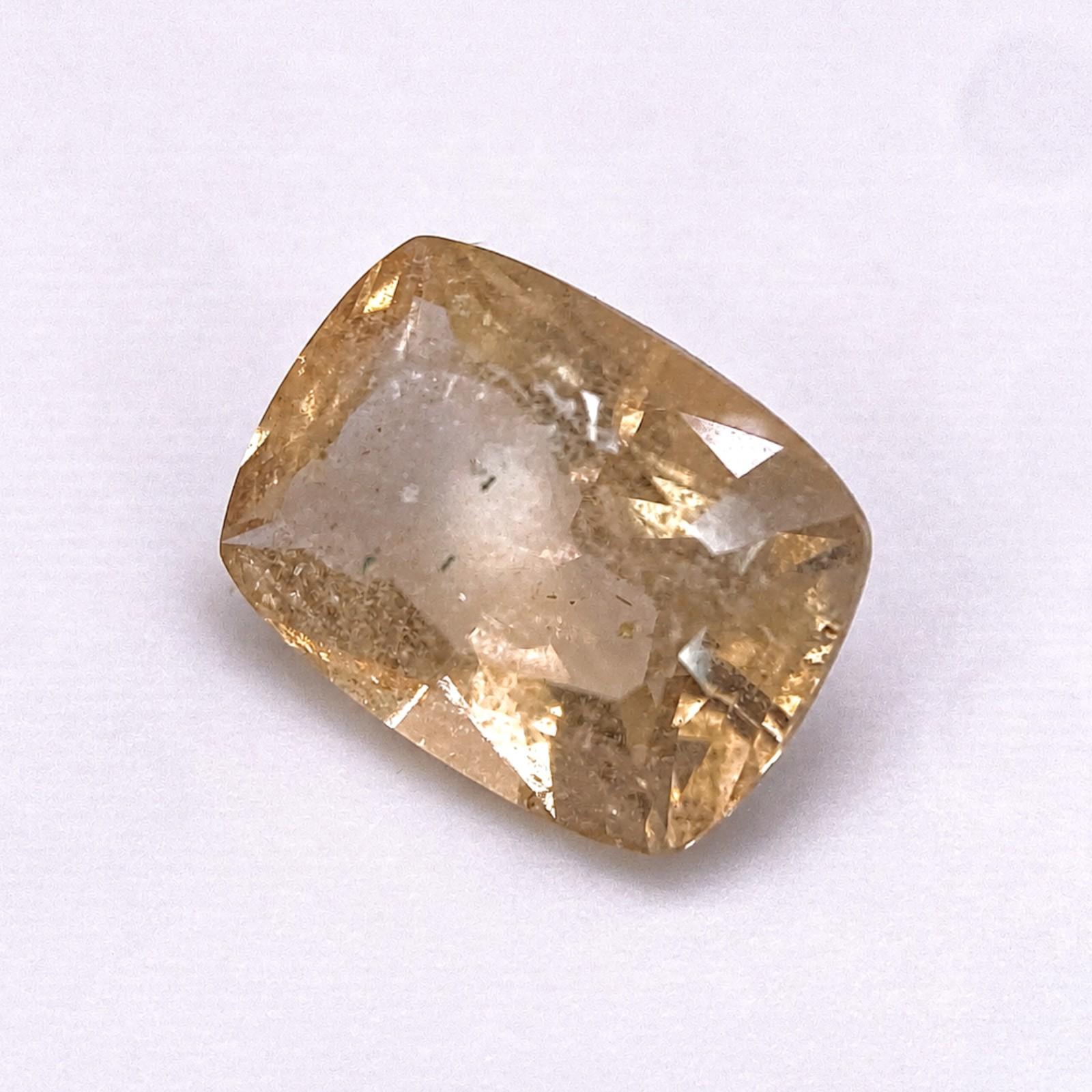
3.25 ct COLOR CHANGE PETALITE – MYANMAR
EXPERT VERIFIED
- Expert Verified Gemstone
- Fast Handling & Shipping
- Secure Vault Packaging
$ 290
Offer amount Feild


Smart Collector Choice


Pay with Crypto & Get 10% Automatic Discount

Availability: 1 in stock


- Freakingcats Gemstone Database
Petalite
Petalite is a mesmerizing material that truly captures the imagination of anyone lucky enough to handle it. When Burmese rare mineral dealers first showed me color-change Petalite, I was absolutely mesmerized. Their crystal structure is so beautiful and rare that it felt almost like a crime to cut them, but we went ahead and faceted some of the most amazing gems from that material. Often called “Castorite” in its gemmy, crystalline form, Petalite is a lithium aluminum silicate that possesses a delicate, watery clarity. It has a soft, ethereal energy, and when you find the rare color-shift varieties from Myanmar, it becomes a world-class rarity. Faceting it is a challenge because of its perfect cleavage, but the result is a stone with a vitreous-to-pearly luster that looks like a drop of solidified light.
The Heritage & Discovery
Historical Significance: Petalite holds a place of immense importance in the history of science as the mineral in which the element Lithium was first discovered. Historically, it was considered a mere curiosity of pegmatites until its chemical secrets were unlocked. In the gem world, it represents the “purest” expression of lithium minerals, often found alongside Spodumene and Lepidolite. It stands as a bridge between the birth of modern chemistry and the height of rare gemstone collecting, prized for its transparency and its historical “ancestry” as the source of the world’s lightest metal.
Discovery: The mineral was discovered in 1800 by the Brazilian naturalist and statesman José Bonifácio de Andrada e Silva at the Utö Iron Mine in Sweden. The name is derived from the Greek word petalon, meaning “leaf,” a reference to its perfect, leaf-like basal cleavage. In 1817, Johan August Arfwedson analyzed Petalite and discovered Lithium, forever cementing this mineral’s status in the periodic table of elements.
Important Mines: While the original discovery was in Sweden, the finest gem-quality material today comes from the Mogok and Momeik regions of Myanmar (Burma). These localities are famous for producing the rare color-change crystals that so mesmerized me. Other significant deposits are found in Minas Gerais, Brazil, and Namibia. I prioritize the Burmese material for the vault, as the crystal habit and the rare optical effects found there are simply unparalleled for high-end faceting.
Mineralogical Profile
Description: Petalite is a lithium aluminum silicate that crystallizes in the monoclinic system. It sits at a 6 to 6.5 on the Mohs scale, making it durable enough for careful jewelry use, though its perfect cleavage requires a master’s touch during setting. It is characterized by its vitreous luster, which can turn pearly on cleavage surfaces.
One of its most identifying features is its low refractive index (n \approx 1.50 to 1.52), which gives it a soft, “liquid” brilliance rather than a sharp fire. It is typically colorless or white, but the rare Burmese specimens can show shifts toward pink or yellow. Because it is a lithium ore, it is relatively light in weight. When faceted, it provides an incredible, glass-like transparency that is so clear it can almost disappear when submerged in certain liquids—a true “ghost” of the gemstone world.
Chemical Formula: LiAlSi4O10


