
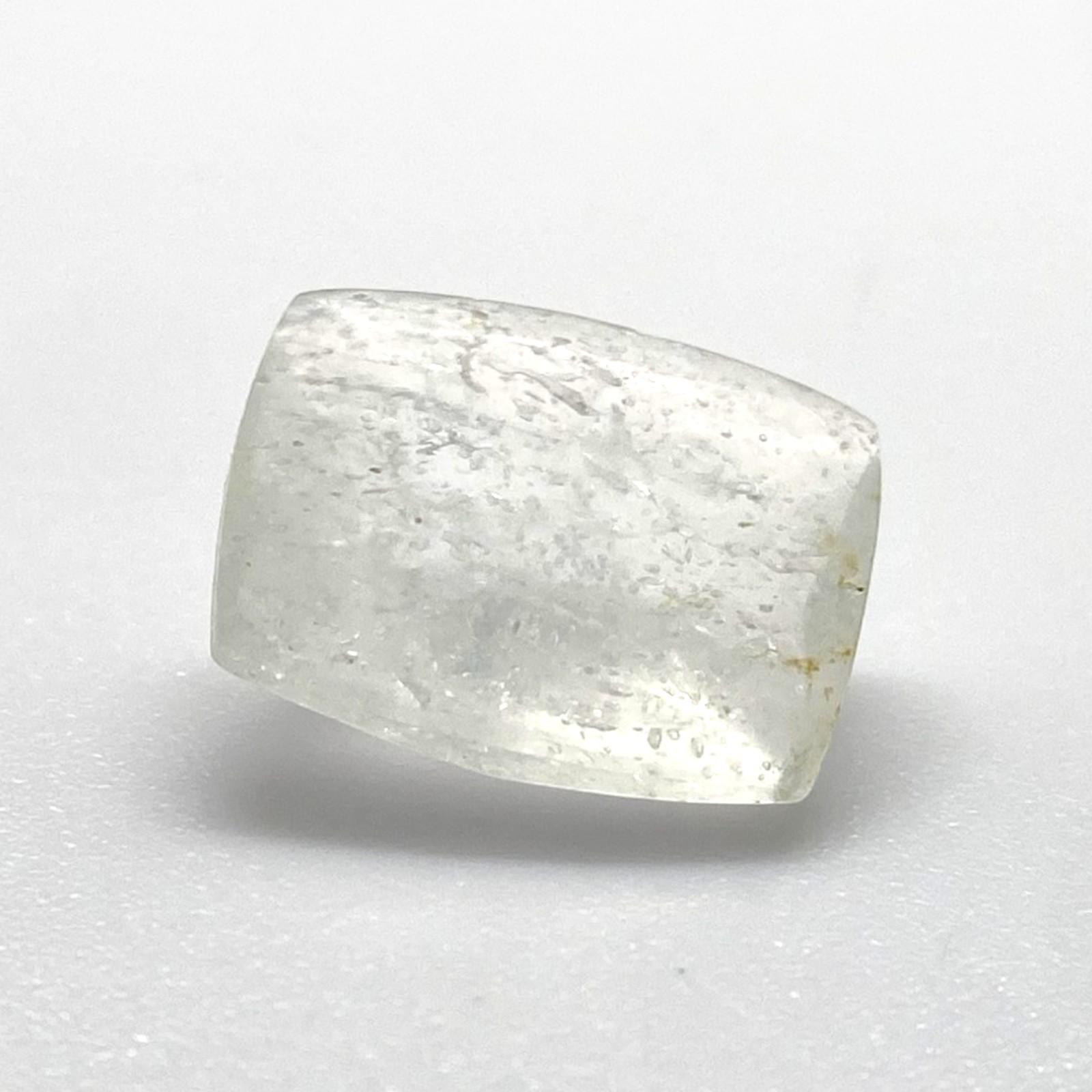
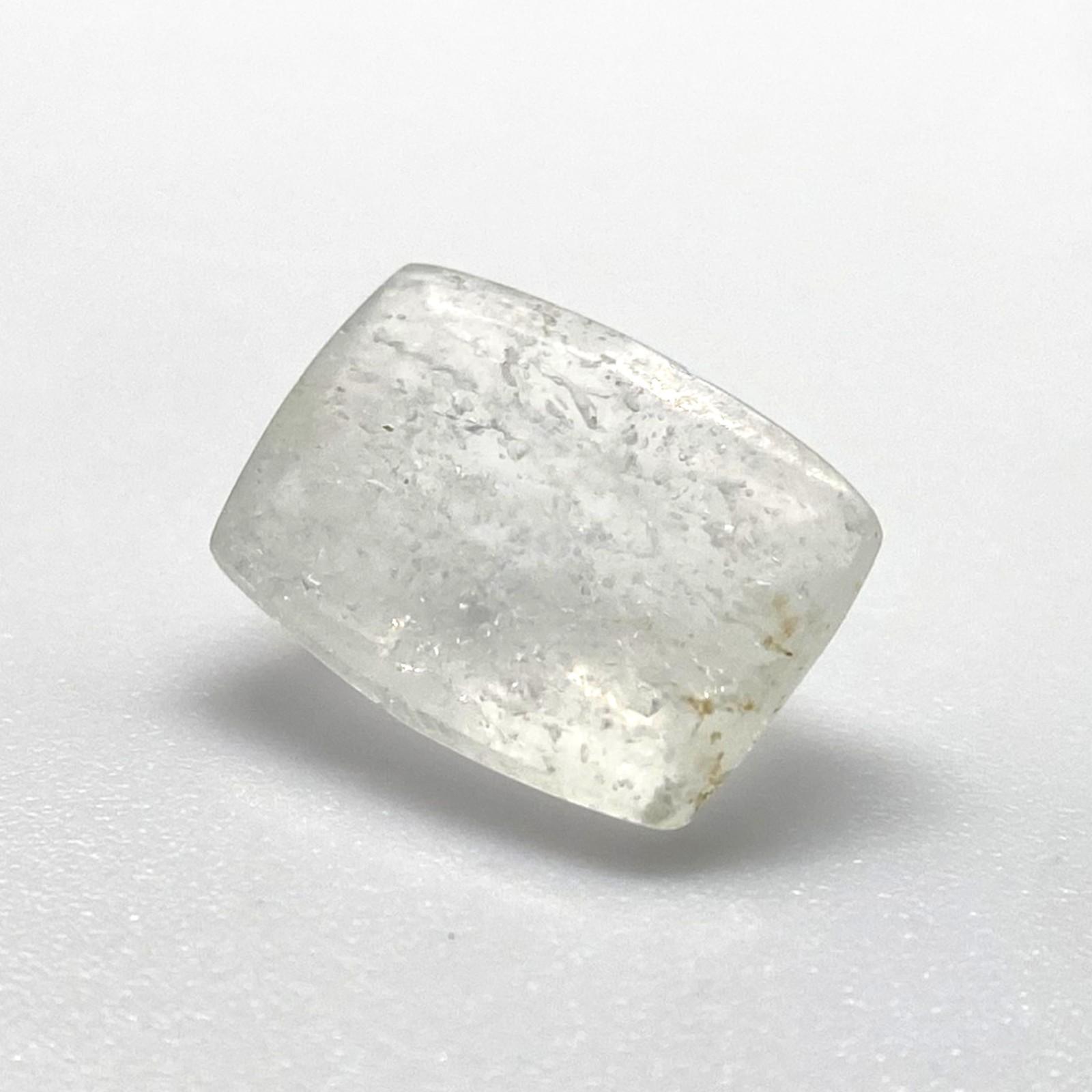
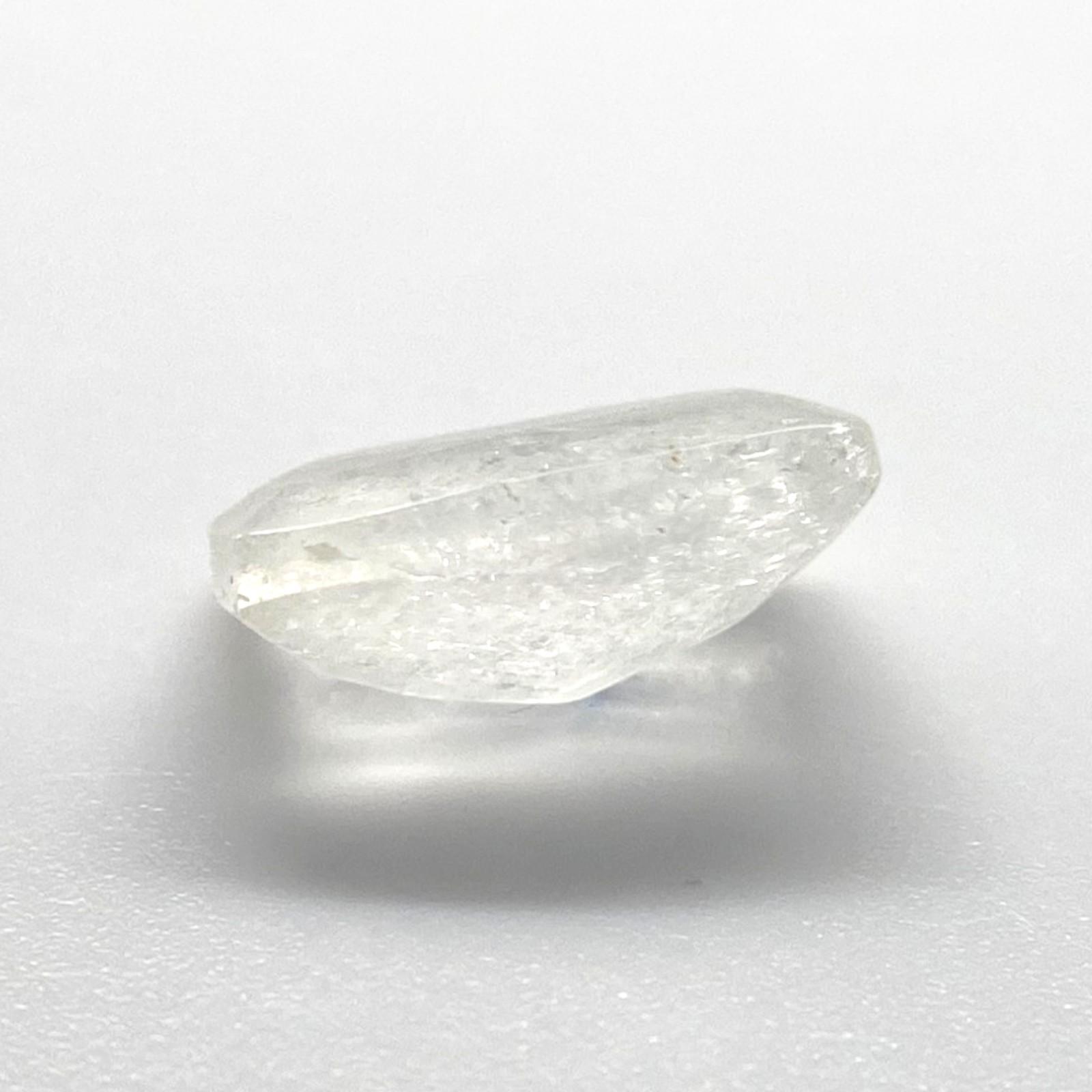
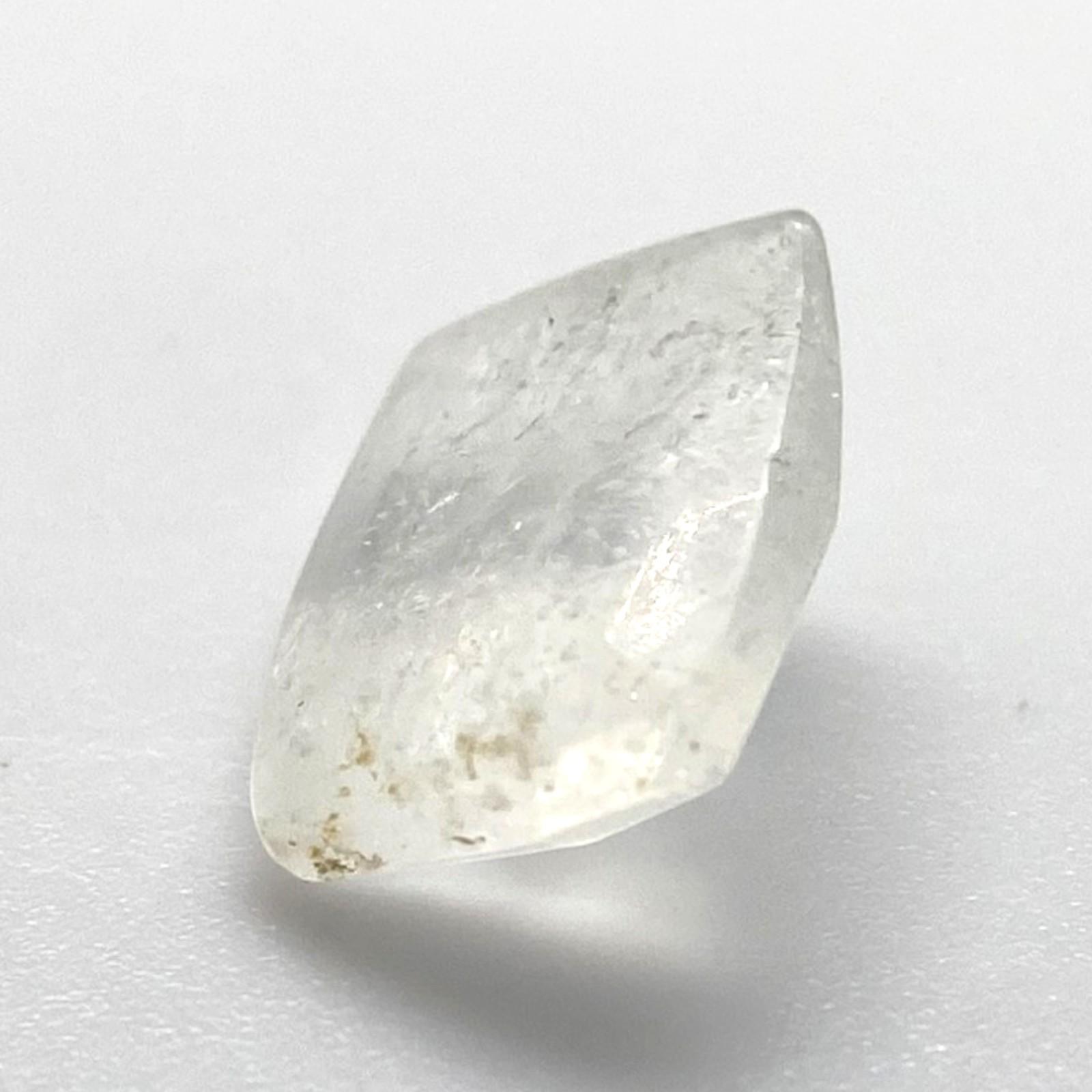
3.54 ct ALUM – USA
EXPERT VERIFIED
- Expert Verified Gemstone
- Fast Handling & Shipping
- Secure Vault Packaging
$ 200
Offer amount Feild


Smart Collector Choice


Pay with Crypto & Get 10% Automatic Discount

Availability: 1 in stock
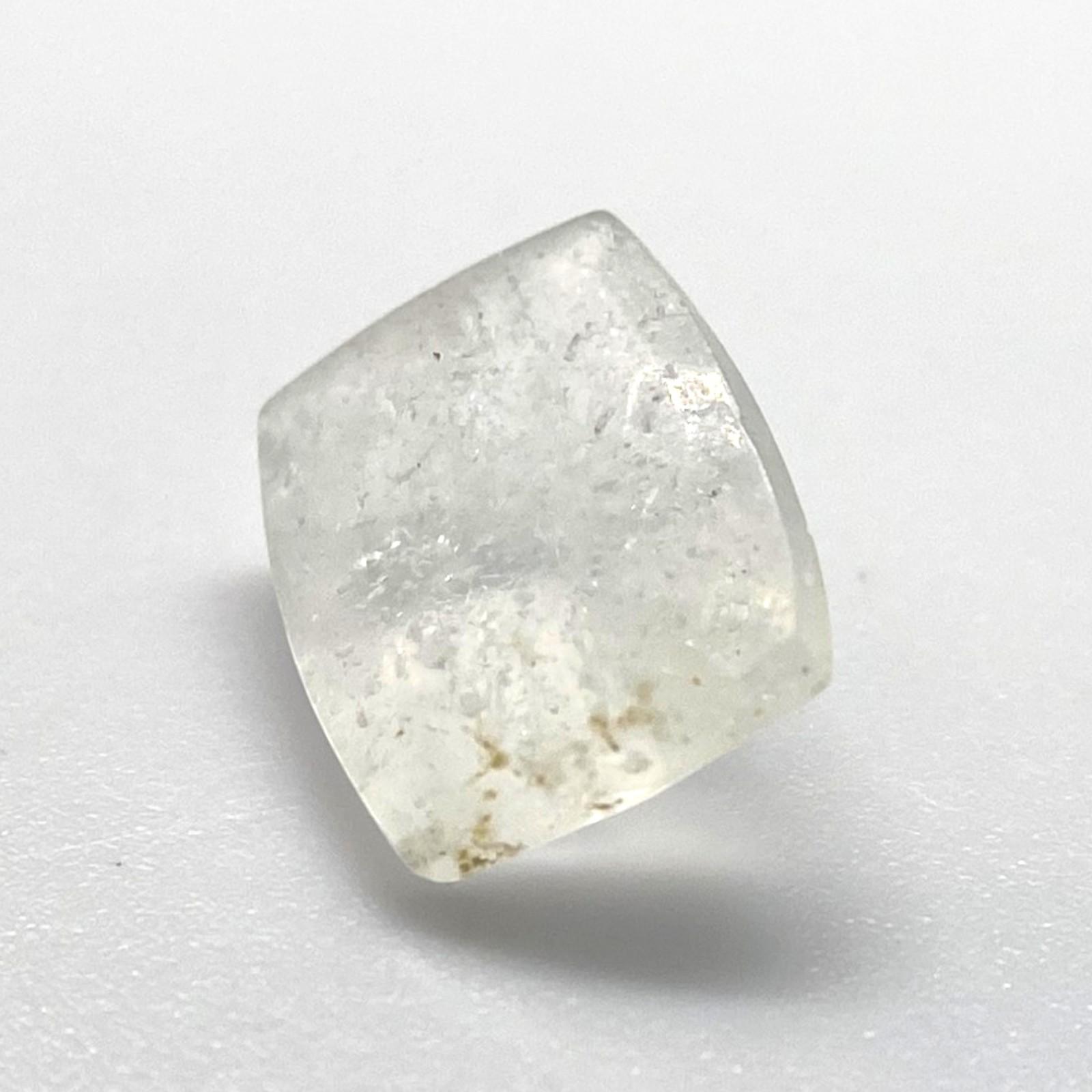
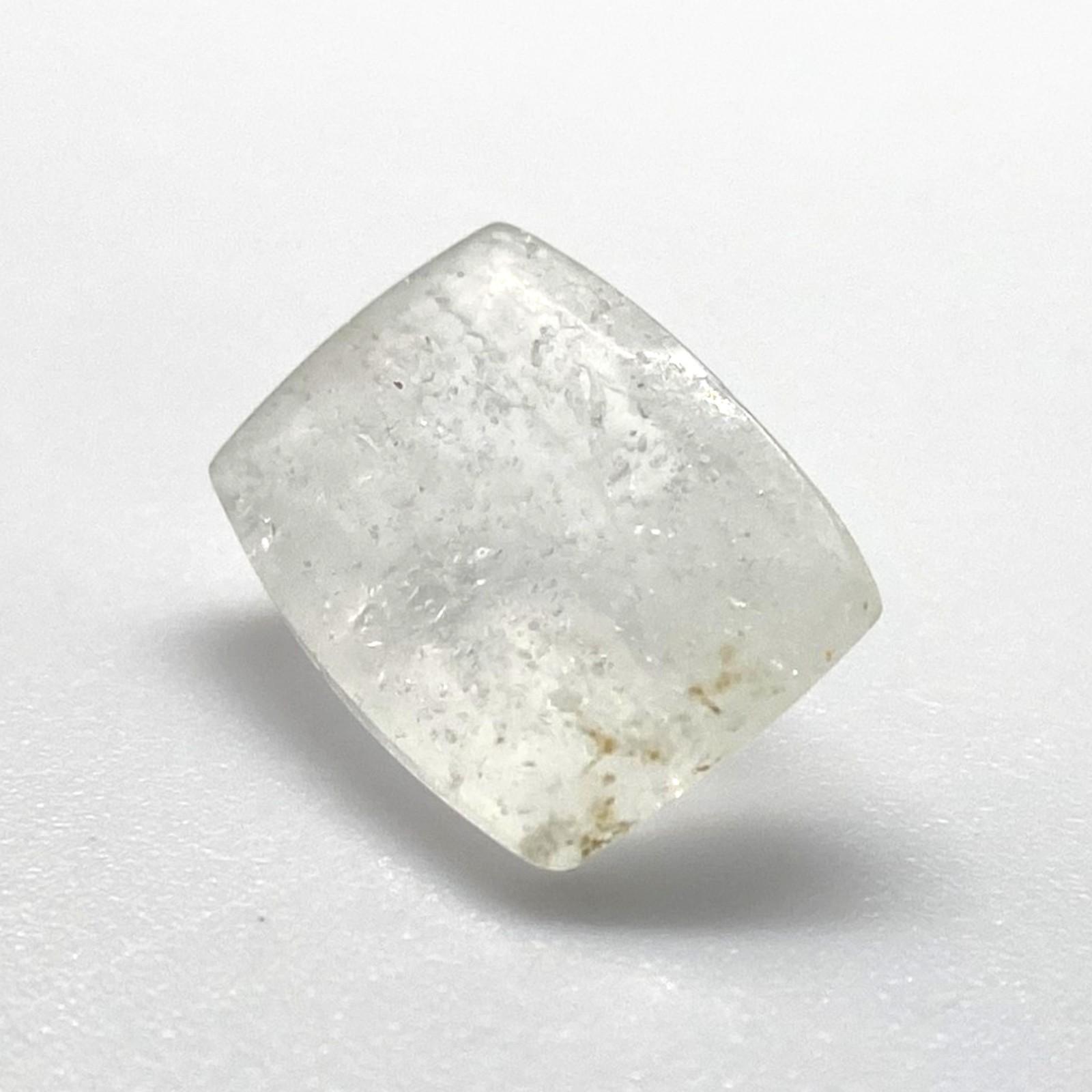
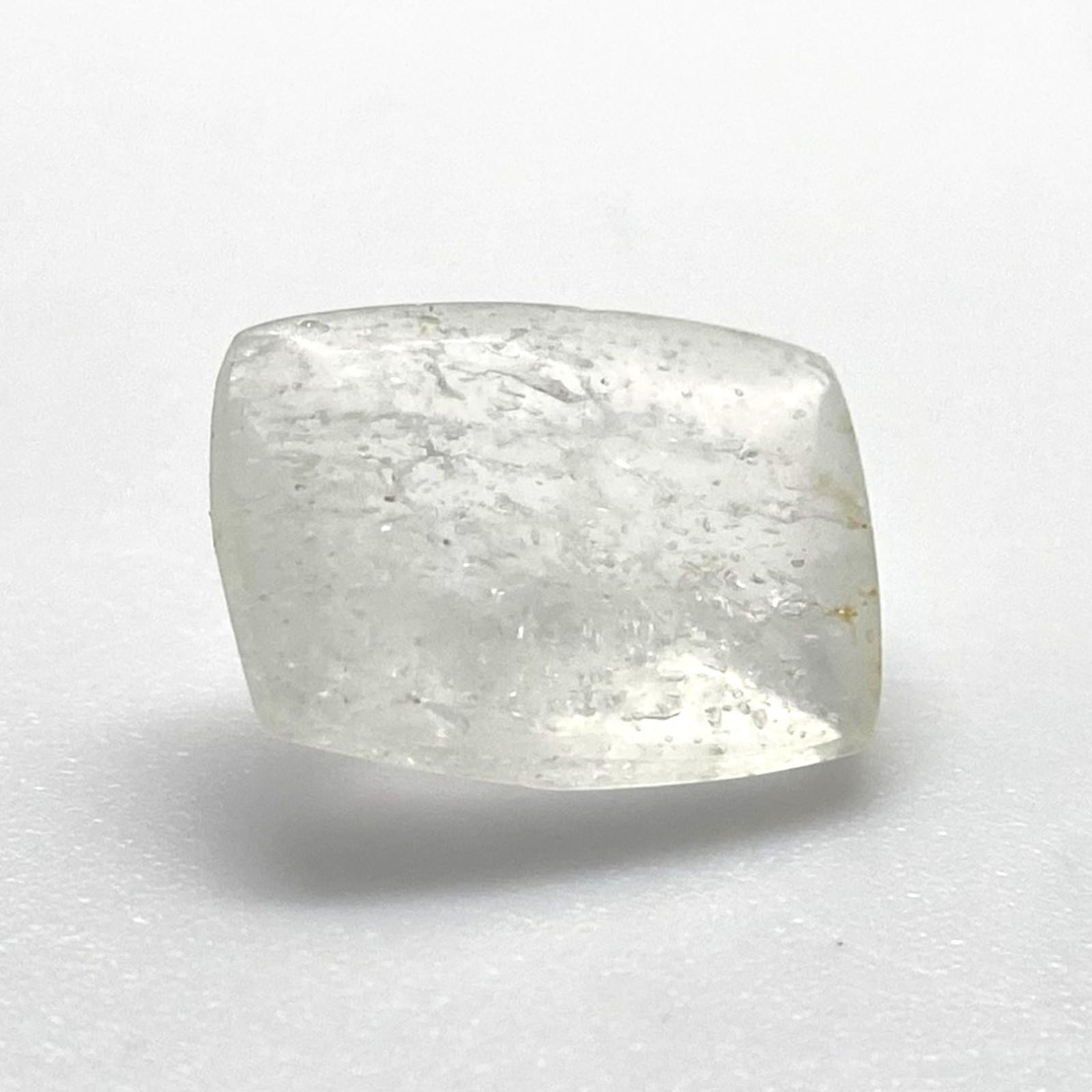
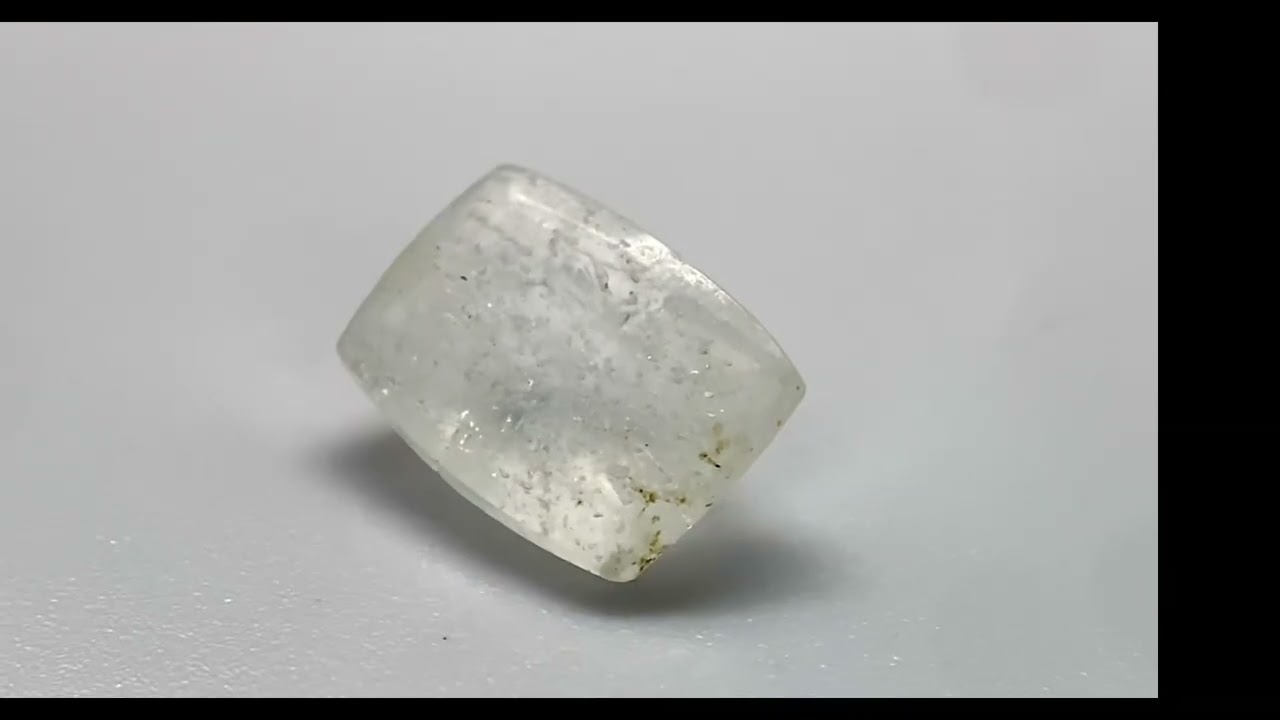


- Freakingcats Gemstone Database
Alum
Alum is a gemstone that represents the fragile, “crystalline” soul of the sulfate world. In its native form, particularly as Potash Alum (Kalunite), it is a mineral I have always respected for its absolute, “water-clear” purity and its remarkable ability to grow into perfect, sharp octahedrons. It typically presents as colorless to snow-white crystals with a vitreous to earthy luster. While the world knows Alum for its industrial uses—from water purification to culinary applications—the natural, “native” Alum found in volcanic fumaroles or the oxidation zones of coal beds is a prize for the specialist. It is a stone of the surface, representing the rapid crystallization of sulfate-rich fluids. For me, Alum is a study in geometric perfection, offering a “ghostly” transparency that feels as light as air but as precise as a diamond.
The Heritage & Discovery
Historical Significance: Alum has a history that is deeply intertwined with the development of human industry. Historically, it was a “strategic mineral,” vital for the textile industry as a mordant to fix dyes and in the tanning of leather. In the world of fine minerals, native Alum is celebrated for its isometric symmetry. It stands as a symbol of purification and structural clarity, bridging the gap between ancient alchemy and modern chemistry. It serves as a reminder that some of the most “useful” substances in our daily lives began as exquisite, naturally occurring geometric wonders in the earth’s most extreme environments.
Discovery: The name “Alum” is derived from the Latin alumen, which was used by Pliny the Elder in the 1st century AD to describe several different sulfate minerals. Scientifically, native Alum (Potash Alum) was formally distinguished as a species as our understanding of aluminum and potassium chemistry evolved. Its discovery in the volcanic vents of Vulcano, Italy, and the Lipari Islands provided mineralogists with the first clear look at how sulfate gases can precipitate directly into high-symmetry crystals. Since its formal categorization, it has remained a staple for those collecting the “evaporite” and volcanic minerals of the world.
Important Mines: The legendary and type-locality for world-class native Alum is Vulcano in the Aeolian Islands, Italy. I also have a high regard for the spectacular crystals found in the Alum Cave of the Great Smoky Mountains, USA, and the historic deposits in Tolfa, Italy. For the vault, I prioritize the “volcanic” specimens for their exceptional crystal definition and the Alum Cave material for its unmatched historical pedigree in North American mineralogy.
Mineralogical Profile
Description: Alum (Potash Alum) is a hydrated potassium aluminum sulfate that crystallizes in the isometric (cubic) system. It sits at a 2 to 2.5 on the Mohs scale, making it a very soft and delicate mineral that must be protected from humidity, as it is highly soluble in water. It is characterized by its vitreous luster and its absolute lack of color in its purest state.
One of its most identifying traits is its octahedral habit and its astringent, “puckering” taste—though I never recommend tasting vault specimens, it remains a classic diagnostic feature. It has a low refractive index (approx 1.45), which contributes to its “icy,” low-relief appearance. Because it is highly soluble, it often forms as “efflorescences” or crusts in protected caves. When I select a piece for the collection, I look for “sharp” octahedral edges and keep it in a temperature-controlled environment to prevent dehydration. It is a light, sophisticated mineral that offers a window into the delicate chemistry of sulfate precipitation.
Chemical Formula: KAl(SO4)2·12H2O


