
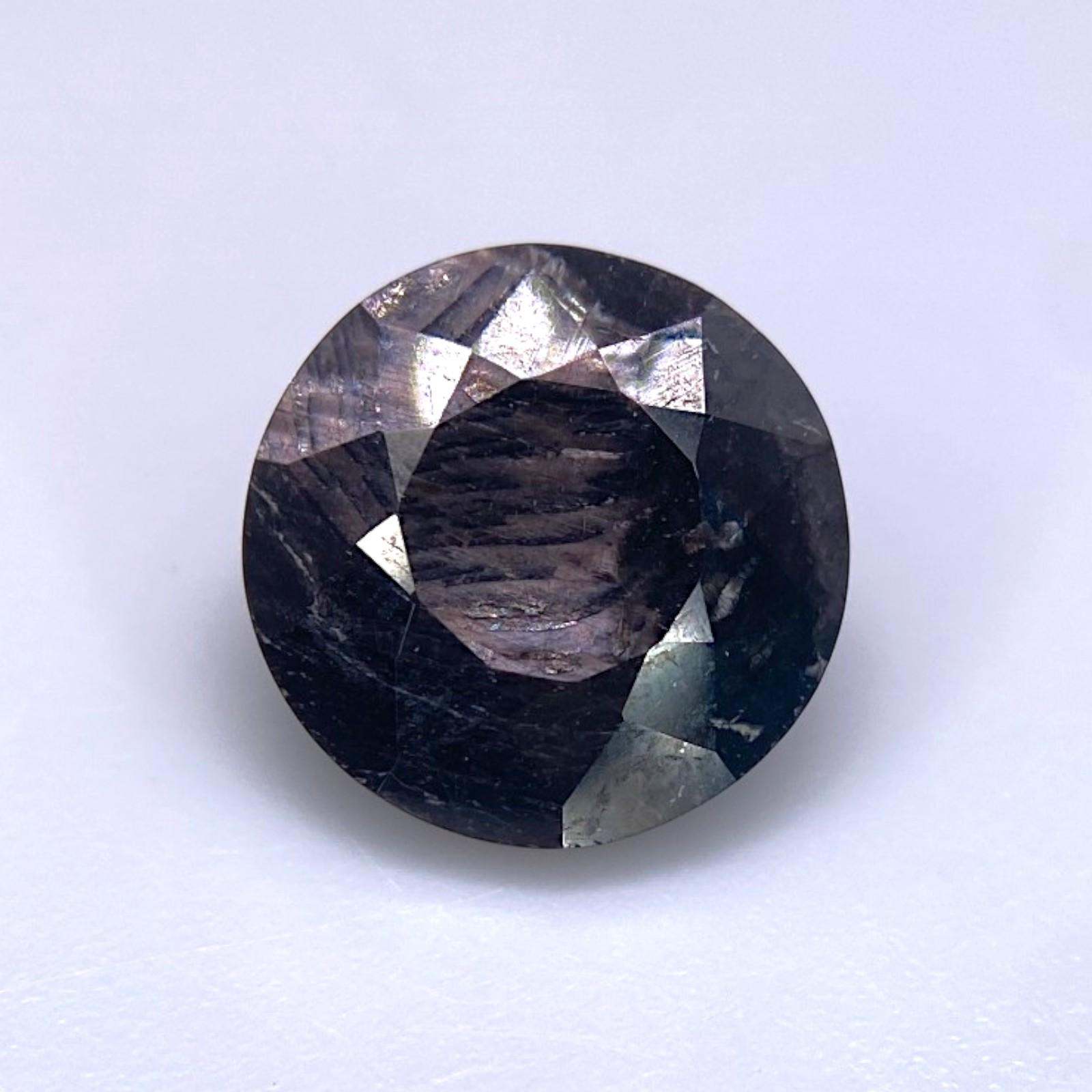
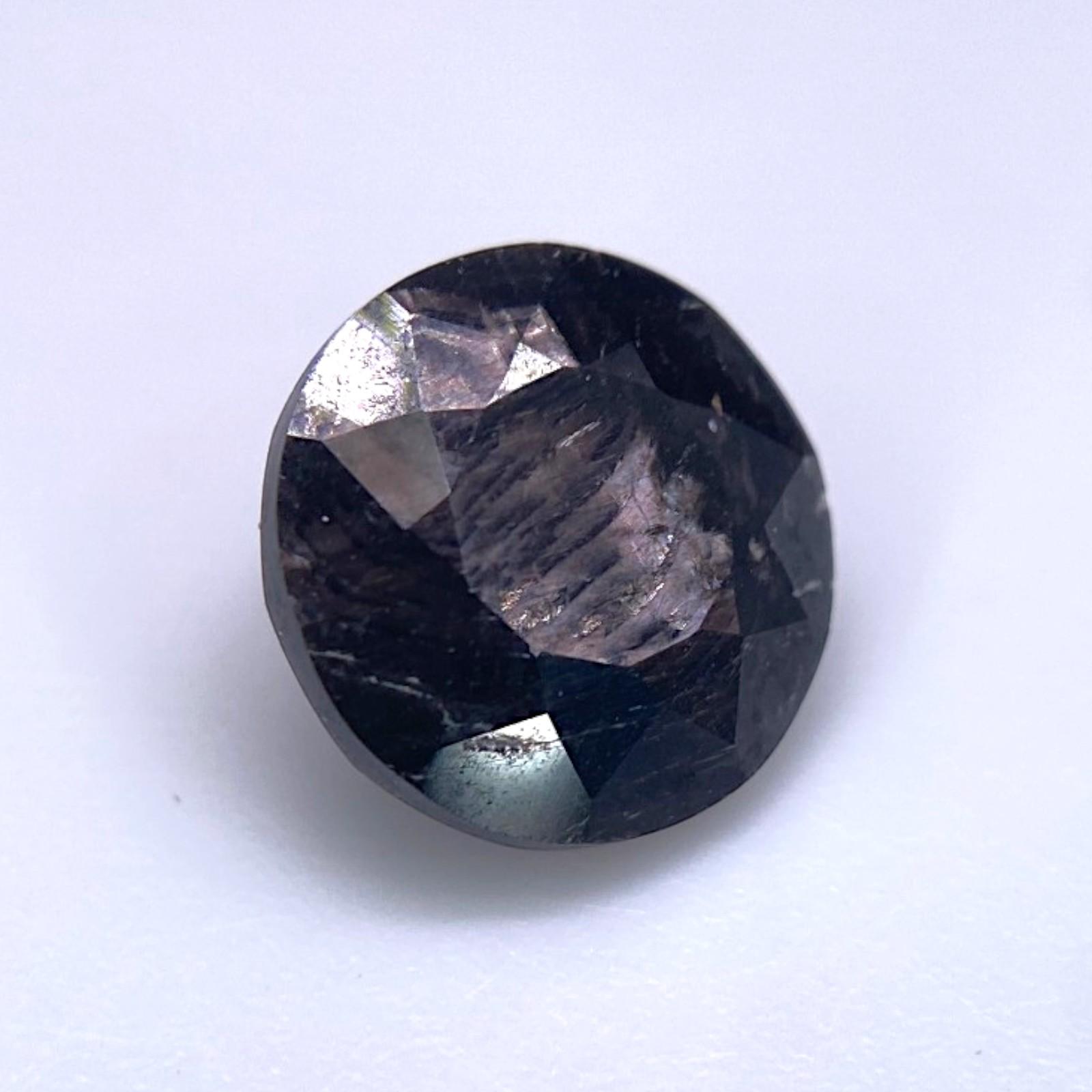
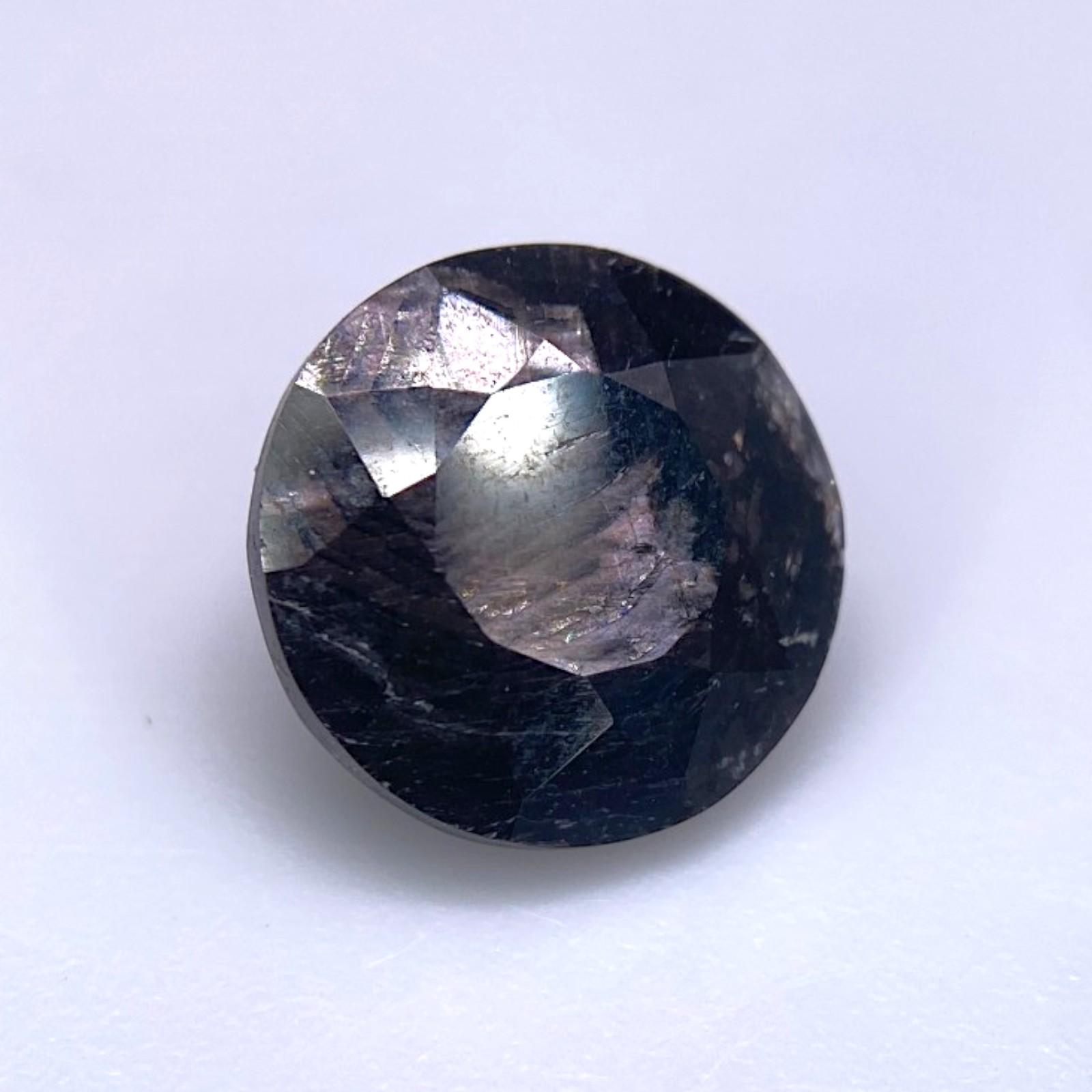
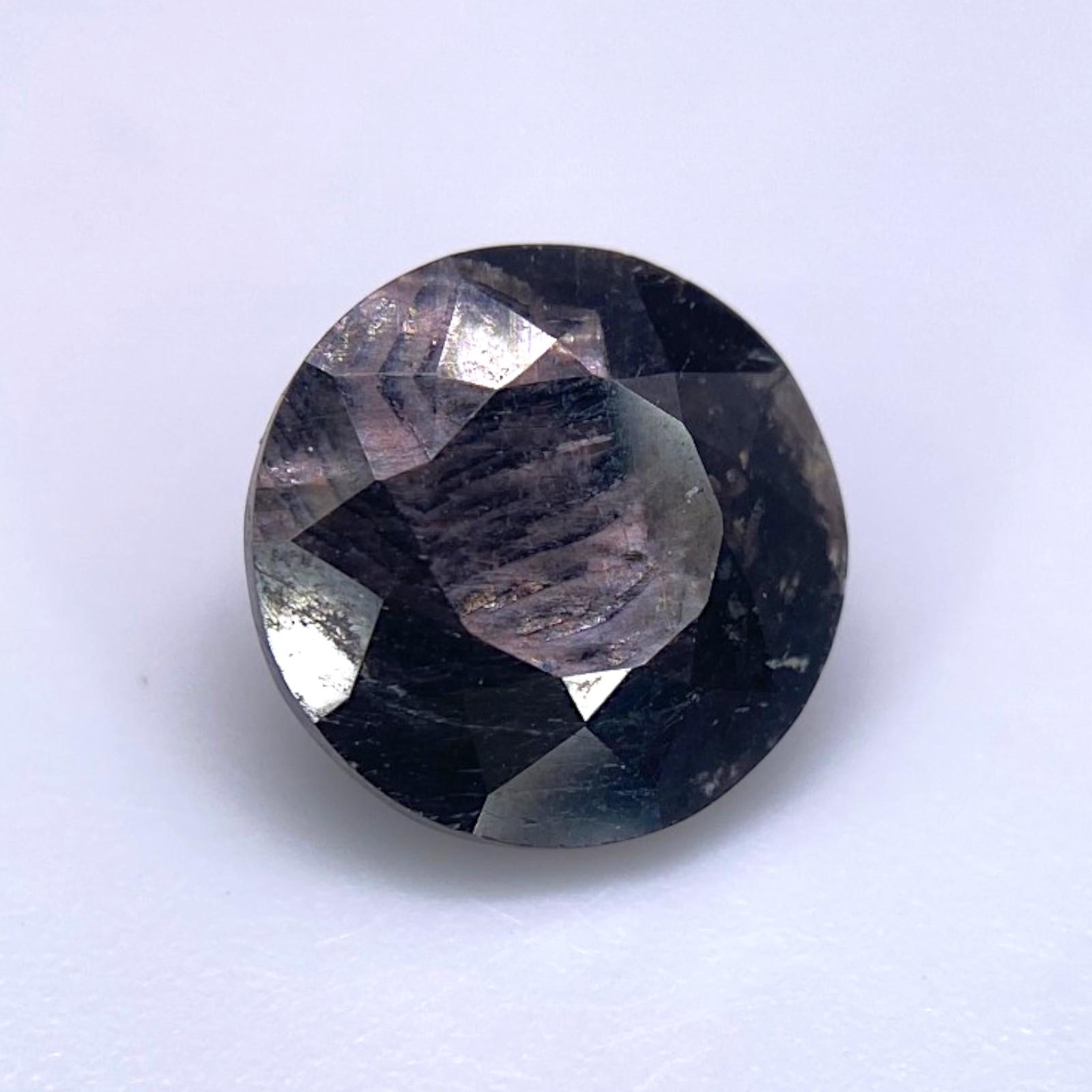
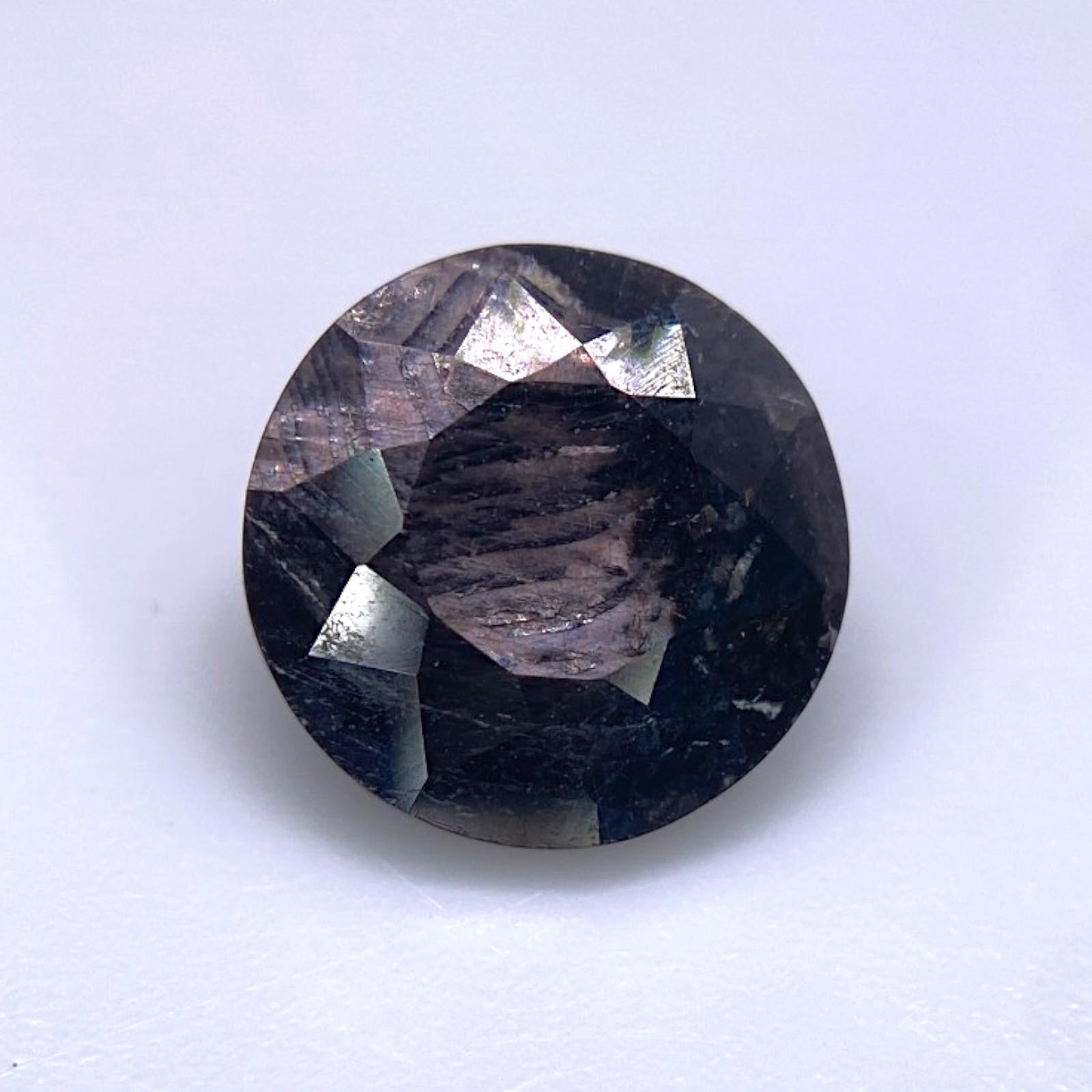
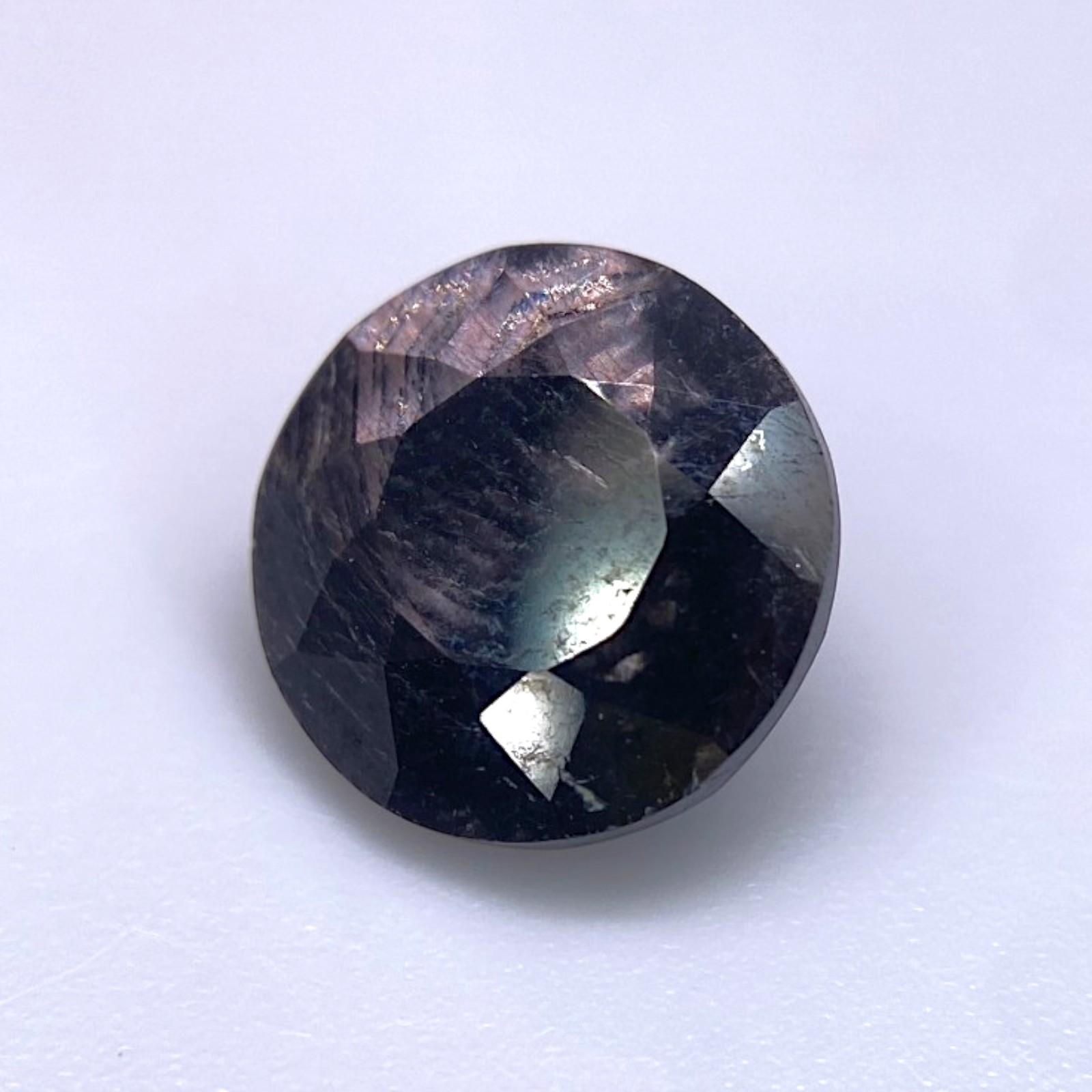
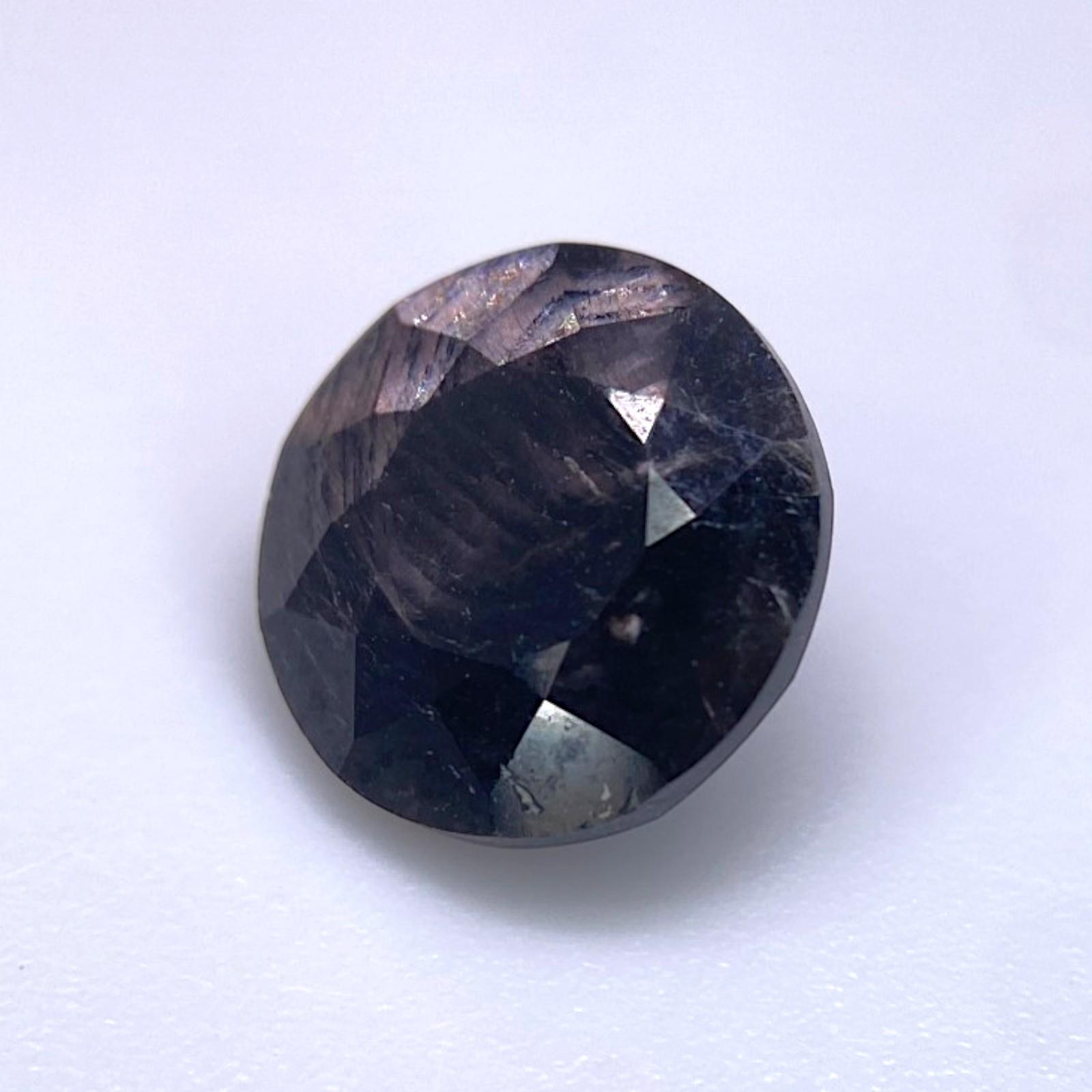
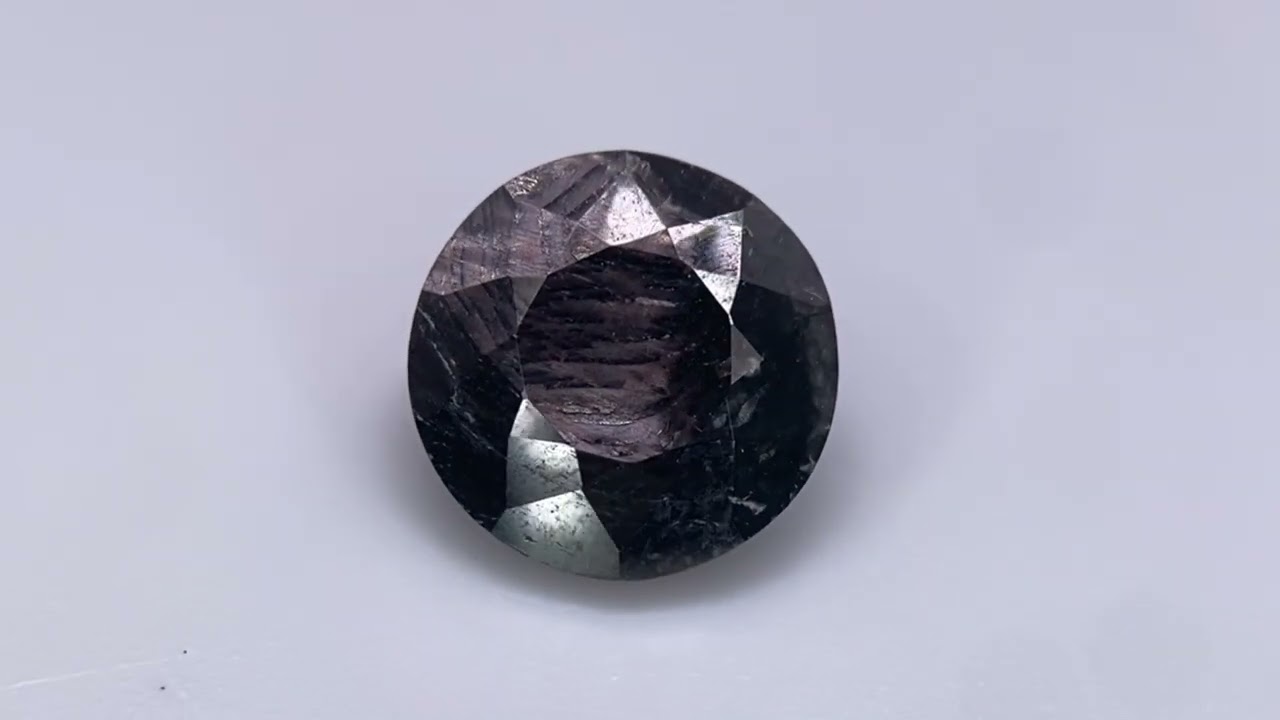
3.55 ct HYPERSTHENE – CANADA
EXPERT VERIFIED
- Expert Verified Gemstone
- Fast Handling & Shipping
- Secure Vault Packaging
$ 120
Offer amount Feild


Smart Collector Choice


Pay with Crypto & Get 10% Automatic Discount

Availability: 1 in stock


- Freakingcats Gemstone Database
Hypersthene (Canada)
Hypersthene from the ancient anorthosite massifs of Canada represents the “iron-magnesium-silicate-shimmer” peak of the pyroxene world. An iron magnesium silicate, it is a mineral series I have always respected for its “velvety-charcoal” to “deep-bronze” saturation and its status as a masterpiece of “orthorhombic” structural discipline. Formally discredited as a distinct mineral species by the IMA and reclassified as an iron-rich variety of Enstatite, it remains an essential elite term among specialists for material that displays an intense, natural schiller effect. For the specialist, a top-tier Canadian Hypersthene is a prize of deep-crustal plutonic isolation; it offers a sub-metallic to pearly luster and a “solid” presence that makes it a true “high-vibration” asset for the systematic vault. As an artist, I find the contrast between the dark, shadow-like body color and the “molten-bronze” to “silver-lilac” optical reflections dancing across its cleavage planes to be one of nature’s most sophisticated and “grounded” palettes.
The Heritage & Discovery
Historical Significance Hypersthene is a vital mineral for understanding the cooling history of massive, deep-seated plutonic rock formations known as anorthosites. Historically, it was named in 1804 by René Just Haüy from the Greek hyper (above) and sthenos (strength), a tribute to its superior hardness compared to the amphibole mineral hornblende, with which it was frequently confused. In the world of fine minerals, it is celebrated for its natural, “sub-metallic” resilience, which stands as a symbol of structural focus and inner endurance. It serves as a reminder that when iron and magnesium silicates are allowed to cool at extreme depths over millions of years, they can organize into dense networks capable of staging extraordinary optical phenomena.
Discovery While the iron-enstatite series is found in mafic rocks and meteorites globally, the macrocrystalline, schiller-rich discoveries in Canada redefined the mineralogical benchmark for the pyroxene group’s aesthetic potential. Scientifically, it forms an intermediate member of the enstatite-ferrosilite series. Its discovery along the rugged coastlines of the Canadian Shield provided mineralogists with the first large, blocky masses that show a strong, coppery-red to golden play of light across the structural orientation of the mineral. My own respect for this material grew from observing its “schiller” depth; specifically, the way microcrystalline inclusions of iron oxides (like ilmenite or magnetite) or oriented exsolution lamellae trap light—projecting a “sharp” metallic glow across the surface—is a visual impact that is unmistakable to the trained eye.
Important Locations The undisputed world capital for the finest “aesthetic” macrocrystalline Hypersthene is the Paul’s Island deposit near Nain, located within the Labrador region of Newfoundland and Labrador, Canada. These Canadian Shield specimens set the absolute global benchmark for size, metallic depth, and “sharp” cleavage reflectivity, frequently found intimately associated with iridescent Labradorite feldspar. I also have a high regard for the classic occurrences in the Saguenay-Lac-Saint-Jean region of Quebec. For the vault, I prioritize the Labrador material for its unmatched “bronze-fire” intensity and its status as a rare-phenomenon masterpiece of the historic Canadian pluton.
Mineralogical Profile
Description Hypersthene is an iron magnesium silicate belonging to the orthopyroxene group that crystallizes in the orthorhombic system. It sits at a 5 to 6 on the Mohs scale, making it a moderately durable mineral, though its perfect prismatic cleavage at nearly 90-degree angles means it must be handled and fashioned with expert lapidary care to avoid shattering along internal tension lines. It is characterized by its sub-metallic, vitreous, or distinctly pearly luster on cleavage surfaces and its unmistakable, “jet-black, dark-brown, to greenish-grey” color palette.
The defining trait of a premium Hypersthene is its intense, directional schiller, caused by light reflecting off microscopic, parallel-oriented plates of titaniferous iron oxides or alternating pyroxene lamellae trapped inside the orthorhombic lattice. It possesses a refractive index running from approximately 1.67 to 1.77, providing a deep, heavy internal reflection, and a high specific gravity (SG approx 3.4 to 3.5) that reflects its iron-rich silicate framework. Because it forms in deep, high-temperature plutonic conditions, it is often found in close association with Labradorite, Ilmenite, Magnetite, and Olivine. When I select a piece for the collection, I look for a perfectly uniform, “sheet-like” metallic sheen that flashes completely across the surface under a single light source, highlighting the sophisticated, three-dimensional alignment of the mineral’s inner structure. It is a dense, high-vibration mineral that offers a unique, “aqueous-metallic” beauty unlike any other pyroxene variety.
Chemical Formula (Mg,Fe)2Si2O6 (Typically containing 15% to 50% iron FeO)


