
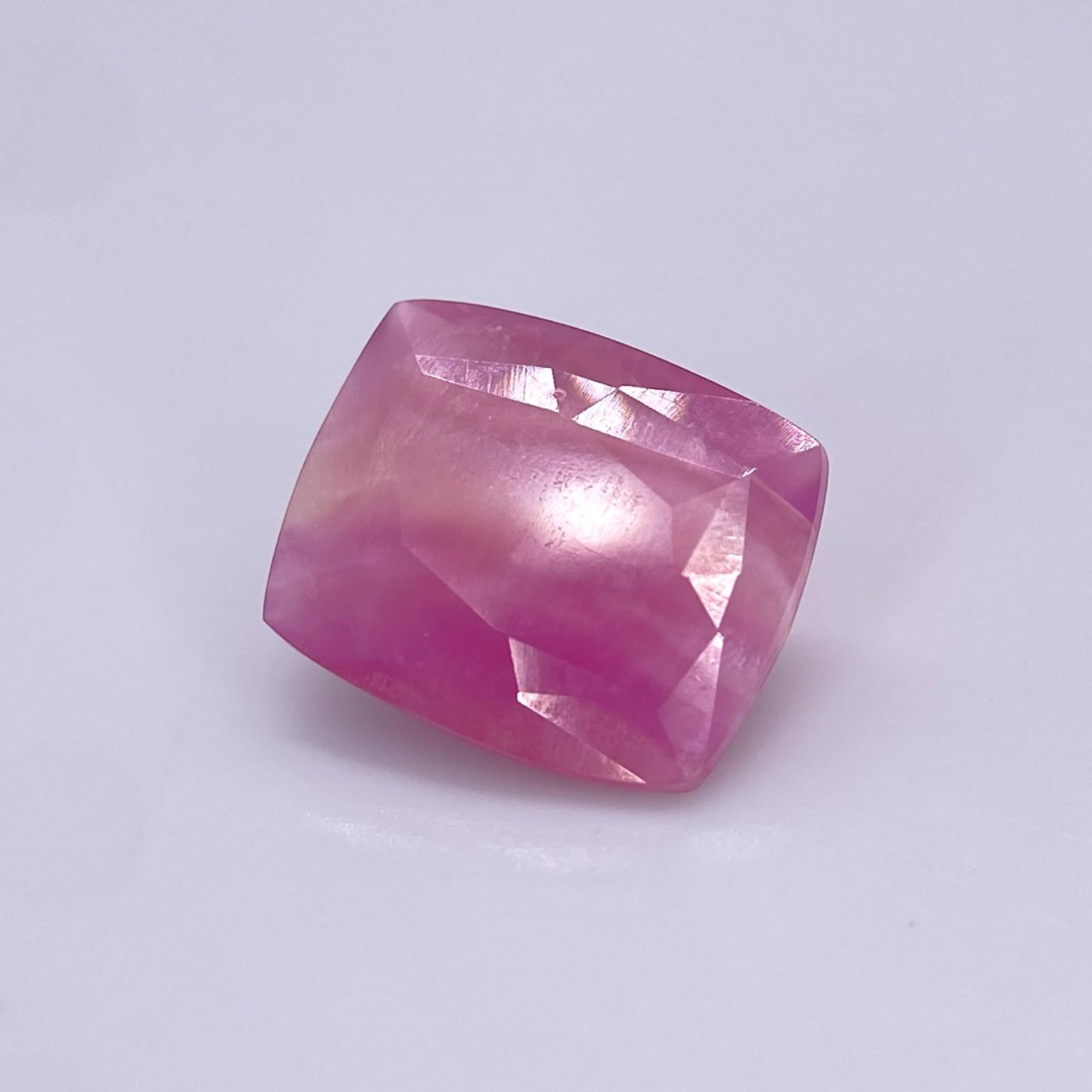
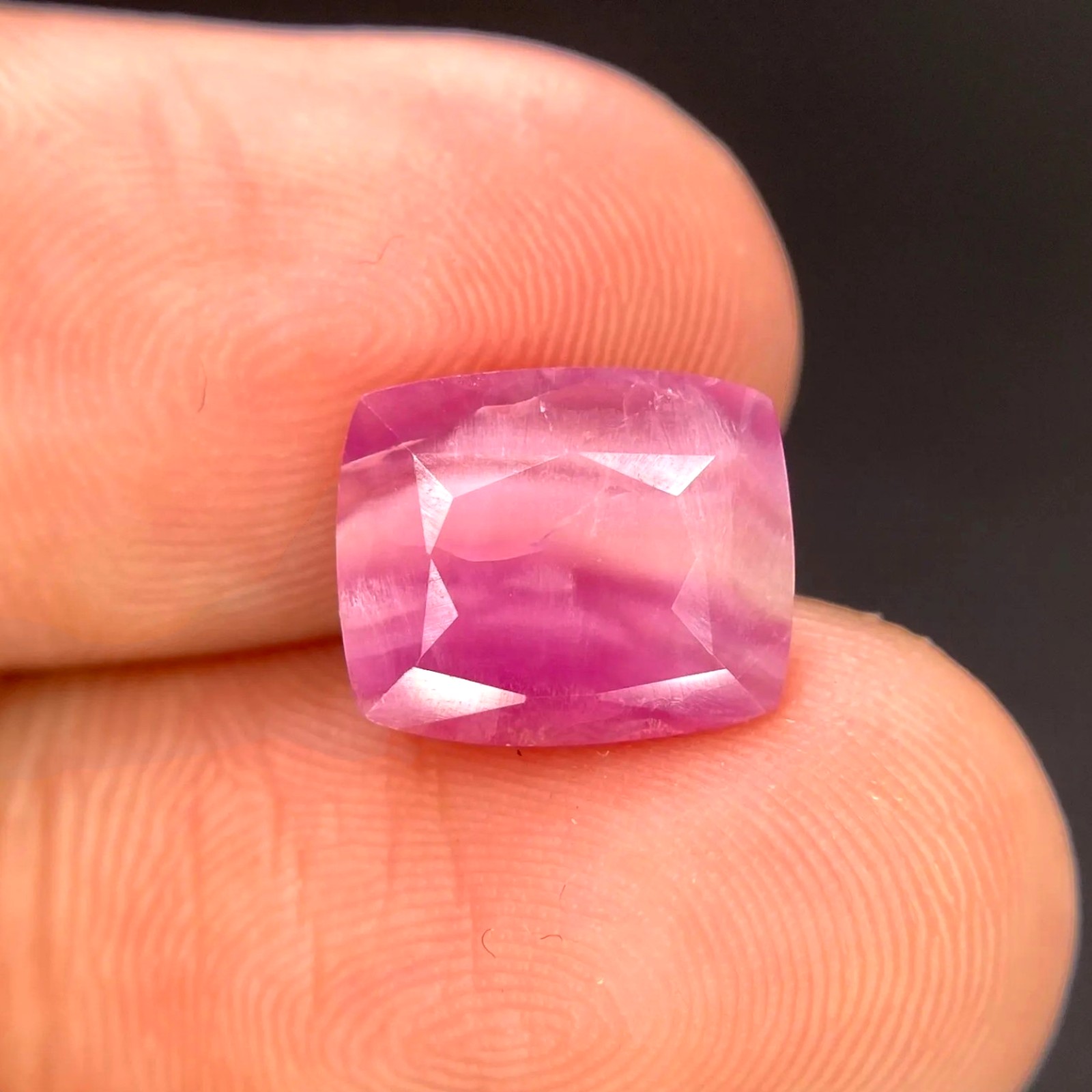
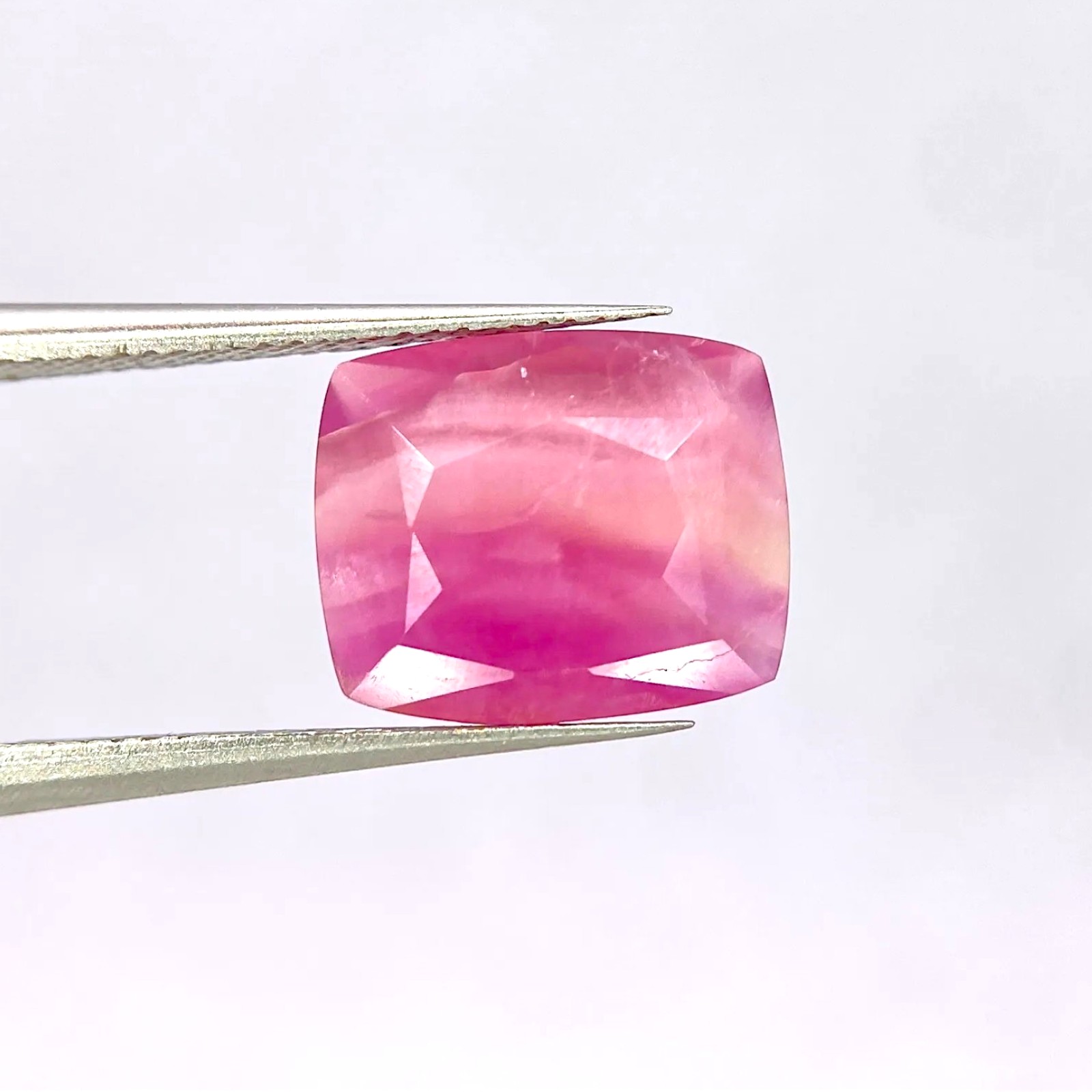
3.75 ct FLUORITE – MEXICO
EXPERT VERIFIED
- Expert Verified Gemstone
- Fast Handling & Shipping
- Secure Vault Packaging
$ 90
Offer amount Feild


Smart Collector Choice


Pay with Crypto & Get 10% Automatic Discount

Availability: 1 in stock
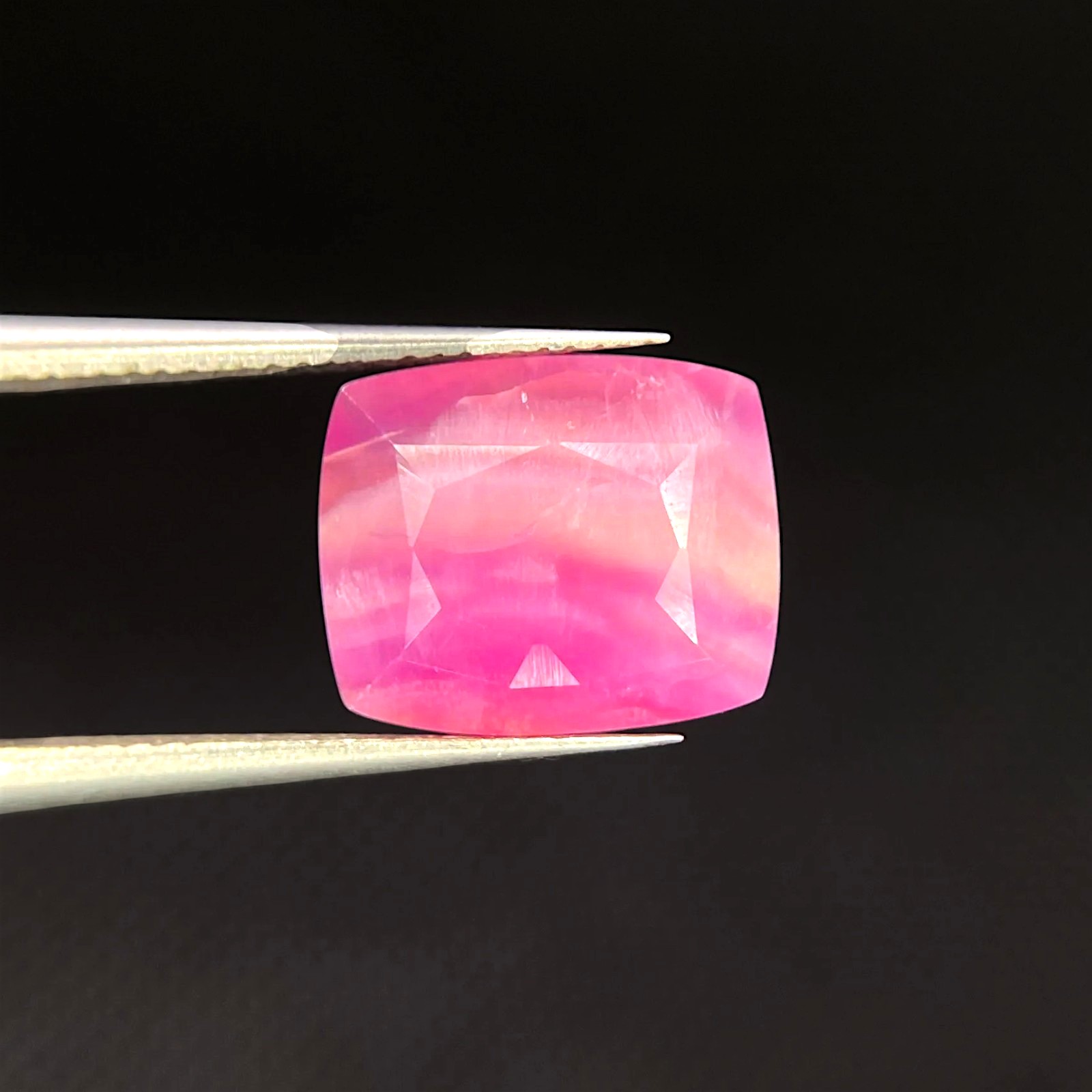
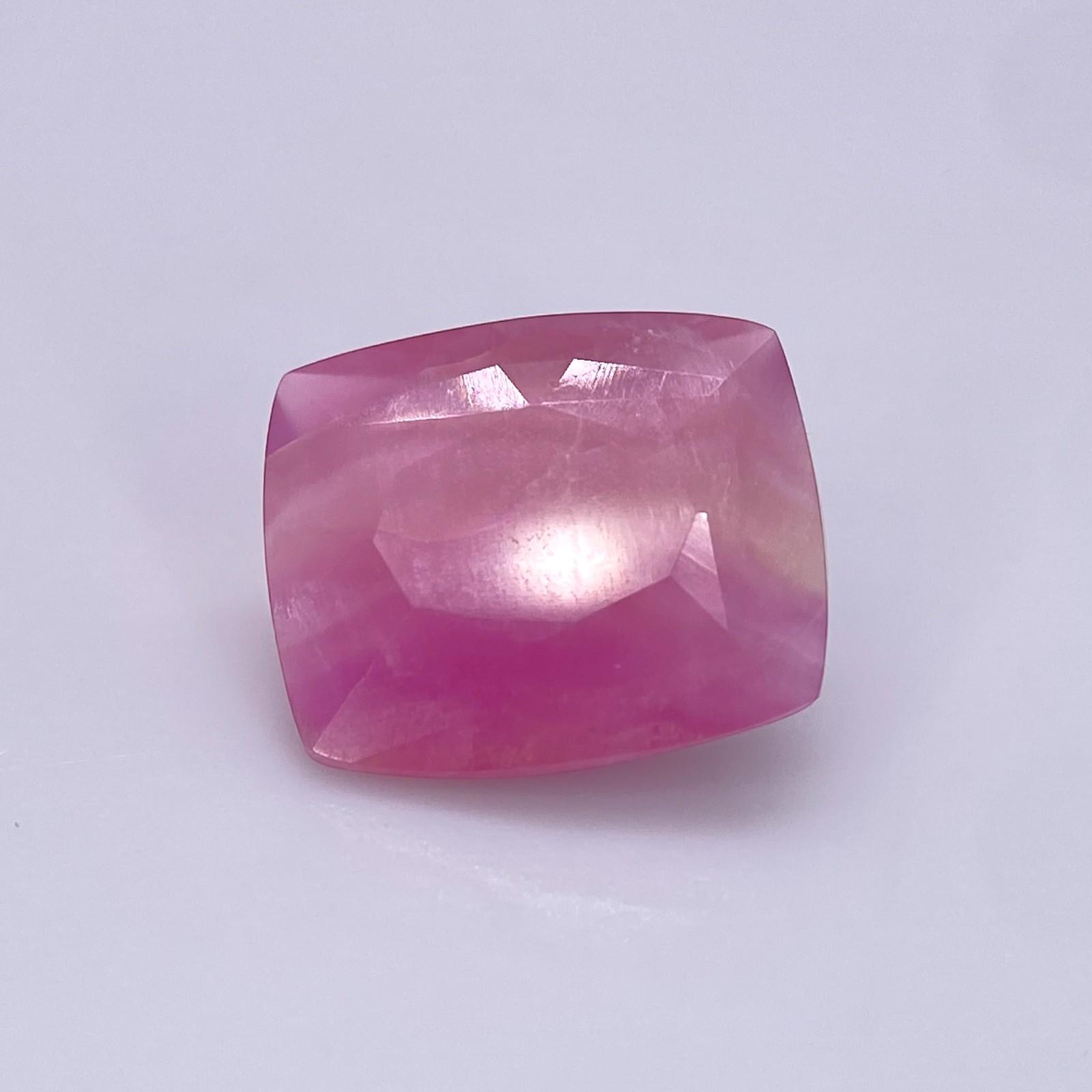
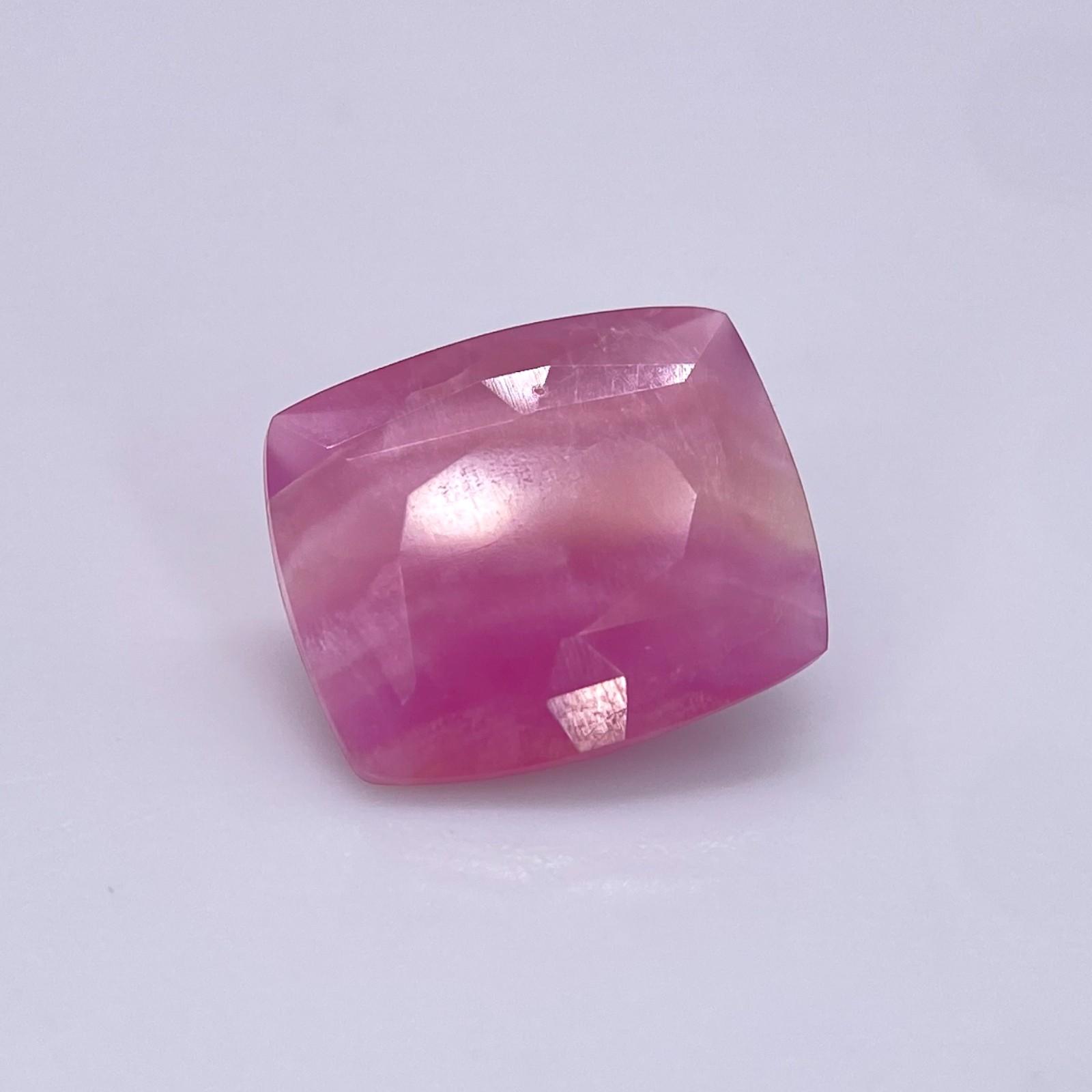
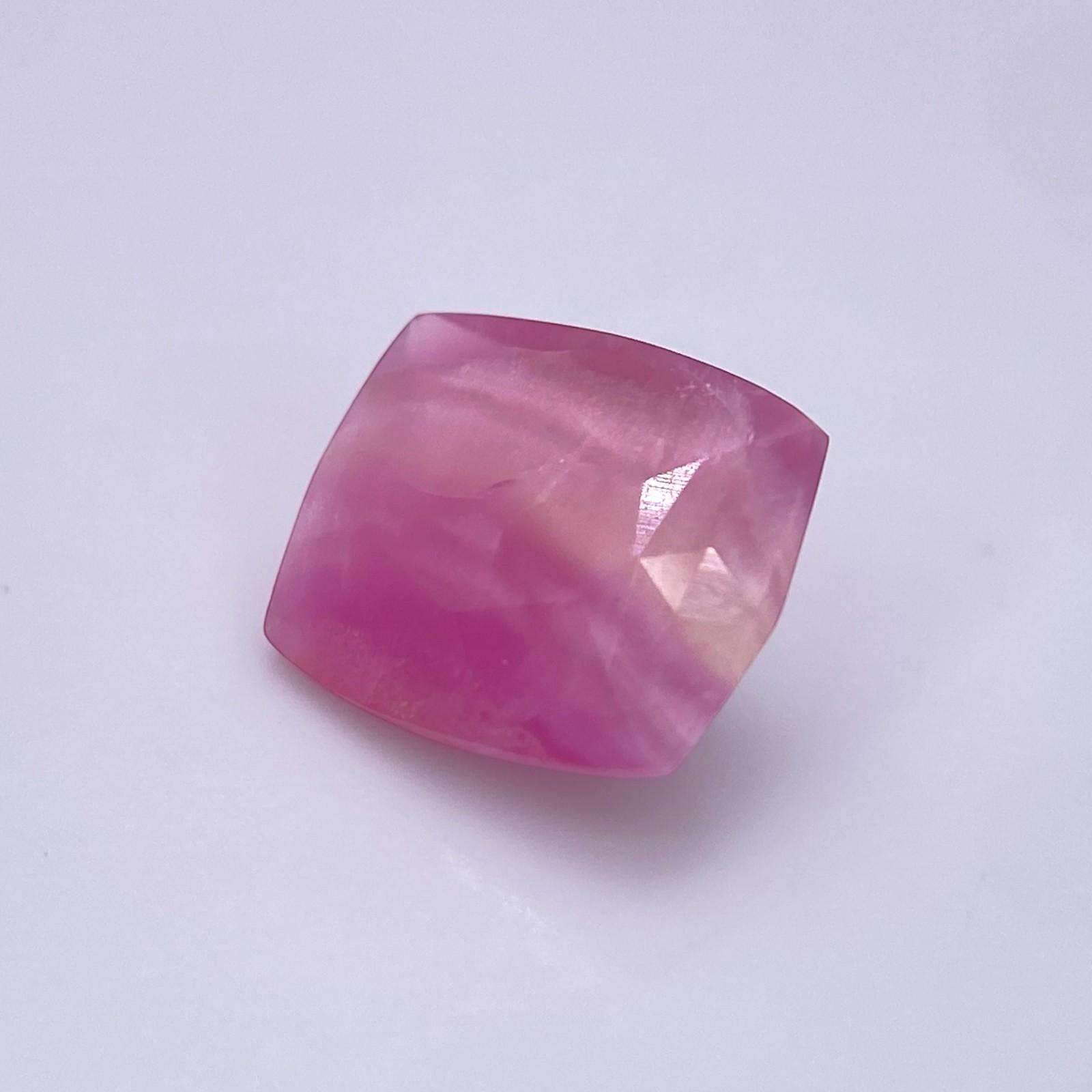


- Freakingcats Gemstone Database
Fluorite (Mexico)
Fluorite from the prolific hydrothermal vein systems, carbonate replacement mantos, and volcanic chimneys of Mexico represents one of the most celebrated and structurally diverse expressions of isometric halide crystallization on Earth. A calcium fluoride mineral of premier systematic importance, it is a species I have always respected for its “electric-emerald-green” to “vivid-amethystine-purple” daylight saturation, glassy surface perfection, and its status as the absolute global textbook benchmark for “isometric-hexoctahedral” structural discipline. For the specialist, a top-tier Mexican Fluorite—whether presenting as a razor-sharp, mirror-faced cubic cluster from Durango, a multi-zoned octahedron from San Luis Potosí, or a massive, gemmy botryoidal formation from Chihuahua—is a prized trophy of fluorine-rich hydrothermal metasomatism; it offers a bright vitreous luster, remarkable internal optical clarity, and an authoritative presence that makes it an indispensable cornerstone for the systematic vault. As an artist, I find the breathtaking, stepped architectural growth patterns and crisp internal geometric phantoms—shifting gracefully from lime-green and honey-gold to royal violet under natural light—to be one of nature’s most sophisticated and visually harmonious masterworks.
The Heritage & Discovery
Historical Significance
Fluorite is an indispensable index species for decoding low-to-medium temperature hydrothermal fluid dynamics, fluorine metasomatism, and the geochemical evolution of epigenetic Mississippi Valley-type (MVT) and epithermal silver-lead-zinc deposits. Historically, Mexico has reigned as one of the world’s leading producers of both industrial fluorspar and world-class collector specimens for well over a century. The country’s vast mineral belts have supplied royal academies, museum collections, and private vaults with legendary specimens, defining international standards for crystal scale, color zoning, and twinning geometry.
Discovery
The unearthing of macrocrystalline fluorite across Mexico has occurred in parallel with the extensive development of legendary silver, lead, and zinc districts since the colonial era. Scientifically, Fluorite possesses a face-centered cubic lattice where each calcium cation is coordinated to eight fluorine anions at the corners of a cube, with each fluorine ion surrounded tetrahedrally by four calcium ions. In Mexican deposits, fluorine-rich magmatic-hydrothermal fluids ascended through extensive limestone and dolomite sequences, reacting with host carbonates to precipitate calcium fluoride within open solution cavities and fault breccias. Coloration arises from diverse lattice defects, color centers (F-centers), and trace-element substitutions: trace rare-earth elements (such as yttrium and europium) and localized hydrocarbon inclusions produce an extraordinary spectrum spanning vibrant magenta, deep purple, sea-foam green, golden-yellow, and optical colorless. Under ultraviolet illumination, many Mexican fluorites—particularly those containing trace divalent europium (Eu2+)—ignite with an intense, signature violet-blue fluorescence under long-wave UV (365 nm), embodying the very physical phenomenon to which the mineral lent its name. My own respect for this material grew from analyzing its structural cleavage and color banding; specifically, inspecting a pristine, translucent Mexican cube revealing stepped isometric growth hillocks and phantom color layers highlights a spatial symmetry that is deeply satisfying to the trained eye.
Important Mines
The undisputed capitals for museum-grade fluorite within Mexico span several world-renowned mining states. Foremost among them is the legendary Ojuela Mine in Mapimí, Durango, celebrated for producing exceptional, razor-sharp emerald-green to purple cubic crystals often perched dramatically on contrasting brown limonite matrix. Equally iconic is the Navidad Mine in Abasolo, Rodeo, Durango, famed worldwide for yielding exquisite, stepped pink-to-magenta octahedral and dodecahedral crystals. The sprawling skarns and mantos of the San Antonio Mine and the Santa Eulalia District in Chihuahua have produced phenomenal lustrous cubes and stepped aggregates associated with calcite and sulfides. Additionally, the prolific fluorite deposits of the Las Cuevas Mine in San Luis Potosí (one of the largest fluorspar deposits in the world) and the historic mines of Melchor Múzquiz in Coahuila are internationally recognized for producing sensational purple, zoned, and tabular crystal groupings. For the systematic vault, I prioritize specimens that exhibit sharp, undamaged crystal edges, clean internal transparency, vibrant natural color saturation, and complete freedom from edge bruising or cleaving along its corner planes.
Mineralogical Profile
Description Fluorite is a calcium fluoride mineral that crystallizes in the isometric (cubic) system within the hexoctahedral crystal class. It sits at a baseline 4 on the Mohs scale, serving as the universal defining benchmark mineral for that hardness level; its glassy, highly reflective faces possess four directions of perfect octahedral cleavage, requiring careful archival handling to protect its crisp crystal edges, razor-sharp corners, and delicate growth steps from mechanical shock, pressure, or abrasive contact. It is characterized by its bright, splendent vitreous surface luster and an expansive, vivid color palette dominated by emerald-green, royal purple, magenta-pink, golden-amber, sky-blue, and water-clear.
One of its most identifying traits is its crisp geometric habit, routinely forming simple cubes, modified octahedrons, dodecahedrons, interpenetrant penetration twins (frequently twinned on the spinel law across the {111} plane), and stepped, parallel-growth aggregates that cleanly trace hydrothermal flow dynamics. It possesses a moderate refractive index of approximately 1.434, giving it a soft, liquid-like optical depth and low surface dispersion, paired with a moderate average specific gravity ranging between 3.17 and 3.20 that reflects its tightly packed halide framework. Because it precipitates across diverse hydrothermal, skarn, and epithermal environments, it is commonly found in close association with Calcite, Quartz, Barite, Galena, Sphalerite, Pyrite, Chalcopyrite, and Celestite. When I select an example for documentation, I look for razor-sharp cubic or octahedral boundaries, intense color purity or well-defined internal phantom zoning, and high surface luster, as these emphasize the sophisticated, fluorine-driven chemistry of the mineral’s dramatic subterranean birth.
Chemical Formula CaF2 (with trace REE elements such as Eu2+, Y, and color-center defect lattices)


