
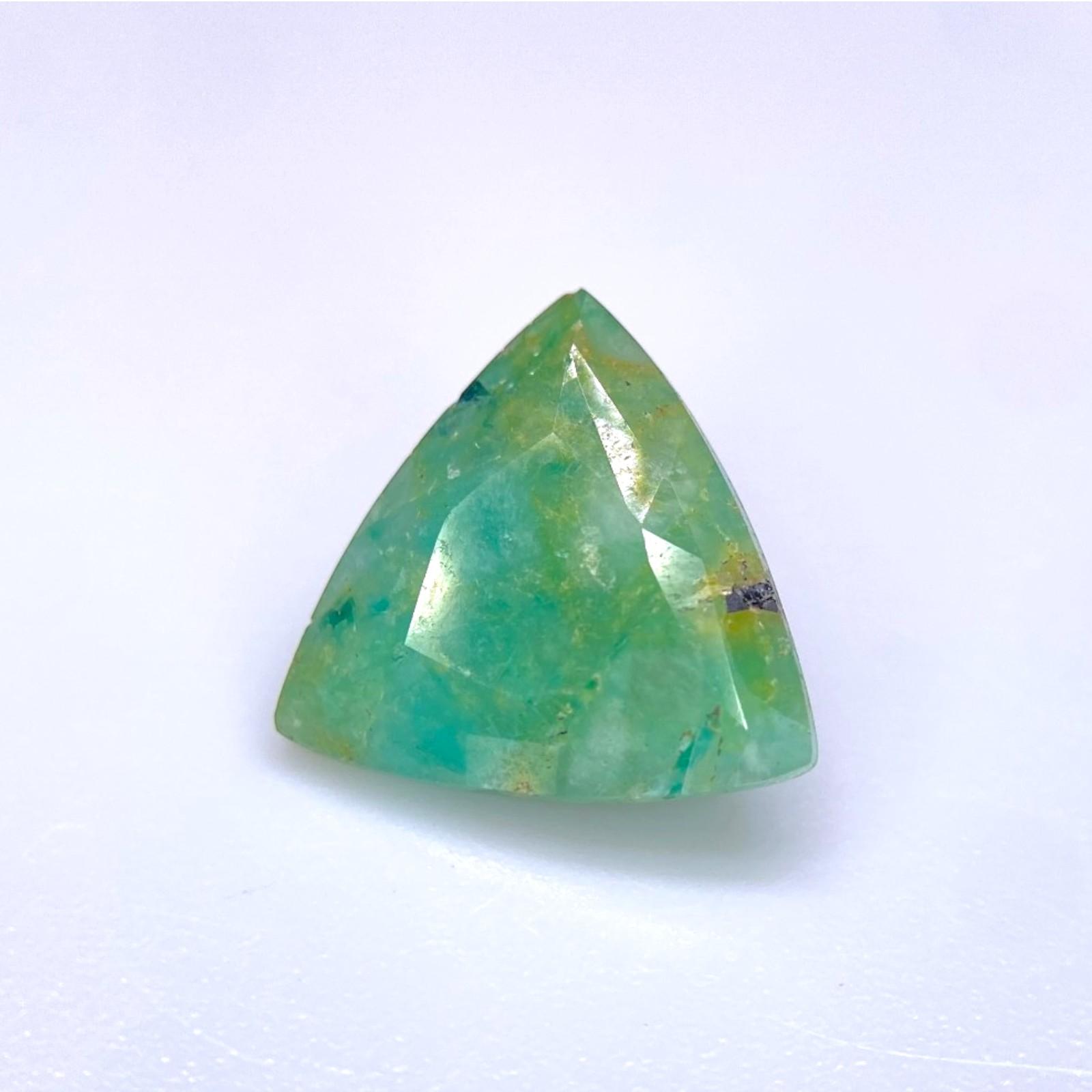
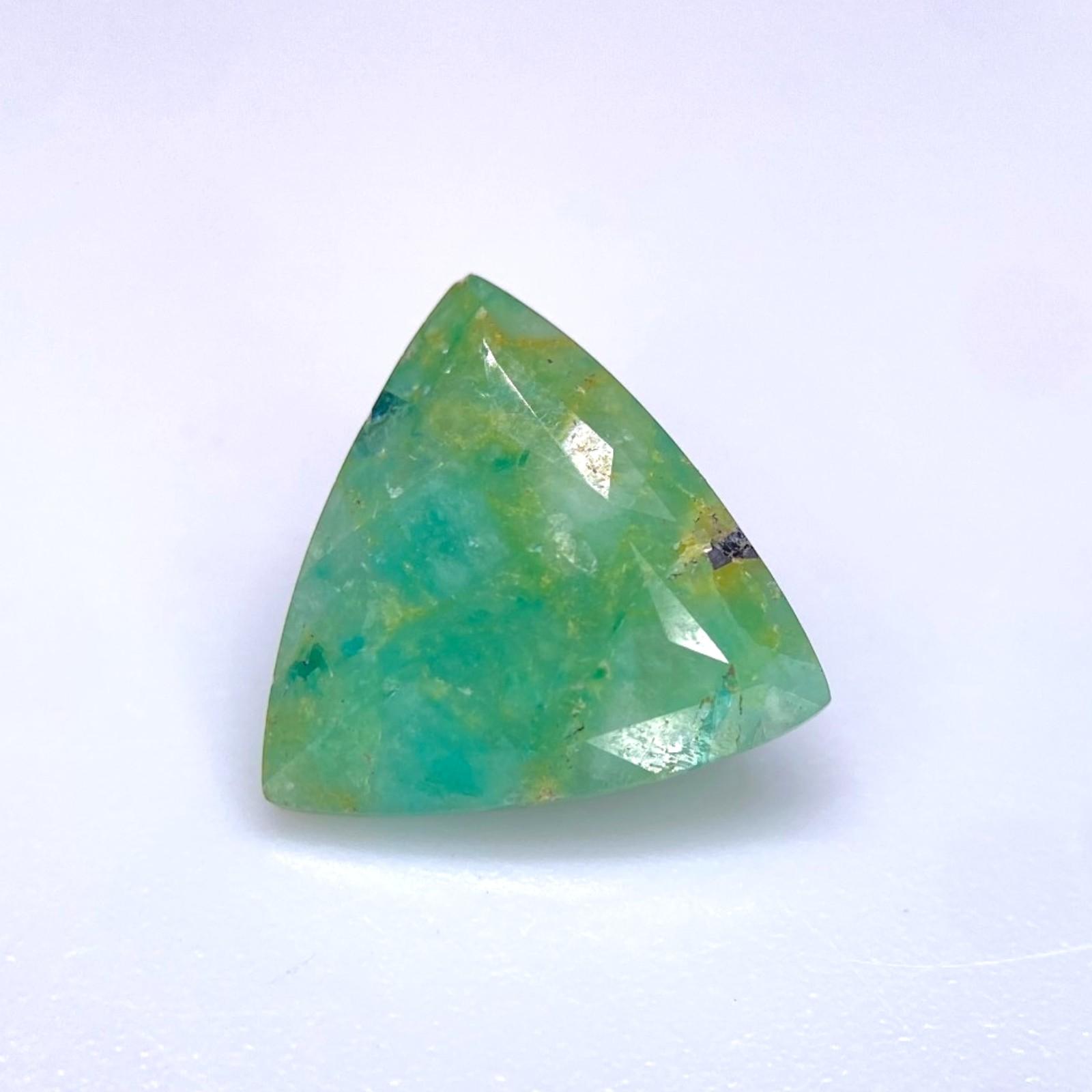
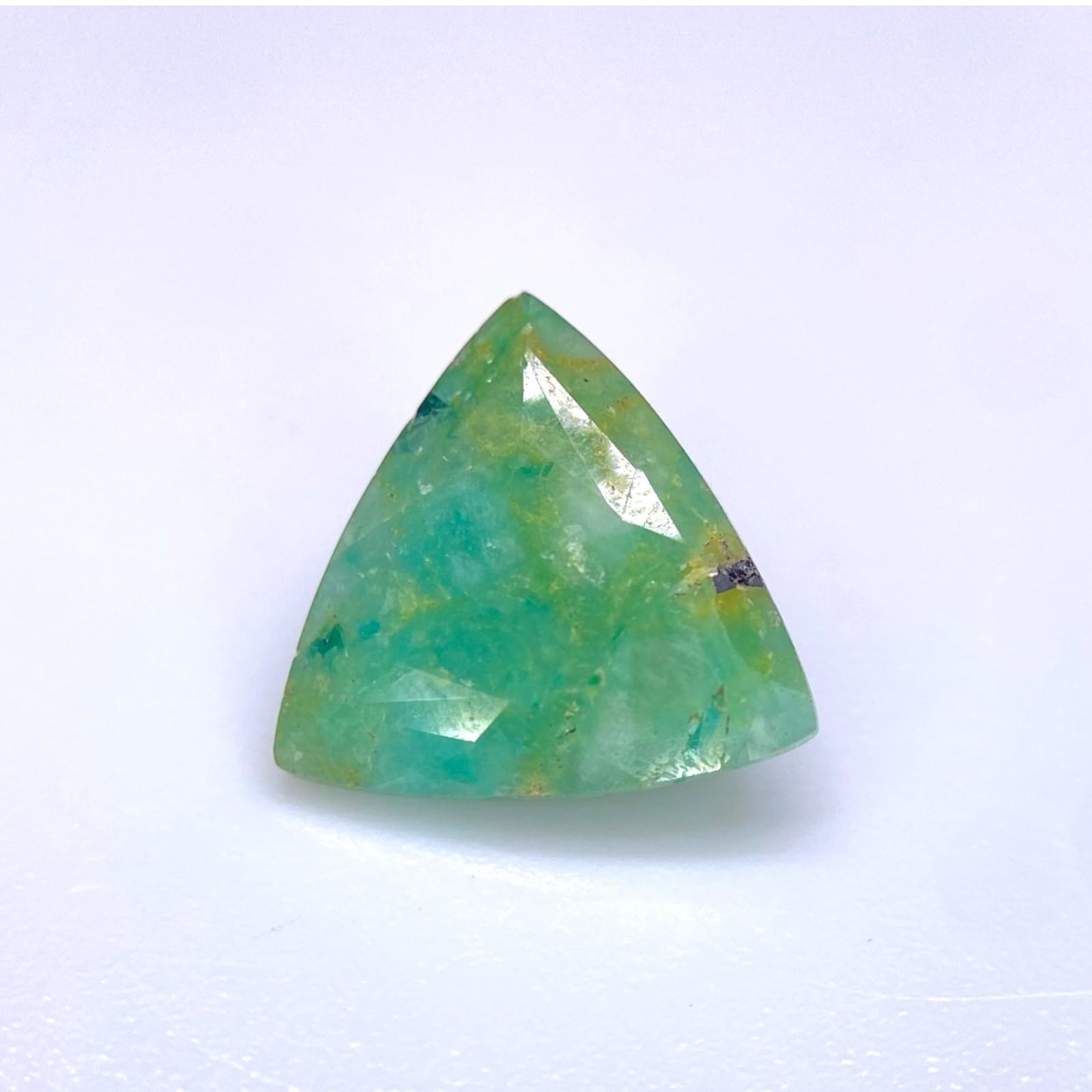
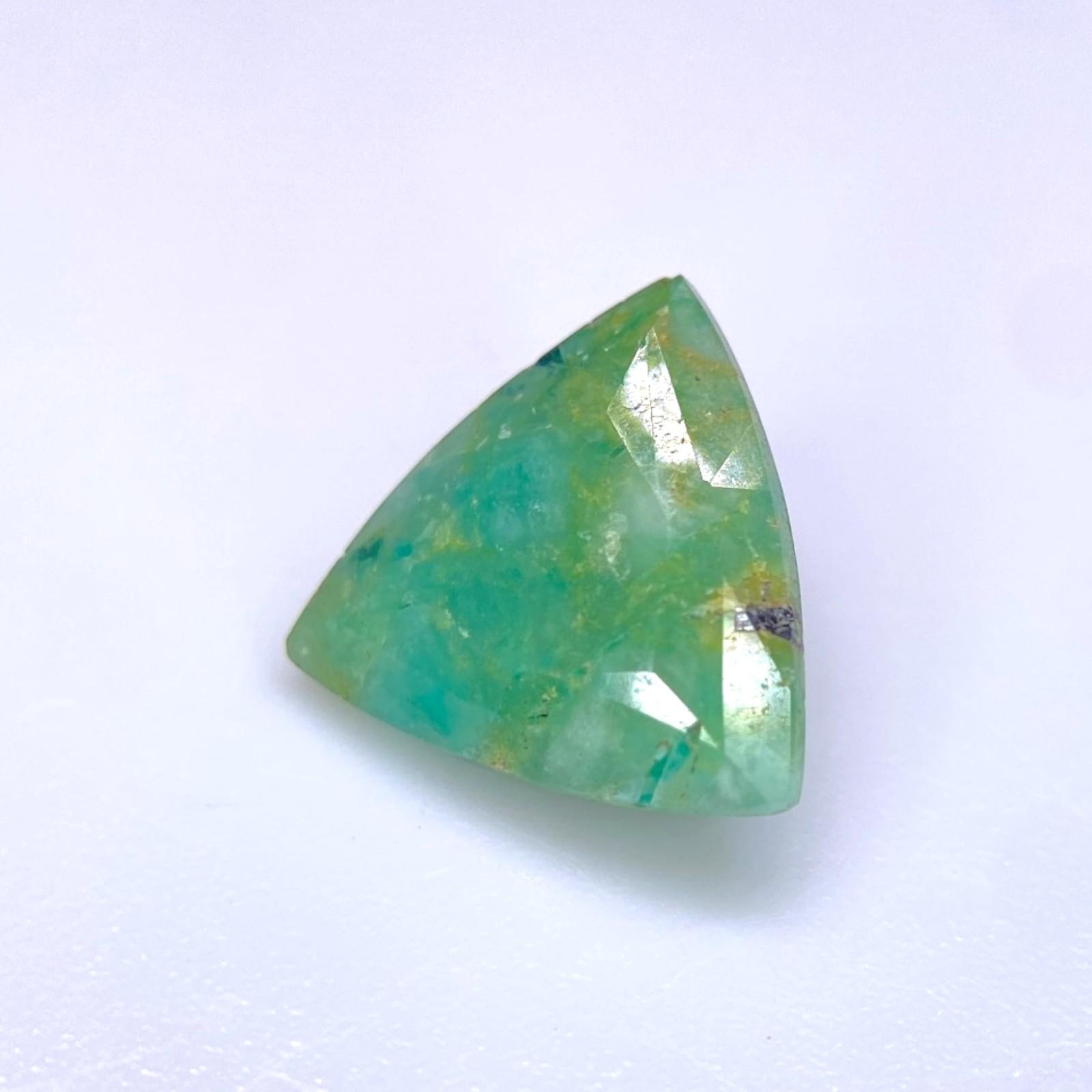
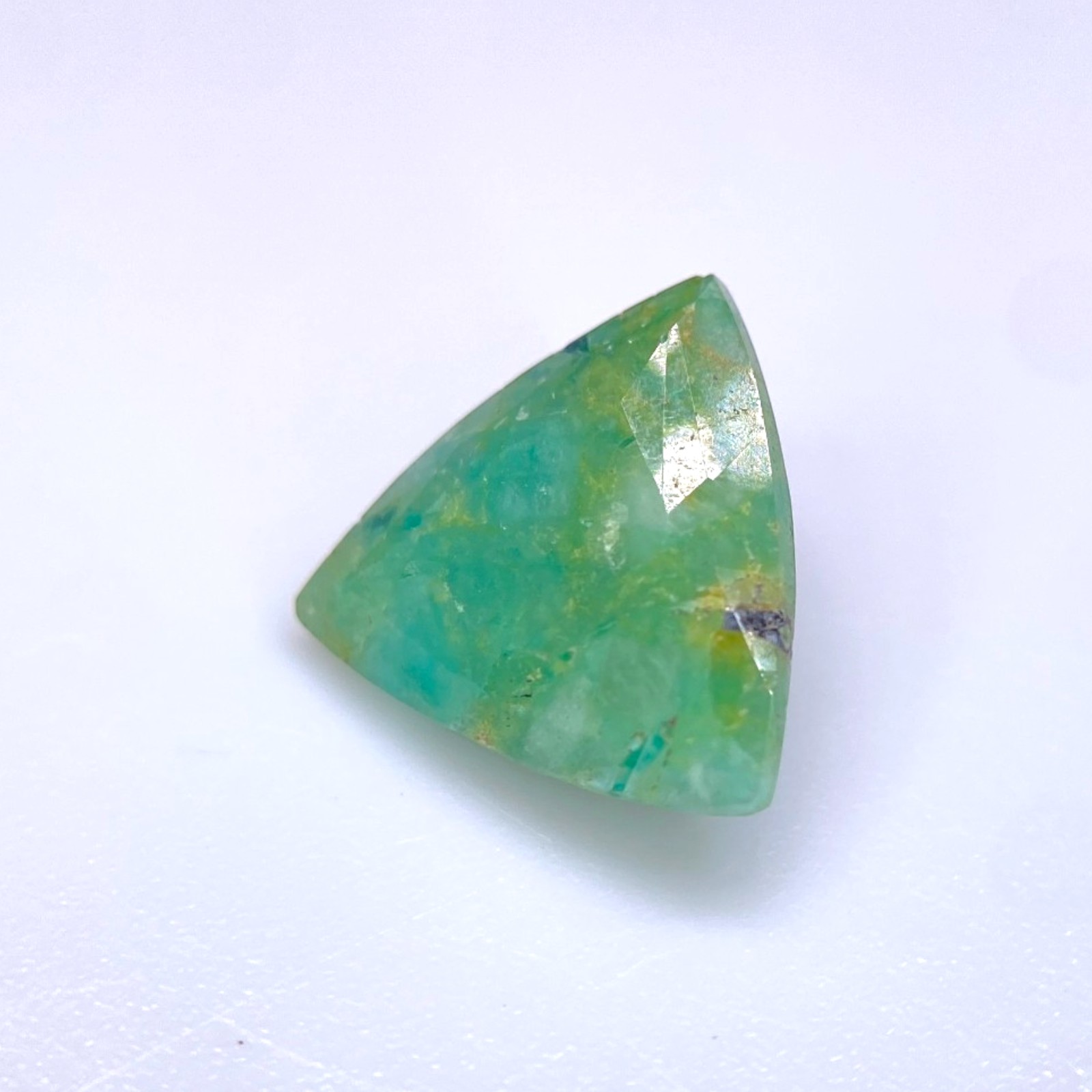
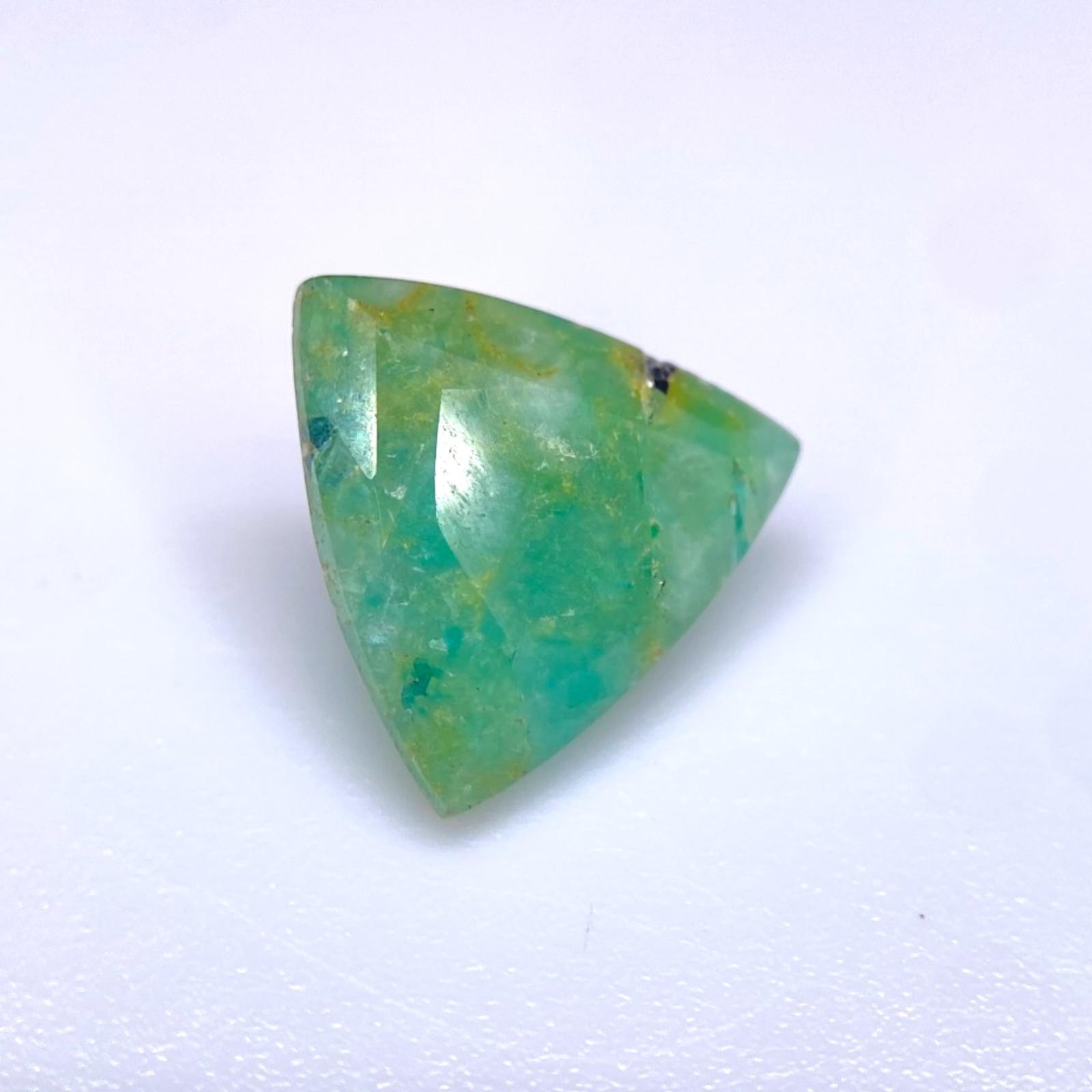
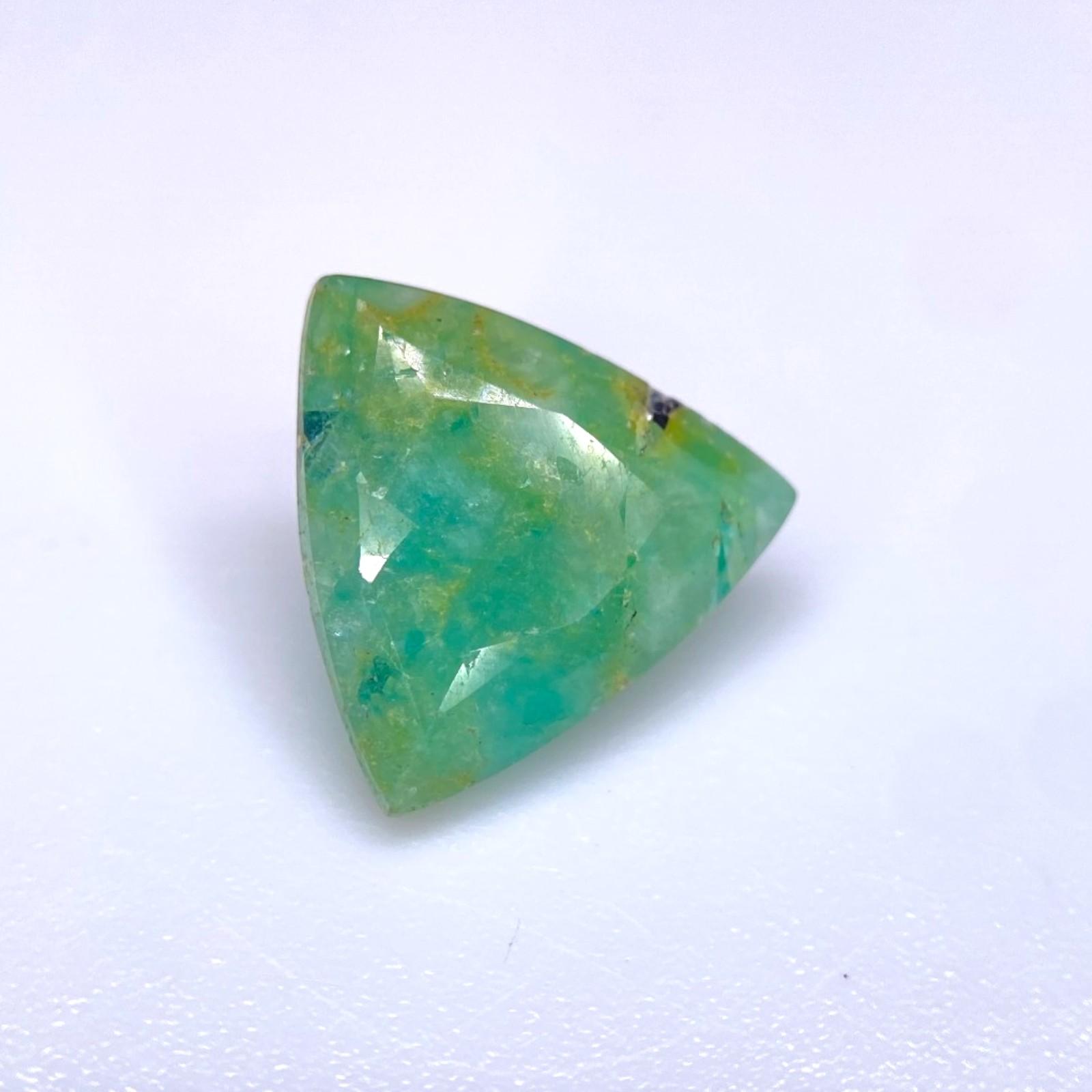
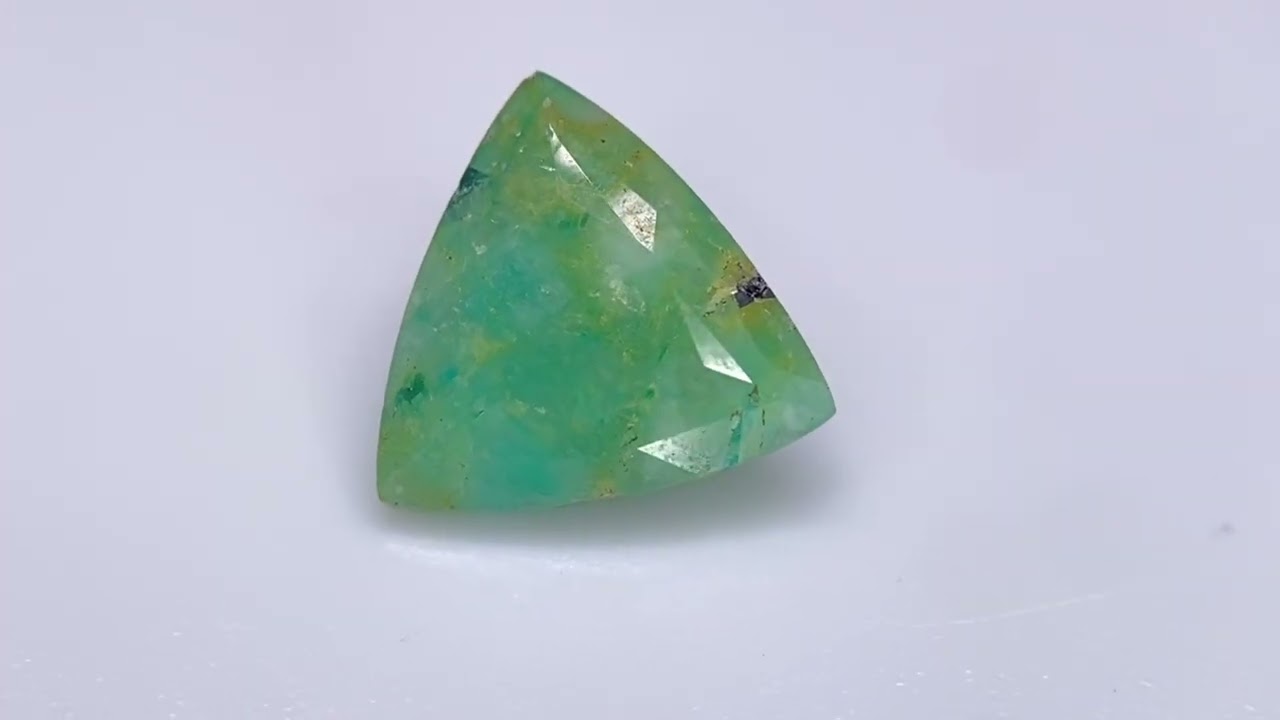
3.81 ct QUARTZITE – USA
EXPERT VERIFIED
- Expert Verified Gemstone
- Fast Handling & Shipping
- Secure Vault Packaging
$ 120
Offer amount Feild


Smart Collector Choice


Pay with Crypto & Get 10% Automatic Discount

Availability: 1 in stock


- Freakingcats Gemstone Database
Quartzite (USA)
Quartzite from the ancient, structurally transformed terranes of the United States represents the “silica-interlocking” peak of the metamorphic world. A non-foliated metamorphic rock composed almost entirely of silicon dioxide, it is a material I have always respected for its “sugar-granule” to “glassy-fused” texture and its status as a masterpiece of “recrystallized” structural discipline. Formed when a pure quartz sandstone is subjected to the immense heat and pressure of mountain-building tectonic events, it undergoes a complete physical reconstruction where the original sand grains melt and lock together into a dense, solid block. For the specialist, a top-tier United States Quartzite—especially varieties hosting rare regional inclusions—is a prize of intense crustal forces; it offers a bright vitreous luster on fresh surfaces and a “solid” presence that makes it a true “high-vibration” asset for the systematic vault. As an artist, I find the contrast between its clean, “snow-white” or “icy-champagne” matrix and the dramatic bands of pink, green, or iron-gold introduced by regional chemistry to be one of nature’s most sophisticated and “monumental” palettes.
The Heritage & Discovery
Historical Significance Quartzite is a vital material for understanding the structural and thermal evolution of continental margins during major orogenic (mountain-building) events. Historically, due to its extreme toughness and conchoidal fracturing behavior, high-purity quartzites were highly prized by indigenous cultures across North America for fashioning durable tools and projectile points. In the world of fine geological specimens, it is celebrated for its natural, “granitic-shattering” resilience, which stands as a symbol of endurance, transformation, and structural integrity. It serves as a reminder that the most ordinary quartz sand grains can be permanently fused into an unbreakable, interlocked monument when subjected to the deep metamorphic engine of the Earth.
Discovery While quartzite formations occur globally, the sweeping “geomorphic” discoveries across the Appalachian and Rocky Mountain belts of the United States redefined the mineralogical benchmark for the rock’s purity, scale, and coloration. Scientifically, the transformation is so complete that a premium quartzite will fracture straight through the original sand grains rather than around them. Its documentation within western and eastern American wilderness ranges provided geologists with magnificent examples of structural beds that display pristine quartz purity, occasionally punctuated by metamorphic indicators like green fuchsite mica or red hematite. My own respect for this material grew from observing its “textural” depth; specifically, the way the interlocking mosaic of microscopic quartz crystals handles light—producing a soft, glittering shimmer across fresh fractures—presents a visual impact that is unmistakable to the trained eye.
Important Locations The undisputed domestic capitals for the most “aesthetic” and specialized Quartzite varieties are the ancient geological formations of Utah, Idaho, and Wisconsin. The Swan Peak Quartzite of eastern Idaho and northern Utah sets a global benchmark for absolute purity and glassy, weather-resistant exposures. In the Midwest, the historic Baraboo Quartzite of Wisconsin provides collectors with a stunning, deeply saturated pink-to-maroon variety colored by ancient iron oxides, while the Sioux Quartzite exposures showcase exceptional structural density. For the vault, I prioritize specimens from these classic American formations for their immense geological weight and their status as a pure-silica masterpiece of North American metamorphic history.
Mineralogical Profile
Description Quartzite from the United States is a metamorphic rock predominantly composed of quartz (silicon dioxide) that crystallizes inside the trigonal system at the individual grain level. It sits at a defining 7 on the Mohs scale, making it an exceptionally hard and durable material that easily scratches glass and resists chemical weathering, meaning its sharp, blocky features and glittering surfaces can withstand the elements for eons. It is characterized by its vitreous to slightly greasy luster on fresh fractures and its highly diverse, “snow-white, iron-gold, rose, to pale-grey” color palette.
One of its most identifying traits is its granoblastic elongated texture, displaying an entirely interlocked web of quartz grains under magnification, and its field association with deeply buried schist and gneiss complexes. Because it inherits its chemistry from pure quartz sandstones, it possesses a stable bulk refractive index averaging approximately 1.54 to 1.55 and a highly consistent specific gravity (SG approx 2.65) that mirrors pure quartz. When I select a piece for the collection, I look for absolute grain fusion and intense, uniform color banding, as these highlight the sophisticated, three-dimensional pressure patterns of the rock’s tectonic birth. It is a dense, high-vibration material that offers a unique, “aqueous-crystalline” structural beauty unlike any other metamorphic rock variety.
Chemical Formula SiO2 (Typically greater than 90-95% pure silicon dioxide, with minor traces of Al2O3, Fe2O3, and K2O)


