
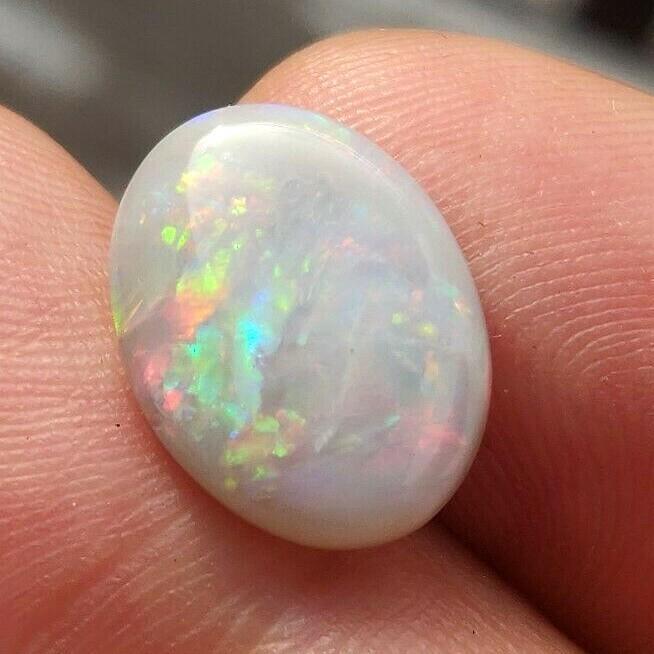
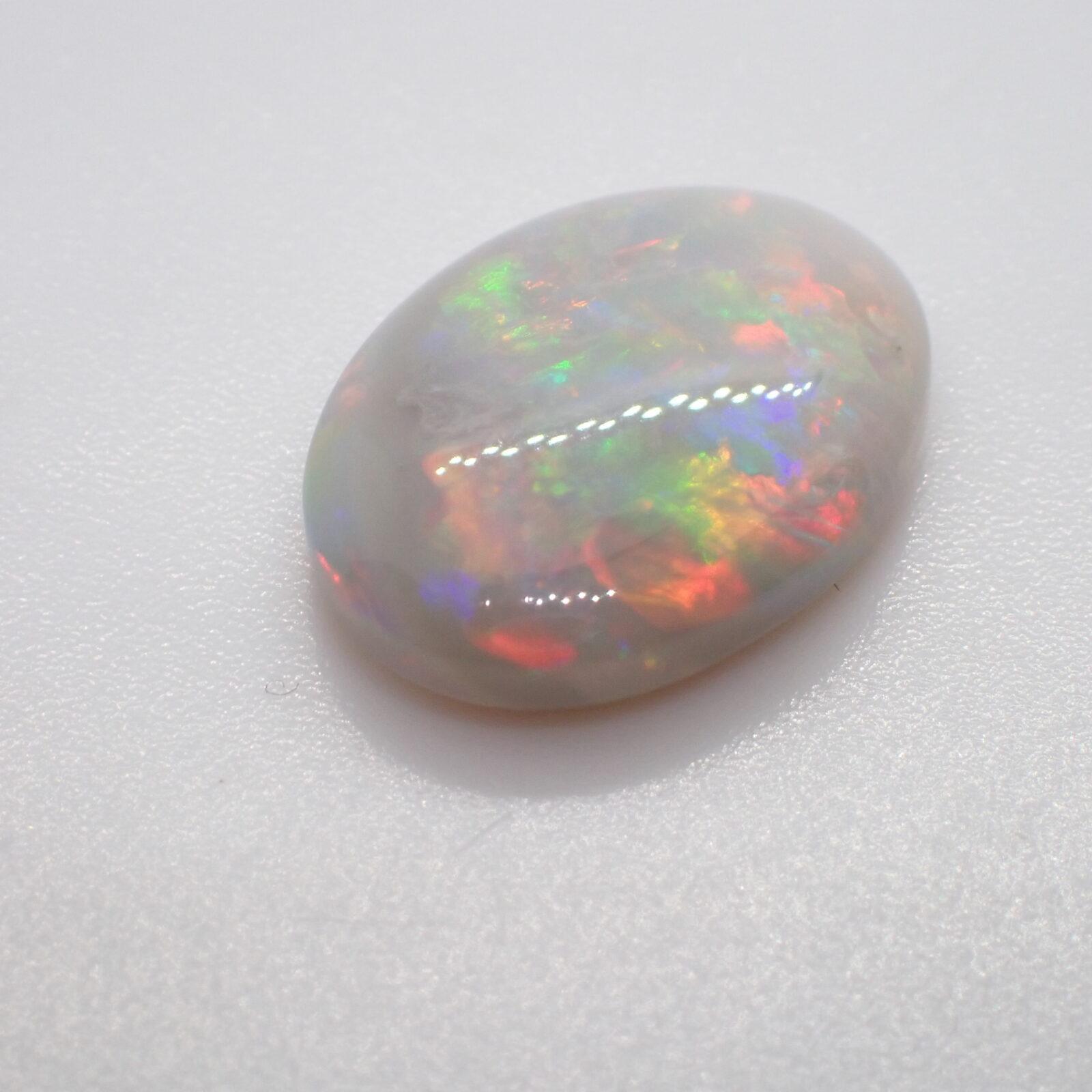
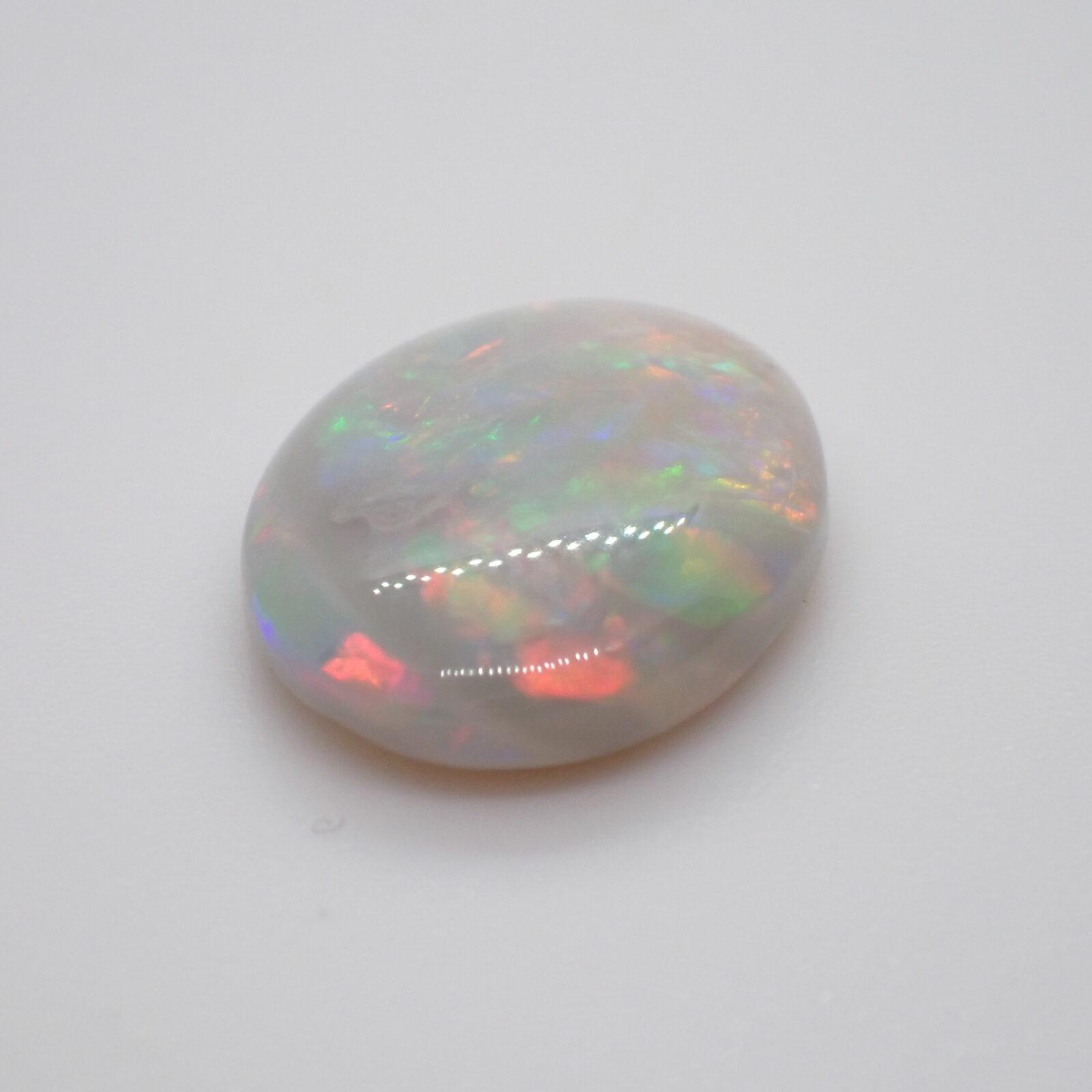
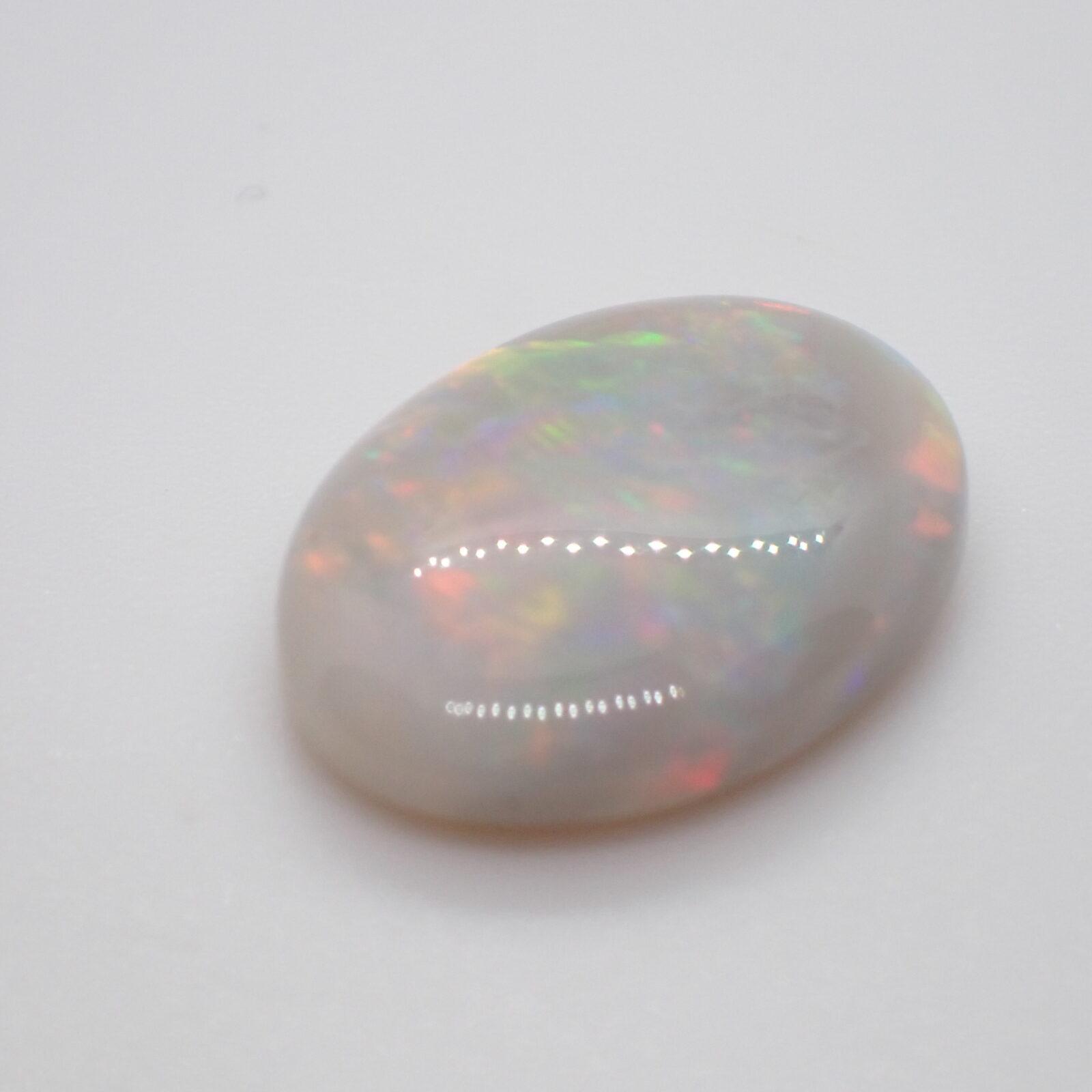
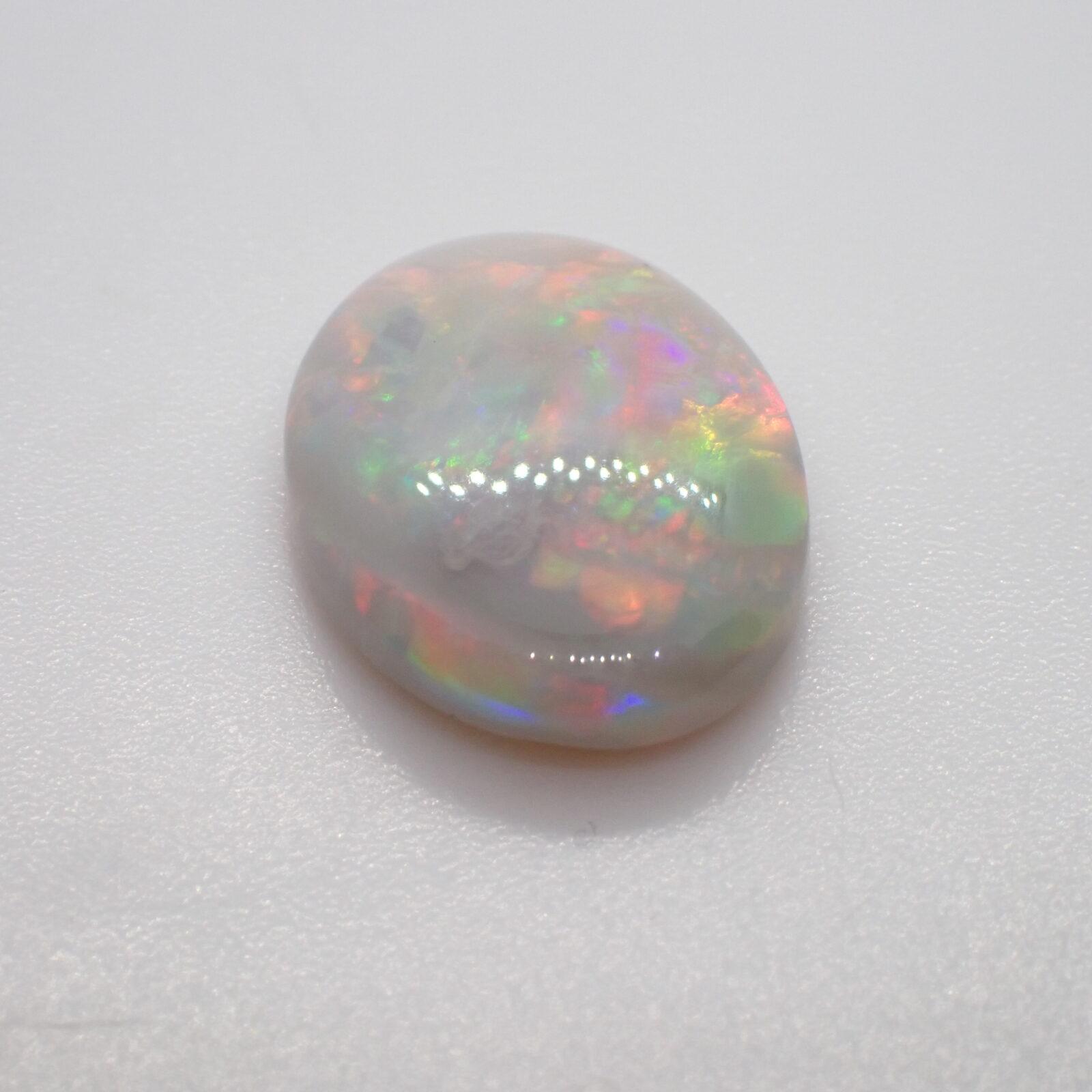
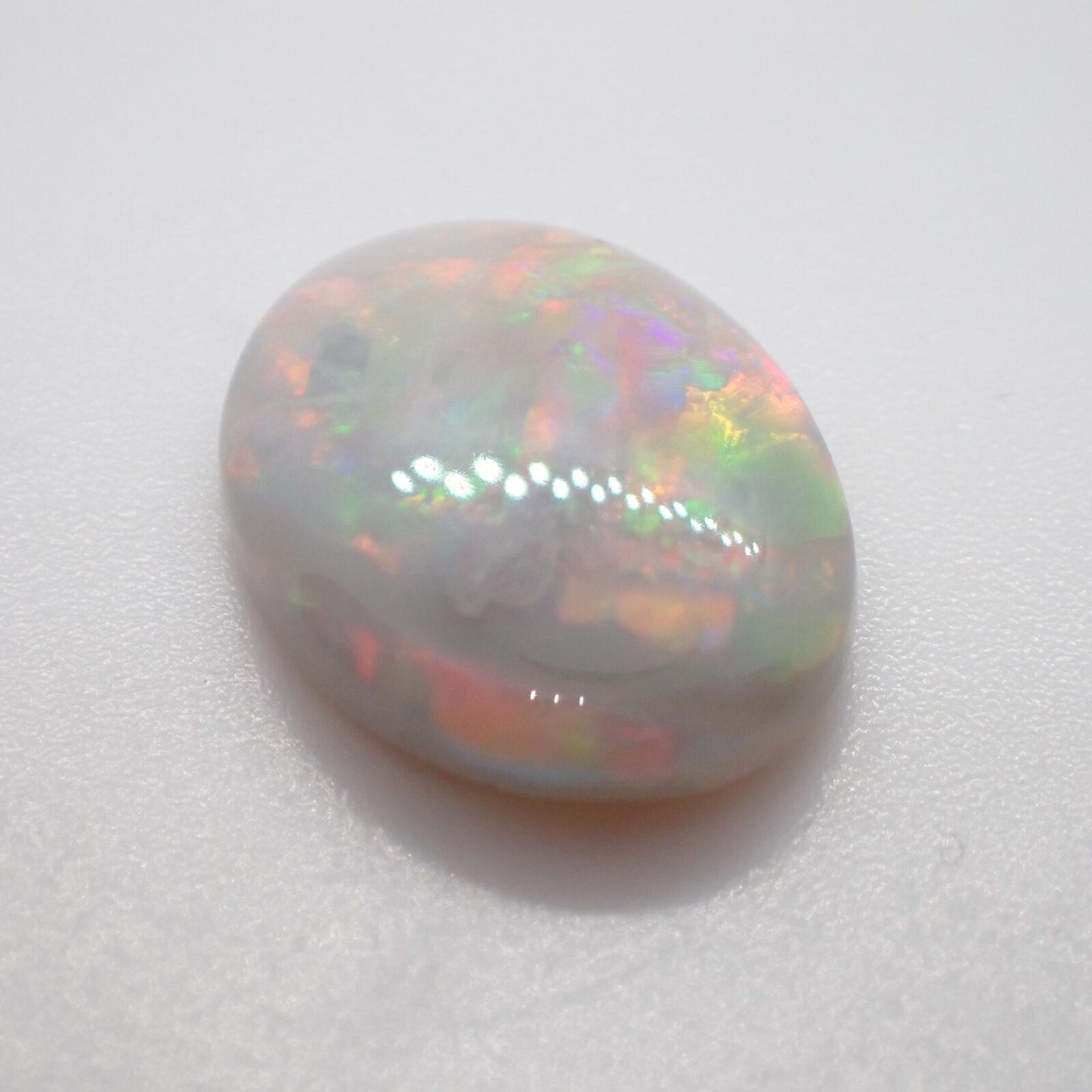
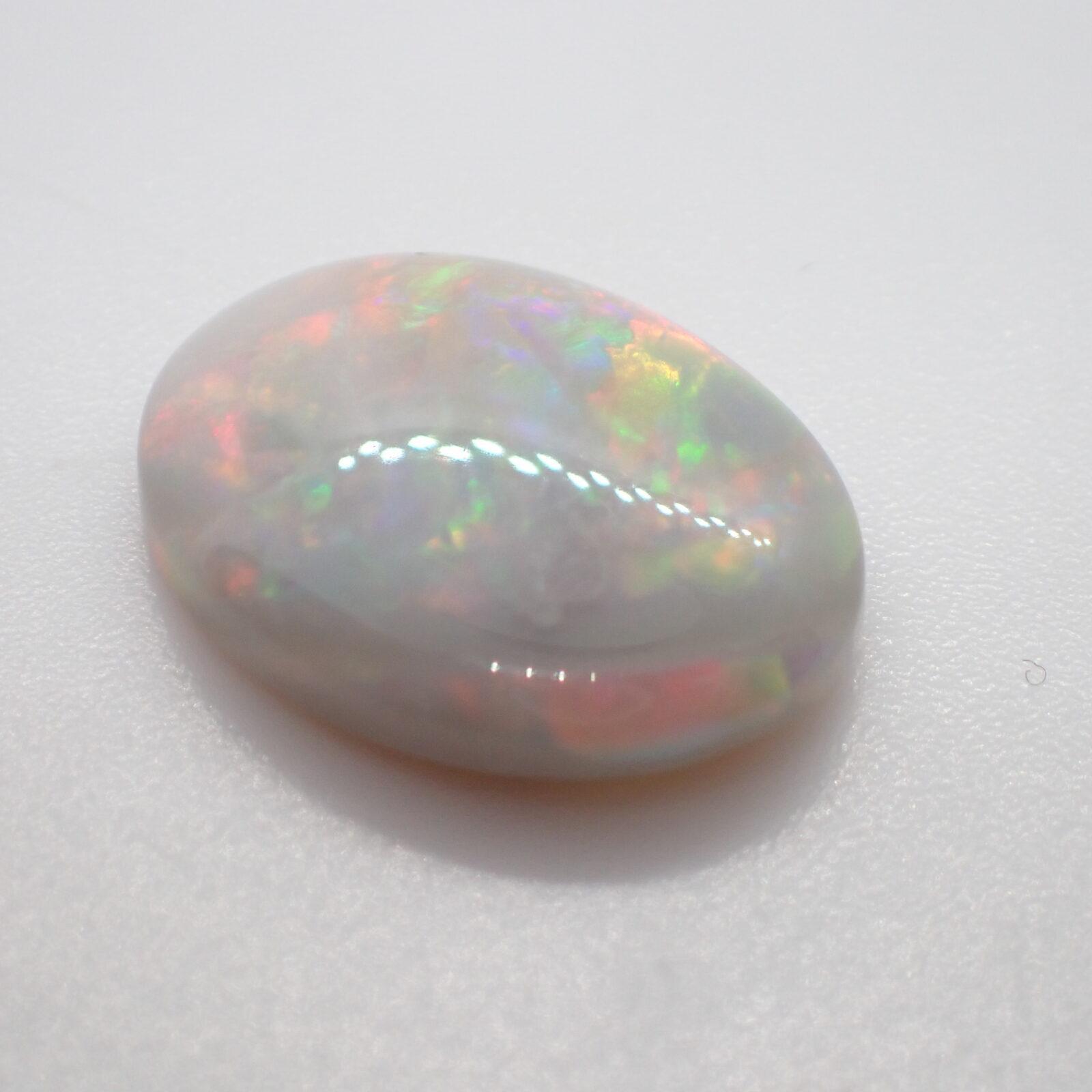
3.85 ct SOLID GREY OPAL – AUSTRALIA
EXPERT VERIFIED
- Expert Verified Gemstone
- Fast Handling & Shipping
- Secure Vault Packaging
$ 2,200
Offer amount Feild


Smart Collector Choice


Pay with Crypto & Get 10% Automatic Discount

Availability: 1 in stock
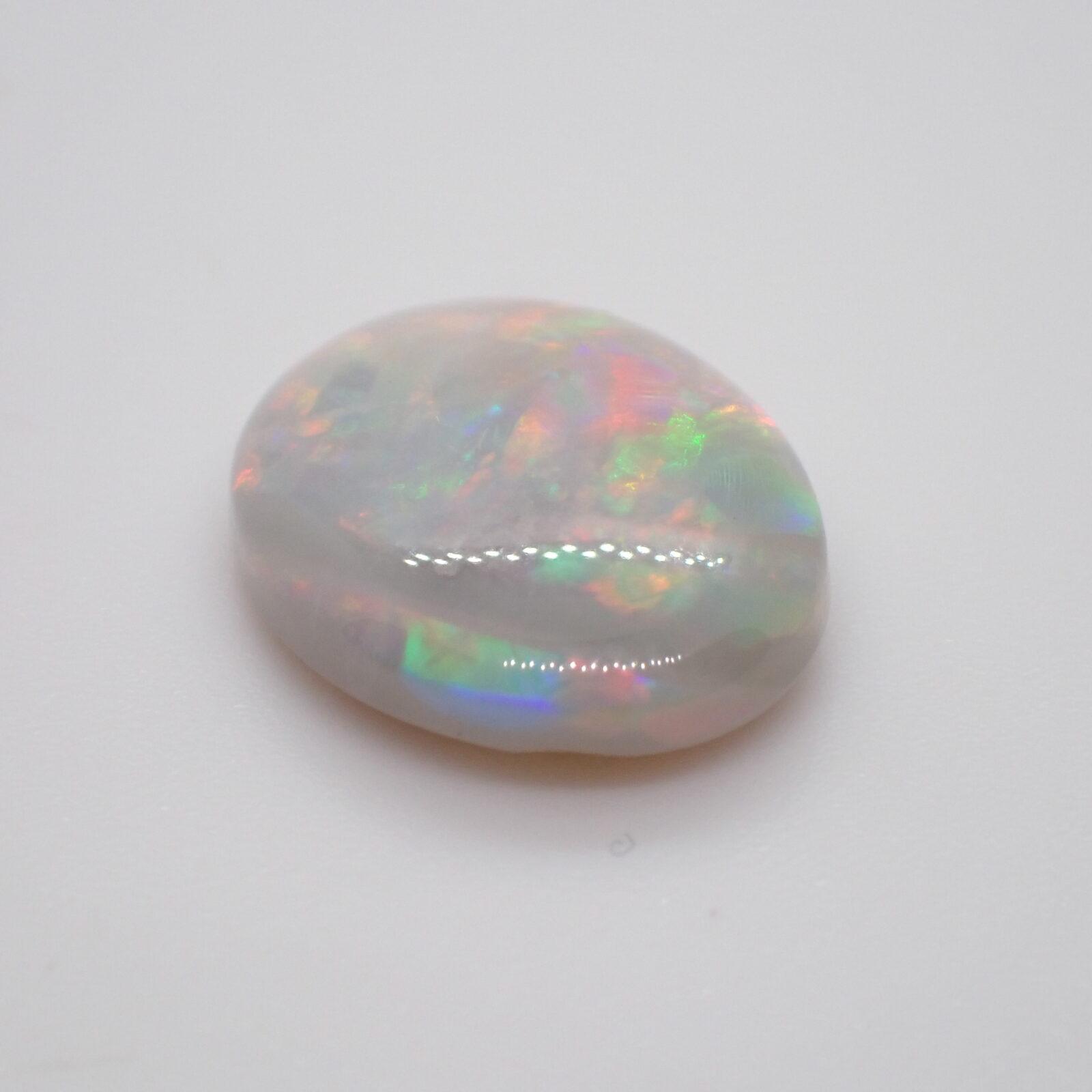
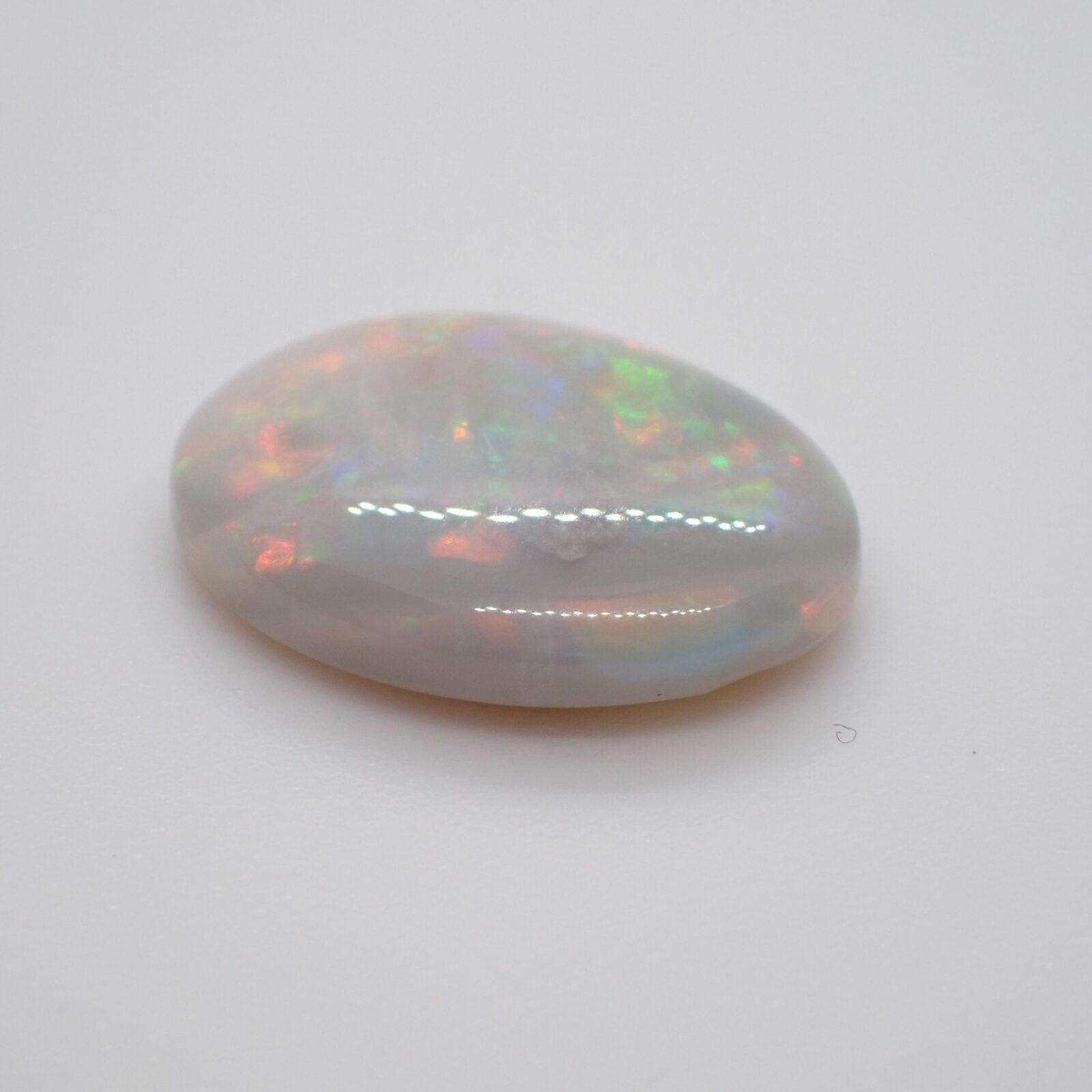
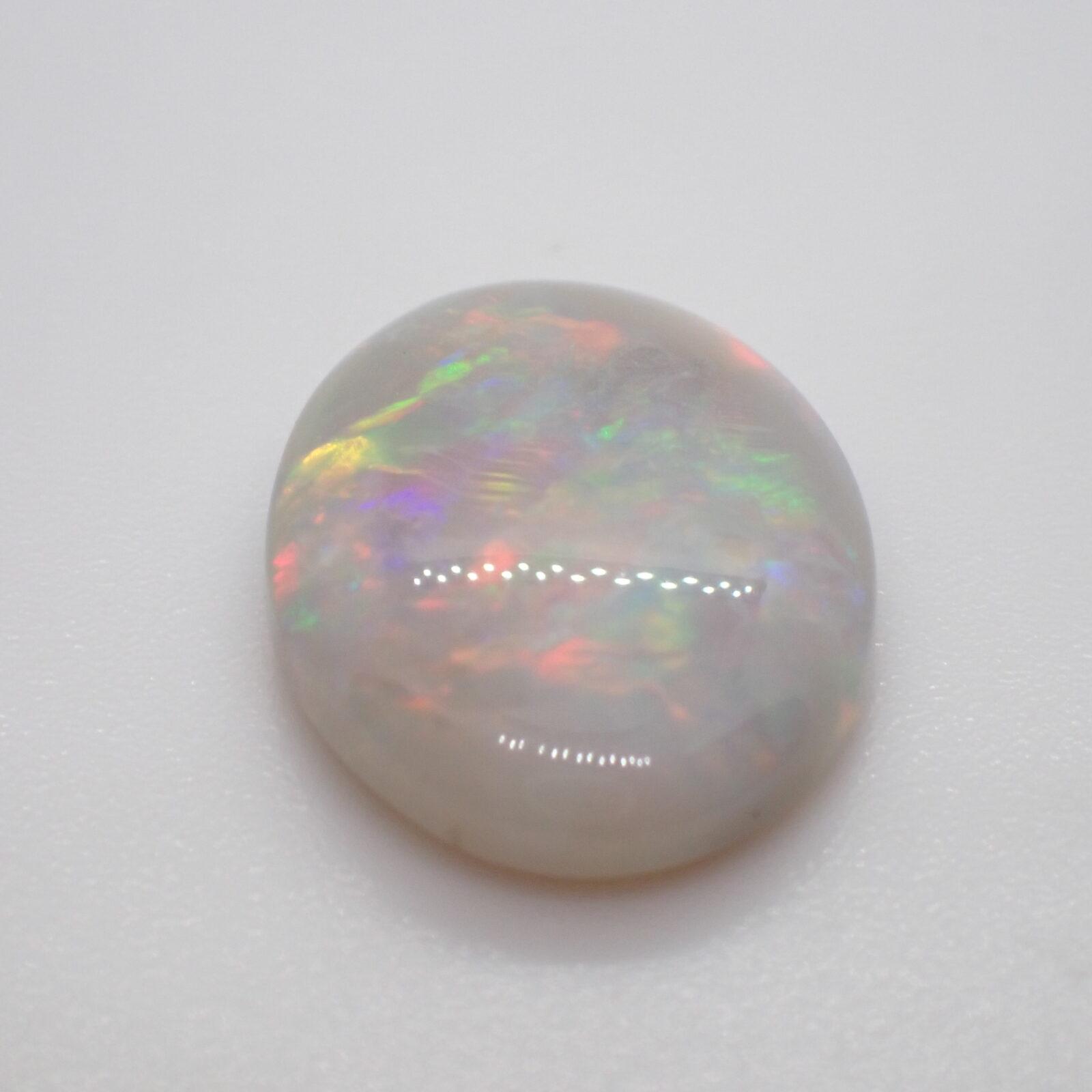
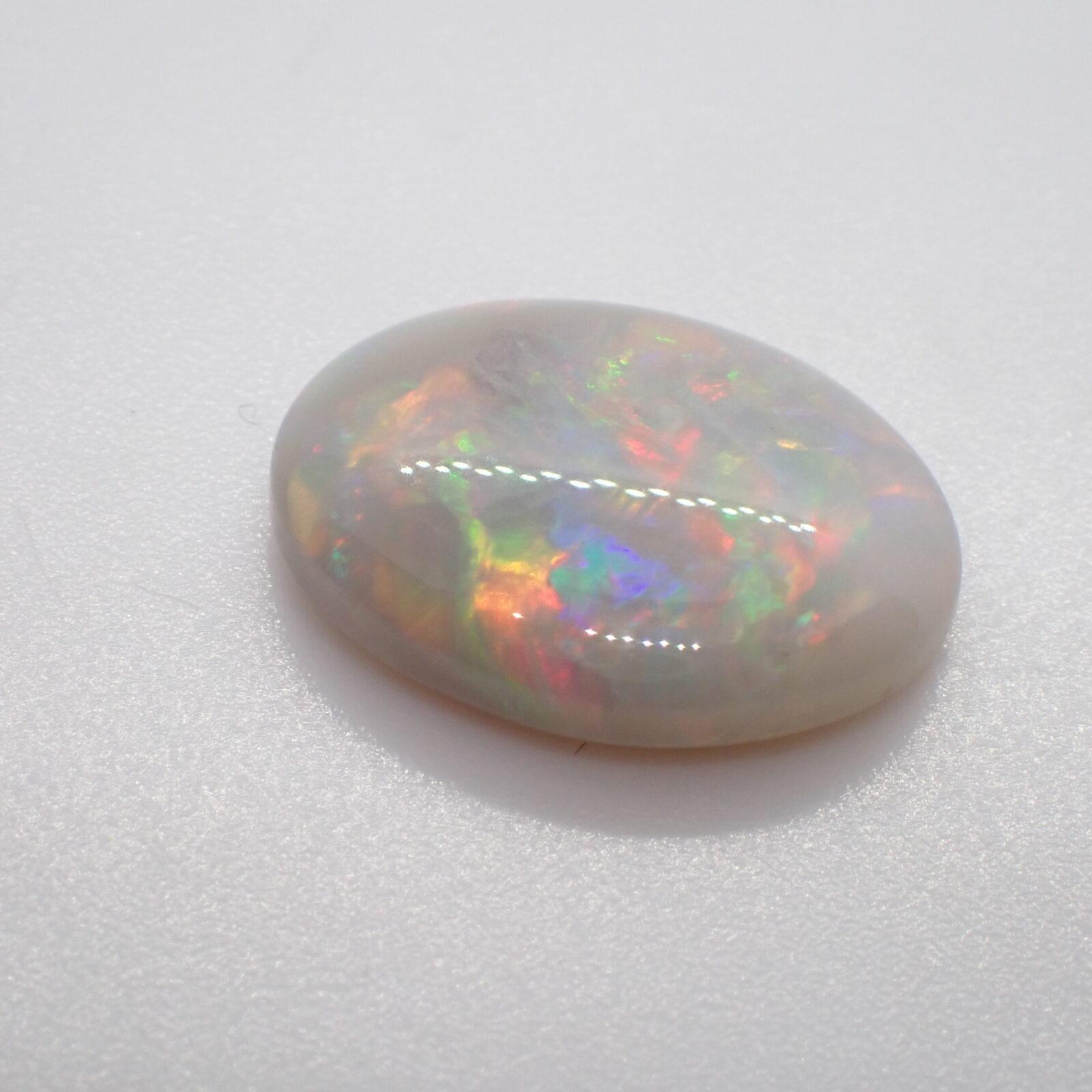


- Freakingcats Gemstone Database
Australian Opal
As a child, I owned a small piece of Australian opal rough—don’t ask me how I got it—and I was fascinated by the color play. Decades later, when I finally managed to get my hands on some extraordinary rough, it felt like true treasure hunting to facet them. That was back when opals were still affordable. Today, I still hold huge pieces that would be nearly impossible to buy on the current market. Yes, some show subtle hairlines from aging over the decades, but for those who understand the soul of a stone, they are a true bargain. To look into a large Australian opal is to see a shifting landscape of fire and light that has been stable for millions of years, representing the very heart of the outback.
The Heritage & Discovery
Historical Significance: Australian Opals are the world’s most iconic “play-of-color” gemstones. Historically, they were introduced to the global market in the late 1800s, eventually overtaking Hungarian deposits as the primary source for the world’s finest opals. For the Indigenous peoples of Australia, the opal is often linked to “dreamtime” legends, with some stories telling of a creator who descended to Earth on a rainbow, the stones where his feet touched the ground turning into shimmering opals. In the world of fine gems, Australian material—particularly the Black and Boulder varieties—stands as the undisputed benchmark for quality and durability.
Discovery: The first major discoveries were made in the mid-19th century, with significant fields like White Cliffs and Lightning Ridge being established shortly thereafter. Scientifically, these opals formed during the Cretaceous period when silica-rich water seeped into the cracks and cavities of the Great Artesian Basin. As the water evaporated over millions of years, it left behind the microscopic silica spheres that create the stone’s legendary optical effects.
Important Mines: The legendary Lightning Ridge in New South Wales is world-famous for the prestigious Black Opal. I also have a great affinity for the “white” and “crystal” opals of Coober Pedy in South Australia, and the unique Boulder Opal from the ironstone fields of Queensland. For the vault, I prioritize these older, large-format pieces from the classic eras of mining, as they possess a depth of color and a scale that is rarely seen in modern production.
Mineralogical Profile
Description: Australian Opal is a hydrated amorphous form of silica. It sits at a 5.5 to 6.5 on the Mohs scale, making it a gemstone that requires gentle handling and protection from extreme temperature changes. It is characterized by its vitreous to sub-vitreous luster and its incredible spectrum of body colors, from milky white to deep, midnight black.[Image showing the microscopic arrangement of silica spheres that diffract light to create the play-of-color in Opal]
One of its most identifying traits is its play-of-color. This is not caused by pigment, but by the diffraction of light as it passes through regularly packed spheres of silica. The size and arrangement of these spheres determine the colors we see—larger spheres produce the rare reds, while smaller spheres create the blues and greens. It has a refractive index (n approx 1.44 to 1.46). Because it contains a small percentage of water (3% to 21%), it can be sensitive to dehydration, which sometimes leads to fine surface hairlines (crazing) over many decades. However, in these older, “seasoned” stones, the material has reached a stable equilibrium, offering a character and history that modern “wet” rough simply cannot match.
Chemical Formula: SiO2·nH2O


