
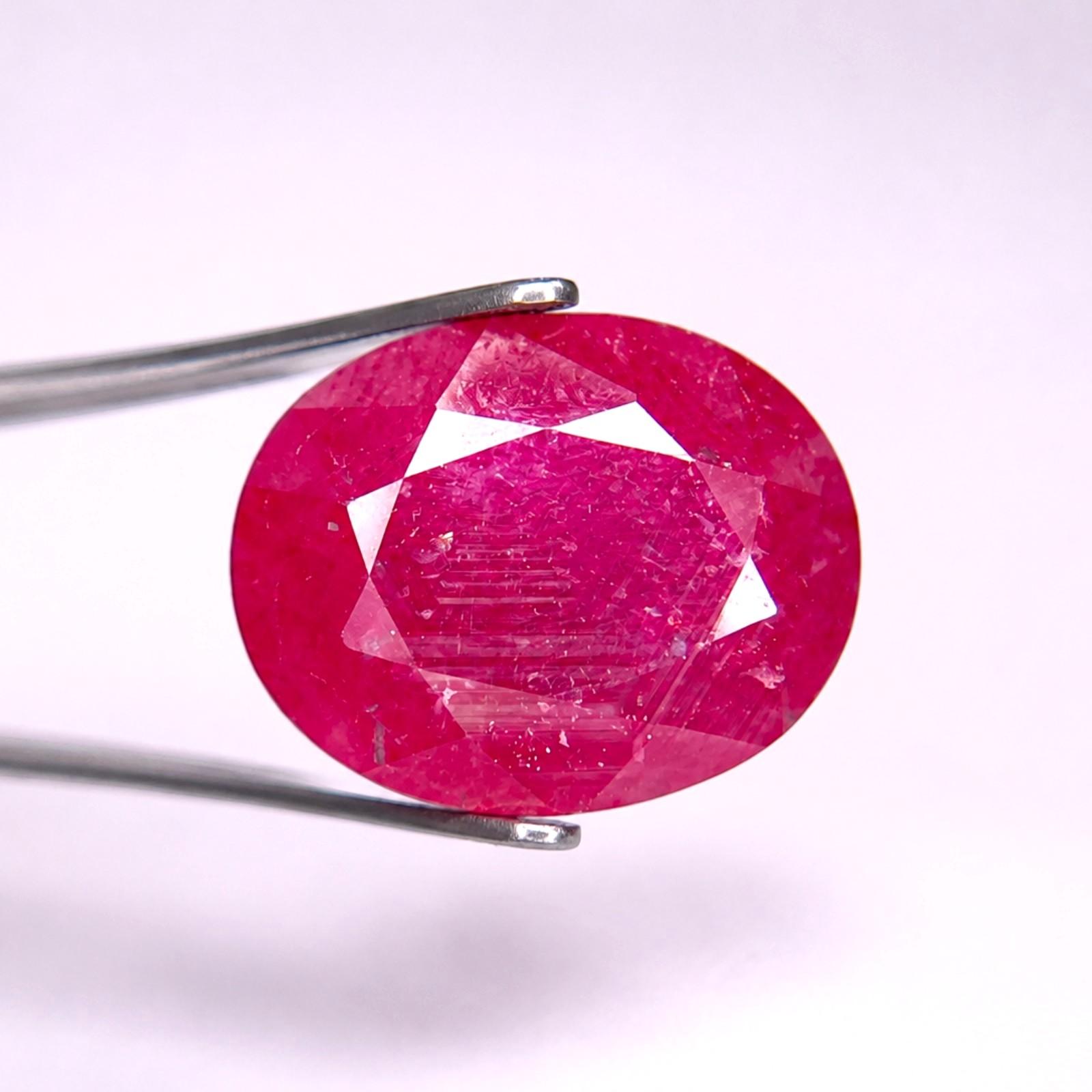
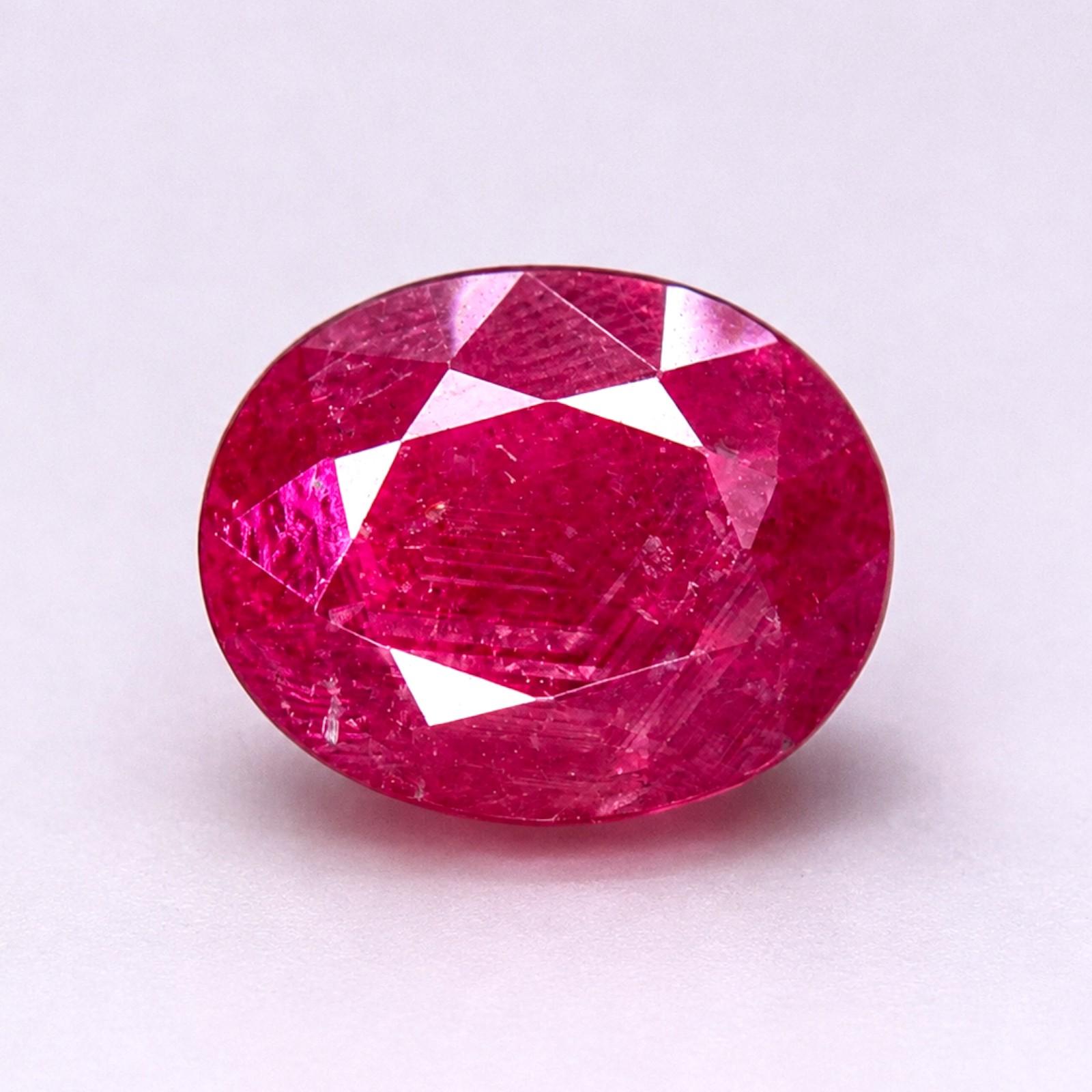
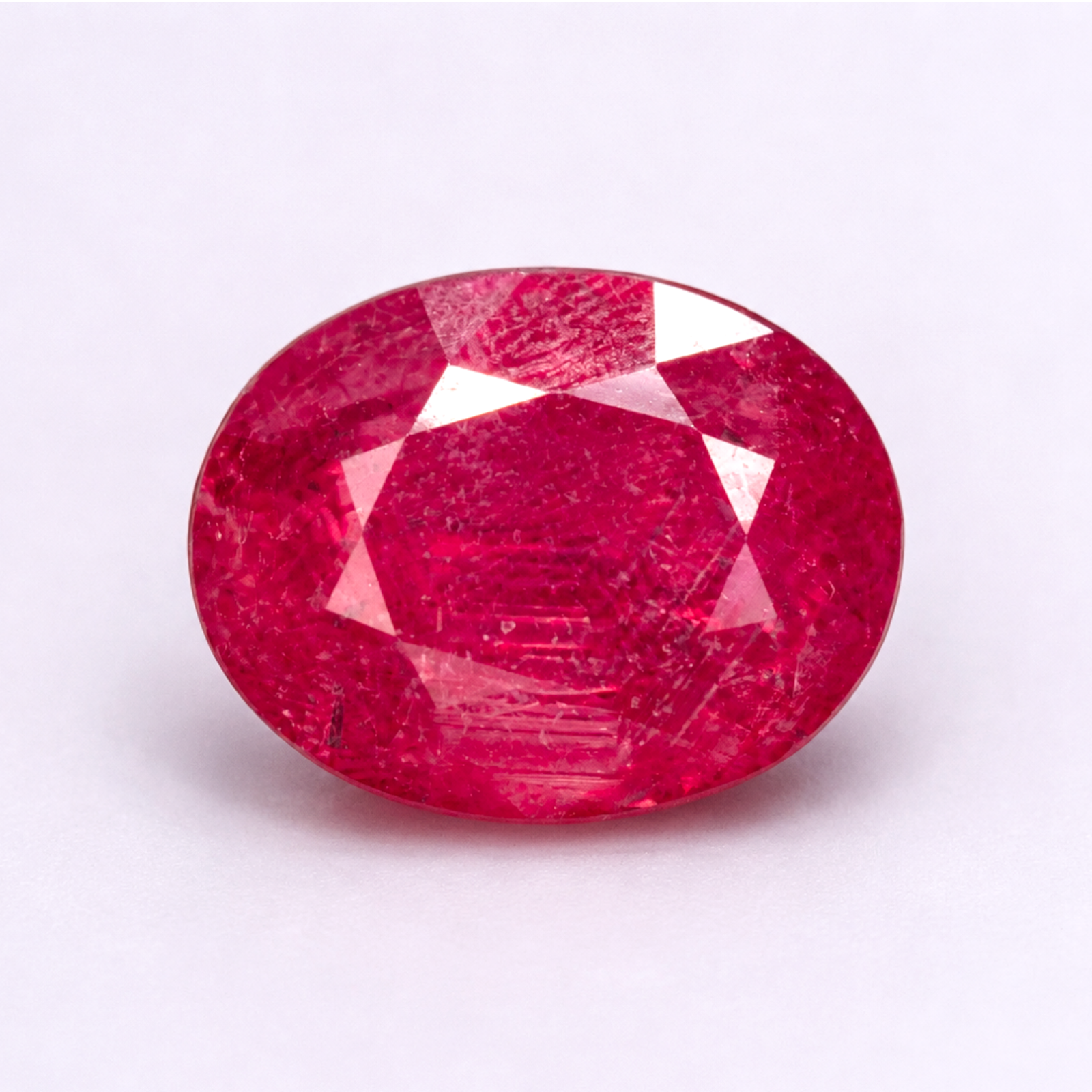
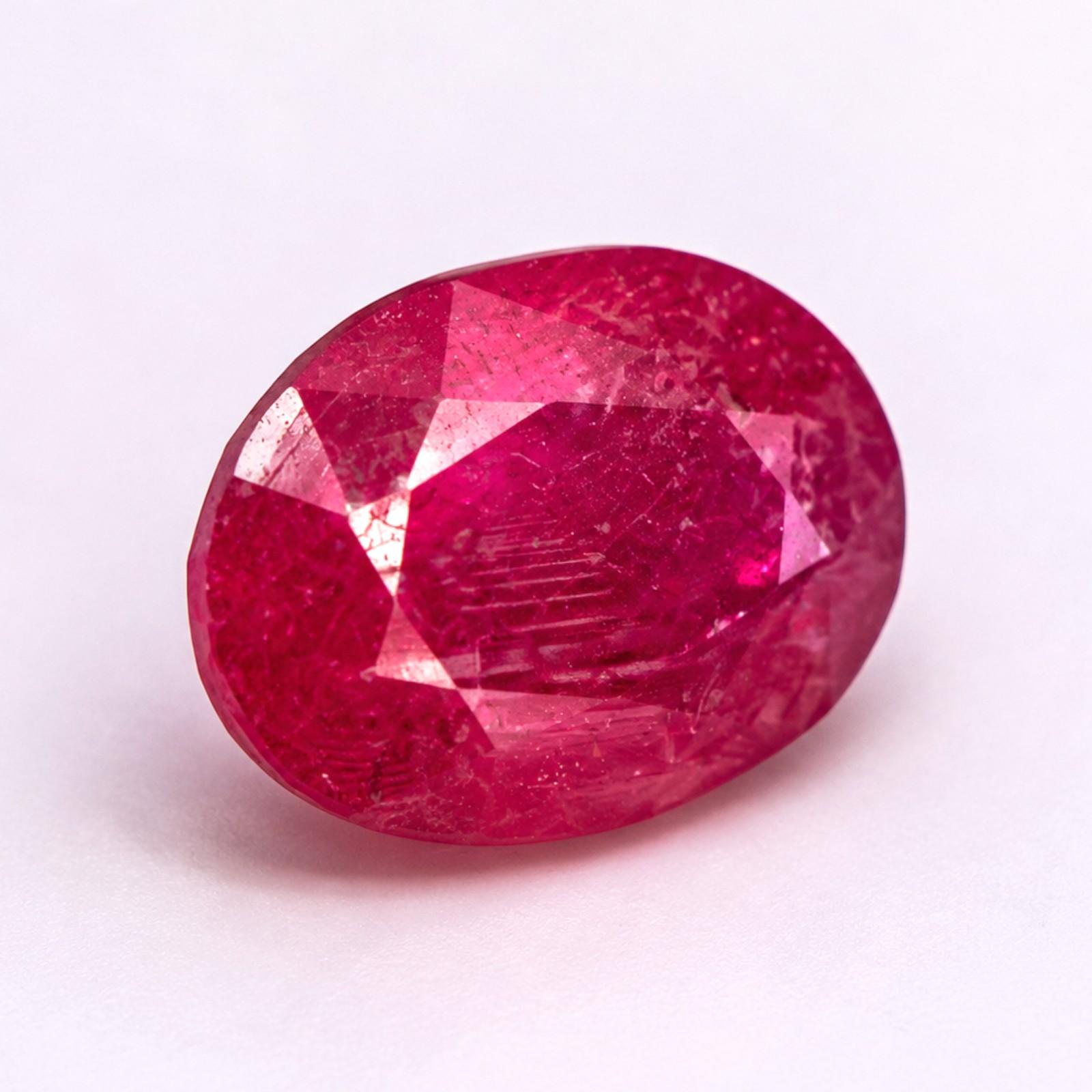
30.48 ct RUBY – SRI LANKA
EXPERT VERIFIED
- Expert Verified Gemstone
- Fast Handling & Shipping
- Secure Vault Packaging
$ 1,050
Offer amount Feild


Smart Collector Choice


Pay with Crypto & Get 10% Automatic Discount

Availability: 1 in stock
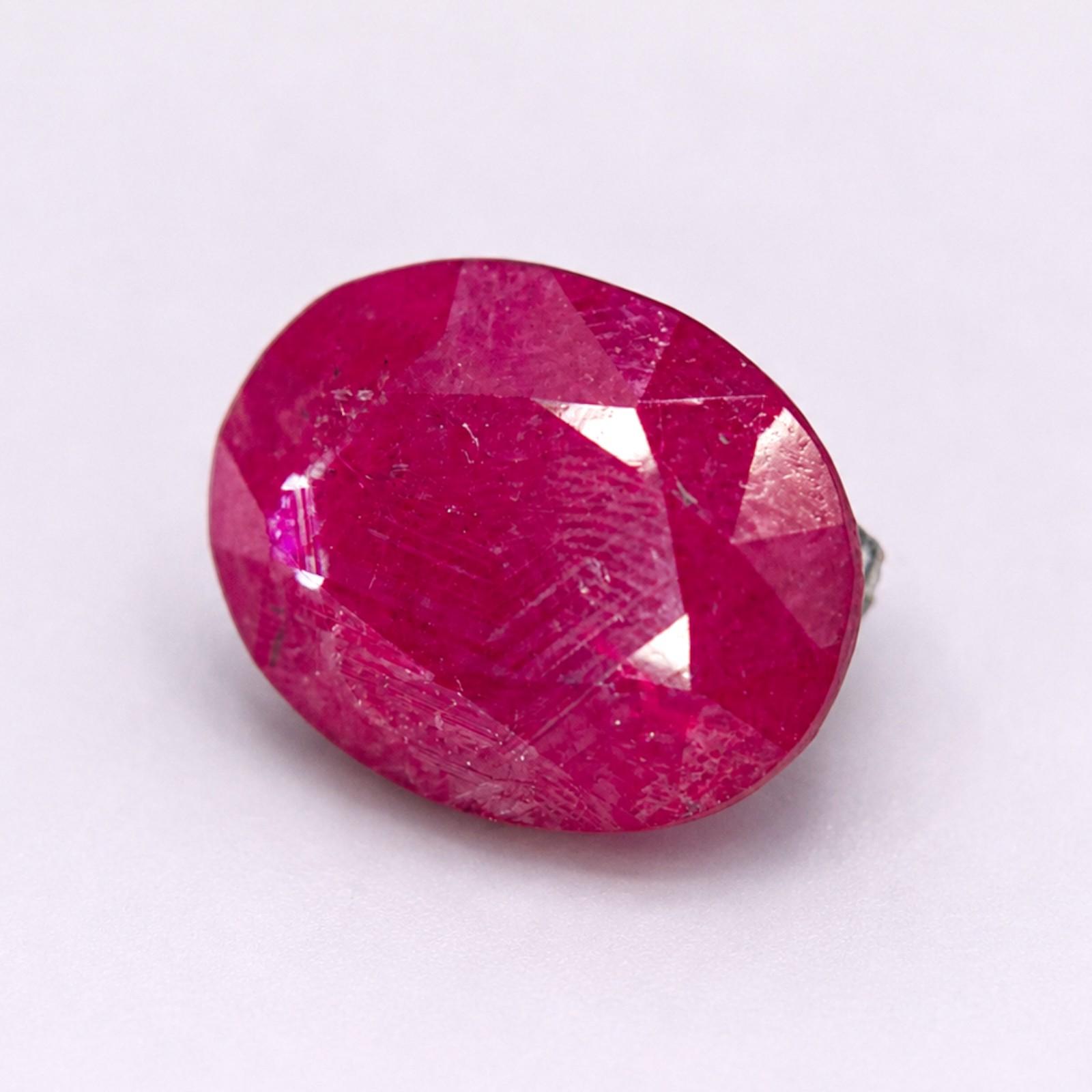
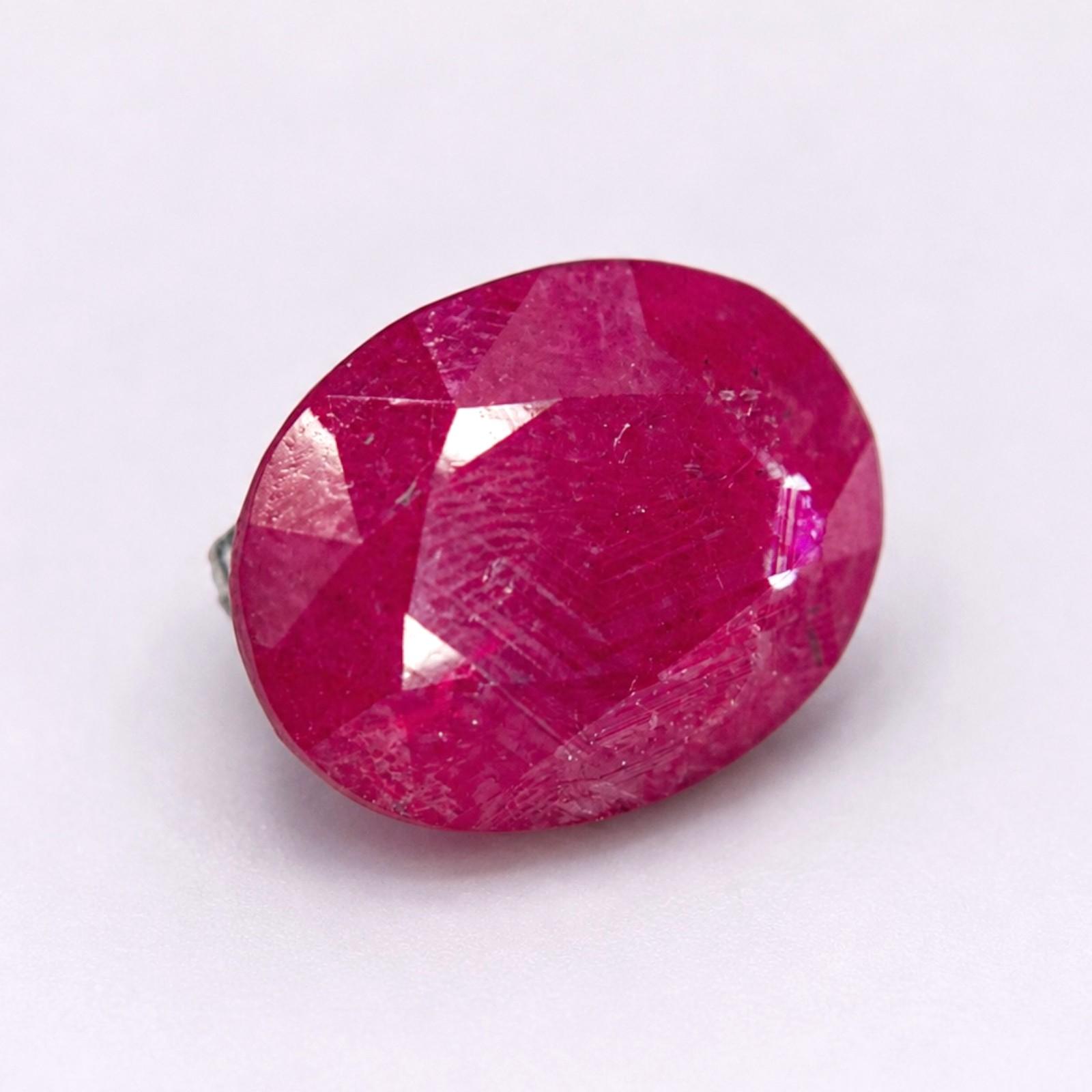
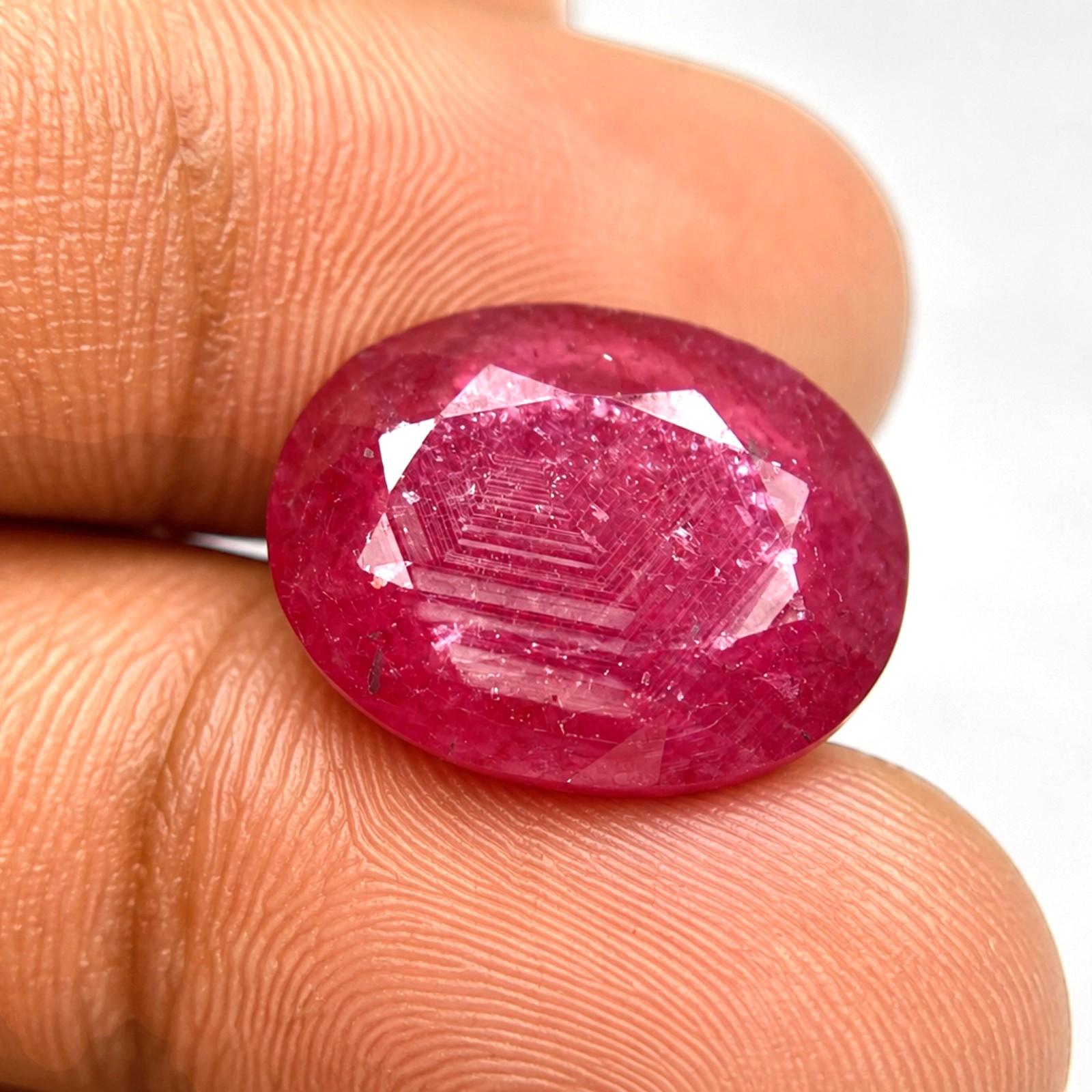


- Freakingcats Gemstone Database
Ruby (Sri Lanka)
Ruby from the historic, deep-seated metamorphic gravels of Sri Lanka represents the absolute pinnacle of fluid, open-circuit red fire and intense, chromium-driven luminescence. The legendary pinkish-red to rich raspberry-neon variant of the corundum family, it is a species I have always respected for its “electric-carmine” to “vivid-cerise” saturation and its status as a masterpiece of “trigonal” structural discipline. For the specialist, a top-tier Sri Lankan Ruby is a prized asset of deep-crustal regional metamorphism; it offers a brilliant vitreous to sub-adamantine luster and an exceptionally radiant, daylight-fluorescent presence that makes it a true “high-vibration” asset for the systematic vault. As an artist, I find the unique, pastel-soft undertones shifting into intense, hyper-reactive red flashes under direct light to be one of nature’s most sophisticated and lively palettes.
The Heritage & Discovery
Historical Significance
Sri Lankan rubies are vital to our understanding of iron-depleted, chromium-rich crystallization parameters within high-grade metamorphic marble and granulite sequences. Historically, Ceylon (now Sri Lanka) holds the most venerable position in global gemological lore, documented for over two thousand years as the legendary “Island of Gems.” In the world of fine minerals and collector stones, the Sri Lankan ruby is celebrated for its distinctive, pastel-influenced body color—often trending toward a highly prized, vibrant pinkish-red—which stands as a symbol of structural purity and trace-element balance. It serves as a reminder that the deep, slow cooling of ancient metamorphic belts can refine simple aluminum oxide into an extraordinary, light-gathering crystalline treasure.
Discovery
While the extraction of fine corundum from the island’s rich gravel beds dates back to antiquity, the modern scientific mapping of its unique geological environment completely redefined the mineralogical study of corundum color centers. Scientifically, Sri Lankan rubies are characterized by an exceptionally low iron content relative to basalt-hosted deposits. This lack of iron prevents the natural quenching of fluorescence, allowing the chromium-activated red body color to instantly ignite under ultraviolet light or natural daylight. The exploration of these ancient alluvial horizons provided mineralogists with spectacular, blocky bipyramidal crystals and waterworn nodules that showcase an unmistakable internal depth. My own respect for this material grew from observing its phenomenal optical reactivity; specifically, the way a Sri Lankan stone releases a fiery, glowing crimson red when exposed to simple daylight is a visual impact that is unmistakable to the trained eye.
Important Mines
The undisputed historical capital for this material remains the legendary Ratnapura district in the Sabaragamuwa Province of Sri Lanka, famously translated as the “City of Gems.” Globally, while deeper, iron-rich rubies emerge from Thailand and Cambodia, the alluvial beds of Ratnapura, Balangoda, and the historic gravel layers of Elahera yield stones with an unparalleled structural clarity and liquid brilliance. For the vault, I prioritize specimens that exhibit high internal optical translucency, sharp crystal habits when found in matrix, or exceptional face reflectivity, as they represent a beautifully optimized expression of classic high-temperature paragenesis.
Mineralogical Profile
Description
Ruby is the chromium-bearing red variety of corundum that crystallizes in the trigonal system. It sits at a monumental 9 on the Mohs scale, surpassed only by diamond, meaning its exceptionally hard, robust surfaces are highly resistant to physical abrasion and require no delicate handling beyond standard archival storage. It is characterized by its bright vitreous to sub-adamantine luster and an unmistakable, “pinkish-red, vivid raspberry, to deep carmine” color palette.
One of its most identifying traits is its lack of true cleavage, breaking along uneven or conchoidal fractures, routinely forming sharp, hexagonal bipyramidal or tabular crystals in its rough state. It possesses a high refractive index running from approximately 1.762 to 1.770, contributing to its intense internal color depth and exceptional fire, and an average specific gravity ranging between 3.99 and 4.02 that reflects its dense, tightly packed aluminum oxide architecture. Because it is recovered primarily from secondary alluvial deposits, it is found downstream from its original high-grade metamorphic marble host rocks, independent of matrix but frequently retaining trace diagnostic microscopic features—such as slender, intersecting rutile needles (“silk”) or tiny rounded apatite crystals—that reveal its ancient geological journey. When I select an example for the collection, I look for pieces that exhibit sharp, crisp fire and a rich, light-sensitive red saturation, highlighting the sophisticated, deep-seated chemistry of the mineral’s ancient birth.
Chemical Formula
Al2O3


