
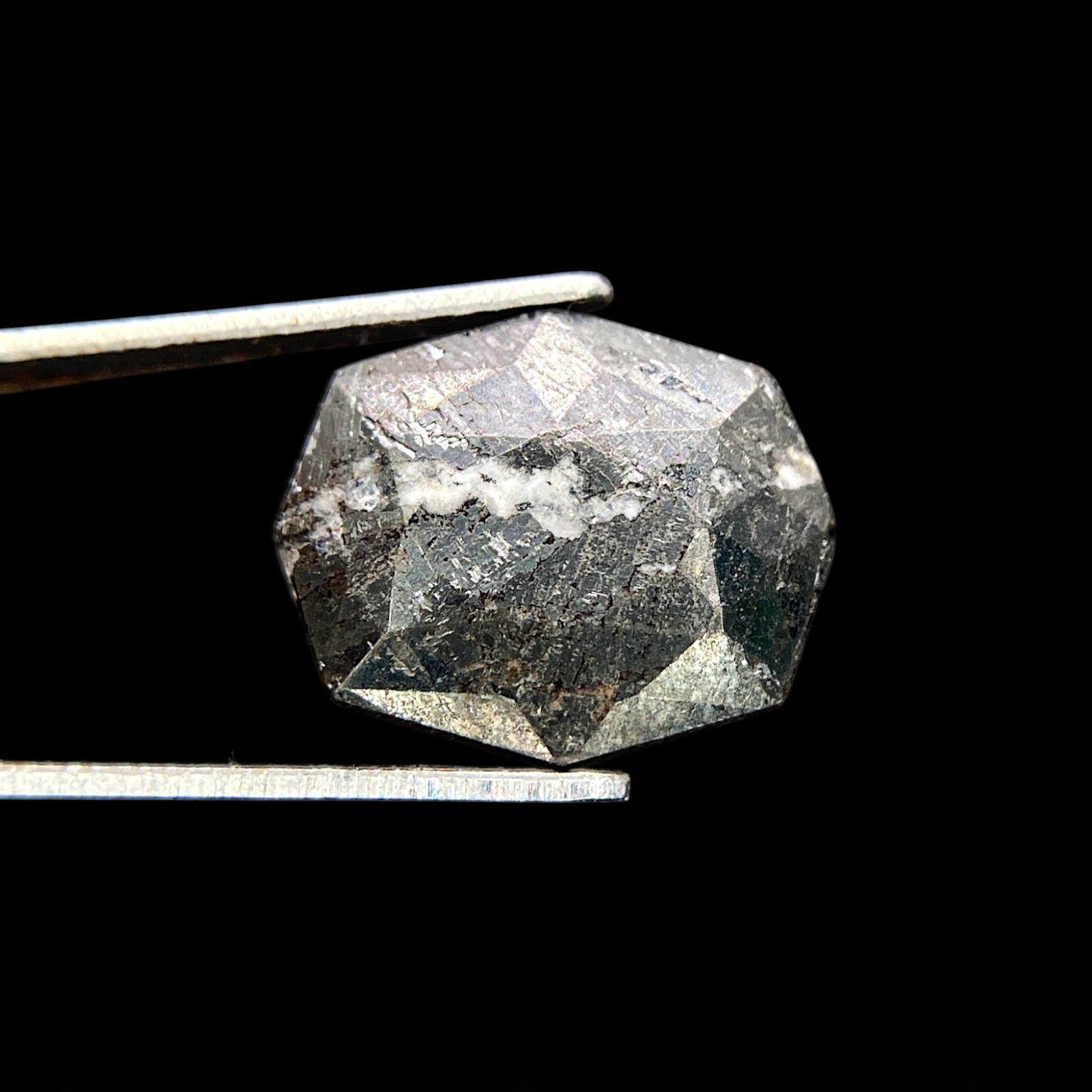
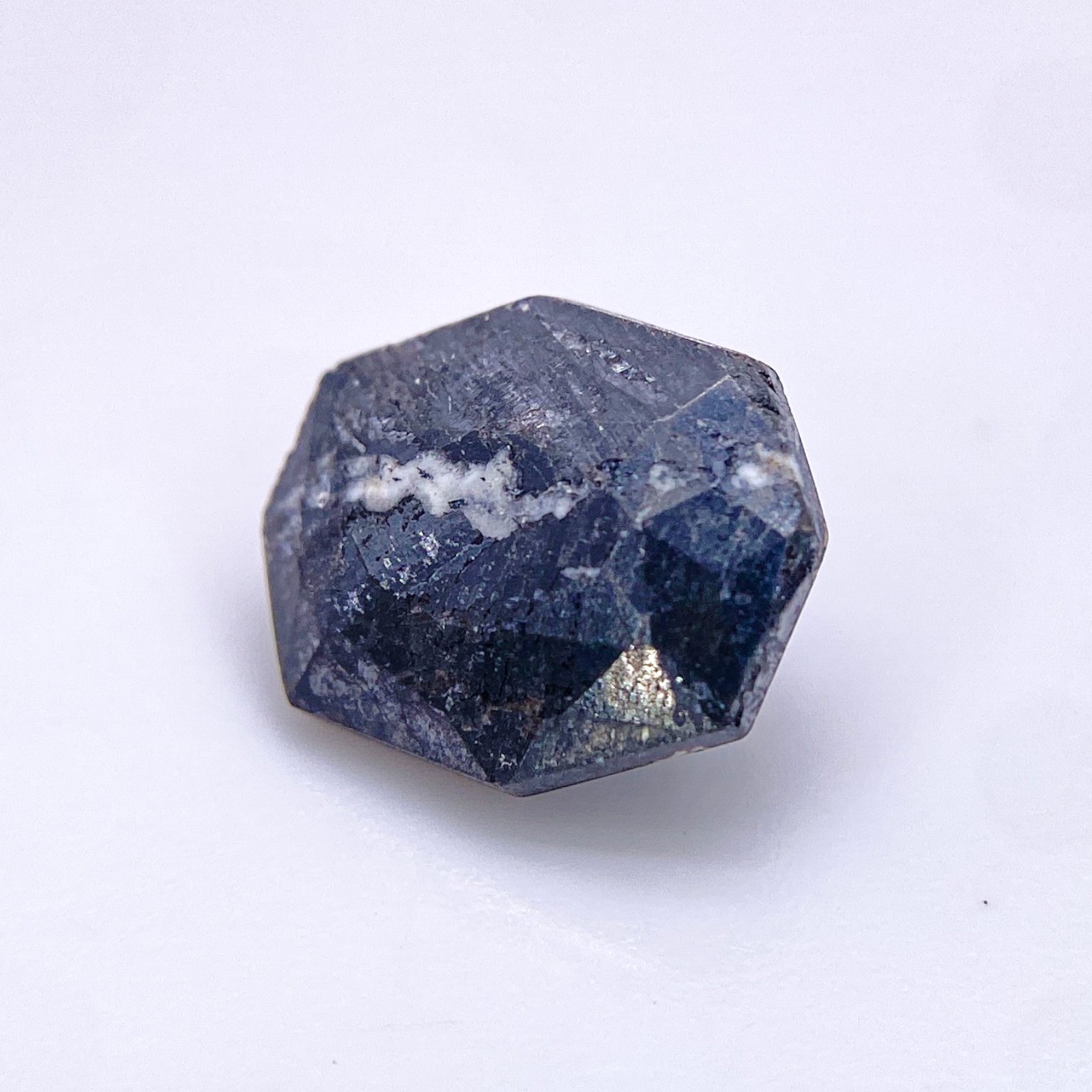
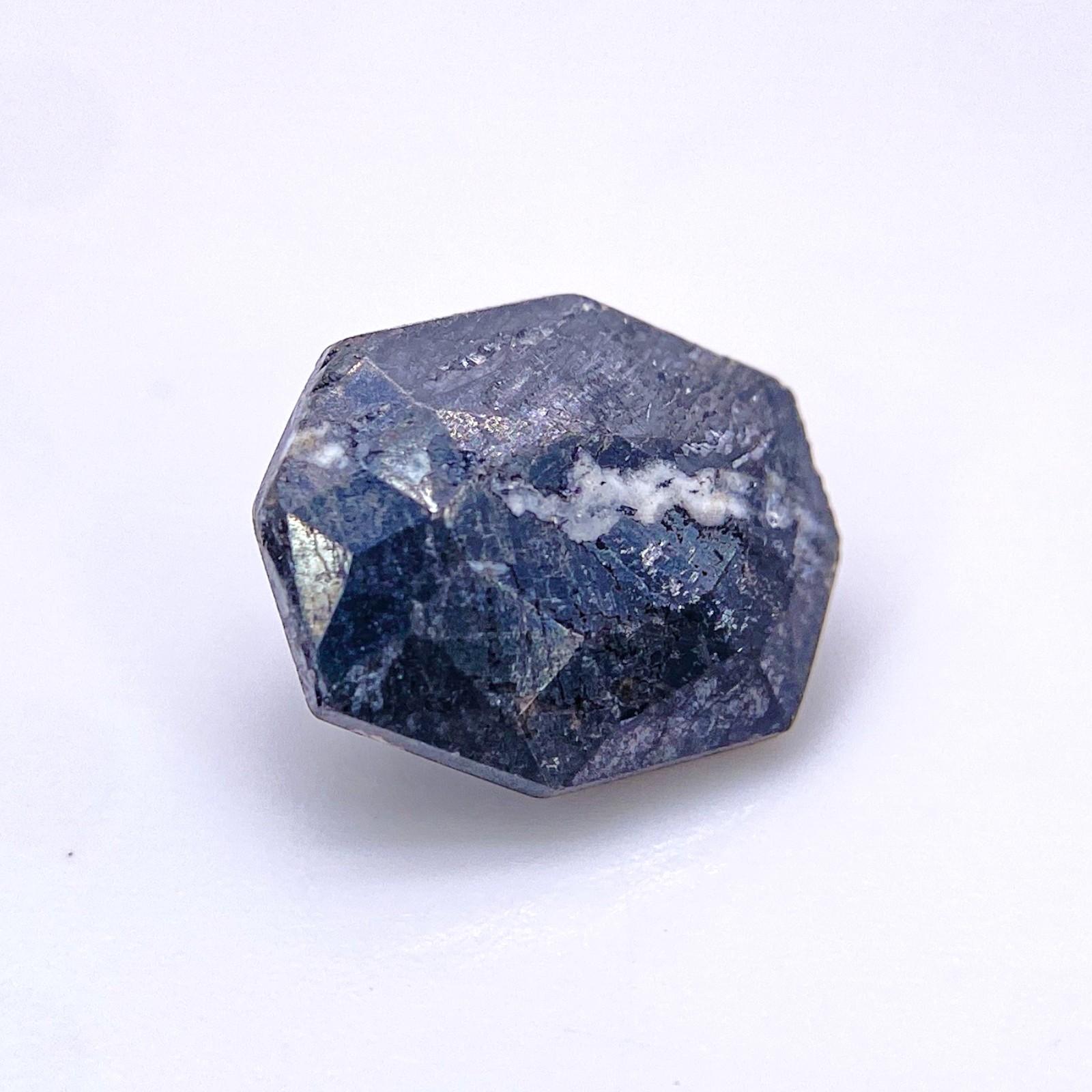
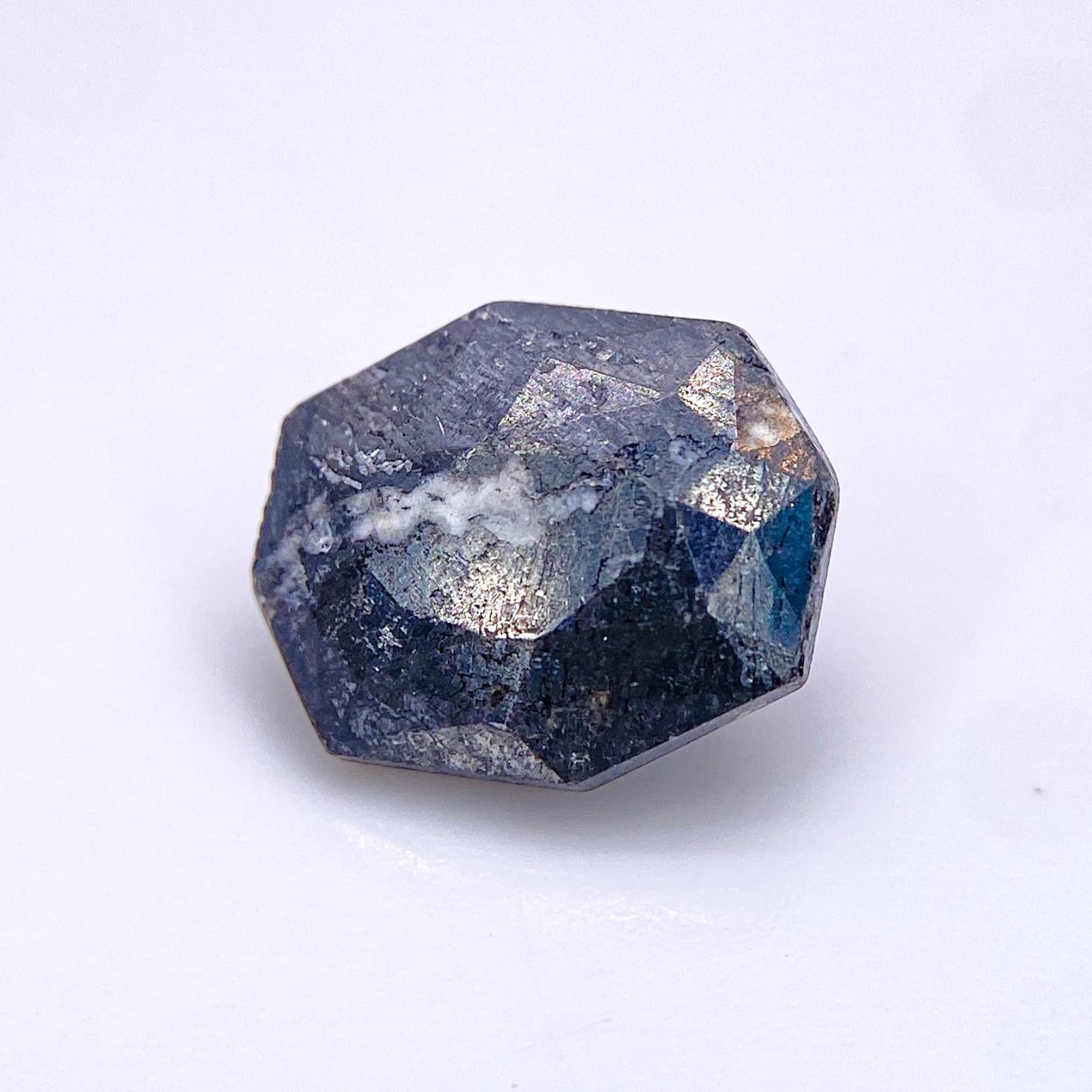
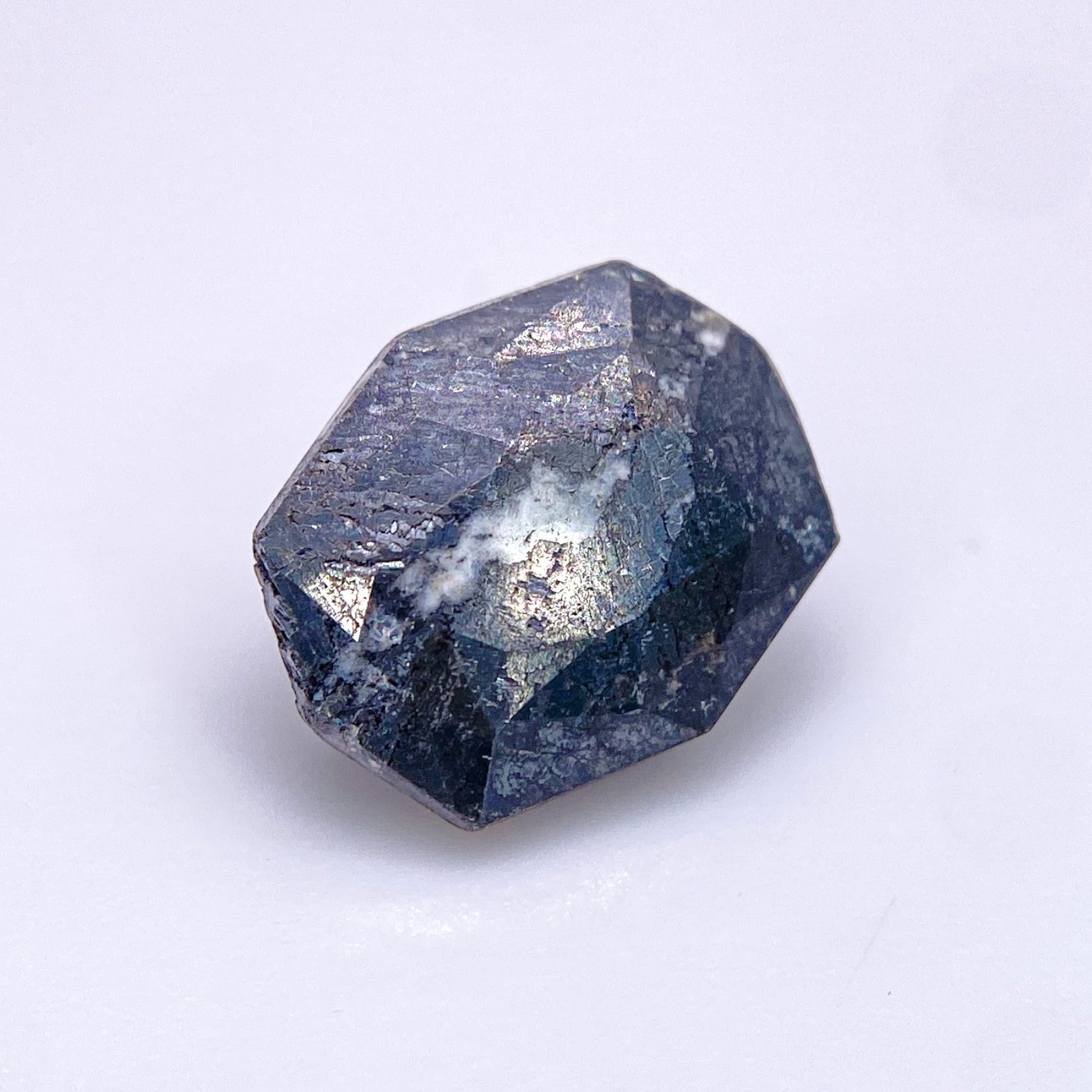
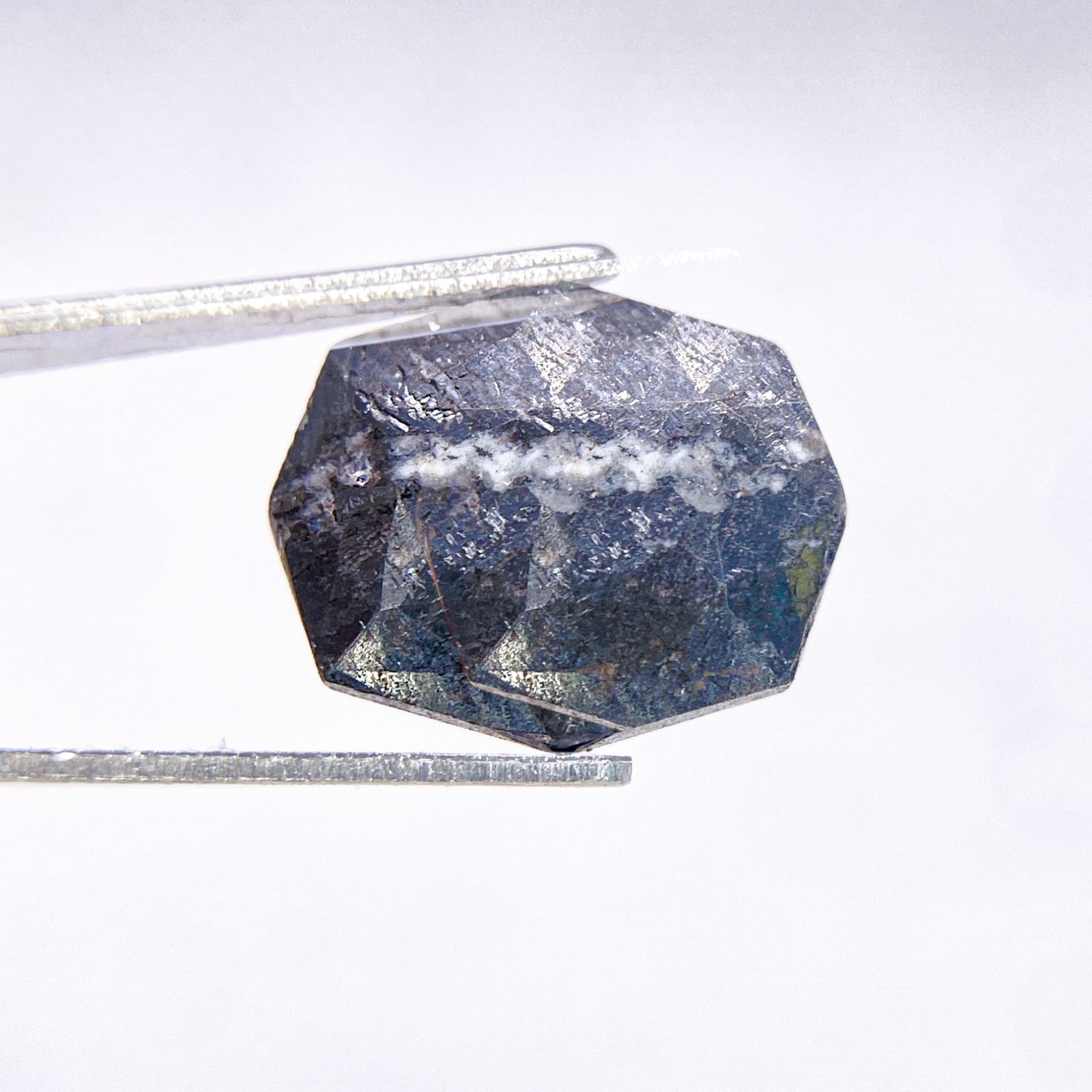
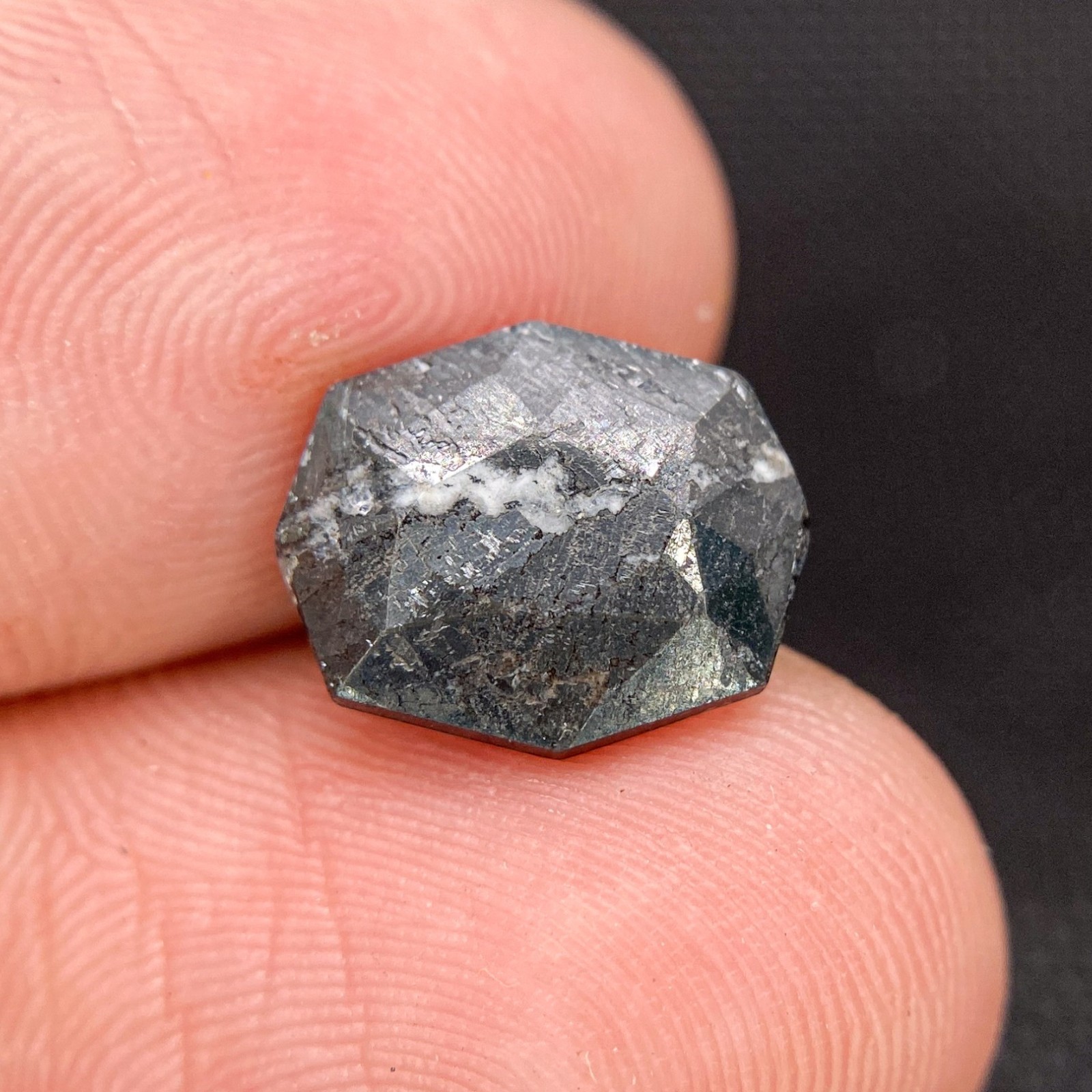
5.60 ct RAMSDELLITE – USA
EXPERT VERIFIED
- Expert Verified Gemstone
- Fast Handling & Shipping
- Secure Vault Packaging
$ 200
Offer amount Feild


Smart Collector Choice


Pay with Crypto & Get 10% Automatic Discount

Availability: 1 in stock


- Freakingcats Gemstone Database
Ramsdellite
Ramsdellite is a gemstone for the collector who appreciates the “noir” side of the mineral world. A rare manganese oxide and a polymorph of Pyrolusite, it possesses a dark, metallic mystery that I find incredibly sophisticated. It typically presents as iron-black to dark steel-grey crystals with a brilliant, sub-metallic luster that can look almost like polished hematite, but with a sharper, more crystalline edge. I have always been drawn to its structural rarity; while manganese oxides are common, Ramsdellite only forms under very specific, low-temperature conditions. To find a well-crystallized specimen is a true hunt. It is a stone of weight and shadow, offering a “stealth” elegance that provides a perfect, metallic contrast to the more colorful treasures in the vault.
The Heritage & Discovery
Historical Significance: Ramsdellite is an essential species for mineralogists studying the oxidation of manganese deposits. Historically, it was often overlooked or confused with its much more common cousin, Pyrolusite, until its unique orthorhombic structure was identified. It represents a specific geochemical “snapshot” where manganese and oxygen align in a way that is less stable than other forms, making it a rare prize. In the world of fine minerals, it is celebrated for its sharp, “bladed” or “splintery” crystals, standing as a sophisticated representative of the oxide family. It serves as a reminder that even the darkest, most opaque minerals hold a complex, geometric beauty that is only revealed to those who look closely.
Discovery: The mineral was first described in 1943 and was named in honor of Lewis Stephen Ramsdell (1895–1975), a professor of mineralogy at the University of Michigan. Ramsdell was a pioneer in the use of X-ray diffraction for mineral identification, and naming this structurally distinct manganese oxide after him was a fitting tribute to the man who helped the world “see” the internal arrangement of atoms. Since its naming, it has remained a staple of systematic mineralogy.
Important Mines: While found in various manganese districts, the most legendary source for well-defined, lustrous crystals is the Lake Valley District in New Mexico, USA. I also have a high regard for the spectacular specimens from the Mistake Mine in Arizona and the historic finds in Hesse, Germany. For the vault, I prioritize the New Mexican material, as it produces the most “brilliant” metallic luster and the sharpest orthorhombic blades available on the market.
Mineralogical Profile
Description: Ramsdellite is a manganese oxide that crystallizes in the orthorhombic system. It sits at a 3 to 4 on the Mohs scale, making it a relatively soft mineral that should be handled with care and protected from abrasion to maintain its metallic sheen. It is characterized by its sub-metallic to metallic luster and its deep, steel-grey to iron-black color.
One of its most identifying traits is its habit and streak—it often forms as radiating bladed crystals or massive aggregates and leaves a black to dark brown streak when tested. It has a high density (4.7 to 4.8 g/cm³), giving it a substantial “heavy” feel in the hand. Because it is a polymorph of Pyrolusite, it shares the same chemistry (MnO_2) but has a different internal arrangement, which is what makes it so much rarer. When I select a piece for the collection, I look for “fresh” surfaces with a high-reflectivity luster, as these highlight the crisp, metallic geometry that distinguishes Ramsdellite from more common, duller manganese ores.
Chemical Formula: Mn4+O2


