
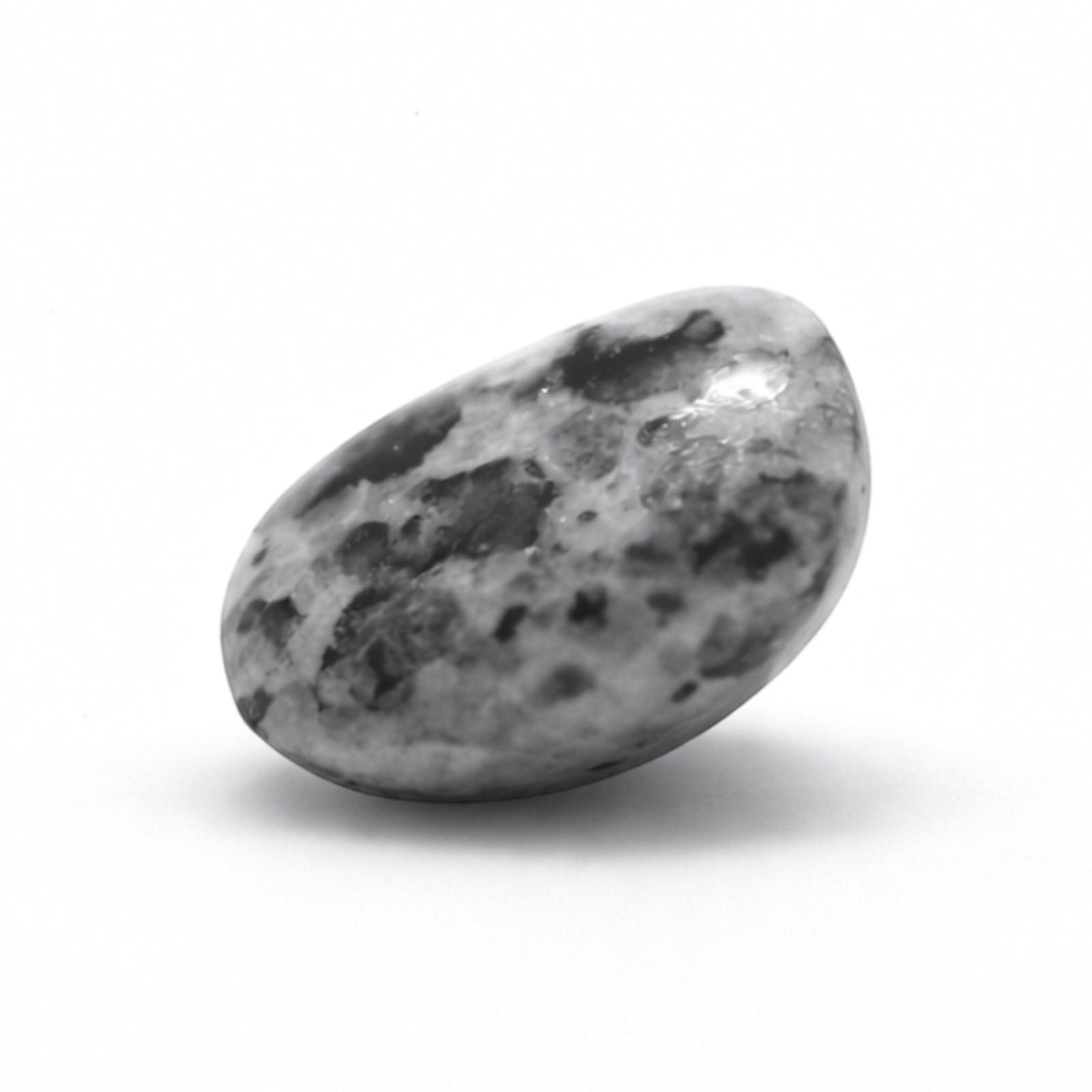
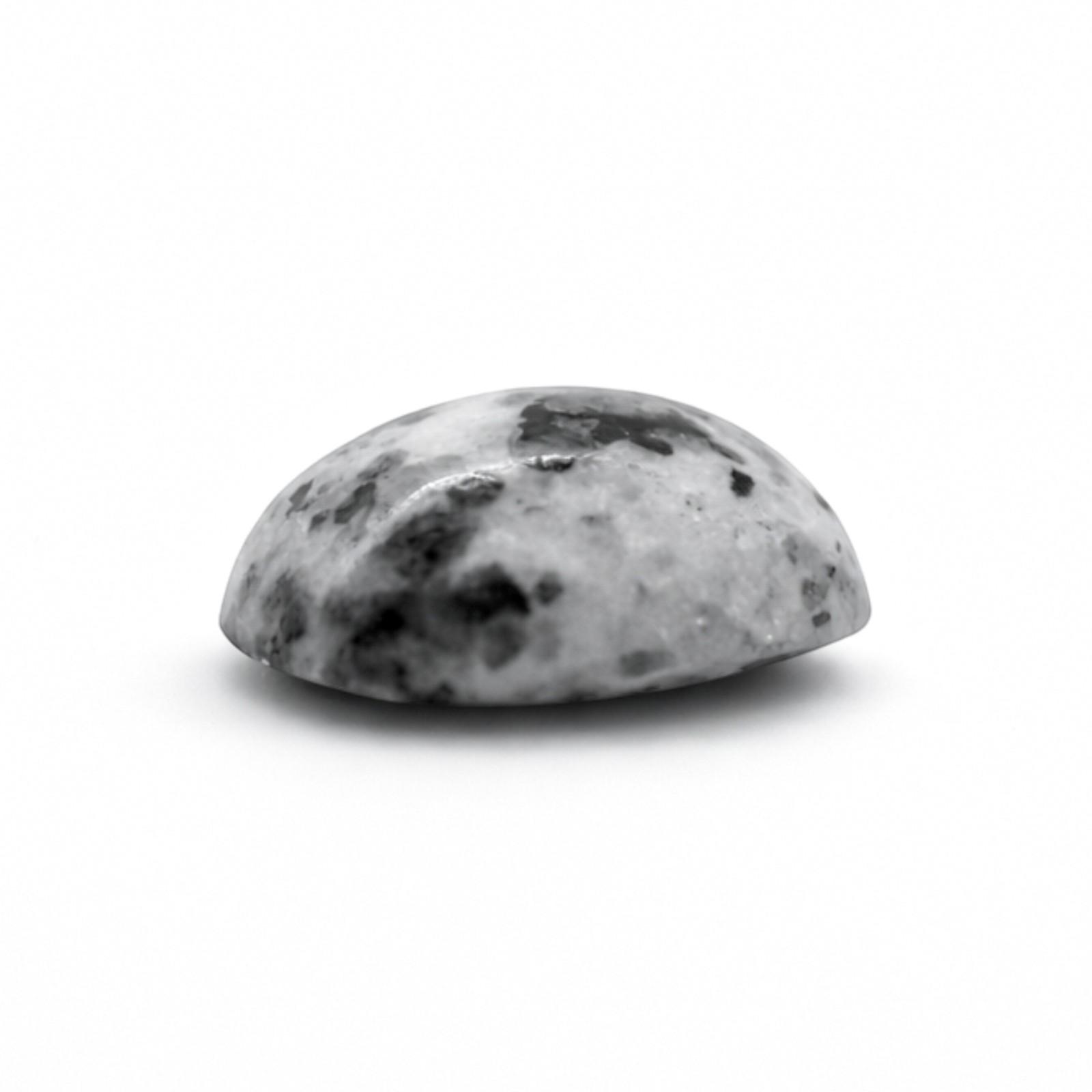
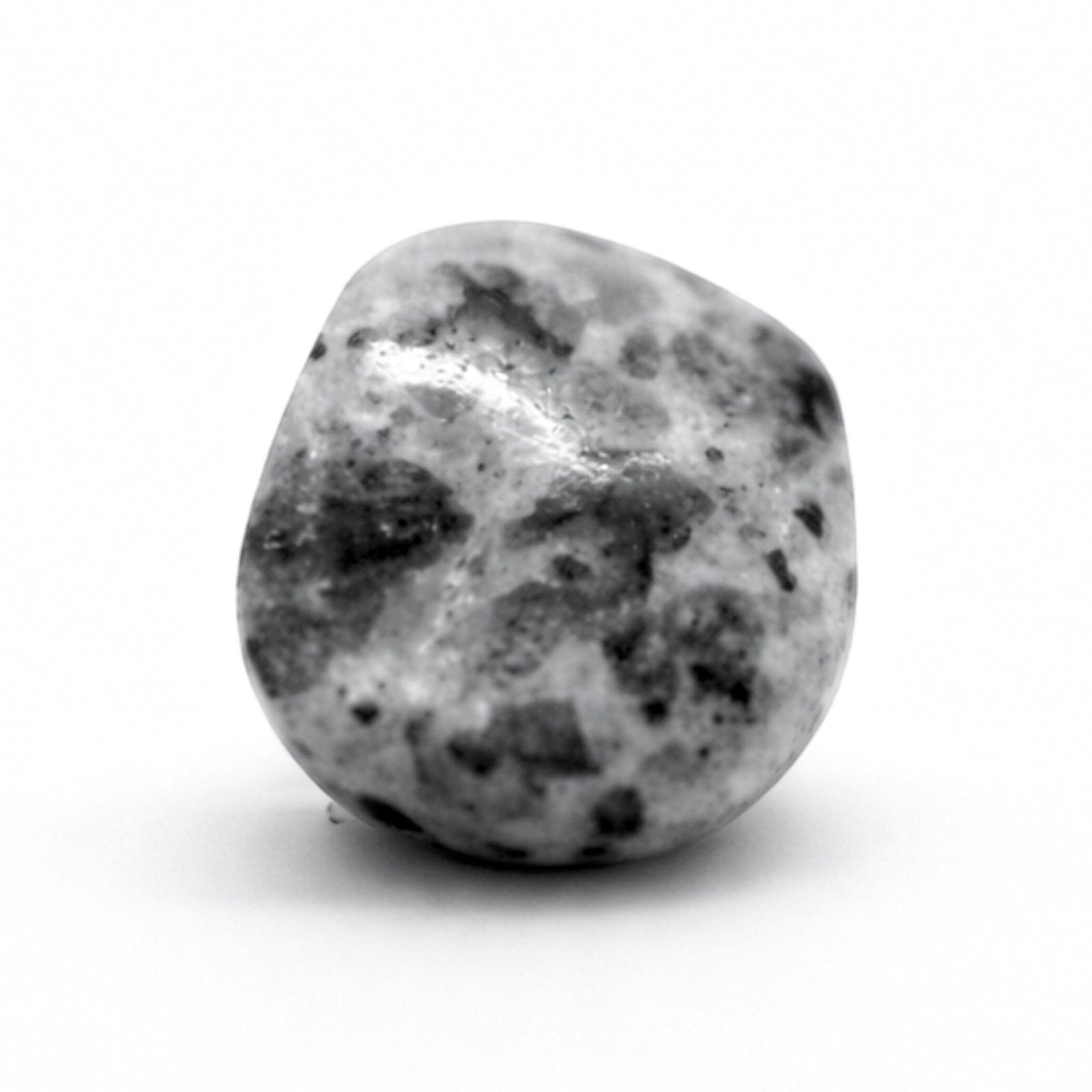
5.84 ct KAKORTOKITE – GREENLAND
EXPERT VERIFIED
- Expert Verified Gemstone
- Fast Handling & Shipping
- Secure Vault Packaging
$ 120
Offer amount Feild


Smart Collector Choice


Pay with Crypto & Get 10% Automatic Discount

Availability: 1 in stock
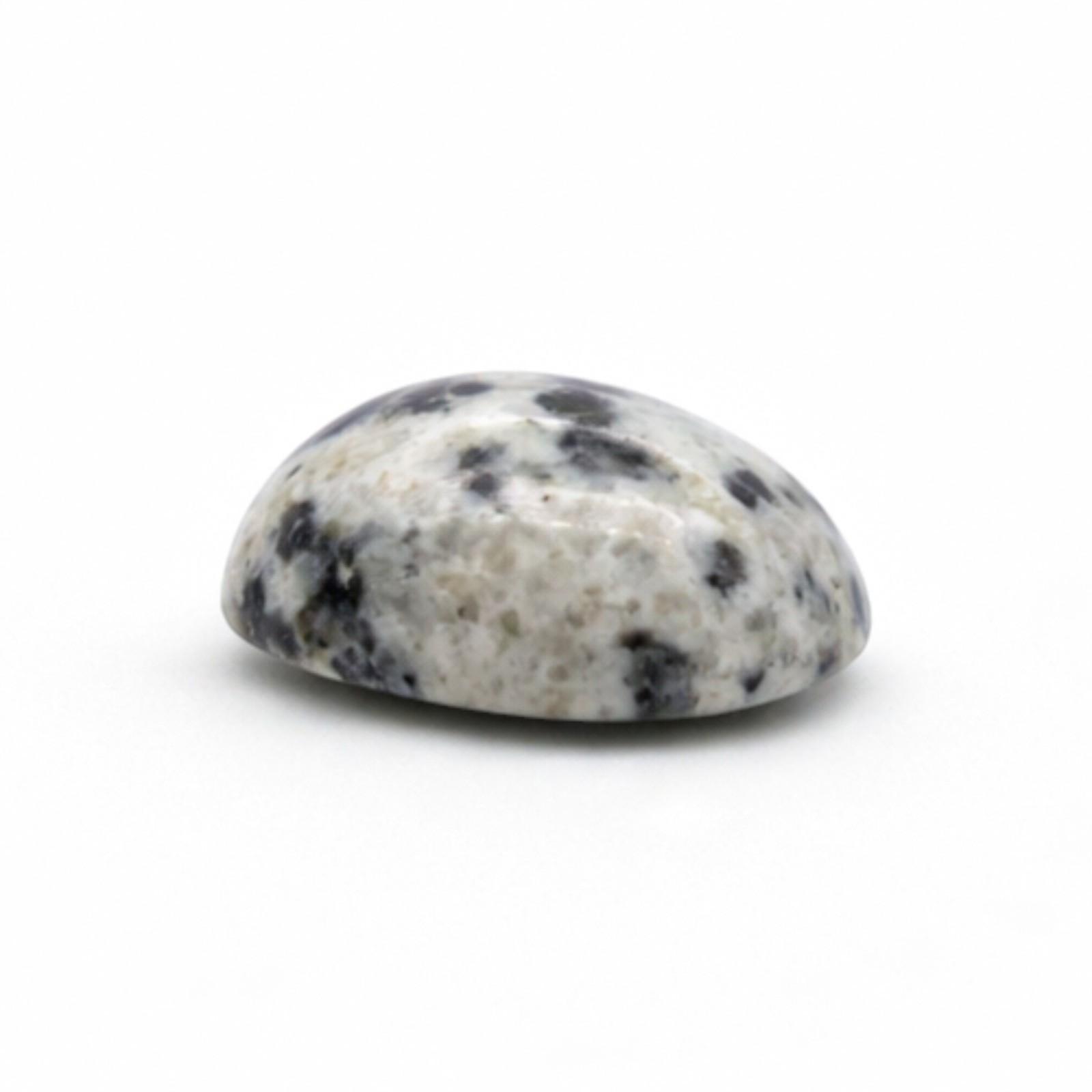
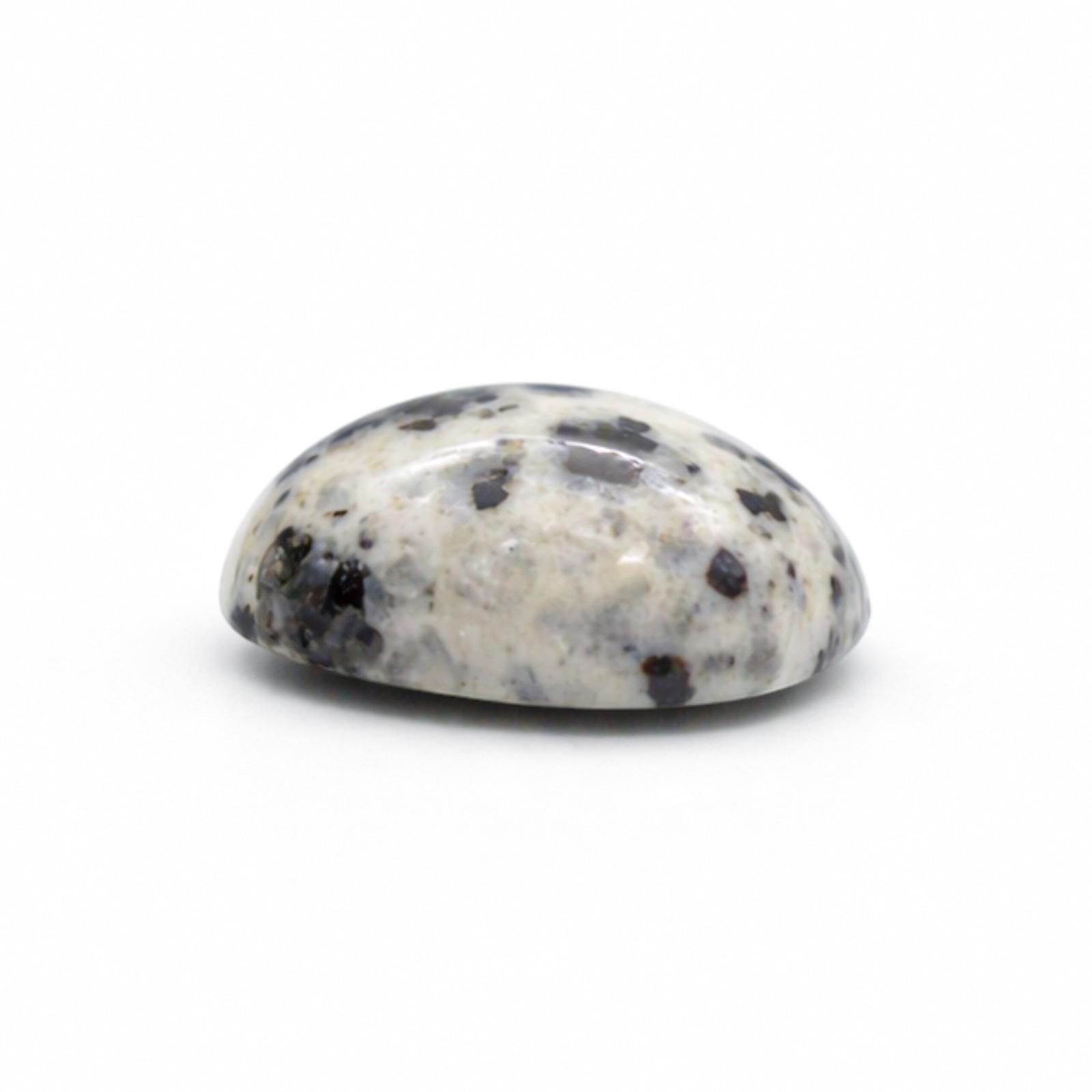
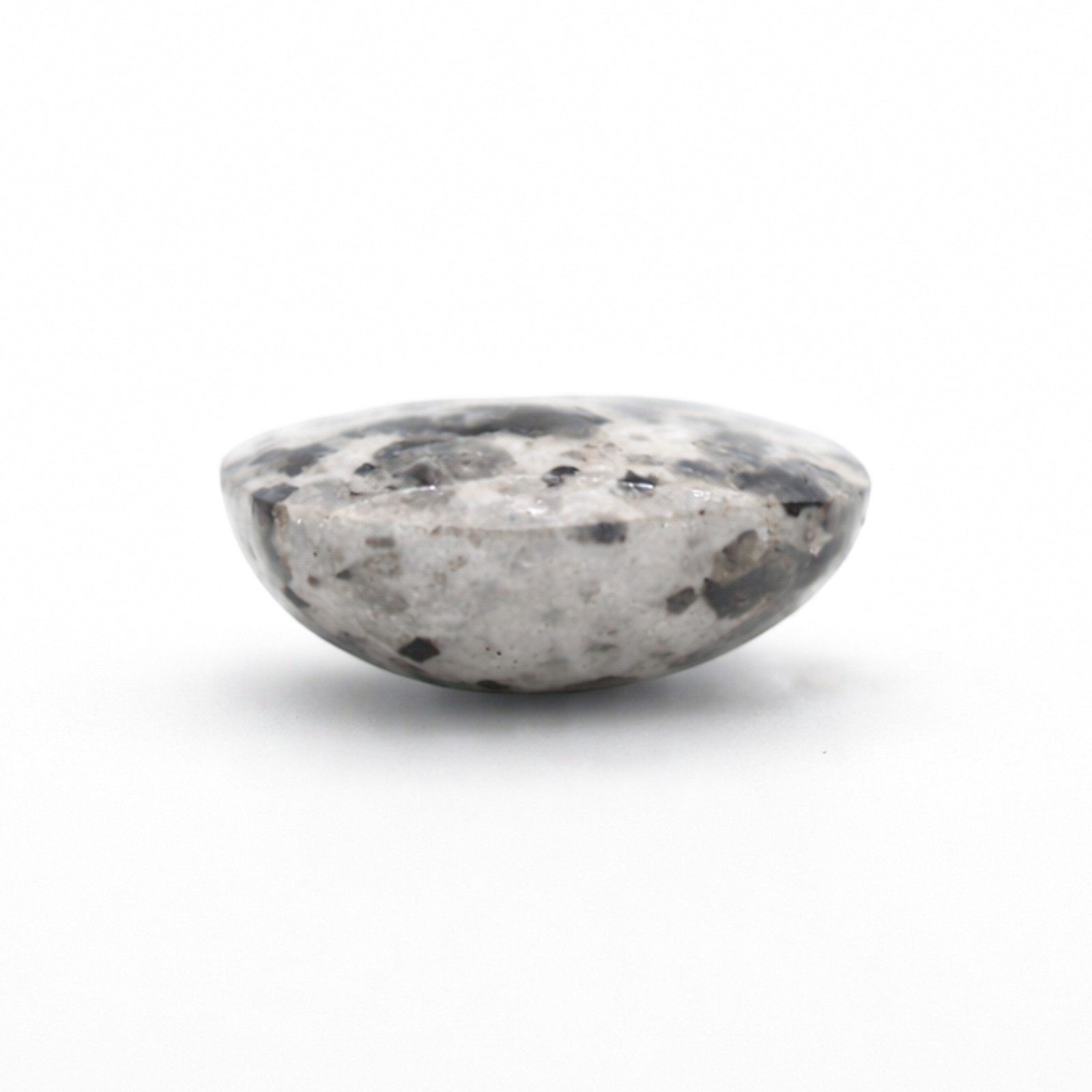
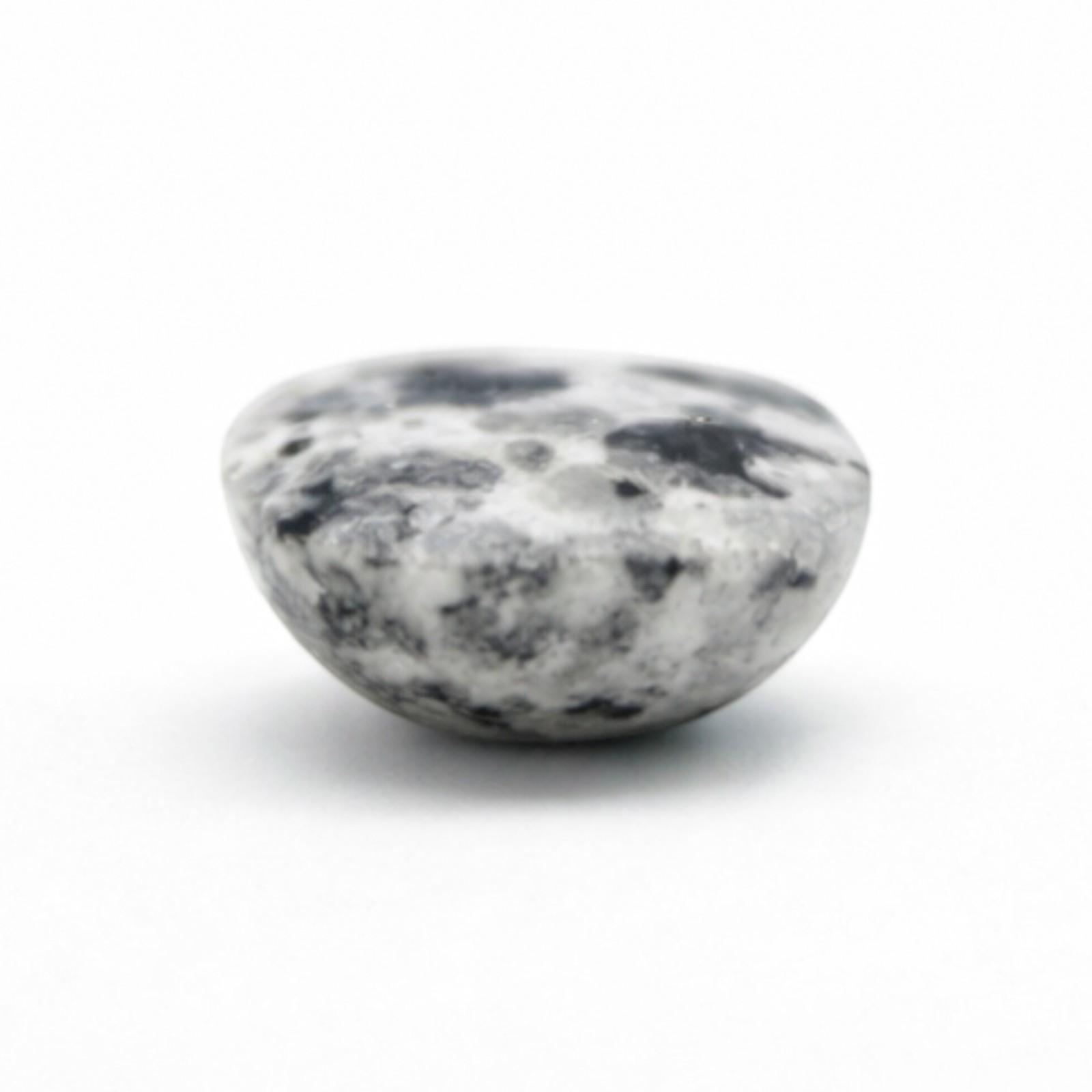


- Freakingcats Gemstone Database
Kakortokite (This one has a black and white image!)
Kakortokite represents the “polychromatic-layered” peak of the agpaitic igneous world. A rare eudialyte-bearing nepheline syenite, it is a species I have always respected for its “vivid-red” to “midnight-black” saturation and its status as a spectacular example of magmatic layering. For the specialist, a top-tier Kakortokite is a prize of alkaline igneous evolution; it offers a vitreous to greasy luster and a “solid” presence that makes it a true “high-vibration” asset for the systematic vault. As an artist, I find the “rhythmic” repetition of red, white, and black bands to be one of nature’s most sophisticated and “modernist” palettes.
The Heritage & Discovery
Historical Significance: Kakortokite is a vital rock type for understanding the complex cooling and crystallization of peralkaline magmas. Historically, it is exclusive to the Ilímaussaq intrusive complex, making it a “rare-location” treasure of the Arctic. In the world of fine minerals, it is celebrated for its natural, “geometric-banding”, which is unrivaled by almost any other plutonic rock. It stands as a symbol of structural organization and chemical focus, bridging the gap between common syenites and the elite world of “hyper-complex” rare-earth collector specimens. It serves as a reminder that the most “alien” chemical environments on Earth can produce the most extraordinary visual results.
Discovery: The variety was named after Qaqortoq (formerly Julianehåb), a town near its type locality. Scientifically, it is defined by its dramatic layering of three distinct mineral assemblages: red (Eudialyte-rich), white (Arfvedsonite-poor), and black (Arfvedsonite-rich). Its discovery in the Kangerluarsuk Fjord provided mineralogists with the first clear look at the species’ potential for “neon-red” perfection in massive, rhythmic units. My own respect for this material grew from observing its “layered” complexity; specifically, the way the “raspberry-red” Eudialyte crystals pop against the dark matrix is unmistakable to the trained eye.
Important Mines: The undisputed world capital—and effectively the only source—for the finest “banded” Kakortokite is the Ilímaussaq Complex, specifically the Kangerluarsuk Fjord region in South Greenland. These Arctic specimens set the global benchmark for color contrast and “sharp” magmatic layering. I also have a high regard for the associated mineral-rich zones at Tugtup Agtakôrfia. For the vault, I prioritize the Greenland material for its unmatched “neon-magenta” Eudialyte clusters and its status as a rare-location masterpiece of geological history.
Mineralogical Profile
Description: Kakortokite is a complex igneous rock composed primarily of alkali feldspar, nepheline, arfvedsonite, and eudialyte. It sits at a 5 to 6 on the Mohs scale, making it a durable material suitable for high-gloss polishing and artistic carving. It is characterized by its vitreous luster and its unmistakable, “red-black-white” tri-color palette.
One of its most identifying traits is its rhythmic layering, where gravitational settling or in-situ crystallization created dozens of repetitive mineral bands. It has a varying refractive index depending on the constituent minerals and a specific gravity (SG approx 2.7 to 3.0). Because it is a product of highly evolved alkaline magma, it is often found in association with Sodalite, Tugtupite, and Naujaite. When I select a piece for the collection, I look for “sharp” boundaries between the color bands and “vibrant” red Eudialyte concentration, as these highlight the sophisticated, three-dimensional history of the magma chamber’s cooling. It is a dense, high-vibration rock that offers a unique, “Arctic-neon” beauty unlike any other igneous species.
Chemical Formula: A complex silicate rock (Primarily Na, Ca, Fe, Zr, Al Silicates)


