
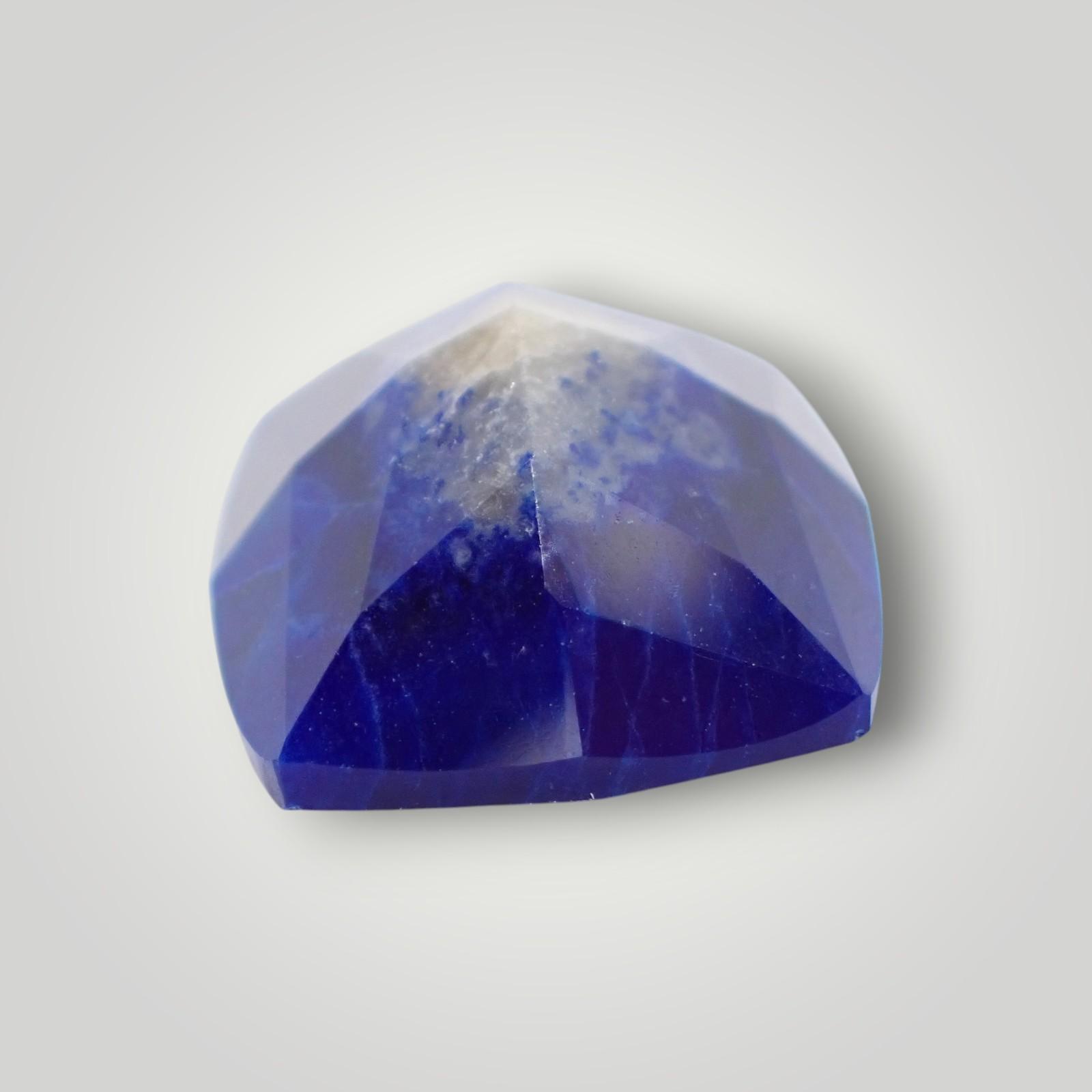
7.05 ct LAZURITE – AFGHANISTAN
EXPERT VERIFIED
- Expert Verified Gemstone
- Fast Handling & Shipping
- Secure Vault Packaging
$ 295 Original price was: $ 295.$ 250Current price is: $ 250.
Offer amount Feild


Smart Collector Choice


Pay with Crypto & Get 10% Automatic Discount

Availability: 1 in stock
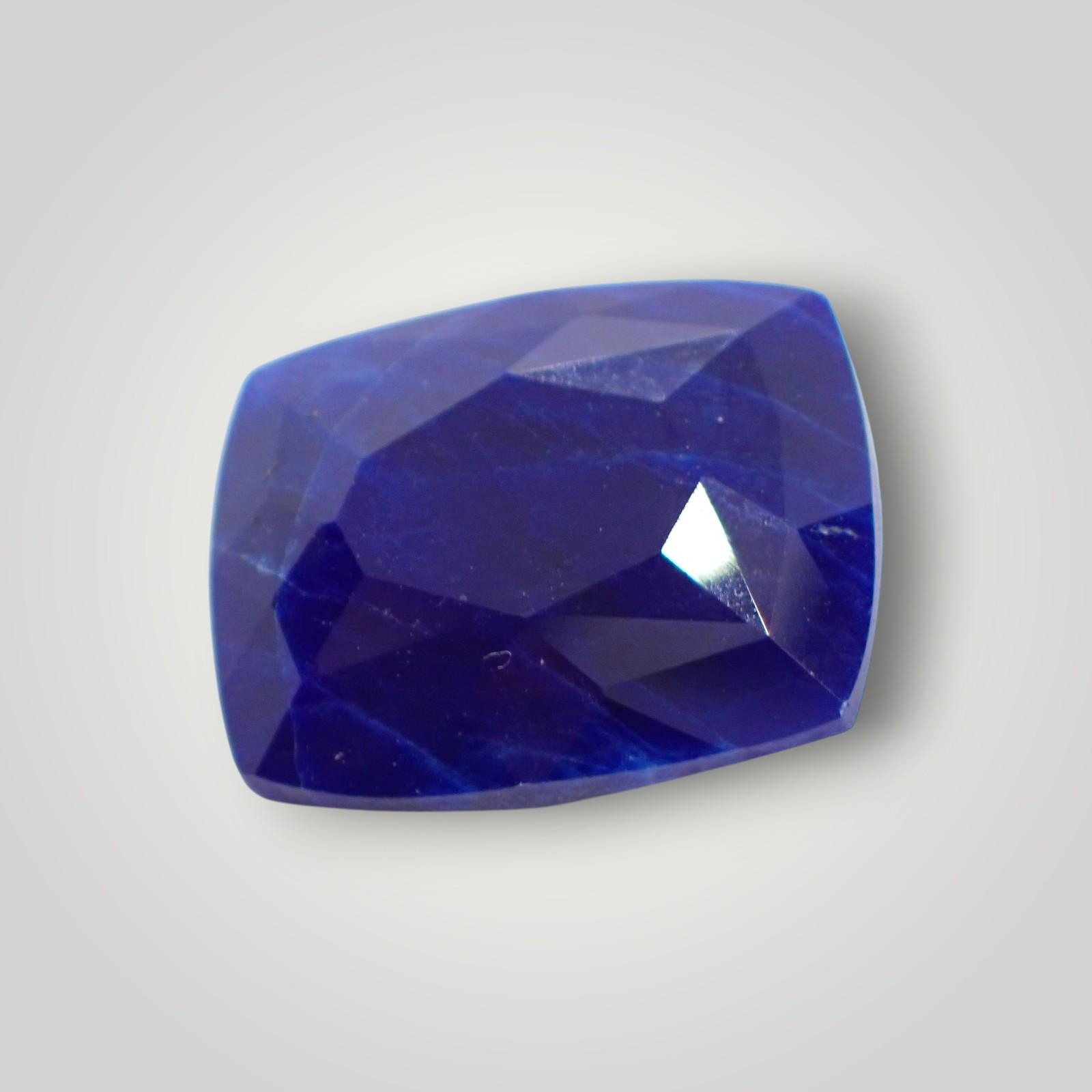
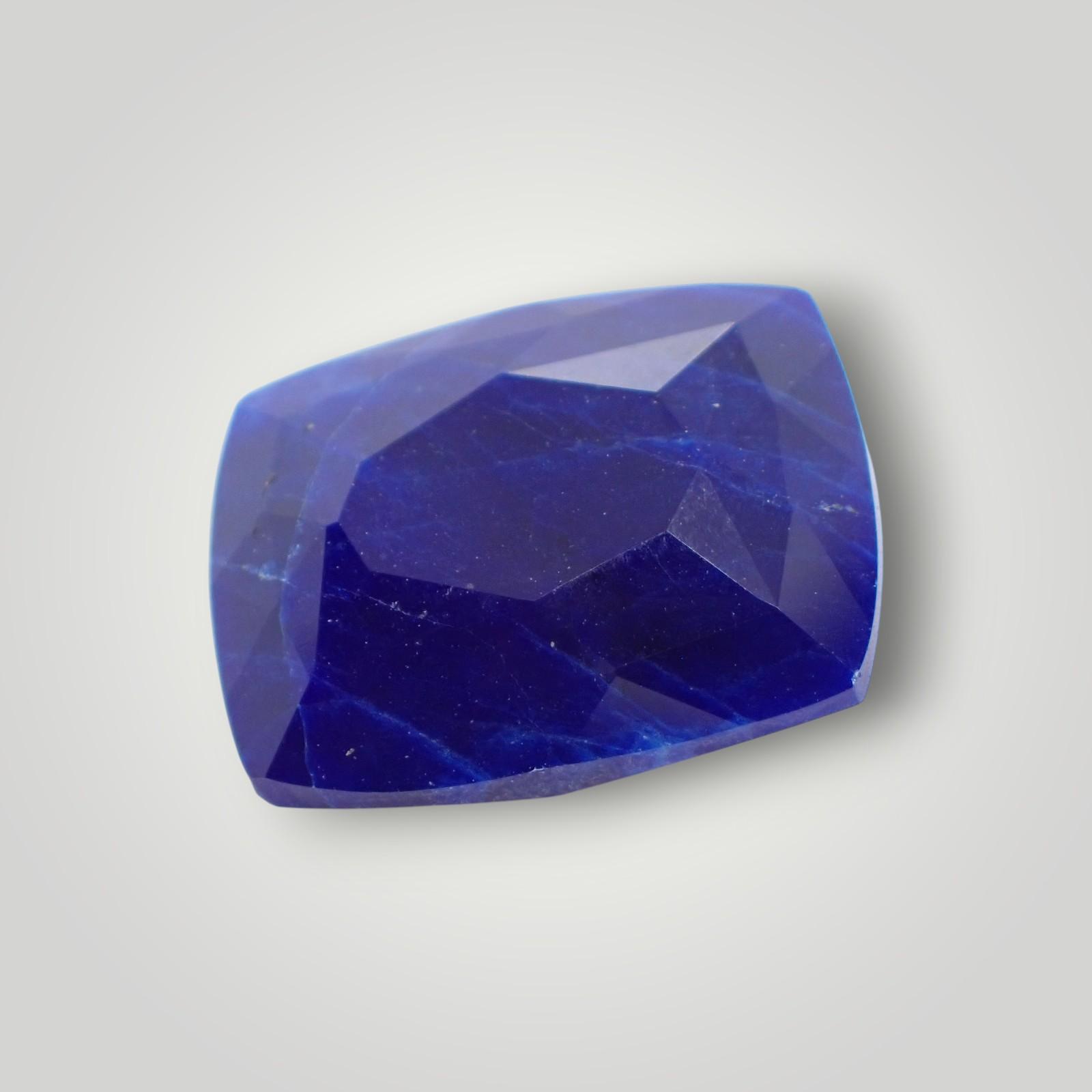
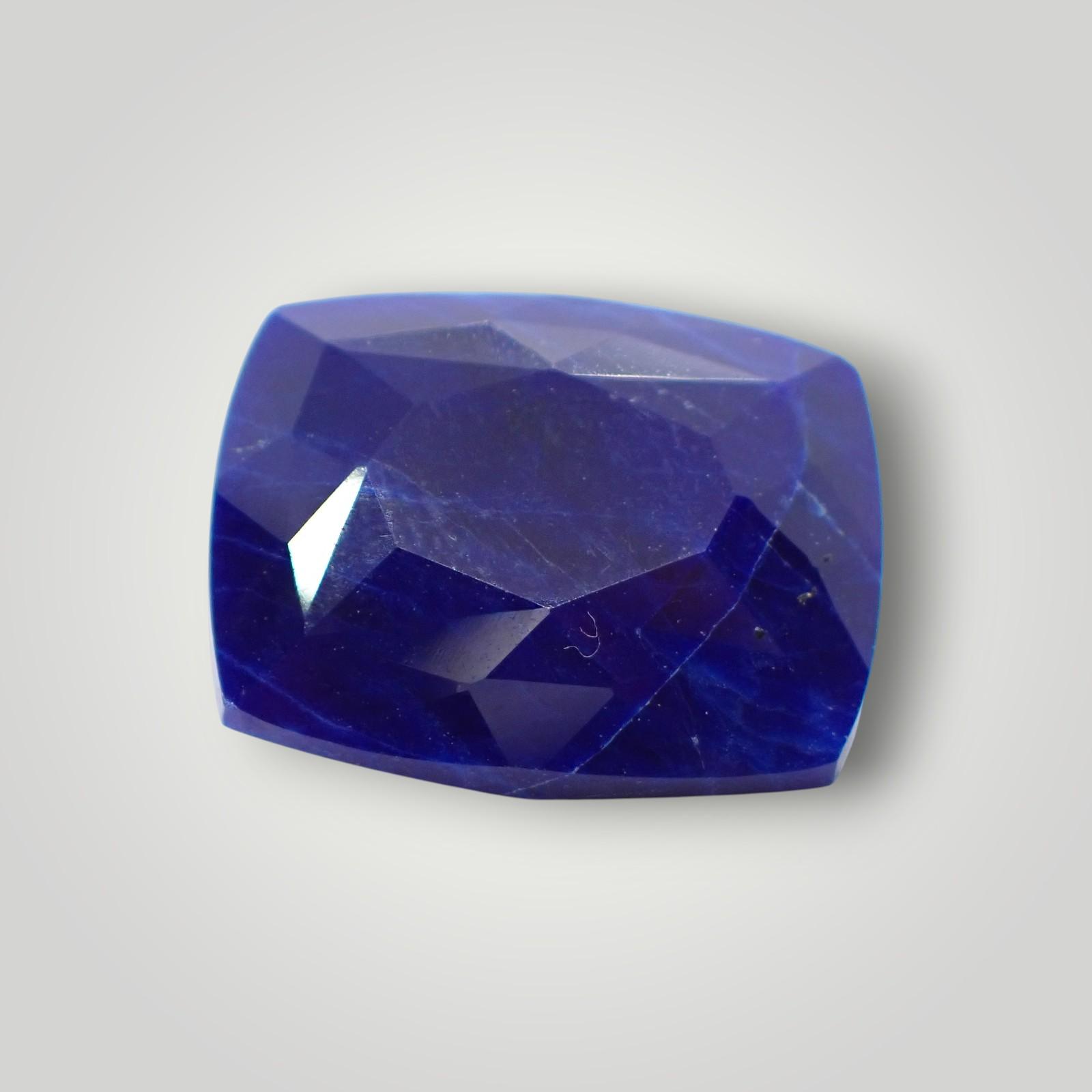
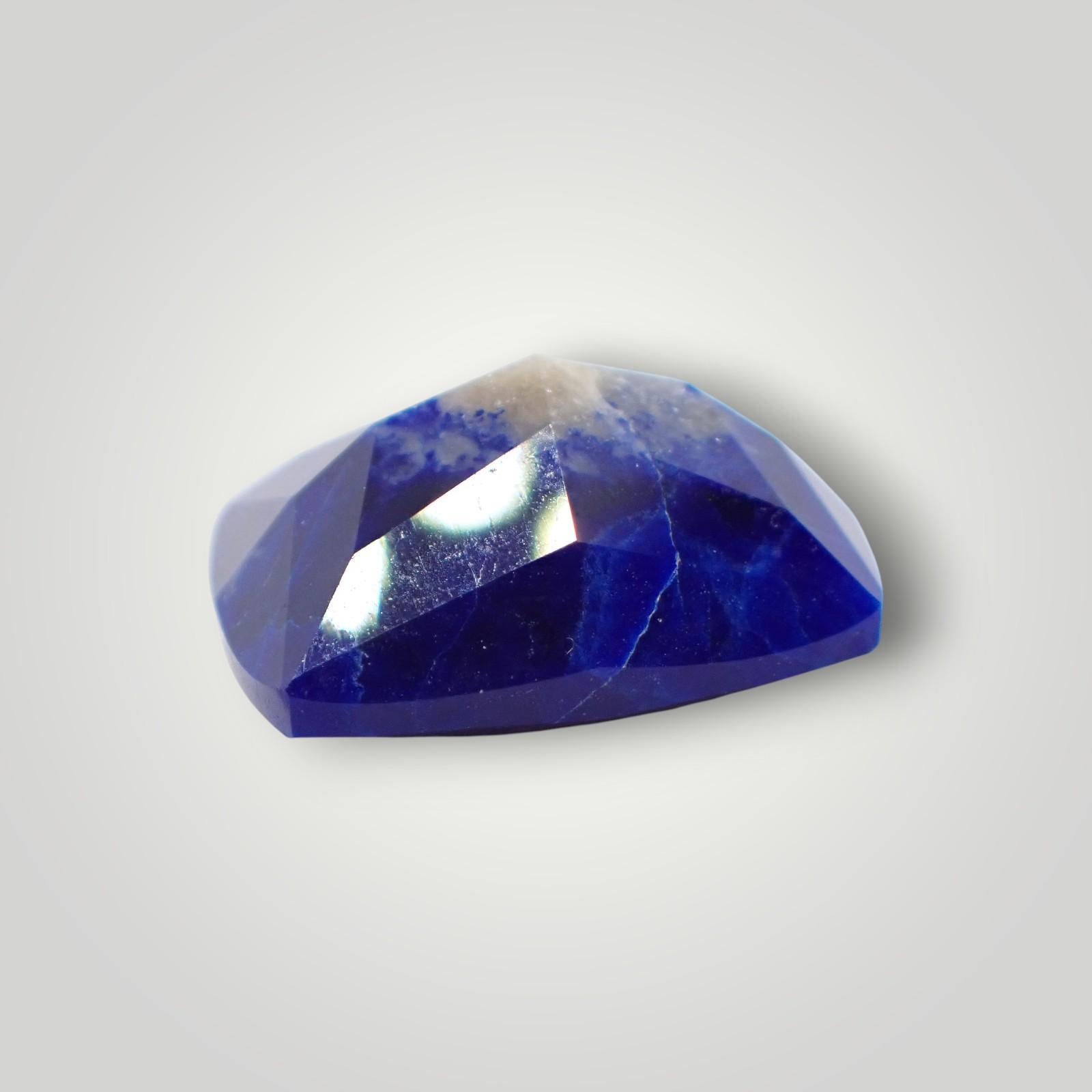


- Freakingcats Gemstone Database
Lazurite
Lazurite represents the “celestial blue” heart of the silicate world. A complex sodium aluminum silicate sulfate, it is the primary mineral component of the legendary rock Lapis Lazuli. I have always respected this species for its incomparable “ultramarine” hue—a color so profound that it was once reserved for the robes of deities and royalty in ancient art. While most are familiar with the massive rock form, for the specialist, Lazurite is a prize of crystalline rarity. Finding sharp, distinct crystals is an elite pursuit, as they offer a “velvet” depth and a dodecahedral habit that makes them a true structural pillar for the systematic vault.
The Heritage & Discovery
Historical Significance: Lazurite has one of the longest documented histories of any mineral, with a legacy stretching back over 6,000 years to the ancient civilizations of Mesopotamia and Egypt. Historically, it was the source of the world’s most expensive pigment, ultramarine, which was literally “beyond the sea.” In the world of fine minerals, it is celebrated for its “night sky” aesthetics, often naturally punctuated by “stars” of golden Pyrite and “clouds” of white Calcite. It stands as a symbol of wisdom and truth, bridging the gap between ancient archaeology and the elite world of “high-saturation” collector silicates. It serves as a reminder that some colors are so powerful they can define the visual history of human culture.
Discovery: The name is derived from the Persian lāžaward, meaning “blue.” It was formally described as a distinct mineral species in the 19th century. Scientifically, it is a member of the Sodalite group. Its discovery in the remote, high-altitude mountains of the Hindu Kush provided mineralogists with the first clear look at how sulfur-rich environments can create the most intense blue coloration possible in the mineral kingdom. My own respect for this material grew from observing its extraordinary “depth”; unlike many blue minerals that appear “flat,” the finest Lazurite crystals have a three-dimensional richness that seems to swallow light and radiate it back as pure indigo.
Important Mines: The undisputed world capital for the finest, most historic Lazurite crystals is Sar-e-Sang in the Kokcha Valley, Badakhshan, Afghanistan. This locality has remained the definitive source for several millennia. I also have a high regard for the spectacular, deep blue occurrences in the Lake Baikal region of Russia and the “Chilean blue” deposits in the Andes Mountains. For the vault, I prioritize the Afghan material for its unmatched “imperial” saturation and its characteristic dodecahedral crystal definition.
Mineralogical Profile
Description: Lazurite is a sodium aluminum silicate sulfate that crystallizes in the isometric (cubic) system. It sits at a 5 to 5.5 on the Mohs scale, making it a relatively durable mineral that requires protection from acids and extreme heat to maintain its color. It is characterized by its vitreous to dull luster and its unmistakable “royal-blue” to “violet-blue” color palette.
One of its most identifying traits is its lack of cleavage and its specific gravity ($SG \approx 2.38$ to 2.45), which makes it feel relatively light in the hand for such a visual “heavyweight.” It has a low refractive index ($n \approx 1.50$) and a characteristic opaque to translucent diaphaneity. Because it forms through the contact metamorphism of limestones, it is almost always found in association with Pyrite, Calcite, and Diopside. When I select a piece for the collection, I look for “razor-sharp” dodecahedral faces and a lack of excessive white calcite veining, as these highlight the sophisticated, three-dimensional geometry of the mineral’s growth. It is a dense, high-vibration mineral that offers a unique, “celestial” beauty unlike any other silicate species.
Chemical Formula: Na3Ca(Al3Si3O12)S


