
9.57 ct GMELINITE – CANADA
EXPERT VERIFIED
- Expert Verified Gemstone
- Fast Handling & Shipping
- Secure Vault Packaging
$ 300
Offer amount Feild


Smart Collector Choice


Pay with Crypto & Get 10% Automatic Discount

Availability: 1 in stock
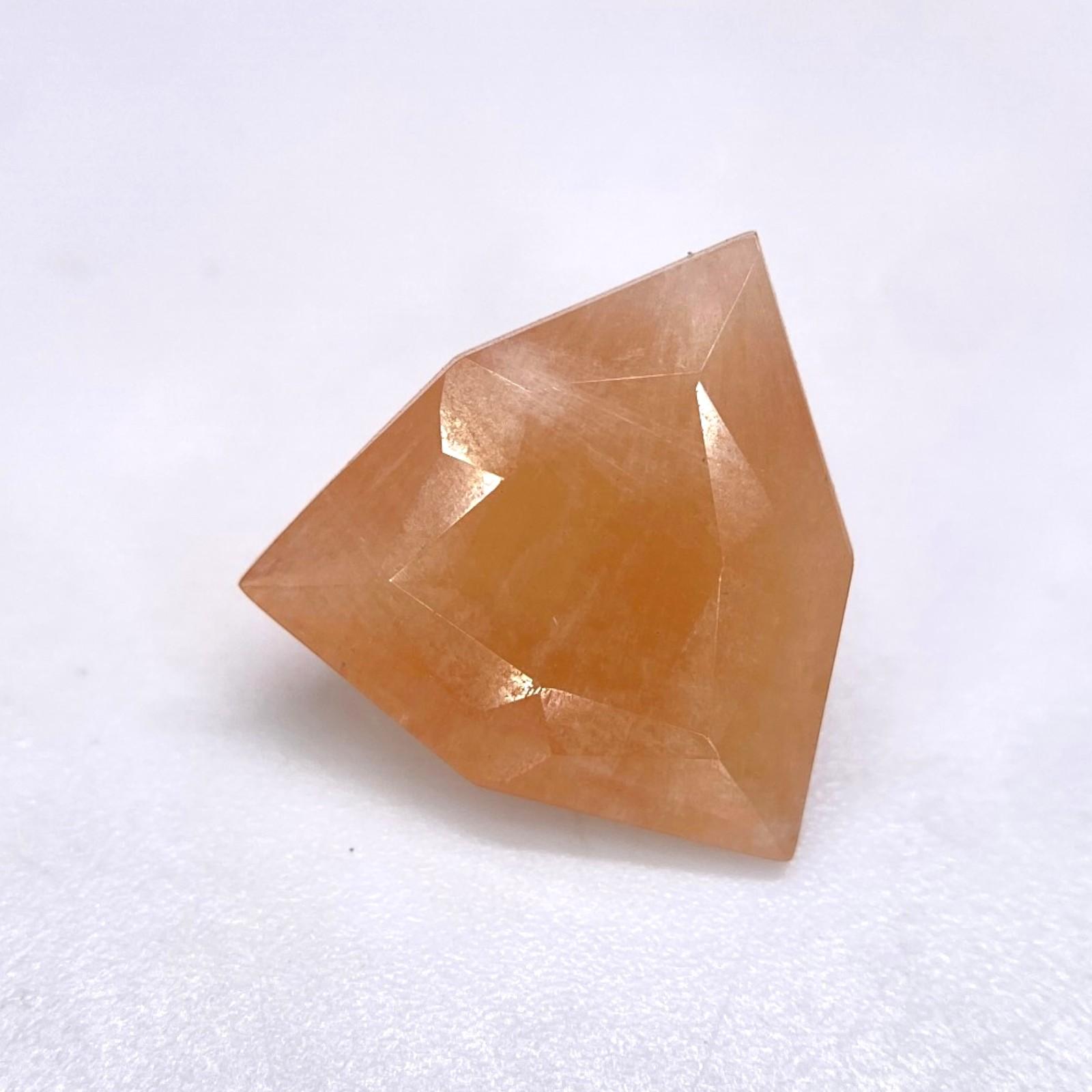
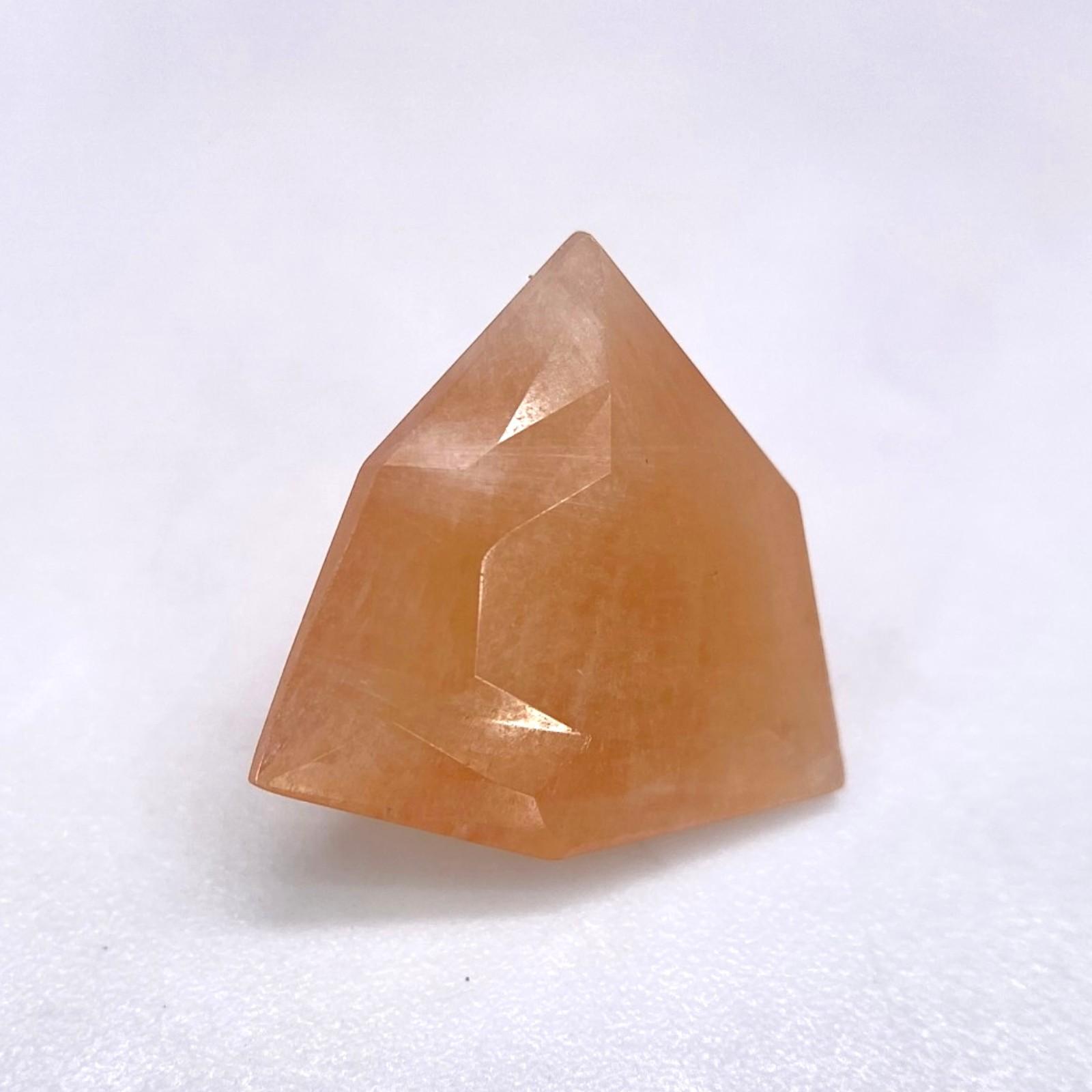
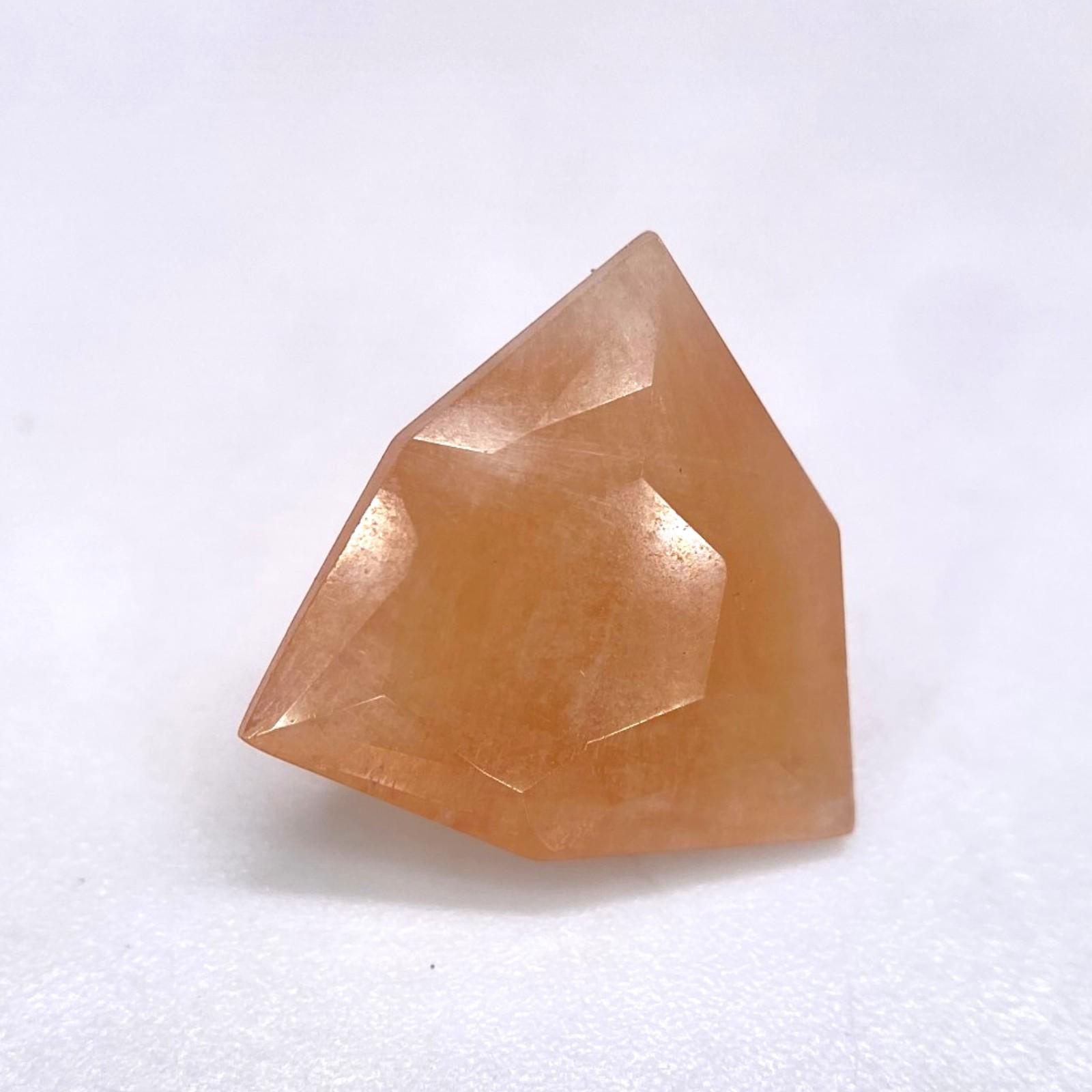
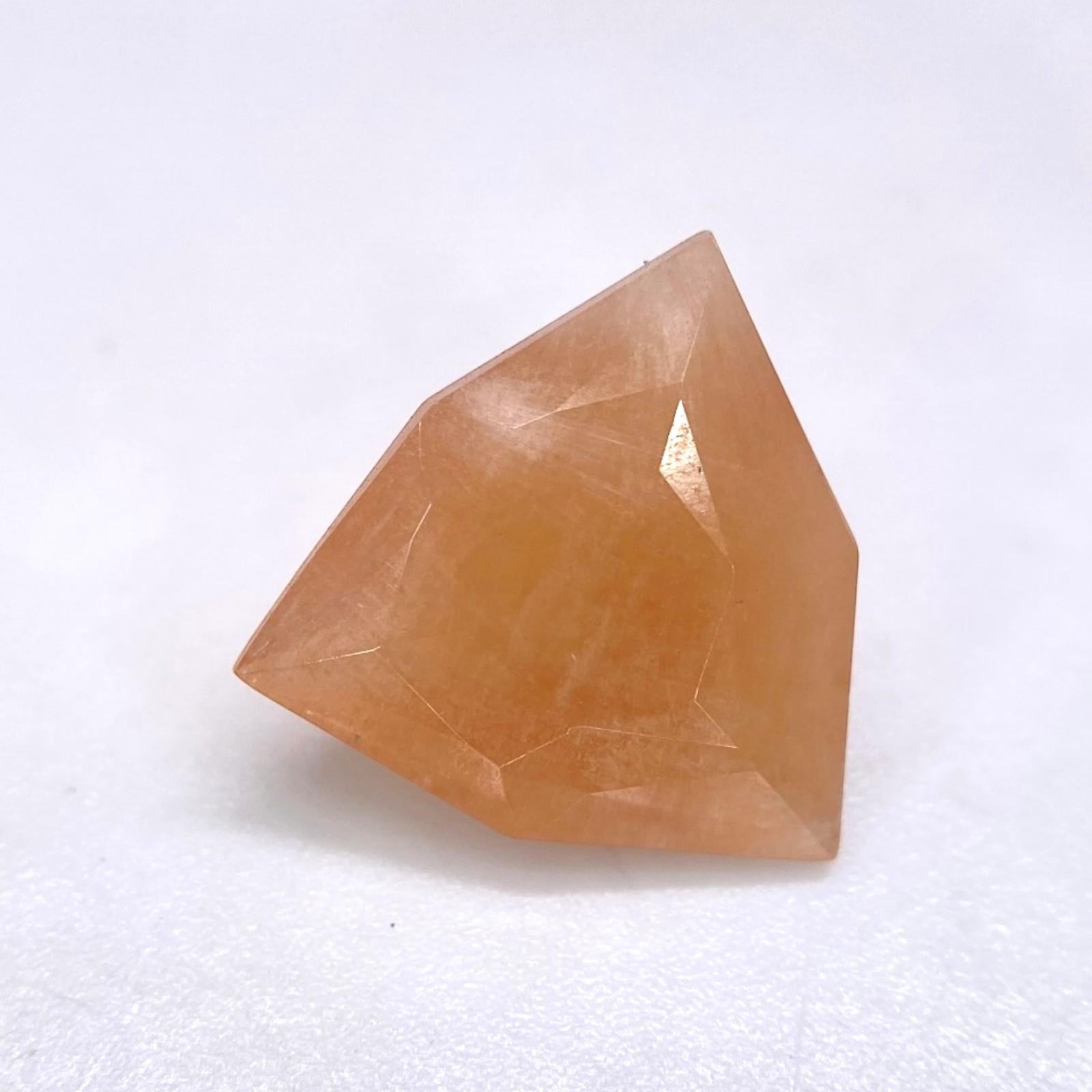
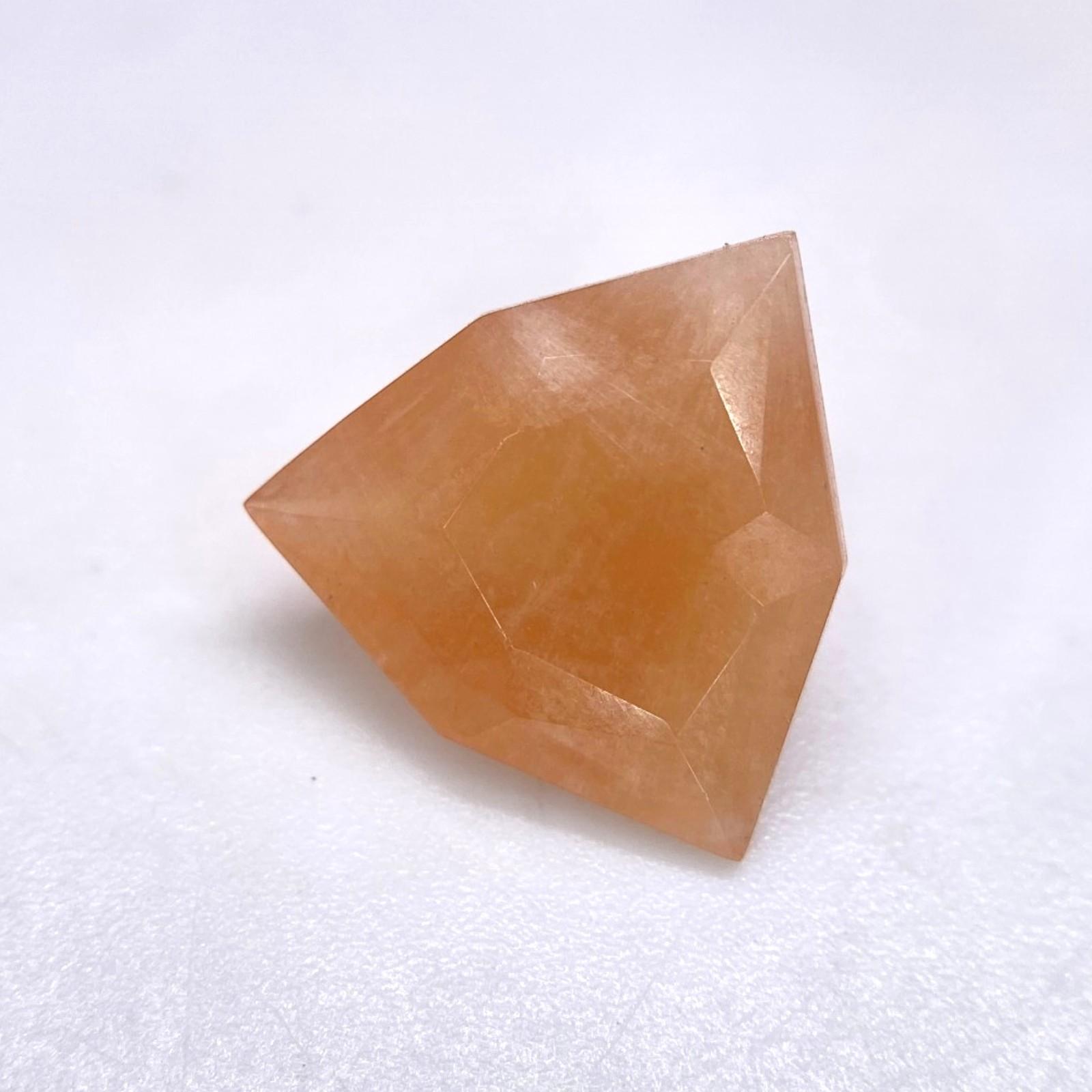
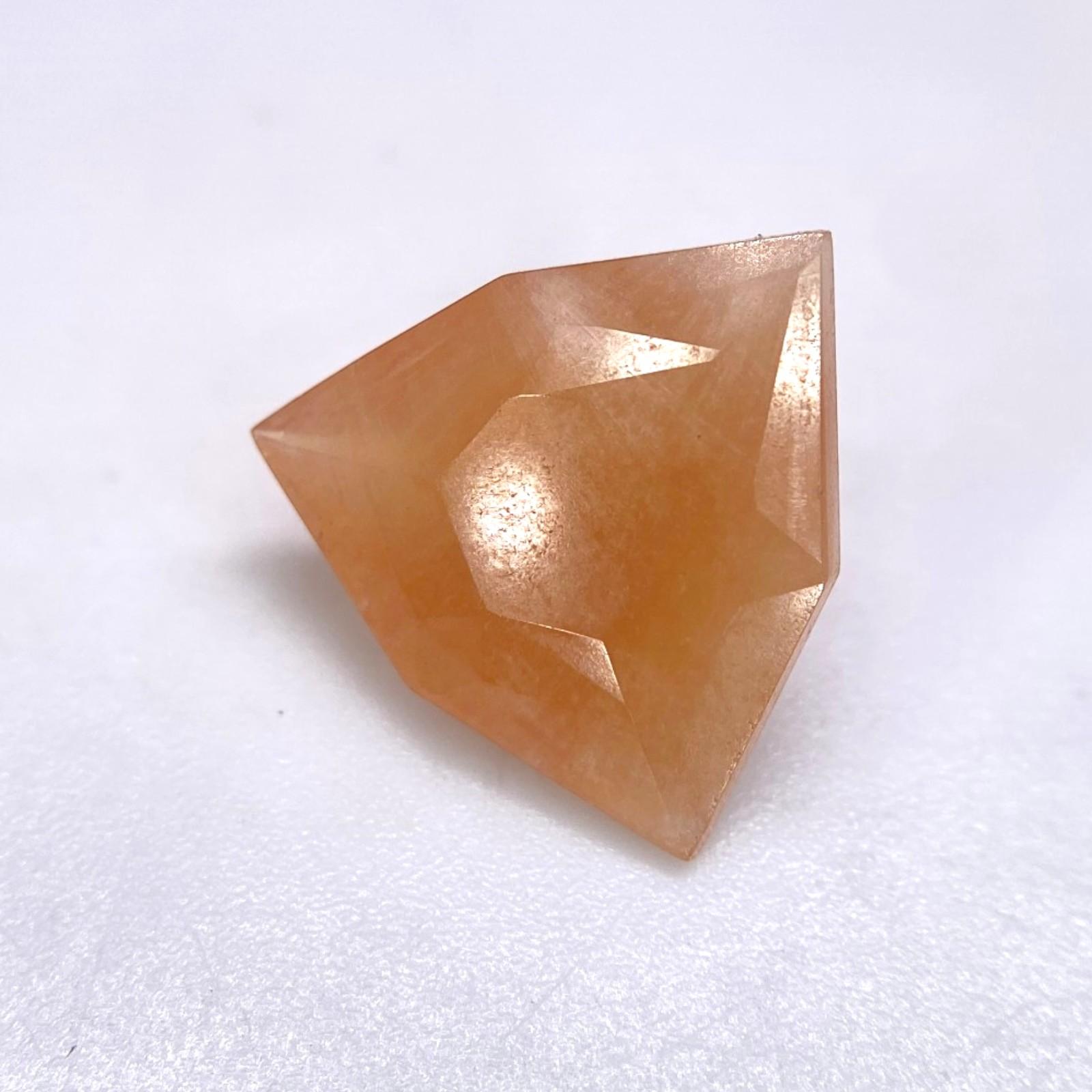
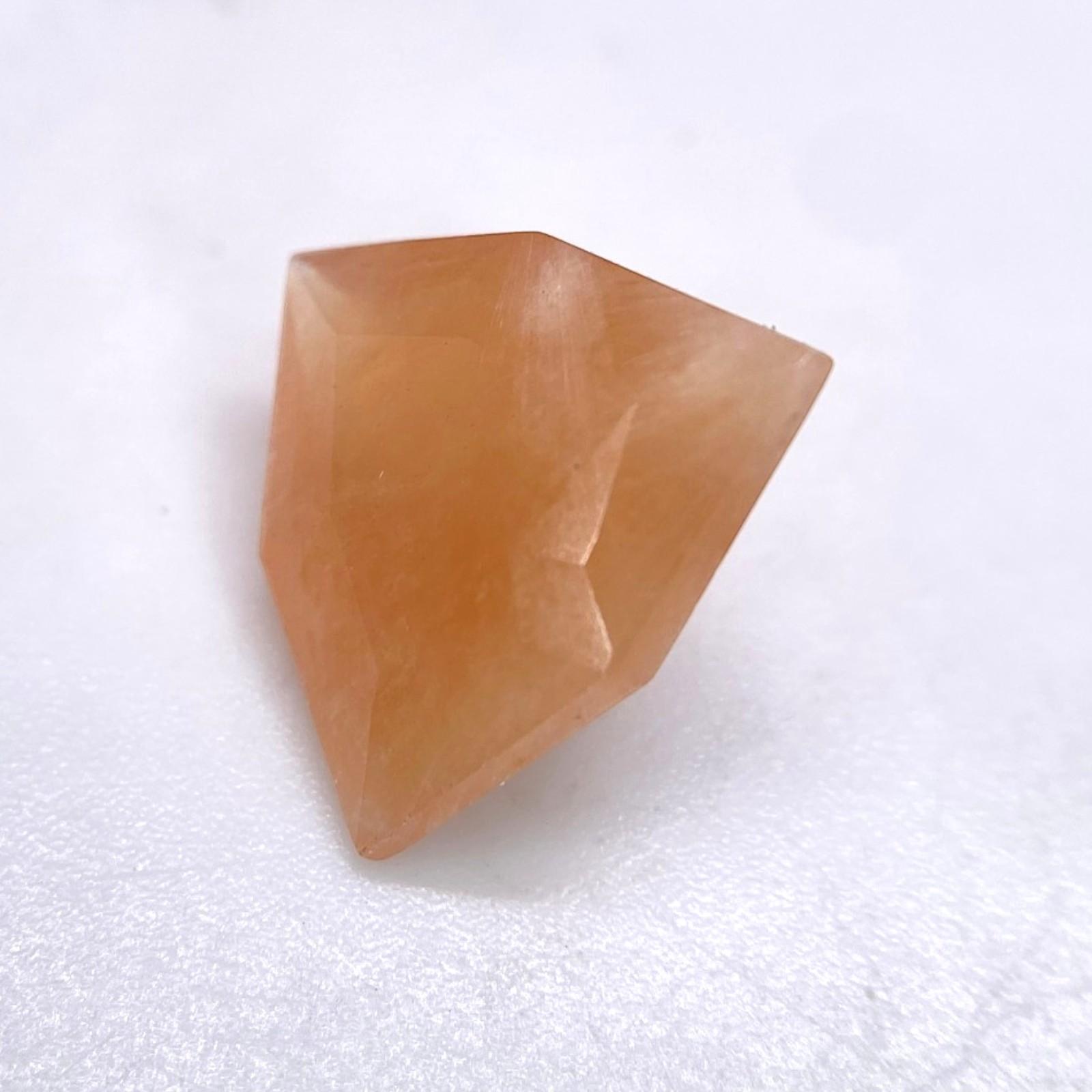


- Freakingcats Gemstone Database
Gmelinite
Gmelinite represents the “pseudo-hexagonal” curiosity of the zeolite world. A hydrated sodium calcium aluminum silicate, it is a species I have always respected for its “mirror-like” twinning and its distinctive, “double-pyramid” habit. It typically presents as beautiful, “flesh-pink,” “apricot-orange,” or “snow-white” crystals with a vitreous to pearly luster. For the specialist, Gmelinite is a prize of geometric deception; while it appears hexagonal, it actually crystallizes in the trigonal system, often forming complex twins that create perfect six-sided symmetries. It is a stone of “structural balance,” providing a sophisticated, “pastel-brilliance” aesthetic that makes it a true “mineralogical puzzle” for the systematic vault.
The Heritage & Discovery
Historical Significance: Gmelinite is a vital species for understanding the crystallization of zeolites within the gas vesicles of basaltic lavas. Historically, it was a significant discovery in the early 19th century, emerging from the rugged coastlines of Europe. In the world of fine minerals, it is celebrated for its iconic “dipunctuated” crystals and its close relationship to Chabazite. It stands as a symbol of symmetry and adaptability, bridging the gap between common volcanic minerals and the elite world of “rare-habit” collector silicates. It serves as a reminder that nature often uses “geometric masks” to hide a more complex internal order.
Discovery: The mineral was formally named in 1825 in honor of Christian Gottlob Gmelin, a famous German chemist and mineralogist from Tübingen. Scientifically, it is a member of the zeolite group, existing in three distinct species based on the dominant cation (Sodium, Calcium, or Magnesium). Its discovery in the County Antrim region of Ireland provided mineralogists with the first clear look at this specific “barrel-shaped” morphology. My own respect for this material is rooted in its rare “intergrowth”; it is frequently found intergrown with Chabazite, creating fascinating “epitaxial” relationships where one mineral dictates the orientation of the other.
Important Mines: The undisputed world capital for the finest, most aesthetic Gmelinite crystals is the Flinders area in Victoria, Australia. These specimens are legendary for their “sharp” apricot-colored crystals. I also have a high regard for the historic, “ice-white” beauties from Magheramorne Quarry in Northern Ireland and the spectacular finds from the Bay of Fundy, Nova Scotia, Canada. For the vault, I prioritize the Australian material for its unmatched color saturation and its characteristic “high-gloss” luster.
Mineralogical Profile
Description: Gmelinite is a hydrated aluminosilicate that crystallizes in the trigonal system (often appearing hexagonal due to twinning). It sits at a 4.5 on the Mohs scale, making it a relatively soft mineral that requires careful handling to preserve its delicate pyramid terminations. It is characterized by its vitreous luster and its range of “soft” mineral colors.
One of its most identifying traits is its perfect cleavage ({1010}) and its specific gravity ($SG \approx 2.0$ to 2.1), which makes it feel remarkably light and “airy” in the hand. It has a low refractive index ($n \approx 1.47$ to 1.49) and a characteristic “barrel-shaped” or “rhombohedral” habit. Because it forms in the cavities of volcanic rocks, it is almost always found in association with Analcime, Natrolite, and Chabazite. When I select a piece for the collection, I look for “razor-sharp” double-pyramid faces and a lack of “clouding,” as these highlight the sophisticated, three-dimensional geometry of the mineral’s growth. It is a light, high-vibration mineral that offers a unique, “geometric-symmetry” beauty unlike any other zeolite species.
Chemical Formula: (Na2,Ca,K2)Al2Si4O12·6H2O


